
Kyoto Itinerary: See Kyoto Perfectly
Discover the ultimate Kyoto itinerary for 2025. A complete guide with essential travel tips and day-by-day plans. Start planning your cultural adventure now!
On this page
Planning a trip to Kyoto and feeling overwhelmed by the sheer number of temples, gardens, and cultural experiences? In 2025, Kyoto continues to be a top destination, drawing visitors with its timeless beauty and captivating traditions. But navigating this historic city requires a strategic approach. That’s where our detailed Nara and Kyoto itineraries come in. This guide not only provides a day-by-day plan for either 3 or 5 days but also covers essential planning aspects like transportation, accommodation, and the best time to visit.
Whether you’re eager to explore ancient temples, sample exquisite cuisine, or immerse yourself in traditional arts, our itinerary is designed to help you experience the best of Kyoto. For first-timers, this structured approach can be invaluable, while seasoned travelers will appreciate the curated selection of experiences. Be sure to check out our guides on things to do in Kyoto, Kyoto experiences, and Kyoto adventures to further enhance your trip planning. Also, explore Kyoto’s culture, landmarks, nightlife, events, highlights, activities, and attractions to tailor your trip to your interests. Let’s dive in and discover the perfect Kyoto itinerary for you!
| Season | Months | Highlight | Crowd Level |
|---|---|---|---|
| Spring | March – May | Cherry blossoms along Philosopher’s Path and Maruyama Park | Very high (peak) |
| Summer | June – August | Gion Matsuri festival in July; lush greenery | Moderate – high |
| Autumn | September – November | Vibrant foliage at Tofuku-ji and Kiyomizu-dera | High (peak) |
| Winter | December – February | Snow-covered temples; occasional illuminations | Low (off-peak) |
The fastest route from Tokyo to Kyoto is the Tokaido Shinkansen, taking approximately 2 hours 15 minutes. A Japan Rail Pass covers this journey and can be cost-effective if combined with travel to other cities.
The Kyoto City Bus one-day pass costs 700 yen for unlimited rides. A prepaid IC card (ICOCA or Suica) works across buses and subways and saves time at ticket machines throughout your trip.
1. How to Get to Kyoto
Planning a trip to Kyoto? One of the first things to consider is how to get there. Fortunately, Kyoto is well-connected to the rest of Japan and the world, offering various transportation options to suit different budgets and preferences. Whether you’re arriving from another city in Japan or from overseas, here’s a comprehensive guide to help you navigate your journey to this cultural gem. After all, knowing how to get to Kyoto is the first step in planning an amazing Kyoto itinerary!
By Shinkansen (Bullet Train)
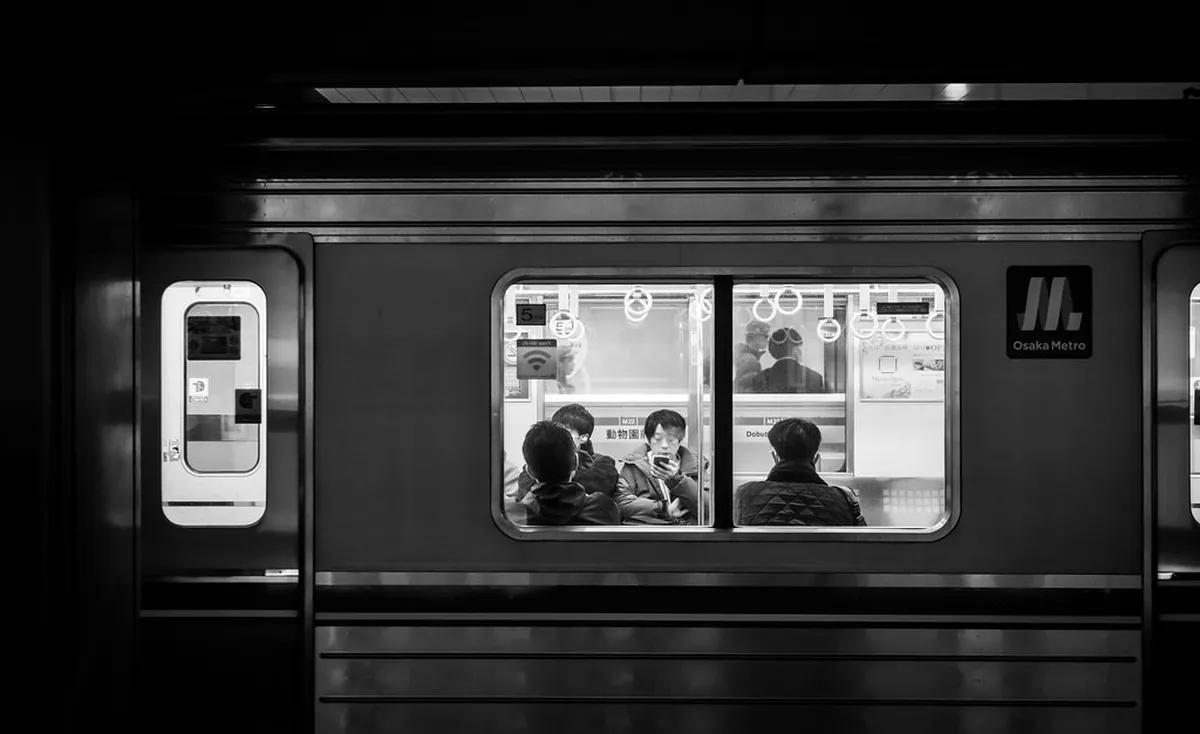
The Shinkansen, or bullet train, is the fastest and most convenient way to reach Kyoto from major cities like Tokyo and Osaka. The Tokaido Shinkansen line connects Tokyo to Kyoto in approximately 2.5 hours. From Osaka, the journey is even shorter, taking only about 15 minutes. Kyoto Station is a major transportation hub, making it easy to transfer to local trains, subways, or buses to reach your accommodation. For tourists, purchasing a Japan Rail Pass can be a cost-effective option if you plan to travel extensively by Shinkansen. Consider booking your tickets in advance, especially during peak travel seasons.
By Plane
While Kyoto does not have its own airport, the closest international airport is Kansai International Airport (KIX) in Osaka. From KIX, you can take the Haruka Express train directly to Kyoto Station in about 75 minutes. Another option is to fly into Itami Airport (Osaka International Airport), which primarily handles domestic flights. From Itami, you can take a limousine bus to Kyoto Station, which takes around 50 minutes. Flying might be preferable if you’re coming from far distances; however, it’s essential to factor in travel time to and from the airports.
By Local Train
If you’re already in Japan and looking for a budget-friendly option, consider taking local trains. This method usually involves multiple transfers and takes longer than the Shinkansen, but it can be a great way to see the countryside and save money. For example, from Tokyo, a local train journey to Kyoto can take around 8-9 hours. Use a Japan Rail Pass or purchase individual tickets for each leg of your journey. Local trains also provide unique views and the opportunity to experience everyday Japanese life.
By Bus
For the most budget-conscious travelers, taking a highway bus to Kyoto is an economical choice. Several bus companies operate routes from major cities like Tokyo, offering both daytime and overnight services. The journey from Tokyo to Kyoto by bus takes approximately 6-8 hours. While it may not be as comfortable as the Shinkansen, it’s a significantly cheaper alternative. Be sure to book your bus tickets in advance, especially during peak seasons, to secure your seat. This method is a favorite among backpackers and those looking to stretch their travel budget.
Insider Tips & Final Thoughts
When planning your transportation to Kyoto, remember to factor in travel time from your arrival point to your final destination within the city. Kyoto Station is well-equipped with tourist information centers, so you can get assistance upon arrival. Also, consider purchasing a rechargeable travel card like ICOCA or Suica to easily navigate local transport. For more travel inspiration, check out these things to do in Kyoto. Safe travels, and enjoy your Kyoto adventure! Don’t forget to explore various Kyoto experiences to enrich your trip!
Free: The Kyoto Essentials guide
Top things to do, where to stay, a perfect day plan, getting around, and the best time to go — a Kyoto mini-guide you can take offline.
2. How to Get Around Kyoto
Navigating Kyoto is an essential part of experiencing all that this vibrant city has to offer. Fortunately, Kyoto boasts a well-developed public transportation system that caters to both locals and tourists. Understanding your options will save you time and enhance your overall travel experience. Whether you prefer the convenience of buses, the speed of trains, or the flexibility of taxis, Kyoto has something for every traveler.
Buses: An Extensive Network
Kyoto’s bus network is extensive and covers most of the city’s major attractions. The municipal buses are easily recognizable by their green color. These buses are particularly useful for reaching temples and shrines that are not directly accessible by train. The flat-rate fare system makes budgeting straightforward. Consider purchasing a one-day bus pass if you plan to visit multiple sites in a single day. This can provide significant savings and convenience. However, buses can get crowded, especially during peak tourist seasons, so plan accordingly.
Trains and Subways: Speed and Efficiency
Kyoto’s train and subway system is efficient and punctual, making it a great option for traveling longer distances within the city and to nearby areas. The Kyoto Municipal Subway has two lines, the Karasuma Line and the Tozai Line, which connect key areas of the city. Additionally, Japan Railways (JR) lines, such as the JR Sagano Line, are useful for accessing destinations like Arashiyama. For those planning extensive rail travel, a Japan Rail Pass might be a cost-effective option. Getting familiar with the train routes and schedules will undoubtedly enhance your Kyoto itinerary.
Taxis: Convenience at a Cost
Taxis in Kyoto are readily available, clean, and offer a comfortable way to travel, especially if you’re carrying luggage or traveling in a group. Taxi fares are metered, and while they are more expensive than buses or trains, they can be a convenient option for reaching destinations that are less accessible by public transport. Most taxi drivers do not speak English, so it’s helpful to have your destination written in Japanese or use a translation app. Taxis provide a direct and hassle-free way to experience Kyoto’s attractions.
Cycling: A Local Experience
For a more immersive and active way to explore Kyoto, consider renting a bicycle. Kyoto is relatively flat, making it ideal for cycling, and numerous rental shops throughout the city offer various types of bicycles. Cycling allows you to discover hidden gems and enjoy the city at your own pace. Explore local experiences in Kyoto by bike and immerse yourself in the atmosphere. However, be mindful of traffic and pedestrian areas, and always park your bicycle in designated areas.
Insider Tips & Final Thoughts
Before you set off, it’s a good idea to download a transportation app or use Google Maps to plan your routes. These tools provide real-time information on bus and train schedules, making navigation easier. Don’t hesitate to ask locals for directions; they are generally very helpful and friendly. Furthermore, consider purchasing a prepaid IC card, such as Suica or Pasmo, to make paying for public transport seamless. With these tips, you’ll be well-equipped to explore all the things to do in Kyoto efficiently and enjoyably.
3. Where to Stay in Kyoto
Choosing the right accommodation is crucial for an enjoyable Kyoto itinerary. Fortunately, Kyoto offers a wide range of options, from traditional Ryokans to modern hotels, catering to every taste and budget. To truly immerse yourself in the local culture, consider staying in a Ryokan. These traditional Japanese inns feature tatami mats, futon beds, and often include on-site onsen (hot springs). Alternatively, numerous hotels near Kyoto Station provide easy access to transportation and popular attractions.
For those seeking a more budget-friendly option, guesthouses and hostels are available, particularly in areas like Gion and near the iconic Kiyomizu-dera Temple. These locations offer both convenience and opportunities to experience local life. Consider researching areas like Arashiyama for a serene retreat or downtown Kyoto for bustling nightlife and dining experiences. Ultimately, the best place to stay depends on your priorities, so weigh factors like budget, location, and desired experience to make the perfect choice for your Kyoto adventure.
Moreover, consider booking accommodations well in advance, especially if you’re traveling during peak seasons like cherry blossom season (sakura) or autumn foliage. Early booking ensures a wider selection and better prices. Regardless of where you decide to stay, remember that Kyoto is a relatively safe city, so exploring different neighborhoods is encouraged. In conclusion, careful planning will ensure that your accommodation enhances your overall experience in this mesmerizing city. You will want to be near the best things to do in Kyoto, and Kyoto attractions.
4. When to Visit Kyoto
Deciding when to visit Kyoto largely depends on your preferences regarding weather, crowds, and specific events. Each season in Kyoto offers a unique charm, so let’s explore the best times to experience this captivating city. Understanding the nuances of each season will help you plan your perfect Kyoto itinerary.
Spring (March – May): Cherry Blossom Season
Spring is arguably the most popular time to visit Kyoto, primarily because of the world-renowned cherry blossoms (sakura). From late March to mid-April, the city transforms into a pink wonderland. Hanami, or cherry blossom viewing, is a quintessential Japanese experience. You’ll find locals and tourists alike picnicking under the blooming trees in parks like Maruyama Park and along the Philosopher’s Path. However, be prepared for larger crowds and higher accommodation prices during this peak season. Despite the hustle, the ethereal beauty of the sakura makes it an unforgettable experience. Furthermore, the pleasant temperatures make it ideal for exploring Kyoto’s many landmarks.
Summer (June – August): Lush Greenery and Festivals
Summer in Kyoto is characterized by lush greenery and vibrant festivals. The rainy season (tsuyu) typically begins in June, bringing humidity and occasional showers. However, this also means fewer tourists and a chance to see Kyoto’s gardens in their most verdant state. July brings the Gion Matsuri, one of Japan’s most famous festivals, featuring elaborate processions and traditional performances. August is hot and humid, but it’s also when you can experience the Daimonji Gozan Okuribi, a spectacular event where giant bonfires are lit on the surrounding mountains. Remember to stay hydrated and dress accordingly when exploring things to do in Kyoto during these months.
Autumn (September – November): Vibrant Foliage
Autumn is another excellent time to visit Kyoto, as the city is adorned with stunning fall foliage. The maple trees turn brilliant shades of red, orange, and gold, creating breathtaking scenery. Temples like Tofuku-ji and Kiyomizu-dera are particularly beautiful during this season. The weather is generally mild and pleasant, making it ideal for outdoor activities. Similar to spring, autumn attracts a significant number of tourists, so booking accommodations and transportation in advance is recommended. Discover unique Kyoto experiences amidst the colorful backdrop.
Winter (December – February): Serene Beauty and Fewer Crowds
Winter in Kyoto offers a unique charm, with serene landscapes and fewer crowds. While it can be cold, especially in January and February, the city takes on a peaceful atmosphere. Snow-covered temples and gardens create a magical setting. Moreover, you might catch the occasional snowfall, adding to the beauty. Plus, visiting during the off-season means you can enjoy popular attractions without the usual crowds. Don’t miss the opportunity to warm up with a traditional hot pot or sake tasting. Also, remember to check out various Kyoto activities that are available even during winter.
Insider Tips & Final Thoughts
Ultimately, the best time to visit Kyoto depends on your priorities. Spring and autumn offer stunning natural beauty, but come with larger crowds. Summer brings vibrant festivals, while winter provides a peaceful and crowd-free experience. Regardless of when you choose to visit, Kyoto’s timeless beauty and rich cultural heritage are sure to captivate you. For more inspiration, explore additional Kyoto adventures and plan your unforgettable journey.
5. How Many Days in Kyoto is Ideal
Deciding how many days to spend in Kyoto depends largely on your interests and how deeply you want to explore this cultural gem. **Kyoto**, with its numerous temples, gardens, and traditional districts, offers a wealth of experiences. Whether you’re interested in history, cuisine, or simply soaking in the serene atmosphere, planning your time wisely is essential. Here’s a breakdown to help you determine the ideal duration for your Kyoto itinerary.
Morning Activities
For a quick introduction to Kyoto’s highlights, a 3-day Kyoto itinerary can cover the essentials. Start with iconic sites such as Kinkaku-ji (Golden Pavilion) and Kiyomizu-dera Temple. These landmarks provide a great overview of Kyoto’s historical and architectural beauty. Moreover, allocate time for a stroll through Gion, Kyoto’s geisha district, to witness traditional wooden machiya houses and, if you’re lucky, catch a glimpse of a geiko or maiko. A shorter stay requires efficient planning, so prioritize must-see Kyoto attractions.
Midday Exploration & Lunch
A 5-day Kyoto itinerary allows for a more immersive experience. In addition to the main attractions, you can explore less crowded temples and gardens, such as Ryoan-ji Temple with its famous rock garden, and the serene Arashiyama Bamboo Grove. Use your midday hours to savor Kyoto’s culinary delights, from trying a traditional Kaiseki dinner to sampling street food in Nishiki Market. Also, with more time, consider a day trip to nearby Nara to see Todai-ji Temple and interact with the friendly deer in Nara Park.
Afternoon Adventures
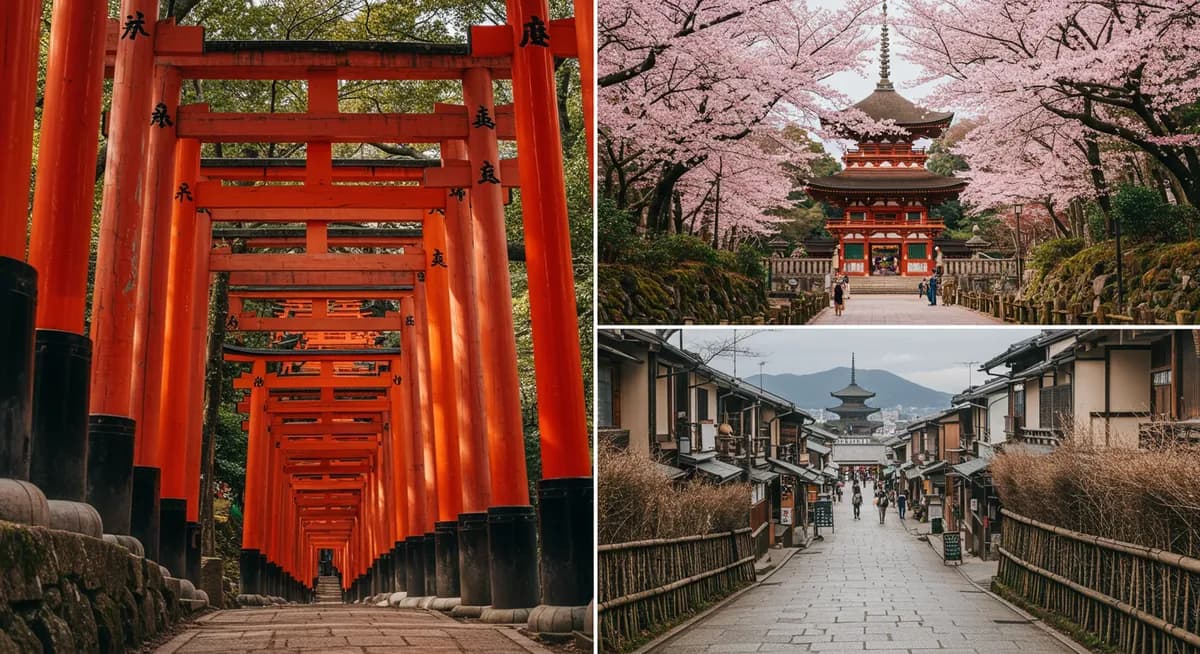
If you have a full week or more, a 7-day Kyoto itinerary offers the most comprehensive exploration. This duration enables you to delve deeper into Kyoto’s cultural offerings, such as attending a tea ceremony or trying your hand at traditional crafts. Furthermore, you can visit unique spots like the Fushimi Inari Shrine with its thousands of vermilion torii gates, or take a cooking class to learn how to make authentic Japanese dishes. Having ample time also means you can explore at a relaxed pace, allowing for spontaneous discoveries and deeper engagement with local culture. Look into Kyoto cultural activities to enrich your afternoons.
Evening Experiences
No matter the length of your stay, remember to enjoy Kyoto’s evening atmosphere. Gion is especially enchanting at night, with its softly lit streets and the chance to spot geishas heading to appointments. Consider taking a guided night tour to learn more about the district’s history and culture. Additionally, many temples and gardens offer special nighttime illuminations, providing a different perspective on these iconic landmarks. Explore Kyoto nightlife for memorable evening experiences. Don’t miss out on experiencing a traditional Izakaya.
Insider Tips & Final Thoughts
Ultimately, the ideal number of days in Kyoto depends on your personal preferences and interests. However, even a short trip can be incredibly rewarding if planned well. For a more relaxed and in-depth experience, a 5 to 7-day itinerary is highly recommended. Remember to factor in travel time between attractions and allow for some flexibility in your schedule. By doing so, you can make the most of your time in this captivating city and create lasting memories. Plan your Kyoto adventures today!
6. Day 1: Immerse Yourself in Kyoto’s Iconic Temples
Morning Activities: Kinkaku-ji (Golden Pavilion)
Begin your **Kyoto itinerary** with a visit to the breathtaking Kinkaku-ji, also known as the Golden Pavilion. This Zen Buddhist temple, covered in gold leaf, is a stunning sight, especially when reflected in the pond it overlooks. Arrive early to avoid the crowds and to experience the tranquility of the gardens. The serene atmosphere and architectural beauty make it a perfect start to your Kyoto adventure. As one of the most iconic **Kyoto attractions**, Kinkaku-ji offers a glimpse into the opulence of the Muromachi period. Moreover, it’s a fantastic photo opportunity, so don’t forget your camera!
Midday Exploration & Lunch: Ryoan-ji Temple and Zen Garden
After Kinkaku-ji, head to Ryoan-ji Temple, famous for its enigmatic Zen garden. This UNESCO World Heritage site invites contemplation as you observe the fifteen rocks arranged on a bed of white gravel. It’s a place of quiet reflection, offering a stark contrast to the gilded splendor of Kinkaku-ji. For lunch, enjoy a traditional Japanese meal at a nearby restaurant. Many establishments offer vegetarian options suitable for temple visitors. Consider trying a bento box with local delicacies to fuel your afternoon explorations.
Afternoon Adventures: Kiyomizu-dera Temple and Higashiyama District
In the afternoon, make your way to Kiyomizu-dera Temple, another of Kyoto’s must-see landmarks. This temple is famous for its wooden stage that juts out from the hillside, offering panoramic views of Kyoto. Explore the temple grounds, visit the Jishu Shrine (dedicated to love and matchmaking), and drink from the Otowa Waterfall, which is said to grant wishes. Afterward, wander through the charming streets of the Higashiyama District. This area is filled with traditional shops selling crafts, sweets, and souvenirs. It’s a fantastic place to experience **local experiences** and immerse yourself in Kyoto’s cultural heritage. Also, be sure to sample some of the local sweets and teas as you explore.
Evening Experiences: Gion District and Dinner
Insider Tips & Final Thoughts
To make the most of your day, consider purchasing a Kyoto City Subway One-Day Pass for convenient travel. Wear comfortable shoes, as you’ll be doing a lot of walking. Also, respect the temple etiquette by being quiet and refraining from taking photos in restricted areas. Remember to stay hydrated, especially during the warmer months. Kyoto’s temples and gardens offer a tranquil escape from the hustle and bustle of modern life. For more **things to do in Kyoto**, consider checking out this Kyoto activity guide. Enjoy your immersive journey through Kyoto’s iconic temples, and be sure to check out some of the great Kyoto attractions!
Day 2: Explore the Bamboo Forest and Serene Gardens of Arashiyama
Morning Activities: Bamboo Grove and Tenryu-ji Temple
Start your second day in Kyoto with a mesmerizing visit to the **Arashiyama Bamboo Grove**. Early morning is the best time to avoid crowds and fully immerse yourself in the towering bamboo stalks. The sunlight filtering through the bamboo creates an ethereal, almost otherworldly experience. Following your walk, explore **Tenryu-ji Temple**, a Zen temple featuring stunning gardens. In fact, this temple offers a tranquil contrast to the bustling city life, providing a serene start to the day. Moreover, it is a must-see landmark in Arashiyama, allowing you to experience traditional Japanese architecture and landscape design.
Midday Exploration & Lunch: Okochi Sanso Villa and Local Cuisine
After immersing yourself in the bamboo forest and temple, make your way to **Okochi Sanso Villa**. This beautiful estate offers a glimpse into traditional Japanese architecture and gardens. Formerly belonging to a famous silent film actor, the villa provides various walking paths, tea houses, and panoramic views of Kyoto. Afterwards, treat yourself to a delicious lunch at a local restaurant. For example, you can try some Arashiyama specialties like tofu cuisine or soba noodles. Therefore, be sure to explore the quaint shops and eateries along the main street.
Afternoon Adventures: Iwatayama Monkey Park and Togetsukyo Bridge
For an adventurous afternoon, hike up to **Iwatayama Monkey Park**, where you can interact with wild Japanese macaque monkeys. The climb takes about 30 minutes, but the panoramic views of Kyoto from the top are well worth the effort. It’s important to note that visitors can feed the monkeys, offering a unique and memorable experience. Subsequently, make your way down and stroll across the iconic **Togetsukyo Bridge**, which spans the Katsura River. This picturesque bridge is a perfect spot for taking photos and enjoying the natural beauty of Arashiyama.
Evening Experiences: Riverside Stroll and Dinner with a View
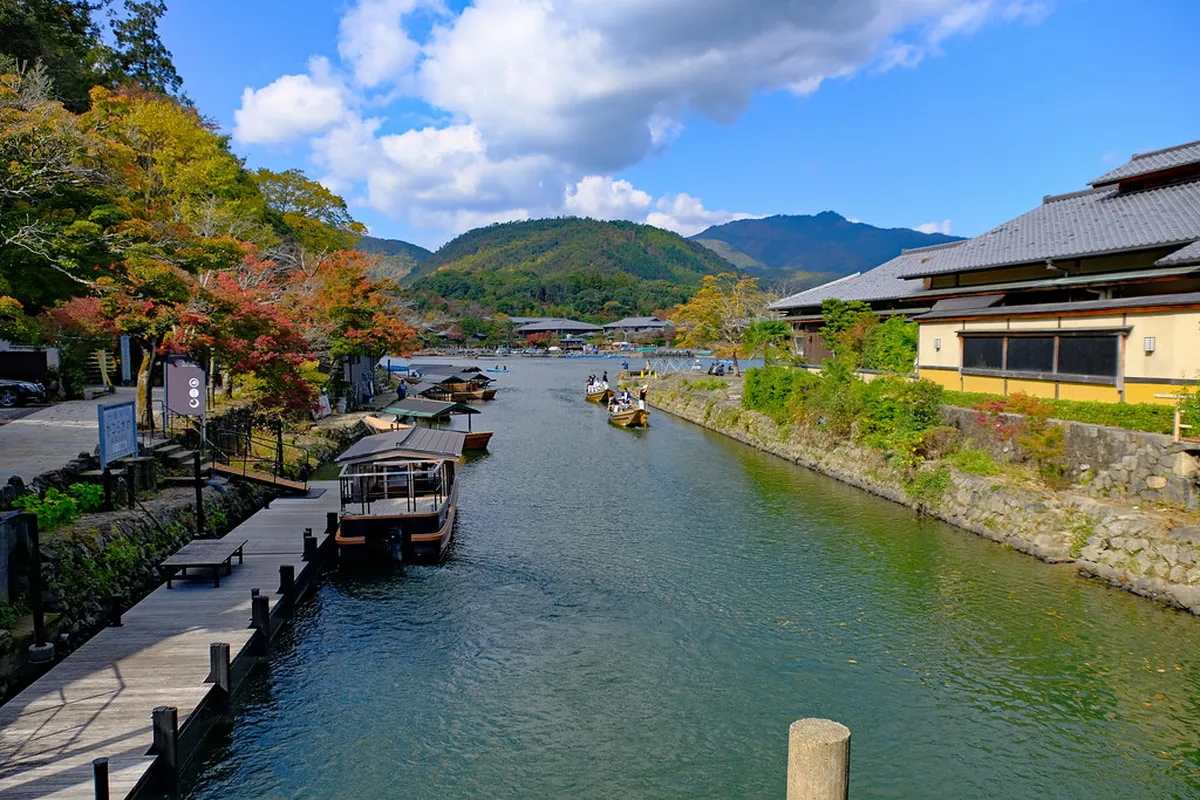
As evening approaches, take a leisurely stroll along the Hozugawa River. The scenery becomes particularly enchanting as the sun sets. Alternatively, consider experiencing a traditional boat ride on the river for a unique perspective of the Arashiyama landscape. Later, enjoy a delightful dinner at one of the many restaurants along the riverbank. As a result, you will be able to sample local dishes while enjoying the stunning views. Experiencing Arashiyama at dusk provides a peaceful and romantic end to your day.
Insider Tips & Final Thoughts
– **Wear comfortable shoes:** You’ll be doing a lot of walking, so comfortable footwear is essential.
– **Bring snacks and water:** Especially if you plan on hiking up to the Monkey Park.
– **Check the weather forecast:** Arashiyama’s beauty is best enjoyed on a clear day.
To further enhance your Kyoto trip, explore more Kyoto experiences or discover things to do in Kyoto for an even more enriching travel experience. Additionally, you might find some Kyoto attractions for your itinerary. Don’t forget to check some Kyoto adventures as well!
Day 3: Discover Gion and Experience a Traditional Tea Ceremony
Morning Activities: Exploring Gion District
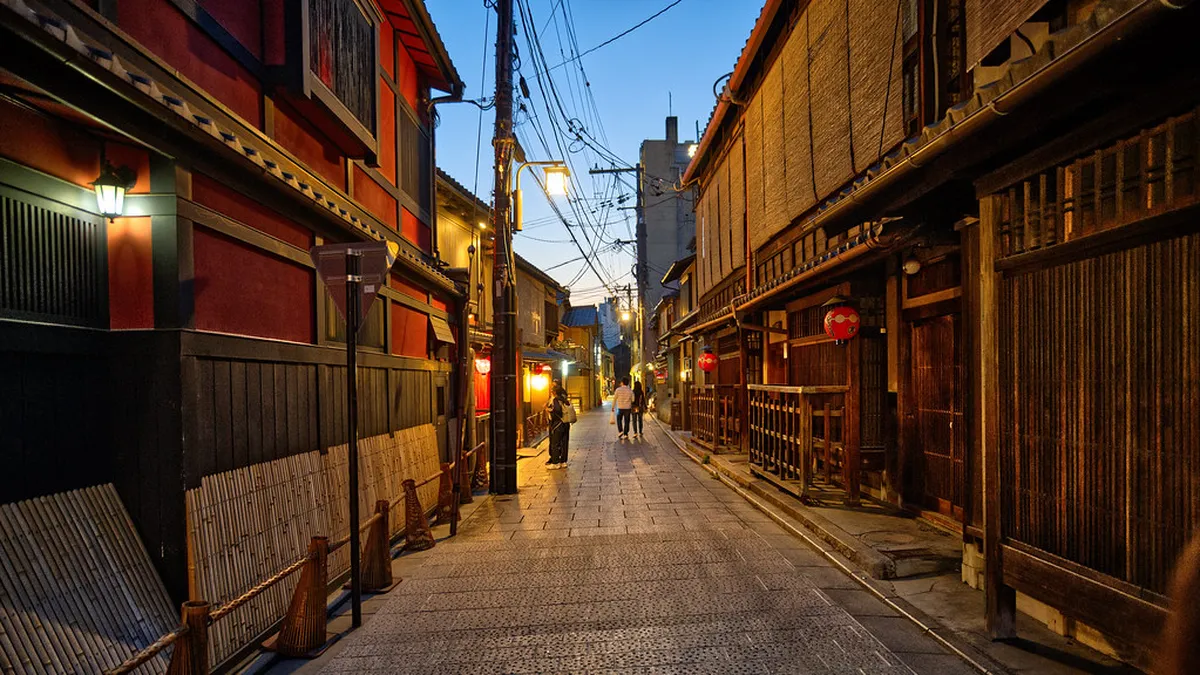
Begin your third day in Kyoto by immersing yourself in the enchanting Gion district, known as Kyoto’s geisha district. Wander through its historic streets lined with traditional wooden machiya houses. Start at **Hanami-koji Street**, where you might catch a glimpse of a geiko or maiko gracefully heading to an appointment. This area is steeped in history and offers a captivating glimpse into old Kyoto. Take your time to absorb the atmosphere and appreciate the unique architecture. You can enhance your visit by taking a cultural walking tour of Gion to uncover hidden gems and stories.
Midday Exploration & Lunch: Kennin-ji Temple & Local Cuisine
After exploring the streets of Gion, head to **Kennin-ji Temple**, the oldest Zen temple in Kyoto. Founded in 1202, this serene temple offers beautiful gardens and stunning artwork, including the famous Twin Dragons ceiling painting. Take a moment to meditate in the peaceful surroundings. For lunch, savor some authentic Kyoto cuisine nearby. Gion offers many restaurants serving everything from traditional kaiseki (multi-course Japanese dinner) to delicious soba noodles. Trying local foods is an important part of exploring Kyoto experiences.
Afternoon Adventures: Traditional Tea Ceremony
In the afternoon, participate in a traditional Japanese tea ceremony, or *chanoyu*, a quintessential Kyoto experience. Several tea houses in the Gion and Higashiyama areas offer tea ceremonies, where you can learn about the art, etiquette, and philosophy behind this ancient practice. This is a unique opportunity to witness the precise movements and serene atmosphere of a tea ceremony while enjoying a bowl of matcha (green tea) and seasonal sweets. Immerse yourself in the art of Japanese hospitality, called *omotenashi*. The tea ceremony allows visitors a close look at the Kyoto landmarks and culture from a different perspective.
Evening Experiences: Gion at Night & Dinner
As evening descends, Gion takes on a different charm. The lanterns light up the streets, creating a magical ambiance. Consider taking a guided night tour of Gion to learn more about the history and culture of the geisha district. For dinner, explore the numerous restaurants in Gion, offering everything from traditional Japanese cuisine to modern fusion dishes. Afterwards, you might enjoy a stroll along the **Shirakawa Canal**, a picturesque area known for its weeping willows and illuminated bridges. Exploring Kyoto nightlife can be surprisingly peaceful in areas like this.
Insider Tips & Final Thoughts
– **Book experiences in advance:** Tea ceremonies and popular restaurants often require reservations.
– **Dress respectfully:** When visiting temples and tea houses, dress modestly and remove your shoes where required.
– **Take your time:** Gion is best explored at a leisurely pace, so allow ample time to wander and soak in the atmosphere.
Exploring Gion and participating in a tea ceremony is a wonderful way to delve deeper into Kyoto’s rich cultural heritage. Be sure to check out more things to do in Kyoto for additional activities to make your trip even more memorable. Consider exploring Kyoto attractions if you have extra time.
Day 4: Journey to Nara to See the Deer Park and Todai-ji Temple
Morning Activities: Arriving in Nara & Nara Park Exploration
Start your fourth day with a trip to Nara, a city famed for its friendly deer and historical significance. The journey from Kyoto to Nara is straightforward, with frequent train services available. Upon arrival, head straight to **Nara Park**, where you’ll be greeted by hundreds of freely roaming deer. These gentle creatures are considered sacred and have become a symbol of the city. You can purchase deer crackers from local vendors to feed them, creating a memorable and interactive experience. Be sure to bow before offering them a cracker; the deer are known to bow back!
Midday Exploration & Lunch: Todai-ji Temple & Great Buddha Hall
After spending time with the deer, make your way to **Todai-ji Temple**, one of Nara’s most iconic landmarks. This temple houses the **Great Buddha Hall (Daibutsuden)**, which is the world’s largest wooden structure. Inside, you’ll find a colossal bronze statue of the **Vairocana Buddha**, a truly awe-inspiring sight. Allow yourself ample time to explore the temple grounds, admiring the intricate architecture and serene atmosphere. For lunch, consider trying a local Nara delicacy such as *mochi* or *persimmon leaf sushi* at one of the nearby restaurants.
Afternoon Adventures: Kasuga Taisha Shrine & Isuien Garden
In the afternoon, visit **Kasuga Taisha Shrine**, famous for its thousands of stone and bronze lanterns. The path leading to the shrine is lined with these lanterns, creating a magical and enchanting atmosphere. The shrine itself is dedicated to the deity responsible for protecting Nara. Afterward, take a leisurely stroll through **Isuien Garden**, a beautiful Japanese garden that offers stunning views of the surrounding landscape. The garden’s meticulously designed ponds, tea houses, and walking paths provide a peaceful escape from the bustling city.
Evening Experiences: Returning to Kyoto & Dinner
As the day winds down, take the train back to Kyoto. The journey offers a chance to reflect on the day’s adventures and the beauty of Nara. Once back in Kyoto, treat yourself to a delicious dinner. Consider exploring the Pontocho area, known for its traditional restaurants and scenic views of the Kamogawa River, offering a perfect end to your day. Alternatively, you could check out some of the Kyoto nightlife options.
Insider Tips & Final Thoughts
– **Carry small change:** Deer crackers cost around ¥200 per pack, and many smaller shops prefer cash.
– **Respect the deer:** While the deer are generally friendly, remember that they are still wild animals. Avoid teasing them or getting too close, especially to mothers with young fawns.
– **Wear comfortable shoes:** You’ll be doing a lot of walking, so comfortable shoes are essential.
Exploring Nara provides a unique contrast to Kyoto’s urban landscape. Also, remember to discover more Kyoto cultural activities during your stay. The combination of cultural landmarks and natural beauty makes it an unforgettable day trip, enriching your overall Kyoto itinerary. And for an even more memorable experience, consider participating in one of the many Kyoto experiences available.
Day 5: Unleash Your Inner Ninja or Craft a Kyoto Souvenir
Morning Activities: Choose Your Adventure
On your final day in Kyoto, it’s time to choose your own adventure! For those seeking a thrilling and unique experience, why not unleash your inner ninja? Several workshops around Kyoto offer the chance to learn traditional ninja skills, from sword techniques to stealth movements. It’s an engaging and active way to delve into Japanese culture. Alternatively, you could begin your day by engaging in
other engaging activities that strike your interest!
Midday Exploration & Lunch: Immersive Cultural Experiences
After an exciting morning, consider exploring more of Kyoto’s cultural offerings. If you opted for the ninja experience, perhaps a visit to a traditional crafts center is in order. Kyoto is renowned for its exquisite craftsmanship, and many workshops allow you to create your own souvenir.
For lunch, enjoy a meal near your chosen activity. The local cuisine is a delight, and many small restaurants offer delicious and authentic Kyoto flavors.
Afternoon Adventures: Craft a Kyoto Souvenir or Cultural Immersion
In the afternoon, fully immerse yourself in crafting a Kyoto souvenir. Participate in a pottery class, where you can mold and paint your own unique piece. Or perhaps try your hand at traditional paper-making or fabric dyeing. These are wonderful ways to connect with local artisans and bring home a piece of Kyoto’s heritage. Alternatively, explore more of Kyoto’s unique cultural landmarks.
Evening Experiences: Farewell Dinner and Kyoto Nightlife
As your Kyoto journey nears its end, treat yourself to a memorable farewell dinner. Kyoto boasts a vibrant culinary scene, from exquisite Kaiseki dinners to cozy ramen shops. Explore the Pontocho alley for dinner options or experience Kyoto nightlife. Reflect on your incredible five days as you savor the flavors of Kyoto one last time.
Insider Tips & Final Thoughts
Remember to purchase any last-minute souvenirs. Kyoto Station offers a wide selection of goods. Also, ensure you have your transportation arrangements sorted for your departure. Kyoto is a city that leaves a lasting impression, and planning your days helps you make the most of your trip. For an even deeper exploration, consider spending more time at the locations you enjoyed most.
To discover more about the cultural events or highlights, visit the Kyoto Events page for inspiration, or explore other things to do in Kyoto to tailor your own unique adventure.
With its blend of ancient traditions and modern vibrancy, Kyoto offers an unparalleled travel experience. Following this carefully curated itinerary will ensure you make the most of your time, immersing yourself in the city’s rich culture, stunning landscapes, and delectable cuisine. Start planning your unforgettable Kyoto adventure in 2025 today!
Free: The Kyoto Essentials guide
Top things to do, where to stay, a perfect day plan, getting around, and the best time to go — a Kyoto mini-guide you can take offline.
You might also like


Continue reading
More guides you'll find useful


