

Kamakura Itinerary 2026: The Complete Day-by-Day Guide
Plan your perfect Kamakura itinerary for 2026. Day-by-day plans, transit costs, temple hours, and insider tips for 1 to 5 days. Start planning now!
On this page
Planning a Kamakura itinerary and looking for the best way to experience this historic coastal city? In 2026, Kamakura remains one of the most rewarding day trips from Tokyo, offering an enchanting blend of ancient temples, stunning coastal views, and a rich cultural heritage that dates back to the 12th-century Kamakura shogunate. This guide provides a detailed Kamakura itinerary for 1 to 5 days, along with up-to-date transit costs, temple hours, and essential planning information to maximize your visit.
Kamakura is located approximately 50 km south of central Tokyo in Kanagawa Prefecture. The JR Yokosuka Line runs directly from Tokyo Station to Kamakura Station in about 57 minutes for around 950 yen one way (as of 2026). Whether you are planning a quick day trip or a multi-day stay, our itineraries cover the must-see Kamakura highlights and hidden gems, from the iconic Great Buddha at Kotoku-in to the serene bamboo groves of Hokokuji Temple.
Kamakura’s allure lies in its seamless blend of history and natural beauty. With our curated itineraries, you’ll journey through ancient temples like Kotoku-in (home to the iconic Great Buddha, open 8:00-17:30, admission 300 yen) and explore the serene Tsurugaoka Hachimangu Shrine (free entry, open 5:00-21:00). But Kamakura offers more than just historical sites; it’s a place where you can enjoy vibrant local culture, sample fresh shirasu-don along Komachi Street, and hike scenic trails connecting temples through forested hillsides.
This guide is more than just a list of places to visit; it’s a carefully crafted plan to ensure you make the most of your time in Kamakura. From the moment you arrive, you’ll be equipped with the knowledge to navigate the city like a local, discover hidden gems, and create lasting memories. So, pack your bags, and get ready to explore Kamakura like never before!
1. How to Get to Kamakura
Planning a trip to Kamakura? Knowing how to get there is the first step to an unforgettable adventure. Kamakura is conveniently accessible from Tokyo and other major cities in Japan, making it a popular day trip destination. This charming coastal city offers a serene escape from the bustling metropolis, blending historical significance with natural beauty. Therefore, understanding your transportation options is crucial for a smooth and enjoyable journey.
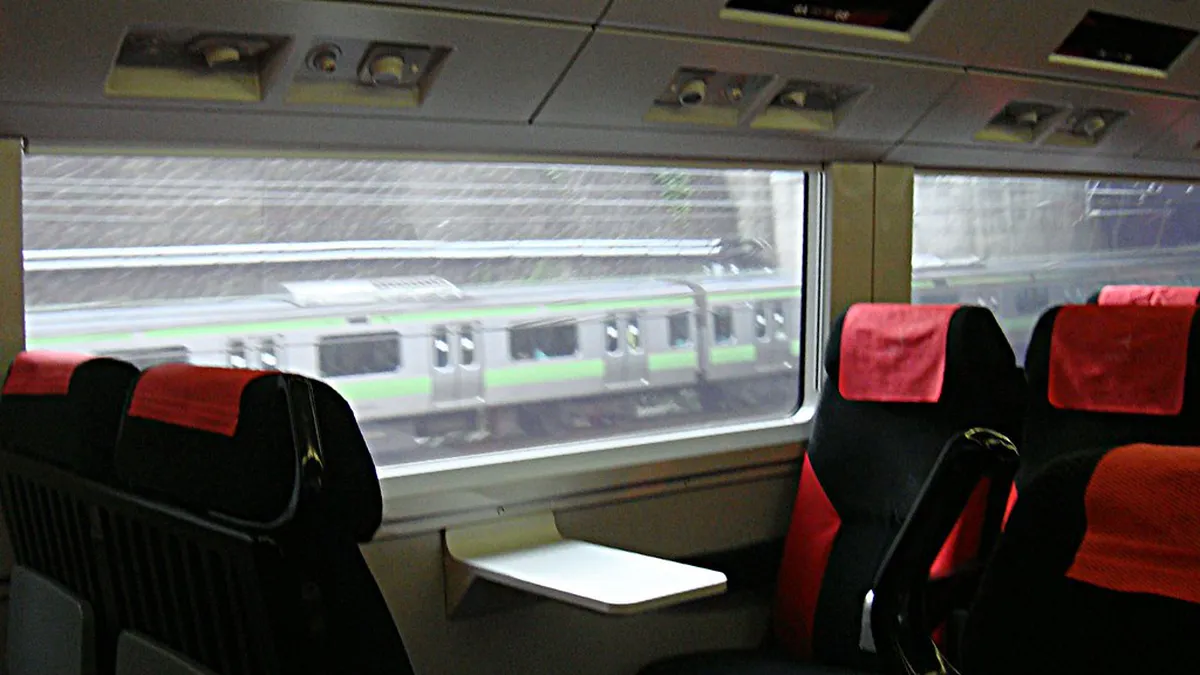
The most common and efficient way to reach Kamakura is by train. The JR Yokosuka Line runs directly from Tokyo Station to Kamakura Station in approximately 57 minutes, costing around 950 yen one way (as of 2026). The Shonan-Shinjuku Line offers direct access from Shinjuku Station in about 55 minutes for a similar fare. For a more scenic and budget-friendly route, consider the Odakyu Enoshima-Kamakura Free Pass (1,640 yen from Shinjuku in 2026), which includes a round trip from Shinjuku to Fujisawa and unlimited rides on the Enoden Line for one day, perfect for exploring the coastal areas between Kamakura and Enoshima. If you hold a Japan Rail Pass, both JR lines are fully covered at no extra cost.
Besides trains, you can also reach Kamakura by bus or private car. Highway buses operate from various locations in Tokyo, providing a potentially more economical, though slightly longer, travel time. Driving allows for flexibility, especially if you plan to explore the surrounding areas. However, be mindful of potential traffic congestion and parking limitations, particularly during peak tourist seasons. In summary, while driving offers flexibility, trains are usually the preferred method due to efficiency and convenience.
Once you arrive in Kamakura, you’ll find that Kamakura Station is the central transportation hub. From here, you can easily access many of Kamakura’s main attractions. Before you embark on your journey, make sure to check train schedules and consider purchasing a Japan Rail Pass if you plan on extensive travel throughout Japan. So, with a little planning, getting to Kamakura will be a breeze, setting the stage for an amazing exploration of this historic city.
2. How to Get Around Kamakura
Navigating Kamakura is relatively straightforward, offering a variety of convenient options to explore its temples, shrines, and scenic spots. Understanding these options will ensure you make the most of your Kamakura itinerary. Therefore, planning your transportation is an essential part of any trip to Kamakura. From trains to buses and even rental cycles, there’s a method to suit every traveler.
Train Travel: The JR and Enoden Lines
The most efficient way to travel between major areas in Kamakura is by train. The JR Yokosuka Line connects Kamakura Station with Tokyo and other nearby cities. The Enoden Line, a charming retro tram, meanders along the coast from Kamakura to Fujisawa via Enoshima in about 34 minutes (310 yen per ride, or 800 yen for an Enoden one-day pass as of 2026). Riding the Enoden is an experience in itself, offering stunning views of the coastline. The Enoden one-day pass pays for itself after three rides and is ideal if you plan to visit Hase-dera, the Great Buddha, and Enoshima in the same day. You can explore several Kamakura landmarks with the help of this transport.
Buses: Covering Wider Areas
While trains are ideal for major routes, buses provide access to areas not directly served by rail. Kamakura’s bus network is comprehensive. However, it can be a bit daunting for first-time visitors. Look for bus stops with clear signage indicating destinations. Suica and Pasmo cards are widely accepted, simplifying payment. The bus allows you to explore more of the things to do in Kamakura. For example, some of the more remote temples and hiking trails.
Cycling: A Leisurely Pace
For those who prefer a more leisurely pace, renting a bicycle is an excellent way to explore Kamakura. Several rental shops are located near Kamakura Station. Cycling allows you to discover hidden gems and enjoy the scenic beauty at your own speed. Just be mindful of traffic and pedestrians, especially on narrow streets. Exploring Kamakura experiences on two wheels can offer a unique perspective.
Walking: Discovering Hidden Gems
Don’t underestimate the charm of exploring Kamakura on foot. Many temples and attractions are within walking distance of each other, particularly in the central area. Walking allows you to soak in the atmosphere, discover quaint shops, and appreciate the details you might miss otherwise. So, wear comfortable shoes and be prepared to stroll! You might stumble upon unique Kamakura culture spots this way.
Taxis and Ride-Sharing
Taxis are readily available in Kamakura. While they are more expensive than other options, they can be convenient for reaching specific destinations or traveling with luggage. Ride-sharing services are less common than in other major cities. Nevertheless, taxis remain a reliable option, especially if you are not comfortable with public transport. Besides, there are many Kamakura adventures that await you that may require taxis for convenience.
3. Where to Stay in Kamakura
Choosing the right accommodation can significantly enhance your Kamakura experiences. Whether you’re looking for traditional Japanese inns, modern hotels, or budget-friendly guesthouses, Kamakura offers a range of options to suit every traveler’s needs. To begin with, consider staying near Kamakura Station for easy access to things to do in Kamakura and convenient transportation links.
For those seeking a luxurious experience, several high-end hotels provide exceptional service and amenities. These hotels often feature stunning ocean views, on-site restaurants serving exquisite local cuisine, and traditional Japanese gardens. Alternatively, if you prefer a more authentic stay, opt for a Ryokan, a traditional Japanese inn. These inns offer tatami-mat floors, futon beds, and communal onsen (hot springs), providing a unique cultural immersion. Furthermore, staying in a Ryokan allows you to savor traditional Japanese hospitality and cuisine, enhancing your overall travel experience.
Budget travelers will find a variety of guesthouses and hostels offering affordable accommodation without compromising comfort. Many of these options are located within walking distance of major attractions, making it easy to explore Kamakura’s highlights. Finally, consider checking out local websites and booking platforms for the best deals and availability, especially during peak seasons. By carefully selecting your accommodation, you can ensure a comfortable and memorable stay in Kamakura.
4. When to Visit Kamakura
The best time to visit Kamakura largely depends on your personal preferences. However, generally, the shoulder seasons—spring (March to May) and autumn (September to November)—offer the most pleasant weather and stunning scenery. Therefore, planning your Kamakura itinerary around these months will enhance your experience.
Spring (March to May): Spring in Kamakura is synonymous with cherry blossoms (sakura). As a result, this is one of the most popular times to visit, as the temples and gardens are awash in delicate pink hues. Furthermore, the weather is mild and comfortable, making it ideal for exploring the numerous outdoor attractions. However, expect larger crowds, especially during peak bloom.
Summer (June to August): Summer in Kamakura is hot and humid, and it’s also the rainy season. While the hydrangea blooms in June and July can be quite beautiful, the weather can be challenging for sightseeing. Despite this, the beaches become popular destinations, offering a respite from the heat. So, if you don’t mind the humidity, you can still enjoy Kamakura’s coastal charms.
Autumn (September to November): Autumn is another excellent time to visit Kamakura, as the maple leaves turn vibrant shades of red and gold. The temples and hillsides become picturesque landscapes, and the weather is cool and comfortable. Consequently, this is a great time for hiking and exploring the outdoor trails. In fact, many consider autumn the ideal time to experience Kamakura’s natural beauty. For more insights, check out things to do in Kamakura during this season.
Winter (December to February): Winter in Kamakura is relatively mild compared to other parts of Japan. While it can be chilly, the skies are often clear and sunny, making it a good time to visit if you prefer fewer crowds. Some temples, in addition, offer special winter illuminations, adding a touch of magic to the season. Nevertheless, be prepared for cooler temperatures, especially in the evenings.
Ultimately, the best time to visit Kamakura depends on your tolerance for crowds and weather conditions. Regardless of when you choose to go, Kamakura offers a unique blend of history, culture, and natural beauty. Exploring Kamakura experiences throughout the year will undoubtedly leave you with lasting memories.
5. How Many Days in Kamakura is Ideal
Determining the Perfect Length for Your Kamakura Visit
Deciding how many days to spend in Kamakura depends largely on your interests and available time. However, to truly experience the essence of this historic coastal city, allocating at least two to three days is highly recommended. A shorter trip might suffice if you’re primarily interested in seeing the main landmarks, while a longer stay allows for deeper exploration and relaxation.
Two-Day Kamakura Itinerary: A Taste of History and Nature
A two-day Kamakura itinerary is perfect for those who want a comprehensive overview of the city’s highlights. On day one, you can immerse yourself in the iconic landmarks, such as the Great Buddha at Kotoku-in Temple and the vibrant Tsurugaoka Hachimangu Shrine. Day two can be dedicated to exploring the spiritual side and coastal beauty, including visits to serene temples like Hase-dera and a relaxing stroll along Yuigahama Beach. This duration provides a balanced experience, allowing you to appreciate both the historical and natural aspects of Kamakura. In addition, remember to explore local experiences to make your trip more fulfilling.
Three-Day Kamakura Itinerary: Deeper Exploration and Relaxation
With a three-day Kamakura itinerary, you can delve deeper into the city’s hidden gems and enjoy a more relaxed pace. In addition to the must-see attractions, you’ll have time to explore lesser-known temples, hike scenic trails, and savor local cuisine. Consider visiting Hokokuji Temple, known for its stunning bamboo grove, or Engakuji Temple, one of the five great Zen temples of Kamakura. This extra day offers the opportunity to uncover more of Kamakura’s unique charm and create lasting memories. For more attractions, read our Kamakura attractions guide.
Extending Your Stay: Four and Five-Day Options
If you have even more time, consider extending your stay to four or five days. This allows for day trips to nearby Enoshima Island, known for its scenic vistas and vibrant atmosphere, or further exploration of Kamakura’s natural splendor through its numerous hiking trails. This longer duration is ideal for those who wish to fully immerse themselves in the Kamakura area and experience its diverse offerings. Also, check things to do in Kamakura to learn more about available activities.
Consider Your Interests and Pace
Ultimately, the ideal number of days in Kamakura depends on your personal preferences and travel style. If you prefer a fast-paced itinerary, focusing on hitting the main attractions, two days might be sufficient. However, if you prefer a more leisurely pace, allowing time to soak in the atmosphere and discover hidden gems, three or more days would be more rewarding. Therefore, when you plan your trip, be sure to factor in your interests and make your time in Kamakura truly memorable.
6. Day 1: Immerse Yourself in Kamakura’s Iconic Landmarks
Morning Activities: Tsurugaoka Hachimangu Shrine
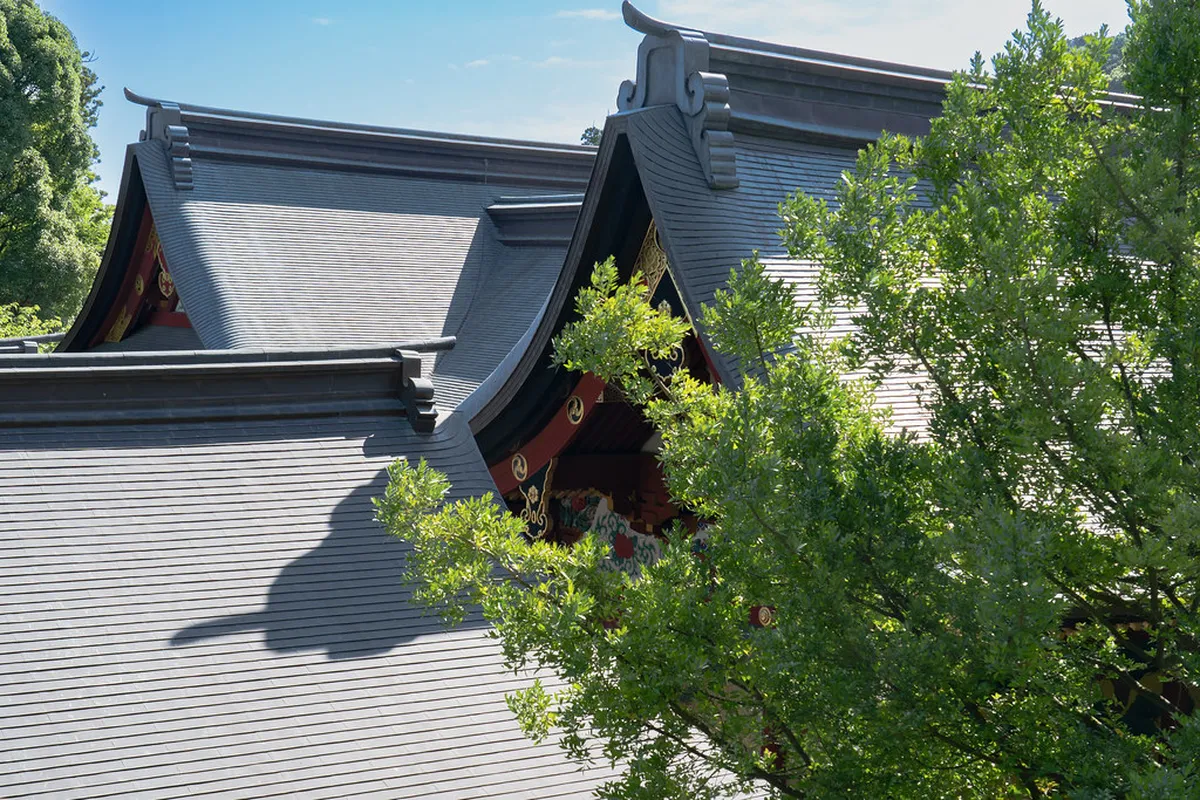
Begin your Kamakura itinerary with a visit to Tsurugaoka Hachimangu Shrine, the city’s most important Shinto shrine. Founded in 1063 and moved to its current location in 1191 by Minamoto Yoritomo, the founder and first shogun of the Kamakura shogunate, this landmark offers a profound introduction to Kamakura’s rich history. As you approach the shrine, walk along the Dankazura, a raised pathway leading to the main hall. This path, lined with cherry trees, creates a stunning visual experience, especially during the spring. Once inside, take your time to explore the various buildings, gardens, and museums within the shrine complex. Remember to cleanse your hands at the purification fountain before proceeding to the main hall to offer your prayers. For enthusiasts of culture and history, this is one of the top things to do in Kamakura.
Midday Exploration & Lunch: Komachi Street
After immersing yourself in the spiritual ambiance of Tsurugaoka Hachimangu, head down to Komachi Street for a delightful midday exploration and lunch. Just a short walk from the shrine, this bustling pedestrian street is lined with an array of shops and eateries offering local delicacies and crafts. Komachi Street is an ideal place to sample Kamakura’s culinary delights. You can savor freshly made shirasu-don (whitebait rice bowl), a local specialty, or indulge in traditional sweets like matcha ice cream and mochi. Furthermore, this is a perfect spot to pick up souvenirs. This vibrant street offers a sensory feast and a taste of local life. For those seeking unique local experiences, this is a must-visit in Kamakura.
Afternoon Adventures: The Great Buddha at Kotoku-in Temple
Your afternoon adventure in Kamakura is incomplete without visiting the iconic Great Buddha (Daibutsu) at Kotoku-in Temple. This monumental bronze statue, standing 13.35 meters tall and weighing approximately 121 tonnes, is a symbol of Kamakura and one of Japan’s most famous landmarks. Originally housed inside a large temple hall, the Great Buddha has been sitting in the open air since 1498 after a tsunami destroyed the building. Kotoku-in is open daily from 8:00 to 17:30 (last entry 17:15), with general admission costing 300 yen for adults and 150 yen for children. You can enter the interior of the statue for an additional 50 yen, offering a fascinating perspective on the casting craftsmanship. From Kamakura Station, take the Enoden Line to Hase Station (3 stops, about 5 minutes), then walk 10 minutes north. Discover more things to do in Kamakura.
Late Afternoon: Hase-dera Temple
Just a 5-minute walk from Kotoku-in, Hase-dera is one of Kamakura’s most scenic temples and a stop that competing itineraries consistently rank among the top three Kamakura attractions. The temple is famous for its 9.18-meter gilded wooden statue of Kannon (Goddess of Mercy), believed to be the largest wooden sculpture in Japan. Beyond the main hall, Hase-dera features a cave system (Benten-kutsu), a jizo garden, and an observation deck with panoramic views over Sagami Bay and the Kamakura coastline. Hase-dera is open 8:00-17:30 in summer (closing at 17:00 October through February). Admission is 400 yen for adults, 200 yen for children. Allow at least 45 minutes to explore the full grounds, and try to visit the observation deck before sunset for the best coastal views. For more attractions like this, browse our complete Kamakura highlights guide.
Evening Experiences: Yuigahama Beach and Dinner
As the day winds down, make your way to Yuigahama Beach, a popular spot for both locals and tourists. Enjoy a relaxing stroll along the sandy shore, breathe in the fresh sea air, and watch the sunset over the Pacific Ocean. During the summer months, Yuigahama Beach is a vibrant hub of activity, with beachgoers swimming, sunbathing, and enjoying various water sports. Even during the off-season, the beach offers a tranquil escape from the city’s hustle and bustle. After enjoying the sunset, head to one of the nearby restaurants for dinner. You can find a variety of dining options, from traditional Japanese cuisine to international fare, ensuring a delightful end to your first day in Kamakura. Many restaurants offer stunning ocean views, adding to the overall experience.
Insider Tips & Final Thoughts
To make the most of your Kamakura itinerary, consider purchasing a day pass for local transportation, such as the Enoden railway, which connects many of the major attractions. Wear comfortable shoes, as you’ll be doing a lot of walking. Also, bring sunscreen and a hat, especially if you’re visiting during the summer months. Embrace the local culture by trying regional specialties and interacting with the friendly locals. And most importantly, allow yourself ample time to soak in the serene ambiance of Kamakura’s temples and natural landscapes. By following these tips, you’re sure to have an unforgettable experience exploring this enchanting city.
7. Day 2: Explore Kamakura’s Spiritual Side and Coastal Beauty
Morning Activities: Zen at Engaku-ji Temple
Begin your second day in Kamakura with a tranquil visit to Engaku-ji Temple, one of the five great Zen temples of Kamakura, located just steps from Kita-Kamakura Station (one stop north of Kamakura on the JR Yokosuka Line, 140 yen). Engaku-ji was founded in 1282 to honor soldiers who fell during the Mongol invasions of Japan. Admission is 500 yen for adults (as of 2026), and the temple is open 8:00-16:30 (closing at 16:00 December through February). Take a moment to appreciate the impressive Sanmon gate and the Shariden hall (a National Treasure), which houses a tooth of the Buddha. Zen meditation sessions are occasionally available; check the temple’s notice board for schedule details. This will set a peaceful tone for the rest of your day exploring Kamakura’s spiritual side.
Midday Exploration & Lunch: Tsurugaoka Hachimangu Shrine & Komachi Street
After your morning meditation, head to Tsurugaoka Hachimangu Shrine, Kamakura’s most important Shinto shrine. The approach to the shrine, Wakamiya-oji Street, is a picturesque pathway lined with cherry trees. Explore the main hall and the surrounding gardens. For lunch, venture into Komachi Street, a bustling shopping street near the shrine. Here, you’ll find a variety of local delicacies and restaurants. Try some fresh seafood or Kamakura-style ramen. It’s a perfect place to experience local flavors. Don’t forget to explore some Kamakura culture.
Afternoon Adventures: Coastal Views at Yuigahama Beach
In the afternoon, make your way to Yuigahama Beach, a popular spot for both locals and tourists. Stroll along the sandy shore, enjoy the refreshing sea breeze, and take in the panoramic views of Sagami Bay. If the weather permits, consider taking a surf lesson or simply relaxing on the beach. Several beachside cafes offer stunning views and a perfect place to unwind. It’s also an excellent opportunity to capture some stunning photos of the Kamakura coastline.
Evening Experiences: Sunset Dinner in Inamuragasaki
As evening approaches, head to Inamuragasaki, a scenic cape known for its breathtaking sunset views. Several restaurants in the area offer delicious meals with panoramic views of the ocean. Enjoy fresh seafood while watching the sun dip below the horizon, painting the sky with vibrant colors. This is an idyllic way to end your second day in Kamakura. It’s worth searching Kamakura nightlife for alternative evening activity.
Insider Tips & Final Thoughts
Consider purchasing the Enoshima-Kamakura Free Pass for cost-effective travel between Kamakura and Enoshima. Moreover, remember to wear comfortable shoes as you’ll be doing a lot of walking. Take your time to soak in the tranquil atmosphere of Kamakura’s temples and shrines. Enjoy the local cuisine and explore the charming streets. Don’t rush through the experiences; savor each moment.
For more detailed information on attractions, consider checking out Kamakura attractions or discover more things to do in Kamakura for your trip.
8. Day 3: Delve Deeper into Kamakura’s Hidden Gems
Morning Activities
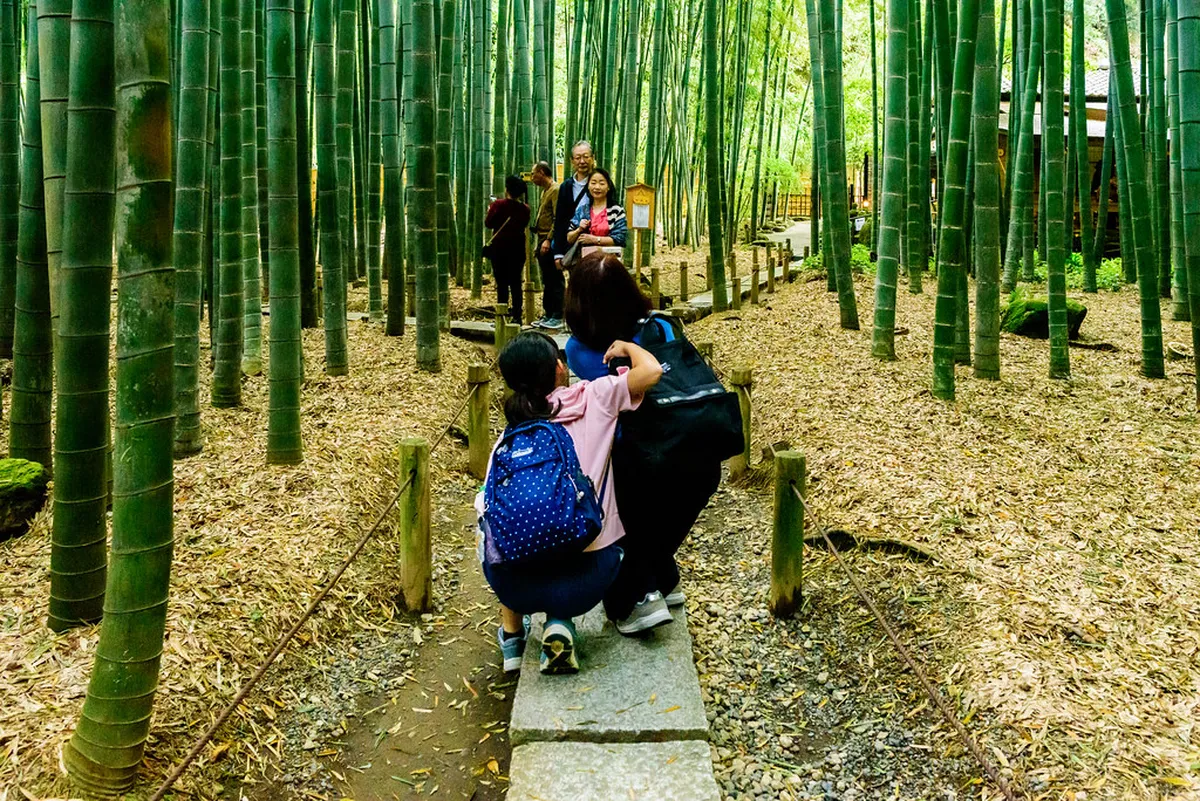
Start your third day in Kamakura by venturing off the beaten path to discover some of its lesser-known, yet equally captivating, spots. Begin with a visit to Hokokuji Temple, often referred to as the Bamboo Temple. Located a 12-minute bus ride from Kamakura Station (take bus #23 to Jomyoji, 200 yen), Hokokuji is home to a mesmerizing grove of over 2,000 Moso bamboo trees. Admission to the temple grounds is 300 yen, and a matcha tea set in the bamboo teahouse costs an additional 600 yen (open 9:00-16:00, last entry 15:30). The interplay of light and shadow through the towering bamboo stalks provides incredible photo opportunities, especially in the morning light. For more Kamakura activities like this, check our complete activity guide.
Midday Exploration & Lunch
Next, make your way to Kuzuharaoka Shrine, known for its spiritual significance related to matchmaking and good fortune. This shrine is a bit of a hidden gem, nestled away and providing a peaceful atmosphere. After exploring the shrine, indulge in a delicious lunch at a local eatery in the area. Consider trying Kamakura’s famous shirasu-don (whitebait rice bowl), a local delicacy. Alternatively, explore nearby restaurants offering traditional Japanese cuisine for a more immersive culinary experience. For other places to explore, consider visiting these local attractions.
Afternoon Adventures
In the afternoon, immerse yourself in Kamakura’s artistic side with a visit to the Kamakura Museum of Literature. Housed in a beautiful Western-style building, the museum showcases the works and lives of famous Japanese authors who were inspired by Kamakura. Explore the exhibits and stroll through the lovely gardens surrounding the museum. Following this, head towards Sugimoto-dera Temple, one of Kamakura’s oldest temples, known for its moss-covered steps and serene ambiance. Taking a day trip might offer more adventure.
Evening Experiences
As evening approaches, discover Kamakura’s enchanting nightlife by exploring the local izakayas and restaurants. Head to Yuigahama Beach to enjoy the sunset before finding a cozy spot for dinner. Many izakayas offer a variety of local dishes and drinks, providing a glimpse into the area’s vibrant food culture. Alternatively, explore the restaurants near Kamakura Station, where you can find everything from traditional Japanese cuisine to international flavors. Check nightlife spots and enjoy local delicacies.
Insider Tips & Final Thoughts
To truly experience Kamakura’s hidden gems, consider renting a bicycle. This allows you to explore at your own pace and reach some of the more remote temples and shrines. Be sure to wear comfortable shoes, as you’ll be doing a lot of walking. Embrace the slower pace of life and take your time to soak in the beauty and tranquility of this historic city. Don’t forget to check local events for cultural festivals. Furthermore, for a deeper dive into the spiritual side of Kamakura, explore other cultural sites. Finally, always be respectful of the local customs and traditions to enhance your visit. Kamakura offers a unique blend of history, culture, and natural beauty, making it a memorable destination for any traveler.
9. Day 4: Journey to Enoshima Island and Capture Scenic Vistas (Optional)
Morning Activities: Arrival and Exploring Enoshima Shrine
On day four, consider an optional but highly recommended trip to Enoshima Island, a short train ride from Kamakura. Consequently, begin your morning by heading to Enoshima and exploring the iconic Enoshima Shrine, dedicated to the goddess Benzaiten. As a result of its historical significance and beautiful architecture, the shrine is a must-visit. Furthermore, start your ascent to the top of the island, taking in the panoramic views that unfold with each step. These views truly justify a spot on any Kamakura itinerary. Moreover, capture the stunning scenery of the coastline and Mount Fuji in the distance, weather permitting.
Midday Exploration & Lunch: Enoshima Sea Candle & Seafood Delights
Next, make your way to the Enoshima Sea Candle, the island’s lighthouse observation tower. Subsequently, ascend to the top for unparalleled 360-degree views of the surrounding area. Afterwards, take a leisurely stroll through Samuel Cocking Garden, a vibrant botanical garden surrounding the Sea Candle. As you explore, indulge in fresh seafood at one of Enoshima’s many restaurants. Because of the island’s coastal location, you can enjoy delicacies like grilled squid or a seafood bowl while overlooking the ocean. Be sure to check out local experiences.
Afternoon Adventures: Iwaya Caves & Enoshima Aquarium
After lunch, descend towards the Iwaya Caves, natural caves carved by the sea. According to local legend, these caves were once home to dragons and monks. Subsequently, explore the mysterious depths and enjoy the cool, damp atmosphere. Moreover, for a different perspective, visit the Enoshima Aquarium, where you can marvel at marine life from Sagami Bay and beyond. If you’re looking for Kamakura adventures, the aquarium offers captivating exhibits.
Evening Experiences: Sunset Views & Island Farewell
As evening approaches, find a scenic spot along the coast to witness a breathtaking sunset. Enoshima is renowned for its sunset views, particularly with Mount Fuji in the backdrop. Furthermore, enjoy a final dinner on the island before heading back to Kamakura or Tokyo. Therefore, this optional day trip provides a refreshing change of pace and stunning natural beauty. Remember to consider Kamakura culture as you explore Enoshima.
Insider Tips & Final Thoughts
– Wear comfortable shoes: Enoshima Island involves a lot of walking and climbing, so comfortable footwear is essential.
– Check the weather: Mount Fuji views are highly dependent on clear weather, so plan accordingly.
– Purchase an Enoshima One-Day Pass: If you plan to visit multiple attractions, this pass can save you money.
Overall, exploring Enoshima Island is a fantastic addition to your Kamakura itinerary. For more insights, discover Kamakura’s landmarks and enjoy your journey!
Day 5: Hike the Trails and Uncover More of Kamakura’s Natural Splendor (Optional)
Morning Activities
If you’re still in Kamakura and feeling adventurous, a day of hiking is an excellent way to connect with the area’s natural beauty. Begin your day exploring the Daibutsu Hiking Trail, a scenic route connecting the Kotoku-in Temple (home to the Great Buddha) and the Kencho-ji Temple, Kamakura’s oldest Zen temple. Therefore, remember to wear comfortable shoes, as this trail offers a refreshing escape into the lush, green hills surrounding the city. Moreover, the trail provides unique views of the iconic Great Buddha from above.
Midday Exploration & Lunch
After your morning hike, find a local eatery near Kita-Kamakura Station for a satisfying lunch. This area is known for its serene atmosphere and traditional restaurants. Consider trying some soba noodles or a bento box for an authentic Japanese meal. Following lunch, take some time to explore the Tokei-ji Temple, also known as the “Divorce Temple,” which once offered sanctuary to women seeking escape from unhappy marriages. The temple grounds are beautiful and offer a tranquil space for reflection.
Afternoon Adventures
In the afternoon, venture towards the Tenen Hiking Course, which offers a more challenging hike with rewarding panoramic views. This trail winds through several smaller temples and shrines, providing a glimpse into Kamakura’s spiritual side. As you hike, you’ll encounter hidden gems like the Zuisen-ji Temple, known for its stunning garden designed by a famous Zen monk. The trail also offers various spots to take memorable photographs of the surrounding landscape, showcasing Kamakura’s unique blend of nature and culture. Remember to bring water and snacks to keep yourself energized!
Evening Experiences
As the day winds down, treat yourself to a relaxing experience at one of Kamakura’s local onsen (hot springs) if available or explore Kamakura nightlife. Alternatively, head back to Yuigahama Beach to watch the sunset over the Pacific Ocean. For your final dinner in Kamakura, choose a restaurant that offers fresh seafood, a local specialty. Many eateries near Kamakura Station provide a variety of delicious options, ensuring a memorable culinary experience to cap off your Kamakura adventure.
Insider Tips & Final Thoughts
For hiking, be sure to check the weather forecast and trail conditions before you go. Trails can be slippery after rain. Also, consider purchasing a day pass for local buses if you plan to explore areas further from the train stations; furthermore, it will make your exploration much easier. This itinerary provides a flexible framework, so feel free to tailor it based on your interests and energy levels. Whether you’re drawn to Kamakura landmarks, Kamakura culture, or things to do in Kamakura, this charming city offers something for everyone.
A round-trip JR Yokosuka Line ticket from Tokyo Station costs approximately 1,900 yen. The Enoden one-day pass (Noriorikun) is 800 yen and pays for itself after three rides along the coast.
Kamakura Budget Breakdown for 2026
Planning your Kamakura itinerary is easier when you know what to expect cost-wise. Here is a realistic budget breakdown for a day trip from Tokyo in 2026, covering the essentials from transport to meals.
Transportation: A round-trip train ticket on the JR Yokosuka Line from Tokyo Station costs approximately 1,900 yen. Alternatively, the Odakyu Enoshima-Kamakura Free Pass from Shinjuku is 1,640 yen and includes unlimited Enoden rides. An Enoden one-day pass on its own costs 800 yen. Budget approximately 2,000-2,500 yen for a full day of transit.
Temple admission fees: Most temples charge between 200 and 500 yen per person. Tsurugaoka Hachimangu Shrine is free to enter. Kotoku-in (Great Buddha) is 300 yen, Hase-dera is 400 yen, Engaku-ji is 500 yen, and Hokokuji is 300 yen (plus 600 yen for the matcha tea set). Plan for 1,000-2,000 yen total depending on how many temples you visit.
Food: A shirasu-don lunch on Komachi Street typically costs 1,200-1,800 yen. A sit-down seafood dinner near the coast runs 2,000-3,500 yen. Budget-conscious travelers can eat for under 1,000 yen per meal at ramen shops or convenience stores. A mid-range food budget for one day is roughly 3,000-5,000 yen.
| Category | Budget range (per person) | Notes |
|---|---|---|
| Transport (Tokyo round trip) | 1,640–1,900 yen | JR IC or Odakyu pass |
| Enoden day pass | 800 yen | Unlimited coastal hops |
| Temple admissions (2–3 sites) | 1,000–2,000 yen | 300–500 yen per temple |
| Lunch (street food) | 1,000–1,800 yen | Shirasu-don on Komachi-dori |
| Dinner (sit-down seafood) | 2,000–3,500 yen | Near Yuigahama beach |
| Total mid-range day trip | 5,000–7,000 yen | ~33–47 USD |
Total day trip budget: A comfortable mid-range day trip to Kamakura costs approximately 5,000-7,000 yen per person (about 33-47 USD), covering round-trip transport, 2-3 temple visits, and meals. Multi-day stays will add accommodation costs starting from approximately 4,000 yen per night for hostels up to 15,000-30,000 yen per night for ryokans.
Spring (late March–early May) and late June hydrangea season are peak crowd periods. Autumn (mid-November–early December) has similarly large crowds for maple foliage. Book accommodation several months in advance for these windows.
Frequently Asked Questions About Kamakura
Is Kamakura worth a day trip from Tokyo?
Kamakura is one of the most rewarding day trips from Tokyo. At just 57 minutes by direct train on the JR Yokosuka Line (around 950 yen one way), you can explore ancient temples, a 13-meter bronze Great Buddha, scenic coastal views, and charming streets filled with local food, all in a single day. Most visitors find that a full day (arriving by 9:00 AM) is enough to see the top 3-4 attractions comfortably.
How many days do you need in Kamakura?
One day is sufficient to cover the major highlights (Great Buddha, Tsurugaoka Hachimangu, Hase-dera, and Komachi Street). Two to three days allow you to explore hidden temples like Hokokuji and Engaku-ji, hike the Daibutsu Trail, and take a side trip to Enoshima Island. Four to five days suit travelers who want a relaxed pace with time for beach walks, cooking classes, and deeper cultural immersion.
What is the best time of year to visit Kamakura?
The best seasons are spring (late March to early May) for cherry blossoms and autumn (mid-November to early December) for vibrant maple foliage. June brings hydrangea season, when Hase-dera and Meigetsu-in are especially beautiful. Winter (December to February) offers fewer crowds and clear skies, sometimes with views of snow-capped Mount Fuji from Enoshima. Summer is hot and humid but popular for beach activities at Yuigahama and Zaimokuza beaches.
How do I get from Tokyo to Kamakura by train?
The fastest option is the JR Yokosuka Line from Tokyo Station directly to Kamakura Station (57 minutes, approximately 950 yen). From Shinjuku, take the Shonan-Shinjuku Line (55 minutes, similar fare). For the best value, purchase the Odakyu Enoshima-Kamakura Free Pass from Shinjuku (1,640 yen), which includes the round trip plus unlimited Enoden rides. All JR routes are covered by the Japan Rail Pass.
What are the must-see temples in Kamakura?
The top five temples and shrines in Kamakura for first-time visitors are: Kotoku-in (the Great Buddha, 300 yen), Tsurugaoka Hachimangu Shrine (free), Hase-dera (400 yen, famous for its Kannon statue and ocean views), Engaku-ji (500 yen, one of the five great Zen temples), and Hokokuji (300 yen, the Bamboo Temple). For a complete list, see our Kamakura attractions guide.
Can I use a Japan Rail Pass to get to Kamakura?
Yes. The Japan Rail Pass covers all JR lines to Kamakura, including the JR Yokosuka Line from Tokyo Station and the Shonan-Shinjuku Line from Shinjuku. However, the Enoden Line (operated by Enoshima Electric Railway) is not covered by the JR Pass. You will need to purchase a separate Enoden ticket or day pass (800 yen) for travel along the coast between Kamakura and Enoshima.
What food should I try in Kamakura?
Kamakura's signature dish is shirasu-don, a bowl of steamed rice topped with fresh whitebait caught in Sagami Bay (typically 1,200-1,800 yen). Other local specialties include Kamakura-bori lacquerware sweets, matcha desserts, and fresh soba noodles in the Kita-Kamakura area. Komachi Street near Kamakura Station is the best spot for street food, including matcha soft-serve ice cream, taiyaki, and mochi. For a full seafood dinner, head to the restaurants near Yuigahama Beach or Inamuragasaki.
Exploring Kamakura through a structured itinerary allows you to fully immerse yourself in its rich history and serene beauty. From the iconic Great Buddha to the tranquil temples and scenic coastlines, Kamakura offers a unique blend of cultural and natural attractions. Start planning your unforgettable Kamakura adventure in 2026 today!
Free: The Kamakura Essentials guide
Top things to do, where to stay, a perfect day plan, getting around, and the best time to go — a Kamakura mini-guide you can take offline.
You might also like


Continue reading
More guides you'll find useful

