

How to Try Jigoku Mushi Cooking in Beppu
Learn how to try Jigoku Mushi cooking in Beppu. Follow our 2026 guide for steps, costs, and the best steam centers in Japan. Start your food tour now!
On this page
Beppu is a coastal city on Kyushu island known for its high geothermal activity. The city produces more hot spring water than almost anywhere else in the world. One of the best ways to enjoy this heat is through steam cooking. Learning how to try Jigoku Mushi cooking is a highlight of any trip to Japan.
This ancient technique uses natural volcanic steam to cook fresh local ingredients. It is a healthy method that preserves the nutrients and flavors of the food. You can find many public centers where tourists can try this unique experience. Planning ahead will help you make the most of your visit to Beppu.
Visitors often combine this meal with other local activities like visiting the hot springs. You can find more information about planning your trip at Japan Activity today. The process is simple enough for families and solo travelers to enjoy together. This guide will walk you through every step of the steaming process.
Understanding the basics of Beppu steam cooking
Quick Answer: Visit the Jigoku Mushi Kobo in Kannawa to rent a steam pot for local ingredients. You can bring your own food or buy pre-set platters at the center. It is a fun, healthy way to experience Beppu volcanic heat.
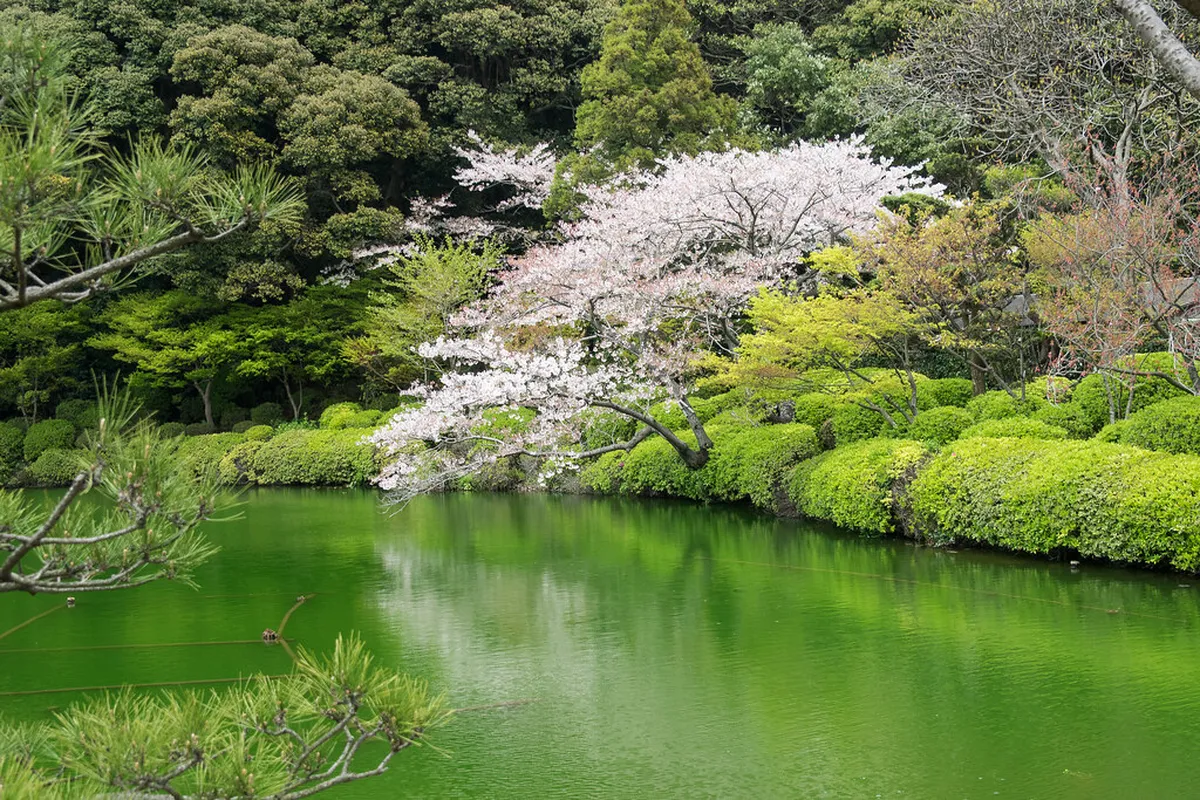
The term Jigoku Mushi translates literally to hell steaming in the local language. This refers to the intense heat coming from the ground in the Kannawa district. Locals have used these steam vents for cooking since the Edo period. It remains a vital part of the cultural identity in Beppu today.
The steam contains natural minerals that add a subtle flavor to your meal. Most centers provide specialized baskets made of bamboo or metal for the food. You can learn how to visit Beppu Hells before your lunch. The high temperature ensures that meat and vegetables cook very quickly.
The experience is very interactive and requires you to handle the equipment yourself. Staff members are usually available to guide you through the initial setup. It is an eco-friendly way to prepare food using the energy of the earth. Many people find the taste of steamed vegetables to be surprisingly sweet.
Pot rental costs 500–1,000 yen for 30 minutes; food platters range 1,000–3,000 yen. Vegetables and eggs steam fastest. Arrive before 11:30 AM or after 1:30 PM on weekends to avoid the longest queues at Jigoku Mushi Kobo.
How to try Jigoku Mushi cooking in Beppu
| Item | Steam Time | Approx. Cost | Tip |
|---|---|---|---|
| Eggs | 10–12 min | Included in food set | Fastest item; great starter |
| Corn / Vegetables | 10–15 min | Part of food platter | Sweet flavour from mineral steam |
| Chicken | 20–25 min | 1,000–3,000 yen platter | Don't overload the basket |
| Seafood (shrimp, crab) | 15–20 min | Higher-end sets | Buy from on-site counter |
| Pot rental | 30 min session | 500–1,000 yen | Extend if food needs more time |
The process of steam cooking is straightforward but requires some basic coordination. You will start by selecting a facility that offers public steam pot rentals. Most travelers head to the Kannawa area because it has the most options. Make sure to arrive with an appetite for fresh seafood and vegetables.
Each facility has its own rules regarding outside food and beverage items. Some places allow you to bring ingredients from a nearby local supermarket. Others require you to purchase food sets directly from their own kitchen. Always check the signs or ask the staff before you start preparing.
Safety is important because the steam can reach very high temperatures quickly. You will be given heavy gloves to protect your hands from the heat. Follow the timing charts provided to ensure your food is cooked perfectly. The communal atmosphere makes it a great place to meet other travelers.
Once the timer goes off, you will carefully retrieve your steaming basket. The smell of the volcanic steam adds to the sensory experience of the meal. Tables are usually located nearby so you can eat while the food is hot. Don't forget to clean your station once you have finished your delicious lunch.
- Step 1: Arrive at the Kannawa steam center
- Time: 5 minutes
- Cost: Free entry
- Where: Kannawa Onsen district
- Mistake: Arriving during peak lunch
- Tip: Go early for shorter lines
- Step 2: Purchase your steam pot tickets
- Time: 10 minutes
- Cost: 500 to 1000 yen
- Where: Vending machines inside
- Mistake: Forgetting cash for machines
- Tip: Check for English buttons
- Step 3: Select and prep your food items
- Time: 15 minutes
- Cost: 1000 to 3000 yen
- Where: Food counter or supermarket
- Mistake: Buying items that take hours
- Tip: Vegetables and eggs steam fastest
- Step 4: Load ingredients into the steam basket
- Time: 5 minutes
- Cost: Included in rental
- Where: Designated steaming station
- Mistake: Overloading the small basket
- Tip: Wear the provided heat gloves
- Step 5: Set the timer and wait
- Time: 15 to 30 minutes
- Cost: None
- Where: Outdoor seating area
- Mistake: Opening the lid too early
- Tip: Relax in the foot bath
- Step 6: Retrieve and enjoy your meal
- Time: 20 minutes
- Cost: None
- Where: Communal dining tables
- Mistake: Touching hot lid barehanded
- Tip: Use local salt or sauces
Essential preparation and packing list
Being prepared will make your steam cooking experience much more enjoyable and easy. The environment around the steam pots can get quite humid and damp. You might also want to explore the Beppu sand bath entry fees afterward. Having the right supplies ensures you stay comfortable throughout the entire process.
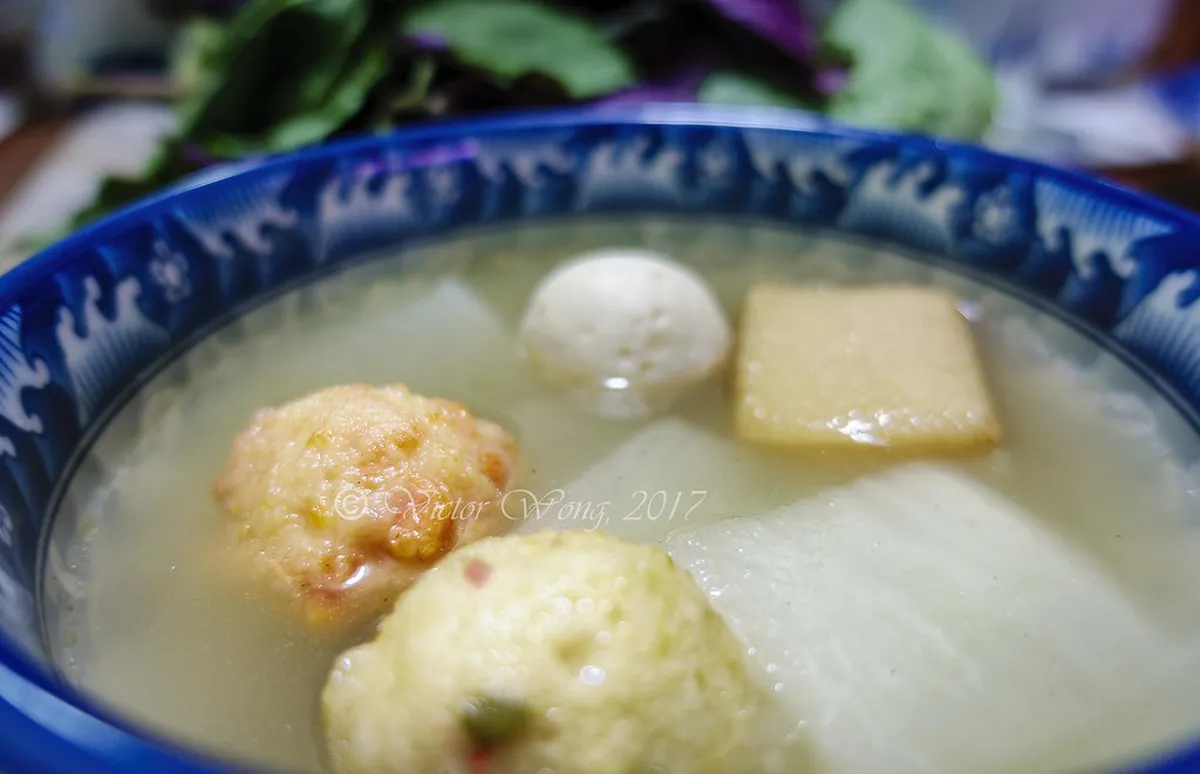
Most centers provide basic tools like tongs, baskets, and protective kitchen gloves. However, you should bring your own personal items for hygiene and convenience. Small towels are very useful for wiping condensation off your face or hands. Wet wipes are also helpful if you are eating messy seafood items.
Cash is still the primary way to pay at many local centers. The vending machines for pot rentals rarely accept credit cards or apps. Make sure you have plenty of 1000 yen notes and small coins. This will save you time when the facility gets busy with tourists.
Wear comfortable clothing that you do not mind getting a little damp. The steam can sometimes blow toward the seating areas depending on the wind. Avoid wearing very expensive fabrics that might react poorly to sulfurous steam. Light layers are best since the area near the pots is warm.
- Essential items for your steam cooking trip
- Hand towels for drying off
- Wet wipes for messy hands
- Cash for the ticket machines
- Light jacket for outdoor seating
- Reusable water bottle for hydration
- Small bag for food scraps
Solving common steaming problems
The steam reaches very high temperatures — always wear the provided heat gloves when handling the basket. Do not open the lid early, and never touch the hot lid barehanded. The vending machines for pot rentals rarely accept credit cards, so bring 1,000-yen notes.
Even a simple activity like steaming can have some unexpected challenges for beginners. One common issue is underestimating the time needed for thicker cuts of meat. If your food is not ready, you can usually extend your pot time. Ask the staff for help if the timer is confusing to use.
The popularity of these centers means you might face a long wait. During weekends, the wait for a pot can exceed one hour total. Use this time to walk around the historic streets of the neighborhood. There are many small shops selling local crafts and snacks nearby.
Weather can also play a role in how well the steam works. On very windy days, the steam might disperse before heating the pot effectively. The staff will usually adjust the equipment to compensate for the weather. Be patient if the process takes a few extra minutes than expected.
Communication can sometimes be a barrier if you do not speak Japanese. Many facilities now have English menus and instructional signs for foreign guests. Using a translation app on your phone can solve most basic questions. The local people are generally very patient and helpful with visitors.
- Common issues when trying steam cooking
- Steam pots are all occupied
- Ingredients are still undercooked
- High winds cooling the steam
- Language barrier at the counter
- Tickets sold out for the day
- Finding the correct bus stop
Choosing the best Beppu locations
If you want a traditional vibe, go to the Kannawa district. If you want luxury, choose a private ryokan with steam facilities. There are several different places where you can enjoy this unique meal. Each location offers a slightly different atmosphere and price point for guests.
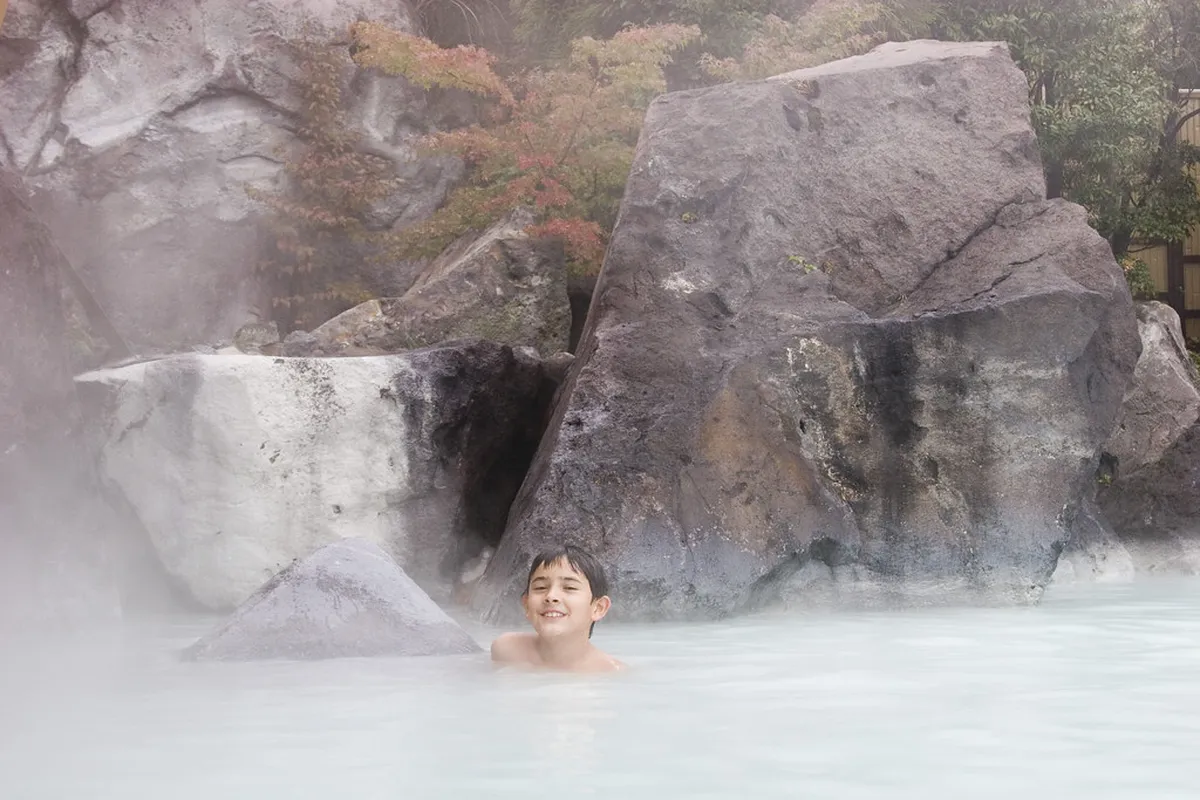
The Jigoku Mushi Kobo is the most famous public facility in Beppu. It offers a large number of pots and a very helpful staff. You can also book other Beppu adventures to fill your day. This center is perfect for first-timers who want a guided experience.
Some smaller local inns allow non-guests to use their steaming pots. These spots are often quieter and offer a more authentic local feel. However, they may have more limited English support for international travelers. Researching these hidden gems can lead to a very memorable afternoon.
Consider the proximity to other attractions when choosing your steaming location. Many centers are located within walking distance of the famous Hells of Beppu. This allows you to see the sights and eat in one trip. Check the local bus schedules to ensure you can return easily.
Frequently Asked Questions
How much does Jigoku Mushi cost?
Renting a pot usually costs between 500 and 1000 yen for 30 minutes. Food platters range from 1000 to 3000 yen depending on the ingredients. You should also budget for drinks and side dishes.
Can I bring my own food to the steam pots?
Some facilities allow you to bring your own ingredients for a small fee. However, the most popular centers require you to buy food from them. Always check the specific rules of the center before arriving.
Is steam cooking safe for children?
Yes, it is a safe family activity if children are supervised carefully. The steam is very hot and can cause burns if touched directly. Staff will provide safety gloves and instructions for all ages.
Trying Jigoku Mushi is a must-do activity for anyone visiting the city of Beppu. It combines natural science with delicious local cuisine in a memorable way. You will leave with a full stomach and a great story to tell. The healthy nature of the food makes it a perfect travel meal.
After your meal, you might enjoy the Mt. Tsurumi hiking trail route for great views. Beppu offers so many ways to experience the power of the earth. We hope this guide helps you enjoy your first steam cooking adventure. Enjoy the unique flavors of Japan's most famous hot spring town.
For the wider city overview, see our Beppu attractions guide.
Free: The Beppu Essentials guide
Top things to do, where to stay, a perfect day plan, getting around, and the best time to go — a Beppu mini-guide you can take offline.
You might also like


Continue reading
More guides you'll find useful


