How to Visit Beppu Hells: A Complete 2026 Guide
Planning a trip to Kyushu? Learn how to visit Beppu Hells with our 2026 guide covering tickets, transport, and the best route for all seven sites.
On this page
Beppu is famous for its steaming hot springs and volcanic activity. The Beppu Hells are a collection of seven unique hot spring sites. These pools are strictly for viewing rather than bathing due to high temperatures. You can find more planning resources at Japan Activity today.
Most visitors start their journey at Beppu Station to collect maps. This guide provides the exact steps needed to navigate these volcanic wonders. You should allocate at least half a day to see all seven locations. Knowing how to visit Beppu Hells efficiently will save you significant time.
Quick Answer: Buy a combination pass at Beppu Station to visit all seven hot spring sites efficiently. Use the local bus system to reach the Kannawa district where most pools are located. Alternatively, rent a car to reach the two outlying hells more comfortably.
Planning Your Trip to the Beppu Hells
The Beppu Hells are divided into two main geographic districts. Five of the hells are located in the Kannawa area. The remaining two sites are situated in the Shibaseki district. Planning your Beppu Adventures requires understanding these locations.
You can purchase a combination ticket that covers all seven sites. This pass is much cheaper than buying individual entry tickets. Most travelers find the bus system to be the most convenient option. Buses run frequently from the west exit of Beppu Station.
The combination ticket is valid for two consecutive days. This allows you to split your visit if you feel rushed. Check the operating hours for each site before you depart. Most hells open at 8:00 AM and close by 5:00 PM.
The combination pass (2,200 yen adult / 1,000 yen child) saves ~30% versus buying single tickets for all seven hells (3,150 yen). It breaks even at five sites, so if you plan to visit five or more hells, the pass is the obvious choice.
Step-by-Step Guide to Visiting Beppu Hells
Following a logical order will help you see everything in one trip. Start early in the morning to avoid the largest tour groups. The Kannawa area is very walkable once you arrive by bus. Each site offers a unique color and geological feature.
Keep your ticket booklet safe as you move between the sites. Staff will stamp your pass at every entrance you visit. Many sites also feature free foot baths for visitors to enjoy. These small baths are a great way to rest your feet.
The transition between the two districts requires a short bus ride. Be mindful of the bus schedules for line number 16. This bus connects the Kannawa area to the Shibaseki area. Missing this bus can lead to long wait times.
- Step 1: Buy the Beppu Jigoku Meguri ticket
- Time: 5 minutes
- Cost: 2,200 Yen
- Where: Beppu Station
- Mistake: Buying single tickets
- Tip: Valid for two days
- Step 2: Board the bus at Beppu Station
- Time: 20 minutes
- Cost: 330 Yen
- Where: West Exit
- Mistake: Taking the wrong bus
- Tip: Use Suica or Pasmo
- Step 3: Walk through the five Kannawa hells
- Time: 2 hours
- Cost: Included in pass
- Where: Kannawa District
- Mistake: Skipping the foot baths
- Tip: Follow the signs
- Step 4: Travel to the Shibaseki district hells
- Time: 10 minutes
- Cost: 190 Yen
- Where: Kannawa Bus Terminal
- Mistake: Forgetting the schedule
- Tip: Use bus 16
- Step 5: Enjoy lunch steamed by volcanic heat
- Time: 45 minutes
- Cost: 1,500 Yen
- Where: Jigoku Mushi Kobo
- Mistake: Not booking ahead
- Tip: Try the vegetables
- Step 6: Validate your ticket at each entrance
- Time: 1 minute
- Cost: Free
- Where: Every hell gate
- Mistake: Losing your booklet
- Tip: Collect all stamps
Essential Checklist and Preparation
Pass sales close 30 minutes before the 5:00 PM closing time. Start your visit before noon to comfortably cover all seven hells. Avoid visiting on Japanese public holidays — the sites become extremely crowded; Tuesday and Wednesday are the quietest days.
Proper preparation ensures that you stay comfortable throughout the day. The walking paths between the hells are mostly paved but hilly.
You will be outdoors for several hours during this tour. Check the local weather forecast before leaving your hotel.Carrying a small amount of cash is essential for bus fares. While many shops take cards, some smaller stalls remain cash-only. You should also bring a portable charger for your mobile phone. Using maps and taking photos will drain your battery quickly.
A small towel is one of the most useful items to pack. You can use it to dry your feet after the foot baths. Many sites sell towels, but bringing your own saves money. Stay hydrated by carrying a refillable water bottle with you.
- Wear comfortable walking shoes
- Time: All day
- Cost: Free
- Where: On your feet
- Mistake: Wearing new shoes
- Tip: Use sneakers
- Bring a small hand towel
- Time: For foot baths
- Cost: 200 Yen
- Where: In your bag
- Mistake: Forgetting to dry feet
- Tip: Buy a souvenir towel
- Carry enough Japanese Yen cash
- Time: For transactions
- Cost: Variable
- Where: In your wallet
- Mistake: Relying on credit cards
- Tip: Use 1,000 yen bills
- Pack a portable battery charger
- Time: For phone use
- Cost: 2,000 Yen
- Where: In your pocket
- Mistake: Phone dying mid-trip
- Tip: Charge it overnight
- Keep a physical area map
- Time: For navigation
- Cost: Free
- Where: From the station
- Mistake: Relying only on GPS
- Tip: Highlight your route
- Bring a light rain jacket
- Time: For weather
- Cost: 1,000 Yen
- Where: In your pack
- Mistake: Getting soaked
- Tip: Use a compact one
Troubleshooting Common Problems
Even the best-planned trips can encounter minor issues. Traffic in Beppu can sometimes cause buses to run late. Do not panic if you miss a specific bus connection. Most routes have several buses running every hour.
Language barriers can occasionally make navigation difficult. Most bus drivers in Beppu are used to helping tourists. Showing a picture of your destination is very effective. Google Maps provides accurate bus numbers and stop names.
The steam from the hells can be quite thick. This may make it hard to take clear photographs. Wait for a breeze to clear the air before shooting. Be careful not to drop your phone into the hot water.
- Buses arriving behind schedule
- Time: 10-15 minutes
- Cost: None
- Where: Bus stops
- Mistake: Getting frustrated
- Tip: Check digital displays
- Steam blocking camera lenses
- Time: Seconds
- Cost: Free
- Where: Near the pools
- Mistake: Wiping lens with fingers
- Tip: Use microfiber cloth
- Walking paths becoming very crowded
- Time: Peak hours
- Cost: None
- Where: Umi Jigoku
- Mistake: Rushing through crowds
- Tip: Visit early morning
- Difficulty finding the Shibaseki bus
- Time: 5 minutes
- Cost: None
- Where: Kannawa Terminal
- Mistake: Waiting at wrong stop
- Tip: Ask terminal staff
- Ticket offices closing early
- Time: After 4:30 PM
- Cost: None
- Where: Entrance gates
- Mistake: Arriving too late
- Tip: Start before noon
- Sudden changes in weather
- Time: Any time
- Cost: None
- Where: Outdoor areas
- Mistake: No umbrella
- Tip: Seek shelter in shops
Decision Guide: Transport and Tickets
If you prefer flexibility, renting a car is the best choice. Driving allows you to reach the outlying hells very quickly. Parking is free at all seven hot spring locations. However, navigating narrow Japanese streets can be challenging.
If you are on a budget, use the local bus. The bus pass is affordable and covers most tourist areas. You can also check the 10 Best Beppu Sand Bath Entry Fees and Thermal Spots for extra activities. Walking is only recommended for the sites within Kannawa.
If you only want to see one site, buy a single ticket. Single entry usually costs around 400 Yen per person. Most people find the combination ticket offers better value. Decide based on how much time you have available.
Visiting the Beppu Hells as a Day Trip from Fukuoka
Fukuoka is the most common starting point for a one-day visit. The limited express Sonic runs from Hakata Station to Beppu Station in roughly 2 hours 15 minutes. Highway buses on the same route take a little longer. Check current fares and reserved-seat availability before you travel, because prices change by service and season. Our guide to a Beppu day trip from Fukuoka compares the options in more detail.
A day trip is tight but workable if you follow the bus plan already described above.
- Take a morning Sonic departure so you reach Beppu Station by about 9:30 AM.
- Buy the combination pass at the station and board the bus from the west exit.
- Start with the five Kannawa hells, then take bus 16 to the two Shibaseki hells.
- Leave the last hell by mid-afternoon. Pass sales close at 4:30 PM and the sites close at 5:00 PM.
- Aim for a return train in the evening and check the last Sonic departure to Hakata the day before.
Buy your return ticket before you start the hell circuit. Missing the last express turns a day trip into an unplanned overnight stay.
If you want to see more of the town, stay one night. The hells take about half a day, which leaves time for baths and a slower evening in Kannawa.
Best Times and Local Tips for Visitors
The best time to visit is during the shoulder seasons. Spring and autumn offer mild temperatures for walking. Check the Best Season for Beppu Adventures for more details. Winter is also beautiful as the steam becomes more visible.
Avoid visiting during Japanese public holidays or weekends. The sites can become extremely crowded with domestic tourists. Tuesday and Wednesday are typically the quietest days to visit. Arriving right at opening time ensures the best photos.
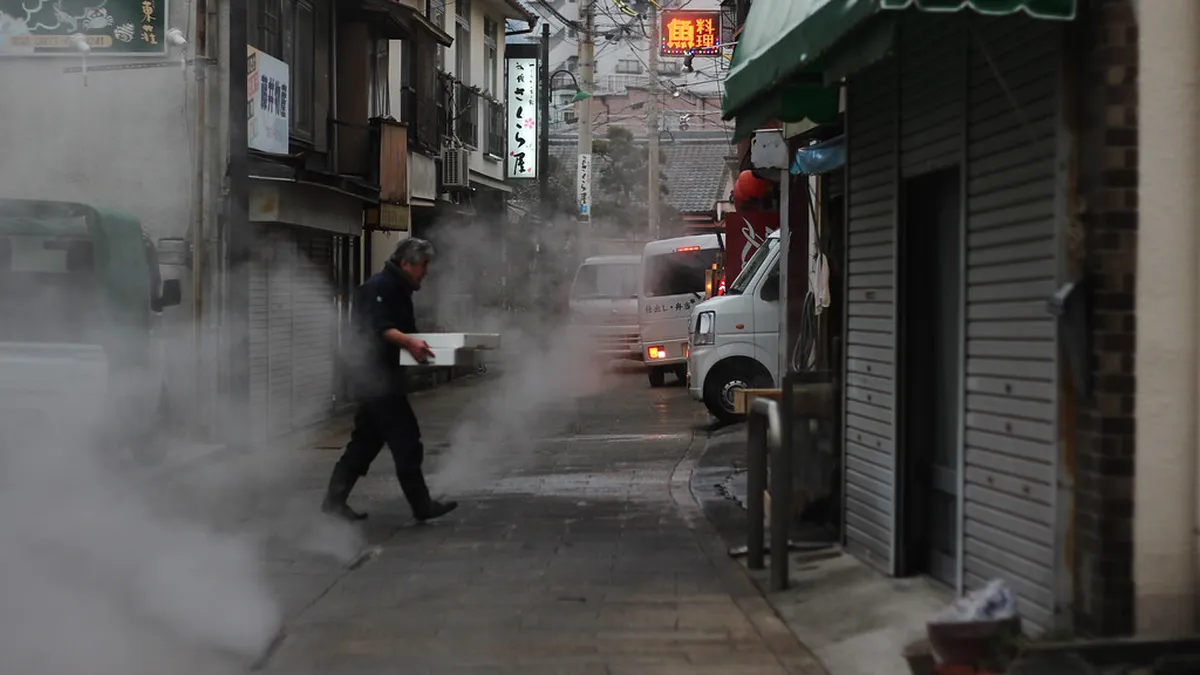
Do not forget to try the local 'Jigoku-mushi' cuisine. This food is cooked entirely by natural volcanic steam. It is a healthy and unique way to experience Beppu. Many restaurants in Kannawa offer this traditional cooking style.
The Best Order to Visit the 7 Beppu Hells in 2026
Visiting in the right order saves time and reduces backtracking. The seven hells split cleanly into two clusters separated by a short bus ride. The Kannawa cluster contains five hells within easy walking distance of each other. The Shibaseki cluster sits 3 kilometers north and contains the remaining two hells.
Start the Kannawa loop at Umi Jigoku, the largest and most photogenic site. Walk south to Oniishibozu Jigoku, then continue to Kamado Jigoku for the live demonstrations. Next visit Oniyama Jigoku to see the crocodiles, and finish the cluster at Shiraike Jigoku. This route flows downhill and avoids doubling back on the narrow streets.
After lunch in Kannawa, board bus 16 to reach the Shibaseki cluster. Visit Chinoike Jigoku first because its blood-red color photographs best in afternoon light. Tatsumaki Jigoku, the geyser, is 200 meters away and erupts every 30 to 40 minutes. Time your arrival around an eruption window posted at the gate. For a deeper walking-route plan, study the 1-Day Beppu Hells Walking Route Itinerary Guide before your visit.
Beppu Hells 2026 Ticket Prices and Combination Pass
Ticket prices were updated in April 2026 ahead of the spring tourist season. The combination pass costs 2,200 Yen for adults and 1,000 Yen for children. Single-entry tickets cost 450 Yen per hell at the gate. The combination pass is valid for two consecutive days from the date of first stamp.
Each individual hell charges the same 450 Yen regardless of size or popularity. Buying single tickets for all seven sites would cost 3,150 Yen per adult. The combination pass therefore saves 950 Yen, roughly 30 percent off the individual rate. Children under 6 enter free at every hell when accompanied by a paying adult.
Pass sales close 30 minutes before the last hell shuts at 5:00 PM. You can buy the pass at any of the seven hell gates or at Beppu Station's tourist office. JCB, Visa, and Mastercard are accepted at all main hell entrances since the 2025 upgrade. Cash remains the safest option for the Shibaseki ticket booths during peak hours.
Combination Pass vs Single Tickets: Break-Even Math
The math behind the combination pass is simpler than it looks. At 450 Yen per single entry, you break even after visiting five hells. Anything beyond five sites returns pure savings on the 2,200 Yen combination pass. This makes the pass the obvious choice for any visitor planning more than half the sites.
Time-strapped travelers visiting only three or four hells should buy single tickets. Three single tickets cost 1,350 Yen, saving 850 Yen versus the combination pass. Four single tickets cost 1,800 Yen, still 400 Yen under the combination price. The combination pass only wins when you commit to at least five of the seven sites.
Families benefit even more from the children's combination pass. Two adults and two children with combination passes pay 6,400 Yen total. The same group buying singles for seven hells would pay 9,000 Yen. That 2,600 Yen saving covers a full lunch at Jigoku Mushi Kobo for the whole group. Pair this with a broader Beppu Itinerary: Plan Your Trip! to balance ticket spend across the trip.
How Long to Spend at Each Hell
Each hell rewards a different amount of time depending on its features. Knowing the realistic time budget helps you avoid rushing the photogenic sites. Most visitors underestimate Umi Jigoku and overestimate the smaller pools. Plan around the natural rhythm of each location instead of dividing time evenly.
| Hell | Cluster | Recommended time | Highlight |
|---|---|---|---|
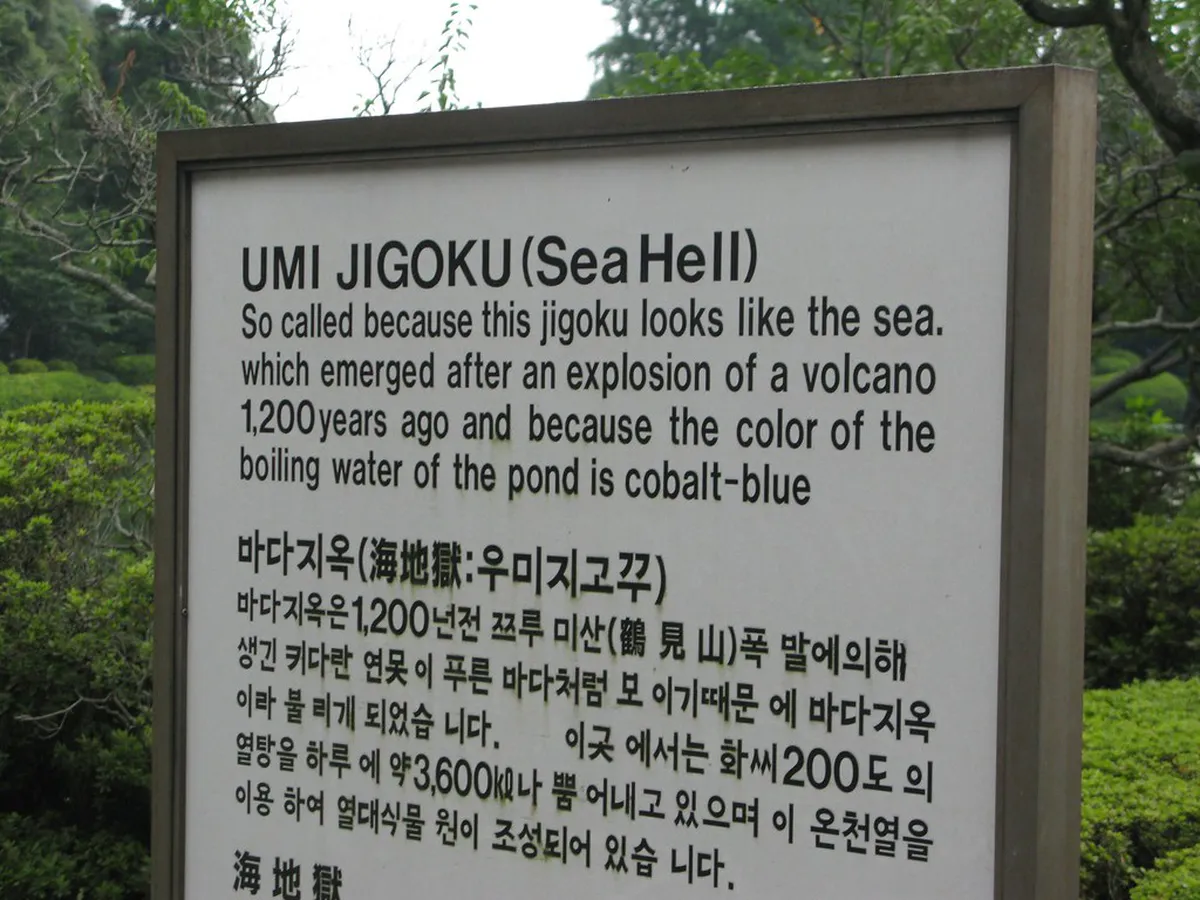
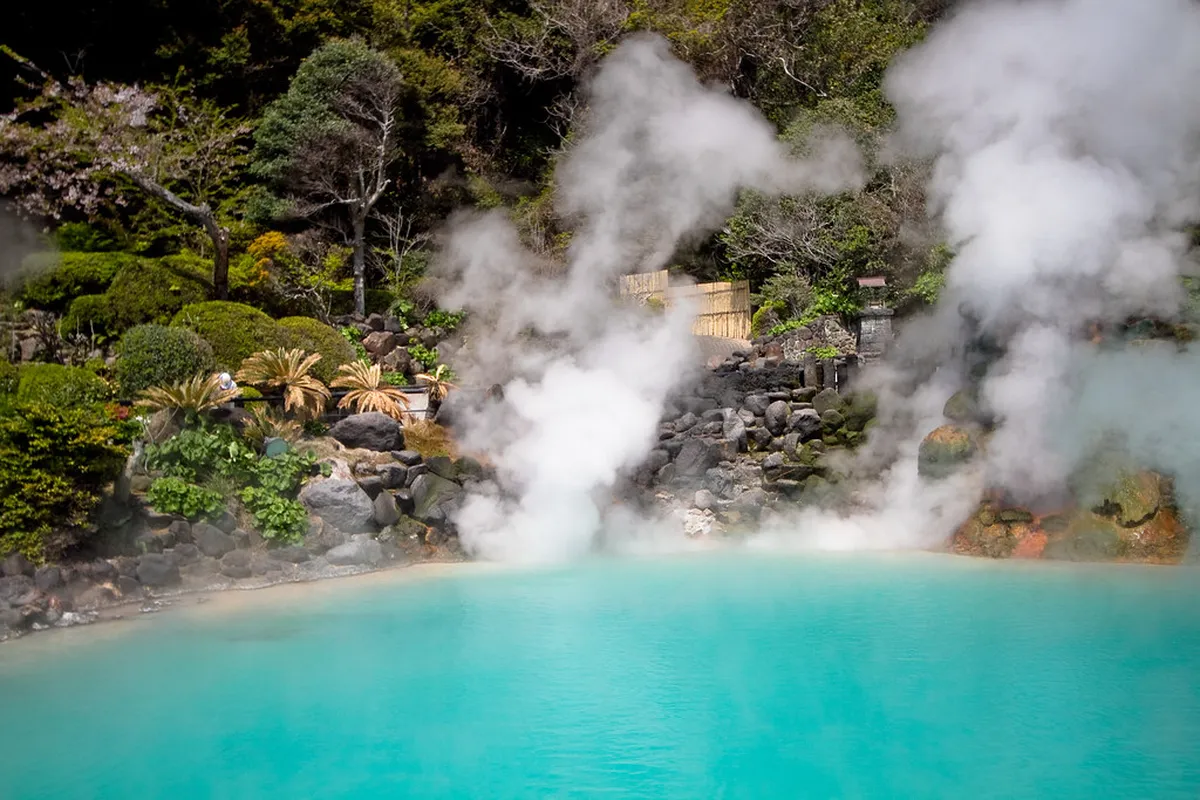
| Umi Jigoku | Kannawa | 30 min | Cobalt-blue pool and gardens |
| Oniishibozu Jigoku | Kannawa | 15 min | Bubbling grey mud |
| Kamado Jigoku | Kannawa | 25 min | Hourly steam-pillar demo |
| Oniyama Jigoku | Kannawa | 10 min (30 if crocodile feeding) | Crocodile pond |
| Shiraike Jigoku | Kannawa | 15 min | Milky-white pool |
| Chinoike Jigoku | Shibaseki | 20 min | Blood-red colour, best in afternoon light |
| Tatsumaki Jigoku | Shibaseki | 25 min | Geyser erupts every 30–40 min |
Umi Jigoku deserves at least 30 minutes for the cobalt-blue pool and connected gardens. Oniishibozu Jigoku and Shiraike Jigoku each need 15 minutes for a relaxed walkthrough. Kamado Jigoku takes 25 minutes if you watch the steam-pillar demonstration on the hour. Oniyama Jigoku needs only 10 minutes unless you stay for the crocodile feeding at 10:00 AM.
The Shibaseki cluster requires careful timing because of the geyser schedule. Chinoike Jigoku takes 20 minutes for photos and the upstairs viewing platform. Tatsumaki Jigoku requires 25 minutes including the 6-minute geyser eruption itself. A complete circuit of all seven hells totals approximately 2 hours and 20 minutes of pure viewing time. For the unique-experience angle, see the 9 Best Stops on a Unique Hells of Beppu Tour guide.
What to Do in Beppu After the Hells
The hells are for looking at, not bathing in. Most visitors want a proper soak afterward, and Kannawa and central Beppu offer several ways to get one.
- Public and day-use onsen: Kannawa has bathhouses where you can soak after the circuit. Bring the small towel from your packing list. Our Beppu onsen guide covers etiquette and how to choose a bath.
- Sand bath: Being buried in warm volcanic sand is a Beppu specialty. The beachfront bath is a short ride from the station. See the sand bath guide for what to expect.
- A second day: The combination pass stays valid for two consecutive days. If you split the hells across two days, you can fill the remaining time with baths and the town itself. The Beppu 2-day itinerary shows one way to arrange this.
Plan your last bus carefully. Buses from Kannawa thin out in the evening, so check the timetable at the terminal before you settle into a bath.
What to Eat at the Beppu Hells in 2026
Steam-cooked food is a defining experience of any visit to the Beppu Hells. Most snack stalls and restaurants cluster between Umi Jigoku and the Kannawa bus terminal. Prices were refreshed in February 2026 to reflect the post-Golden Week menus. Carrying small change makes the line move faster at every stall.
Umitamago, the famous green-shelled hot spring eggs, sell for 200 Yen for a pack of two. They are steamed in the volcanic vents and served warm at most hell exits. Jigoku-mushi pudding, a custard cooked in the steam vents, costs 450 Yen at Kamado Jigoku. The pudding shop opens at 9:00 AM and routinely sells out before 2:00 PM on weekends.
For a full meal, head to Jigoku Mushi Kobo near the bus terminal. The set menu of steamed vegetables, chicken, and rice costs 1,500 Yen. You buy ingredients at the counter and cook them in shared steam baskets. Lines reach 45 minutes during peak season, so arrive before 11:30 AM or after 1:30 PM. Time your meal around the Best Time to Visit Beppu Japan: A Seasonal Guide recommendations to avoid the longest queues. The full hells circuit is also a centerpiece on the broader Top 15 Beppu Attractions route.
Frequently Asked Questions
How long does it take to see all the Beppu Hells?
You should plan for approximately three to four hours to see all seven sites. This includes travel time between the two districts and short breaks for foot baths. If you eat lunch there, add another hour.
Can you bathe in the Beppu Hells?
No, the main hell pools are far too hot for human contact. They are meant for viewing and photography only. However, many sites offer separate small foot baths that are safe for soaking.
Are there other activities near the hells?
Yes, the area offers many other attractions for nature lovers. You can explore the Mt. Tsurumi hiking trail route nearby. The Beppu Ropeway is also a short bus ride away.
How much does the Beppu Hells combination pass cost in 2026?
The combination pass costs 2,200 Yen for adults and 1,000 Yen for children as of April 2026. It covers all seven hells and stays valid for two consecutive days. Buying single tickets for all seven sites would cost 3,150 Yen, so the combination pass saves about 30 percent.
In what order should I visit the seven Beppu Hells?
Start with the five Kannawa-cluster hells in this order: Umi, Oniishibozu, Kamado, Oniyama, and Shiraike. Take bus 16 to the Shibaseki cluster afterward and visit Chinoike before Tatsumaki to align with the geyser eruption schedule. This route follows the natural downhill flow and avoids backtracking on narrow streets.
How long does the entire Beppu Hells circuit take?
Plan for roughly 2 hours and 20 minutes of pure viewing time across all seven hells. Add 30 minutes for the bus ride between the Kannawa and Shibaseki clusters and 45 minutes for lunch at Jigoku Mushi Kobo. A relaxed end-to-end visit takes 4 to 4.5 hours including transit and food.
Visiting the Beppu Hells is a highlight of any trip to Kyushu. The vibrant colors and intense steam create a truly otherworldly atmosphere. By following this guide, you can navigate the sites with ease. Make sure to bring your camera and a sense of adventure.
Beppu offers a unique glimpse into Japan's powerful volcanic landscape. Whether you choose the bus or a car, the experience is unforgettable. Plan your route today and enjoy the steaming wonders of Oita.
Free: The Beppu Essentials guide
Top things to do, where to stay, a perfect day plan, getting around, and the best time to go — a Beppu mini-guide you can take offline.
You might also like


Continue reading
More guides you'll find useful