
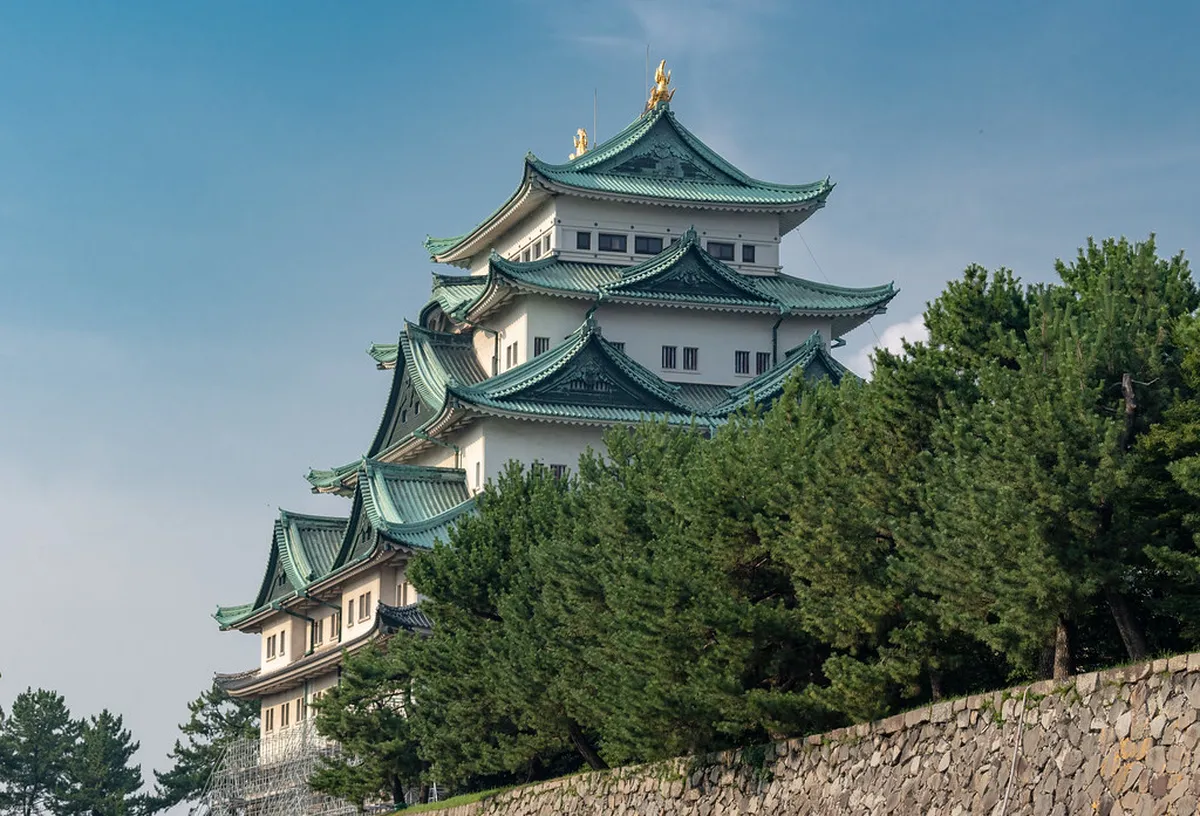
Nagoya Castle
Nagoya Castle is the city's iconic Edo-period landmark, known for its golden shachihoko and reconstructed Honmaru Palace.
Visitor guide →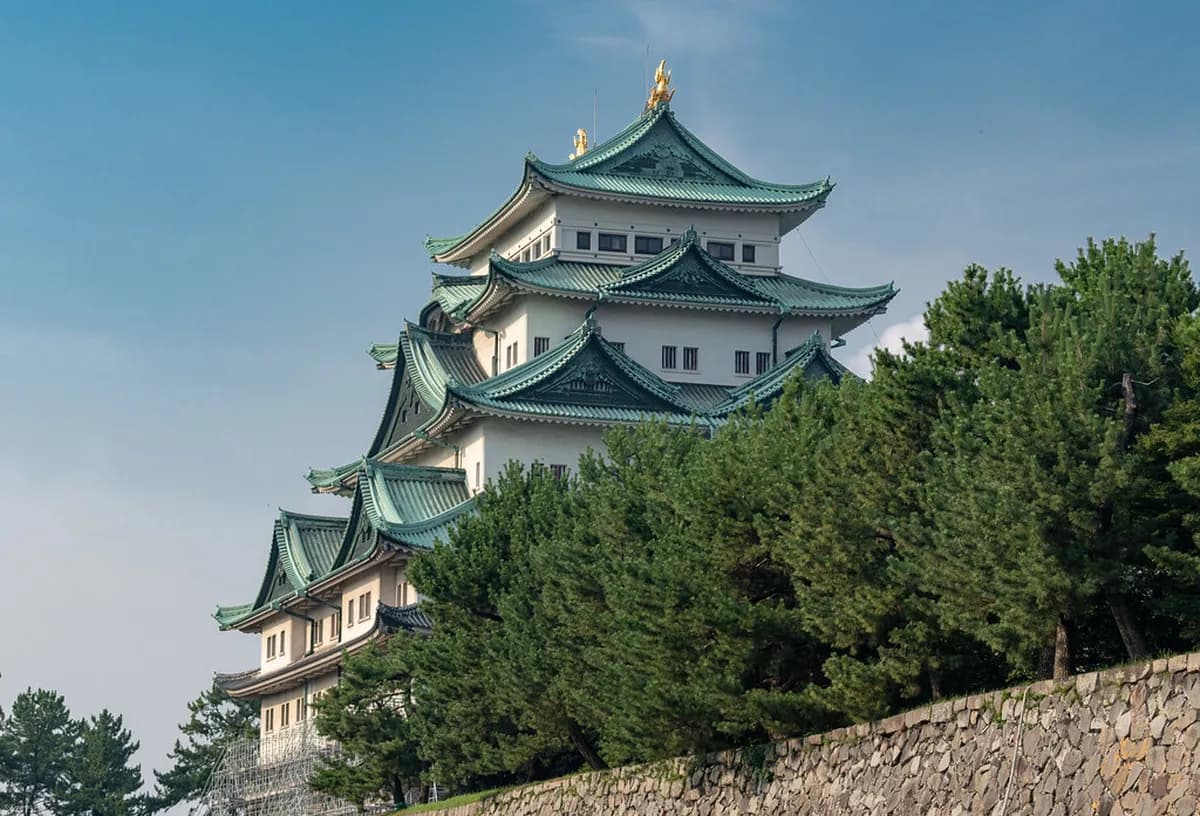
The best things to do in Nagoya: 10 top attractions with verified 2026 ticket prices, opening hours, neighborhood maps, itineraries and money-saving tips.
Nagoya is Japan's fourth-largest city and one of its most underrated, packing an unusually broad mix of attractions into a compact, easy-to-navigate centre. What sets Nagoya apart in 2026 is the way three very different travel worlds overlap here: the Edo-period grandeur of Nagoya Castle with its golden shachihoko, the deep Shinto sanctity of Atsuta Jingu (said to guard the legendary Kusanagi sword), and the city's identity as the birthplace of modern Japanese industry — most famously at the Toyota Commemorative Museum of Industry and Technology, where weaving looms and working assembly lines tell the story of how Toyota grew from textiles into the world's biggest carmaker.
Add to that a clutch of family-magnet attractions — LEGOLAND Japan on the man-made island of Kinjofuto, the orca and beluga tanks of the Port of Nagoya Public Aquarium, and one of the world's largest planetarium domes at the Nagoya City Science Museum — and you have a destination that genuinely works for samurai-history buffs, gearheads, and families alike. Throw in the bargain-hunting buzz of the Osu shopping district, panoramic skyline views from the Sky Promenade, and the porcelain craft of Noritake Garden, and a first trip can feel overwhelming.
We've narrowed the field to the 10 Nagoya attractions that consistently reward the time and ticket price. Each entry below links to a full visitor guide with verified 2026 opening hours, current pricing, and the practical tips that rarely make it into the official site's FAQ. Below the cards you'll find these sights organised by neighborhood and by category, free-versus-paid breakdowns, ready-made 1-to-3-day itineraries, transit advice, and money-saving tactics — everything you need to plan a smooth trip. Bookmark this page as your starting point.
Planning a wider trip? See our Japan travel guide, the things to do in Nagoya guide, and getting around Japan.
Nagoya Castle is the city's iconic Edo-period landmark, known for its golden shachihoko and reconstructed Honmaru Palace.
Visitor guide →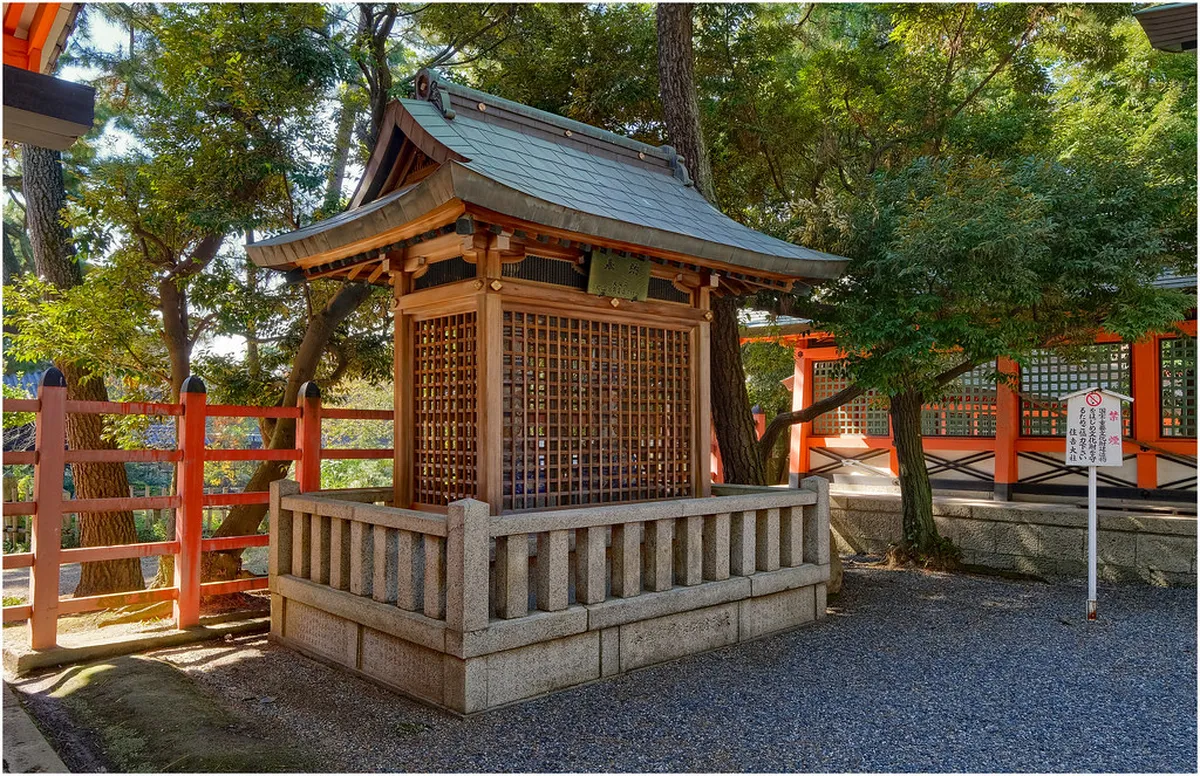
Atsuta Shrine is one of Japan's most sacred Shinto shrines, said to house the legendary Kusanagi sword among ancient forested grounds.
Visitor guide →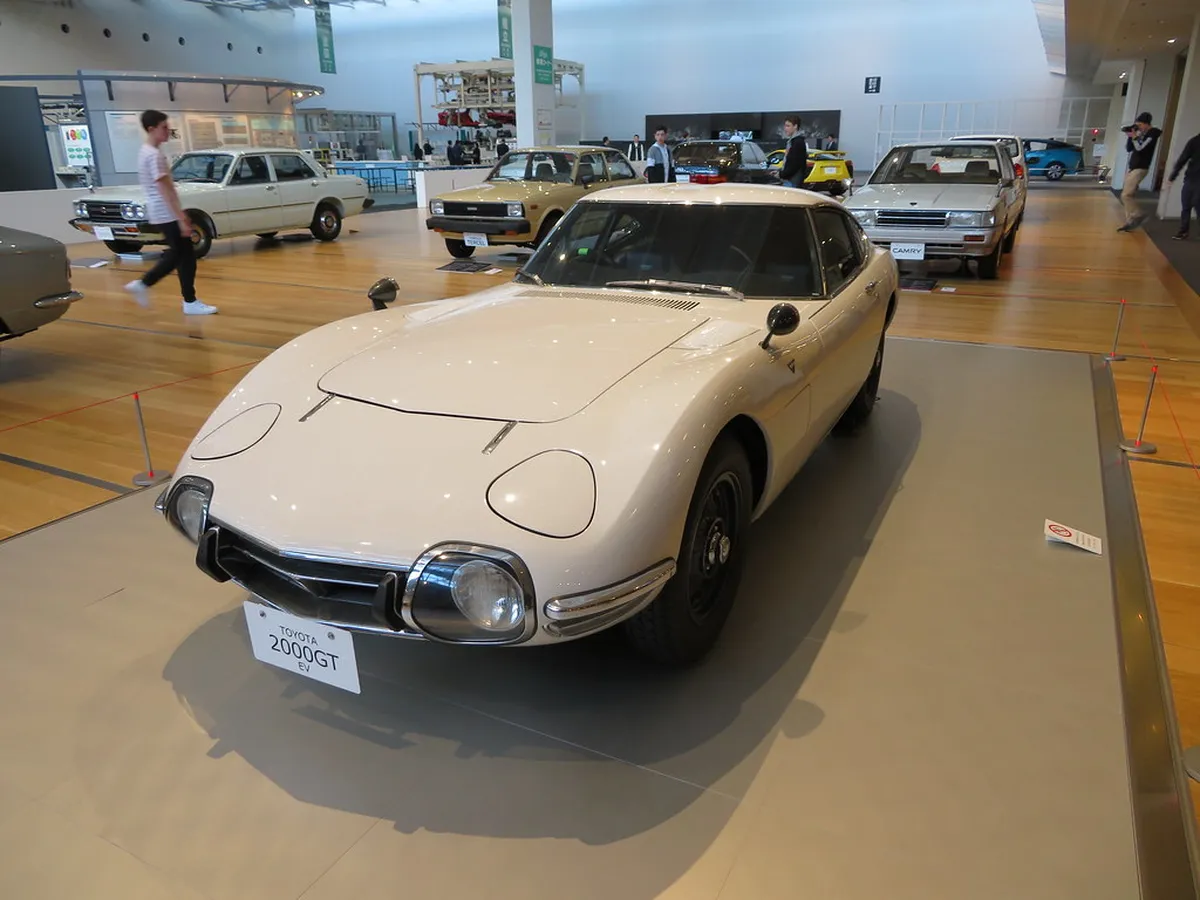
The Toyota Commemorative Museum of Industry and Technology traces Toyota's rise from textile looms to automobiles through working machinery demonstrations.
Visitor guide →
The Nagoya City Science Museum is home to one of the world's largest planetariums and hands-on exhibits inside a landmark silver sphere in Sakae.
Visitor guide →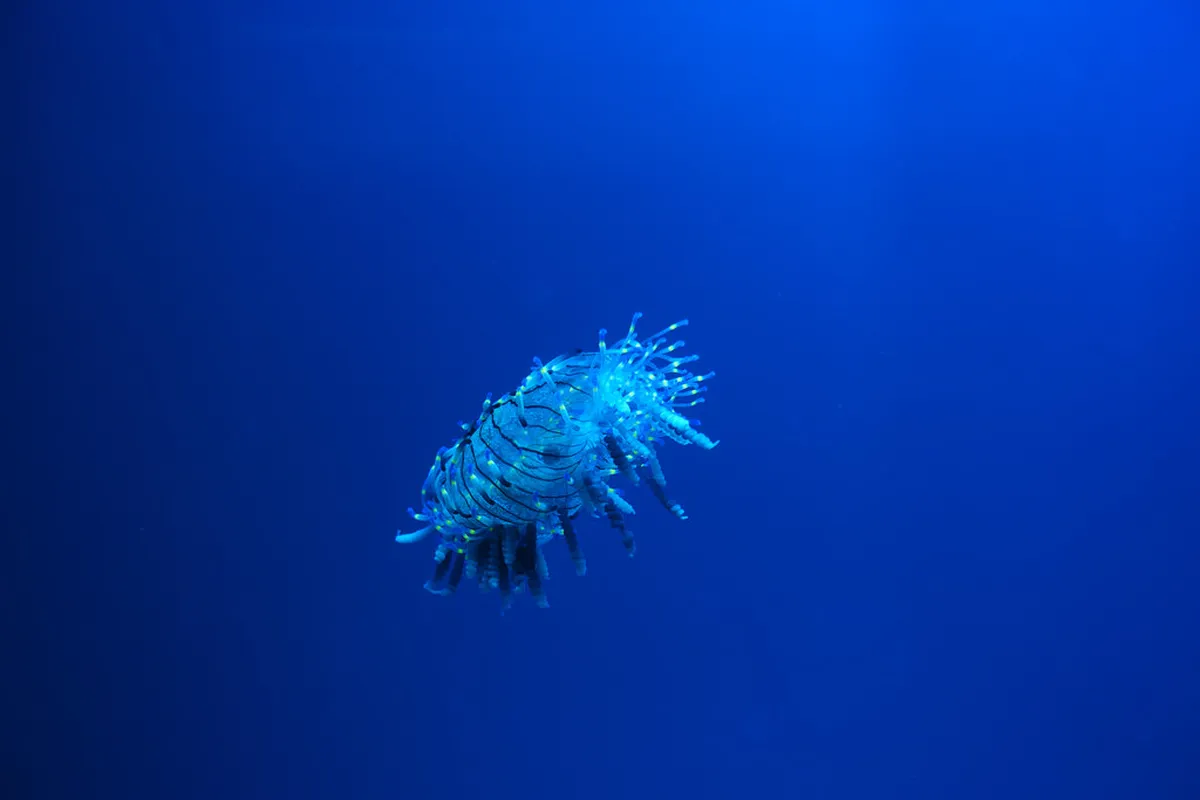
The Port of Nagoya Public Aquarium is Japan's largest aquarium by tank size, famous for orcas, belugas, and one of the country's biggest dolphin show pools.
Visitor guide →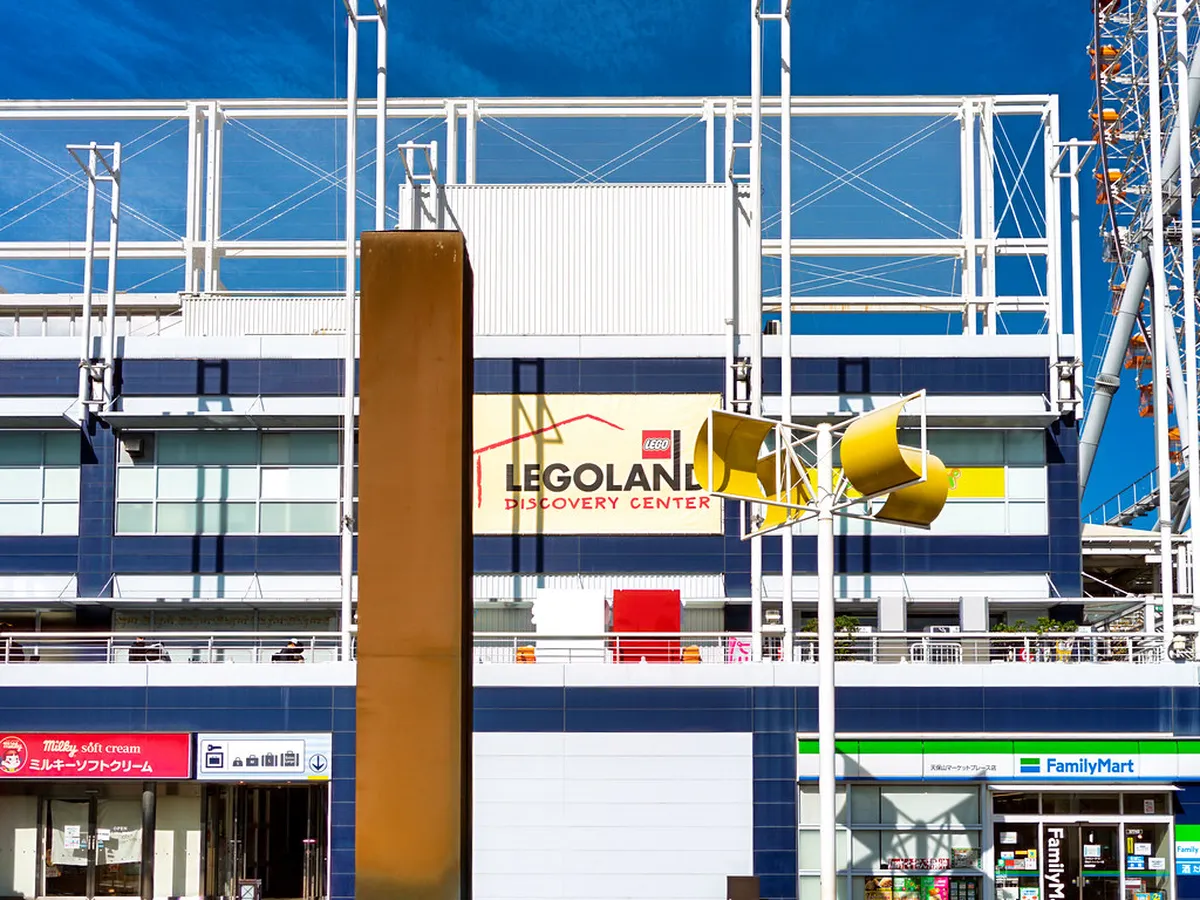
LEGOLAND Japan is an outdoor theme park in Nagoya with over 40 rides and attractions across seven LEGO-themed areas, ideal for families with young children.
Visitor guide →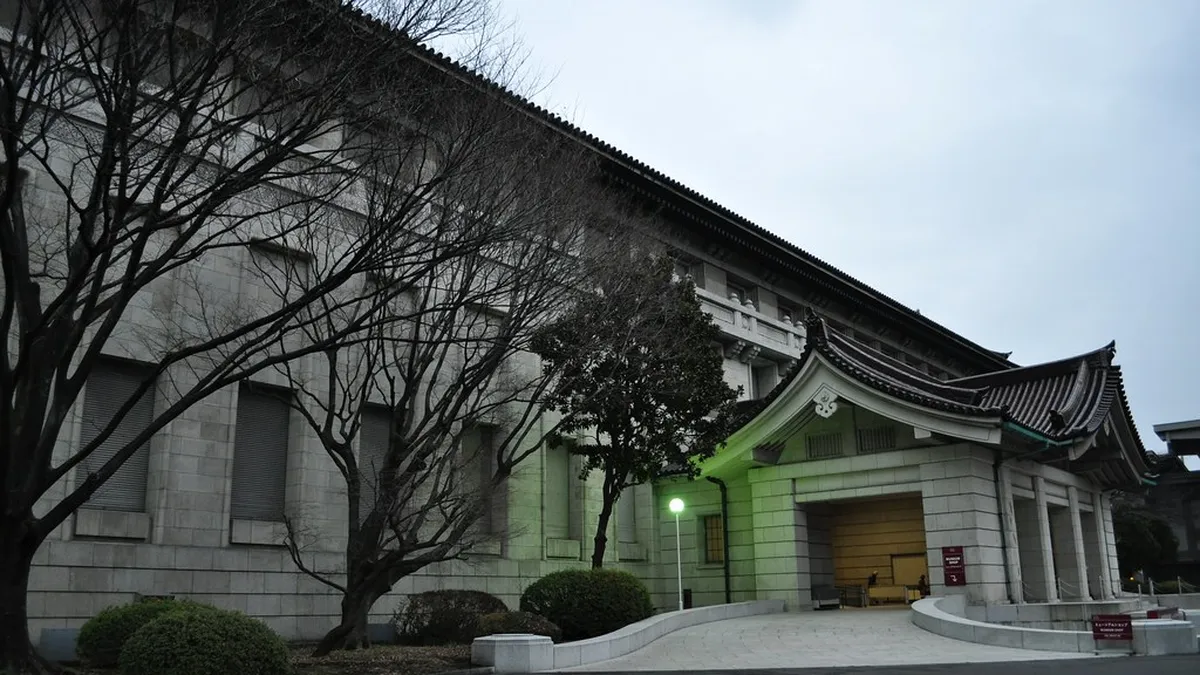
The Tokugawa Art Museum displays over 12,000 Owari Tokugawa heirlooms, including samurai armor, swords, and the National Treasure Tale of Genji scroll.
Visitor guide →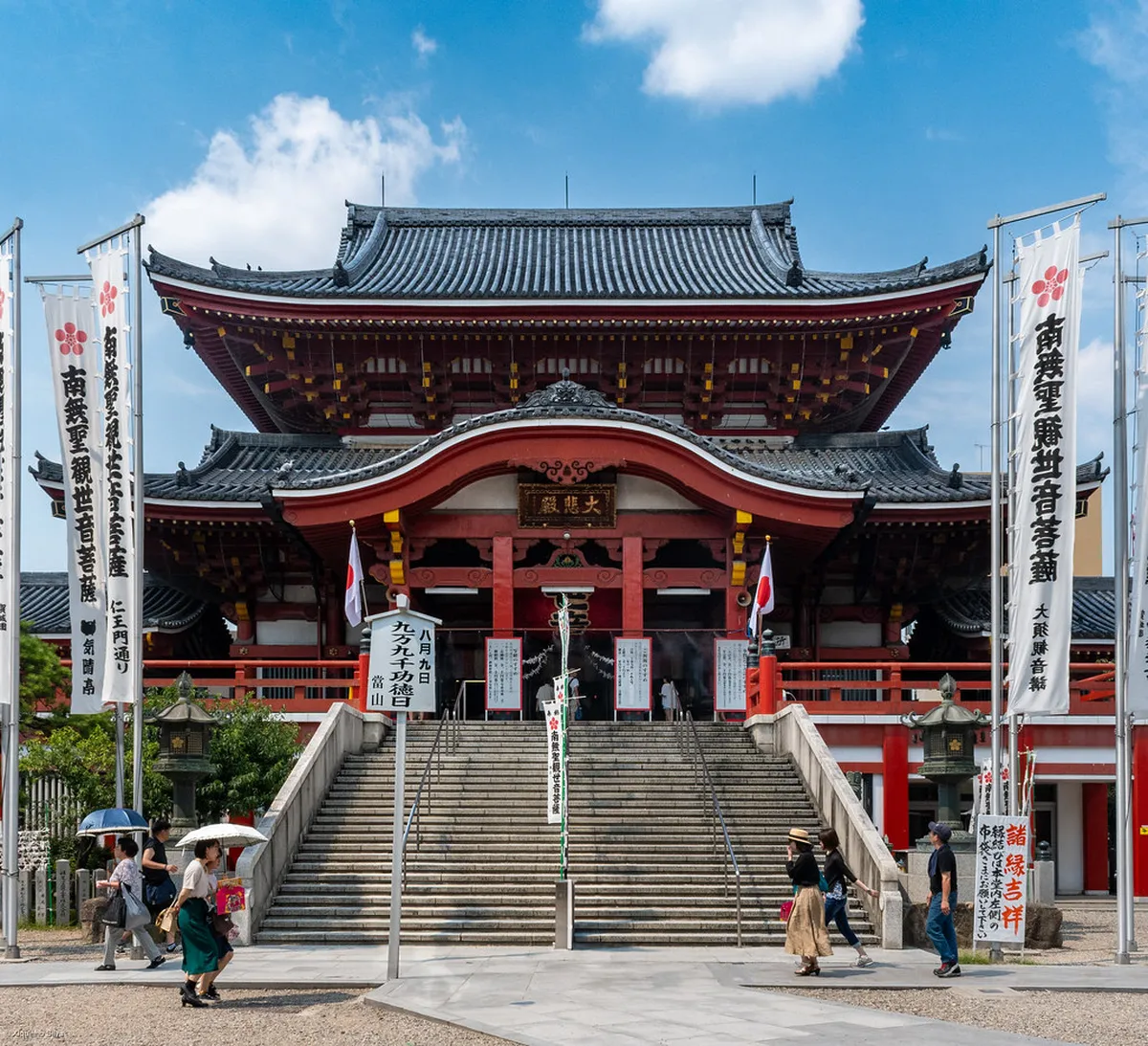
Osu Kannon is a historic Shingon Buddhist temple in central Nagoya and the centerpiece of the vibrant Osu shopping district.
Visitor guide →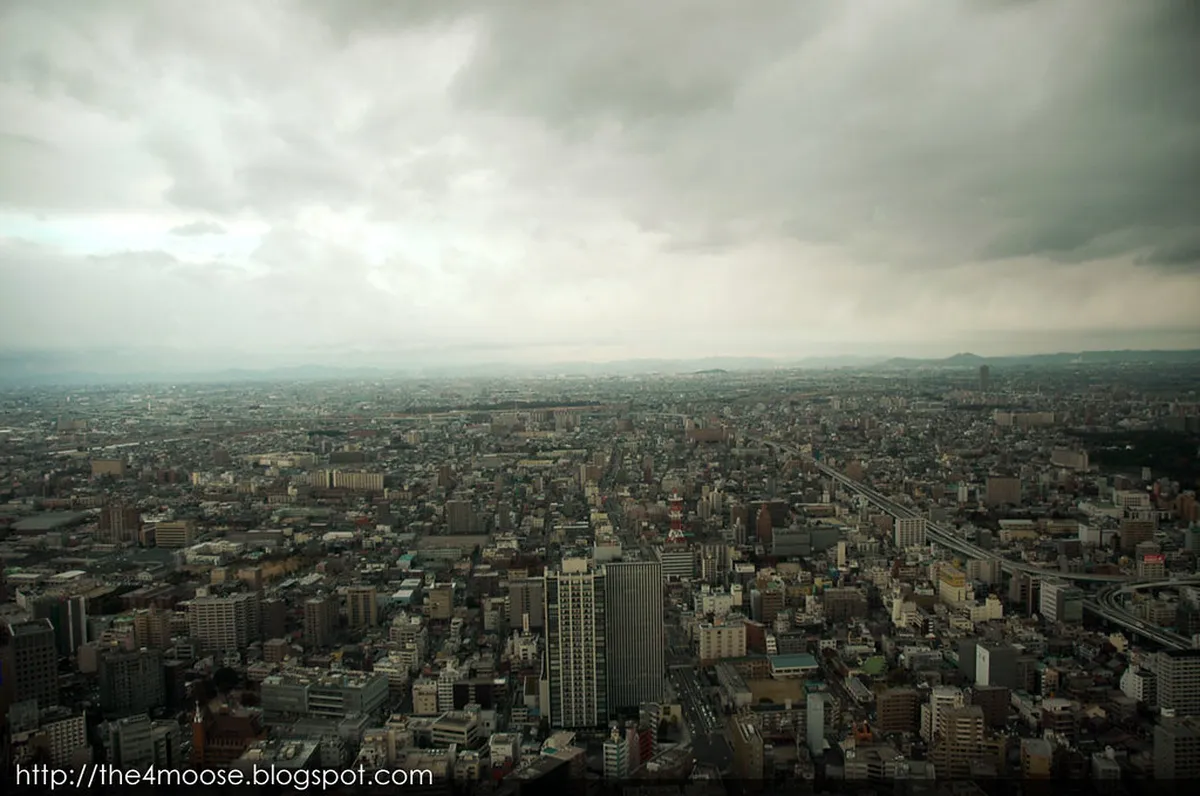
Sky Promenade is an open-air observation deck atop Nagoya's 247-meter Midland Square, offering one of Japan's highest skyline viewpoints.
Visitor guide →
Noritake Garden is a porcelain museum and garden complex in Nagoya where visitors watch artisans craft fine bone china amid restored red-brick buildings.
Visitor guide →Nagoya's sights cluster into a handful of distinct districts, which makes route-planning easy once you know where things sit. Grouping by neighborhood keeps walking time and subway hops to a minimum.
Prefer to plan around your interests rather than a map? Here's how the 10 sights break down by type.
Several of Nagoya's best experiences cost nothing to enter, which makes it easy to balance a budget against the paid headliners.
Free to visit:
Paid attractions (verified 2026 adult admission):
Always confirm the exact figure on each linked visitor guide before you go — prices and free days shift seasonally. A Nagoya transit day pass such as the weekend Donichi Eco Kippu (about ¥620 for unlimited subway and city-bus rides on Saturdays, Sundays, and holidays) pairs well with a free-attractions day and unlocks small discounts at several paid sites.
Three major Nagoya attractions are free to enter: Atsuta Jingu shrine grounds, Osu Kannon temple precinct, and the Noritake Garden grounds and gallery. Pairing these with the Donichi Eco Kippu weekend day pass (about ¥620) makes for a very affordable full day.
Pair two or three attractions per day rather than sprinting between them — ticket-window queues and opening-hour overlap make tight schedules riskier than they look on a map. These routes use the 10 sights above and group them geographically.
1 day in Nagoya (the essentials): Start at Nagoya Castle in the morning, ride the subway south to the sacred grounds of Atsuta Jingu, then finish in the centre at Osu Kannon and the Osu shopping arcades. Cap the evening with skyline views from the Sky Promenade above Nagoya Station.
2 days in Nagoya: Day 1 as above. On Day 2, dive into Nagoya's industrial heritage at the Toyota Commemorative Museum and the neighbouring Noritake Garden, then choose a museum afternoon at the Tokugawa Art Museum or the Nagoya City Science Museum planetarium.
3 days in Nagoya: Keep Days 1–2, then dedicate Day 3 to the port. Spend the morning with the orcas and belugas at the Port of Nagoya Public Aquarium, then take the Aonami line to LEGOLAND Japan for an afternoon of rides — an easy family day that bookends the trip. Travellers with extra time often add a day trip to nearby Inuyama Castle or Ghibli Park.
Nagoya is one of the easiest big Japanese cities to navigate, with a clean grid-based subway network centred on Sakae and Nagoya Station.
Spring and autumn are the standout seasons. Late March to early April brings cherry blossoms to the grounds of Nagoya Castle and Tsuruma Park — one of the city's most photogenic windows. Mid-November to early December turns the gardens of the Tokugawa Art Museum (Tokugawaen) a brilliant red and gold.
Summer (June–August) is hot and humid, with a rainy spell in June, though indoor attractions like the aquarium, science museum, and Toyota museum make perfect rainy-day backups. Winter is mild and low-cost. Try to avoid Golden Week (late April to early May) and the Obon holiday (mid-August), when domestic crowds peak and accommodation prices spike across Japan.
Avoid Golden Week (late April to early May) and Obon (mid-August) when domestic crowds peak and accommodation prices spike. Several attractions also close or reduce hours over year-end holidays (Dec 29 – Jan 1), including Nagoya Castle.
A little planning trims a surprising amount off a Nagoya itinerary.
One to two days is enough to cover the headline attractions — Nagoya Castle, Atsuta Jingu, Osu Kannon, and a museum or two. Three days lets you add the port (aquarium plus LEGOLAND) without rushing, and many travellers use Nagoya as a base for day trips to Inuyama, Ghibli Park, or Takayama.
Nagoya Castle is the city's signature landmark and the attraction most visitors put first, thanks to its golden shachihoko, reconstructed Honmaru Palace, and central location. Atsuta Jingu runs a close second for travellers drawn to history and culture.
Several of the best ones are. Atsuta Jingu's grounds, the Osu Kannon temple precinct, and the gardens at Noritake all have free entry. Paid headliners such as Nagoya Castle (around ¥500) and the Port of Nagoya Public Aquarium (around ¥2,030) are modest by major-city standards.
Most sights sell tickets at the gate, so advance booking is rarely essential. The exception is LEGOLAND Japan, where buying a dated ticket online ahead of time is both cheaper and faster than queuing. Temples and shrines never require tickets.
Late March to early April for cherry blossoms at Nagoya Castle, and mid-November to early December for autumn foliage at Tokugawaen, are the two finest windows. Both offer mild weather. Avoid Golden Week and Obon, when crowds and prices peak.
Nagoya is generally cheaper than Tokyo or Kyoto for both accommodation and attractions. Individual entry fees mostly fall between ¥500 and ¥2,000, several major sights are free, and transit day passes keep getting-around costs low.
Yes — a focused one-day plan covers Nagoya Castle, Atsuta Jingu, Osu Kannon, and sunset views from the Sky Promenade. You'll miss the port attractions, but you'll come away with a strong sense of the city's mix of history and modernity.
The subway, paired with an IC card such as Manaca or Suica, is the fastest option for most routes. For the central cluster of museums and the castle, the Meguru sightseeing loop bus is more convenient and comes with a money-saving day pass.
Use the visitor guides above as your attraction-by-attraction reference, then pull the wider trip together with our in-depth Nagoya planning guides. Start with the complete Nagoya itinerary to slot these sights into day-by-day routes, learn the network with our guide to using the Nagoya subway, and figure out the ideal season with our honest take on whether Nagoya is worth visiting. Each links back here so you can keep this hub as your home base for planning.


