
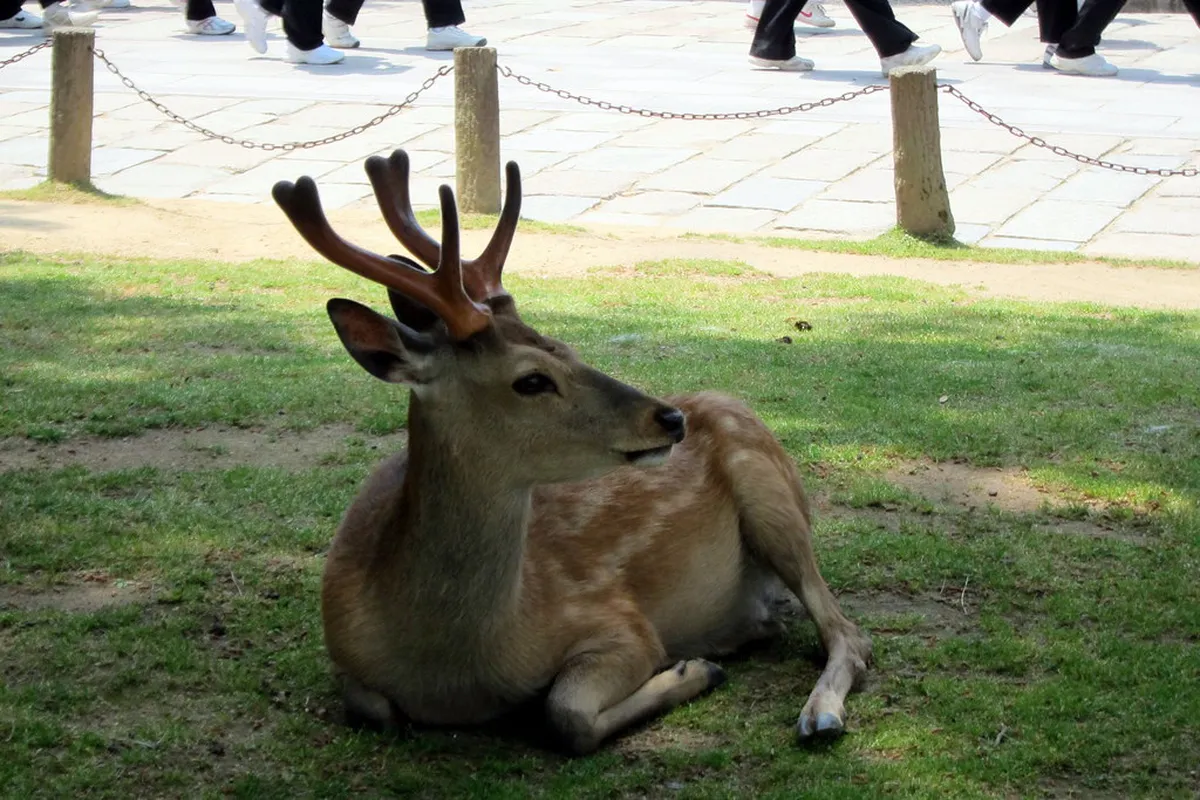
Todai-ji Temple
Todai-ji Temple is Nara's most iconic landmark, home to the world's largest bronze Buddha statue and one of Japan's most powerful Buddhist institutions for over 1,200 years.
Visitor guide →
All 10 must-visit Nara attractions for 2026 — verified ticket prices, opening hours, area maps and an easy day-trip plan from Kyoto or Osaka.
Nara was Japan's first permanent capital from 710 to 794 CE, and the legacy of that 84-year imperial moment is still the most concentrated cluster of UNESCO World Heritage sites in the country — eight inscribed monuments, most within a 30-minute walk of each other, surrounded by roughly 1,300 sacred sika deer that bow for biscuits. For a city of just 360,000 people, the attractions density is hard to overstate: the world's largest bronze Buddha (Todai-ji), Japan's oldest wooden building (Horyu-ji, c. 607 CE), a 1,300-year-old lantern shrine (Kasuga Taisha) and the country's foremost Buddhist art museum all sit inside a single afternoon's walking radius.
The good news for 2026 visitors: most of the headline sights are free to enter — Nara Park, Naramachi, Kasuga Taisha's outer grounds and Todai-ji's temple precincts cost nothing, with paid admission only for the Daibutsuden (Great Buddha Hall) and the inner halls. Nara is also an easy day-trip from Kyoto (45 min on the Kintetsu Limited Express) or Osaka (35 min from Namba), which means you can see the highlights without booking a hotel — though staying overnight unlocks early-morning deer photos before the bus tours arrive.
This hub ranks the 10 Nara attractions that consistently reward the time and ticket price, based on visitor reviews, UNESCO status and our own repeat visits. Each card below links to a full visitor guide with verified 2026 opening hours, current JPY pricing, transit directions and the practical tips that don't appear on the official site. Scroll past the grid for area maps, itineraries, money-saving tips and the deer etiquette rules you genuinely need to know.
Planning a wider trip? See our Japan travel guide, the things to do in Nara guide, and getting around Japan.
Todai-ji Temple is Nara's most iconic landmark, home to the world's largest bronze Buddha statue and one of Japan's most powerful Buddhist institutions for over 1,200 years.
Visitor guide →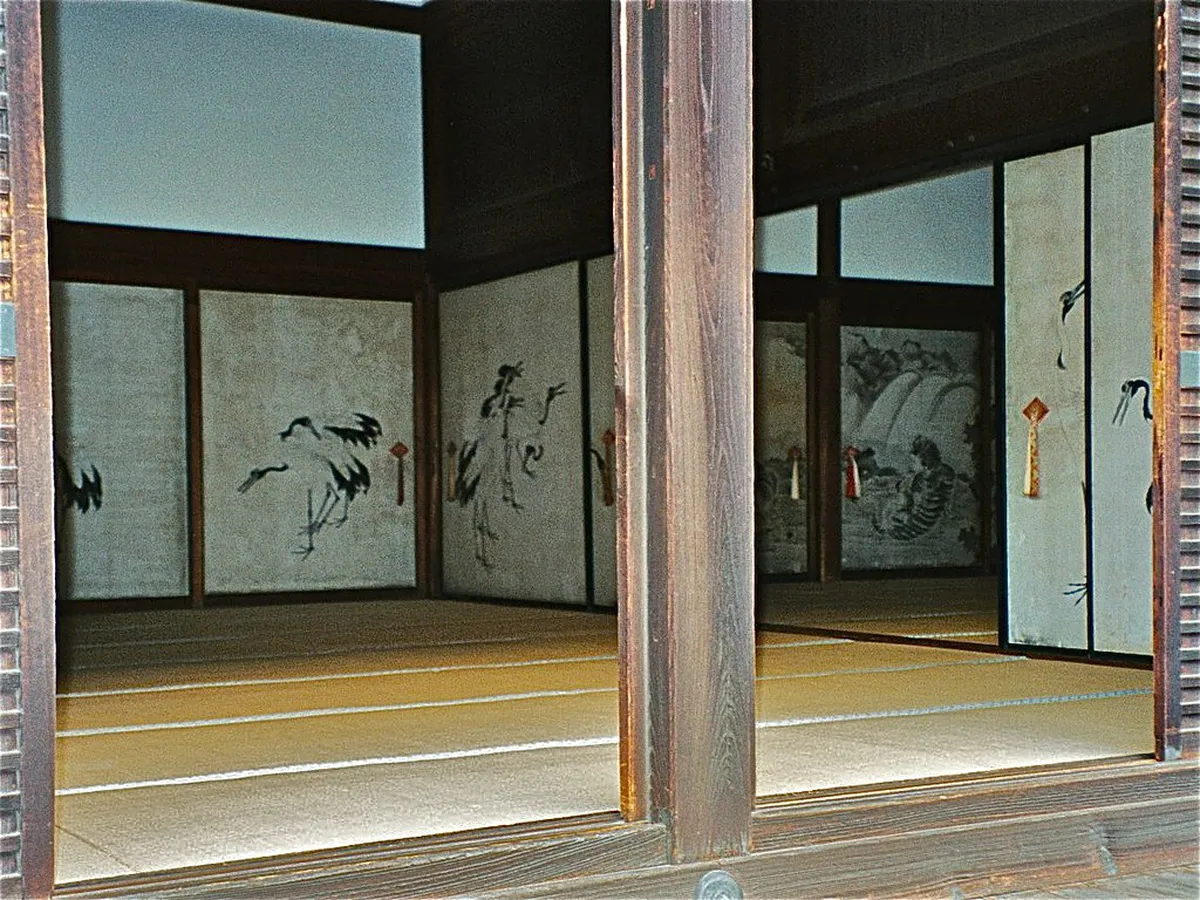
Nara Park is a sprawling 502-hectare public park in central Nara where more than 1,200 wild sika deer roam freely among ancient temples, shrines, and gardens.
Visitor guide →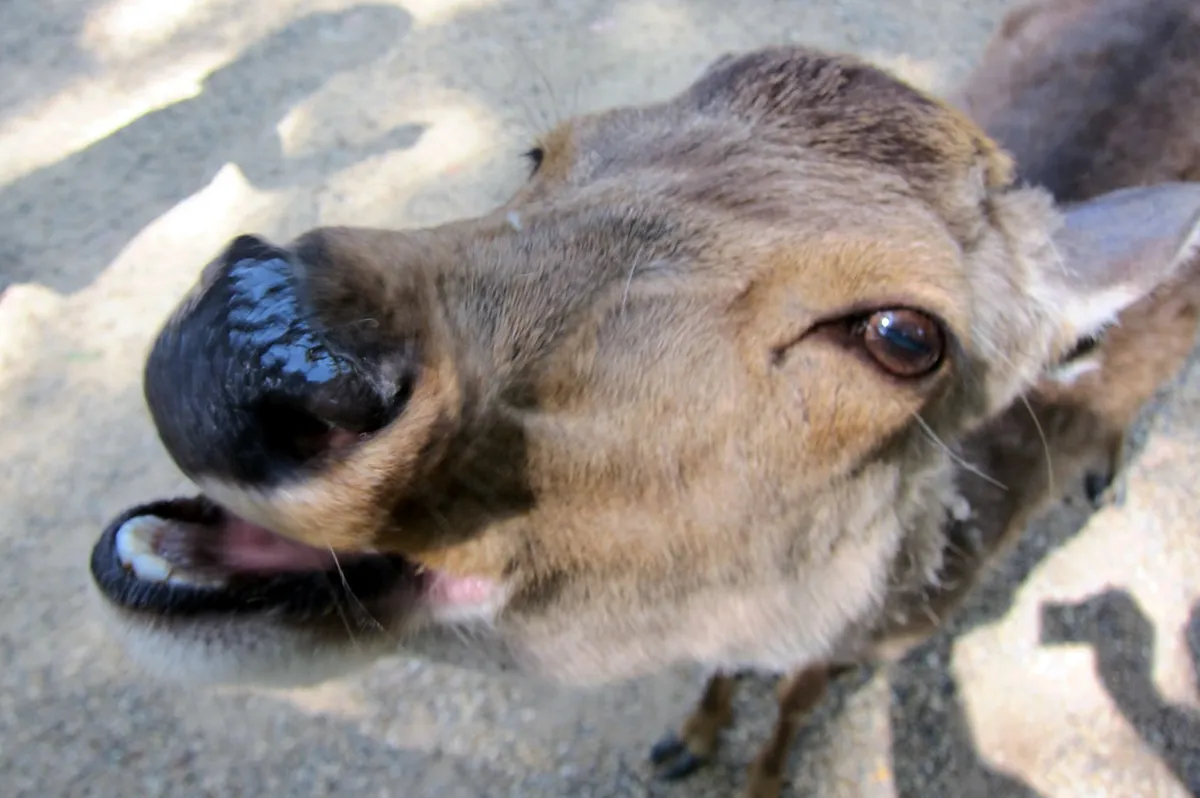
Kasuga Taisha is Nara's grand Shinto shrine, founded in 768 CE and famed for its 3,000 bronze and stone lanterns donated by worshippers over more than a millennium.
Visitor guide →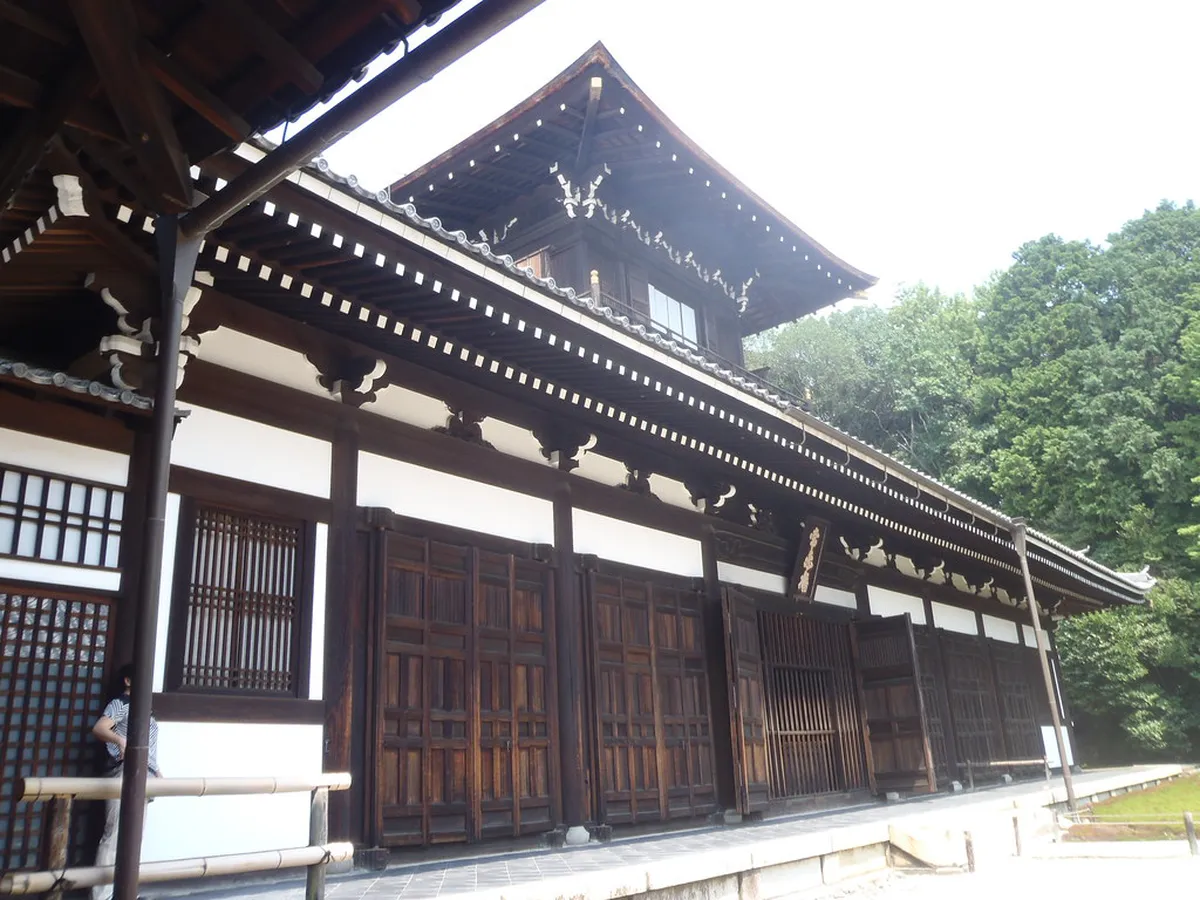
Kofuku-ji is one of Nara's most important historic temples, founded in 669 CE and home to a 50-meter five-story pagoda and the iconic Ashura statue, one of Japan's national treasures.
Visitor guide →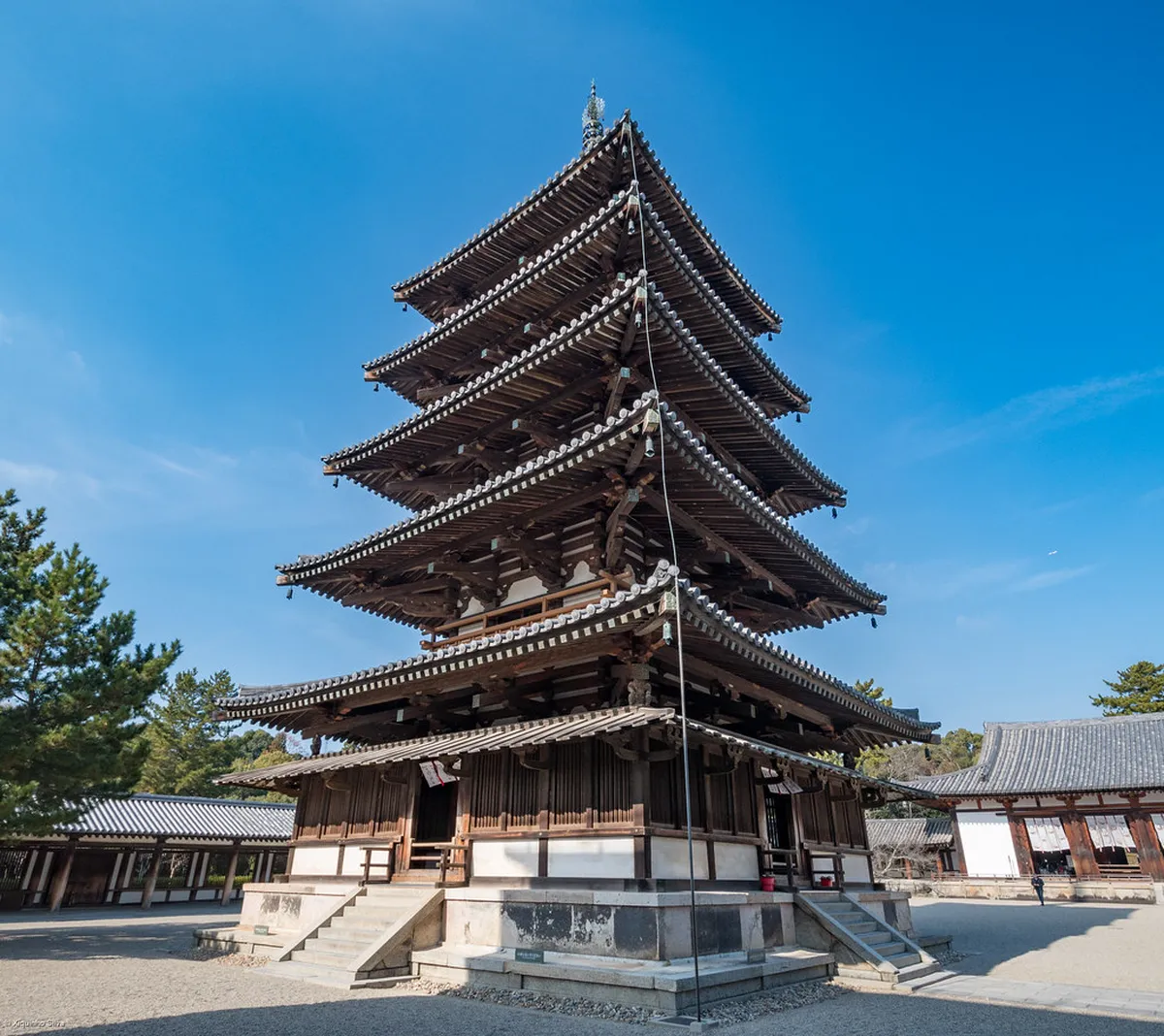
Horyu-ji is the world's oldest surviving wooden temple complex, founded by Prince Shotoku in 607 CE and home to a five-story pagoda whose central pillar dates to 594 CE.
Visitor guide →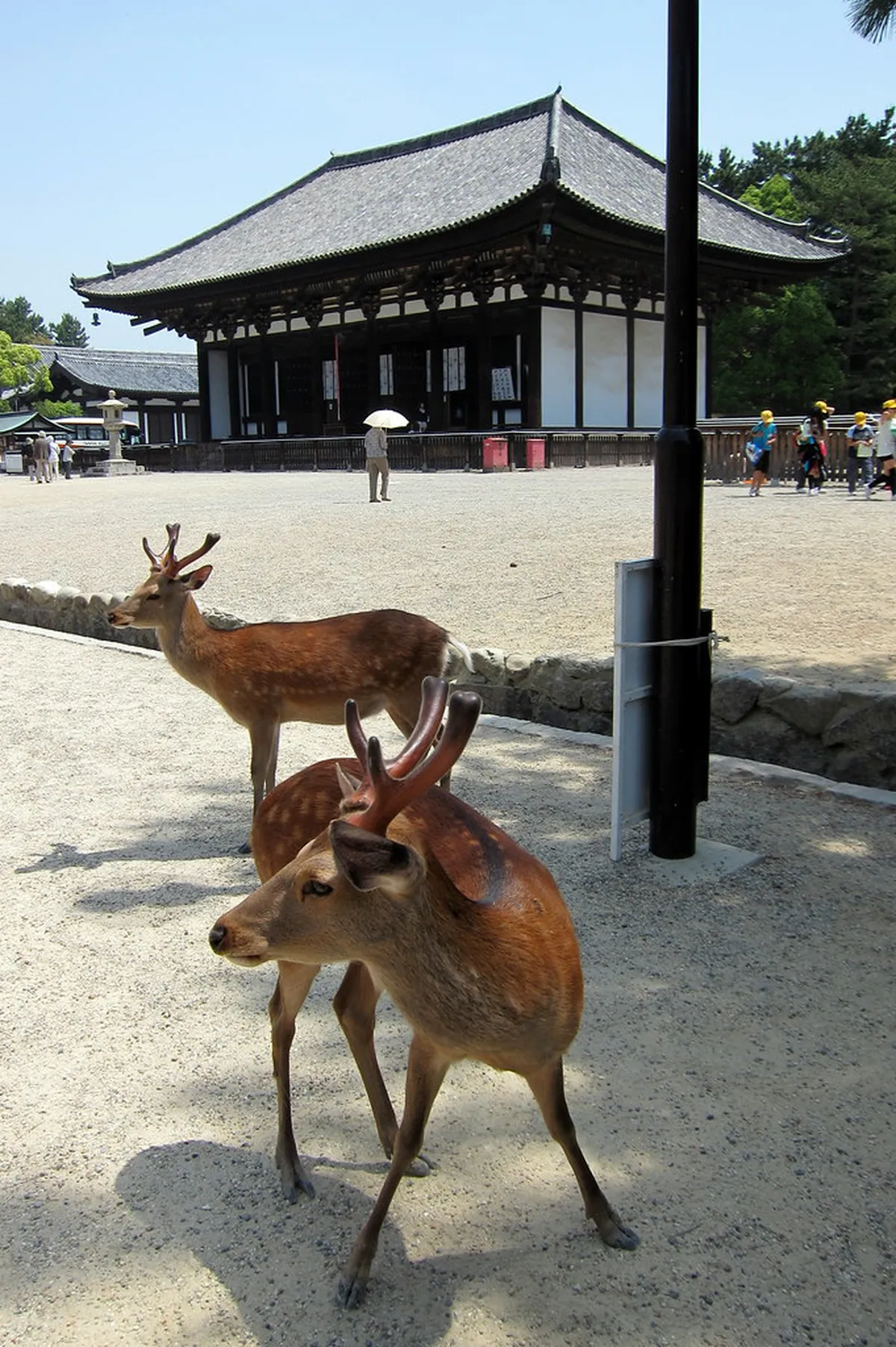
Yakushi-ji is a UNESCO-listed Buddhist temple in Nara's Nishinokyo district, renowned for its 8th-century East Pagoda and the bronze Yakushi Triad statues, regarded as masterpieces of Japanese Buddhist art.
Visitor guide →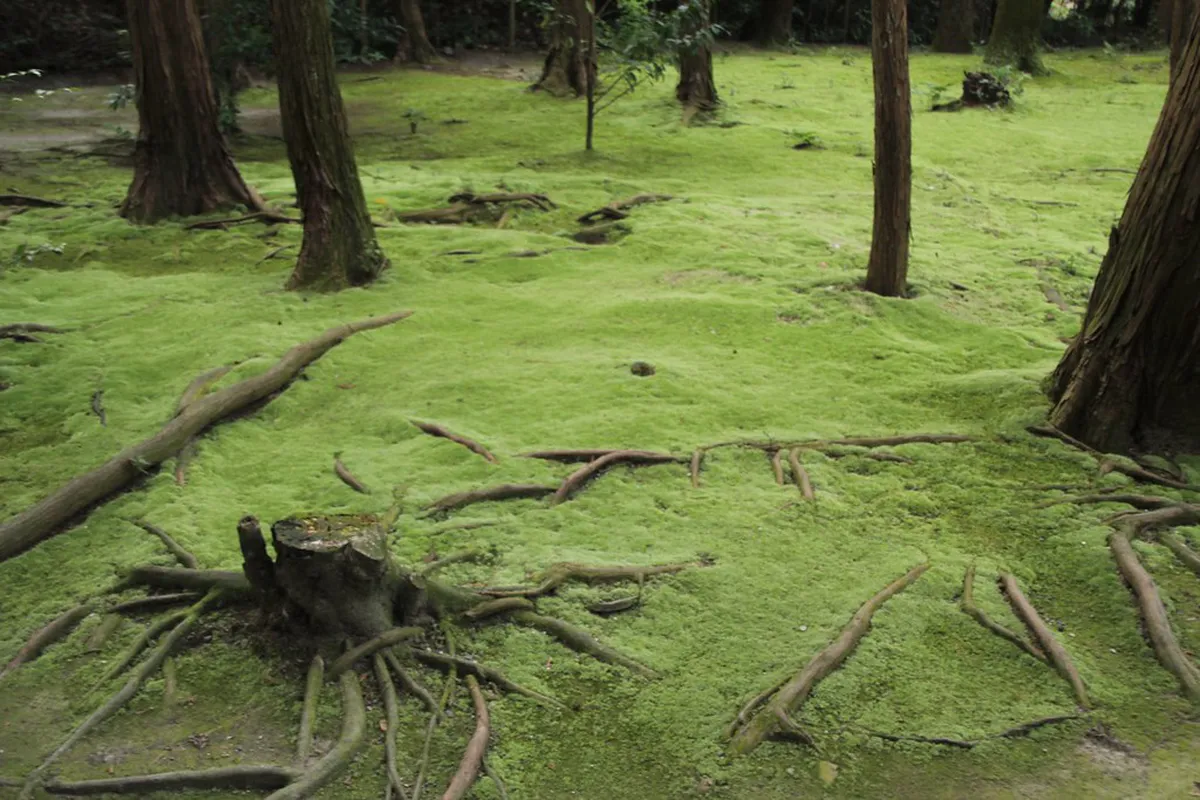
Toshodai-ji is a UNESCO-listed Buddhist temple founded in 759 CE by the blind Chinese monk Ganjin, whose perfectly preserved 8th-century Golden Hall is a masterpiece of Nara-period architecture.
Visitor guide →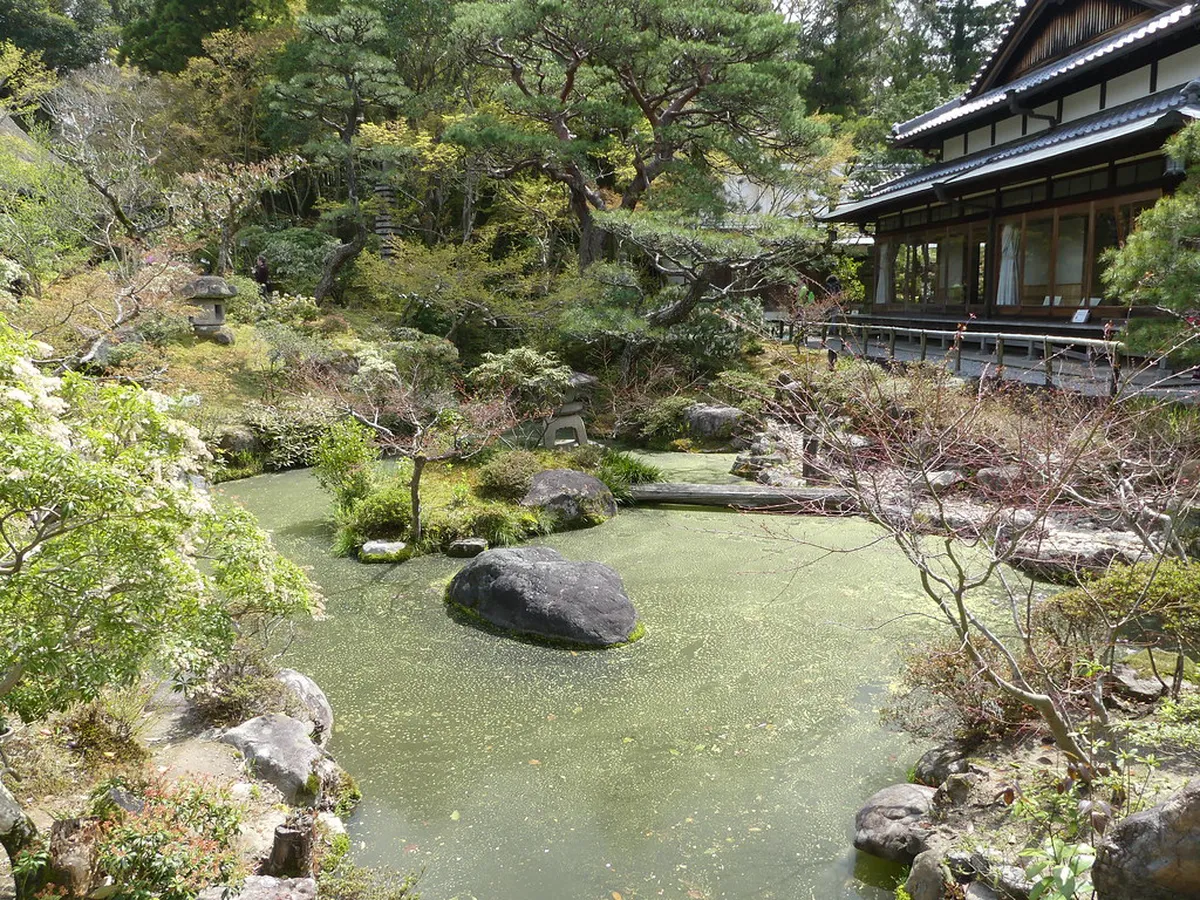
Isuien is a tranquil two-part Meiji-era garden in central Nara famed for its borrowed-scenery design framing the gate of Todai-ji and the slopes of Mount Wakakusa.
Visitor guide →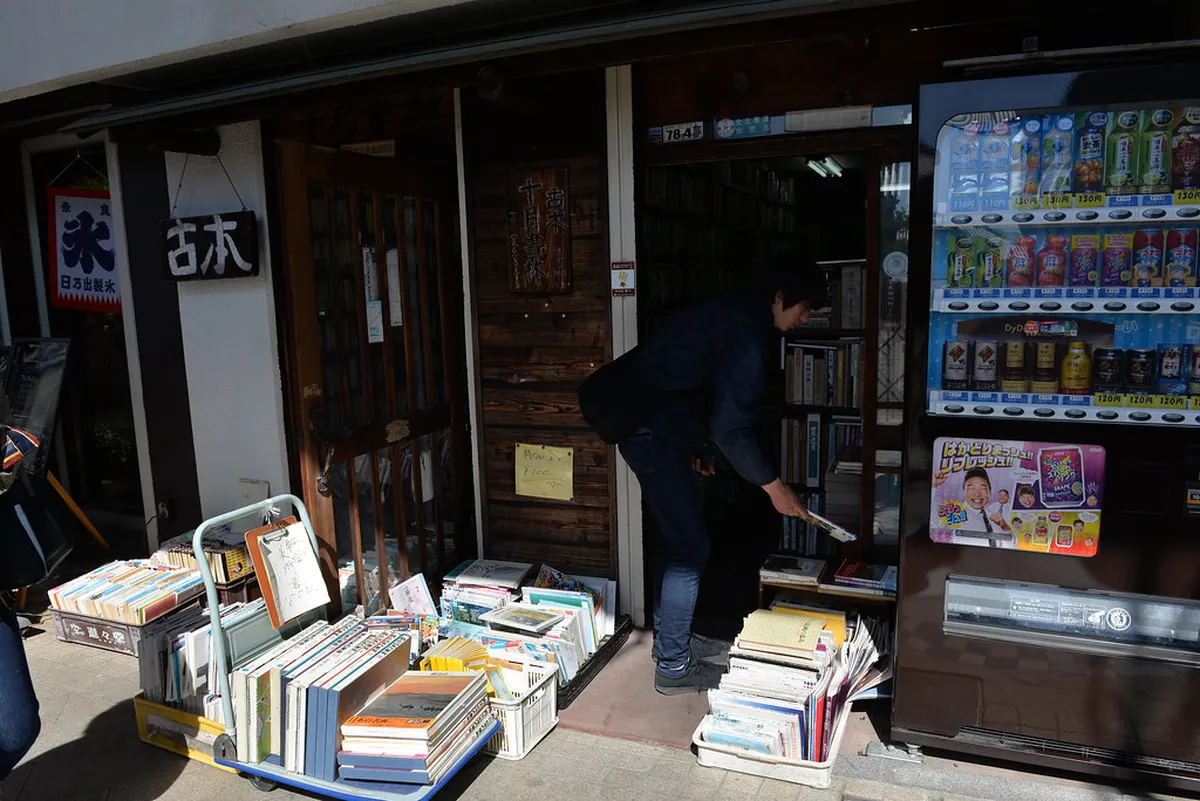
Naramachi is Nara's atmospheric former merchant district, a lattice-fronted maze of preserved Edo- and Meiji-era townhouses now filled with craft shops, cafes, and small museums.
Visitor guide →
The Nara National Museum is one of Japan's premier museums of Buddhist art, founded in 1889 and famed for its annual Shoso-in Exhibition of 8th-century treasures from Todai-ji.
Visitor guide →Nara's sights cluster into four distinct walkable zones — knowing which is which saves hours of needless backtracking on a day trip.
If you've only got one day, pick by category rather than ticking every UNESCO box.
One of Nara's biggest underrated advantages over Kyoto is how much of the city you can experience without buying a single ticket.
Free attractions:
Paid attractions (2026 adult prices):
A "see everything" day costs roughly ¥6,500 in admissions; a strategic free-and-Daibutsuden-only day costs ¥800.
| Attraction | 2026 adult fee |
|---|---|
| Todai-ji Daibutsuden | ¥800 |
| Kofuku-ji Eastern Golden Hall | ¥500 |
| Kofuku-ji combo ticket | ¥900 |
| Horyu-ji | ¥1,500 |
| Yakushi-ji | ¥1,100 |
| Toshodai-ji | ¥1,000 |
| Isuien Garden (incl. Neiraku Museum) | ¥1,200 |
| Nara National Museum (permanent) | ¥700 |
| Kasuga Taisha inner corridor | ¥500 |
Half-day (4 hours) — the Nara Park loop: Kintetsu-Nara station → Kofuku-ji five-story pagoda (free) → Nara Park deer feeding → Todai-ji Daibutsuden (¥800) → Kasuga Taisha approach (free) → back to station. Covers the four iconic sights and the most-photographed deer photo-ops.
One day (8–9 hours) — Park + Naramachi + museum: add the Nara National Museum after Todai-ji, lunch in Naramachi (try kakinoha-zushi or kamameshi rice pots), then a 60-minute Naramachi walking loop in the afternoon. Finish with the Kasuga Taisha lantern path at golden hour.
Two days — adds Nishinokyo + Horyu-ji: spend day one on the Nara Park core as above; day two takes a morning train to Horyu-ji (~25 min from JR Nara), then loops back via Nishinokyo for Yakushi-ji and Toshodai-ji in the afternoon. A second night also unlocks early-morning Nara Park before the 9 a.m. tour-bus wave.
Kintetsu-Nara Station is closer to the main sights than JR Nara Station — about 5 minutes to Kofuku-ji versus a 20-minute walk from JR. Use Kintetsu from Kyoto or Osaka unless you hold a JR Pass or are heading to Horyu-ji.
Nara has two stations, and choosing the right one saves 10 minutes of walking. Kintetsu-Nara is the closer station — 5 minutes' walk from Kofuku-ji and 15 from Todai-ji — and is the terminus of the Kintetsu Limited Express from Kyoto (45 min, ¥1,280) and Osaka-Namba (35 min, ¥680). JR Nara is roughly 1 km further west and is the right choice only if you're using a Japan Rail Pass or heading to Horyu-ji (JR Yamatoji Line, ~15 min to Horyu-ji station, then a 20-min walk or short bus).
Inside Nara Park everything is walkable — Kofuku-ji to Kasuga Taisha is 20 minutes along the deer paths, Todai-ji is 8 minutes north of that route. For Nishinokyo, take the Kintetsu Kashihara Line two stops from Kintetsu-Nara to Nishinokyo station (¥210, ~10 min); Yakushi-ji is opposite the station and Toshodai-ji is a 10-minute walk north. For Horyu-ji, the easiest combination is JR to Horyu-ji station + the Nara Kotsu bus #72 (¥220) to the temple gate.
A 1-day Nara Kotsu bus pass (¥600) covers Nara Park, Nishinokyo and Horyu-ji and pays back after roughly three rides. If you're day-tripping from Kyoto or Osaka, the Kintetsu Rail Pass 1-day (¥1,800) covers unlimited Kintetsu rides plus the Nara Kotsu loop bus.
Cherry blossom season (late March to early April): Nara Park has over 1,700 cherry trees and is significantly less crowded than Kyoto's hanami hotspots. Peak bloom typically falls around April 1–5.
Autumn foliage (mid-November to early December): the maple trees behind Kasuga Taisha and around Mount Wakakusa peak roughly two weeks later than Kyoto. The Shoso-in Exhibition at the Nara National Museum (late October to early November) is the single most coveted ticket in Japanese cultural tourism — book a museum slot online weeks ahead.
Festivals worth planning around: Omizutori at Todai-ji (March 1–14, fire-torch ceremony nightly); Mantoro lantern lighting at Kasuga Taisha (Feb 3 and Aug 14–15, when all 3,000 lanterns are lit); Yamayaki grass-burning on Mount Wakakusa (4th Saturday of January); Nara Tokae lantern festival (early August).
When to avoid: Golden Week (April 29–May 5), Obon (mid-August) and the first weekend of November (peak Shoso-in + foliage overlap) — Todai-ji's Daibutsuden queues hit 40 minutes on these days.
The Shoso-in Exhibition at the Nara National Museum in late October to early November is the single most coveted ticket in Japanese cultural tourism. Book your museum slot online weeks in advance — same-day entry is rarely available during the exhibition run.
The 1,300 deer of Nara Park are wild animals, not pets, and they are designated National Natural Treasures under Japanese law — but they are also food-motivated and clever, and tourists get bitten or knocked over every week. A few non-negotiable rules:
Most visitors need one full day to cover the Nara Park core (Todai-ji, Nara Park, Kasuga Taisha, Kofuku-ji) plus a short Naramachi loop. Allow two days if you want to add the UNESCO temples at Nishinokyo (Yakushi-ji, Toshodai-ji) and Horyu-ji in Ikaruga.
Todai-ji is the unanimous top pick — the Daibutsuden (Great Buddha Hall) houses the world's largest bronze Buddha, a 15-metre statue cast in 752 CE, and the temple is one of Japan's most important Buddhist institutions. The Nandaimon gate's 8.4-metre wooden guardians are equally extraordinary and free to see.
Yes — Nara is one of the easiest and highest-payoff day trips in Japan. From Kyoto it's 45 minutes on the Kintetsu Limited Express (¥1,280); from Osaka-Namba it's 35 minutes (¥680). A 6–7 hour day comfortably covers the four core Nara Park sights and a Naramachi lunch.
About half of them, yes. Nara Park, Naramachi, Kasuga Taisha's outer grounds, Kofuku-ji's pagoda area and Todai-ji's outer precincts are all free. Paid sites in 2026 run ¥500–¥1,500 — Todai-ji Daibutsuden is ¥800 and Horyu-ji is ¥1,500.
Yes — Nara Park records 200+ minor deer incidents per year, mostly nips when tourists withhold crackers. The deer are wild animals; show empty hands when your pack is finished and don't tease. Children under 6 should always be supervised when feeding.
Late March to early April for cherry blossoms and mid-November to early December for autumn foliage. Late October to early November also coincides with the Shoso-in Exhibition at the Nara National Museum, the most prestigious annual show of 8th-century imperial treasures in Japan.
Yes — the four headline sights (Todai-ji, Nara Park, Kasuga Taisha, Kofuku-ji) plus Isuien Garden and the Nara National Museum all sit inside a 25-minute walking radius from Kintetsu-Nara station and can comfortably fit into 7–8 hours of sightseeing.
Walking, within the Nara Park core — the four headline sights are 8–20 minutes apart on foot. For Nishinokyo (Yakushi-ji, Toshodai-ji) take the Kintetsu Kashihara Line two stops from Kintetsu-Nara. For Horyu-ji, take the JR Yamatoji Line + Nara Kotsu bus #72. The 1-day Nara Kotsu bus pass (¥600) is the best-value transit option if you're hitting all three zones.
Ready to lock in dates? Pair this hub with our deeper Nara trip-planning guides: the full Nara itinerary walks you through a complete day with timing, our Nara day-trip from Kyoto guide covers the exact trains and ticket-buying steps from Kyoto Station, and the Nara deer park guide dives deeper into feeding rules, photography tips and the best times of day to find calm, photogenic deer. Bookmark this page as your starting point and click into each attraction card above for verified 2026 prices, hours and the practical tips you'll wish you knew before going.


