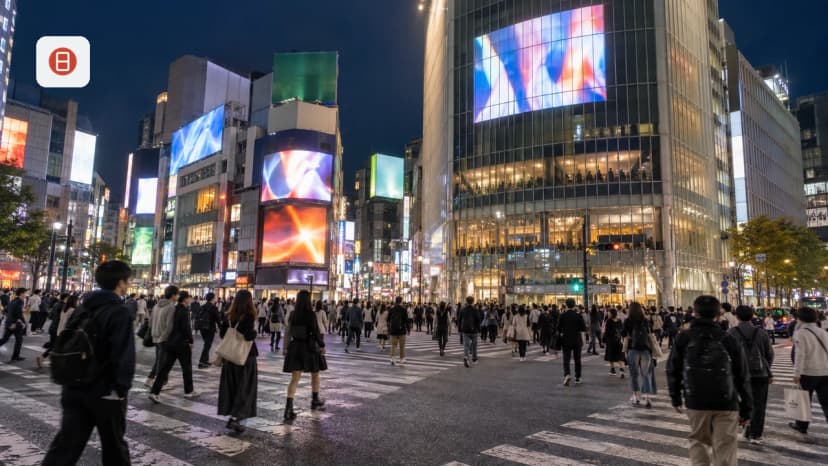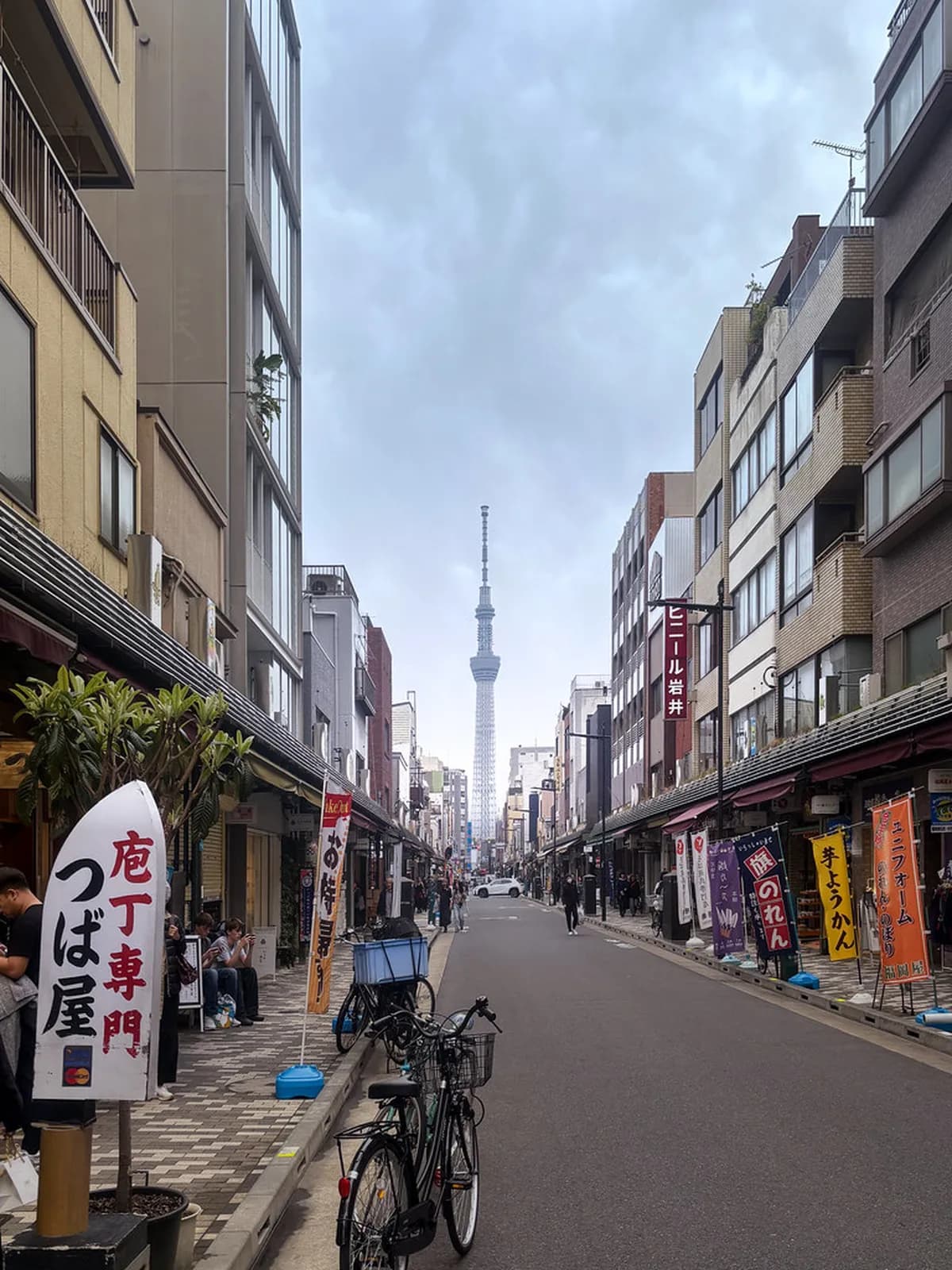
Yanaka is Tokyo's best-preserved Shitamachi old town, the rare central district that survived both the 1923 Great Kanto earthquake and the WWII air raids. Narrow lanes of pre-war wooden buildings, dozens of small temples, and tiny workshops give it an atmosphere most of Tokyo lost a century ago. Exploring this area is a highlight of any things to do in Tokyo itinerary for 2026.
The district sits five minutes on foot from JR Yamanote Nippori Station's West Exit, down the famous Yuyake Dandan ("sunset stairs") into the 170-meter Yanaka Ginza shopping street and its roughly 70 family-run shops. The pace is slower than Shibuya or Shinjuku, and artisans, senbei makers, and second-generation butchers still anchor the neighborhood. This guide helps you cover the essentials in 2 to 4 hours, or stretch to a half day with museums.
Walking through Yanaka feels like stepping back into early-Showa Tokyo: friendly street cats, the historic Yanaka Cemetery, contemporary art tucked into a 200-year-old bathhouse, and the resting place of the last Tokugawa shogun. It is a favorite of photographers, history buffs, and food lovers. Prepare to see a side of the city most short-stay visitors overlook.
Must-See Yanaka Attractions
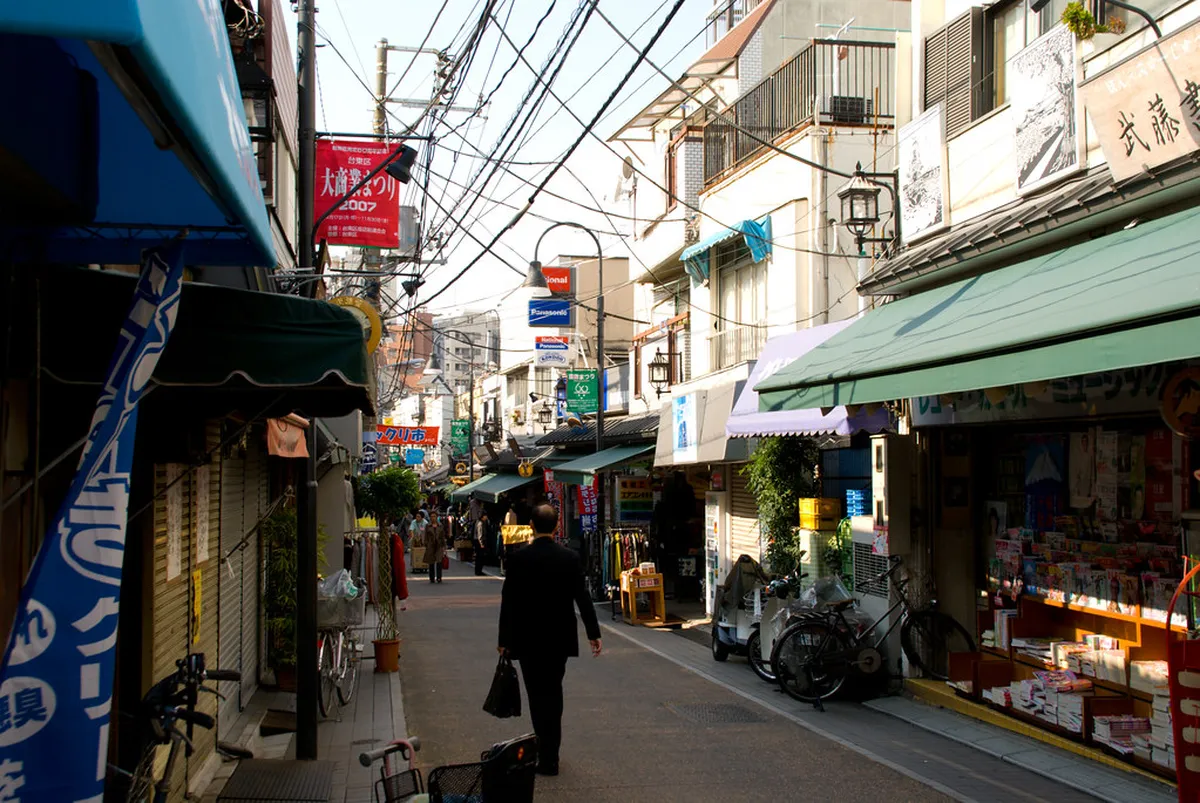
Yanaka Ginza is the heart of the district: a 170-meter retro shopping street lined with roughly 70 small, family-run shops. The Yanaka Ginza Shopping Area mixes senbei rice-cracker stalls, butchers selling fresh menchi-katsu, taiyaki griddles, and the now-famous cat-shaped donuts. It is the right place to start, ideally late morning when shutters are up but the lunch crowd has not arrived.
The Yuyake Dandan stairs sit at the top of Yanaka Ginza and are the neighborhood's signature view. These "sunset steps" drop straight into the shopping street and are a five-minute walk from Nippori Station's West Exit. Locals and resident cats gather here at golden hour for one of the most photographed scenes in old Tokyo.
Tennoji Temple sits at the edge of Yanaka Cemetery with a serene seated bronze Buddha cast in 1690. The grounds are free, quiet, and pretty in every season. It is a short walk from Nippori and pairs naturally with a stroll through the cemetery just behind it.
Museums, Art, and Culture in Yanaka
SCAI The Bathhouse is the district's standout contemporary gallery, set inside a renovated 200-year-old public sento. The high ceilings, tiled entryway, and shoe lockers of the former bathhouse still frame rotating exhibitions of leading Japanese and international artists. It exemplifies Yanaka's Tokyo culture, blending traditional architecture with modern art. Entry is typically free, and shows change every few weeks.
Side streets hide small workshops you can drop into, including hand-carved Hanko stamp makers like Shinimonogurui. A custom stamp with a quirky design is a personal, lightweight souvenir, and several shops run short workshops. Look for indigo-dyeing, ceramics, and washi-paper studios tucked behind sliding wooden doors.
The Asakura Museum of Sculpture occupies the former studio and home of Fumio Asakura, a designated Important Cultural Property. Its rooftop garden gives a rare overhead view of Yanaka's low wooden rooftops and temple spires. Walking the preserved living quarters in slippers is one of the most atmospheric indoor experiences in the area.
Parks, Gardens, and Outdoor Spots in Yanaka
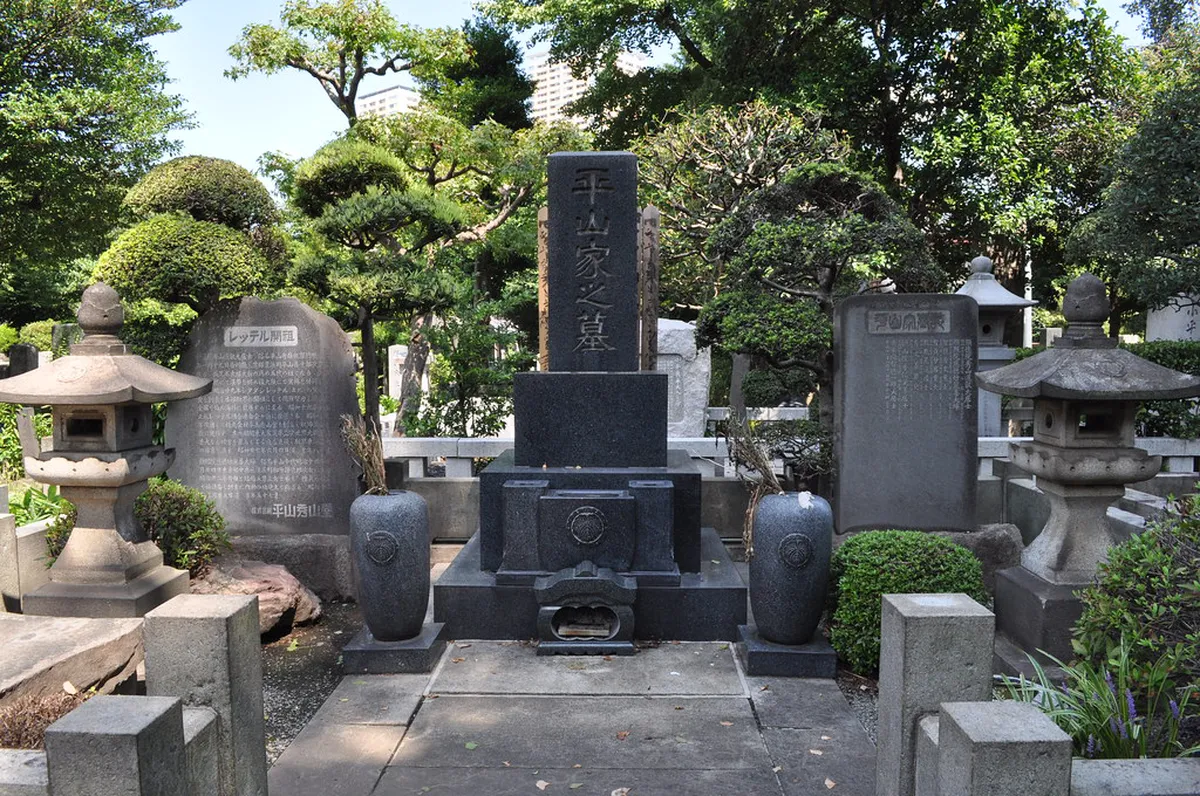
Yanaka Cemetery and Tennoji Temple cover a large portion of the northern district. The cemetery holds roughly 7,000 graves, including the grave of Tokugawa Yoshinobu, the 15th and last shogun. Wide tree-lined paths make it a respectful walking area; keep voices low, do not photograph individual graves, and stay on the main paths.
In late March and early April the central cherry-tree avenue, locally nicknamed "Sakura-dori," turns into a pink tunnel. It is far less crowded than Ueno Park at peak bloom while sitting only a 10-minute walk away. Consider this a stop on your Tokyo itinerary during peak season; visitors stroll quietly rather than picnic, which keeps the atmosphere closer to a hanami in a temple garden than a party.
The neighborhood's famous cats roam the cemetery walls, the Yuyake Dandan stairs, and the back alleys behind Yanaka Ginza. They are cared for by residents and shopkeepers and have become a symbol of the slow Shitamachi pace. You will spot several sunning themselves on old stone walls and shrine steps.
Best Local Food and Shopping in Yanaka Ginza
Yanaka Ginza is one of Tokyo's best street-food walks. The signature bite is menchi-katsu, a deep-fried minced-beef cutlet, from Niku no Suzuki; expect a short queue and the crispy-juicy cutlet hot in wax paper. Round it out with senbei rice crackers grilled to order, taiyaki filled with red bean, and the cat-shaped donuts from Yanaka Shippoya. It is a more local, lower-cost alternative to a full Tsukiji food tour.
For dessert, Himitsudo serves some of the city's best kakigori shaved ice, using natural ice from Nikko and hand-made seasonal syrups. Lines stretch around the block in summer; aim for a weekday late morning. The wood-paneled interior fits the nostalgic feel of the rest of the street.
End the afternoon at the Yanaka Beer Hall inside the restored Ueno Sakuragi Atari complex. The wooden building, originally from the early 1900s, pours its own craft beers alongside a small food menu. It is a relaxed, low-touristed spot to meet locals and other travelers before sundown.
Architecture Highlights: The Himalayan Cedar and Old Houses
A massive Himalayan Cedar towers over the corner where Yanaka meets Nezu, planted in front of the long-running Mikado Bakery. Locals organized to save the tree from redevelopment, and today it stands as a quiet symbol of the neighborhood's resilience. It is one of the most photographed landmarks in Yanaka.
Ueno Sakuragi Atari is a complex of three carefully restored 1930s wooden houses now home to a bakery, a salt shop, and the Yanaka Beer Hall. The dark wood, low eaves, and sliding doors are textbook Shitamachi architecture, and stepping inside feels like being invited into a private home. It is free to wander.
The so-called "Rue des Arts," a stretch of narrow lanes south of Yanaka Ginza, threads past small galleries, ceramic studios, and craft workshops housed in pre-war wooden buildings. The combination of dozens of nearby temples, narrow lanes, small workshops, and surviving wooden townhouses is what gives Yanaka its pre-war Tokyo atmosphere.
How to Get to Yanaka and Nippori Station
JR Nippori Station is the primary gateway, served by the JR Yamanote and Keihin-Tohoku lines plus the Keisei Skyliner from Narita Airport. Take the West Exit (North), cross the small plaza, and within five minutes you reach the top of the Yuyake Dandan stairs and Yanaka Ginza. From Tokyo Station, the Yamanote line ride is roughly 10 to 12 minutes.
Sendagi Station on the Chiyoda subway line is the alternative, dropping you at the southern end of the shopping street near Nezu and the craft galleries. Choose Nippori for the classic top-down approach via the sunset stairs, or Sendagi if you want to walk uphill through Yanaka Ginza first.
Walking from Ueno Park takes about 20 minutes through quiet temple-dotted backstreets and is one of the most scenic on-foot transitions in Tokyo, especially during cherry-blossom and autumn-leaf seasons. It pairs naturally with a half-day combining Ueno's museums with a Yanaka afternoon.
Recommended Itinerary: How Long to Spend
A typical visit runs 2 to 4 hours covering Yanaka Ginza, the Yuyake Dandan stairs, a couple of temples, and a loop through Yanaka Cemetery. Start at Nippori Station's West Exit, walk through the cemetery first while it is quiet, then descend the sunset stairs into Yanaka Ginza as the shops open mid-morning.
Allow a half day if you want to add SCAI The Bathhouse, the Asakura Museum of Sculpture, and the Ueno Sakuragi Atari complex, with a coffee stop at CIBI Cafe and Design Shop. That leaves time for slow photography in the back lanes without feeling rushed.
If you can, stay for an early dinner at one of the small wooden-house izakayas around Nezu and the lower end of Yanaka Ginza. Prices are modest by central-Tokyo standards, and the lanterns lighting up the alleys are a perfect closing scene for a Shitamachi day.
Family-Friendly and Budget-Friendly Tips
Start at Nippori Station West Exit, walk through the cemetery while it is quiet, then descend the Yuyake Dandan stairs into Yanaka Ginza as the shops open mid-morning — this is the classic top-down approach.
| Spot | Cost | Highlight |
|---|---|---|
| Yanaka Ginza (170 m shopping street) | Free to walk | ~70 family-run shops |
| Yanaka Cemetery | Free | Cherry blossoms, Tokugawa shogun grave |
| SCAI The Bathhouse gallery | Typically free | Contemporary art in 200-yr-old sento |
| Asakura Museum of Sculpture | Paid | Preserved artist studio + rooftop |
| Menchi-katsu at Niku no Suzuki | ~¥200–¥300 | Yanaka's signature street snack |
| Kakigori at Himitsudo | ~¥800–¥1,200 | Natural ice, handmade syrups |
Yanaka is one of central Tokyo's most affordable neighborhoods. Walking the streets, browsing Yanaka Ginza, entering most temples, and wandering Yanaka Cemetery are all free, so a full afternoon can cost only what you spend on a few street-food snacks. That makes it a strong pick versus high-spend districts like Ginza or Roppongi.
Kids will love the "cat hunt" through the various alleys and local shops. Look for cat-themed statues, signs, and even cat-shaped pastries in the windows. Nennekoya is a famous cat-themed cafe that delights younger visitors with its decor. It makes the walk much more engaging for children.
Many small shops in Yanaka do not accept credit cards. Bring sufficient yen cash before arriving — there are no ATMs on the main Yanaka Ginza shopping street itself.
Bring plenty of cash as many small shops do not accept credit cards yet. This is a common trait of older Tokyo neighborhoods and traditional businesses. Having small coins ready makes buying street food much faster and easier. Most vendors will appreciate the exact change for small purchases.
- Cat-Lover's Checklist for Yanaka
- Spot: Yuyake Dandan stairs cats
- Shop: Nennekoya cat cafe
- Snack: Cat-tail donuts (Bakery)
- Souvenir: Maneki-neko statues
Summary: Is Yanaka Worth Visiting?
Travelers seeking a break from the neon lights will find Yanaka very rewarding. It offers a peaceful contrast to the high-energy districts of Shibuya or Shinjuku. The neighborhood feels authentic and welcoming to everyone who visits. You will leave with a deeper understanding of Tokyo's history.
Comparing Yanaka to Asakusa helps travelers decide where to spend their time. While Asakusa is grand and crowded, Yanaka is intimate and quiet. Both provide essential insights into the rich history of the city. We recommend visiting both if your schedule allows for it.
- Yanaka vs Asakusa Comparison
- Vibe: Yanaka is quiet; Asakusa is busy
- Crowds: Yanaka is low; Asakusa is high
- Top Sight: Yanaka Cemetery vs Senso-ji
- Best for: Local life vs Grand temples
Frequently Asked Questions
How long to spend in Yanaka Ginza?
Most visitors spend about 2 to 3 hours exploring the main shopping street and the nearby cemetery. If you plan to visit the art galleries or have a sit-down meal, allow for a full half-day. It is best enjoyed at a slow and relaxed pace.
How do I get to Yanaka from Tokyo Station?
Take the JR Yamanote Line or the JR Keihin-Tohoku Line directly to Nippori Station. The journey takes approximately 10 to 12 minutes. From there, take the West Exit to reach the historic district immediately. It is a very simple and direct transit route.
Is Yanaka Ginza worth visiting for street food?
Yes, it is one of the best spots in Tokyo for traditional Shitamachi snacks. You can try savory meat cutlets, grilled squid, and unique sweets. It offers a more local and affordable experience than the Tsukiji Outer Market.
What is the best time of year to visit Yanaka Cemetery?
Spring is the most popular time because of the beautiful cherry blossom tunnel. However, autumn offers stunning fall colors and very pleasant walking temperatures. Early morning is always the best time to avoid any potential crowds and enjoy the peace.
Is Yanaka family-friendly?
Absolutely, as the neighborhood is mostly pedestrian-friendly and very safe for children. Kids will enjoy the cat-themed shops and the various street food snacks. The wide paths in the cemetery and local parks provide plenty of space for walking.
Yanaka remains one of the most special corners of Tokyo for those who love history. It offers a perfect escape from the modern city without requiring a long trip. You can easily combine a visit here with a trip to other major Tokyo attractions. The memories of its quiet alleys and friendly cats will stay with you long after you leave.
Whether you are looking for art, food, or a quiet walk, this district has something for everyone. Make sure to bring your camera and an appetite for local street food. We hope this yanaka visitor guide helps you plan an unforgettable trip to this historic old town. Enjoy your journey through the nostalgic streets of Shitamachi.