

Hiroshima Travel Guide 2026: Things to Do, See & Plan
Hiroshima travel guide 2026: Peace Memorial, Miyajima Island, Itsukushima Shrine, okonomiyaki, events calendar, budget tips, and itineraries. Plan your 2026 Hiroshima trip here.
On this page
TL;DR: Hiroshima is one of the most emotionally significant and visually compelling destinations in Japan. The Peace Memorial Park and Atomic Bomb Dome sit a 15-minute streetcar ride from Hiroshima Station, and the floating torii of Miyajima is 40 minutes away by tram and ferry combined. Kyoto and Osaka visitors frequently add Hiroshima to longer itineraries. Budget a half day for the memorial, a full day for Miyajima Island, and one evening for okonomiyaki in Nagarekawa. Most sights are free or under 500 yen.
Avoid Hiroshima on 6 August unless you specifically want the Peace Memorial Ceremony — hotels double or triple in price from 4–7 August and Peace Park is closed to general visitors during the morning ceremony.
Hiroshima's combination of deep historical weight, excellent food, and easy island access makes it one of the most satisfying stops on any Japan itinerary. The city is also far less crowded than Kyoto or Tokyo and rewards travellers who give it more than a single day. This guide connects every detailed resource on the site for planning your full 2026 trip.
Key Takeaways
- The Peace Memorial Park and Atomic Bomb Dome are free to walk through — allow at least half a day, more if you enter the museum (200 yen for adults, 100 yen for high-school students).
- Miyajima Island is a 10-minute ferry from Miyajimaguchi — go before 9:00 or after 16:00 to avoid the worst of the day-tour crowds at the floating torii gate.
- Hiroshima-style okonomiyaki layers cabbage, noodles, and protein over a thin crepe rather than mixing them — Okonomimura has 25 vendors on three floors above Hondori.
- The 81st Hiroshima Peace Memorial Ceremony on 6 August 2026 is free to attend — book accommodation 4–6 months in advance because the city sells out.
- Best times: late March to mid-April for cherry blossoms along Motoyasu River, and October to mid-November for crisp autumn light on Miyajima.
- The Hiroshima Visitor Pass covers streetcars and the JR Miyajima ferry — worth it for day visits from Kyoto or Osaka.
Peace Memorial Park, Museum & Atomic Bomb Dome
The Peace Memorial Park and the skeletal Atomic Bomb Dome (Genbaku Dome) are the emotional core of any Hiroshima visit. The dome — preserved as a UNESCO World Heritage site since 1996 — sits at the hypocentre of the 6 August 1945 detonation, and the surrounding park holds the Children's Peace Monument, the Cenotaph, and the eternal Flame of Peace. Walking the park is free and self-guided; English-language audio guides are available at the museum entrance for 400 yen.
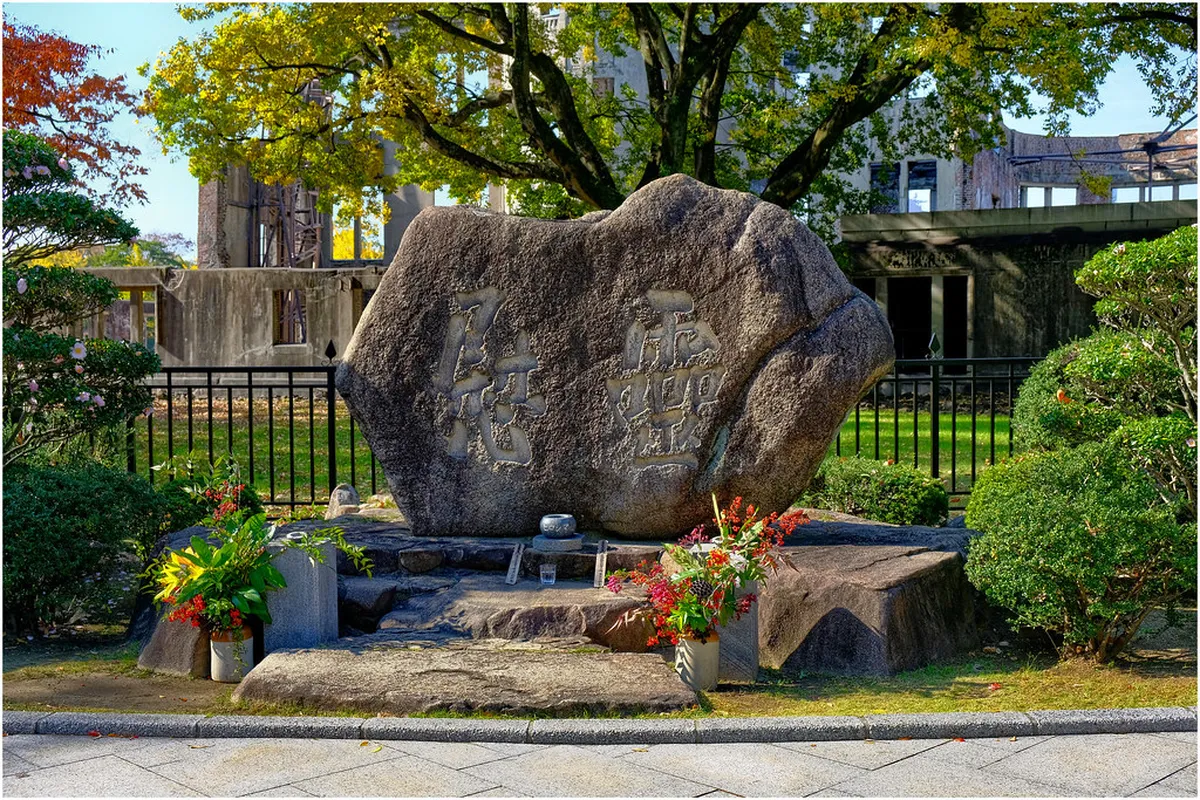
The Peace Memorial Museum re-opened its renovated East and Main buildings in 2019 and now centres survivor (hibakusha) testimony, personal belongings of victims, and a sober timeline of the bombing. Entry is 200 yen for adults and the museum opens daily from 8:30 — arrive at opening to avoid the school-group window between 10:00 and 13:00. Allow 90 minutes inside, and plan a lighter activity afterwards: many visitors find the museum genuinely heavy. Practical detail: Peace Memorial Museum tickets and tips.
Arrive at the Peace Memorial Museum at 8:30 (opening) or after 16:00 to avoid the school-group rush. The ¥400 audio guide is essential — the 2019 redesign removed most wall text in favour of audio storytelling tied to specific objects.
Things to Do Beyond the Memorial
Hiroshima Castle (the "Carp Castle") is a 1958 reconstruction of the original 1589 keep, with the interior now serving as a samurai-history museum (370 yen for the keep, free for the surrounding moat and grounds). A short walk east, Shukkei-en is a 17th-century stroll garden of contracted "shrunken landscapes" — 260 yen, less than 30 minutes from the Peace Park. The Hiroshima Museum of Art holds a small but excellent collection of French Impressionists and is often empty on weekday mornings.
For a full shortlist see 15 best things to do in Hiroshima 2026 or 12 best things to do for first-timers. Browse by category: activities | attractions | experiences | adventures | landmarks.
Miyajima & Itsukushima Shrine
Miyajima is one of Japan's "Three Scenic Views" and the most-visited day trip from Hiroshima. The vermilion floating torii gate of Itsukushima Shrine — restored in 2022 after three years of scaffolding — appears to rise from the sea at high tide and stands on exposed sand flats at low tide. Check the official tide table before you go: photographers want high tide (typically 6+ hours after low), and walkers want low tide to approach the base of the gate. Shrine entry is 300 yen.
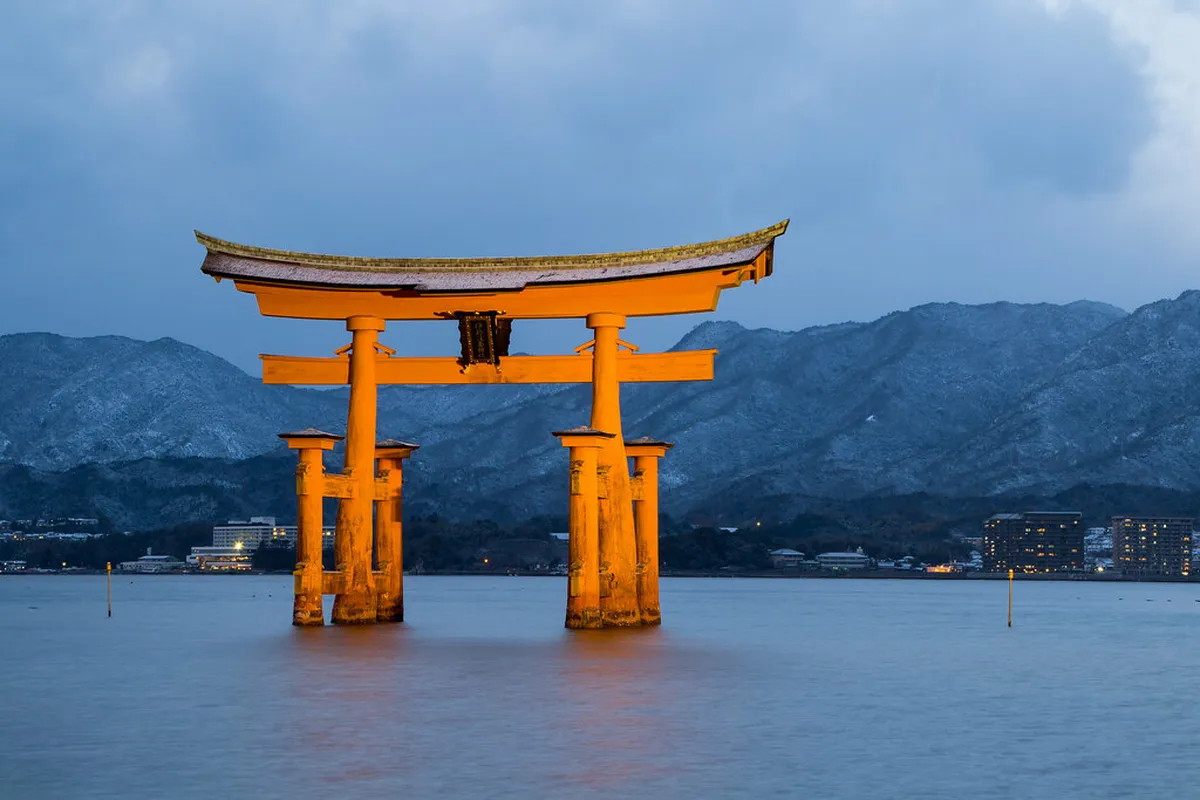
The island is only 30 sq km but rewards a full day. Mount Misen (535 m) has three hiking trails of 1.5–2 hours each, or you can take the Miyajima Ropeway (2,000 yen round trip) and walk the last 30 minutes to the summit for views back to Hiroshima city and the Seto Inland Sea. Eat grilled oysters at Yakigaki no Hayashi or buy momiji manju (maple-leaf-shaped cakes) along the Omotesando approach street. Detailed planning: Hiroshima and Miyajima 1-day itinerary | 2-day itinerary map.
Best Time to Visit Hiroshima
Hiroshima has a humid subtropical climate with four distinct seasons. Late March to mid-April brings cherry blossoms along the Motoyasu River and around Hiroshima Castle moat (typically peaking around 28 March–4 April in 2026 based on long-run averages). Golden Week (29 April–5 May) overlaps with the Hiroshima Flower Festival and is busy but lively. June introduces a four-week rainy season, and August is hot, humid, and emotionally weighted by the Peace Ceremony.
The shoulder months are the local favourites: October and early November give mild temperatures, autumn colour on Mount Misen, and dry days for hiking. Winter (December–February) is cold but rarely snowy; Miyajima is at its quietest then. See best season for autumn colours | cherry blossom and hanami spots 2026 | things to do during cherry blossom season.
Hiroshima 2026 Events Calendar
The 81st Peace Memorial Ceremony on 6 August 2026 is free to attend; arrive in the park before 7:00 for a seat near the cenotaph. The Hiroshima Flower Festival (3–5 May) draws around a million visitors to Heiwa-Odori avenue, and the Tokasan Yukata Festival (early June) marks the official start of yukata season in western Japan. The Miyajima Kangensai music-on-boats festival happens on the lunar 17th of June (mid-July in 2026), and the Bentenjima fireworks light up the bay in late July.
Hiroshima Carp baseball runs April through October at Mazda Stadium with home games most weekends — a uniquely local cultural experience that almost no foreign guide covers. Full schedules: 2026 events calendar | month-by-month calendar | summer festivals and Bentenjima fireworks 2026 | Tokasan Yukata Festival 2026 | how to attend the Peace Ceremony.
Food: Okonomiyaki, Oysters & Tsukemen
Hiroshima-style okonomiyaki layers a thin batter crepe, a generous mound of cabbage, bean sprouts, pork, yakisoba or udon noodles, an egg, and a sweet brown sauce — never mixed, always stacked. Okonomimura, three floors of 25 small counters above Shintenchi Plaza, is the touristic landmark, but locals often prefer Nagatayaki, Hassei, or Lopez (a Peruvian-Japanese hybrid) within walking distance. Expect 900–1,400 yen per okonomiyaki and a 10–20 minute cook on the iron griddle in front of you.
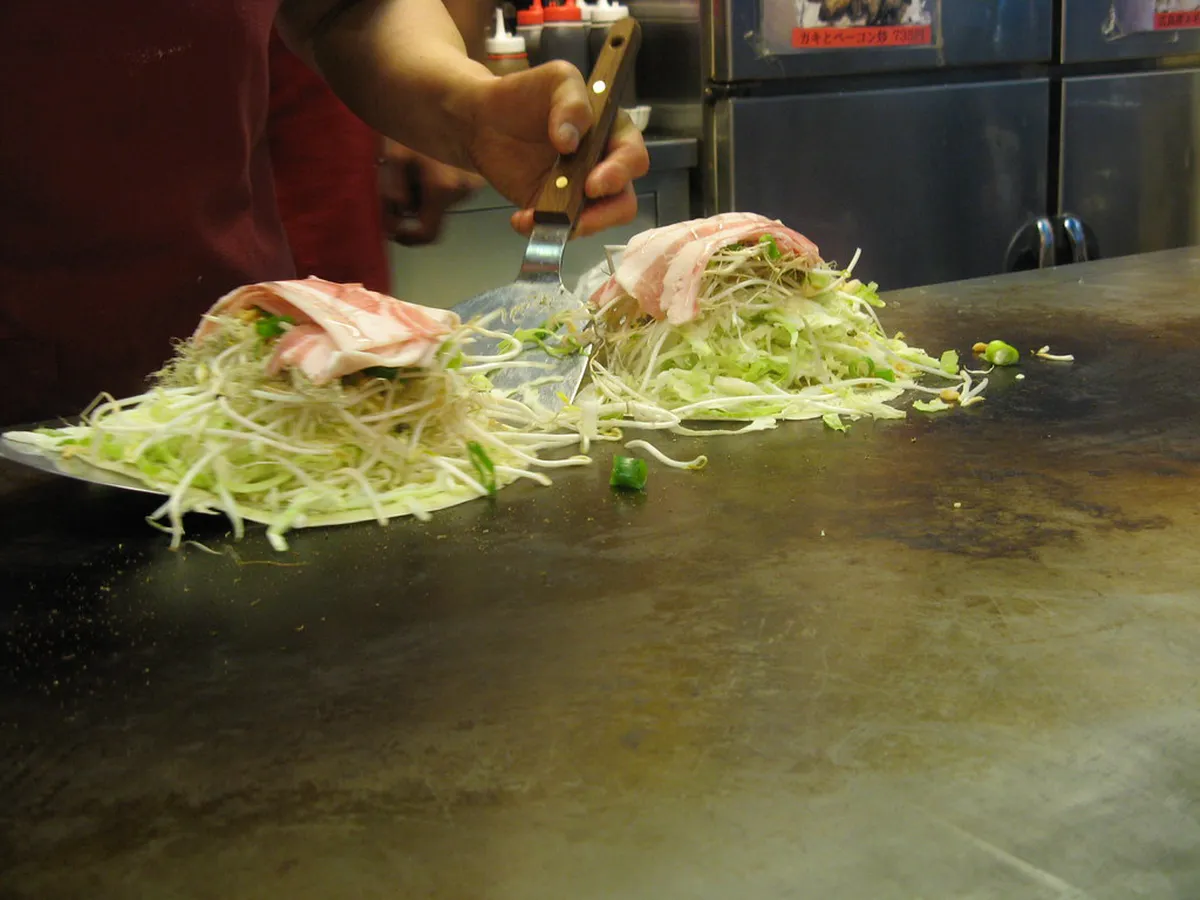
The other two specialities are Hiroshima oysters — the prefecture produces about 60% of Japan's oyster harvest, eaten grilled, fried, or steamed, especially on Miyajima — and tsukemen, a fiery cold-noodle dish dipped in chilli broth that originated in 1950s Hiroshima. Detailed eating guides: how to eat okonomiyaki at Okonomimura | eat Hiroshima-style okonomiyaki like a local | best ramen and tsukemen shops.
Getting to & Around Hiroshima
Hiroshima is 1h 30min from Shin-Osaka by Sanyo Shinkansen Nozomi (about 10,500 yen reserved) and around 4h from Tokyo (about 19,000 yen). Hikari trains take 5h but are covered by the Japan Rail Pass; Nozomi services are not. Hiroshima Airport (HIJ) sits 50 km east in Mihara and is connected to the city centre by limousine bus (1,450 yen, 50 minutes). The Sanyo expressway carries reliable highway buses from Kyoto and Osaka overnight for under 5,000 yen.
Within Hiroshima, the city's century-old streetcar (densha) network covers nearly every major sight at a flat 240 yen per ride. Line 2 runs west from Hiroshima Station to Miyajimaguchi (about 70 minutes) — a slow but scenic alternative to the JR Sanyo Line. Buses fill the gaps, but most visitors find the streetcar plus walking is enough. Detailed transit help: streetcar and bus guide | getting to Hiroshima from Tokyo and Osaka.
Day Trips & The Wider Chugoku Region
Most foreign guides stop at Miyajima, but Hiroshima Station is a launchpad for several trips that locals consistently rate higher. Iwakuni is 40 minutes west by JR — the wooden five-arched Kintai Bridge over the Nishiki River dates to 1673 and is best paired with a glass of local sake. Onomichi, 90 minutes east, is a steep harbour town of cats, hillside temples, and the start of the Shimanami Kaido cycling route across six islands of the Seto Inland Sea to Imabari on Shikoku.
Saijo, just 35 minutes east of Hiroshima on the JR Sanyo Line, is one of Japan's three great sake-brewing towns and almost never appears in English-language Hiroshima guides. Eight breweries cluster within a 10-minute walk of Saijo Station and most offer free tastings on weekdays. Fall foliage hunters should also consider the Chugoku-region onsen towns. See also: day trip from Osaka.
Suggested Itineraries
One day works only if you arrive on the first Shinkansen and skip the museum interior — feasible from Osaka but punishing. Two days is the realistic minimum: a full Peace Park morning and Miyajima afternoon on day one, then Hiroshima Castle, Shukkei-en, and Saijo or Iwakuni on day two. Three days adds the Shimanami Kaido cycling route or a deeper Onomichi stop and lets you experience the city's nightlife at human pace.
Pick your match: 1-day Hiroshima itinerary | 1-day from Osaka and Kyoto | 1-day with emotional pacing | 2-day itinerary | cultural landmarks 2-day | 3-day festival itinerary 2026 | 3-day adventure itinerary.
Budget & Costs
Hiroshima is one of the more affordable big-city stops in Japan. Riverside walks, the Peace Park grounds, the Atomic Bomb Dome exterior, and the streets around Hondori are all free. A realistic daily budget runs 4,000–7,000 yen for backpackers (hostel dorm, streetcar pass, okonomiyaki dinner) and 10,000–14,000 yen for mid-range travellers (3-star hotel near Hiroshima Station, two paid sights, sit-down meals). The Hiroshima Visitor Pass at 1,500 yen covers one day of unlimited streetcars and the JR Miyajima ferry — break-even after roughly six rides.
| Budget style | Daily spend (excl. Shinkansen) | Accommodation |
|---|---|---|
| Backpacker | ¥4,000–7,000 | Hostel dorm |
| Mid-range | ¥10,000–14,000 | 3-star near Hiroshima Station |
| Miyajima ryokan night | ¥50,000+ | Ryokan with kaiseki dinner |
Free to cheap experiences: Shukkei-en at 260 yen, Hiroshima Castle moat (free) without the keep, and the public riverside cherry-blossom corridors in spring. Detailed cost breakdowns and free-sight maps: budget guide — free sights and cheap eats | budget cultural experiences | solo vs private guided tour budgets.
Emotional Pacing: How to Plan Your Day Around the Museum
This is the detail almost every other Hiroshima guide misses. The Peace Memorial Museum is, by design, an emotionally heavy experience — survivor testimony, charred children's clothing, photographs of injuries. Visitors who plan back-to-back history all day (museum, then Atomic Bomb Dome, then a war-related lecture) often describe the second half as numb rather than meaningful. Local guides routinely advise pairing the museum with a deliberate decompressor in the same day.
The simplest rhythm: museum at opening (8:30), Cenotaph and Children's Peace Monument by 11:00, lunch in Hondori, then a contrasting afternoon — Shukkei-en's quiet garden paths, the Mazda Stadium for a Carp game, or the ferry to Miyajima where the deer and torii reset the mood. Solo travellers and families with children especially benefit from this pacing. If you only have one day, treat the evening okonomiyaki counter as the social reset, not a checkbox.
Nightlife & Where to Eat After Dark
Hiroshima's nightlife concentrates in Nagarekawa east of Hondori and Ekinishi just behind Hiroshima Station. Nagarekawa is the larger, glossier quarter with multi-floor buildings stacked with izakaya, jazz bars, and karaoke; Ekinishi is the grittier, narrower lane of standing-bar yokocho where you can bar-hop on 800-yen beers. The city closes earlier than Tokyo or Osaka — most kitchens stop around 23:00 — but a handful of late spots run past midnight.
Walking guides: Hiroshima nightlife overview | Nagarekawa and Ekinishi bar-hopping itinerary | late-night dining and after-midnight bars.
Arts, Culture & Local Crafts
Hiroshima's cultural depth extends well beyond the Peace Memorial. The Kumano calligraphy-brush region in the eastern foothills produces 80% of Japan's calligraphy and makeup brushes; Miyajima is famous for its hand-carved shamoji rice paddles; and the city itself has a thriving paper-crane folding culture tied to the Sadako Sasaki memorial. The Hiroshima Carp baseball culture, complete with red-and-white synchronized chants, is a living folk tradition all its own — see the Mazda Stadium game day guide.
Continue: Hiroshima culture guide | 7 traditional arts and crafts | fold orizuru paper cranes at the Peace Memorial | Hiroshima Castle history and visitor guide.
Frequently Asked Questions About Hiroshima
Can you do Hiroshima and Miyajima in one day?
Yes, but it is tight. Start at the Peace Memorial Park by 9 AM, allow 2–3 hours, then take the streetcar to Miyajimaguchi and ferry to Miyajima. You will have about 3 hours on the island before returning. A two-day visit allows a more relaxed experience and the option to stay overnight on Miyajima when crowds thin out.
How many days should you spend in Hiroshima?
Two days covers the Peace Memorial, Miyajima, okonomiyaki, and the main districts. Add a third day for day trips to Onomichi or the Shimanami Kaido cycling route. Day-trippers from Osaka or Kyoto can do the highlights in one long day but will miss the atmosphere.
Is Hiroshima worth visiting in 2026?
Yes. The 81st Peace Memorial Ceremony takes place on August 6, 2026. The city has major summer festivals (Bentenjima Fireworks in July, Tokasan Yukata Festival in June), spring cherry blossoms, and the permanent draw of the Peace Memorial. Any time of year is worth the visit.
Explore More Hiroshima Guides
Plan every part of your Hiroshima trip — where to stay, what to eat, when to go, and things to do for every kind of traveler.
Where to Stay
- Where to Stay in Hiroshima
- Best Areas & Neighborhoods to Stay
- Best Hotels in Hiroshima
- Budget Accommodation & Hostels
- Where to Stay Near the Peace Park
- Best Ryokan & Traditional Stays
Food & Drink
Best Time & Practical Tips
Things to Do by Interest
Free: The Hiroshima Essentials guide
Top things to do, where to stay, a perfect day plan, getting around, and the best time to go — a Hiroshima mini-guide you can take offline.
You might also like


Continue reading
More guides you'll find useful


