3-Day Hiroshima Festival and Event Itinerary 2026: 11 Steps
Plan your 2026 Hiroshima trip with this 3-day itinerary. Includes the Tokasan Yukata Festival, Miyajima events, Peace Park guides, and local hidden gems.
On this page
This 3-Day Hiroshima Festival and Event Itinerary 2026 helps you plan a perfect trip to this historic city. Hiroshima offers a unique blend of somber history, vibrant culture, and stunning natural beauty. You can experience world-class festivals while exploring iconic landmarks like the floating Torii gate.
Planning your visit around the 2026 festival calendar ensures you see the city at its most lively. From the colorful Flower Festival to the traditional Tokasan Yukata event, there is always something happening. This guide provides a structured plan to maximize your time over three full days.
You will discover the best ways to navigate the city using local trams and ferries. We also include hidden gems that many tourists often miss during their first visit. Prepare for an unforgettable journey through one of Japan's most resilient and welcoming urban centers.
Day 1: Peace Memorial Park and Central Hiroshima Festivals
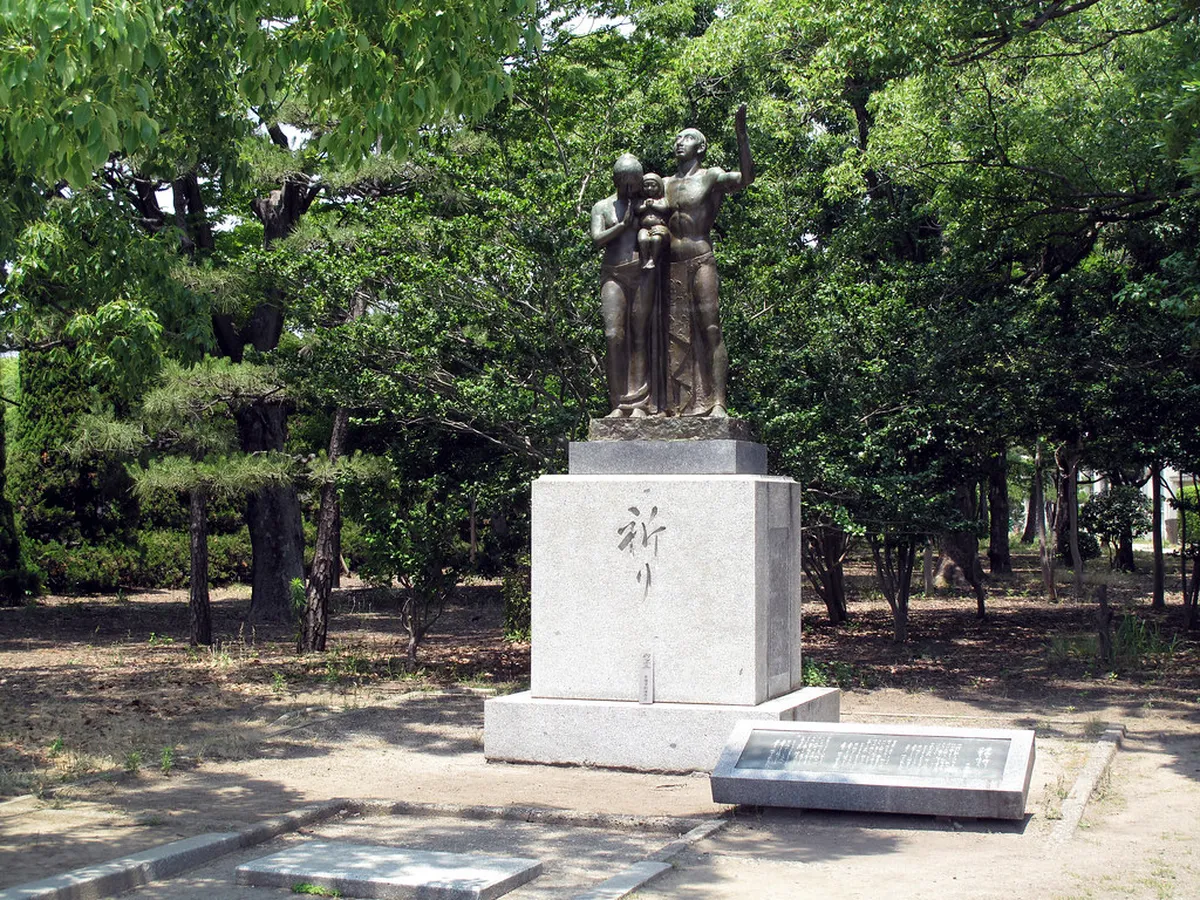
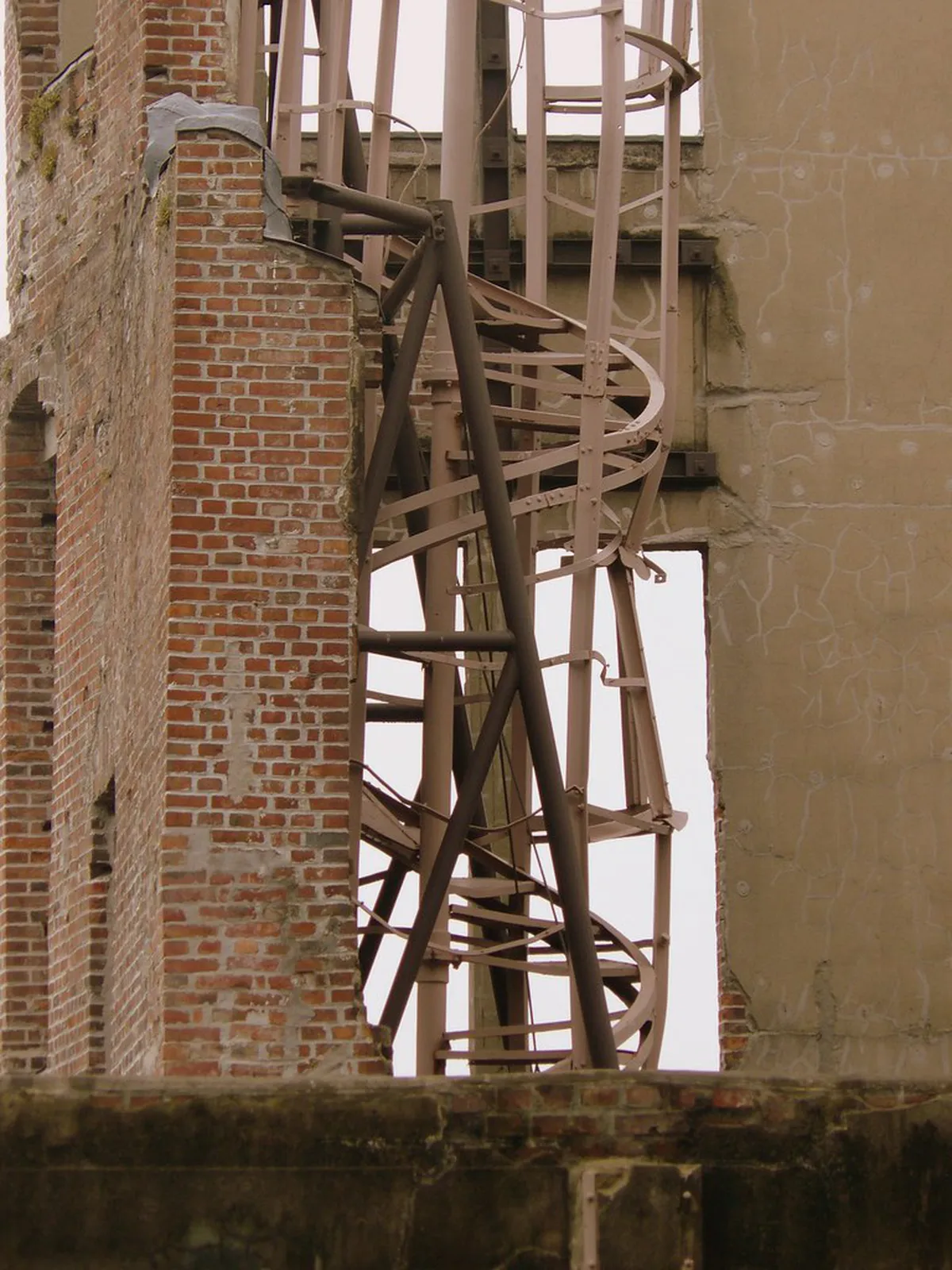
Start your first day at the Peace Memorial Park to understand the city's deep history. The Atomic Bomb Dome serves as a powerful reminder of the past and stands as a UNESCO site. You should arrive early in the morning to enjoy a quiet walk through the grounds. This area is the focal point for many annual commemorative events.
The Peace Memorial Museum provides a moving experience that helps visitors connect with the city's message of peace. If you visit in August, you can attend the memorial ceremony for a unique spiritual experience. The evening lantern floating ceremony is a highlight for many international travelers.
Spend your afternoon exploring the shops and cafes along Hondori Street. This covered arcade is perfect for finding local souvenirs and trying small snacks. You can also visit Hiroshima Castle, which is just a short walk from the main park area. The castle grounds often host small seasonal performances and traditional craft displays.
End your day with a delicious meal at Okonomimura, a famous building filled with food stalls. Each stall serves Hiroshima-style okonomiyaki, which is a savory pancake layered with noodles and cabbage. Watching the chefs prepare your meal on a large griddle is an entertaining experience. It is a great way to mingle with locals in a casual setting.
Day 2: Miyajima Island and Itsukushima Shrine Events
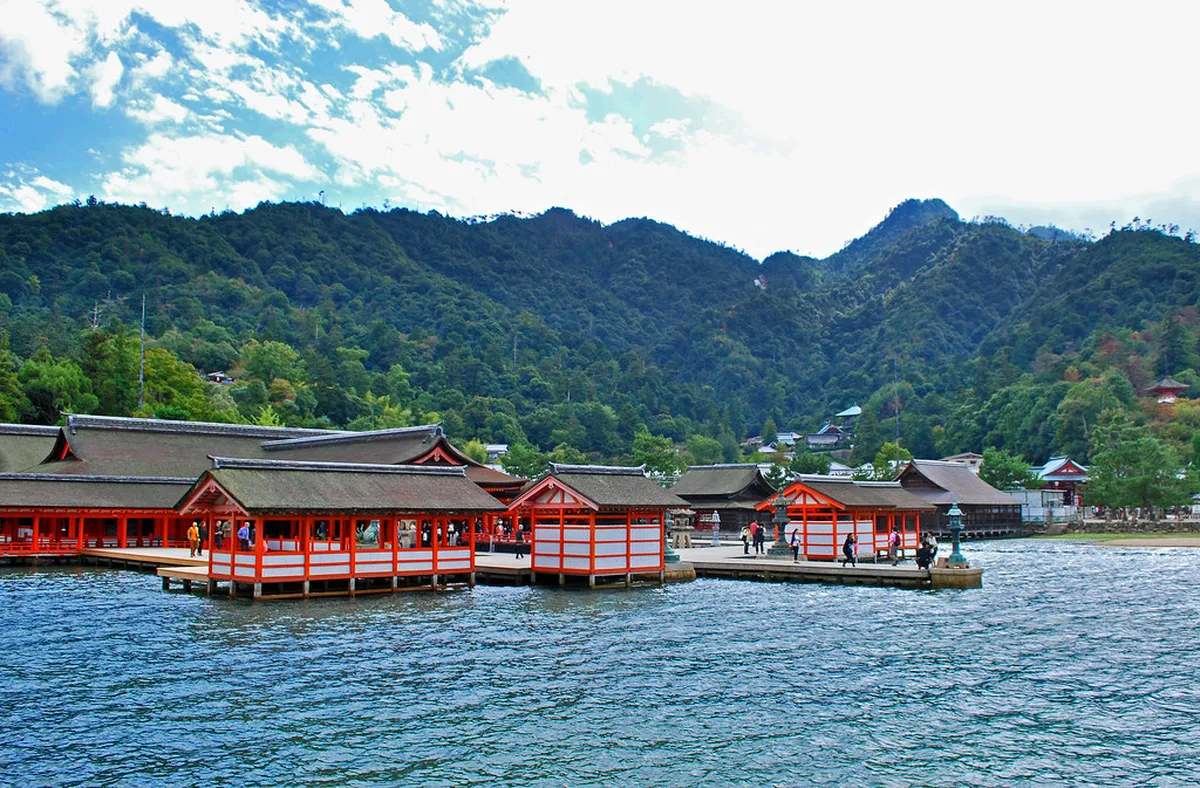
Take a morning ferry to Miyajima Island to see the famous floating Torii Gate. You should check the tide tables before you leave the mainland. High tide makes the gate appear to float on the water for perfect photos. Low tide allows you to walk right up to the massive wooden pillars.
Explore the Itsukushima Shrine, which is a masterpiece of traditional Japanese architecture. The bright red buildings contrast beautifully with the blue sea and green mountains. You might see a traditional Shinto wedding taking place on the wooden stages. Many visitors find the atmosphere here incredibly peaceful and spiritual. For the best places to stay near the Peace Park, consider booking a Miyajima ryokan to experience this area after sunset.
Hike up Mount Misen or take the ropeway for stunning views of the Seto Inland Sea. The summit features ancient temples and unique rock formations that are fun to explore. You can visit Daisho-in Temple near the base of the mountain to see the eternal flame. This flame has been burning for over 1,200 years and was used to light the Peace Flame.
Enjoy local food at the many stalls selling grilled oysters and maple-shaped cakes called momiji manju. You can find many food stalls along the busy Omotesando Shopping Street. If you visit during the winter months, look for an oyster festival guide for great deals. The fresh seafood here is world-renowned for its quality and flavor.
Day 3: Peripheral Hiroshima or Retro Seaside Towns
For your final day, choose between exploring local hidden temples or visiting the coast. Onomichi is a charming seaside town located about an hour away by train. You can walk the famous Temple Walk which connects 25 different historic sites. The narrow, winding streets offer a nostalgic look at old Japan.
Check local resources for details on events and seasonal flower displays. This town is also the starting point for the Shimanami Kaido cycling route. You can rent a bike and ride across several bridges spanning the beautiful islands. The views of the ocean from the bridges are truly spectacular.
Alternatively, visit Tomonoura, a scenic port town that inspired famous animated films. This area is perfect for those who enjoy a slower pace and traditional atmosphere. You might enjoy participating in local sea bream fishing events during the spring months. It is a unique way to see local traditions in action.
If you prefer to stay closer to the city, head to Mitakidera Temple. This quiet spot features three beautiful waterfalls and lush forest surroundings. It is much less crowded than the main tourist areas in the city center. The temple is especially stunning during the autumn foliage season in late November.
Seasonal Highlights: 3-Day Hiroshima Festival and Event Itinerary 2026
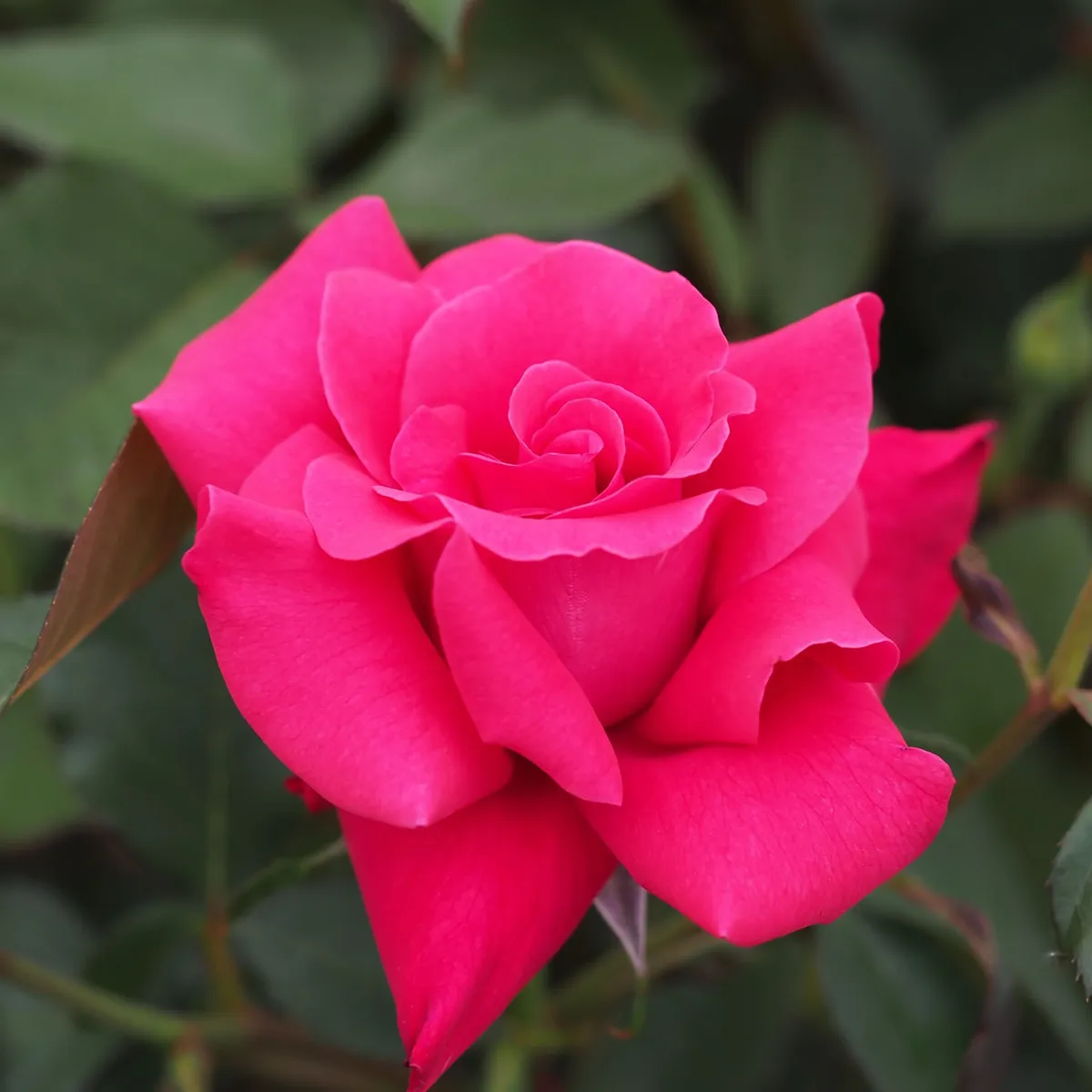
The 2026 festival calendar offers amazing experiences throughout the entire year — browse the complete Hiroshima 2026 annual events calendar for month-by-month dates. In early May, the Hiroshima Flower Festival fills the city with music and parades. Over one million people visit the city to see the colorful floral displays. Early booking for hotels is essential during this busy holiday period.
June brings the Tokasan Yukata Festival, which marks the start of the summer season. Locals dress in traditional light kimonos and visit the Enryuji Temple area. You can find hundreds of food stalls lining the streets during this three-day event. It is one of the best times to see the city's vibrant local culture.
Summer visitors can also enjoy various fireworks festivals along the coast. These events feature massive pyrotechnic displays over the water near the city. Watching fireworks from a boat or the beach is a classic Japanese summer activity. Be sure to wear a yukata to fully immerse yourself in the tradition.
Winter in Hiroshima is famous for the Dreamination light festival along Peace Boulevard. Millions of LED lights create magical displays of castles and mythical creatures. This event usually runs from mid-November through early January. It provides a romantic and festive backdrop for evening walks through the city center.
| Season / Month | Key Event | Highlights |
|---|---|---|
| May 3–5 (Golden Week) | Hiroshima Flower Festival | Colorful parades, music stages, 1 million+ visitors; book hotels 6 months ahead |
| Early June (3 days) | Tokasan Yukata Festival | Locals wear yukata; hundreds of food stalls near Enryuji Temple |
| Summer (July–Aug) | Coastal fireworks festivals | Pyrotechnic displays over the water; yukata recommended |
| Aug 6 | Peace Memorial Ceremony | Evening lantern floating at Peace Park; spiritual atmosphere |
| Mid-Nov – early Jan | Dreamination light festival | LED displays along Peace Boulevard; romantic evening walk |
Museums, Art, and Cultural Experiences in Hiroshima
Beyond the peace memorials, Hiroshima has a thriving art and culture scene. The Hiroshima City Museum of Contemporary Art sits on a hill in Hijiyama Park. It was the first public museum in Japan dedicated specifically to modern art. You can see works by both international masters and talented local artists.
Visit the Hiroshima Prefectural Art Museum for a look at traditional Japanese works. This museum is located right next to the famous Shukkeien Garden. You can often find combined tickets that allow you to visit both sites for a discount. It is a great way to spend a rainy afternoon in the city.
Hiroshima Castle offers a deep dive into the city's samurai history and architecture. The original castle was destroyed in 1945 but was carefully rebuilt in 1958. You can climb to the top floor for a panoramic view of the surrounding moat. Inside, you will find interesting displays of armor and historical documents.
Participating in a traditional tea ceremony is another great way to experience local culture. Several tea houses in Shukkeien Garden offer sessions for beginners and tourists. You can learn the art of preparing matcha while enjoying a view of the pond. This slow-paced activity provides a nice break from a busy sightseeing schedule.
Hidden Gems: Mitakidera Temple and Shukkeien Garden
Mitakidera Temple is often called the Three Waterfalls Temple by local residents. This hidden gem is located in a lush valley just north of the city center. It was founded in 809 AD and feels like a step back in time. You can walk among hundreds of stone statues covered in green moss.
Shukkeien Garden is a stunning example of a traditional Japanese strolling garden. It was first built in 1620 and features a large central pond with many islands. You can walk along the winding paths to see different landscapes in miniature. It is a perfect place for photography and quiet reflection.
If you visit in February, you can see the beautiful plum blossoms in the garden's grove. Many travelers overlook this season in favor of the later cherry blossoms. The plum flowers have a sweet scent and come in shades of pink and white. It is a great time to visit if you want to avoid the largest crowds.
Both of these locations offer a different perspective on the city's natural beauty. They provide a calm contrast to the busy shopping streets and memorial sites. You can easily reach both spots using the local bus or streetcar network. Make sure to wear comfortable walking shoes for the uneven paths at the temple.
Local Flavors: Okonomimura and Oyster Festivals
Hiroshima is a paradise for food lovers, especially those who enjoy fresh seafood. The city is famous for its oysters, which are harvested from the Seto Inland Sea. You can find them served grilled, fried, or raw at many local restaurants. During the winter, specialized festivals celebrate this delicious local delicacy.
Okonomimura is the ultimate destination for fans of savory pancakes. This building houses over 25 different stalls, each with its own secret recipe. You can choose a stall that looks busy or has a vibe you like. It is a fun and social way to experience the local food culture.
If you prefer a more formal setting, try Nagata-ya near the Peace Park. This restaurant is famous for its high-quality ingredients and traditional preparation methods. They offer a specific recipe that has been popular for many decades. Expect a wait during peak lunch and dinner hours at this popular spot.
Do not forget to try the local sake from the nearby Saijo district. This area is one of Japan's most famous sake-brewing regions. You can visit several traditional breweries for tastings and tours of the facilities. It is the perfect accompaniment to a hearty meal of okonomiyaki.
Regional Context: 2026 Events in Osaka and Kanazawa
When planning your 2026 trip, consider how Hiroshima fits into a larger Japan itinerary. Osaka often hosts major festivals that may overlap with events in Hiroshima. You can travel between these two cities in less than 90 minutes by bullet train. This makes it easy to experience multiple festivals in one week. The Kansai region, anchored by Osaka, Kyoto, and Kanazawa, offers endless festival options that complement a Hiroshima visit.
Kanazawa is another city with a rich festival calendar that travelers enjoy. The Hyakumangoku Matsuri in June features a spectacular samurai parade. Comparing these events helps you decide where to spend your weekends for maximum excitement. Hiroshima's Tokasan Festival offers a more intimate and local feel compared to larger cities.
Logistics between these regions are very simple if you use a rail pass. You can easily connect from Hiroshima to Osaka, Kyoto, or Kanazawa. Planning your route carefully can save you both time and money on transportation. Consider staying in Hiroshima for at least three days to see the main highlights.
Check the official tourism sites for each city to confirm specific dates for 2026. Festivals can sometimes shift by a few days depending on the local calendar. Having a flexible schedule allows you to adjust your plans if an event date changes. You should also look for local holiday periods like Golden Week or Obon.
Practical Planning: Transport, Accommodation, and Booking Tips
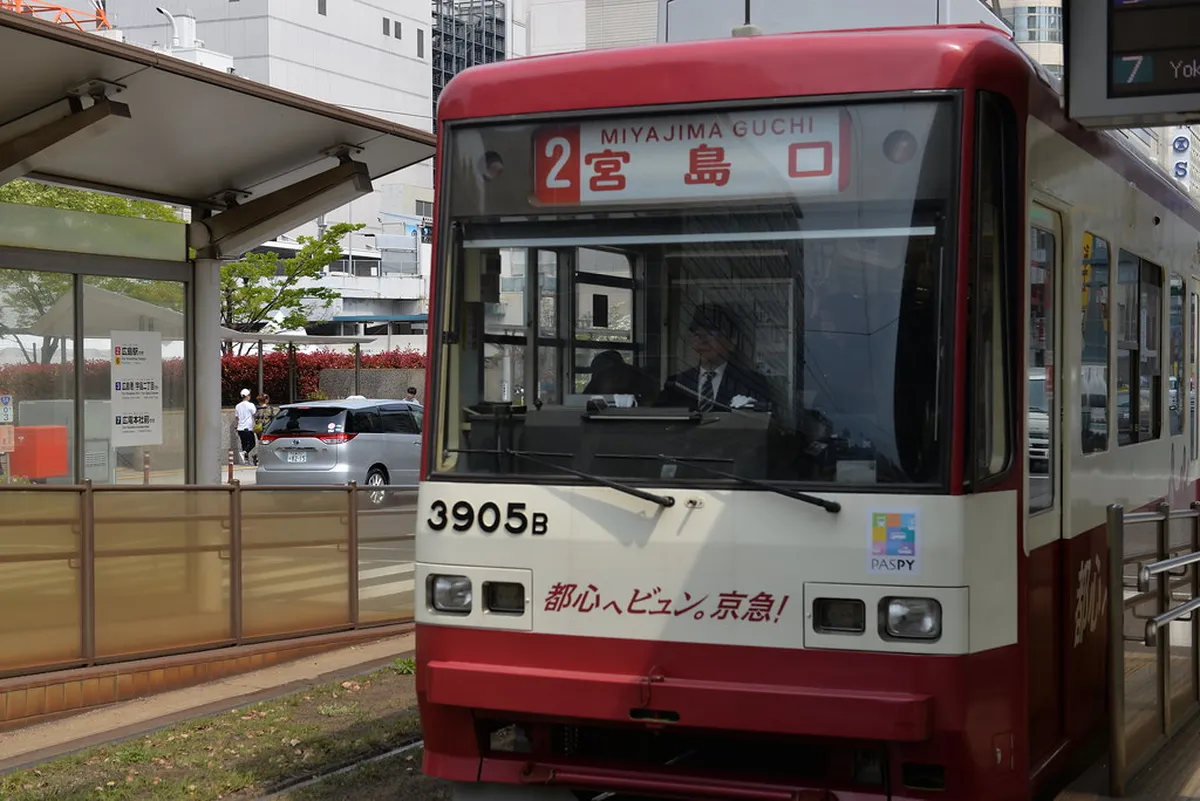
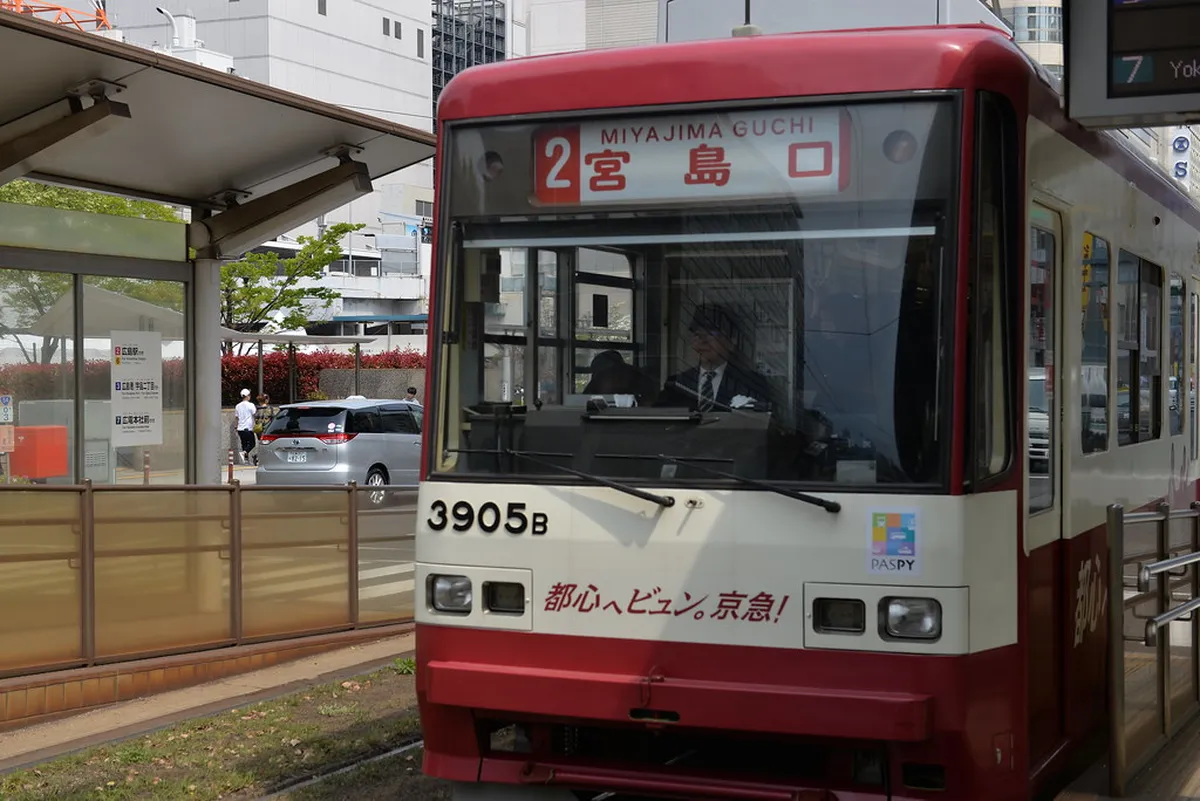
Navigating Hiroshima is easy thanks to the extensive Hiroden streetcar network. You can buy a one-day or multi-day pass to save money on your travels. The streetcars are a charming and efficient way to see the city's main districts. They run frequently and are very easy for international tourists to use.
A Hiroden streetcar one-day pass saves money if you take more than two rides in a day and is accepted on most tram routes including the line to Genbaku-Dome-mae. Look for multi-day passes at major stations and hotels.
Booking your accommodation early is vital for visiting during major 2026 festivals. Hotels near the Peace Memorial Park or Hiroshima Station fill up many months in advance. Consider staying in a traditional ryokan on Miyajima for a unique overnight experience. This allows you to see the island after the day-trip crowds have left.
The JR Pass is a great option if you are traveling from Tokyo or Osaka. It covers the bullet train ride and the JR ferry to Miyajima Island. Calculate your expected travel costs before purchasing a nationwide rail pass. This helps you stay within your travel budget while exploring Japan.
Pack comfortable clothing and shoes, as you will be doing a lot of walking. Hiroshima can be quite humid in the summer and chilly during the winter months. Check the local weather forecast a few days before your arrival to pack correctly. Proper preparation ensures you can enjoy the festivals without any discomfort.
Golden Week (May 3–5) is the busiest period of the year. Hotels and tourist sites in Hiroshima fill up months in advance, ferry queues to Miyajima can exceed 1 hour, and prices rise significantly. If visiting then, book accommodation and ferry tickets as early as possible.
For the broader picture, see our Hiroshima attractions guide.
Frequently Asked Questions
What are the dates for the Hiroshima Flower Festival 2026?
The Hiroshima Flower Festival is traditionally held from May 3rd to May 5th during Golden Week. These dates are expected to remain the same for 2026. You should book your hotels at least six months in advance to secure a room. Visit japanactivity.com for more planning tips.
How do I check the Miyajima tide tables for the floating Torii gate?
You can check the official Miyajima Tourist Association website for daily high and low tide times. High tide is best for seeing the gate floating on the water. Low tide allows you to walk across the sand to touch the gate. Plan your ferry ride to match your preferred viewing experience.
Is the Hiroshima Tokasan festival worth visiting for first-timers?
Yes, the Tokasan Yukata Festival is a fantastic experience for first-time visitors to Japan. It offers a great look at local summer traditions and delicious street food. You can even rent a yukata to join in the festivities like a local. The atmosphere is very welcoming and perfect for photography.
What should I wear for a winter festival in Hiroshima?
Winter temperatures in Hiroshima can drop to near freezing, especially in the evenings. You should wear warm layers, including a thermal base and a windproof jacket. Gloves and a hat are also recommended for outdoor light festivals like Dreamination. Comfortable, warm walking shoes are essential for exploring the city at night.
Is 3 days enough to see both Hiroshima and Onomichi?
Three days is enough to see the main highlights of both cities if you plan carefully. Spend your first two days in central Hiroshima and on Miyajima Island. Dedicate your third day to a day trip to Onomichi or Tomonoura. Using the bullet train or express trains helps maximize your sightseeing time.
A 3-Day Hiroshima Festival and Event Itinerary 2026 offers a perfect balance of culture, history, and natural beauty. You can honor the past at the Peace Memorial Park and celebrate the present at vibrant local festivals. The city's unique charm and friendly atmosphere make it a must-visit destination in Japan.
Whether you are eating okonomiyaki at a local stall or hiking up Mount Misen, every moment is memorable. Make sure to use the practical tips provided to navigate the city efficiently and stay within your budget. Early planning for 2026 ensures you get the best accommodation and event access.
Hiroshima continues to inspire visitors with its message of peace and its lively spirit. We hope this guide helps you create a meaningful and exciting journey through this incredible region. Enjoy your travels and the many wonderful experiences that wait for you in Hiroshima.
Free: The Hiroshima Essentials guide
Top things to do, where to stay, a perfect day plan, getting around, and the best time to go — a Hiroshima mini-guide you can take offline.
You might also like
Continue reading
More guides you'll find useful