7 Day Japan Itinerary: Tokyo, Kyoto & More (First-Timer's Guide)
Plan your unforgettable 7-day Japan itinerary. Discover must-see sights in Tokyo, Kyoto, and Nara with practical tips on transport, budget, and unique experiences.
On this page
A 7-day Japan itinerary is the shortest trip most first-timers should take — long enough to absorb Tokyo's energy, slow down in Kyoto, and still fit in a day trip to Nara or a view of Mount Fuji. This guide gives you a realistic, day-by-day plan with precise logistics, honest cost estimates, and a few things most other itineraries forget to mention. Every timing and price figure below reflects 2026 conditions.
7 Day Japan Itinerary Overview
The classic one-week route runs Tokyo (Days 1–2) → Kyoto (Days 3–5) → Hakone or Mt. Fuji day trip (Day 6) → Tokyo departure (Day 7). This sequence minimises backtracking and puts you on the Shinkansen at its most useful: one long southbound leg, one return leg.
Keep the itinerary tight but not frantic. Two full days in Tokyo is enough to hit the highlights without feeling rushed. Three nights in Kyoto lets you do its temples properly and still sneak in Nara. The Hakone escape on Day 6 breaks the city rhythm before you fly home.
- Day 1: Arrive in Tokyo, settle into Shibuya or Shinjuku
- Day 2: Asakusa, Imperial Palace East Garden, Harajuku
- Day 3: Shinkansen to Kyoto, Gion district evening
- Day 4: Fushimi Inari, Kinkaku-ji, Arashiyama Bamboo Grove
- Day 5: Day trip to Nara (Todai-ji, Deer Park, Kasuga Taisha)
- Day 6: Hakone — Lake Ashi cruise, Ropeway, open-air museum
- Day 7: Back in Tokyo, last shopping, fly home
| Day | City | Highlights |
|---|---|---|
| Day 1 | Tokyo | Arrive, Shibuya Crossing, Shibuya Sky |
| Day 2 | Tokyo | Asakusa, Imperial Palace, Harajuku |
| Day 3 | Kyoto | Shinkansen, Gion, Pontocho Alley |
| Day 4 | Kyoto | Fushimi Inari, Kinkaku-ji, Arashiyama Bamboo Grove |
| Day 5 | Nara | Nara Park, Todai-ji Temple, Kasuga Taisha |
| Day 6 | Hakone | Lake Ashi cruise, Mount Fuji views, Ropeway |
| Day 7 | Tokyo | Last shopping, Tsukiji Market, depart |
Best Time to Visit Japan
Spring (late March to early May) and autumn (mid-September to November) are the prime windows. Spring brings cherry blossoms — usually peaking in Tokyo around late March and Kyoto a few days later — but also peak prices and shoulder-to-shoulder crowds at Fushimi Inari. Autumn foliage runs October through November and is equally beautiful with slightly thinner crowds than spring.
Summer (June–August) is hot, humid, and typhoon-prone. It is also school-holiday season, so popular sites are jammed. Winter (December–February) is cold but manageable in Tokyo and Kyoto, and if skiing is on your list, January and February are when Hokkaido's powder is at its finest — see the Niseko bonus section below.
If you are chasing cherry blossoms, book accommodation at least three months ahead. Popular ryokan in Kyoto and Hakone sell out in February for April dates. The full best time to visit Japan guide breaks down month-by-month conditions with weather tables.
How to Get Around Japan: JR Pass & More
Japan's train network is world-class. The Shinkansen connects Tokyo and Kyoto in roughly 2 hours 15 minutes on the fastest services, and local metro systems in both cities are frequent and reliable. An IC card — Suica (Tokyo) or ICOCA (Osaka/Kyoto) — loads money and taps on every subway, bus, and convenience store. Buy one at the airport on arrival.
Price this seven-day Japan plan with your room, food, flight and activity choices. Then use the JR Pass Calculator to replace its rail allowance with exact tickets and pass options.
For a 7-day itinerary doing only the Tokyo–Kyoto–Hakone triangle, the Japan Rail Pass is often not cost-effective after its 2023 price increases. A standard 7-day JR Pass now costs around ¥50,000 (~$330). Two Nozomi Shinkansen tickets Tokyo↔Kyoto cost roughly ¥28,000 total, plus about ¥6,000 for Kyoto–Nara and back. That puts individual tickets at ¥34,000 — well below the pass price. Do the maths for your specific route before buying.
One detail most itinerary guides skip: the Nozomi bullet train — the fastest and most frequent Shinkansen — is NOT covered by the JR Pass. Pass holders must take the Hikari or Kodama. The Hikari adds only about 15 minutes on the Tokyo–Kyoto route, which is fine, but turning up at the gate expecting to board a Nozomi is a very common and expensive mistake. Always check the departure board and confirm you are boarding a Hikari service.
Within Tokyo, the metro IC card handles everything. Within Kyoto, buses and the Keihan/Hankyu private lines reach most temples (not JR-covered). Google Maps gives real-time platform numbers and transfer instructions in English — it is your most useful navigation tool throughout the trip.
Buy a Suica IC card at Narita or Haneda airport before leaving the terminal (JR East Service Center, open 08:15–20:00). It works on every train, subway, and bus nationwide, plus most vending machines and convenience-store checkouts. Set it up with Apple Wallet if your phone supports it for truly seamless tapping.
How Much Does One Week in Japan Cost?
Japan is far more affordable than it was before 2022, when the yen weakened significantly against the dollar and euro. A mid-range solo traveller in 2026 can expect to spend roughly $130–$200 per day, all-in excluding flights. That is accommodation, all meals, transport, and a couple of paid attractions each day.
Budget travellers staying in capsule hotels or hostels (¥3,000–5,000 per night) and eating at convenience stores and ramen shops can get by on $80–$100 per day. Mid-range means business hotels in Shinjuku or near Kyoto Station (¥10,000–18,000 per night) plus sit-down meals averaging ¥1,500 for lunch and ¥3,000 for dinner. Luxury — a ryokan in Hakone with private onsen and kaiseki dinner — can run ¥40,000–80,000 per room per night, but you are getting a multi-course dinner and breakfast included.
For budgeting purposes: is $5,000 enough for a week in Japan? For one person doing mid-range, yes — with plenty left over. For two people, $5,000 covers the basics but leaves little room for a ryokan night or splurge dinners. The biggest variable is your Shinkansen strategy: buying individual tickets rather than the JR Pass saves roughly $200 on this route. For a detailed breakdown, see our Japan trip cost guide.
Day 1: Arrive in Tokyo & Explore Shibuya
Most long-haul flights into Narita (NRT) arrive in the morning or early afternoon. Collect your luggage, pick up a Suica card at the JR East Service Center on the B1 floor (hours 08:15–20:00), and load it with ¥5,000 to cover the first couple of days. The Narita Express (N'EX) to Shinjuku or Shibuya takes about 90 minutes and costs ¥3,070. From Haneda (HND), the Keikyu line runs to Shinjuku in roughly 35 minutes for ¥650.
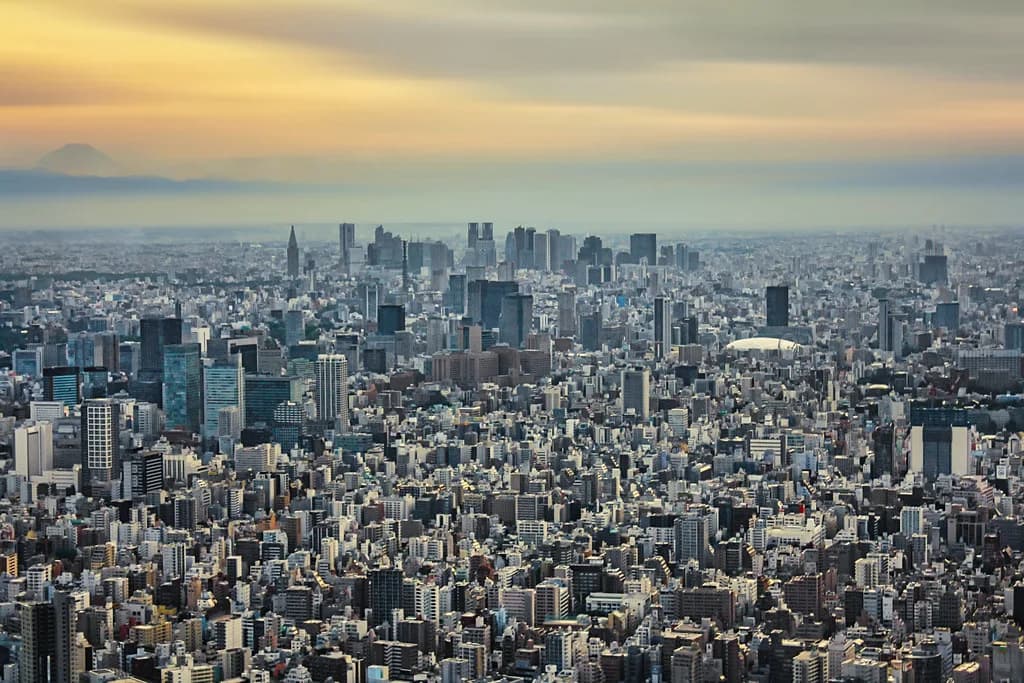
After check-in, head to Shibuya. Walk the famous scramble crossing — it hits its peak busyness around 18:00–19:00 when rush hour overlaps with evening shoppers. The Hachiko statue is right outside the west exit of Shibuya Station. For panoramic city views, ascend Shibuya Sky on the 46th floor of Scramble Square (admission ~¥2,000; book a ticket in advance for the sunset slot, which sells out first).
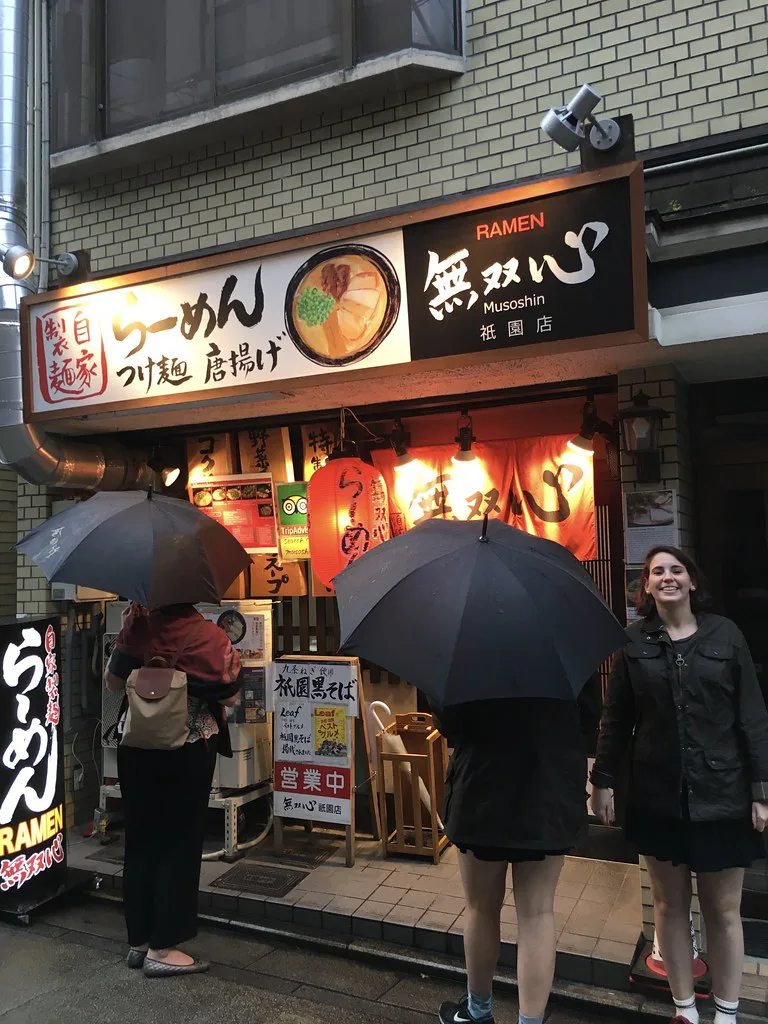
If you land late and feel the jet lag, don't fight it. A bowl of ramen at a Shinjuku standing counter costs ¥900–1,200 and is the perfect low-effort dinner. Golden Gai — six alleyways crammed with tiny bars, each seating five to ten people — is a ten-minute walk from Shinjuku Station east exit and is ideal for a nightcap.
Day 2: Tokyo's Culture & History (Asakusa, Imperial Palace, Harajuku)
Start at Asakusa before 09:00 to beat the tour groups at Senso-ji Temple (free entry, main hall 06:00–17:00). The Nakamise-dori shopping street runs up to the gate and sells everything from ningyo-yaki cakes to folding fans. Grab a freshly made ningyo-yaki for ¥600 and eat it while walking.
Mid-morning, take the metro to Imperial Palace East Garden (free, open 09:00–16:30, closed Mon and Fri). The ruins of Edo Castle's main keep foundation are inside, and the garden itself is a calm contrast to the streets outside. From there, a short walk or metro hop puts you in Ginza for window shopping or a department store basement food hall — depachika floors are a meal in themselves.
Afternoon: head to Harajuku. Takeshita Street is the core of Tokyo's youth fashion culture, lined with crêpe stands and vintage shops. A short walk away, Meiji Jingu Shrine offers a forested quiet — free to enter from dawn until dusk. For something more unusual, the area around Shibuya and Harajuku has several themed cafes including cat cafes and the famous micro-pig cafe.
Day 3: Shinkansen to Kyoto & Gion Exploration
Take an early Shinkansen from Tokyo Station. The Hikari departs roughly every 30 minutes; a reserved seat costs ¥13,320 one-way (~$88). Sit on the right side of the train (seats D/E) heading south for the best Mount Fuji views around Shizuoka, roughly 40 minutes into the journey. The Hikari arrives at Kyoto Station in about 2 hours 25 minutes.
One practical tip that saves you real stress: ship your large bag from Tokyo to your Kyoto hotel the day before departure using the airport or hotel luggage forwarding service (takuhaibin). A mid-size suitcase costs roughly ¥1,500–2,000 and arrives the next afternoon. This means you board the Shinkansen with only a day bag, navigate Kyoto Station effortlessly, and your bag is waiting in your room when you check in. Most hotels at both ends accept overnight forwarding — ask the front desk on Day 2 evening.
Luggage forwarding (takuhaibin) is a game-changer for multi-city trips. Arrange it at your Tokyo hotel concierge on Day 2 evening for next-day delivery. Your Shinkansen journey becomes stress-free, and you avoid the chaos of Kyoto Station with a large suitcase.
Check in early if possible, then walk to the Gion district. The Higashiyama area around Ninenzaka and Sannenzaka lanes is at its most photogenic in late afternoon light. Pontocho Alley runs parallel to the Kamo River and is lined with restaurants at every price point — a narrow seat at a riverside yuka terrace (outdoor platform dining, seasonal May–September) is worth the slightly higher bill. Keep eyes open between 18:00 and 21:00 near Hanamikoji Street for geiko and maiko heading to evening appointments.
Day 4: Kyoto's Temples & Bamboo Forest
Arrive at Fushimi Inari Taisha before 08:00. The shrine is always open and free. The first hundred gates are stunning but packed with tour groups by 09:30. Push through to the upper trail — about 45 minutes of gentle climbing puts you past the crowds entirely, among mossy stone lanterns and fox shrines. The full loop to the summit takes 2–3 hours; even the halfway point at Yotsutsuji intersection offers a wide city view worth the effort.
Mid-morning, catch a bus or taxi to Kinkaku-ji (Golden Pavilion). Admission is ¥500 (~$3.30), open 09:00–17:00. The gilded top two floors reflecting in the pond are as striking in person as in every photograph. It gets very busy by 10:30, so time your visit accordingly. From Kinkaku-ji, head west to Arashiyama. The bamboo grove itself is a five-minute walk but those five minutes feel genuinely otherworldly — towering culms forty metres high, a rustling above you. Arrive before 09:00 or after 16:00 to get any semblance of solitude.
For dinner, Nishiki Market (the "Kitchen of Kyoto," closes around 18:00) is good for grazing — pickled vegetables, skewered tofu, fresh mochi. The side streets around Gion Shijo station have izakayas open until 23:00. A traditional kaiseki meal at a Pontocho restaurant runs ¥8,000–15,000 per person and is worth booking at least a week ahead for a first-timer experience.
Day 5: Day Trip to Nara (Deer Park & Temples)
Take the JR Nara Line from Kyoto Station. The local train takes about 45 minutes; an express cuts it to 35 minutes. Fare is ¥710 one-way (Suica/IC card). The main sights are all walkable from Nara Station. On the way from the station, stop at Kofukuji Temple — its five-story wooden pagoda is the second tallest in Japan and free to view from outside.
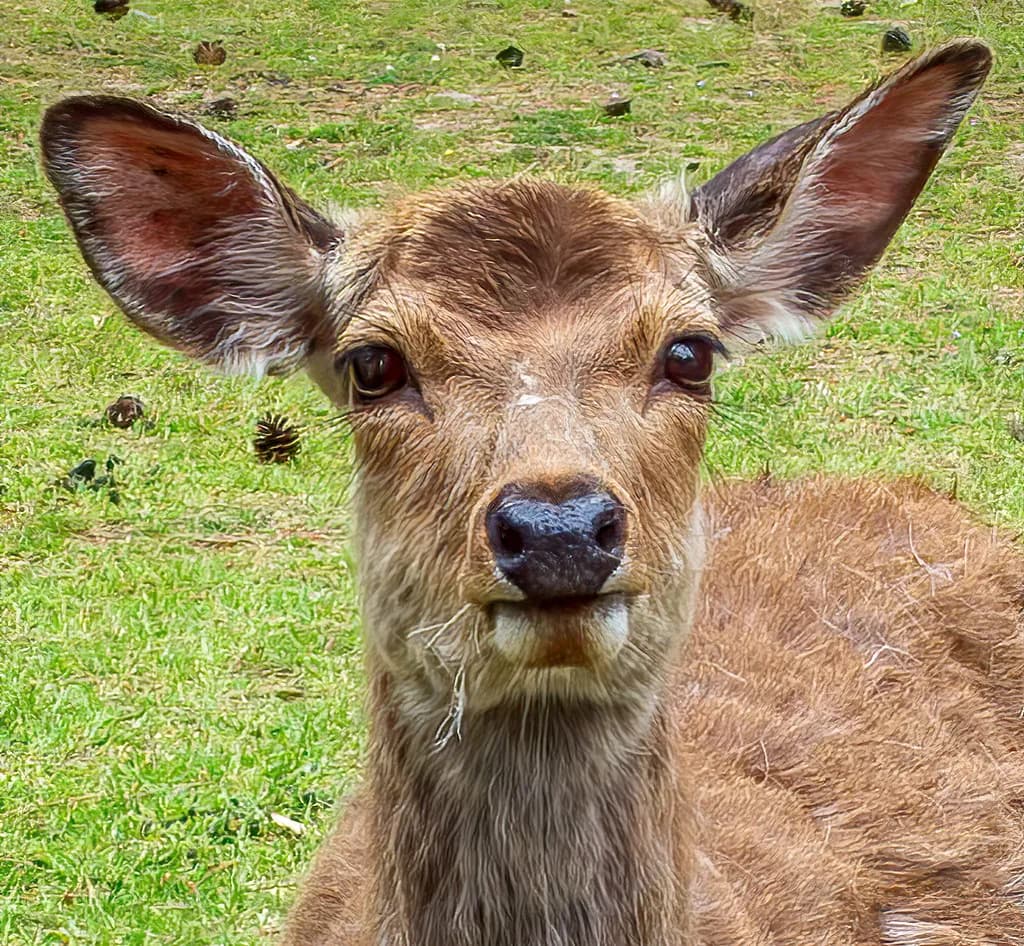
Nara Park is home to over 1,200 free-roaming shika deer. They are technically wild animals that have been designated national treasures since the eighth century. Deer crackers (shika-senbei) cost ¥150 for a bundle. The deer have learned to bow for food — they genuinely perform a slight head dip before snatching the cracker out of your hand. Keep bags zipped; they will investigate anything that rustles like food packaging.
Todai-ji Temple holds the world's largest bronze Buddha statue (15 metres tall) inside Japan's largest wooden building. Admission is ¥1,000. The temple's Great South Gate features two fearsome Nio guardian statues dating to 1203 — easy to walk past without noticing, but worth ten minutes up close. Kasuga Taisha Shrine (free entry to grounds, inner hall ¥500) sits at the forest's edge and is famous for its 3,000 stone and bronze lanterns, lit twice a year. Return to Kyoto by early evening for dinner.
Day 6: Mount Fuji Views or Hakone Relaxation
Check out of your Kyoto hotel in the morning and take an early Shinkansen back toward Tokyo, disembarking at Odawara Station (~45 minutes, ¥6,560 reserved). From Odawara, the Hakone Tozan Line or the Romance Car from Shinjuku (if you prefer to come directly from Tokyo) connects you to Hakone-Yumoto in under 30 minutes. The Hakone Freepass (~¥4,600 for 2 days) covers all transport within Hakone: the ropeway, the Lake Ashi pirate ship cruise, and local buses.
The standard Hakone circuit: board the Lake Ashi cruise from Moto-Hakone pier for views of Mount Fuji across the water (best visibility before noon in summer; clouds often build by afternoon). Then ride the Ropeway up through Owakudani, a volcanic valley with sulphuric steam vents and famous black hard-boiled eggs cooked in the hot spring (¥600 per pack). On clear days the Ropeway gives the best elevated Fuji view of the entire trip.
The Hakone Open-Air Museum (admission ~¥1,600, open 09:00–17:00) is a pleasant hour if you have time — it combines sculpture gardens with a Picasso pavilion and a foot bath. For a more immersive experience, book one night at a ryokan in Hakone rather than returning to Tokyo on Day 6. A mid-range ryokan with onsen and dinner starts at about ¥18,000–25,000 per person — expensive, but it includes a multi-course dinner, breakfast, and unlimited use of the hot springs. Check into your Tokyo hotel on the evening of Day 6 if returning, or Day 7 morning if staying overnight in Hakone.
Day 7: Tokyo Departure & Last Bites
Build in a genuine buffer before your flight: Narita is 90 minutes from central Tokyo by N'EX; Haneda is 35–40 minutes from Shinjuku by rail. Airport security for international departures at Narita can take 30–45 minutes during peak morning hours. For a midday or afternoon flight, you have time for one last activity.
Tsukiji Outer Market (the surviving retail section after the inner wholesale market moved to Toyosu) is excellent for a final breakfast: tamagoyaki rolls, fresh sea urchin, thick tuna sashimi. It opens around 05:00 and is busiest 08:00–11:00. Alternatively, the basement food halls of Isetan or Takashimaya department stores in Shinjuku make for efficient last-minute souvenir shopping — quality wagashi (Japanese sweets), sake, and individually wrapped snacks pack well.
At the airport, Japan customs prohibits taking fresh fruit, meat, or soil-contaminated produce home. Duty-free alcohol and cigarettes have standard limits. If you collected any receipts for tax-refund shopping, have them ready at the airport tax refund counter before check-in. Allow time: the queues at Narita tax refund desks can run 20–30 minutes.
Important Tips Before Your Japan Trip
Cash is non-negotiable. Many small temples, local eateries, and rural vending machines are cash-only. 7-Eleven and Japan Post ATMs accept foreign Visa/Mastercard reliably (24 hours). Withdraw ¥30,000–50,000 when you arrive and top up as needed. Tipping is not practiced in Japan; leaving money on the table creates awkwardness, not goodwill.
Etiquette on public transport is strict: silent mode on phones, no eating on most trains, and priority seats near the doors are genuinely kept empty for elderly and pregnant passengers. A small trash bag is useful because public rubbish bins are rare — most Japanese carry their own. Remove shoes in private homes, most traditional restaurants, and some ryokan lobbies. Look for the step and the shoe rack.
Connectivity: an eSIM for Japan is the most seamless option for smartphones — activate before departure and you have data from the moment you land. Pocket Wi-Fi rentals are an alternative, collected at the airport, but add a device to carry. Google Maps works with full public transit data including real-time delays. Download offline maps for the areas you are visiting before leaving hotel Wi-Fi each morning.
Medication restrictions are stricter than most countries. Some common antihistamines, stimulants (including certain ADHD medications), and codeine-based products require advance permission from the Japanese Ministry of Health. Check the MHLW website before travel if you carry any prescription medication, and carry a copy of your prescription with a letter from your doctor. Confiscation at customs is genuinely possible. For more detailed advice, see our first-time in Japan travel tips.
Other Unique Things to Note About Japan
Japan runs on precision. Trains arrive and depart to the minute; if the board says 09:43, be on the platform by 09:41. The concept of meiwaku (causing inconvenience to others) is taken seriously — cutting queues, speaking loudly in quiet spaces, or blocking narrow alleys with luggage will draw visible disapproval. This is not hostility; it is an expectation that visitors adopt the same consideration as locals.
Convenience stores — 7-Eleven, FamilyMart, Lawson — are genuinely excellent. Onigiri (rice balls) cost ¥120–180, hot foods like karaage or nikuman sit under warming lamps, and the coffee machines produce better espresso than most airport cafes. In a pinch, a konbini dinner is not a compromise; it is a local experience. Eat it standing outside the store, not inside.
Japan's vending machine density is extraordinary — roughly one per 25 people nationwide. They dispense hot and cold drinks, umbrellas, and sometimes entire meals. A can of hot coffee from a machine costs ¥120 and is one of the small, specific pleasures that sticks in memory long after the temples fade.
Booking windows for high-demand spots in 2026: Ghibli Museum tickets release on the 10th of each prior month through Lawson Ticket (overseas buyers can use the official English portal) and sell out in under an hour. Universal Studios Japan in Osaka now uses Express Pass pricing that varies by date, with popular days costing ¥10,800–20,000 on top of general admission. Neither requires your physical presence to book; both require planning at least four to six weeks ahead.
Bonus Itinerary: Niseko in Winter
If your visit falls in January or February, Japan's ski season changes the calculus entirely. Niseko, on Hokkaido, receives some of the world's densest, driest powder — averaging 15 metres of annual snowfall — and has developed a full international resort infrastructure around it. A winter 7-day itinerary might swap Kyoto and Nara for two or three nights in Niseko without sacrificing the Tokyo bookends.
Getting there: fly Tokyo (Haneda or Narita) → New Chitose Airport (CTS) in Sapporo, roughly 90 minutes. From New Chitose, a bus or train takes 2–2.5 hours to Niseko Grand Hirafu, the largest of the four interconnected Niseko resort areas. Return the same way. The flight costs around ¥15,000–25,000 per person each way booked a month ahead.
Niseko runs four interconnected mountains (Niseko United) on a single lift pass (~¥9,000 for a day pass in 2026). Night skiing runs until 20:30. The apres-ski scene in Hirafu village is lively and international. For non-skiers, the Goshiki Onsen up the mountain road is a genuine outdoor hot spring with views over the Shiribeshi valley, and snowshoeing tours leave from most hotels each morning.
Accommodation ranges from budget guesthouses in Hirafu (¥8,000 per person with breakfast) to slope-side luxury condos at ¥50,000+ per night. Book by October for the best selection. January is colder but delivers the most consistent powder; February is slightly warmer with better visibility days. If you want to see both Tokyo and Niseko in one week, allocate two nights in Tokyo, fly to Sapporo on Day 3, and spend four nights skiing or exploring Hokkaido before flying home from New Chitose.
Frequently Asked Questions
How much time should you plan for a 7 day Japan itinerary?
A 7-day Japan itinerary is a good starting point for first-time visitors to see the major highlights. This duration allows you to experience Tokyo's vibrancy and Kyoto's cultural depth. It also provides time for a day trip to Nara or a scenic escape like Hakone.
What should travelers avoid when planning a 7 day Japan itinerary?
Avoid over-scheduling your days; Japan offers so much, but rushing through sites diminishes the experience. Do not neglect booking popular attractions in advance, especially during peak seasons. Also, avoid relying solely on credit cards, as cash is still essential in many places.
Is 7 day Japan itinerary worth including on a short itinerary?
Yes, a 7-day Japan itinerary is definitely worth it, even for a relatively short trip. It provides enough time to capture the essence of Japan's main cities and cultural sites. While it's a fast-paced trip, it offers a memorable introduction to the country.
Do I need a Japan Rail Pass for 7 days?
For a 7-day Japan itinerary focusing on Tokyo, Kyoto, and a day trip, the Japan Rail Pass is often not cost-effective due to recent price increases. Calculate individual Shinkansen ticket costs versus the pass price. The JR Pass guide can help you decide.
Seven days in Japan is enough to understand why so many visitors come back. The contrast between Tokyo's scale and Kyoto's restraint, the perfection of a bowl of ramen at midnight, the quiet of a mountain shrine at dawn — these experiences stack up fast. This itinerary gives you the structure to make it work without turning the week into a checklist sprint.
Book your Shinkansen seats and timed-entry attractions before departure. Load a Suica card at the airport. And leave at least one afternoon unplanned — Japan rewards the traveller who slows down long enough to notice what is happening in the side street, not just on the main road. For a longer trip, the 2-week Japan itinerary adds Osaka, Hiroshima, and more time in each city.
Extend or day-trip beyond the Golden Route with these destinations: Himeji, Okayama, Kurashiki and Koyasan.
Free: The Tokyo Essentials guide
Top things to do, where to stay, a perfect day plan, getting around, and the best time to go — a Tokyo mini-guide you can take offline.
You might also like

Continue reading
More guides you'll find useful