

Nikko Tōshō-gū Shrine
UNESCO World Heritage Shinto shrine in Nikko enshrining shogun Tokugawa Ieyasu, famed for its ornate carvings and gilded gates.
Visitor guide →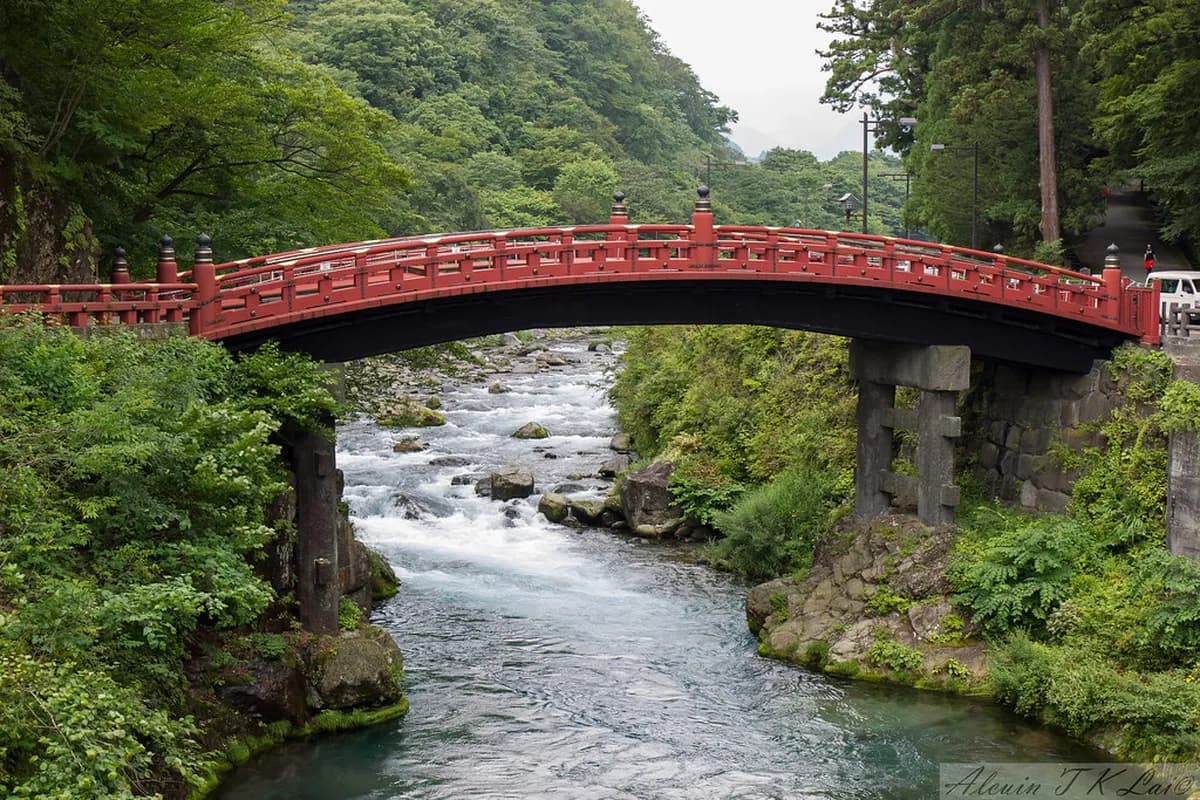
The best Nikko attractions and things to do in 2026: UNESCO World Heritage shrines plus Oku-Nikko's waterfalls and lakes, with verified prices, hours and itineraries.
Nikko packs two completely different worlds into one easy trip from Tokyo, and that combination is exactly what makes it special. In the lower town sits the UNESCO World Heritage "Shrines and Temples of Nikko" — 103 structures across three complexes that include the lavishly carved Tōshō-gū Shrine, the ancient Futarasan Shrine and the 8th-century Rinnoji Temple, all within an easy walk of each other. Climb the winding Irohazaka switchbacks and you reach Oku-Nikko (Upper Nikko), the high-altitude heart of Nikko National Park, where Kegon Falls plunges 97 metres, Lake Chuzenji sits at 1,270 m below sacred Mount Nantai, and the Senjogahara marshland boardwalks cross golden wetland grasses.
That mix of culture and nature is why most visitors struggle to fit Nikko into a single day. The shrine precinct alone needs 3–4 hours; adding Lake Chuzenji and Kegon Falls turns it into a full, fast-paced day, and the wider national park rewards a second or even third night. The good news for 2026 is that the best of Nikko spans every budget: the headline shrines are ticketed (Tōshō-gū ¥1,600, with combination passes available), but the nature — Lake Chuzenji, the Ryuzu and Senjogahara trails, Kanmangafuchi Abyss and even the upper viewing deck at Kegon Falls — is free.
We've narrowed the field to the 10 sights that consistently reward the time and ticket price. Each entry below links to a full visitor guide with verified opening hours, current pricing and practical tips. Below the grid you'll find the same 10 attractions organised by area and by category, a free-vs-paid breakdown, day-trip and multi-day itineraries, transport notes and the best time to visit — everything you need to plan a Nikko trip from scratch.
Planning a wider trip? See our Japan travel guide, the things to do in Nikko guide, and getting around Japan.
UNESCO World Heritage Shinto shrine in Nikko enshrining shogun Tokugawa Ieyasu, famed for its ornate carvings and gilded gates.
Visitor guide →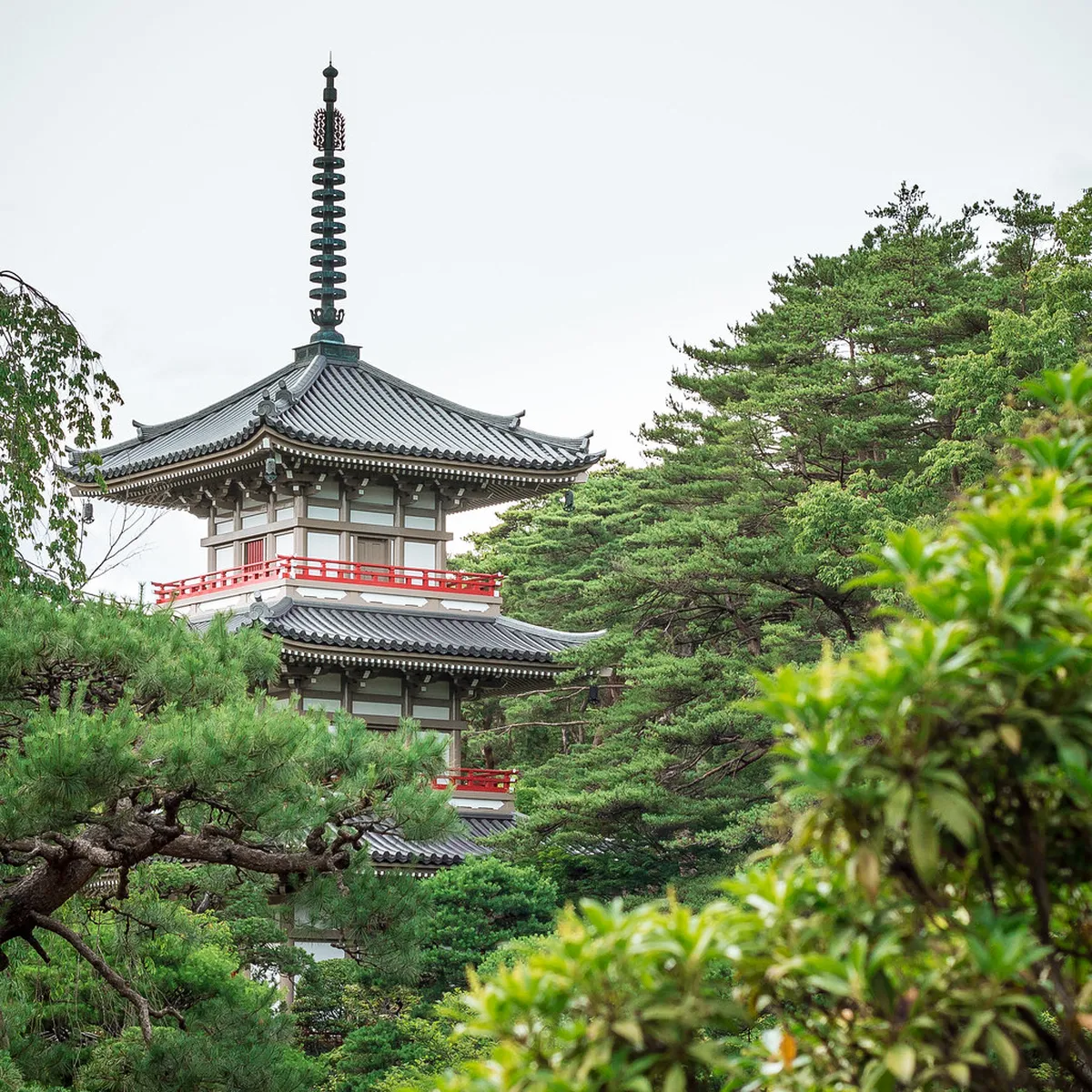
Historic Tendai Buddhist temple in Nikko founded in 766, home to the Sanbutsudo Hall with three giant gilded Buddha statues.
Visitor guide →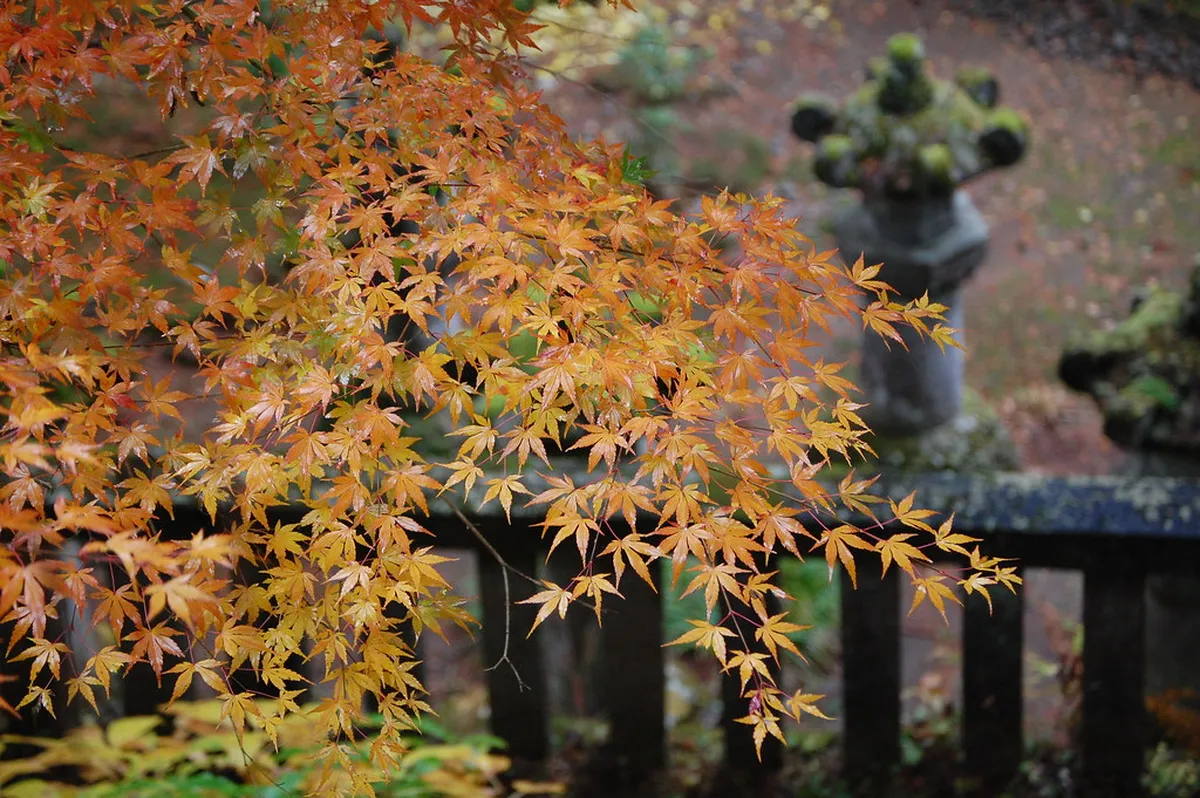
Taiyuin is the lavishly decorated 17th-century mausoleum of the third Tokugawa shogun, Iemitsu, set in cedar forest beside Rinno-ji in Nikko.
Visitor guide →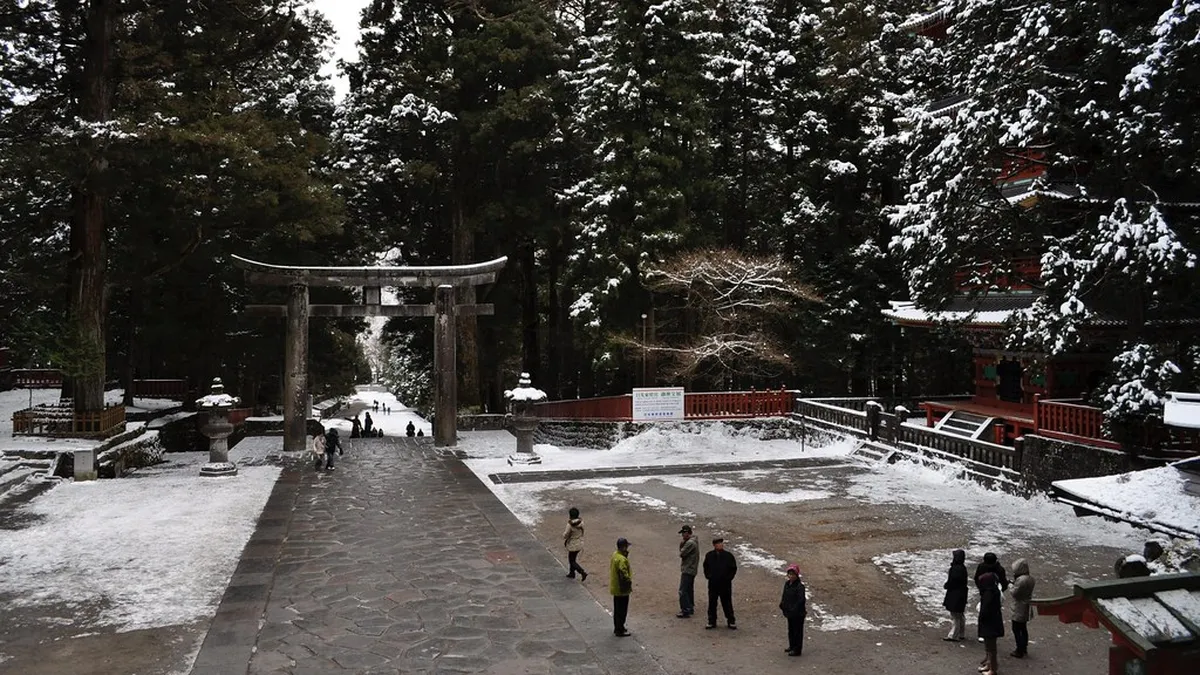
Nikko Futarasan Shrine is an ancient Shinto shrine founded in the 8th century, dedicated to the mountain deities of Nikko and forming part of the city's UNESCO World Heritage complex.
Visitor guide →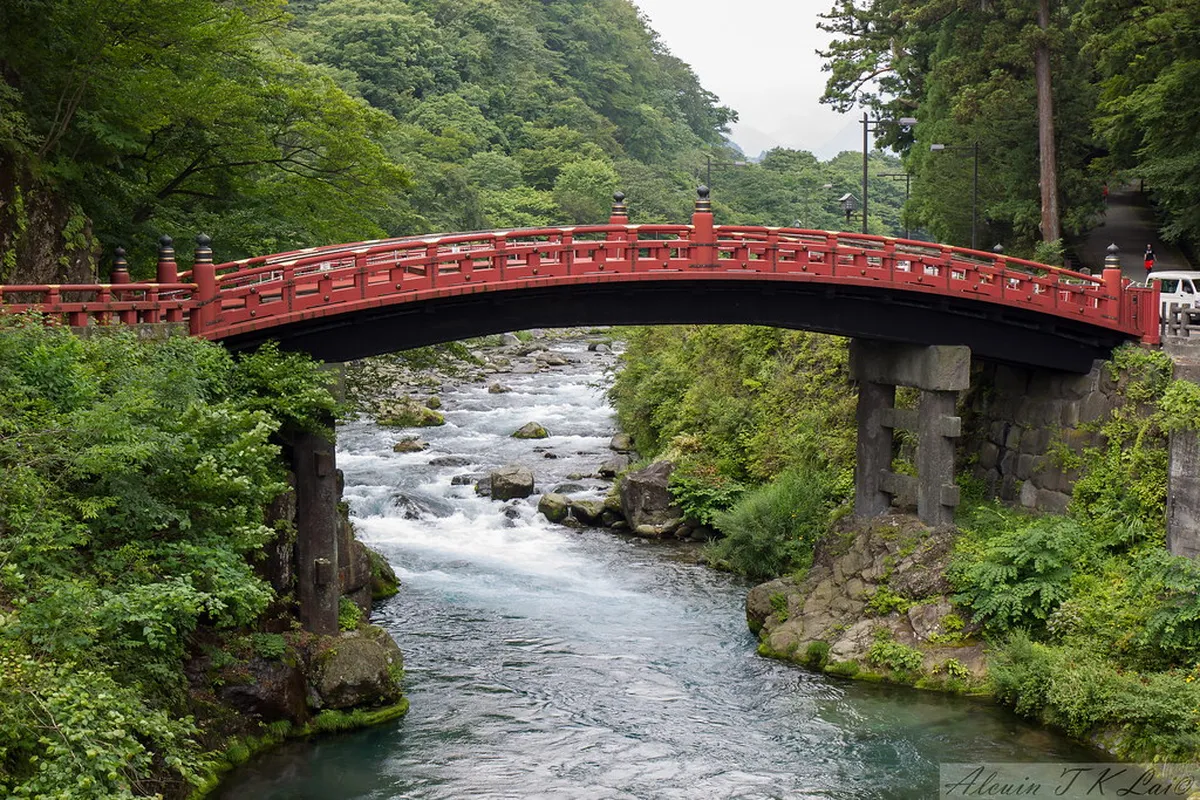
A sacred vermilion bridge over the Daiya River marking the gateway to Nikko's World Heritage shrines and temples.
Visitor guide →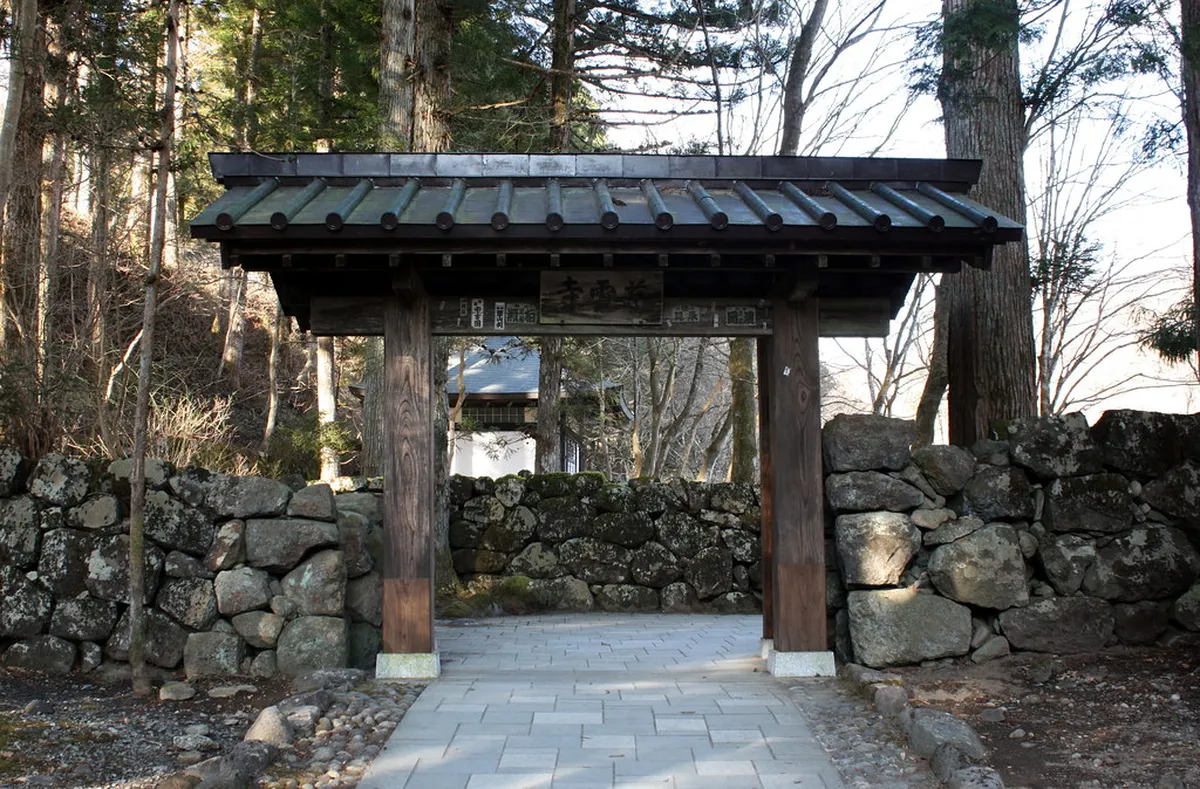
A free riverside gorge in Nikko lined with a row of about 70 weathered stone Jizo statues known as the Narabi Jizo.
Visitor guide →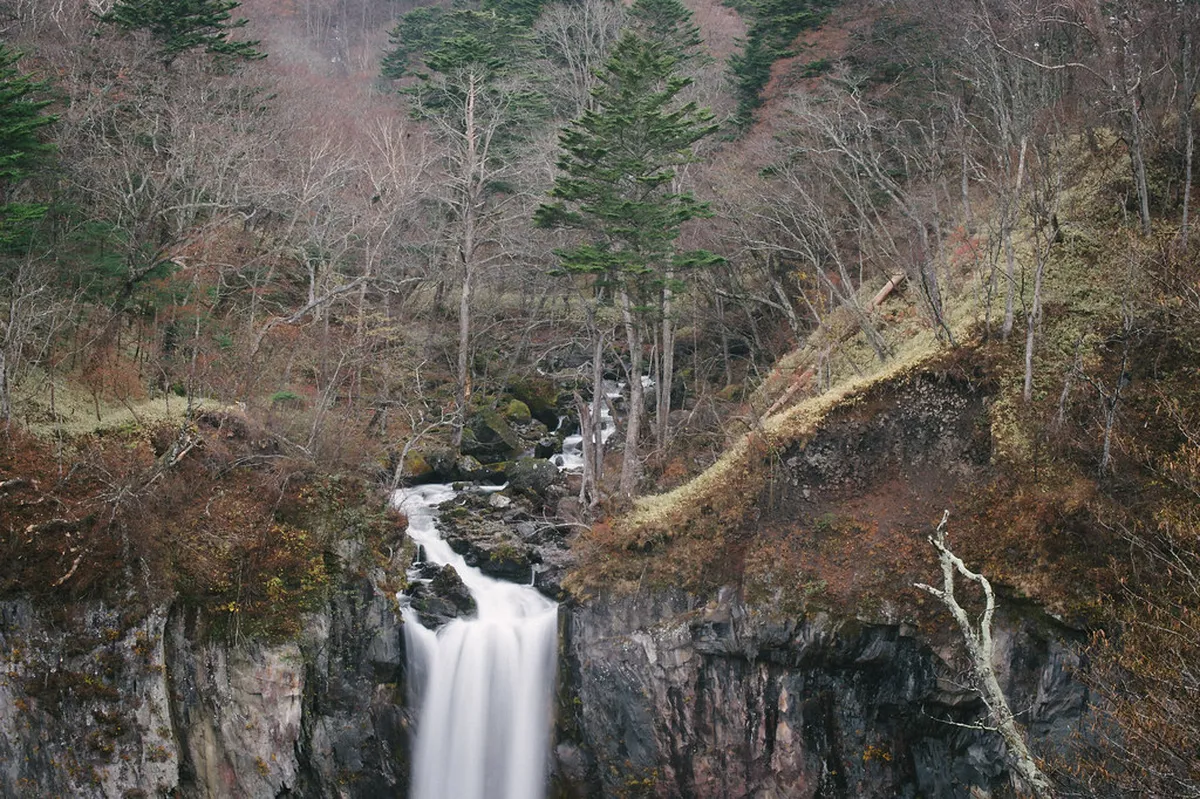
One of Japan's three most famous waterfalls, Kegon Falls plunges 97 metres from Lake Chuzenji and is reached via a 100-metre elevator down to a lower observation deck at its base.
Visitor guide →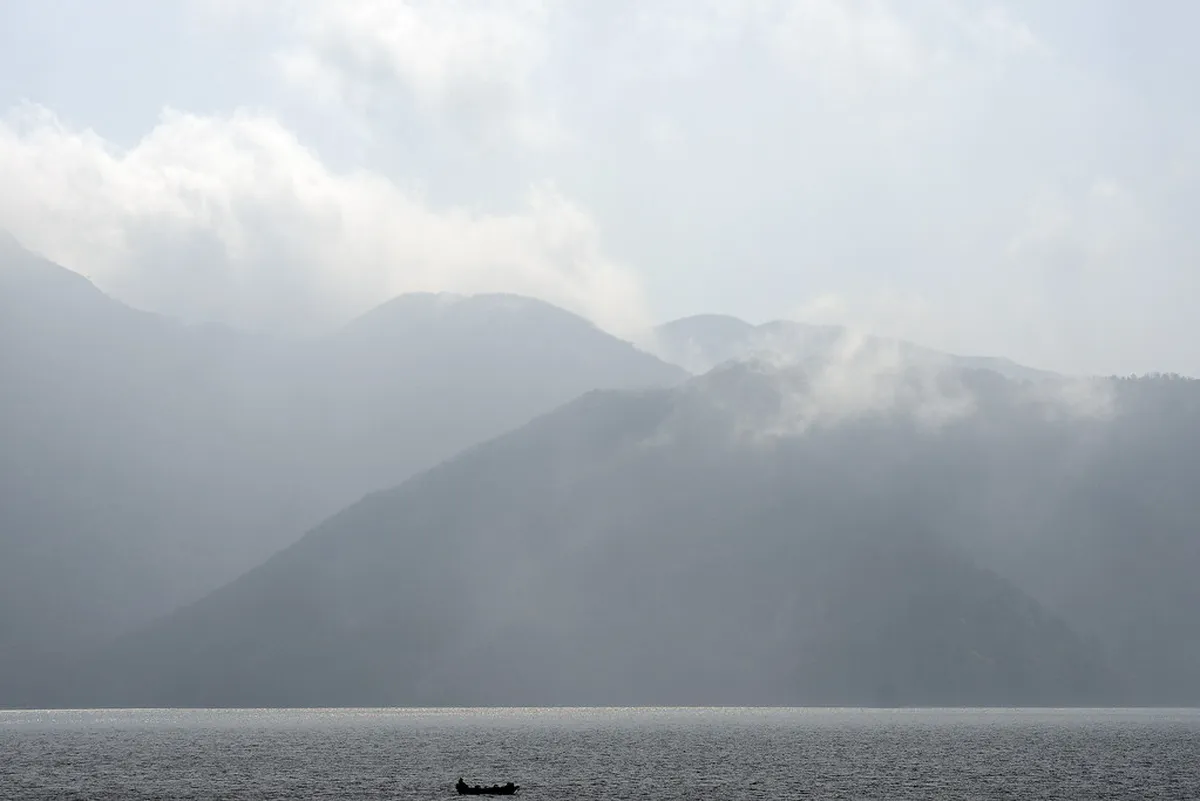
A high-altitude crater lake at the foot of Mount Nantai in Nikko National Park, free to visit year-round and famed for its autumn foliage and surrounding hot springs.
Visitor guide →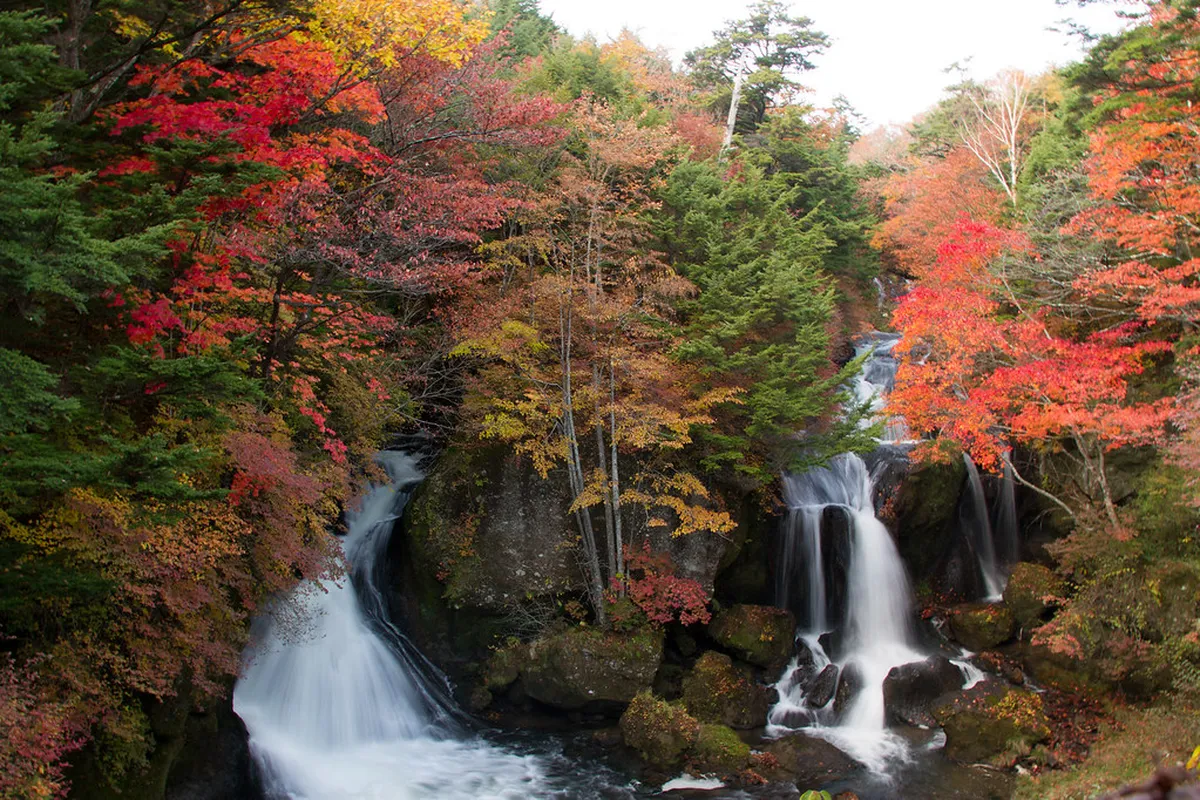
A scenic twin waterfall on the Yukawa River in Oku-Nikko, famous for its early-arriving autumn foliage and spring azaleas.
Visitor guide →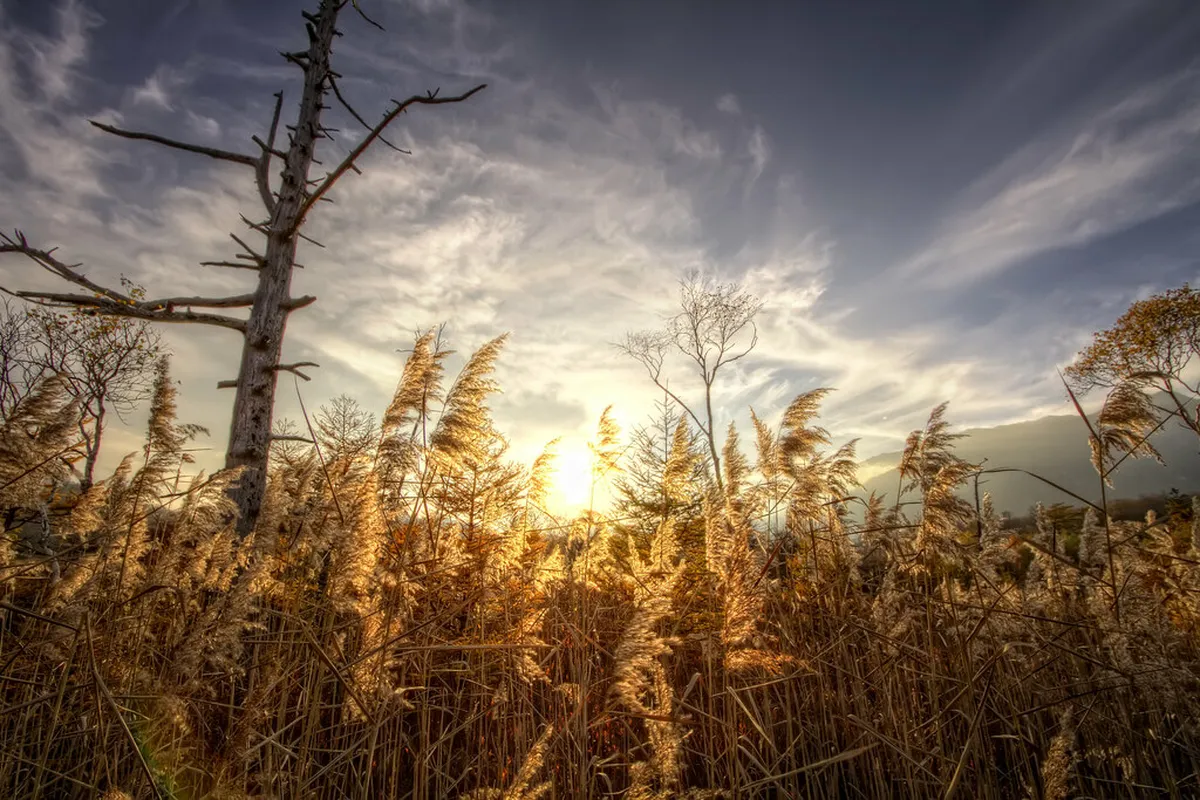
A vast high-altitude marshland in Oku-Nikko laced with flat boardwalk nature trails, prized for summer wildflowers and golden autumn grasses.
Visitor guide →Nikko's sights fall into two geographic zones, and understanding the split is the single most useful thing for planning your route. The lower town — where the trains arrive and the World Heritage shrines cluster — is compact and walkable, with everything reachable on foot once you climb up from the stations. Oku-Nikko sits high above it, up the Irohazaka mountain road, and runs on buses rather than your feet. Trying to bounce between the two more than once a day wastes hours, so group your visit by zone: shrines in one block, national park in another.
The World Heritage precinct sits 20–25 minutes on foot from Tobu Nikko and JR Nikko stations, or one short bus stop. Everything here is reachable on foot once you arrive:
Reached by bus up the hairpin Irohazaka road (about 45 minutes from the stations to Chuzenji Onsen). These sights are spread out, so allow a half to full day:
If you're choosing by interest rather than geography, here's how the 10 sights group:
One of Nikko's best-kept secrets is how much of it costs nothing. The famous shrines are ticketed, but every major nature site is free.
| Attraction | Entry Fee (2026) | Notes |
|---|---|---|
| Tōshō-gū Shrine | ¥1,600 | Main shrine complex |
| Taiyuin Mausoleum | ¥550 | Shogun Iemitsu's tomb |
| Rinnoji Temple (Sanbutsudo) | ¥400 | Three gilded Buddhas |
| Shinkyo Bridge (crossing) | ¥300 | Free to photograph from road |
| Kegon Falls elevator | ¥600 return | Upper deck is free |
| Lake Chuzenji, Ryuzu, Senjogahara, Kanmangafuchi | Free | No entry fee |
If you plan to enter several shrines, look at the bundled tickets. The two-shrine and combination tickets sold at the precinct can beat paying per site, and the Tobu Nikko World Heritage Area Pass bundles round-trip Tokyo rail with local buses around the shrines, while the broader All Nikko Pass adds the Oku-Nikko buses up to Lake Chuzenji and Yumoto Onsen.
The Tobu Nikko World Heritage Area Pass or All Nikko Pass bundles round-trip rail from Tokyo with local buses — worth buying before you travel if you plan to visit both the shrine precinct and Oku-Nikko on the same trip.
Leave Tokyo early. Start with Shinkyo Bridge, then spend the late morning in the shrine precinct — Tōshō-gū, Rinnoji and Futarasan, with Taiyuin if time allows. Grab lunch near the stations, then take the bus up Irohazaka for Lake Chuzenji and Kegon Falls in the afternoon, returning to Tokyo in the evening. It's a full, fast day; see our Nikko day trip from Tokyo guide for exact train times.
Day 1: the full shrine precinct at a relaxed pace, plus Kanmangafuchi Abyss in the afternoon. Stay overnight in lower Nikko or up at Chuzenji Onsen. Day 2: head into Oku-Nikko for Kegon Falls, a Lake Chuzenji cruise, Ryuzu Waterfall and the Senjogahara boardwalk. Our 2-day Nikko itinerary maps this out stop by stop.
Add a third day for hiking — the gentle Senjogahara-to-Yutaki Falls trail, the climb up sacred Mount Nantai, or a soak at the Yumoto Onsen hot springs above the marsh. A three-day trip also leaves room for sights beyond the core 10, such as the Edo Wonderland theme park or the rustic Tamozawa Imperial Villa, and the slower pace means you can time the free nature stops for the soft early-morning and late-afternoon light. See the full Nikko 3-day itinerary for the complete route.
From Tokyo: the easiest route is the Tobu Railway limited express from Asakusa Station — about 1 hour 50 minutes and from ¥3,050 one way. JR Pass holders can use JR lines via Utsunomiya, though it's slower. Full options and timetables are in our how to get to Nikko from Tokyo guide.
The shrine precinct: from Tobu Nikko or JR Nikko stations it's a 20–25 minute uphill walk (or one stop on the World Heritage Tour bus loop) to Shinkyo Bridge. Once there, all four shrines, the bridge and Kanmangafuchi are walkable — budget plenty of time for the gentle climb between Tōshō-gū and Taiyuin.
Oku-Nikko: Tobu buses run up the one-way Irohazaka switchbacks to Chuzenji Onsen (about 45 minutes), then continue past Ryuzu Waterfall to Senjogahara and Yumoto Onsen. Buses are the only practical way up without a car; the All Nikko Pass covers them. Note the road can be busy in peak autumn.
The Irohazaka switchback road to Oku-Nikko can gridlock on autumn weekends. If you visit during peak foliage (mid-to-late October), go midweek or take the early morning bus to avoid multi-hour delays.
Autumn (mid-to-late October) is Nikko's signature season, when the maples around Lake Chuzenji and the Irohazaka road blaze red and gold. Colour arrives earlier and higher up — Ryuzu Waterfall and Senjogahara often peak in early-to-mid October, before the lower town. It's spectacular but crowded: the Irohazaka road clogs on autumn weekends, so go midweek or start at dawn. Our best time to visit Nikko guide has the week-by-week foliage forecast.
Spring brings cherry blossoms to the shrine precinct and azaleas to Oku-Nikko. Summer is a popular escape from Tokyo's heat — Oku-Nikko stays cool at altitude, and the Senjogahara wildflowers are at their best. Winter turns the falls and marshland snowy and quiet, with frozen scenery at Yumoto Onsen; some upper buses run reduced schedules, so check ahead.
One day covers the shrine precinct plus Lake Chuzenji and Kegon Falls if you start early, but it's rushed. Two days lets you split culture and nature comfortably, and three days adds hiking and the wider national park. Most visitors find two days ideal.
Yes. Nikko is one of the best day trips from Tokyo — about 1 hour 50 minutes each way on the Tobu line from Asakusa. A day trip works well if you focus on the World Heritage shrines and one Oku-Nikko highlight; stay overnight if you want both in depth.
Nikko is most famous for the UNESCO World Heritage Tōshō-gū Shrine, the ornately decorated mausoleum of shogun Tokugawa Ieyasu, and for the surrounding Nikko National Park with Kegon Falls, Lake Chuzenji and its blazing autumn foliage.
Many are. All the major nature sites — Lake Chuzenji, Ryuzu Waterfall, Senjogahara Marshland, Kanmangafuchi Abyss and the upper deck at Kegon Falls — are free. The shrines and temples are ticketed, with Tōshō-gū at ¥1,600 the priciest.
The shrines and nature sites take walk-up tickets, so no advance booking is needed. It's worth reserving Tobu limited-express train seats from Asakusa in advance, especially on autumn weekends, and buying your Nikko pass before you travel.
Mid-to-late October for autumn foliage is the headline season, with Oku-Nikko peaking earlier in the month. Spring blossoms, cool summers and snowy winters all have their appeal — but expect heavy weekend crowds and bus jams during peak autumn.
Yes, with an early start. A realistic one-day plan is the shrine precinct in the morning, then the bus up to Lake Chuzenji and Kegon Falls in the afternoon. You won't have time for the marshland or hiking — those need a second day.
Walk the lower-town shrine precinct, where everything is close together, and use Tobu buses to reach Oku-Nikko via the Irohazaka road. The All Nikko Pass covers both the shrine loop and the buses up to Lake Chuzenji.
Once you've picked your sights, line up the logistics: choose a base with our where to stay in Nikko guide, lock in your route with the 2-day Nikko itinerary, and sort transport using how to get to Nikko from Tokyo. Each attraction card above links to a full visitor guide with verified 2026 prices, opening hours and on-the-ground tips.
