Nikko 2 Day Itinerary: The Complete 48-Hour Travel Guide
Plan the perfect Nikko 2 day itinerary with this guide to UNESCO shrines, Kegon Falls, and Lake Chuzenji. Includes Nikko Pass tips and local food picks.
On this page
I have explored Nikko four times now across different seasons. This mountain town offers a perfect escape for any first-timer visiting Japan. My guide helps you balance ancient UNESCO shrines with stunning natural landscapes. I last refreshed this plan after my recent autumn 2026 visit.
Most visitors rush through Nikko as a quick day trip from Tokyo. I recommend staying overnight to experience the peaceful morning mist. This 48-hour plan ensures you see the best sites without feeling rushed. It is built for travelers who love history and scenic photography.
Why Visit Nikko from Tokyo?
Nikko sits 150 km north of Tokyo in Tochigi Prefecture, but the contrast is total. You leave Shinjuku skyscrapers and arrive in an alpine national park where 17th-century Tokugawa shogun mausoleums sit inside a working cedar forest. The Toshogu shrine complex was inscribed on the UNESCO World Heritage List in 1999 and still draws roughly two million visitors a year.
Two days is the sweet spot. A single day forces you to choose between shrines and lakes; three days only pays off if you hike Mt. Nantai or chase deeper waterfalls. With 48 hours you can split cleanly: Day 1 in central Nikko for the shrines and town, Day 2 up the mountain for Kegon Falls, Lake Chuzenji, and the Senjogahara wetlands. If you are still weighing trip length, our Nikko itinerary overview compares 1-, 2-, and 3-day plans side by side.
The other reason to come is the food. Nikko is the spiritual home of yuba, the silken tofu skin that sustained Buddhist monks here for centuries. Almost every restaurant on the main road serves a yuba set, and it is the rare regional specialty that actually lives up to its reputation.
How to Get to Nikko and Around
You have two practical routes from Tokyo. The Tobu Limited Express SPACIA X from Asakusa Station reaches Tobu-Nikko Station in 110 minutes and costs about 3,150 yen one way. The JR option uses the Tohoku Shinkansen from Tokyo Station to Utsunomiya (50 minutes) then the local JR Nikko Line (45 minutes), totaling roughly 5,500 yen but covered if you hold a JR Pass. For most travelers without a JR Pass, SPACIA X wins on price, comfort, and a single transfer-free ride.
Reserve SPACIA X seats online via the Tobu website at least a week ahead in autumn. The Saturday morning trains in mid-October fill up two to three weeks out. Our full Tokyo-to-Nikko transport guide walks through the Klook and Tobu booking flows step by step.
Once in Nikko, the Tobu World Heritage Bus loop runs every 10 to 15 minutes from Tobu-Nikko Station to the shrine area in about 10 minutes. For Day 2, you switch to the Yumoto Onsen-bound bus (line Y) or the Chuzenji Onsen bus (line C) to climb the Irohazaka switchbacks up to the lake. You do not need a rental car for this two-day plan; the buses cover every stop on the route.
Is the Nikko Pass Worth It?
Two passes compete for the 2-day visitor, plus the JR Pass option. The math depends entirely on whether you are leaving central Nikko on Day 2.
| Pass | Price (2026) | Validity | Coverage | Best for |
|---|---|---|---|---|
| Nikko All Area Pass | ~¥4,780 | 4 days | Tobu round trip + all park buses incl. Chuzenji & Yumoto | 2-day or 3-day trip with lake |
| World Heritage Area Pass | ~¥2,120 | 2 days | Tobu round trip + shrine loop bus only | Shrine-only trip, no lake |
| JR Pass + city bus | Pass cost + ~¥600 bus | 7 days+ | Shinkansen to Utsunomiya + JR Nikko Line | Existing JR Pass holders only |
- Nikko All Area Pass (4-day, ~4,780 yen): covers the Tobu round trip from Asakusa, all sightseeing buses including the Chuzenji and Yumoto routes, and the Akechidaira Ropeway. This is the right pass for anyone following the standard 2-day itinerary that goes up to Lake Chuzenji.
- Nikko World Heritage Area Pass (2-day, ~2,120 yen): covers the Tobu round trip and the World Heritage Bus loop only. Skip this if you plan to visit Kegon Falls or Lake Chuzenji — the Chuzenji bus alone costs 1,250 yen one way and you will lose money.
- JR Pass: the JR Pass covers the Shinkansen to Utsunomiya plus the JR Nikko Line, but it does not cover any local Nikko buses or the Tobu line from Asakusa. JR Pass holders should buy individual bus tickets in Nikko, or add the bus-only "2-Day Nikko City Free Pass" (~600 yen) at the station.
For 90% of 2-day visitors, the All Area Pass is the easy answer. Buy it digitally on Klook before arrival or at the Tobu Tourist Information Center inside Tobu-Asakusa Station — the queues there can reach 30 minutes on weekend mornings.
Where to Stay in Nikko: Central vs. Okunikko
Deciding Where to Stay in Nikko: 6 Best Areas and Lodging Guide depends on your priorities. The area near Tobu-Nikko Station is best for convenience: bus terminal at the door, dozens of cafes and yuba restaurants within a five-minute walk, and the easy 7:30 AM exit on Day 2 morning. Mid-range hotels here run 12,000 to 22,000 yen per night for two.
Okunikko (the Lake Chuzenji area) offers a quieter, more traditional ryokan experience with private hot springs and lakefront sunrises. The trade-off is the 50-minute mountain bus to reach the shrines on Day 1 and the limited dining once your ryokan kitchen closes at 19:30. Pick this base if you are coming for the onsen and willing to plan around bus times. You can search both areas on Booking.com Nikko accommodations.
The hybrid play, if your budget allows, is to sleep one night in central Nikko after Day 1 and one night in a Chuzenji ryokan after Day 2 — this is what I did on my second trip and it removed all the bus stress. With heavy luggage, lockers at Tobu-Nikko Station (700 yen large) hold bags during the day so you can sightsee unencumbered.
Day 1: UNESCO World Heritage Shrines and Toshogu
Tour buses from Tokyo arrive at Toshogu around 10:30 AM. Catch the World Heritage Bus from stop 2A at 08:00 and get off at Shinkyo — you will have 90 quiet minutes at the shrine before the main crowds arrive.
Day 1 covers the four-shrine UNESCO complex plus the Kanmangafuchi Abyss, all on foot once you reach the bus stop. The single biggest tactical decision is timing: tour buses from Tokyo arrive at Toshogu around 10:30 AM, so any minute before that is calmer.
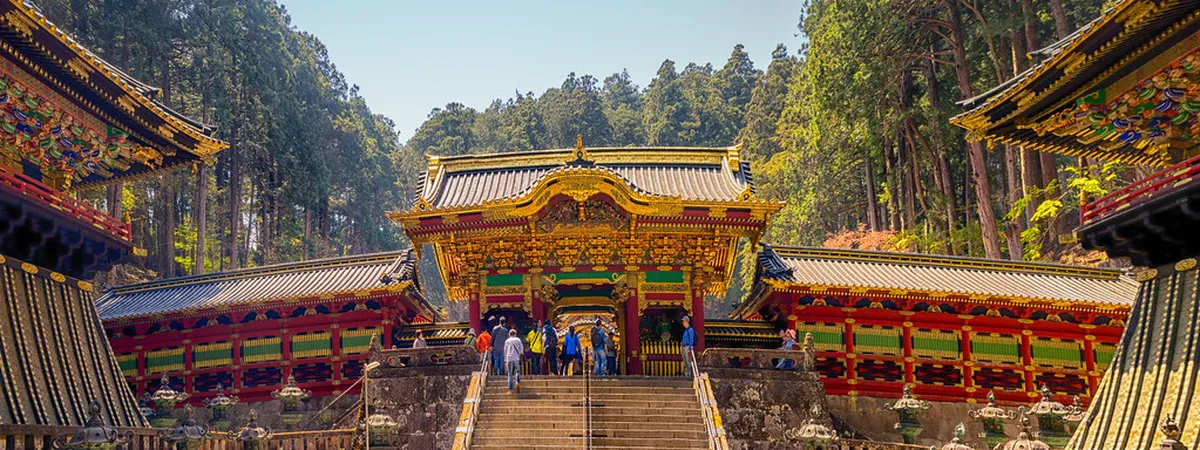
- 08:00 — Catch the World Heritage Bus from stop 2A at Tobu-Nikko Station. Get off at Shinkyo bus stop after 8 minutes.
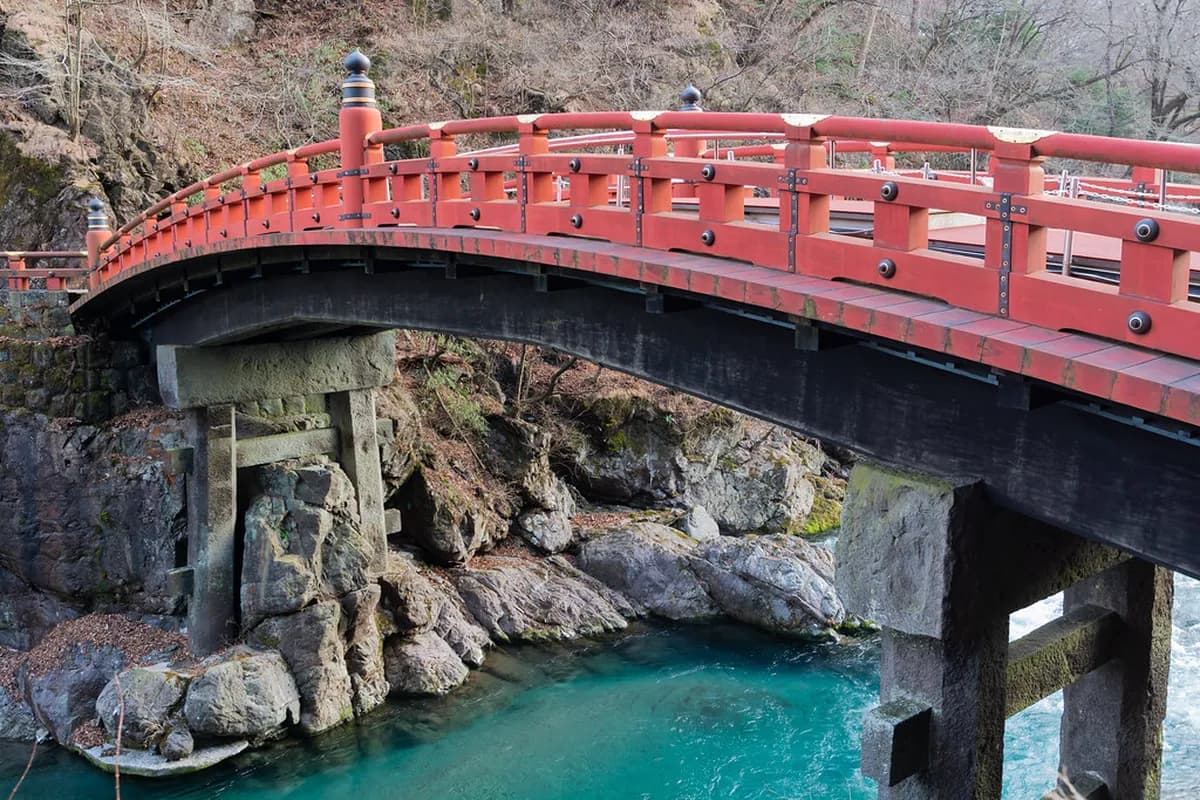
- 08:15 — Photograph the vermilion Shinkyo Bridge from the modern road bridge alongside (free). Walking on Shinkyo costs 300 yen but is a dead-end stub; skip the fee unless you want the on-bridge photo.
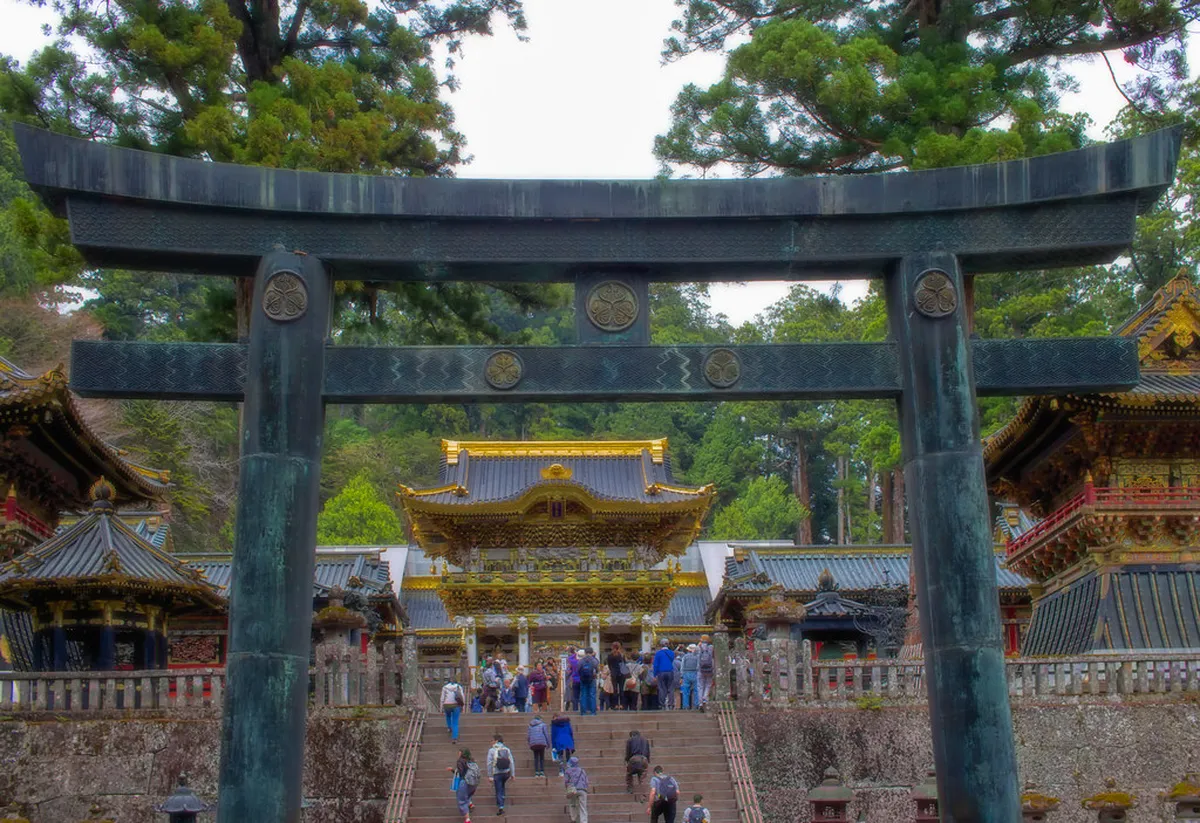
- 08:30 – 10:00 — Enter the Toshogu Shrine the moment the gate opens at 09:00 (1,600 yen). Climb the 207 stone steps to Tokugawa Ieyasu's tomb before the line forms, then double back to admire the Yomeimon Gate carvings, the Three Wise Monkeys, and the Sleeping Cat. Budget 90 minutes.
- 10:15 – 11:00 — Walk five minutes to Futarasan Shrine. Most of the grounds are free; the inner paid area (300 yen) holds two National Treasure swords and the "fountain of youth." Look for heart-shaped motifs and rabbit statues — Futarasan is famous for love-and-luck prayers.
- 11:00 – 12:00 — Cross to Rinnoji Temple (400 yen, or 1,000 combo with the mausoleum). The Sanbutsudo hall houses three 8-meter gold-lacquered Buddhas — the largest seated wooden Buddhas in Japan. Add the Taiyuin Mausoleum (Tokugawa Iemitsu, the third shogun) if you bought the combo ticket.
- 12:00 – 13:15 — Yuba lunch on the main road back toward the station. See the food section below for the specific stop I recommend.
- 13:30 – 15:00 — Walk 20 minutes south to Kanmangafuchi Abyss. The riverside trail passes 70-plus stone Jizo statues in red knit caps; the count famously never matches. The walk takes about an hour at photography pace.
- 15:15 – 16:30 — Return via the Tamozawa Imperial Villa (600 yen, closed Tuesdays) for a quiet finish — 106 tatami rooms inside the only surviving wooden Imperial Villa in Japan, with a 400-year-old weeping cherry tree in the garden.
- 17:00 onward — Bus or walk back to your hotel. Eat dinner before 18:00 (see closing-time warning below).
If you arrive the night before and start at 08:00 sharp, you finish Day 1 at a sustainable pace with photo time at every stop. Skip the Tamozawa Villa if you are a slow shrine walker; substitute it for the Nikko National Park visitor center for park orientation.
Day 2: Okunikko Nature, Waterfalls, and Lake Chuzenji
Day 2 climbs 600 vertical meters up the Irohazaka switchback road into Okunikko, the highland half of Nikko National Park. The bus ride alone is half the experience — 48 hairpin turns, each labeled with a hiragana character spelling out the alphabet, designed in 1954 to handle the volume of pilgrims to the lake.
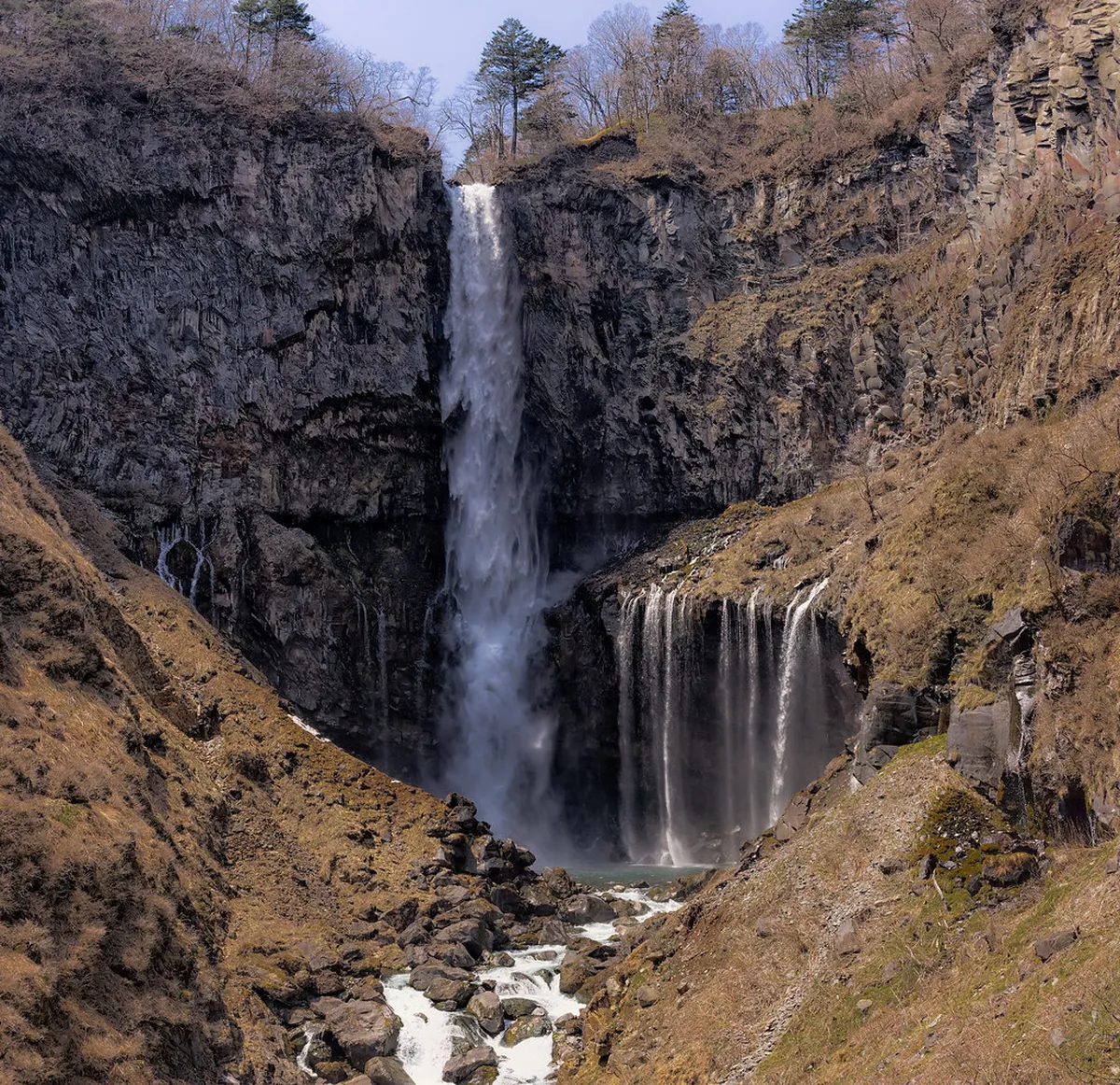
- 07:30 — Eat hotel breakfast or grab onigiri from the FamilyMart near the station. Catch the 08:00 bus from stop 2B (Yumoto/Chuzenji-bound). Sit on the right side going up for the best valley views.
- 08:50 – 09:00 — Optional stop at Akechidaira Plateau for the ropeway (1,000 yen round trip, 3 minutes each way). The observation deck shows Kegon Falls, Mt. Nantai, and Lake Chuzenji in a single frame — the best wide shot in Nikko.
- 09:15 – 10:30 — Get off at Chuzenji Onsen. Walk five minutes to Kegon Falls. Pay the 600-yen elevator fee for the head-on observation platform 100 meters below the rim — the free upper viewpoint is fine but oblique.
- 10:45 – 12:00 — Walk 10 minutes downhill to Lake Chuzenji. Choose between a 55-minute lake cruise (1,400 yen) or the lakeside walk past the British and Italian Embassy Villas (200 yen each, both worth it for the early Showa-era diplomatic architecture).
- 12:00 – 13:00 — Lakeside lunch. Trout (himemasu) and yuba both feature on the Chuzenji menus.
- 13:15 – 16:00 — Bus 20 minutes further to Ryuzu Falls, then continue to Senjogahara Marshland. The flat boardwalk loop runs about 6 km and takes two hours at strolling pace. In May the cotton grass blooms; in October the marsh turns gold.
- 16:15 – 17:15 — Loop back via Yudaki Falls and Yunoko Lake if time allows, or head straight back to Chuzenji Onsen for the late afternoon descent.
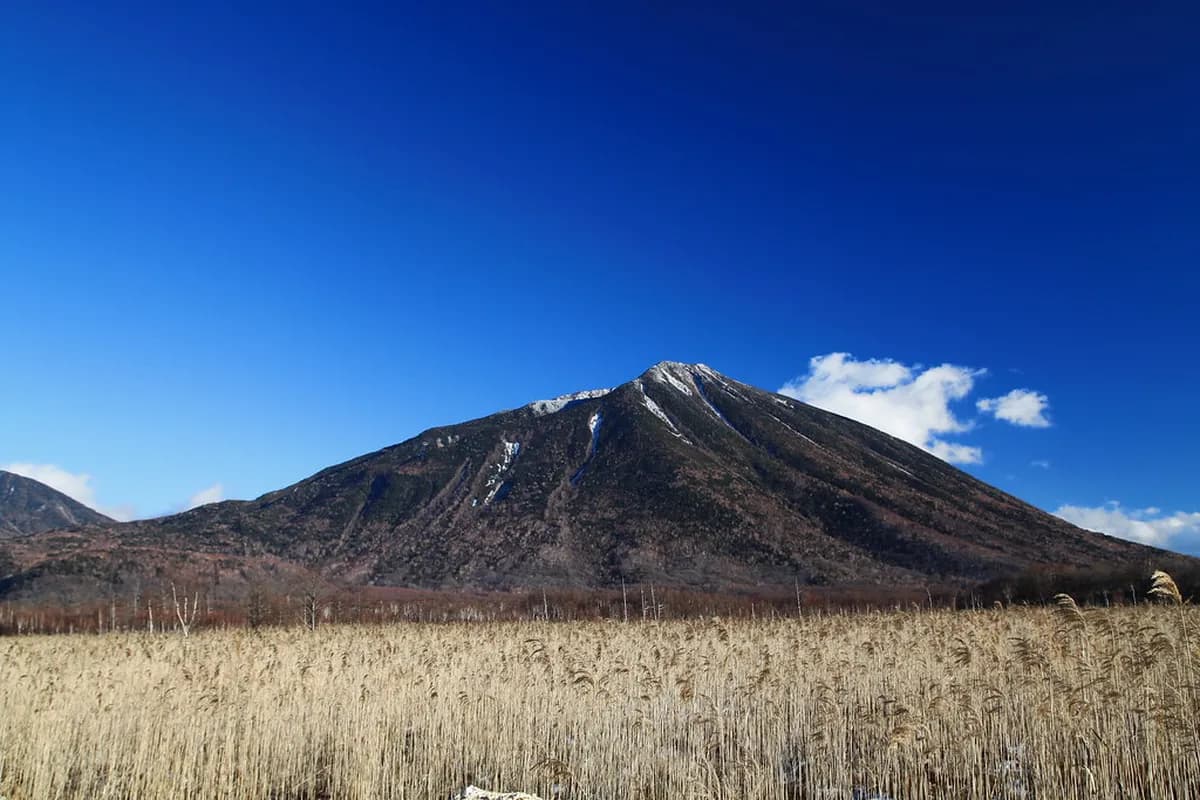
- 17:30 – 18:30 — Sunset at the Chuzenji Pier on the south side of the lake. Most day-trippers have already boarded the down-bus by 17:00, leaving the pier almost empty. Mt. Nantai catches the last light from this angle.
- 19:00 — Bus down the descent-only Irohazaka road back to Tobu-Nikko Station (50 minutes), or stay the night in a Chuzenji ryokan.
Skip the marshland if it is raining hard — the boardwalk gets slick and visibility falls to 50 meters. Substitute an indoor onsen at Yumoto (40 minutes further by bus) or backtrack to the Tamozawa Imperial Villa if you skipped it on Day 1. Senjogahara boardwalks are also officially closed roughly mid-November through late April due to snow, so winter visitors should plan a Yumoto onsen day instead.
Picking the Right Tobu Bus: A Detail Most Guides Skip
The Tobu bus map at Tobu-Nikko Station looks color-coded but the route letters trip up first-timers. Three lines run from the station and each goes to a different distance — boarding the wrong one wastes an hour you cannot recover.
The World Heritage Bus loop (line 2A) only goes as far as the Taiyuin/Futarasan stop and back. It is the right bus for Day 1 only. Do not board it on Day 2 expecting to reach the lake — it does not climb Irohazaka.
The Chuzenji Onsen bus (line C, stop 2B) runs hourly to Lake Chuzenji and terminates there. Use it on Day 2 if you are not going past the lake. The Yumoto Onsen bus (line Y, also stop 2B) continues past Chuzenji through Senjogahara to the Yumoto hot springs at the far end of the park. For the full Day 2 route described above, line Y is more efficient because it stops at Akechidaira, Chuzenji, Ryuzu, and Senjogahara on the same outbound ticket. Show your Nikko All Area Pass to the driver as you exit — both Y and C are fully covered.
One more caveat: the morning Y bus from Tobu-Nikko at 08:00 is heavily used by hotel staff commuting to Yumoto, so even with reserved buses there is standing room only on the first 20 minutes uphill. Aim for the 08:30 instead if you can — the crowd thins and you get a window seat by the time the road starts curving.
Where to Eat: Yuba and Local Specialties
Yuba (湯波) is the food you came for whether you knew it or not. It is the protein-rich skin that forms when soy milk simmers, and Nikko's mountain water gives it a sweeter, denser texture than Kyoto's version. Two preparations matter when you order: kumiage yuba is the soft scooped curd served like delicate tofu, while hikiage yuba is the rolled-up sheets used in soups and tempura. Asking for a yuba teishoku (set meal) gets you both styles plus rice, miso, and pickles for around 1,800 to 2,400 yen.
For the central Nikko lunch slot on Day 1, head to Nikko Maruhide Shokudo on the main road between the bridge and the station. Their yuba teishoku is the local benchmark and the staff will explain each dish. Arrive by 11:30 to avoid the 45-minute wait that builds on weekends after 12:30. Asaya Resthouse near Shinkyo Bridge is the easier overflow option — bigger tables, QR-code English menu, and yuba ramen for 1,400 yen.
For dinner, the closing-time warning matters: most central Nikko restaurants stop seating between 17:30 and 18:30, and the few that stay open later have queues. Eat early or eat at your hotel. The FamilyMart and the small Lawson near Tobu-Nikko Station are the only late-night options and they close at 22:00. On Day 2 in Chuzenji, the lakeside cafes serve trout and yuba bento until 16:30, and almost everything outside hotel restaurants is shut by 18:00.
What I Wish I Knew Before Visiting Nikko
Most central Nikko restaurants stop seating between 17:30 and 18:30. The FamilyMart and Lawson near Tobu-Nikko Station are the only late-night options and close at 22:00. Eat dinner early or confirm your hotel dining hours at check-in.
The biggest surprise for me was the early restaurant closures. Most places in the town center close by 18:00 and the kitchens often stop at 17:30. I once walked for twenty minutes looking for an open cafe after a late shrine visit. Plan dinner before 18:00 or confirm your hotel dining hours when you check in.
The weather in the mountains changes very quickly. I got caught in a sudden downpour at Kegon Falls on a clear morning that turned by 11 AM. Always carry a small umbrella or a light waterproof jacket. Temperature drops 6 to 8°C between Tobu-Nikko Station and the lake elevation, so a fleece on Day 2 is non-negotiable even in summer.
You should buy the Nikko All Area Pass before you arrive. It covers all your bus rides, the Akechidaira Ropeway, and the Tobu round trip from Asakusa. I calculated that it saved me roughly 3,200 yen versus paying individual fares on a standard 2-day route. The booking link inside the Klook app is faster than queueing at Tobu-Asakusa.
Finally, plan around Tuesdays — Tamozawa Imperial Villa is closed every Tuesday, and a number of Chuzenji-area cafes close on a rotating Tuesday or Wednesday schedule. Book Limited Express seats two to three weeks ahead in autumn (mid-October to early November). For a deeper context on what to skip if you only have time for the headline shrines, see our Nikko day-trip guide.
Rainy Day and Winter Alternatives
Nikko's weather is famously fickle and Day 2 is the more vulnerable half of the plan. If the forecast calls for steady rain or fog above 1,000 meters, swap the Senjogahara boardwalk and Lake Chuzenji walk for an indoor stack: the Tamozawa Imperial Villa (covered architecture, 90 minutes), the Akechidaira Ropeway (still runs in light rain, 30 minutes), and a long onsen soak at Yashinoyu (1,000 yen day-use, until 21:00). The yuba lunch and Kegon Falls elevator viewing platform are both fully indoor and stay on the rainy-day plan.
Winter (December through early April) closes the marshland boardwalks and turns the upper Irohazaka into a chains-required road for cars; buses still run but service drops to roughly half-hourly. The compensation is that Yumoto Onsen becomes a snow-bath destination, the lake fringes freeze in clear ice rings around the inflows, and the shrines themselves take on a quieter, near-empty feel after 14:00. If you visit December through March, treat Day 2 as a half-day to Kegon Falls plus a half-day in Yumoto, and skip the marshland.
Final Thoughts: Is Nikko Worth Visiting?
Two days in Nikko gives you the only practical balance between man-made and natural Japan within easy reach of Tokyo. Day 1 delivers UNESCO history at the level of Kyoto without the Kyoto crowds; Day 2 puts you inside a national park most international visitors never see. The Tobu Limited Express makes the round trip painless, and a single 4,780-yen pass covers almost everything you need to ride.
The cautions are minor and predictable: book trains in autumn, eat dinner early, and pick the right bus on Day 2. Skip Nikko only if you genuinely have less than two full days — a 9-hour day trip leaves you sprinting through the shrines and not seeing the lake at all, and that is the Nikko mistake worth avoiding.
Frequently Asked Questions
Is 2 days enough for Nikko?
Yes, 2 days is the perfect amount of time. It allows you to see the UNESCO shrines and the natural beauty of Okunikko. You will not feel rushed like a day-tripper.
What is the best time to visit Nikko?
Autumn is the most popular time for vibrant red leaves. However, late spring offers beautiful greenery and fewer crowds. Winter is peaceful but very cold with some closures.
Nikko is a destination that stays with you long after you leave. The combination of gold-leaf shrines and misty waterfalls is truly unique. I hope this itinerary helps you plan a seamless mountain adventure. Enjoy the fresh air and the incredible history of this region.
Pair this with our broader Nikko attractions guide for the full city overview, or browse guided Nikko tours if you would rather have a local handle the logistics.
Free: The Nikko Essentials guide
Top things to do, where to stay, a perfect day plan, getting around, and the best time to go — a Nikko mini-guide you can take offline.
You might also like


Continue reading
More guides you'll find useful