Nikko Itinerary: 1-Day, 2-Day & 3-Day Plans (2026 Guide)
The complete Nikko itinerary for 2026. Compare 1-day, 2-day and 3-day plans with shrines, Lake Chuzenji, Kegon Falls, transport, passes, and where to stay.
On this page
TL;DR — How long should you spend in Nikko? For most first-time travelers, 2 days is the sweet spot: one day for the UNESCO shrine complex (Toshogu, Futarasan, Rinno-ji) and one day for Lake Chuzenji and Kegon Falls. A 1-day trip from Tokyo works only if you skip the lake. Add a 3rd day if you want Edo Wonderland, an onsen ryokan stay, or autumn foliage hikes around Yumoto. Tokyo to Nikko takes roughly 2 hours each way by Tobu Limited Express from Asakusa.
Nikko is one of Japan's most rewarding side trips from Tokyo, and the right itinerary depends entirely on how many days you can spare. This 2026 guide compares the three most common Nikko plans — a tight 1-day day trip, a balanced 2-day trip (the most-recommended option), and a 3-day deep dive — so you can pick the one that fits your travel style. We've cross-checked it against current Tobu Railway timetables, 2026 admission fees, and seasonal road conditions on the Iroha-zaka route to Lake Chuzenji.
For deeper coverage of the individual experiences mentioned below, see our Nikko attractions pillar guide, the dedicated 2-day Nikko itinerary walk-through, and the standalone Nikko Day Trip From Tokyo: The Ultimate 1-Day Itinerary playbook for travelers who only have one day.
How Long Should You Spend in Nikko?
Nikko rewards every length of visit, but the marginal value of each extra day differs sharply. Here is the trade-off in plain terms.
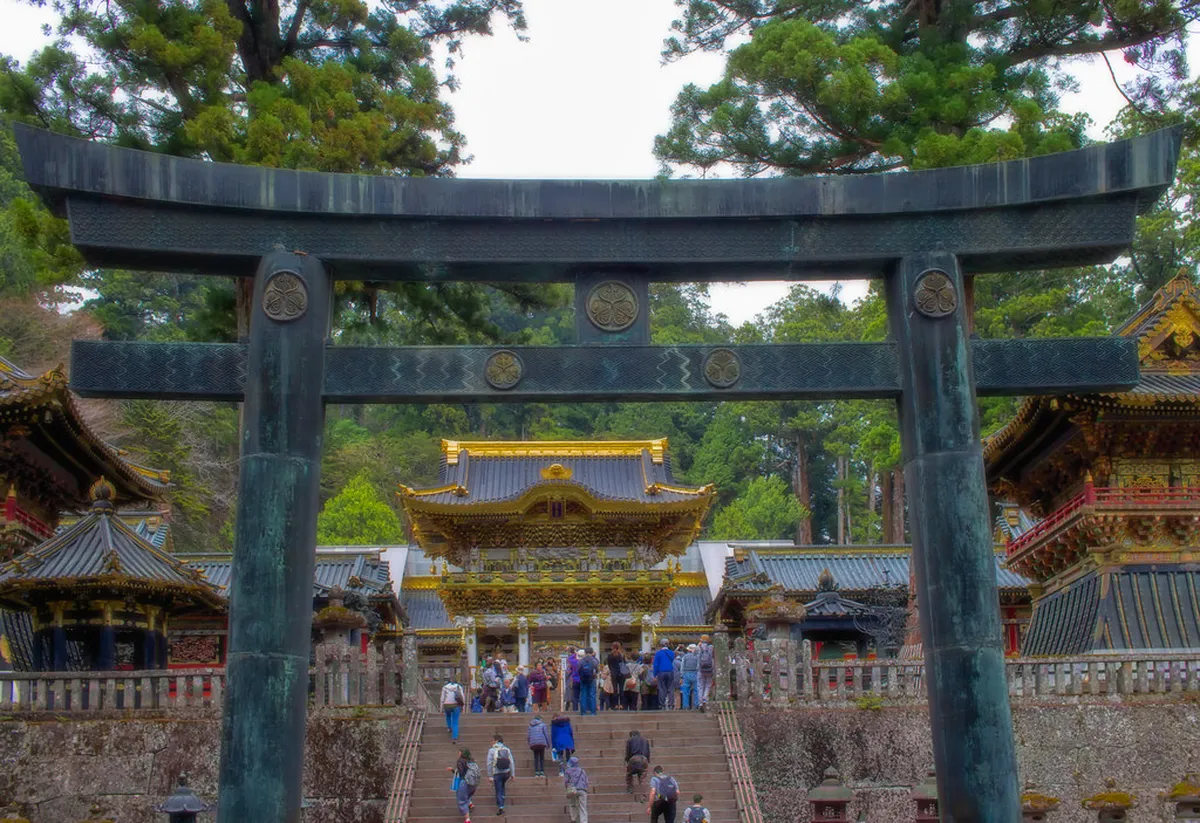
- 1 day (day trip from Tokyo): Enough time for the UNESCO shrine complex and a quick lunch — but you will not reach Lake Chuzenji unless you cut shrine time short. Best for travelers on a tight Tokyo schedule who only want the cultural highlights.
- 2 days (recommended): Day 1 covers the shrines and temples in central Nikko. Day 2 takes you up the Iroha-zaka mountain road to Lake Chuzenji, Kegon Falls, and back. You sleep one night in town — ideally in a ryokan with onsen access. This is what most first-time visitors should pick.
- 3 days (deep dive): Adds Edo Wonderland, the higher-altitude Yumoto Onsen and Senjogahara marshland, or a slower foliage walk in autumn. Useful for nature lovers, photographers, or repeat visitors.
- 4+ days: Diminishing returns unless you are hiking Mount Nantai, doing extended onsen-hopping, or photographing winter snowscapes. Most travelers will not need this.
The Iroha-zaka mountain road to Lake Chuzenji can close after heavy January–February snowfall. Winter visitors should default to the 1-day shrine itinerary or a Kinugawa Onsen hot-spring stay — the road closure removes Day 2 of the 2-day plan entirely.
Helpful sibling reads while you're choosing: the best time to visit Nikko (autumn vs cherry blossoms vs winter), Where to Stay in Nikko: 6 Best Areas and Lodging Guide (ryokan vs hotel vs lakeside), and How To Get To Nikko From Tokyo: 10 Essential Travel Tips (Tobu vs JR vs bus).
| Duration | What You See | Recommended Pass | Overnight? |
|---|---|---|---|
| 1 day | UNESCO shrines (Toshogu, Futarasan, Rinnoji) OR Lake Chuzenji + Kegon Falls | World Heritage Pass (~¥2,120) | No |
| 2 days | Shrines Day 1 + Lake Chuzenji / Kegon Falls Day 2 | All Area Pass (~¥4,780) | Yes — central Nikko |
| 3 days | Above + Edo Wonderland or Senjogahara + Yumoto Onsen | All Area Pass (~¥4,780) | Yes — 2 nights |
| 4+ days | Mt. Nantai hike, extended onsen-hopping, winter snowscapes | All Area Pass | Yes — multiple areas |
1-Day Itinerary: Nikko Day Trip from Tokyo
Toshogu Shrine opens at 08:00 (April–October) or 09:00 (November–March). Arriving by 08:30 gives you 90 quiet minutes before tour groups arrive around 10:00 — this single timing decision makes the biggest difference to your experience.
A 1-day Nikko itinerary works as long as you accept one constraint: you will not realistically make it to Lake Chuzenji. The Iroha-zaka winding road plus a meaningful stop at the lake and Kegon Falls eats roughly 4 hours including transit, which is incompatible with also covering the shrine complex properly. Pick one or the other.
If this is your only day, prioritize the UNESCO sites — they are the reason Nikko has its reputation. For travelers who want a Lake Chuzenji-focused day trip instead, the dedicated Nikko Day Trip From Tokyo: The Ultimate 1-Day Itinerary guide covers both variants in detail.
Sample 1-Day Schedule (Shrine Focus)
- 06:30 — Tobu Limited Express "Spacia" or "Revaty" from Asakusa Station to Tobu-Nikko (about 1h 50m). Reserved seat ~¥2,860.
- 08:30 — Arrive Tobu-Nikko. Take the World Heritage Loop Bus (covered by the Nikko Pass) to Shinkyo Bridge.
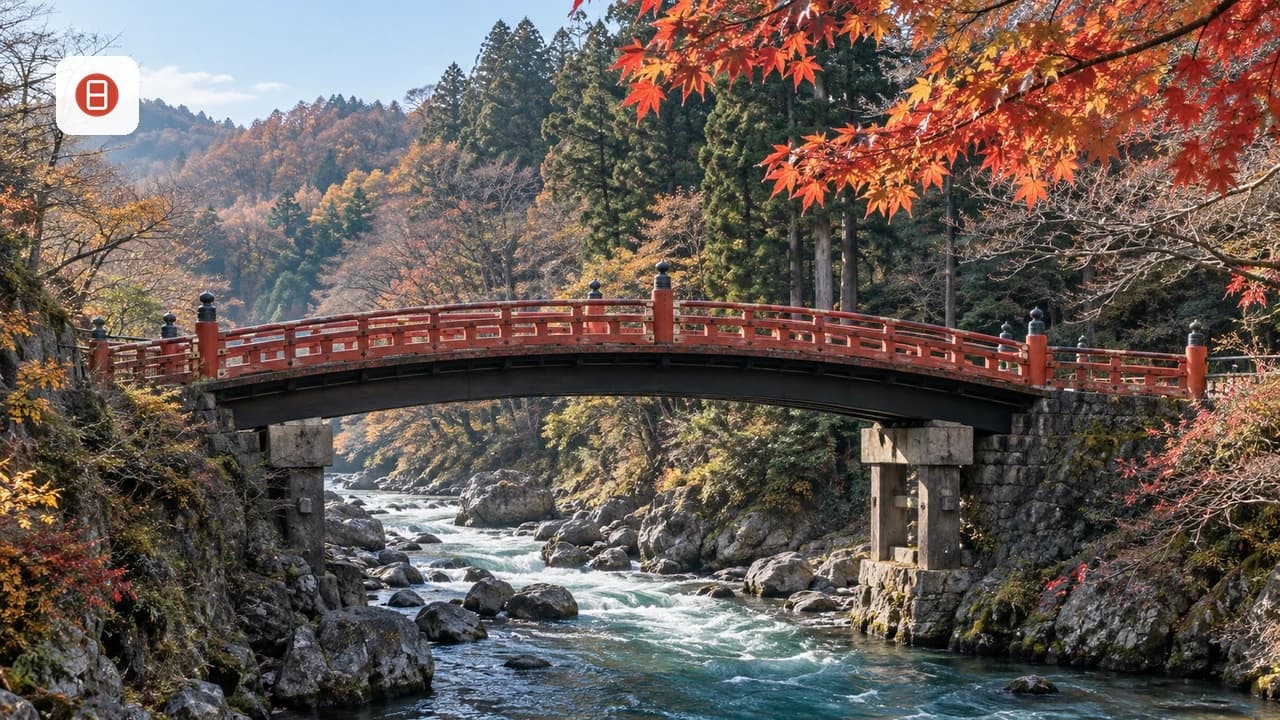
- 09:00 — Cross Shinkyo Bridge and walk up to Toshogu Shrine. Spend 90 minutes — Yomeimon Gate, the Sleeping Cat carving, the Three Wise Monkeys, and Ieyasu's tomb.
- 10:30 — Walk 5 minutes to Futarasan Shrine (30 min) and Rinno-ji Temple (45 min, see the Sanbutsudo Hall).
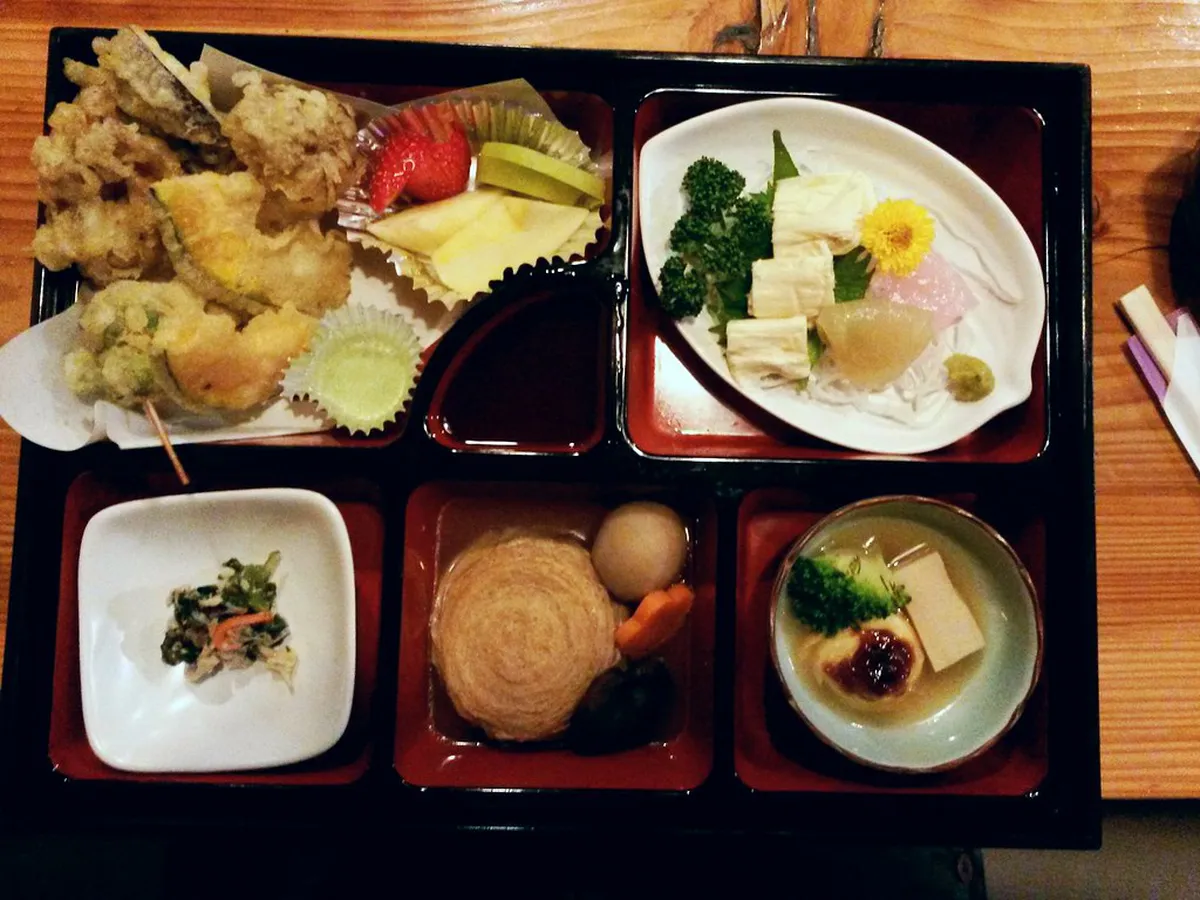
- 12:30 — Lunch in central Nikko. Try yuba-don (tofu skin rice bowl) at Hippari Dako or a kaiseki set near the Tobu station.
- 14:00 — Visit Taiyuin Mausoleum (the often-skipped third Tokugawa shogun shrine — quieter and more atmospheric than Toshogu).
- 15:30 — Walk back through the cedar avenue, browse souvenirs along the main street, grab a manju steamed bun.
- 16:30 — Catch the limited express back to Asakusa. Arrive Tokyo around 18:30.
Get the Nikko World Heritage Pass (¥2,120 in 2026) — it covers round-trip rapid train from Asakusa to Tobu-Nikko plus the World Heritage Loop Bus, but excludes the limited express surcharge. If you take the Spacia, top up the seat fee separately. The pass pays for itself versus buying tickets individually.
2-Day Itinerary: The Recommended Plan
The 2-day Nikko itinerary is the version we recommend to most readers — it gives you the cultural Day 1 and the natural Day 2 without rushing either, with one overnight stay in town. What follows is a condensed plan; for the full hour-by-hour breakdown including ryokan recommendations, restaurant picks, and what to do if it rains, see the dedicated 2-day Nikko itinerary guide.
Day 1 — UNESCO Shrines and Temples
Take the early Tobu Limited Express from Asakusa and arrive in Nikko by 09:00. Spend the morning at Toshogu Shrine, then visit Futarasan Shrine and Rinno-ji Temple before lunch. In the afternoon, explore Taiyuin Mausoleum and the Shoyoen Garden, then walk down to the Kanmangafuchi Abyss to see the row of jizo statues along the Daiya River — a quiet contrast to the shrine crowds. Check into your ryokan or hotel before dinner. If you booked a place with onsen access, allow 60–90 minutes for a soak before your evening kaiseki meal.
Day 2 — Lake Chuzenji and Kegon Falls
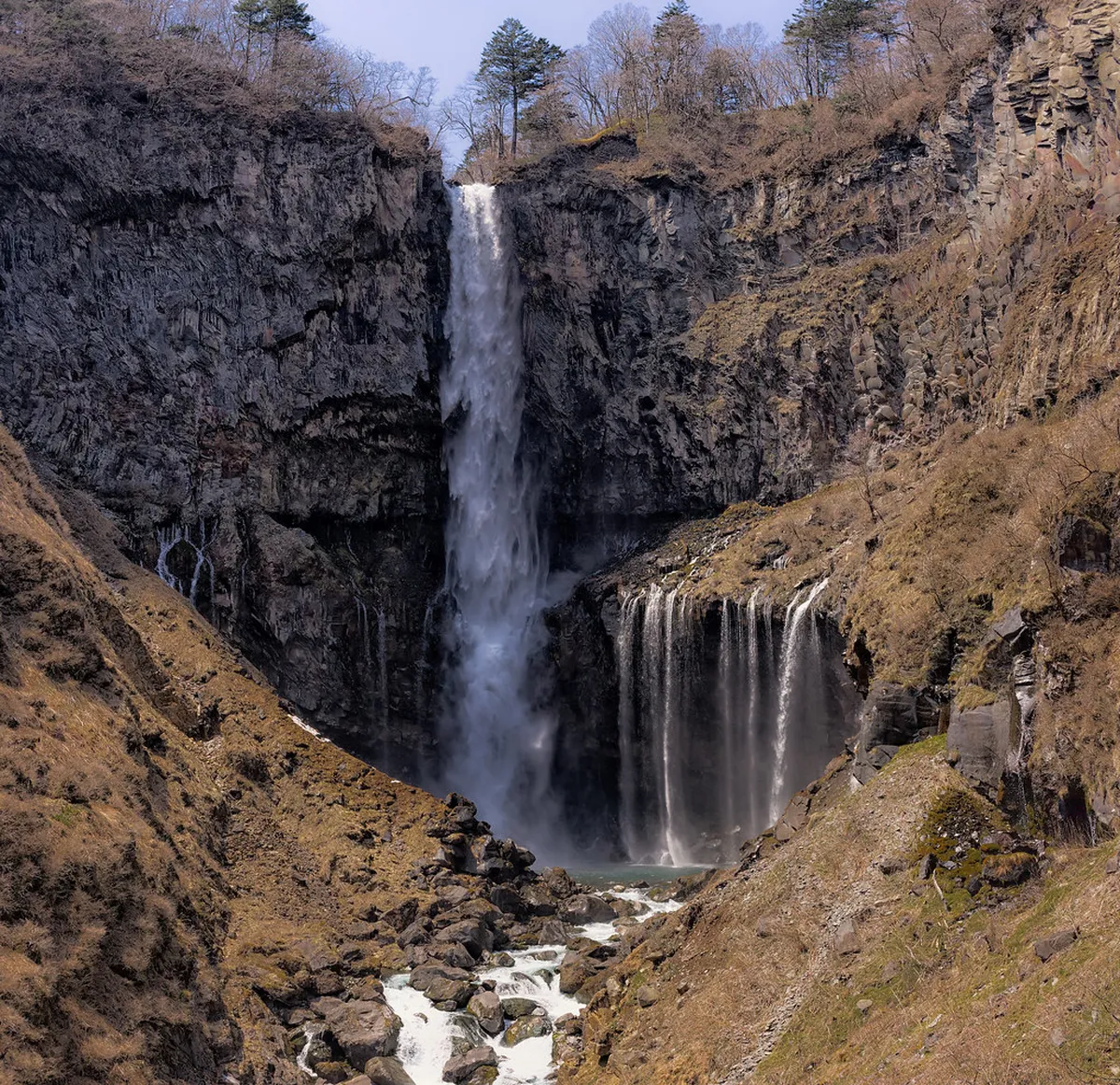
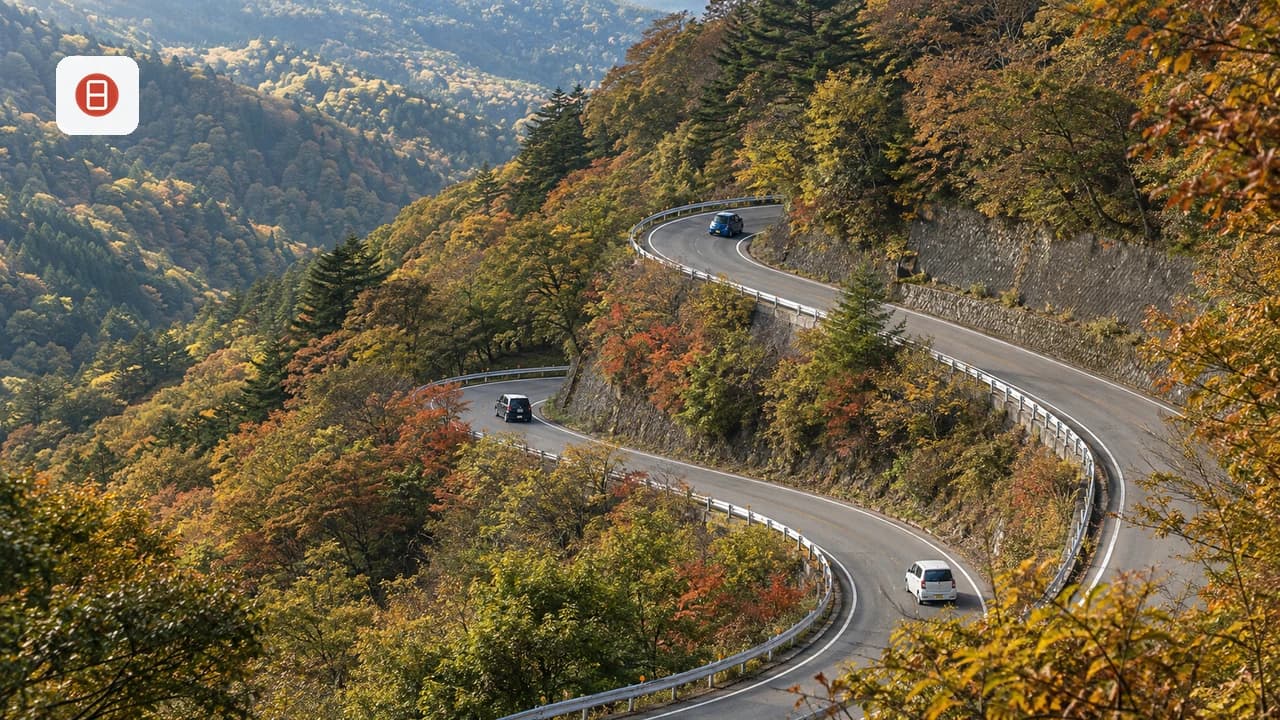
After breakfast, take the Tobu Bus from Nikko Station up the Iroha-zaka mountain road (the 48 hairpin turns). In the morning, view Kegon Falls from the free upper platform, then pay for the elevator down to the base observation deck — the perspective is dramatically different. Continue to Lake Chuzenji for a lakeside lunch (yuba or grilled iwana river fish are local picks). After lunch, choose between a 55-minute lake cruise, a walk along the Senjogahara wooden boardwalk, or a visit to Ryuzu Falls just upstream. Catch the bus back down by 16:00 and the limited express to Tokyo at around 17:00.
The 2-day version benefits enormously from staying overnight in Nikko rather than at the lake. Most lakeside accommodation is dated, and the central Nikko ryokan options (especially in the Hatsuishi-machi area) offer better food and easier access to the morning shrine sites.
3-Day Itinerary: The Deep Dive
The 3-day Nikko itinerary uses Days 1 and 2 from the recommended plan and adds a third day for one of three themed extensions, depending on your interests.
Day 3 Option A — Edo Wonderland (Families, Culture)
Edo Wonderland Nikko Edomura is a recreated Edo-period town about 25 minutes by shuttle from Kinugawa Onsen Station. Allow a full day. Highlights are the ninja and oiran stage shows, the haunted temple walk, and the chance to dress in period costume. Best for families with kids 6+ and travelers who enjoy interactive history. Admission is ¥5,800 (2026 price) for adults; the all-day pass includes most shows and rides. Book the ninja show in advance during peak weekends — it sells out by mid-morning.
Day 3 Option B — Yumoto Onsen and Senjogahara (Nature, Hiking)
Beyond Lake Chuzenji, the road continues another 40 minutes by bus to Yumoto Onsen, a small hot spring village at the headwater of the Yu River. From here you can hike the Senjogahara marshland boardwalk (4–5 km, mostly flat) past Ryuzu Falls and back to Lake Chuzenji — about 3 hours of moving time at an unhurried pace. The autumn foliage on this route in mid- to late October is among the best in the Kanto region. Bring layers; Yumoto sits at 1,478 m and runs noticeably colder than central Nikko.
Day 3 Option C — Slow Day in Town (Onsen, Photography, Repeat Visitors)
Sleep late, take a long onsen soak, walk the Kanmangafuchi jizo path again at golden hour, and revisit Toshogu in early-morning quiet (06:30 walk-in is permitted; ticketed areas open at 08:00). Add a leisurely lunch and head back to Tokyo on a mid-afternoon train. This is the right Day 3 for travelers who want Nikko to feel like a retreat rather than a checklist.
Getting There: Tokyo to Nikko
Nikko is about 140 km north of Tokyo. The two practical options are the Tobu Railway (most travelers) and JR via Utsunomiya (only worth it if you have a JR Pass). Highway buses exist but are slower and rarely save money once you factor in time.
Tobu Railway from Asakusa (Recommended)
The Tobu Limited Express "Spacia X" (introduced in 2023, the newest fleet) runs from Asakusa Station directly to Tobu-Nikko in approximately 1 hour 50 minutes. Standard reserved seat fare is ¥2,860 in 2026. Departures roughly every hour from 06:30 to 17:00. The slower Tobu rapid trains take 2h 15m and cost about ¥1,400 — covered fully by the Nikko Pass.
JR via Utsunomiya (JR Pass Holders Only)
Take a Tohoku Shinkansen from Tokyo Station to Utsunomiya (50 min), then transfer to the JR Nikko Line for a 45-minute local train to JR Nikko Station. Total transit including transfer is about 1h 50m — similar to Tobu — but only worth it if your JR Pass covers the entire route, since the shinkansen leg alone is ¥4,920.
Recommended Pass
The Tobu Nikko All Area Pass (4 days, ¥4,780 in 2026) is the best value if you are doing the 2-day or 3-day itinerary. It covers round-trip rapid trains from Asakusa, all local Tobu Buses (including the Iroha-zaka mountain route to Lake Chuzenji and Yumoto Onsen), and gives discounts at major attractions. The shorter World Heritage Pass (2 days, ¥2,120) is enough only if you skip Lake Chuzenji.
For a complete transport breakdown including timetables, station logistics at Asakusa, and how to navigate the JR/Tobu connections, see How To Get To Nikko From Tokyo: 10 Essential Travel Tips.
Where to Stay in Nikko
Where you sleep in Nikko shapes your itinerary more than people expect. The four broad zones each have a distinct character.
- Central Nikko (around the shrines): Best for first-time visitors and the 2-day plan. Walking distance to Toshogu and easy bus access to Lake Chuzenji. Mix of mid-range hotels and traditional ryokan. Recommended.
- Kinugawa Onsen: 30 minutes by Tobu line south of Tobu-Nikko. Larger onsen resorts, often cheaper than central Nikko, but adds 60 minutes round-trip to your shrine day.
- Lake Chuzenji-side: Atmospheric for nature lovers but the accommodation here is dated, and you'll add an hour each way to your shrine visits. Skip unless you specifically want a lakeside ryokan night.
- Yumoto Onsen: Highest altitude, smallest village, best for the 3-day Option B (hiking) plan. Strong sulfur waters but limited dining options.
For a full breakdown of specific ryokan and hotel picks at each price tier, plus tips on whether to choose a ryokan with a private onsen ("kashikiri-buro") versus a public bath, see our Where to Stay in Nikko: 6 Best Areas and Lodging Guide guide.
Best Time to Visit (and How Season Changes Your Itinerary)
Nikko is a year-round destination, but the season meaningfully changes which itinerary works best.
- Mid-October to early November (autumn foliage): Peak season, peak crowds, peak prices. Iroha-zaka and Lake Chuzenji are spectacular. Book trains and accommodation 6–8 weeks ahead. The 3-day Option B (Senjogahara hike) is at its best in this window.
- Late April to mid-May (cherry blossoms and shoulder weather): Cherry blossoms come later than Tokyo (early to mid-April vs late March). Pleasant temperatures and lower crowds than autumn. Excellent for the 2-day plan.
- July to August (summer): Hot and humid in central Nikko but pleasant up at Lake Chuzenji (10°C cooler). Afternoon thunderstorms common — start early. Festivals such as the Toshogu Reitaisai (May 17–18) sit just outside this window.
- December to February (winter): Snow on the shrine complex is photogenic but the Iroha-zaka road can close after heavy snowfall, which kills Day 2 of the 2-day plan. If you visit in winter, pivot to the 1-day shrine itinerary or stay at a Kinugawa Onsen ryokan instead.
For deeper seasonal trade-offs and a month-by-month breakdown of festivals, weather, and crowd levels, see the best time to visit Nikko.
Practical Tips for Any Nikko Itinerary
- Start early. Toshogu opens at 08:00 (until 17:00 April–October, until 16:00 November–March). Arriving by 08:30 gives you 90 quiet minutes before tour groups arrive around 10:00.
- Pack layers. Lake Chuzenji is roughly 8–10°C colder than central Nikko year-round because of altitude. A light jacket in summer, a proper warm layer in winter.
- Cash is useful. Most temples accept cash only for admission. Carry small bills (¥1,000s) for shrine fees and bus rides. Convenience-store ATMs (7-Eleven, Lawson) accept foreign cards.
- Bus timing dictates Day 2. The last bus down from Yumoto Onsen leaves Lake Chuzenji at around 19:00 in summer and 17:00 in winter. Check the Tobu Bus timetable the morning of your trip.
- Eat the local specialty. Yuba (tofu skin) is the must-try Nikko food. Try it as yuba-don, in a kaiseki ryokan dinner, or as fried yuba street snacks near Shinkyo Bridge.
- Skip the cheap "Nikko Pass" if you only want the shrines. Buying individual rapid train tickets and a single bus fare can be cheaper than the pass for shrine-only day trips.
Frequently Asked Questions
Is one day enough for Nikko?
One day is enough for the UNESCO shrine complex (Toshogu, Futarasan, Rinno-ji, Taiyuin) but not enough to also reach Lake Chuzenji and Kegon Falls. If you only have one day from Tokyo, choose between a shrine-focused itinerary or a Lake Chuzenji-focused itinerary — you cannot meaningfully do both. Most first-time visitors should plan two days.
How do I get from Tokyo to Nikko?
The fastest and most popular route is the Tobu Limited Express "Spacia" or "Spacia X" from Asakusa Station directly to Tobu-Nikko in about 1 hour 50 minutes (¥2,860 in 2026 for a reserved seat). JR Pass holders can take the Tohoku Shinkansen from Tokyo Station to Utsunomiya, then transfer to a local JR Nikko Line train, which takes a similar amount of time. Buses exist but are slower and rarely cheaper.
Should I buy the Nikko Pass?
Buy the Tobu Nikko All Area Pass (¥4,780, valid 4 days) if you are doing a 2-day or 3-day itinerary that includes Lake Chuzenji or Yumoto Onsen — it covers round-trip rapid trains from Asakusa plus all Tobu buses. Buy the shorter World Heritage Pass (¥2,120, valid 2 days) if you are doing a 1-day or 2-day shrine-focused trip without the lake. Skip both passes if you are taking the limited express and only riding the World Heritage Loop bus once.
What is the best time of year to visit Nikko?
Mid-October to early November is the most popular time because of the autumn foliage on the Iroha-zaka mountain road and around Lake Chuzenji — book accommodation 6–8 weeks in advance. Late April to mid-May offers cherry blossoms and milder crowds. Summer is comfortable at higher altitude (Lake Chuzenji, Yumoto) but humid in town. Winter is photogenic but the Iroha-zaka can close after heavy snowfall.
Can I see Lake Chuzenji and the shrines in one day?
Technically yes, but realistically no. The Iroha-zaka mountain road plus a meaningful stop at the lake and Kegon Falls takes about 4 hours including transit, which conflicts with covering Toshogu, Futarasan, Rinno-ji, and Taiyuin properly. If you only have one day, pick the shrines OR the lake — not both. Two days solves the problem cleanly.
Where should I stay in Nikko — town or the lake?
Stay in central Nikko (near the shrines) for first visits and the 2-day plan — the food, ryokan quality, and bus access are all better. Stay at Kinugawa Onsen if you want a larger resort hotel at a lower price. Stay at Yumoto Onsen only if you are doing the 3-day hiking option. Lake Chuzenji-side accommodation is dated and adds transit time to your shrine day.
Is Nikko worth visiting in winter?
Yes for photographers and travelers who already love snowy landscapes — the shrines under snow are striking, and crowds drop sharply. But the Iroha-zaka mountain road can close after heavy snowfall, which removes Lake Chuzenji from your itinerary, and the bus schedules contract. If you visit December to February, plan for a 1-day shrine itinerary or stay at a Kinugawa Onsen ryokan and treat the trip as a hot-spring weekend.
What food is Nikko famous for?
Yuba (tofu skin) is the local specialty — try it as yuba-don (rice bowl), in a kaiseki ryokan dinner, or as fried street snacks near Shinkyo Bridge. Nikko is also known for its grilled river fish (iwana, ayu) at lakeside restaurants near Lake Chuzenji, manju steamed buns from the shrine-area shops, and sake brewed with the local mountain water.
Plan Your Nikko Trip
The short version of this guide: pick 2 days unless you have a specific reason to pick 1 or 3. Take the Tobu Limited Express from Asakusa, buy the Tobu Nikko All Area Pass if you're including Lake Chuzenji, sleep in central Nikko in a ryokan with onsen access, and start each morning by 08:30. The full Nikko attractions guide covers every site in detail, and the dedicated 2-day itinerary and 1-day day-trip playbooks add hour-by-hour depth for the two most popular plans.
Free: The Nikko Essentials guide
Top things to do, where to stay, a perfect day plan, getting around, and the best time to go — a Nikko mini-guide you can take offline.
You might also like

Continue reading
More guides you'll find useful