Best Time to Visit Nikko: Seasonal Guide & Weather Tips
Plan your trip with our guide on the best time to visit Nikko. Compare cherry blossom dates, peak autumn foliage, weather by month, and budget-friendly tips.
On this page
Updated for 2026 from autumn 2023 fieldwork. The short answer: late April to early June and late September to mid-November are the strongest windows. Late October peaks the foliage at Lake Chuzenji, mid-April brings cherry blossoms to the World Heritage shrines, and late February delivers the quietest views of Toshogu you will ever get.
If you can only pick one window, target mid-May to early June. Wisteria and hydrangea begin to bloom, weekends are still walkable, and the buses up to Okunikko run on schedule before the rainy season arrives in mid-June. Use a Nikko Itinerary: 1-Day, 2-Day & 3-Day Plans built around two full days so you can see both the town shrines and the high-altitude lake area without rushing.
Nikko is not one climate. The town sits at roughly 600 m, Lake Chuzenji at 1,269 m, and Yumoto Onsen above 1,400 m. That altitude staircase shifts cherry-blossom dates by two weeks and autumn-foliage dates by ten to fourteen days, so the "best time" depends less on the calendar than on which part of Nikko you want to see at peak. Knowing how to get to Nikko from Tokyo early in the day is the single most important logistics decision you will make.
Nikko Weather and Seasonal Overview
Nikko's climate is governed by elevation, not latitude. Nikko Town averages 5–8°C cooler than Tokyo year-round, and Okunikko (the upper park around Lake Chuzenji) is another 5–8°C cooler again. In practice that means a 30°C August day in Tokyo translates to 22°C in town and 17°C at the lake, which is precisely why Edo-era nobility built summer villas here.
Rainfall peaks in September with typhoon remnants and again in mid-June through mid-July during the rainy season (tsuyu). The driest months are January and February, when humidity drops sharply and skies stay clear. Snow accumulates from late December through March, with 1–2 snow events per week at the lake and lighter, occasional snow in town.
Spring temperatures climb from 4–18°C in mid-April to mild T-shirt weather by late May. Summer holds at 16–26°C in the highlands while Tokyo bakes. Autumn drops from 20°C in early October to near freezing by mid-November at the lake. Winter sits at −4 to 7°C, with the lake area dipping below −10°C overnight. The Nikko Official Guide - Plan Your Trip publishes weather updates that are worth checking the night before you travel.
Month-by-Month Comparison Table
The table below condenses temperature, rainfall, crowding (1 = empty, 10 = packed), and the headline sight that justifies a visit. Use it to match your travel window to a specific reason to come, rather than chasing a generic "best month."
| Month | Temp (Town) | Rainfall | Crowd Score | Key Sight |
|---|---|---|---|---|
| January | −4 to 5°C | Very Low | 2/10 | Frozen Kegon Falls, Kamakura snow huts |
| February | −4 to 6°C | Very Low | 2/10 | "Empty Nikko" shrines, ice falls |
| March | 0 to 10°C | Low | 3/10 | Late-season strawberries, plum blooms |
| April | 5 to 16°C | Moderate | 5/10 | Cherry blossoms (mid–late April) |
| May | 9 to 22°C | Moderate | 7/10 (Golden Week 10/10) | Wisteria, mountain hiking opens |
| June | 14 to 25°C | High (rainy) | 4/10 | Hydrangea, misty cedar forests |
| July | 18 to 28°C | High | 6/10 | Senjogahara marsh trails |
| August | 20 to 29°C | Moderate | 9/10 (Obon 10/10) | Festivals, cool lake escape |
| September | 16 to 25°C | Highest | 5/10 | Early foliage at Yumoto |
| October | 9 to 19°C | Moderate | 10/10 | Peak Lake Chuzenji koyo |
| November | 3 to 13°C | Low | 9/10 | Town-area peak foliage |
| December | −2 to 8°C | Low | 3/10 | First snow on shrines |
Specific Dates to Avoid in 2026
Three windows turn Nikko from manageable to nearly impassable. The bottleneck is the Irohazaka Winding Road: a one-way switchback where a single tour-bus jam can add 90 minutes to a 30-minute climb. If your dates fall inside these blocks, plan to skip Lake Chuzenji entirely and stay in town.
- Golden Week: 29 April – 5 May 2026. Domestic travel surges. Hotel prices double, the 9 a.m. bus to Chuzenji can be standing-room only, and Toshogu queues form before opening.
- Obon: 13 – 16 August 2026. Family travel concentrates on these four days. Trains from Asakusa sell out a month ahead; book Limited Express seats by July.
- Foliage weekends: 18 October – 9 November 2026. The three weekends spanning peak koyo draw 50,000+ day-trippers from Tokyo. Saturdays are the worst; aim for a Tuesday or Wednesday if you can.
Outside these blocks, weekday Nikko is calm. Even in October a Wednesday morning at Toshogu feels half as crowded as a Saturday. The single best optimization most visitors can make is shifting their trip by 24–48 hours.
Spring in Nikko: Cherry Blossoms and Mild Weather
Nikko Town cherry blossoms peak 15–25 April — two weeks behind Tokyo. Lake Chuzenji lakeshore sakura follows 5–10 May. This altitude stagger means you can chase blossoms across multiple weeks from a single base.
Cherry blossoms in Nikko Town typically peak between 15 and 25 April, around two weeks behind Tokyo. The Tamozawa Imperial Villa garden, the long approach to Rinnoji Temple, and the riverbanks near Shinkyo Bridge are the strongest viewing spots. By early May the petals have moved to higher ground and you can still find blossoms around Lake Chuzenji, where the lakeshore sakura peak 5–10 May.
May into early June is the sweet spot for first-time visitors. Wisteria takes over from cherry, the mountain hiking season officially opens, and weekday crowds are moderate. The Nikko Strawberry Park is at peak picking from December through June, but the warm-weather visit (March–May) is the most pleasant; the greenhouse stays warm but the surrounding park is far more enjoyable when not snowy. Pro tip: pack a light waterproof shell. Mountain weather flips fast in spring, and the cedar forest paths around Nikko's main attractions stay damp underfoot well into the morning.
Avoid the first week of May entirely. Golden Week turns Nikko into the busiest version of itself, with bus queues snaking past the train station and Toshogu near capacity by 10 a.m. If your only option is Golden Week, book a hotel in town the night before and start at 7:30 a.m.
Summer in Nikko: Escaping the Heat in the Mountains
Summer is Nikko's secret weapon. While Tokyo runs at 33°C with brutal humidity, Lake Chuzenji holds steady around 22°C and the cedar forest paths feel almost air-conditioned. The Senjogahara marshland trails and the climb up Mount Nantai (officially open 1 May to 25 October) are the season's best uses of the cooler air. Mt. Nantai requires a 1,000 yen entry fee at the Futarasan Chugushi Shrine gate and takes around seven hours round-trip.
The catch is rain. Mid-June to mid-July is tsuyu, the rainy season, when overcast days and afternoon showers are routine. Late July through August clears up but brings typhoon risk in late August into September. The Tobu line itself rarely shuts down, but bus service to Okunikko can be suspended for a few hours after heavy rain. Pro tip: pack a packable rain shell and quick-dry trousers; an umbrella is fine for the town shrines but useless above the lake when wind picks up.
August is also festival season. The Toshogu Autumn Grand Festival rehearsals begin, and several smaller shrine festivals run through the second half of the month. Check the Tobu Bus Nikko schedule for summer route additions; some seasonal buses to remote trailheads run only in July and August.
Autumn in Nikko: Peak Foliage and Crowd Management
Autumn foliage (koyo) is Nikko's headline event, and the timing is more precise than most guides admit. Yumoto Onsen and the upper Senjogahara marshland turn first, around 25 September – 5 October. Lake Chuzenji peaks 10 – 25 October. The Irohazaka switchback road and Akechidaira Ropeway viewpoint hit 20 October – 5 November. Nikko Town and the World Heritage shrines colour last, peaking 1 – 15 November. From a single base in town, you can chase peak colour for nearly six straight weeks by simply taking different buses.
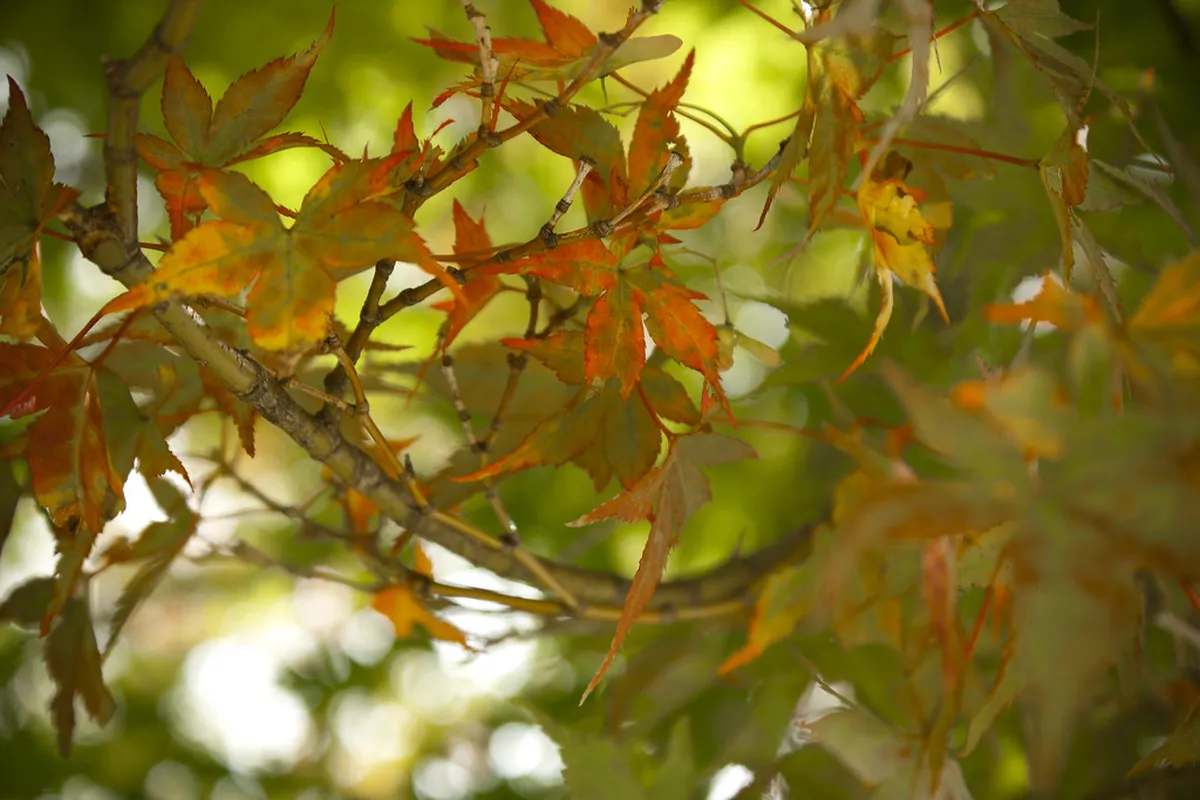
The bottleneck remains the road. On peak weekends the Irohazaka can take two hours instead of thirty minutes. Three tactics work: catch the 7:00 or 7:30 bus from Tobu-Nikko Station to be at Akechidaira before the queues form; descend before 14:00 to beat the return jam; or skip the lake entirely on the busiest Saturday and walk the town shrines, which are spectacular in late autumn light.
Peak foliage weekends (18 October – 9 November) draw 50,000+ day-trippers. The Irohazaka winding road can add 90 minutes to a 30-minute drive. Shift your visit to a Tuesday or Wednesday for a dramatically quieter experience.
Pro tip: layer for a 15°C swing. Lake Chuzenji at sunrise can be 2°C in late October while the town hits 18°C by noon. A light insulating mid-layer plus a windbreaker handles both. Foliage forecasts from the Japan Meteorological Corporation are updated weekly through October and are the most reliable single source for trip timing.
Foliage Forecast Strategy: How to Lock In Peak Color
Most articles tell you October–November is foliage season and stop there. The actionable version: Nikko's altitude staircase means somewhere in the park is at peak colour for roughly 45 days. If your dates are fixed, you can almost always find peak koyo within an hour's bus ride of Nikko station — but only if you check the live forecast and pick the right altitude that week.
Three steps work. First, ten days before departure, open the JMC tencki.jp foliage map and locate the green-to-yellow band; that band's centerline is roughly where peak will be on your travel dates. Second, match that altitude band to a Nikko viewpoint: Yumoto and Senjogahara for the earliest band, Lake Chuzenji shore for the middle, Akechidaira and Irohazaka for the late-October sweet spot, and the town shrines plus Kanmangafuchi Abyss for early November. Third, board the bus toward that one zone and skip the others — chasing two altitudes in one day in October usually means sitting in traffic.
This altitude-tracking approach is also why a Tuesday in late October beats a Saturday in early November for most visitors. The Tuesday traveller arrives during peak Chuzenji colour with manageable crowds; the Saturday traveller arrives after Chuzenji has dropped its leaves and gets the town shrines, which are still beautiful but draw the post-peak crowd of last-chance Tokyo day-trippers.
Winter in Nikko: Snowscapes, Onsens, and Budget Travel
Winter is the contrarian's choice. From mid-December through February the World Heritage shrines stay open, accommodation rates drop 30–40% versus October, and the town has a stillness that makes the wood carvings on Yomeimon Gate easier to actually study. Kegon Falls partially freezes by late January, and the smaller Ryuzu Falls turns into an ice sculpture worth the bus ride.
The trade-off is Okunikko access. Lake Chuzenji ferries stop entirely from 1 December through 31 March, the Akechidaira Ropeway runs reduced winter hours, the Mt. Nantai trail closes, and several smaller restaurants in Yumoto Onsen shut down. Buses still run, but on a reduced winter timetable. The Yumoto Onsen ryokan circuit stays open year-round and is arguably better in winter when you can soak in an outdoor rotenburo with snow falling.
For a warm-stomach moment after the cold, head to Nikko Maruhide Shokudo near the station. Their yuba (tofu skin) sets are the local specialty and never taste better than after an hour at frozen Kegon Falls. Pro tip: pack thermal base layers and waterproof boots with grip — the stone steps at Toshogu turn icy after a snowfall, and the standard sneakers most travellers pack are genuinely unsafe on the steeper paths.
The "Empty Nikko" Window: Late February to Early March
The two weeks from 20 February to 10 March are Nikko's quietest accessible window. Holiday-season tourists have left, cherry-blossom crowds have not yet arrived, and the major snowfalls of January are largely past. The town shrines remain fully open, weekday Toshogu morning visits feel near-private, and accommodation prices are at their absolute lowest.
Plan around the contrast: town is accessible and beautiful, but Okunikko is still in winter mode. The Lake Chuzenji ferry has not restarted, several ryokans at Yumoto are mid-renovation, and bus service above Akechidaira is reduced. Use this window for a focused two-day visit centered on the World Heritage area, the Toshogu Shrine, Kanmangafuchi Abyss, and the Tamozawa Imperial Villa, with a single side trip on a bus to see frozen Kegon Falls.
This is also the window where a Nikko day trip is most pleasant. The 7:30 limited express from Asakusa puts you at Toshogu before 10:00 with virtually no queue, and you can be back in Tokyo for dinner.
Lake Chuzenji, Chuzenji Onsen, and Mount Nantai: High-Altitude Timing
The upper park functions on a different calendar from the town. Cherry blossoms reach the lakeshore 10–14 days after the town shrines. Autumn colour arrives 10–14 days earlier at the lake than in town. Snow accumulates earlier, the rainy season is wetter, and the temperature is consistently 5–8°C cooler. Treating Chuzenji and Nikko Town as one destination is the single biggest planning mistake first-time visitors make.
Peak windows for Chuzenji specifically: lakeshore sakura 5–15 May, hiking season for Mount Nantai 1 May – 25 October (with the trail-gate fee at Futarasan Chugushi), peak koyo 10–25 October, and frozen Kegon viewing late January – mid-February. The British and Italian Embassy Villas at the southwestern lakeshore are open April through November and worth the lakeside walk.
If your visit falls outside the May–October ferry season and you still want lake views, take the bus to Chuzenji Onsen and walk along the eastern shore for an hour. The view from the Akechidaira Ropeway observation deck is open year-round (weather permitting) and gives the best single panorama of the lake, Mt. Nantai, and Kegon Falls in one frame.
Photography: Best Light at the Headline Sights
Nikko punishes mid-day photography. The cedar forest is dense, the shrines are partially shaded, and the harshest light hits between 11:00 and 14:00. Two windows do most of the work: 07:30 to 10:00 for soft directional light through the trees, and 15:30 to sunset for warm tones on the gold-leaf carvings.
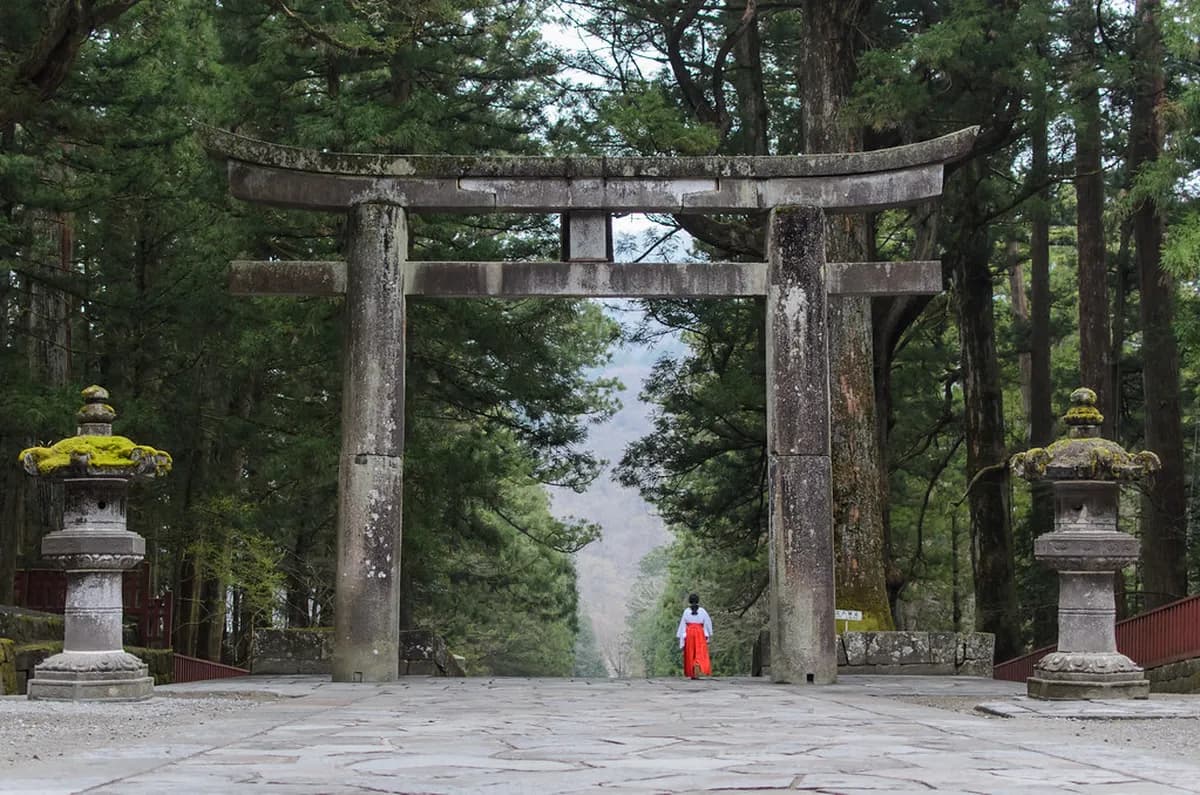
The headline subjects each have a sweet spot. Shinkyo Bridge photographs best from the riverbank just downstream around 08:00 to 09:00, when sun reaches the vermillion paint without the shadow from the surrounding cedars. In autumn, the bridge reflects in the river best from the upstream pedestrian path between 14:30 and 16:00. Kegon Falls is back-lit in the morning; the lower observation deck (600 yen, elevator) gives the cleanest shot from 10:30 to 13:00 when the sun moves over the cliff edge. Toshogu's Yomeimon Gate needs late-afternoon side light to show the carving depth — aim for the last hour before closing in any season.
In winter, the snow on Toshogu's stone lanterns is at its best within the first 90 minutes after sunrise. By mid-morning, melt and footprints have ruined the look. This alone is the strongest argument for staying overnight in Nikko Town in January or February rather than day-tripping from Tokyo.
Essential Japanese Phrases for Your Nikko Trip
Nikko's tourism infrastructure is well-signed in English at major shrines, but the bus drivers, smaller restaurants, and ryokan staff often speak limited English. A handful of phrases removes most friction. Use them at bus stops, at Tobu-Nikko station ticket counters, and when ordering yuba sets at small restaurants.
- Sumimasen, Tōshōgū-iki no basu wa doko desu ka? — Excuse me, where is the bus to Toshogu?
- Kōyō wa ima dono atari ga mi-goro desu ka? — Where is the autumn foliage at peak right now?
- Yuba teishoku, hitotsu kudasai. — One yuba set meal, please.
- Onsen wa nan-ji made desu ka? — Until what time is the onsen open?
- Eki made aruite ikemasu ka? — Can I walk to the station?
- Kurejitto kādo wa tsukaemasu ka? — Can I use a credit card?
One cultural note: when entering a ryokan or temple, remove shoes and step up to the raised floor in your socks. At onsen, wash thoroughly at the seated showers before entering the bath. Tattoos can occasionally be an issue at smaller bathhouses; the larger Yumoto Onsen ryokan have private rotenburo that sidestep the rule.
Getting Around Nikko: Transport Passes and Seasonal Access
The Tobu Railway from Asakusa is the default route. Limited Express SPACIA X trains reach Tobu-Nikko in roughly 1 hour 50 minutes; local trains take 2 hours 20 minutes for half the price. From Tobu-Nikko, every major sight is reached by bus.
Three passes cover most travelers. The Nikko All Area Pass (8,000 yen, 4 days) includes the round-trip Limited Express train and unlimited buses across the entire park, including Yumoto Onsen — the best value if you plan to visit Lake Chuzenji. The Nikko World Heritage Area Pass (around 2,300 yen, 2 days) covers only the town shrines and is fine for a focused first-day visit. The Marugoto Nikko Free Pass (5,000 yen, sold in person at the Asakusa Tobu info center) is the budget option that still reaches Chuzenji and Yumoto.
Seasonal access notes for 2026: the Lake Chuzenji ferry runs April through November; the Senjogahara marshland boardwalks are accessible May through October; the Yumoto Onsen circuit runs year-round but on a reduced winter timetable; the Akechidaira Ropeway operates year-round, weather permitting. For real-time bus information during peak weekends, the Tobu Bus Nikko Official Schedules are the only fully accurate source. Build any Nikko National Park day around the bus timetable rather than the train timetable — the buses are the binding constraint.
Frequently Asked Questions
What is the best month to see autumn colors in Nikko?
Late October is usually the best time for foliage at Lake Chuzenji. The colors move down to Nikko Town by early November. This altitude difference provides a long window for viewing the red leaves.
Is Nikko worth visiting in winter?
Yes, Nikko is beautiful and very quiet during the winter months. You can see frozen waterfalls and enjoy hot springs with fewer crowds. It is also the most budget-friendly time for a visit.
Can you see cherry blossoms in Nikko in May?
Early May often still has some blossoms in the higher elevation areas. However, the peak for the main shrines is usually in mid to late April. May is better for seeing the fresh green mountain scenery.
Nikko rewards specificity. The "best time" for the World Heritage shrines is not the same as the best time for Lake Chuzenji or Yumoto Onsen, and the right answer for a photographer is not the right answer for a budget traveller or a hiker. Use the altitude staircase to your advantage: pick your sight first, then pick the calendar window that puts that sight at peak.
For a single-trip recommendation, mid-May to early June is the safest sweet spot, late October is the most rewarding for foliage chasers willing to start at dawn, and late February is the unsung favourite of repeat visitors. Whichever window you pick, buy the right Nikko Pass before boarding at Asakusa, check the bus schedule the night before, and plan your day around bus departures rather than train arrivals. The mountain town will do the rest.
Free: The Nikko Essentials guide
Top things to do, where to stay, a perfect day plan, getting around, and the best time to go — a Nikko mini-guide you can take offline.
You might also like


Continue reading
More guides you'll find useful