Hiroshima Carp Game Day Guide: 7 Essentials for Mazda Stadium
Master your Hiroshima Carp game day with our guide to Mazda Stadium. Learn how to buy tickets, find the best seats, and where to eat the famous Carp Udon.
On this page
A Hiroshima Toyo Carp game at Mazda Zoom-Zoom Stadium is one of the most atmospheric live-sport experiences in Japan. The 33,000-seat ballpark sits a flat ten-minute walk east of JR Hiroshima Station, and on game day the entire concourse turns into a sea of red jerseys, hand towels, and synchronised chants from the Nippon Professional Baseball (NPB) faithful.
Attending in 2026 means navigating a Japanese-only ticketing system, a strict bag-check, and a cheering culture with rules that are not posted anywhere in English. This guide pulls together the practical logistics our 15 best things to do in Hiroshima 2026 readers ask about most: how to buy seats from outside Japan, what each section actually costs, what you cannot bring through the gate, and how to participate in the squat cheer without offending the locals around you.
Whether you are flying in from Tokyo for a single game or weaving the Carp into a longer Hiroshima trip, plan the ticket purchase first and the train second. Everything else - the food, the Carp Road walk, the 7th-inning balloon - falls into place once you have a confirmed seat.
Securing Your Seats: How to Buy Hiroshima Carp Tickets
Carp tickets go on sale in three waves, and the wave you target dramatically changes your odds. Fan-club members get first access roughly six weeks before each game, Carp Mail subscribers get a lottery window a few days later, and the general public sale opens about three to four weeks out on the Official Hiroshima Carp Ticket Page. By the time international visitors discover the site, weekend games against the Giants or Tigers are usually sold out at official price.
| Section | 2026 price (¥) | Best for |
|---|---|---|
| Performance Seat B (upper outfield) | ~2,100 | Budget visitors; standing cheering section |
| Outfield Reserved | ~2,500 | Cheering atmosphere with a seat |
| Sky Seat (upper infield) | ~3,300 | Full panorama, quieter atmosphere |
| Infield Reserved A (lower deck) | ~4,200 | Classic view, best for first-timers |
| Suna-kaburi / Party Deck | 6,000–12,000 | Field-level or group BBQ, packages with food vouchers |
The Japanese availability symbols on the official calendar are the single most useful piece of intel for non-Japanese speakers. A double circle (◎) means plenty of seats remain, a single circle (〇) indicates good availability, a triangle (△) means limited stock that may disappear within hours, and an 'X' (×) means that channel is sold out. Refresh the calendar at 10:00 Japan time, when cancelled holds are often returned to inventory.
If you are already in Japan, the most reliable physical option is a Loppi machine inside any Lawson convenience store - the Lawson Ticket (Loppi) Guide walks through the eight on-screen taps in English screenshots. Seven-Eleven and FamilyMart machines also sell Carp tickets, and Ticket Pia handles overflow inventory for premium series. Pay in cash, take the printed slip to the counter, and receive a thermal-paper ticket within thirty seconds.
- Carp Performance Seat B (upper outfield): around 2,100 yen, the cheapest entry point.
- Outfield Reserved Seat: around 2,500 yen, sit-down view with the cheering section beside you.
- Sky Seat (upper deck infield): around 3,300 yen, full panorama and quieter atmosphere.
- Infield Reserved Seat A (lower deck): around 4,200 yen, the standard premium seat for first-timers.
- Suna-kaburi (splash zone) and party-deck seating: 6,000 to 12,000 yen, sold as packages with food vouchers.
Tickets go on general sale 3–4 weeks before each game on the official Carp site and at Lawson Loppi machines. If the website shows △ (limited) on your date, head to a Lawson at 10:00 Japan time when cancelled holds are returned to inventory — stock often reappears briefly.
Getting to the Ballpark: Navigating the "Carp Road"
Mazda Stadium is one of the most accessible NPB venues in Japan. From the Shinkansen platforms at JR Hiroshima Station, follow the bilingual "MAZDA Stadium / Carp Road" signage out the south exit and you will reach the front gates in roughly ten minutes on foot. Tokyo travellers can reach the station in about four hours on the Nozomi Shinkansen, Osaka in 90 minutes, and Fukuoka in just over an hour, which makes a same-day round trip realistic from any of those cities.
The Carp Road itself is the warm-up act. The pavement is embedded with team-themed manhole covers, life-size statues of franchise legends like Sachio Kinugasa and Hiroki Kuroda line the route, and a red-painted Lawson "Carp Edition" store about halfway along sells team-branded onigiri and bottled tea you cannot find anywhere else in the city. Arrive 90 minutes before first pitch to photograph the statues without the pre-game crush.
If you are travelling with luggage or limited mobility, a taxi from the station costs around 800 yen and drops you at the West Gate. Public buses from the city centre also stop at "Minami-Kaniya," a five-minute walk from the stadium - useful if you are coming from the Peace Memorial Park side rather than the station. The full Carp Road route is one of the more underrated Hiroshima attractions and shows up on most local fan blogs as the unofficial start of the game-day experience.
Returning home is the harder leg. Forty thousand fans funnel back toward the station within twenty minutes of the final out, so the Carp Road becomes a slow shuffle. Either linger at the stadium for the post-game player interview broadcasts on the big screen, or take five minutes to learn how to get around Hiroshima by streetcar and bus and grab a tram from the alternative Matoba-cho stop a short walk south.
Mazda Stadium Seating Guide: From Suna-kaburi to Party Decks
Mazda Stadium opened in 2009 with a seating layout that other Japanese teams have been copying ever since. Beyond standard infield and outfield reserved seating, the park offers a long menu of themed sections that turn the stadium into a social space rather than just rows of chairs. Choosing the right one is more important than choosing the date, especially for a first-time international visitor.
Suna-kaburi seats sit at field level immediately beside the dugouts, low enough that infield dirt occasionally lands on your shoes - hence the name, which translates roughly as "covered in sand." They sell out within minutes of the lottery opening. The "Biska Terrace," "Party Floor," and "Norikoboshi" seats along the left-field line offer table service, charcoal grills, and bench seating for groups of four to six, and they double as the easiest way to host non-baseball-fan companions who want food and atmosphere over play-by-play action.
The most important distinction for newcomers is between the "Infield Reserved" sections and the "Carp Performance Seat B" in the outfield. Infield Reserved is a normal seated experience: people stand for big plays, applaud politely, and sit otherwise. The Performance Seat is the home cheering section, run by the official ouendan fan leaders, and there is an unwritten rule that you stand and chant for every Carp at-bat through all nine innings. Tourists who buy these seats expecting a cheaper view are often quietly asked to swap with a fan in a calmer section - book Sky Seat or Outfield Reserved instead if you want the cheering atmosphere without the obligation.
- Suna-kaburi field-level seats are the closest view of any NPB stadium and the best fit for photographers carrying long lenses.
- Outfield Performance Seat B sits inside the cheering section but does not require you to lead chants; expect to stand for every Carp at-bat.
- Infield Reserved A is the safest premium pick for first-timers who want comfort, food vendors close by, and a classic broadcast angle.
- BBQ terrace and party-floor packages include a reserved table, grill, and drink-vending access for groups of four to six.
The "Carp Udon" Experience: Must-Try Stadium Food
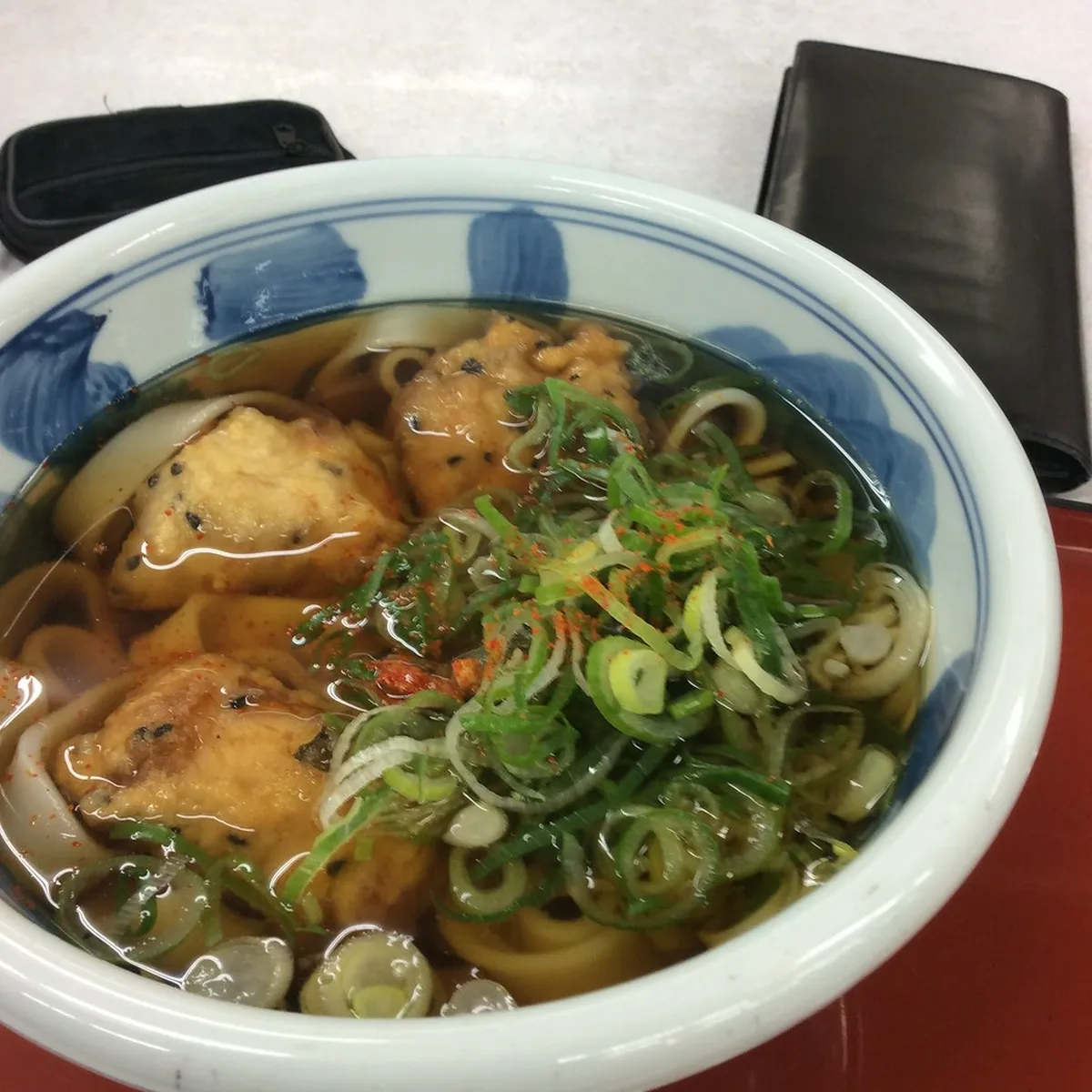
Carp Udon is the signature stadium dish and worth eating even if you skip everything else on the concourse. The bowl arrives with thick wheat noodles, dashi-soy broth, and a piece of sweet inari tofu shaped like a baseball - 700 yen at the dedicated Carp Udon stand on the first-base concourse. Lines stretch to twenty minutes between innings, so order during the bottom of the second or third when the crowd is settled.
Hiroshima-style okonomiyaki is the second must-eat. Several concourse stalls sell single-portion folded versions you can manage in your seat without making a mess of the person beside you, and the technique mirrors what you can read about in our Hiroshima-style okonomiyaki guide. Round out the meal with karaage chicken, salt-grilled scallop skewers, and Setouchi lemon highballs from the regional craft kiosks behind sections 30-32.
For a full meal experience, the BBQ Terrace sells grill packages with Hiroshima beef, oysters during winter exhibition games, and pork belly - all included with the seat price. Vegetarians have limited dedicated options; the safest fallback is the edamame, the Carp Udon (request without the fish-cake topping), and convenience-store onigiri brought in from the Carp Road Lawson before the bag check.
Drinks are sold by roving "uriko" vendors, mostly young women in bright uniforms with backpack kegs, who pour Asahi or Kirin draft beer directly into your cup at your seat for around 800 yen. Tip is not expected, but a small "arigato" and a smile is standard. Soft drinks, oolong tea, and bottled water are also sold concourse-side from 200 yen.
Game Day Atmosphere: Squat Cheers and Local Traditions
Hiroshima cheering is louder, more coordinated, and more physically demanding than anything you will encounter at a Major League Baseball game. The famous K-Squat - performed when a Carp batter has two strikes - asks the entire stadium to sit, then jump up and shout "K!" if the pitcher records a strikeout. Watch the row in front of you for one inning before you join in, and remember that the squat is a tribute, not a workout, so a half-squat is perfectly acceptable.
Each Carp player has a personalised "ouenka" cheer song with its own melody and lyrics. Fans sing the song every time that player steps up to bat. You do not need to memorise the words - the lyrics are projected on the outfield big screen in Japanese, and the rhythm is repetitive enough that humming and clapping along is enough to fit in. The "Carp Joshi" (literally "Carp girls") demographic has driven much of the recent atmosphere upgrade, and you will see large groups of women in matching jerseys leading chants in the upper deck.
The 7th-inning Jet Balloon release is the visual highlight. Vendors sell red balloon kits for 300 yen near the main entrance; on the seventh-inning stretch, the entire stadium inflates them simultaneously and releases on cue with the team song, creating a thirty-second canopy of red over the field. Stadium health protocols paused the tradition during the pandemic and reintroduced it in stages from 2024, so confirm on the team's social channels before each visit. When balloons are not allowed, fans substitute synchronised hand-towel waving instead - the towels are sold for around 1,500 yen at the merchandise shop and double as a souvenir.
Photo etiquette inside the stadium is relaxed during play but strict during the pre-game ceremony and the player anthems. Avoid flash photography in the cheering sections, never block standing fans by holding up a phone gimbal, and skip the social-media live-stream during ouendan-led songs - some chants are copyrighted by the fan club. These small courtesies make the difference between being a guest and being a tolerated outsider in the cheering section. Our deeper dive into Hiroshima landmarks and broader cultural touchstones connects neatly with the etiquette you will pick up at the ballpark.
Practical Logistics: Re-entry, Prohibited Items, and Weather
Mazda Stadium runs one of the stricter bag checks in NPB, and the surprise rule for visitors used to American ballparks is the container policy. Cans, glass bottles, and large PET bottles are not permitted inside the seating bowl. Stadium staff hand out free paper cups at every gate, and you pour your drink in front of them before discarding the can. Plan to finish or transfer drinks at the gate rather than carrying full cans through the bag screen.
Re-entry is permitted up to the seventh inning. Get your hand stamped at the designated re-entry exit before leaving, then show both the stamp and your ticket on return. The stamp is the only valid proof - lost tickets cannot be reissued, so photograph yours before you head out.
The stadium is fully open-air, which means weather is part of the calculation for any visit between April and October. Summer day games regularly hit 33-35°C with high humidity; bring a hand fan, a cooling towel, and electrolyte tablets, and aim for night games (18:00 first pitch) when possible. Spring and autumn night games can drop to 12°C with stadium wind, so a light fleece is worth packing. Umbrellas are banned in the seating bowl - bring a thin rain poncho instead, available at any convenience store for 200 yen.
- Banned at the gate: glass bottles, aluminium cans (poured into paper cups instead), suitcase-size luggage, professional camera tripods, drones, alcohol brought from outside, and umbrellas in the seating bowl.
- Worth packing: a 500ml empty bottle to fill at water stations, a hand fan or cooling towel, sunscreen for day games, a fleece or windbreaker for night games, and small cash bills for uriko vendors.
- Free at the gate: paper cups for can transfers, hand stamps for re-entry, English game-day pamphlets at the information counter near the West Gate.
Summer day games at Mazda Stadium regularly hit 33–35°C with high humidity — bring a cooling towel, electrolyte tablets, and hand fan. Umbrellas are banned inside the seating bowl; pack a thin disposable rain poncho (¥200 at any convenience store) for afternoon rain. Aim for 18:00 night games from June through September.
Last-Minute Tickets, Resale Shops, and Sold-Out Workarounds
If the official site shows × across every section for the date you want, you still have options that most international guides skip. The first is the cluster of "Ticket King" (Chiketto Kingu) and Daikokuya resale shops in the streets immediately south of JR Hiroshima Station, particularly along Ekimae-dori. These are licensed secondary-market shops, not scalpers, and inventory turns over quickly on game day; expect a 20-40% mark-up on weekend games against rivals, and roughly face value or below for midweek games against weaker opponents.
The second route is the official day-of standing-room release. Mazda Stadium puts a small allotment of standing tickets on sale at the on-site ticket office two hours before first pitch on most weekdays, priced at around 1,500 yen. Queue at the West Gate ticket window from 16:00 for an 18:00 night game. The line is rarely longer than fifty people for non-rivalry midweek matchups.
Finally, Japan-based ticket concierge services such as Voyagin and JTB act as paid intermediaries who buy tickets on the official site on your behalf for a service fee, typically 1,500 to 3,000 yen per ticket. They are slower than buying directly but reliable for travellers who do not have a Japanese phone number or postal address required by the official Carp account system. Avoid international resale platforms that list inflated prices in USD - the same seats are usually still available through licensed Japanese channels at half the cost.
Beyond the Game: Nearby Hiroshima Attractions
The post-game crowd flows back along Carp Road and dissolves into Ekinishi - the lantern-lit alley district immediately west of the station - within thirty minutes of the final out. Many of the izakayas there offer a discount or a free drink to anyone in a Carp jersey, so do not change before dinner. Our Nagarekawa and Ekinishi bar hopping guide maps the better streets for okonomiyaki and Setouchi sake.
If you are stretching the visit, build the game into the second evening of a longer trip and use the morning for the Peace Memorial Park, A-Bomb Dome, and the Hiroshima Castle keep. Our Hiroshima 2-day itinerary sequences a Carp game on day one and a Miyajima ferry day on day two, which is the most travel-efficient route for first-time visitors. The contrast between the somber morning at the Peace Park and the high-volume cheering at Mazda Stadium is jarring in the best possible way - it captures something about modern Hiroshima that no single attraction can on its own.
For the route between attractions, the Mazda Stadium Google Maps Location shows the stadium roughly three kilometres east of the Peace Park - a 12-minute taxi ride or a 25-minute tram on lines 1 or 5 with one transfer at Inarimachi. The Carp merchandise shop at the stadium is the largest in the country, but the smaller branch on the second floor of Hiroshima Station's ekie shopping mall stays open until 22:00 if you finish the game and still want a souvenir before the last train.
Frequently Asked Questions
Where can you buy Hiroshima Carp tickets?
You can purchase tickets through the official team website or at Lawson convenience stores using Loppi machines. If games are sold out, check resale shops near JR Hiroshima Station for last-minute availability. It is best to book weeks in advance for weekend games.
How do you get to Mazda Stadium from Hiroshima Station?
Simply exit the station and follow the "Carp Road" walking path for about ten minutes. The route is clearly marked with team colors and statues. It is the easiest and most atmospheric way to reach the stadium from the city center.
What is the best food to eat at a Hiroshima Carp game?
The legendary Carp Udon is the most famous dish to try while visiting. You should also look for Hiroshima-style okonomiyaki and local lemon-flavored snacks. Most fans enjoy these with a cold beer from the concourse vendors.
Are there English ticket options for Hiroshima Carp?
The official website has limited English support, but using a browser translator usually works well. Alternatively, you can use a Lawson Ticket (Loppi) Guide to navigate the physical kiosks. Some third-party travel agencies also offer ticket booking services for international visitors.
What should I wear to a Hiroshima Carp game?
Wearing red is highly recommended to blend in with the passionate home crowd. You can buy jerseys, hats, and towels at the stadium's massive merchandise shop. Most fans wear team gear even if they are not from Hiroshima.
A Hiroshima Carp game in 2026 is the rare attraction that rewards you twice - once for the logistics you got right (the Loppi ticket, the well-timed Carp Udon order, the polite half-squat in the right inning) and again for the unguarded experience of 33,000 people singing the same nine ouenka in unison. Plan the ticket purchase first, the Shinkansen second, and the seat type third based on whether you want to chant or simply watch.
Walk the full Carp Road, eat the udon, learn one player's cheer song before the game, and you will leave the stadium with the kind of evening that becomes the headline story of the entire trip. Then file into Ekinishi for okonomiyaki and a cold beer with the post-game crowd - the second half of the ritual every local takes for granted.
Free: The Hiroshima Essentials guide
Top things to do, where to stay, a perfect day plan, getting around, and the best time to go — a Hiroshima mini-guide you can take offline.
You might also like

Continue reading
More guides you'll find useful