Fukuoka Trip Planning Guide 2026: When to Go, How to Get There, Where to Stay
Plan a Fukuoka trip in 2026: when to visit, how to get there, where to stay by neighborhood, what it costs per day, and which itinerary fits 1, 3, or 5 days. Trip-planning hub.
On this page
TL;DR: This is the planning hub for a Fukuoka trip — when to go, how to get there, where to stay, what it costs, and which itinerary length fits your schedule. For specific attractions and what to do once you arrive, see our Fukuoka attractions guide.
Fukuoka is Kyushu's most accessible city — Fukuoka Airport sits five minutes by subway from downtown Hakata, the fastest airport-to-city link in Japan. It rewards both short stopovers (one-day from Tokyo via Shinkansen) and long stays. Use the sections below to make the practical decisions before you book; the linked guides cover the on-the-ground details.
Key Planning Decisions at a Glance
- Best months: late March–early April (cherry blossom), October–November (cool & dry). Avoid late June–mid July (rain) and August–September (typhoons).
- Getting there: 5 hours from Tokyo by Shinkansen (¥22,950) or 2 hours door-to-door by air. From Osaka: 2.5 hours by Shinkansen.
- Airport transfer: 5 minutes by subway to Hakata, ¥260. Don't bother with airport buses or taxis.
- Where to base: Hakata (Shinkansen access), Tenjin (shopping + nightlife), or Nakasu (yatai + festivals).
- Daily budget: ¥5,000–8,000 backpacker, ¥10,000–15,000 mid-range, ¥20,000+ upscale.
- Trip length: 1 day for a stopover, 3 days for the city, 5 days as a Kyushu base.
Fukuoka Closures and Seasonal Changes (2026–2027)
Two popular "closed" searches are out of date: Canal City's Ramen Stadium reopened in April 2026, and Robosquare didn't close but moved to the Fukuoka City Science Museum. Here's what is actually closed, or closes on set days.
| Place | Closed from | Closed until | What's affected | Why |
|---|---|---|---|---|
| Canal City Ramen Stadium | September 2025 | Reopened April 17, 2026 | Ramen floor (Center Walk 5F), now open 11:00–23:00 | Renovation |
| Canal City East Building | May 2023 | Reopened September 4, 2026 | East Building shops | Renovation |
| Robosquare (Momochi) | October 2017 | Not closed: moved to the Fukuoka City Science Museum (5F) | The old site in the TNC building | Relocation |
| Fukuoka City Science Museum (includes Robosquare) | Every Tuesday | Recurring, plus New Year holidays | Whole museum | Regular closing day |
| Fukuoka Art Museum | October 6, 20 and 21, 2026 | Those days only (open Mondays October 5 and 19 instead) | Whole museum; normally closed Mondays and December 28–January 4 | Temporary closure |
| Ohori Park Japanese Garden | Every Monday (Tuesday if Monday is a holiday) | Recurring, plus December 29–January 3 | Whole garden; the Ohori Mugen mist show is also suspended (reported September 15, 2026; no repair date yet) | Regular closing day; equipment fault |
| Hakata Machiya Folk Museum | 4th Monday of each month | Recurring (next weekday if a holiday) | Whole museum | Regular closing day |
| Fukuoka Tower | June 28, 2027 | June 29, 2027 | Whole tower (otherwise open daily 9:30–22:00) | Scheduled closing days |
| Marine World Uminonakamichi | January 18, 2027 | January 21, 2027 | Whole aquarium (every year from the 3rd Monday of January) | Annual closure |
| Marine World sea lion and dolphin show | January 12, 2027 | April 9, 2027 | Show and show-pool seating only; the aquarium stays open | Show pool repairs |
Verified against each operator's official site: canalcity.co.jp, fukuokacity-kagakukan.jp, fukuoka-art-museum.jp, ohoriteien.jp, hakatamachiya.com, fukuokatower.co.jp, marine-world.jp and yokanavi.com (Fukuoka City).
When to Visit Fukuoka
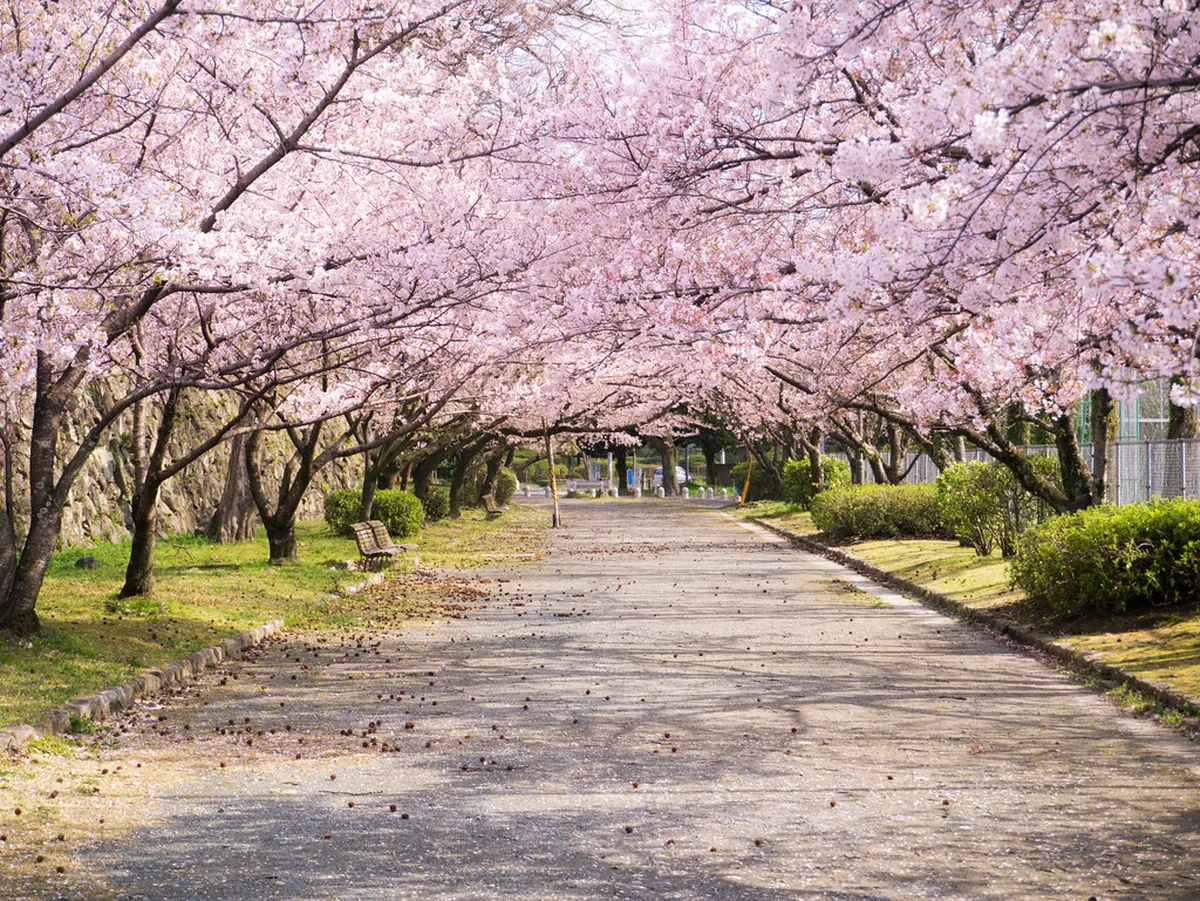
Fukuoka has four distinct seasons; the right one depends on what you want from the trip. Late March to early April is peak cherry blossom — Maizuru Park hits full bloom around March 28–April 4 in 2026 and is the city's best hanami spot. October to November is the climate sweet spot: 15–22°C, low humidity, autumn foliage at Ohori Park. July brings the Hakata Gion Yamakasa festival (July 1–15) and humidity in the high 30s. Late June to mid-July is the rainy season (tsuyu) — discount hotel rates but indoor-heavy trips. August–September sees typhoons; flights and ferries can cancel with 24-hour notice. For exact dates and bloom timing: best time to visit Fukuoka.
How to Get to Fukuoka
By air: Fukuoka Airport (FUK) has direct flights from Seoul, Taipei, Hong Kong, Shanghai, Bangkok, Singapore, Manila, plus all major Japanese cities. The airport is 5 minutes by subway to Hakata Station — no other major Japanese city is this close to its airport.
From Tokyo: Shinkansen Nozomi takes 4h 50m direct (Tokyo → Hakata), unreserved seat ¥22,950. Domestic flight is 2h door-to-door for ¥15,000–25,000.
From Osaka: Shinkansen Sakura/Mizuho takes 2h 30m (Shin-Osaka → Hakata), ¥15,400.
Airport to city: Subway is the only sensible option — see our airport-to-city guide for ticket-machine walkthroughs and IC-card setup.
Where to Stay in Fukuoka
Three districts work for visitors. Hakata (around the station) is the right choice if you're using Fukuoka as a Kyushu hub — direct Shinkansen access, hotels in every price range, less foot-traffic at night. Tenjin suits travelers who want to walk to shopping, restaurants, and bars; less convenient for early train departures. Nakasu / Riverside puts you next to the yatai stalls and nightlife — book early for July's Yamakasa festival weeks. The full neighborhood comparison with hotel picks at each price tier is in our where to stay in Fukuoka guide. For specific hotel recommendations: best Fukuoka hotels by neighborhood. Choosing between traditional and Western style: ryokan vs business hotel.
Hotel prices in Fukuoka spike sharply during the Hakata Gion Yamakasa festival in July and Golden Week in early May. Book accommodation several months in advance if your visit overlaps with either period.
Getting Around the City
Fukuoka City Subway covers all major districts; fares are ¥210–¥380 per ride. A one-day pass (¥640) breaks even at three rides. Buses fill the gaps the subway doesn't reach. Taxis are abundant but not cheap. The subway pass vs Tourist City Pass comparison walks through which pass beats pay-as-you-go for your specific itinerary. For day trips beyond city limits, the Nishitetsu rail line serves Dazaifu, Yanagawa, and Omuta — see public transport for attractions. For a longer day trip into Oita, our guide to Fukuoka to Yufuin by train or bus compares the Yufuin no Mori train and highway buses.
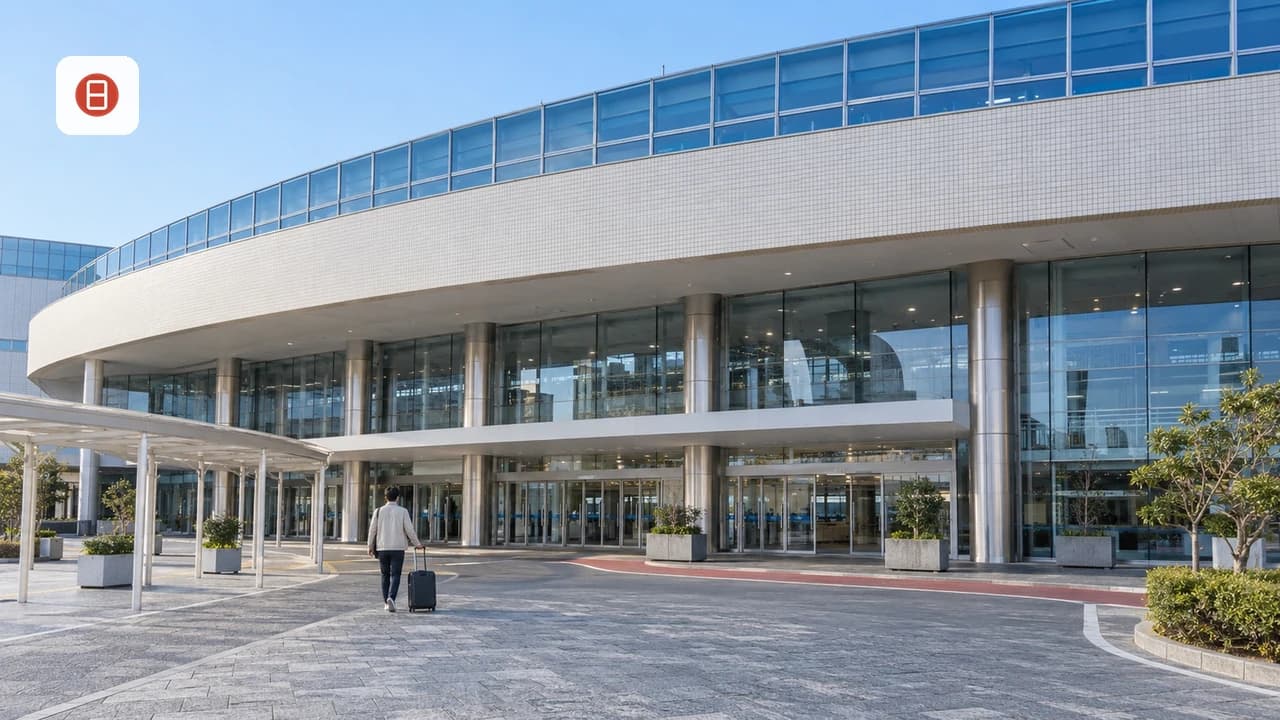
Fukuoka Airport is only 5 minutes by subway from Hakata Station — the fastest airport-to-city link in Japan. The fare is just ¥260. Skip taxis and airport buses entirely unless you have oversized luggage.
Money & Daily Budget
Realistic daily spend for 2026:
| Budget Level | Daily Spend | Accommodation | Typical Meals |
|---|---|---|---|
| Backpacker | ¥5,000–8,000 | Capsule hotel | Conbini + one yatai dinner |
| Mid-range | ¥10,000–15,000 | 3-star hotel | Sit-down restaurants |
| Upscale | ¥20,000+ | 4-star / ryokan | Kaiseki dinners |
Most cultural attractions (Kushida Shrine, Ohori Park, Castle Ruins, Hakata Old Town) are free. Cash is still preferred at yatai stalls — bring at least ¥10,000 in physical yen for a typical food-focused evening. Full breakdown: Fukuoka travel budget & daily costs 2026. Free-and-cheap options: free things to do and free annual events.
Choose Your Itinerary
Pick the length that fits your schedule:
- 1 day (stopover): 1-day Fukuoka itinerary for short-stay travelers — Hakata morning, yatai dinner, back on the Shinkansen.
- 24 hours, culture-focused: cultural heritage itinerary, 24 hours in Hakata — Kushida, Tochoji, Hakata Machiya Folk Museum.
- 1 night, nightlife-focused: one night in Fukuoka, compact nightlife itinerary.
- 5 days (full Kyushu base): 5-day Fukuoka itinerary — landmarks, food, day trips, nature.
Practical Travel Tips
Language: Less English than Tokyo or Kyoto, especially at yatai stalls. Google Translate's camera mode handles menus.
SIM/Wi-Fi: Pocket Wi-Fi rentals at the airport (~¥800/day) cover the whole trip. Free Wi-Fi at major stations and convenience stores.
Trash: Public bins are rare. Carry your trash to your hotel — same rule as the rest of Japan.
With kids: See Fukuoka with kids for stroller-friendly routes and family-priced attractions.
Family-friendly food: best restaurants in Fukuoka and vegetarian and vegan Fukuoka if you're avoiding seafood/pork broth.
For what to actually do once you arrive — landmarks, museums, day trips, neighborhoods — see the full Fukuoka attractions guide.
Frequently Asked Questions About Fukuoka
How many days do you need in Fukuoka?
Two to three days covers the main city attractions at a comfortable pace — Kushida Shrine, Ohori Park, Hakata Old Town, a yatai evening, and day trips to Dazaifu or Yanagawa. Extend to four or five days if you want to explore further afield or attend a festival.
Is Fukuoka worth visiting?
Yes — Fukuoka is consistently rated one of Asia's most liveable cities. It offers excellent food, genuine neighbourhood character, easy transport, and far fewer crowds than Tokyo or Kyoto. The airport is five subway stops from the city centre, making it one of the most convenient cities in Japan to fly into.
What is Fukuoka best known for?
Fukuoka is best known for tonkotsu ramen, yatai street food stalls, Hakata district's temples and festivals (especially the Hakata Gion Yamakasa in July), and its role as the gateway to Kyushu island. It is also notable for its compact, walkable layout and the friendliness of its residents.
What is the best time to visit Fukuoka?
Late March to early April for cherry blossoms at Maizuru Park, or October to November for comfortable temperatures and autumn colours. July is excellent for the Hakata Gion Yamakasa festival but hot and humid. Avoid the rainy season (mid-June to mid-July) if possible.
Explore More Fukuoka Guides
Deep-dive guides for every part of a Fukuoka trip — neighborhoods, day trips, food, festivals, landmarks, and where to stay.
Food & Drink
- Fukuoka Itinerary 5 Days
- Fukuoka Yatai Guide 2026
- Fukuoka Summer Nightlife 2026
- Vegan Fukuoka Restaurants and Travel Tips
- Hakata Station Area Guide
- Restaurants and Food Experiences in Fukuoka
- Hakata Tonkotsu Ramen Tour
- Fukuoka Mentaiko Tasting & Shopping
Shopping
Accommodation
- 8 Key Differences
- Neighborhoods Where to Stay in Fukuoka
- Fukuoka 1-Day Itinerary 2026
- Areas and Hotels in Fukuoka
Practical & Transport
- How to Use Fukuoka Public Transport for Attractions
- Fukuoka Tourist City Pass vs Subway Pass
- Dazaifu Tenmangu Shrine Transport Guide
- Fukuoka Airport to City Center 2026
- 17-Part Guide to Fukuoka Travel Budget and Daily Costs 2026
- Free Annual Events in Fukuoka City
Day Trips & Itineraries
- Kawachi Fuji Garden Wisteria Tunnel Day Trip From Fukuoka Guide
- How To Plan A Dazaifu Tenmangu Shrine Day Trip From Fukuoka
- 10 Tips to Book a Yanagawa River Cruise from Fukuoka
- 10 Essential Stops for a Fukuoka Cultural Heritage Itinerary
- Kurume Day Trip From Fukuoka Guide
- Fukuoka Day Trips 2026
- Itoshima Day Trip From Fukuoka
- 3-Day Fukuoka With Kids Itinerary
- Things to Do on a Kitakyushu Day Trip From Fukuoka
- One Night In Fukuoka
Festivals & Seasonal
- Fukuoka Cherry Blossom 2026
- Hakata Gion Yamakasa Festival 2026
- Top Traditional Fukuoka Autumn Festivals to Visit in 2026
- Best Time to Visit Fukuoka, Japan
Outdoors & Nature
- Acros Fukuoka Step Garden Visitor Guide
- Beaches and Local Spots in Fukuoka
- Uminonakamichi Seaside Park
- Outdoor Activities in Fukuoka, Japan
- Ohori Park Fukuoka
Neighborhoods & Districts
- Hidden Bars in Ningyo Shoji and Haruyoshi
- Girls Bars & Kyabakura in Fukuoka 2026
- 7 Must Visit Attractions In Hakata Old Town Travel Guide
- Hakata Ward Fukuoka Neighborhood Guide
Landmarks & Attractions
- Modern Art Galleries & Museums in Fukuoka 2026 (With Prices & Hours)
- Fukuoka Tower Visitor Guide
- TeamLab Forest Fukuoka Boundless Visitor Guide
- Fukuoka Temples Beyond the Big Four
- 10-Point Visitor Guide
- How to Visit Nanzoin Temple Reclining Buddha from Fukuoka
- How to Buy Fukuoka Sumo Tickets 2026 Before They Sell Out (Step-by-Step)
- How to Visit Fukuoka Castle Ruins in Japan
- Momochi Seaside Park & Fukuoka Tower Day Itinerary
Nightlife
More Attractions & Experiences
Free: The Fukuoka Essentials guide
Top things to do, where to stay, a perfect day plan, getting around, and the best time to go — a Fukuoka mini-guide you can take offline.
You might also like


Continue reading
More guides you'll find useful