Fukuoka Travel Budget 2026: Daily Costs From $44/Day
Fukuoka travel budget 2026: real daily costs from $44/day, plus 3- and 4-day trip totals for ramen, yatai, transport passes and hotels. Plan every yen.
On this page
Fukuoka is often called the laid-back uncle of Japan because of its relaxed atmosphere and friendly locals. This coastal city offers a unique blend of modern shopping, ancient shrines, and world-class street food.
Planning your Fukuoka travel budget and daily costs 2026 requires looking at recent inflation trends and new tax rules. You can enjoy a high-quality experience here for much less than in Tokyo or Osaka.
Travelers find that the compact nature of the city makes it easy to explore without spending a fortune on transport. This guide breaks down every yen you might spend during your upcoming visit.
Understanding Fukuoka
Fukuoka serves as the vibrant capital of Kyushu and acts as a gateway to southern Japan. The city is split into two main hubs known as Hakata and Tenjin. Hakata is the historic port area while Tenjin is the modern commercial center.

Travelers often appreciate the slower pace of life here compared to the frantic energy of Shinjuku. You will find that the locals are remarkably welcoming to international visitors. This hospitality makes it an ideal destination for first-time travelers to Japan.
The city layout is very logical and easy to navigate on foot or by train. Most major attractions sit within a small radius of the central subway line. This proximity helps keep your daily transport costs manageable throughout your stay.
Fukuoka Travel Checklist
Before you fly, ensure your passport has at least six months of validity remaining. Most tourists from Western countries receive a 90-day visa-free entry upon arrival. Check the latest requirements for your specific nationality before booking non-refundable flights.
Registering on the Visit Japan Web portal is a mandatory step for a smooth entry process. This site generates QR codes for immigration and customs that save significant time at the airport. Complete this registration at least 48 hours before your departure.
Comprehensive travel insurance is essential for covering unexpected medical costs or trip cancellations. Healthcare in Japan is excellent but can be expensive for uninsured foreign visitors. Secure a policy that specifically includes coverage for COVID-19 related issues.
Cash, Credit Cards, and ATMs in Fukuoka
Japan remains more cash-reliant than many Western countries, and Fukuoka is no exception outside its biggest hotels and department stores. Chain restaurants, TeamLab Forest, and major shopping centers accept Visa and Mastercard, but yatai stalls, small ramen counters, and neighborhood izakayas are frequently cash-only.
Convenience store ATMs are the most reliable way to get yen. 7-Eleven, Family Mart, and Lawson ATMs accept foreign cards around the clock, while many regular Japanese bank ATMs reject overseas cards or close overnight. Seven Bank ATMs charge a flat ¥220 ($1.50) fee per withdrawal regardless of amount, so pulling out ¥30,000-¥40,000 ($200-$270) at a time cuts down on repeat fees.
Your Nimoca IC card doubles as a prepaid payment card at convenience stores and vending machines, not just for transit. Loading ¥3,000-¥5,000 ($20-$34) when you first buy it lets you tap for small purchases without breaking a bill.
No Tipping, Ever
Tipping is not customary anywhere in Japan, including restaurants, taxis, hotels, and yatai stalls. Leaving extra cash on the table usually results in a server chasing you down to return it. Skip the 15-20% you might budget for tips elsewhere and let that money cover an extra bowl of ramen instead.
Where to Stay in Fukuoka
Hakata is the best area for those who prioritize transport links and easy airport access. Staying near the main station allows you to catch early shinkansen trains to other Kyushu cities. You will find a wide range of business hotels and luxury options here.
Tenjin is the preferred choice for travelers who love shopping, nightlife, and trendy cafes. This district feels more youthful and energetic during the evening hours. You can compare rates using a Fukuoka Hotel Price Comparison (Agoda) to find the best deals.
Fukuoka implements a mandatory accommodation tax that is often charged separately at check-in. Expect to pay ¥200 ($1.35) per night for rooms costing under ¥20,000. If your room exceeds that price, the tax increases to ¥500 ($3.40) per person per night.
Fukuoka's accommodation tax is charged per person per night, not per room. A couple staying in a room costing ¥22,000 will each pay the ¥500 surcharge, adding ¥1,000 to the nightly bill — factor this into your per-night budget calculations.
Fukuoka Airport to City Center
Fukuoka Airport offers the fastest airport-to-city connection in all of Japan. The subway journey from the domestic terminal to Hakata Station takes only five minutes. This convenience allows you to start your vacation almost immediately after landing.
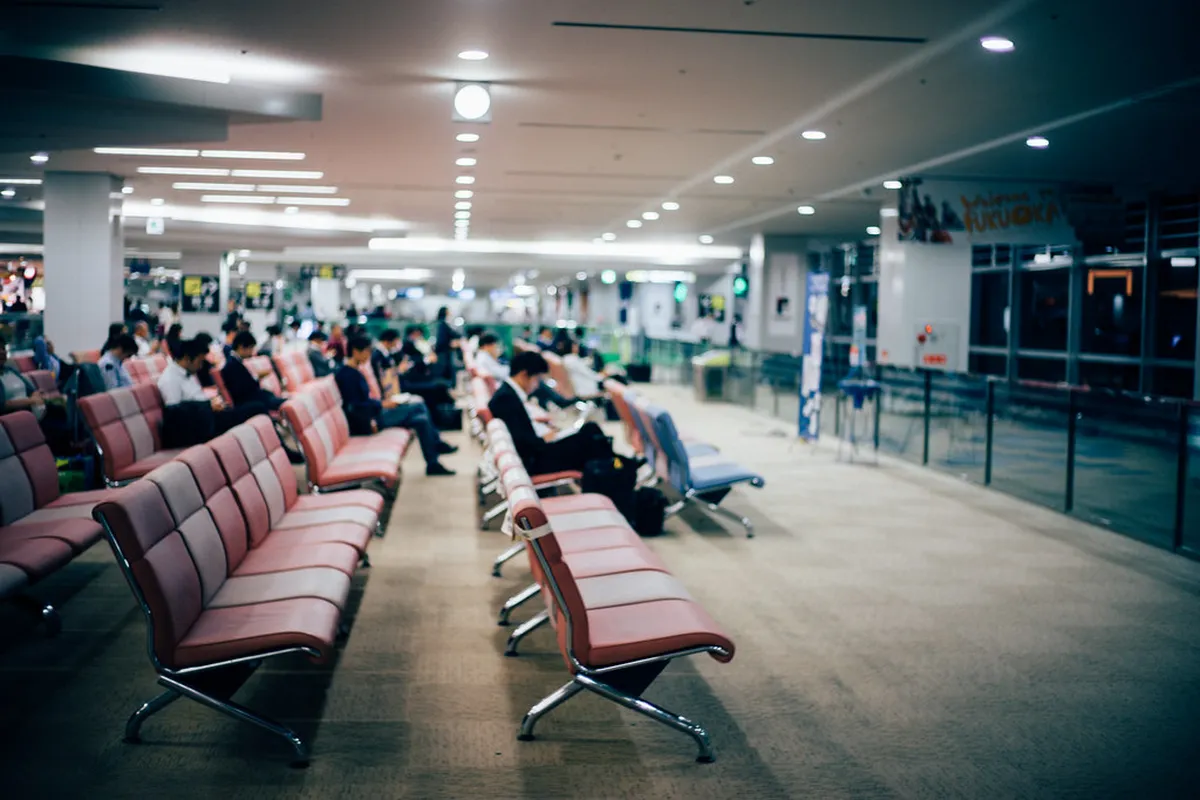
The subway fare for this short trip is approximately ¥260 ($1.75) for adults. If you arrive at the international terminal, take the free shuttle bus to the domestic terminal first. See the full breakdown in this guide on Fukuoka Airport to City Center 2026: Subway, Bus & Taxi Transfer Guide.
Taxis are available but are generally unnecessary given the efficiency of the subway system. A taxi ride to the city center might cost around ¥2,000 ($13.50) depending on traffic. Choose the subway to keep your initial arrival costs as low as possible.
How to Get Around Fukuoka
The Fukuoka City Subway consists of three main lines: Kuko, Hakozaki, and Nanakuma. The Kuko Line is the most useful for tourists as it connects the airport, Hakata, and Tenjin. Trains are frequent, clean, and very easy to use with English signage.
Nishitetsu buses cover the areas that the subway lines do not reach directly. These buses use a distance-based fare system where you pay upon exiting. Grab a numbered ticket when boarding or tap your IC card to simplify the process.
Walking is a fantastic way to explore the central areas like Nakasu and Tenjin. Many of the best hidden shrines and small cafes are tucked away in narrow side streets. Biking is also popular, with several rental stations located near major parks and stations.
Different Types of Fukuoka Passes
The Fukuoka Subway Day Pass costs ¥640 ($4.30) and offers unlimited rides for 24 hours. This pass pays for itself if you plan to take at least three subway trips in one day. You can purchase this easily at any subway station vending machine.
For a broader experience, consider the Fukuoka Tourist City Pass Official Info which covers buses and trains. This pass costs ¥1,500 ($10.15) and is only worth the price if visiting outlying areas. It includes the Nishitetsu train line which is useful for trips to Dazaifu.
Always calculate your planned route before buying a pass to ensure you actually save money. For a detailed comparison, read our guide on Fukuoka subway day pass vs Nimoca IC card to decide which option suits your itinerary best.
Things to Do in Fukuoka
Ohori Park is a beautiful central oasis that is completely free to enter and enjoy. It features a large central pond with walking paths and several picturesque bridges. This is a perfect spot for a morning stroll or a relaxed picnic with local snacks.
Experience digital art at TeamLab Forest located near the PayPay Dome for a modern thrill. Tickets for this attraction usually cost around ¥2,200 ($14.85) and should be booked in advance. This immersive experience is a highlight of the 12 best things to do in Fukuoka Japan.
Kushida Shrine is the most important Shinto site in the city and has no entrance fee. You can see the massive decorative floats used in the famous summer festival here. For a complete overview of paid and free sights, browse the full list of 20 Best Fukuoka Attractions in 2026 to plan your days around your budget.
Day Trips From Fukuoka
Dazaifu Tenmangu is a stunning shrine dedicated to the god of learning and is easily accessible. You can take a direct bus or the Nishitetsu train for around ¥610 ($4.10) each way. This destination is a core part of any best day trips from Fukuoka itinerary.
The Reclining Buddha at Nanzoin Temple is one of the most impressive sights in the region. Getting there involves a 20-minute train ride on the JR Sasaguri Line from Hakata Station. Learn about the how to visit Nanzoin Temple Fukuoka: dress code and logistics before you go.
Yanagawa offers peaceful river cruises through historic canals for a more traditional experience. A boat tour usually costs about ¥1,600 ($10.80) and takes roughly 70 minutes. Combine this with Dazaifu using a special discount ticket to save on transport costs.
Where to Eat in Fukuoka
Hakata is world-famous for its tonkotsu ramen, which features a rich and creamy pork bone broth. A standard bowl at a local shop will cost between ¥700 and ¥1,100 ($4.75 - $7.45). Look for smaller shops away from the main station for the most authentic prices.
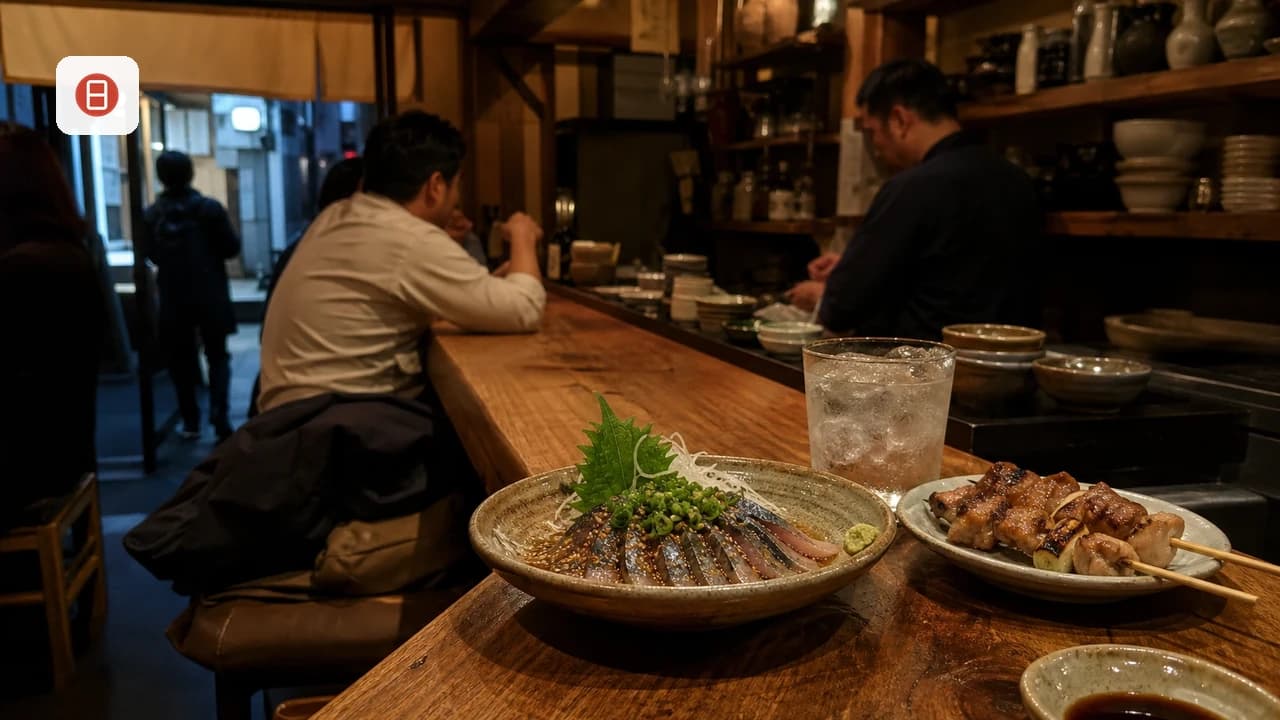
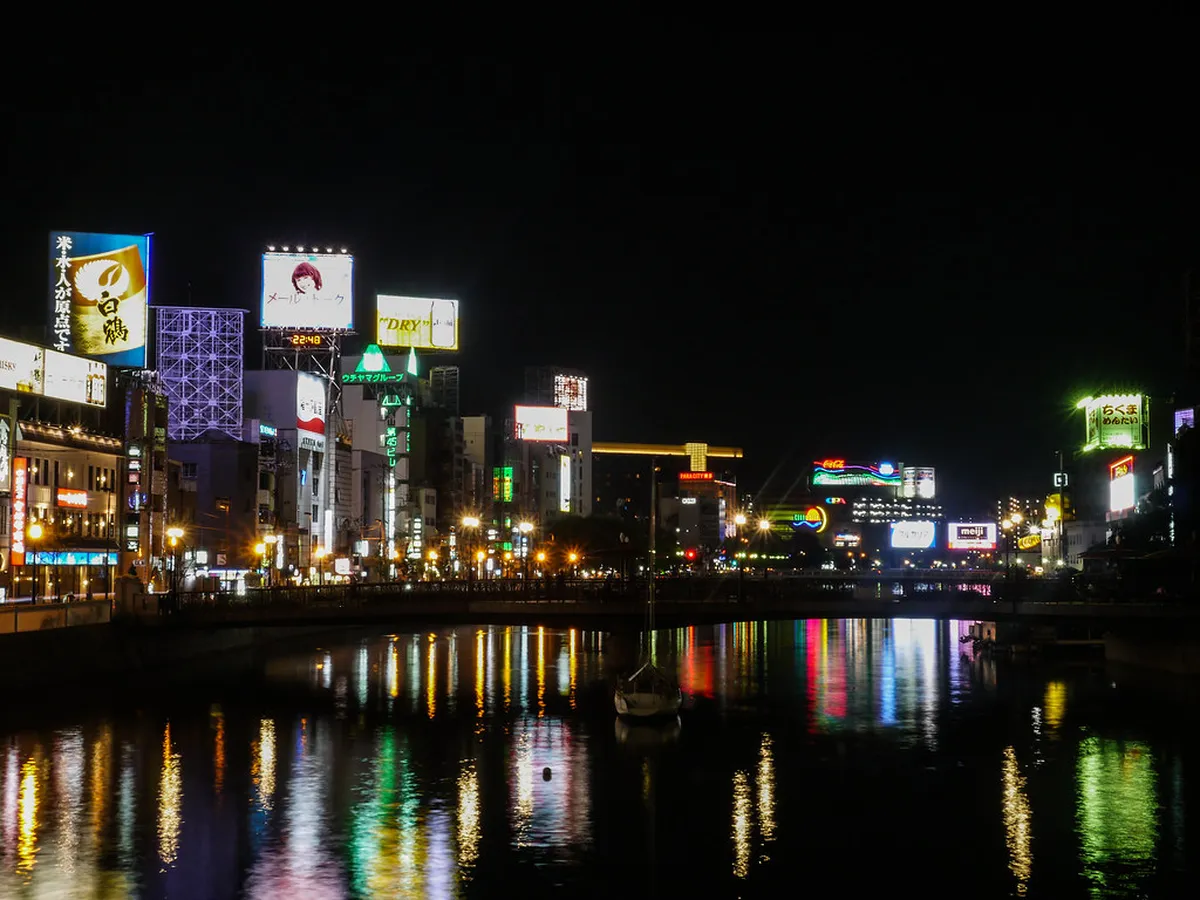
Dining at a yatai or street food stall is a must-do experience in the Nakasu district. Be aware of the one-drink rule where every person must order a beverage in addition to food. Review the Fukuoka Yatai etiquette: a guide to street food stalls to avoid common mistakes.
Expect to spend at least ¥2,000 ($13.50) per person for a full meal at a yatai stall. While they look like cheap street food, the experience is often priced more like a sit-down restaurant. Before you go, read our complete guide on how to visit Fukuoka yatai stalls: etiquette and rules.
Cheap Drinks & Late-Night Eats
Budget nightlife is one of Fukuoka's strongest value propositions and adds little to your daily costs if you choose wisely. Standing bars and small izakayas in the Tenjin and Daimyo backstreets often run "nomihodai" all-you-can-drink deals for around ¥1,500 ($10.15) per 90 minutes. Happy hour beers at chain izakayas frequently drop to ¥300 ($2.05), and a highball or chu-hi can be found for ¥400 ($2.70) before 7pm.
Late-night ramen is the classic post-bar meal and remains one of the cheapest hot dinners in the city. A tonkotsu bowl at small late-night shops typically costs between ¥500 and ¥800 ($3.40 - $5.40), undercutting daytime tourist-area pricing. Ichiran and Shin Shin branches stay open into the early hours and price standard bowls around ¥980 ($6.65), which is still strong value for the consistency. For a deeper neighborhood breakdown, see the Fukuoka Nightlife Guide: Best Bars, Clubs & Late-Night Spots in 2026 guide.
Avoid street promoters in Nakasu offering free drinks — hidden seating fees of ¥1,000 or more are common at unmarked clubs in this district. Stick to posted menus and always confirm any cover charge before sitting down.
Watch for hidden costs that can wreck a cheap night out. Avoid street promoters in Nakasu offering free drinks because seating fees of ¥1,000 ($6.75) or more are common at unmarked clubs. Stick to posted menus, confirm any cover charge at the door, and remember the yatai one-drink rule when stall-hopping along the river. Budget roughly ¥3,000 ($20.30) per person for a full evening covering two drinks plus a late ramen bowl.
Daily Budget Range 2026
Your daily spending in Fukuoka will largely depend on your choice of accommodation and dining style. Budget travelers can survive on ¥6,500 by utilizing budget accommodation in Fukuoka and affordable convenience store meals. This allows for a few paid attractions while keeping costs very low.
Mid-range travelers should prepare to spend around ¥13,000 per day for a comfortable experience. This budget covers a private business hotel room and two restaurant meals daily. It also includes the cost of a day trip or a premium museum entry.
Splurge travelers can enjoy the best of the city with a budget of ¥28,000 or more. This level of spending allows for high-end hotels and multiple courses of specialty local cuisine. You can also afford frequent taxi rides and premium shopping in Tenjin.
| Traveler Type | Daily Budget | Accommodation | Food Style | Transport |
|---|---|---|---|---|
| Budget Backpacker | ¥6,500 (~$44) | Dorm hostel | Convenience store / ramen | Walking + subway day pass |
| Mid-Range | ¥13,000 (~$88) | Business hotel | Ramen + lunch sets | Day passes + occasional taxi |
| Splurge | ¥28,000+ (~$190+) | Luxury hotel | Yatai + fine dining | Taxis |
- Budget Backpacker Daily Cost
- Total: ¥6,500 ($44)
- Stay: Dorm bed
- Food: Convenience stores
- Transport: Walking/Subway
- Mid-Range Flashpacker Daily Cost
- Total: ¥13,000 ($88)
- Stay: Business hotel
- Food: Ramen/Lunch sets
- Transport: Day passes
- Splurge Traveler Daily Cost
- Total: ¥28,000+ ($190+)
- Stay: Luxury hotel
- Food: Yatai/Fine dining
- Transport: Taxis
Total Trip Cost: 3-Day vs 4-Day Fukuoka Budgets
Multiplying the daily ranges above gives a realistic total for a full Fukuoka trip, before flights. A backpacker spending around ¥6,500 per day lands near ¥19,500 ($132) over three days, or ¥26,000 ($176) over four. A mid-range traveler at ¥13,000 per day totals roughly ¥39,000 ($264) for three days and ¥52,000 ($352) for four. Splurge visitors at ¥28,000-plus per day should budget ¥84,000 ($568) or more for a three-day stay.
These totals assume the city base only. Add the accommodation tax (¥200-¥500 per person per night) and any day-trip fares — Dazaifu runs about ¥610 each way and a Yanagawa boat tour around ¥1,600 — on top of your nightly figure. Booking lunch teishoku sets and shopping the depachika before closing keeps a four-day trip comfortably inside the mid-range total.
Seasonal Price Variations
Hotel prices in Fukuoka fluctuate significantly based on local festivals and national holidays. The Hakata Gion Yamakasa festival in July causes a massive spike in room rates. Book your stay several months in advance if you plan to visit during this time.
Golden Week in early May is another period where travel costs can triple across Japan. Many locals travel during this week, leading to crowded trains and fully booked restaurants. Consult the best time to visit Fukuoka: seasonal guide and festivals for better timing.
January and February typically offer the lowest prices for accommodation and domestic flights. While the weather is chilly, you can enjoy the city without the heavy tourist crowds. If you are planning a spring visit, check our guide on the best time for Fukuoka cherry blossoms to time your trip for peak bloom and the most competitive hotel rates.
Money-Saving Strategy
Take advantage of the Lunch Teishoku or set meals offered by many restaurants in Hakata Station. These sets often provide the same high-quality food as dinner but at a 40% discount. You can find these deals in the Amu Plaza or City Dining Kuten areas.
The Chika-toku discount program offers reduced entry fees for subway pass holders at various attractions. Simply show your valid day pass at the ticket counter to receive a small discount. This can save you a few hundred yen at museums and observation decks.
Shopping at department store basements, known as depachika, is a great way to find high-quality food. Visit these areas about an hour before closing to find deep discounts on bento boxes. You can enjoy a gourmet meal for a fraction of the original price.
Hidden Costs and Common Budget Mistakes in Fukuoka
Beyond the nightly accommodation tax, a few smaller charges catch first-time visitors off guard. Budgeting an extra ¥1,000-¥1,500 ($6.75-$10.15) per day for these covers most surprises.
- Otoshi (table charge): Izakayas in Tenjin and Daimyo often serve a small appetizer automatically and charge ¥300-¥600 ($2.05-$4.05) per person for it, even if you did not order it.
- Coin lockers: Storing luggage at Hakata Station costs ¥300-¥700 ($2.05-$4.75) per day depending on locker size.
- Pocket wifi or SIM card: Data plans for visitors run ¥800-¥1,500 ($5.40-$10.15) per day if you have not arranged one before arrival.
- Foreign transaction fees: Cards without fee waivers often add a 2-3% surcharge on every yen purchase, which adds up over a multi-day trip.
The most common budget mistake is underestimating convenience store spending. Grabbing coffee, onigiri, and drinks from a Lawson or Family Mart feels cheap per item, but these small purchases can quietly add ¥1,000-¥2,000 ($6.75-$13.50) to your daily total. Track receipts for a day or two to catch this pattern early.
A second frequent error is booking TeamLab Forest or other popular attractions on arrival rather than in advance, which sometimes means paying higher walk-up prices or missing out on discounted online tickets entirely.
Sample Fukuoka Itinerary
A 3-day itinerary usually focuses on the city center and a quick trip to Dazaifu. You can explore Ohori Park and the ruins of Fukuoka Castle on your first day. Spend your second day in Dazaifu before returning for a yatai dinner in Nakasu.
For a 4-day trip, you can add a visit to the reclining Buddha at Nanzoin Temple. This allows for a more relaxed pace and time for serious shopping in the Tenjin district. Follow a detailed Fukuoka Itinerary to maximize your limited time in the city.
Always leave some flexibility in your schedule for spontaneous discoveries or weather changes. Fukuoka is a city that rewards those who take the time to wander through its neighborhoods. Budgeting for small extras like seasonal snacks will make your trip more enjoyable.
Frequently Asked Questions About Fukuoka
Many travelers wonder if they can rely solely on credit cards during their visit. While major hotels and malls accept cards, many small shops and yatai remain cash-only. Always carry at least ¥5,000 in cash for daily incidental expenses.
Language barriers are generally manageable in Fukuoka due to the high volume of international students. Most menus in popular tourist areas feature English translations or helpful pictures. Learning a few basic Japanese phrases will still go a long way in making connections.
Safety is rarely a concern as Fukuoka is known for being one of the safest cities in Japan. You can comfortably walk alone at night in most central districts without any issues. Standard travel precautions are still advised to protect your belongings in crowded areas.
Frequently Asked Questions
Is Fukuoka cheaper than Tokyo for tourists?
Yes, Fukuoka is generally 15-20% cheaper than Tokyo for accommodation and dining. You can find high-quality business hotels for lower rates and enjoy world-class ramen at very affordable prices. Transport costs are also lower because the city is much more compact than the capital.
How much does a bowl of Hakata ramen cost in 2026?
A standard bowl of Hakata ramen in 2026 is projected to cost between ¥750 and ¥1,150. Specialty toppings or sets with gyoza will increase the price to around ¥1,500. Local shops away from tourist hubs often offer the best value for your money.
Do I need to tip at Fukuoka yatai stalls?
Tipping is not practiced in Japan, even at informal yatai street stalls. You should pay the exact amount on your bill and avoid leaving extra cash on the counter. Focus on following the one-drink rule and being a respectful guest instead of tipping. Check the yatai etiquette guide for more tips.
Fukuoka remains one of the best value destinations in Japan for 2026. By understanding the local transport passes and the accommodation tax, you can easily manage your daily expenses. This city offers a rich cultural experience without the high price tag of larger metropolises.
Remember to balance your budget between cheap ramen shops and the unique atmosphere of the yatai stalls. Planning for seasonal price spikes will ensure that you get the most out of every yen. Your trip to Kyushu will be both affordable and unforgettable with these strategies.
Safe travels as you explore the shrines, parks, and vibrant streets of this coastal gem. Whether you are a backpacker or a luxury seeker, Fukuoka has something special for you. Start your planning today to lock in the best rates for 2026.
Free: The Fukuoka Essentials guide
Top things to do, where to stay, a perfect day plan, getting around, and the best time to go — a Fukuoka mini-guide you can take offline.
You might also like

Continue reading
More guides you'll find useful