20 Best Fukuoka Attractions in 2026
Explore the best attractions in Fukuoka in 2026! This guide features must-see landmarks, cultural hotspots, and hidden gems. Plan your Fukuoka adventure now!
On this page
Fukuoka is the largest city on Kyushu Island and one of Japan's fastest-growing travel destinations in 2026. With a compact layout, an efficient subway system, and an airport just five minutes from the city center, Fukuoka offers a captivating blend of history, culture, and modern attractions without the overwhelming crowds of Tokyo or Kyoto.
This listicle-style guide highlights the 20 best attractions in Fukuoka, providing you with quick, detailed insights to plan your perfect itinerary. Whether you are a first-time visitor or returning for a deeper dive, these landmarks and experiences represent the soul of the city.
Fukuoka's unique appeal lies in its accessibility and diverse offerings. You can easily navigate the city and immerse yourself in its rich culinary scene, explore historical sites, or enjoy the vibrant nightlife. Discover the best things to do with our comprehensive guide on Things to Do in Fukuoka and find a myriad of Fukuoka Experiences tailored to your interests.
For adventure seekers, Fukuoka offers a range of thrilling activities. Check out Fukuoka Adventures for outdoor excursions and unique cultural immersions. Delve deeper into the city's heritage with Fukuoka Culture experiences, or visit iconic Fukuoka Landmarks that tell the story of this dynamic region. As the sun sets, explore the exciting Fukuoka Nightlife Guide: Best Bars, Clubs & Late-Night Spots in 2026, or plan your visit around the many Fukuoka Events that showcase the city's vibrant spirit. Don't miss the Fukuoka Highlights, offering a curated selection of the city's must-see attractions, and discover a wide array of Fukuoka Activities that cater to all interests. Use our Fukuoka Itinerary to make the most of your trip and discover the best attractions in this amazing city.
Fukuoka Airport is just 5 minutes by subway from Hakata Station — one of the shortest airport-to-centre connections in the world. The Kuko (Airport) Line is the fastest way to reach any of the central attractions on this list.
1. Explore the Serene Beauty of Ohori Park
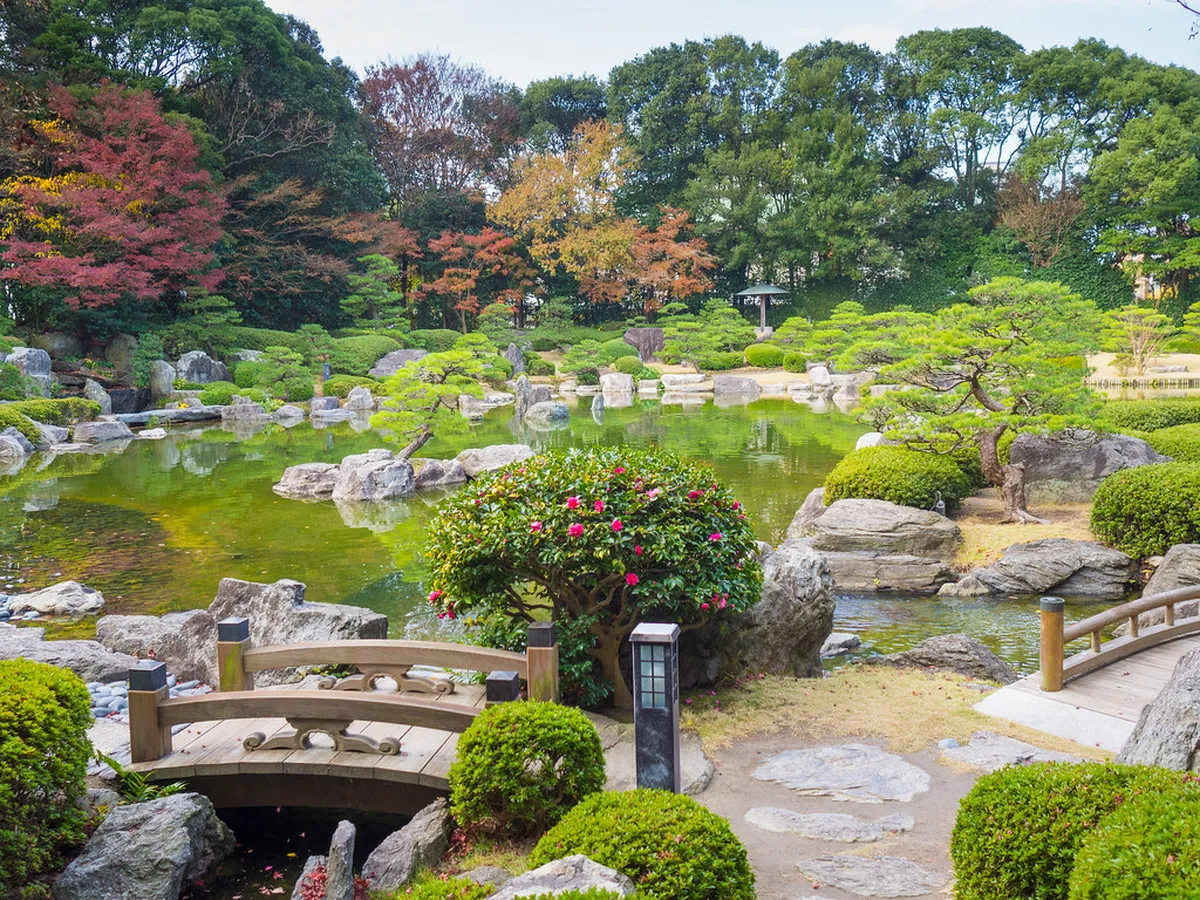
Ohori Park is one of Fukuoka's most beloved green spaces and a tranquil escape from the city's hustle and bustle. Modeled after West Lake in Hangzhou, China, this park features a large pond at its center with a 2-kilometer walking path that circles the water. Visitors can rent swan boats for around 1,000 yen per 30 minutes, stroll along the scenic paths, or simply relax on the grassy banks.
The park is home to a traditional Japanese garden (entry 250 yen, open 9:00 AM to 5:00 PM) and a Noh theater, offering a rich cultural experience. Consider visiting early in the morning or late in the afternoon to avoid crowds and capture the best light for photography. Ohori Park is a 5-minute walk from Ohori-Koen Station on the Kuko subway line, making it one of the most accessible Fukuoka attractions for families, couples, and solo travelers alike. To fully appreciate this attraction, discover local tips before your visit.
Free: The Fukuoka Essentials guide
Top things to do, where to stay, a perfect day plan, getting around, and the best time to go — a Fukuoka mini-guide you can take offline.
2. Discover the History at Dazaifu Tenmangu Shrine
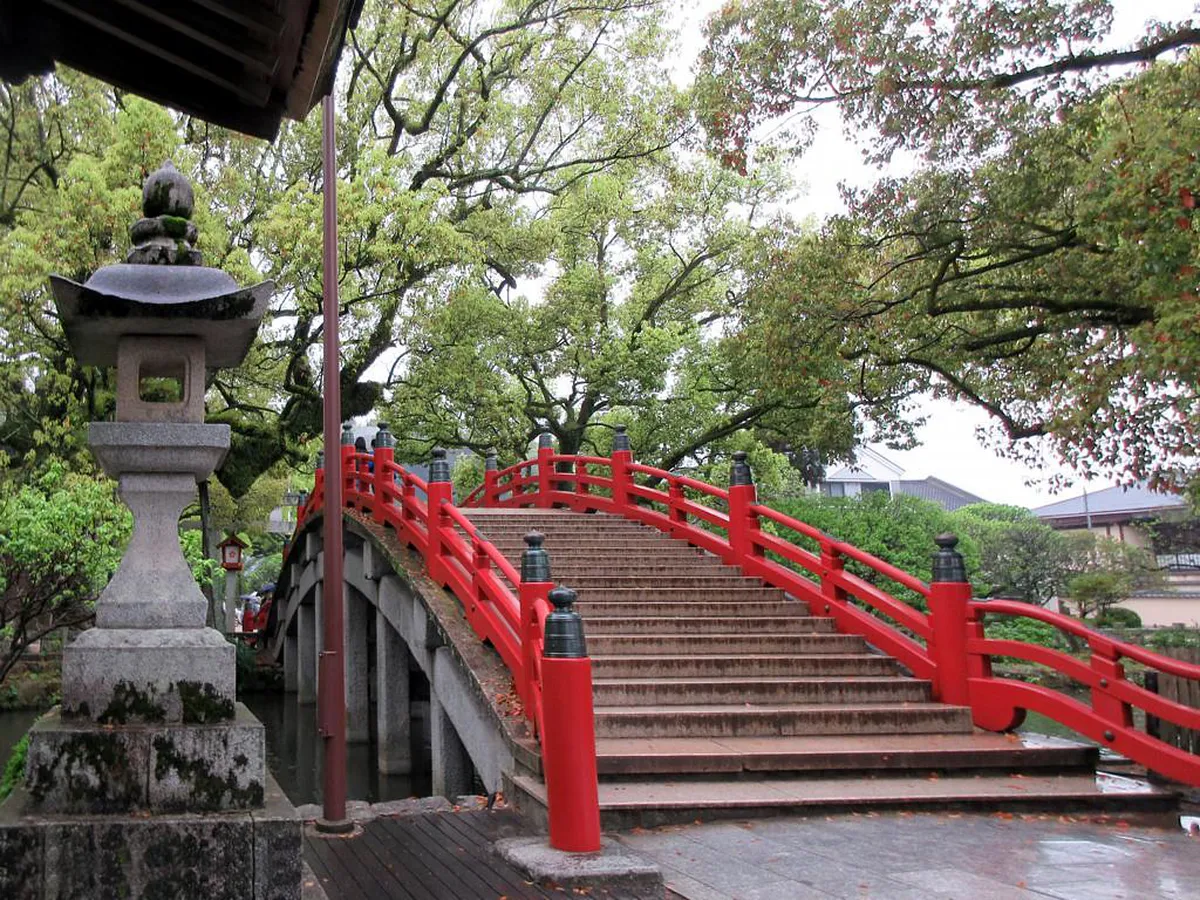
Dazaifu Tenmangu Shrine is more than just a picturesque spot; it's a journey into Japan's rich cultural heritage. Dedicated to Sugawara no Michizane, the deity of learning, this serene shrine attracts students seeking academic success and visitors seeking spiritual solace. The grounds feature over 6,000 plum trees that bloom brilliantly in late February and early March.
As you wander through the shrine's grounds, you'll encounter stunning architecture, including the iconic red arched bridge that crosses a peaceful koi pond. The shrine is free to enter and is particularly beautiful during plum blossom season. Reach Dazaifu in about 30 minutes from Tenjin Station via the Nishitetsu Line (fare approximately 410 yen one way). Don't miss the Umegae-mochi, a grilled rice cake filled with sweet plum bean paste sold along the approach street for 150 yen each. Discover local cultural experiences and plan your visit in the early morning to avoid the crowds.
3. Ascend the Iconic Fukuoka Tower
Fukuoka Tower is an unmissable landmark in the city, soaring 234 meters above the skyline as the tallest seaside tower in Japan. Its distinctive exterior is covered in 8,000 half-mirrors that reflect the surrounding sky and ocean. The observation deck at 123 meters provides a 360-degree vista of the city and Hakata Bay that's especially captivating at sunset.
Admission costs 800 yen for adults and 500 yen for children (open 9:30 AM to 10:00 PM). The tower features a "Lover's Sanctuary" area and hosts seasonal illumination displays and exhibitions throughout the year. Located in the Seaside Momochi area, it's a 15-minute bus ride from Hakata Station or a short walk from Nishijin Station. Check out more Fukuoka landmarks and plan your visit around sunset for the most memorable experience.
4. Immerse Yourself in Marine Life at Marine World Uminonakamichi
Dive into an underwater adventure at Marine World Uminonakamichi, one of Fukuoka's premier attractions. This expansive aquarium showcases a diverse collection of marine creatures, from playful dolphins and sea lions to majestic sharks and vibrant coral reefs. Admission is 2,500 yen for adults and 1,200 yen for children (open 9:30 AM to 5:30 PM, extended to 9:00 PM in summer).
The aquarium features captivating dolphin and sea lion shows with Hakata Bay as the backdrop, providing educational and entertaining experiences for visitors of all ages. Reach the aquarium via the JR Kagoshima Line to Uminonakamichi Station (about 30 minutes from Hakata) or take the scenic ferry from Hakata Pier. Plan your visit around showtimes to make the most of your experience, and combine it with a bike ride through the adjacent Uminonakamichi Seaside Park. To further enrich your visit, explore Fukuoka experiences.
5. Stroll Through the Charming Yanagawa Canal District
Step into a scene of timeless beauty as you stroll through the Yanagawa Canal District, one of Fukuoka's most picturesque attractions. Often called the Venice of Kyushu, this network of canals offers a serene escape from the city bustle. A traditional donko-bune boat tour along these historic waterways costs approximately 1,200 yen per person and lasts about 70 minutes.
The gentle pace allows for uninterrupted appreciation of the traditional buildings and lush greenery lining the banks, making it a perfect activity for couples, families, or solo travelers. Yanagawa is about 50 minutes from Tenjin by Nishitetsu train (830 yen one way). Consider visiting during the spring to witness the cherry blossoms in full bloom, and don't miss the chance to sample the local specialty, steamed eel (unagi no seiromushi), at the charming riverside restaurants. For more insights, discover the best Fukuoka landmarks and plan more Fukuoka adventures.
6. Indulge in Culinary Delights at Canal City Hakata
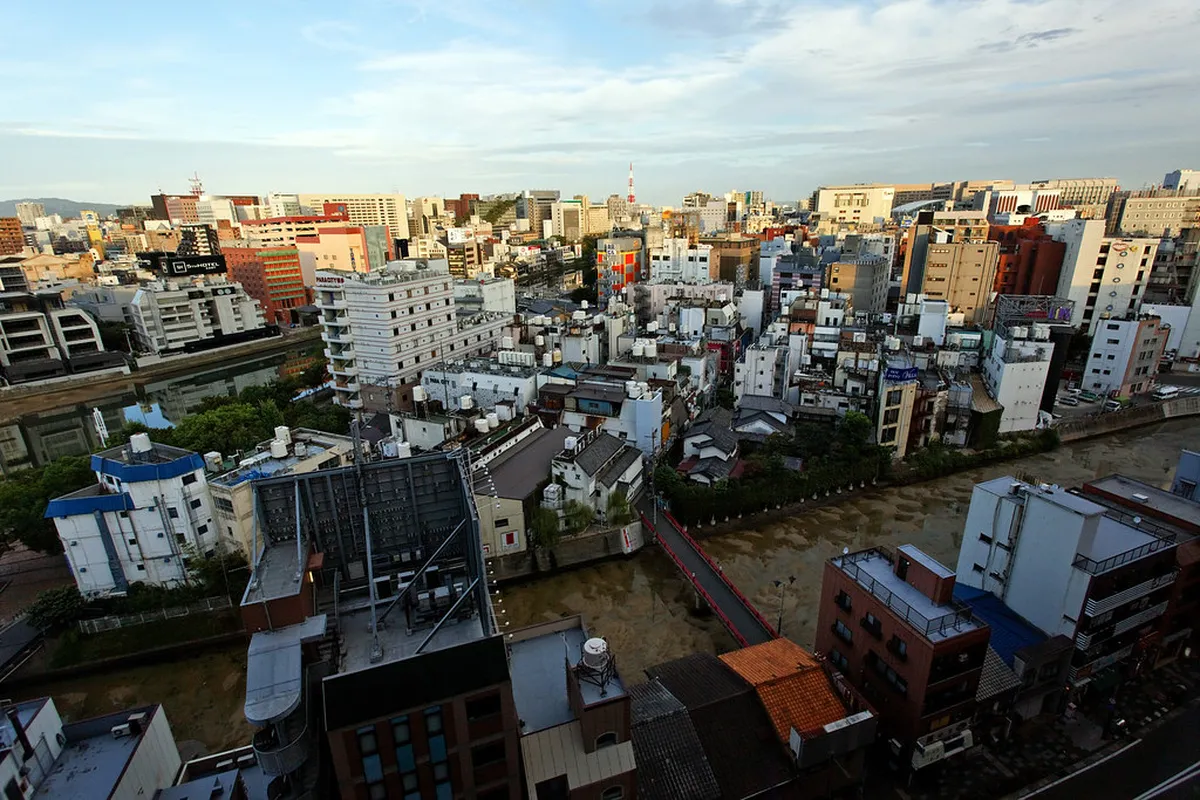
Canal City Hakata is a massive shopping and entertainment complex often called "a city within a city." Featuring a man-made canal running through the center, the complex hosts impressive fountain shows that dance to music every 30 minutes. You'll find an array of restaurants, international brands, a cinema, a theater, and game centers all under one roof.
The Ramen Stadium on the fifth floor is a must-visit, featuring famous ramen shops from across Japan where you can sample different regional styles in one location. A bowl of tonkotsu ramen typically costs 800 to 1,100 yen. Entry to Canal City is free, and it's a 10-minute walk from Hakata Station. For more foodie adventures, explore local dining tours and discover hidden culinary gems. Don't forget to try some of the street food options for a truly authentic local experience.
7. Visit the Impressive Nanzoin Temple and Reclining Buddha
Prepare to be amazed by the Nanzoin Temple, home to one of the largest bronze statues in the world. The reclining Buddha stretches 41 meters long and weighs nearly 300 tons, rivaling the Statue of Liberty in scale. Admission to the temple grounds is free, and the site provides a peaceful retreat with serene gardens and walking paths.
Don't miss the chance to walk through the tunnel beneath the Buddha, believed to bring good fortune. Reach the temple in about 25 minutes from Hakata Station via the JR Sasaguri Line to Kido Nanzoin-mae Station (fare approximately 280 yen). The temple is open from 6:00 AM to 5:00 PM daily. Discover more about Fukuoka's sacred landmarks and make sure you include this destination in your 20 Best Fukuoka Attractions in 2026 itinerary.
8. Experience Traditional Crafts at Hakata Machiya Folk Museum
Step back in time at the Hakata Machiya Folk Museum, a captivating destination for those interested in Fukuoka's rich cultural heritage. This museum provides a glimpse into the daily life and traditional crafts of the Meiji and Taisho periods through preserved machiya (traditional merchant houses). Admission is 200 yen for adults, and the museum is open from 10:00 AM to 6:00 PM (closed Wednesdays).
Exhibits showcase Hakata's textile industry, including live demonstrations of Hakata-ori weaving techniques by local artisans. This hands-on experience is a unique opportunity to engage with Fukuoka's artistic legacy. The museum is located near Gion Station, a short walk from Kushida Shrine. For a deeper dive, explore more of Fukuoka's cultural side, and find more local landmarks to visit.
9. Explore the Mysterious Akiyoshido Cave (Day Trip)
Venture on a captivating day trip from Fukuoka to explore the Akiyoshido Cave, one of Japan's largest and most stunning limestone caves. This natural wonder features breathtaking rock formations, underground rivers, and expansive caverns illuminated to showcase their beauty. Admission is 1,300 yen for adults, and the cave is open from 8:30 AM to 4:30 PM.
As you stroll through the cave's well-maintained 1-kilometer pathway, you'll be mesmerized by unique geological features formed over 300 million years. The surrounding Akiyoshidai Quasi-National Park offers picturesque karst landscapes perfect for hiking. Getting there takes about 2.5 hours by car or a combination of Shinkansen to Shin-Yamaguchi Station and bus. It's a fantastic way to escape the city and immerse yourself in the natural wonders near Fukuoka. Discover more Things to Do in Fukuoka and plan your adventure today.
10. Discover the Volcanic Beauty of Mount Aso (Day Trip)
Embark on an unforgettable day trip from Fukuoka to witness the majestic Mount Aso, one of the world's largest calderas with a circumference of approximately 120 kilometers. This active volcano offers stunning landscapes and unique geological formations. The journey takes about 2 hours by car or 2.5 hours by a combination of Shinkansen and local transport.
The Aso Volcano Museum (admission 880 yen) provides educational exhibits on the region's volcanic history. Don't miss the chance to explore the surrounding grasslands and the Kusasenri meadow, a vast green plateau perfect for photos. As a travel tip, always check the volcanic activity status on the Aso Volcano Museum website before planning your visit, and wear comfortable shoes for hiking. For a deeper dive into the region's natural wonders, explore more landmarks in Fukuoka and find more Fukuoka adventures.
11. Relax in the Tranquil Atmosphere of Rakusuien Garden
Escape the hustle and bustle of the city and immerse yourself in the serene beauty of Rakusuien Garden, a meticulously designed Japanese garden in the Hakata district. Entry costs just 100 yen, and the garden is open from 9:00 AM to 5:00 PM (closed Tuesdays). You'll discover carefully arranged stones, vibrant foliage, a traditional tea house, and the gentle sounds of flowing water.
Rakusuien Garden is not only a visual delight but also a place for quiet contemplation and traditional Japanese aesthetics. Its calm ambiance makes it one of the best Fukuoka attractions for relaxation. The garden is a 5-minute walk from Gion Station. To enhance your visit, consider exploring Fukuoka's cultural experiences and check for seasonal events that might offer a unique perspective on this enchanting garden.
12. Immerse Yourself in History at Fukuoka Castle Ruins
Step back in time at the Fukuoka Castle Ruins within the sprawling grounds of Maizuru Park. Although the castle no longer stands in its full glory, the remaining massive stone walls, gates, and turrets offer a tangible connection to Fukuoka's feudal past. Entry is free, and the grounds are open year-round.
The elevated position provides panoramic views of the modern city skyline, blending historical significance with scenic beauty. Visit during the spring to see thousands of cherry trees blooming across the grounds, and check the Fukuoka Cherry Blossom 2026: Bloom Dates, Best Parks & Spring Festival for peak bloom dates. The ruins are a 5-minute walk from Akasaka Station or Ohori-Koen Station. Consider exploring the castle in detail and check out the seasonal illumination events held within the castle grounds.
13. Wander Through the Bustling Kawabata Shopping Arcade
Step into the vibrant world of the Kawabata Shopping Arcade, one of Fukuoka's oldest and most beloved shopping streets. This 400-meter covered arcade offers a delightful blend of over 130 traditional shops and modern boutiques, providing a unique glimpse into local life. Entry is free, and shops are generally open from 10:00 AM to 8:00 PM.
As you wander through, you'll discover everything from traditional Hakata crafts and clothing to delicious street food and souvenirs. The arcade often hosts local events and festivals, adding to its appeal. Located between Canal City Hakata and Kushida Shrine, it's a perfect bridge between shopping and culture. Be sure to explore Fukuoka activities nearby, and don't miss the chance to sample local snacks and treats as you stroll through this bustling hub.
14. Experience Local Flavors at Kushida Shrine
Kushida Shrine, located in the heart of Hakata, is the most important Shinto site in the district and the starting point of the famous Hakata Gion Yamakasa festival held every July. The shrine dates back to 757 AD and offers free entry year-round. You can see one of the massive decorative Yamakasa floats on permanent display within the grounds.
Exploring Kushida Shrine provides insight into the city's spiritual and cultural identity, and its serene atmosphere offers a peaceful retreat from the bustling city streets. The shrine is a 5-minute walk from Gion Station. Visit during the Yamakasa festival (July 1-15) to witness the full splendor of the shrine and enjoy the festive atmosphere. Check out more Fukuoka Landmarks and the Hakata Gion Yamakasa festival guide to plan your experience.
15. Discover Contemporary Art at the Fukuoka Art Museum
The Fukuoka Art Museum offers a captivating exploration of contemporary and modern art nestled in the serene setting of Ohori Park. The museum features a diverse collection, including works by Salvador Dali, Andy Warhol, and significant pieces of Japanese art. General admission is 200 yen, with special exhibitions priced separately (open 9:30 AM to 5:30 PM, closed Mondays).
The museum's rotating exhibitions ensure there is always something new to discover, making each visit a unique experience. Don't miss the outdoor sculpture garden, which provides a tranquil setting to enjoy art surrounded by nature. The museum is accessible from Ohori-Koen Station. While here, explore Fukuoka's cultural experiences and the best modern art experiences in Fukuoka to enrich your understanding of the local art scene.
16. Unleash Your Inner Warrior with a Karate Experience
For a truly unique and immersive cultural experience in Fukuoka, consider participating in a karate session at a local dojo. Sessions are typically offered for beginners and cost between 3,000 and 5,000 yen per person for a 60 to 90-minute lesson. This isn't just a spectator sport; it's an opportunity to learn basic techniques, understand the philosophy behind this martial art, and challenge yourself physically and mentally.
Beyond the physical workout, the experience fosters discipline, respect, and mindfulness. You'll not only learn self-defense techniques but also gain insight into the rich history and traditions that shape karate. Book sessions in advance through platforms like GetYourGuide or Viator, or ask your hotel concierge for recommendations. Be sure to check out other Fukuoka Experiences for more local adventures.
17. Dive into the Nightlife at Nakasu Island
When the sun sets in Fukuoka, Nakasu Island comes alive as one of Japan's largest entertainment districts. The area boasts a myriad of bars, clubs, and yatai (food stalls) lining the Naka River banks. Over 20 yatai stalls operate nightly along the riverfront, each seating about 8 to 12 guests at a time.
Wander through the neon-lit streets, sample local delicacies, and enjoy the company of friendly locals and fellow travelers. A bowl of tonkotsu ramen at a yatai typically costs 700 to 1,000 yen, and most stalls open from around 6:00 PM to 2:00 AM. Whether you're into jazz bars, karaoke, or simply soaking in the electric ambiance, Nakasu Island has something for everyone. Discover more about Fukuoka's exciting after-dark scene on our nightlife guide. For a deeper look at the hospitality venues in Nakasu and Tenjin, read our guide to Fukuoka girls bars vs kyabakura.
18. Sample Street Food at Tenjin
Tenjin is the place to be for a true taste of Fukuoka's vibrant street food scene. As evening falls, the area transforms into a lively open-air food market, with yatai lining the streets near Watanabe-dori. Here, you can sample yakitori (grilled chicken skewers, 150 to 300 yen each), ramen (700 to 1,000 yen), and oden (a savory stew, 100 to 200 yen per item).
Sampling street food in Tenjin is more than just a meal; it's an immersion into Fukuoka's social culture. Don't miss mentaiko (spicy cod roe), a local specialty unique to Fukuoka. The yatai stalls typically operate from 6:00 PM to 2:00 AM. Remember to follow yatai etiquette: order at least one drink and one food item per person, and keep visits to about 30 minutes during busy times. Explore Fukuoka Nightlife Guide: Best Bars, Clubs & Late-Night Spots in 2026 for more local experiences, or view more Things to Do in Fukuoka.
19. Explore the Scenic Beauty of Itoshima Peninsula
Discover the breathtaking beauty of Itoshima Peninsula, a coastal paradise just 30 minutes west of central Fukuoka by JR Chikuhi Line (fare approximately 460 yen). Known for its stunning beaches, crystal-clear waters, and picturesque landscapes, Itoshima is a haven for photographers, surfers, and nature lovers.
As you explore, you'll find charming cafes, stylish boutiques, and local eateries serving fresh seafood. Visit the famous Sakurai Futamigaura, the wedded rocks (Meoto Iwa), which symbolize marital harmony and are particularly stunning at sunset. Itoshima's relaxed vibe makes it an ideal destination for a day trip or a longer stay. Rent a car or bicycle to fully explore the peninsula's hidden gems at your own pace. For more ideas, find more adventures around the peninsula and discover Fukuoka Highlights.
Most Fukuoka museums close on Mondays. The Kyushu Grand Sumo Tournament (attraction #20) runs for 15 days in November only — check dates before booking. Hotels sell out months in advance during both the tournament and the spring cherry blossom season.
20. Attend a Traditional Sumo Wrestling Match (Seasonal)
Attending a traditional Sumo wrestling match at the Fukuoka Kokusai Center is a unique and thrilling experience. The Kyushu Grand Tournament (Kyushu Basho) takes place every November for 15 days, and tickets range from 3,800 yen for unreserved seats to 14,000 yen or more for reserved box seats. This seasonal event showcases Japan's ancient martial art, blending ritual and sport in a captivating atmosphere.
The energy in the arena is electric, making it a memorable highlight of any trip to Fukuoka. Book your tickets well in advance through the official Japan Sumo Association website, as they tend to sell out quickly. Be sure to check the local event calendar to align your visit with the tournament. Discover more about Fukuoka's cultural experiences here and explore other attractions to round out your trip.
Exploring Fukuoka's diverse attractions offers a rich tapestry of experiences, from serene gardens and historical temples to vibrant culinary scenes and modern marvels. As you plan your adventure in 2026, remember that Fukuoka seamlessly blends tradition and innovation, providing unforgettable memories for every traveler. Start planning your Fukuoka attraction adventure today!
Explore attractions in other cities
Browse the Fukuoka attraction directory for individual visitor guides, access details, and practical tips.
Frequently Asked Questions About Fukuoka Attractions
What are the top 5 must-see attractions in Fukuoka?
The top 5 must-see Fukuoka attractions in 2026 are Dazaifu Tenmangu Shrine for its cultural heritage and plum blossoms, Fukuoka Tower for panoramic city views from 123 meters, Ohori Park for its serene lakeside walking paths, Canal City Hakata for shopping and the famous Ramen Stadium, and the Nakasu yatai food stalls for an authentic street food experience. These five sites cover history, nature, shopping, and food in a single trip.
How many days do you need to see Fukuoka attractions?
You need 2 to 3 days to see the main Fukuoka city attractions at a comfortable pace. This allows time for central landmarks like Kushida Shrine, Ohori Park, and Fukuoka Tower, plus an evening at the yatai stalls. If you plan day trips to Dazaifu Tenmangu, Yanagawa, or Itoshima Peninsula, extend your stay to 4 or 5 days. Use our Fukuoka Itinerary to plan efficiently.
Is Fukuoka worth visiting for first-time Japan travelers?
Fukuoka is absolutely worth visiting for first-time Japan travelers. The city offers a more relaxed pace than Tokyo or Osaka while providing world-class food, rich history, and modern comforts. Fukuoka Airport is just a 5-minute subway ride from the city center, making arrival easy. The compact layout means most major attractions are reachable within 15 minutes by subway. Many travelers consider it the perfect starting point for exploring Kyushu island.
What is the best time to visit Fukuoka?
The best months to visit Fukuoka are March to May for cherry blossoms and mild weather, or October to November for autumn colors and comfortable temperatures. Late February is ideal for plum blossoms at Dazaifu Tenmangu. Avoid late June to mid-July (rainy season) and August (peak humidity, over 30 degrees Celsius). November is excellent for combining sightseeing with the Kyushu Grand Sumo Tournament. Check the Best Time to Visit Fukuoka, Japan for a detailed seasonal guide.
What are the best free things to do in Fukuoka?
Fukuoka offers many excellent free attractions. Walking through Ohori Park and the Fukuoka Castle Ruins costs nothing and provides beautiful scenery. Kushida Shrine and Shofukuji Temple (Japan's first Zen temple) are free to enter. The Kawabata Shopping Arcade is free to browse, and Canal City Hakata's fountain shows are open to all visitors. Nanzoin Temple and its massive reclining Buddha are also free. See our full guide to cheap and free things to do in Fukuoka.
How do you get around Fukuoka to visit attractions?
The Fukuoka City Subway is the fastest way to travel between major districts like Hakata, Tenjin, and the airport (fares 210 to 350 yen per ride). A one-day subway pass costs 640 yen and is ideal for heavy sightseeing. For day trips, use the Nishitetsu train to Dazaifu (410 yen) or the JR Line to Nanzoin Temple (280 yen). A rechargeable IC card like Sugoca or Nimoca makes switching between buses and trains seamless. Learn more about Fukuoka public transport for attractions.
Plan Your Fukuoka Trip (2026)
- How Many Days in Fukuoka
- Fukuoka Neighborhoods Guide Where To Go Travel Guide
- Fukuoka 3 Day Itinerary Travel Guide
- Fukuoka Hidden Gems Travel Guide
- Fukuoka 2 Day Itinerary
- Rainy Day Things To Do In Fukuoka Travel Guide
- Romantic Things To Do In Fukuoka For Couples Travel Guide
- Budget Accommodation In Fukuoka Travel Guide
- Best Family Hotels In Fukuoka Travel Guide
- Fukuoka Weather By Month Travel Guide
Related guide: 10 Must See Fukuoka Landmarks And Cultural Sites.
Related guide: Cheap And Free Things To Do In Fukuoka.
Related guide: Fukuoka Cherry Blossom 2026: Bloom Dates, Best Parks & Spring Festival.
Related guide: How to Use Fukuoka Public Transport for Attractions: A Complete 2026 Guide.
Related guide: How To Visit Nanzoin Temple Reclining Buddha From Hakata.
Related guide: One Day Fukuoka Itinerary For Sightseeing.
Related guide: 12 Best Things To Do In Fukuoka Japan.
Explore More Fukuoka Guides
Deep-dive guides for every part of a Fukuoka trip — neighborhoods, day trips, food, festivals, landmarks, and where to stay.
Food & Drink
- Fukuoka Itinerary 5 Days
- Fukuoka Yatai Guide 2026
- Fukuoka Summer Nightlife 2026
- Vegan Fukuoka Restaurants and Travel Tips
- Hakata Station Area Guide
- Restaurants and Food Experiences in Fukuoka
- Hakata Tonkotsu Ramen Tour
- Fukuoka Mentaiko Tasting & Shopping
Shopping
Accommodation
- 8 Key Differences
- Neighborhoods Where to Stay in Fukuoka
- Fukuoka 1-Day Itinerary 2026
- Areas and Hotels in Fukuoka
Practical & Transport
- How to Use Fukuoka Public Transport for Attractions
- Fukuoka Tourist City Pass vs Subway Pass
- Dazaifu Tenmangu Shrine Transport Guide
- Fukuoka Airport to City Center 2026
- 17-Part Guide to Fukuoka Travel Budget and Daily Costs 2026
- Free Annual Events in Fukuoka City
Day Trips & Itineraries
- Kawachi Fuji Garden Wisteria Tunnel Day Trip From Fukuoka Guide
- How To Plan A Dazaifu Tenmangu Shrine Day Trip From Fukuoka
- 10 Tips to Book a Yanagawa River Cruise from Fukuoka
- 10 Essential Stops for a Fukuoka Cultural Heritage Itinerary
- Kurume Day Trip From Fukuoka Guide
- Fukuoka Day Trips 2026
- Itoshima Day Trip From Fukuoka
- 3-Day Fukuoka With Kids Itinerary
- Things to Do on a Kitakyushu Day Trip From Fukuoka
- One Night In Fukuoka
Festivals & Seasonal
- Fukuoka Cherry Blossom 2026
- Hakata Gion Yamakasa Festival 2026
- Top Traditional Fukuoka Autumn Festivals to Visit in 2026
- Best Time to Visit Fukuoka, Japan
Outdoors & Nature
- Acros Fukuoka Step Garden Visitor Guide
- Beaches and Local Spots in Fukuoka
- Uminonakamichi Seaside Park
- Outdoor Activities in Fukuoka, Japan
- Ohori Park Fukuoka
Neighborhoods & Districts
- Hidden Bars in Ningyo Shoji and Haruyoshi
- Girls Bars & Kyabakura in Fukuoka 2026
- 7 Must Visit Attractions In Hakata Old Town Travel Guide
- Hakata Ward Fukuoka Neighborhood Guide
Landmarks & Attractions
- Modern Art Galleries & Museums in Fukuoka 2026 (With Prices & Hours)
- Fukuoka Tower Visitor Guide
- TeamLab Forest Fukuoka Boundless Visitor Guide
- Fukuoka Temples Beyond the Big Four
- 10-Point Visitor Guide
- How to Visit Nanzoin Temple Reclining Buddha from Fukuoka
- How to Buy Fukuoka Sumo Tickets 2026 Before They Sell Out (Step-by-Step)
- How to Visit Fukuoka Castle Ruins in Japan
- Momochi Seaside Park & Fukuoka Tower Day Itinerary
Nightlife
More Attractions & Experiences
Plan Your Japan Trip
- Japan Travel Guide: Itineraries, Transport, Money & Tips
- Getting Around Japan: Trains, Buses & IC Cards
- Japan Money & IC Card Guide
- 7 Must Visit Attractions In Hakata Old Town Travel Guide
- Acros Fukuoka Step Garden Visitor Guide
- 15 Best Beaches and Local Spots in Fukuoka
- Dazaifu & Yanagawa in One Day (¥1,500 Combo Ticket)
- Best Family Hotels In Fukuoka Travel Guide
- 10 Best Areas and Hotels in Fukuoka
- 9 Best Hidden Bars in Ningyo Shoji and Haruyoshi
- 12 Best Modern Art Galleries & Museums in Fukuoka 2026 (With Prices &
- 12 Best Restaurants and Food Experiences in Fukuoka
- Best Time to Visit Fukuoka, Japan
- Budget Accommodation In Fukuoka Travel Guide
- Canal City Hakata Guide 2026
- Dazaifu Tenmangu Shrine Transport Guide
- Free Annual Events in Fukuoka City
- Free Things to Do in Fukuoka, Japan
- 9AM–11PM Schedule for Short-Stay Travelers
- Fukuoka 2 Day Itinerary
- Fukuoka 3 Day Itinerary Travel Guide
- Fukuoka Art Museum and Asian Art Museum
- Fukuoka Cherry Blossom 2026
- Fukuoka City Museum Guide
- Fukuoka Subway Pass 2026
- 10 Essential Stops for a Fukuoka Cultural Heritage Itinerary
- Fukuoka Hidden Gems Travel Guide
- Historic Landmarks, Food and Nature Travel Guide
- Fukuoka Neighborhoods Guide Where To Go Travel Guide
- Fukuoka Nightlife Guide
- Nakasu Riverside Bars, Yatai & River Cruises
- Fukuoka Tower Visitor Guide
- Fukuoka Travel Budget 2026
- Fukuoka Weather By Month Travel Guide
- 3-Day Fukuoka With Kids Itinerary
- Fukuoka Trip Planning Guide 2026
- Gundam Park Fukuoka Guide
- Hakata Gion Yamakasa 2026
- Shopping, Food, and Access
- Hakata Ward Fukuoka Neighborhood Guide
- Hakozaki Shrine Fukuoka
- How Many Days in Fukuoka
- 10 Tips to Book a Yanagawa River Cruise from Fukuoka
- How to Buy Fukuoka Sumo Tickets 2026 Before They Sell Out (Step-by-Step)
- Fukuoka Airport to City Center 2026
- How To Plan A Dazaifu Tenmangu Shrine Day Trip From Fukuoka
- How to Use Fukuoka Public Transport for Attractions
- How to Visit Fukuoka Castle Ruins in Japan
- 100 Street Food Stalls, a Local's 2026 Guide
- Nanzoin Temple Fukuoka
- 15 Best Stops and Tips for an Itoshima Day Trip from Fukuoka
- Kawachi Fuji Garden Wisteria Tunnel Day Trip From Fukuoka Guide
- 10 Best Things to Do on a Kitakyushu Day Trip From Fukuoka
- Kurume Day Trip From Fukuoka Guide
- 9 Best Fukuoka Temples Beyond the Big Four
- The Complete Visitor Guide
- One Night In Fukuoka
- 10 Best Outdoor Activities in Fukuoka, Japan
- Rainy Day Things To Do In Fukuoka Travel Guide
- Romantic Things To Do In Fukuoka For Couples Travel Guide
- Ryokan vs Business Hotel Fukuoka
- Shofukuji Temple Fukuoka
- TeamLab Forest Fukuoka Boundless Visitor Guide
- Top Traditional Fukuoka Autumn Festivals to Visit in 2026
- Uminonakamichi Seaside Park
- Girls Bars & Kyabakura in Fukuoka 2026
- 18 Best Vegan Fukuoka Restaurants and Travel Tips
- 10 Best Neighborhoods Where to Stay in Fukuoka
Free: The Fukuoka Essentials guide
Top things to do, where to stay, a perfect day plan, getting around, and the best time to go — a Fukuoka mini-guide you can take offline.
You might also like

Continue reading
More guides you'll find useful