
Nagasaki Attractions: Top 20 in 2026
Discover the top 20 Nagasaki attractions for 2026 — Peace Park, Gunkanjima, Glover Garden, Chinatown, Huis Ten Bosch, and more. Full guide with 2026 entry fees, festivals, and insider tips.
On this page
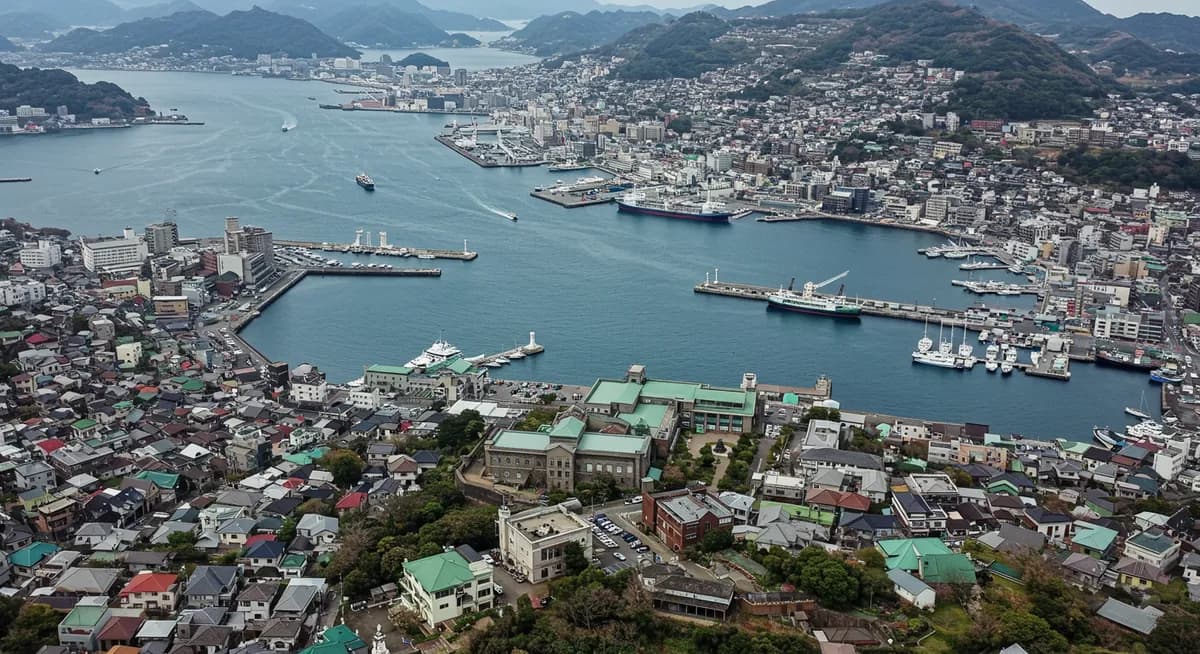
Planning a trip to Japan in 2026? Nagasaki belongs on every itinerary. This port city on Kyushu's western coast served as Japan's sole window to the outside world for over two centuries of national isolation, leaving behind a layered heritage that no other Japanese city can match: Dutch trading posts, Chinese Ming Dynasty temples, Gothic cathedrals built by French missionaries, solemn peace memorials, and a UNESCO-listed ghost island rising from the sea. Nagasaki was also named one of the New York Times' "52 Places to Go in 2026" — recognition that finally reflects what travellers already know.
This guide covers all 20 top Nagasaki attractions with 2026 admission fees and opening hours, plus deep sections on the city's historic landmarks, cultural heritage, year-round festivals, active experiences, day trips, and after-dark options. Use the complete Nagasaki itinerary guide to build your day-by-day plan around these highlights.
Top 20 Nagasaki Attractions at a Glance
The list below ranks Nagasaki's attractions by significance and visitor impact. Detailed sections follow for each category.
- Nagasaki Peace Park — free; open 24 hours; epicentre of the 1945 atomic bombing
- Nagasaki Atomic Bomb Museum — 200 yen; 8:30 AM–5:30 PM (6:30 PM Apr–Sep)
- Hashima Island (Gunkanjima) — 3,000–5,000 yen boat tour; unique in all of Japan
- Glover Garden — 620 yen; 8:00 AM–6:00 PM; oldest Western-style house in Japan
- Dejima Island — 520 yen; 8:00 AM–9:00 PM; sole Western trading post for 200 years
- Mount Inasa Night View — 1,250 yen ropeway; 9:00 AM–10:00 PM; one of Japan's top three night panoramas
- Oura Cathedral — 1,000 yen; 8:00 AM–6:00 PM; Japan's oldest surviving church, National Treasure
- Nagasaki Chinatown (Shinchi) — free; Japan's oldest Chinatown, birthplace of champon noodles
- Sofukuji Temple — 300 yen; 8:00 AM–5:00 PM; finest Chinese Ming Dynasty architecture in Japan
- Suwa Shrine — free; always open; venue for the Kunchi Festival (Oct 7–9)
- Huis Ten Bosch — 7,400 yen (1-day passport); 9:00 AM–9:00 PM; Japan's largest theme park by area
- Urakami Cathedral — free; 9:00 AM–5:00 PM; 500 m from the atomic bomb hypocenter
- Megane Bridge (Spectacles Bridge) — free; Japan's oldest stone arch bridge (1634)
- Twenty-Six Martyrs Museum & Monument — 500 yen; 9:00 AM–5:00 PM
- Nagasaki Confucius Temple — 660 yen; 8:30 AM–5:00 PM; only Confucius temple built by Chinese artisans outside China
- Dutch Slope (Oranda-zaka) — free; cobblestone street of preserved Western-era houses
- Nagasaki Museum of History and Culture — 630 yen; 8:30 AM–5:00 PM
- Unzen Onsen & National Park — day-trip distance; volcanic hot springs and autumn foliage
- Kazagashira Park — free; hilltop city views and walking trails
- Nagasaki Bay Cruise — varies by operator; sea-level view of Gunkanjima silhouette and harbor
Historic Landmarks of Nagasaki
Nagasaki's historic landmarks tell a story that spans four centuries of international trade, religious resilience, and post-war renewal. These sites form the backbone of any visit to the city.
1. Nagasaki Peace Park
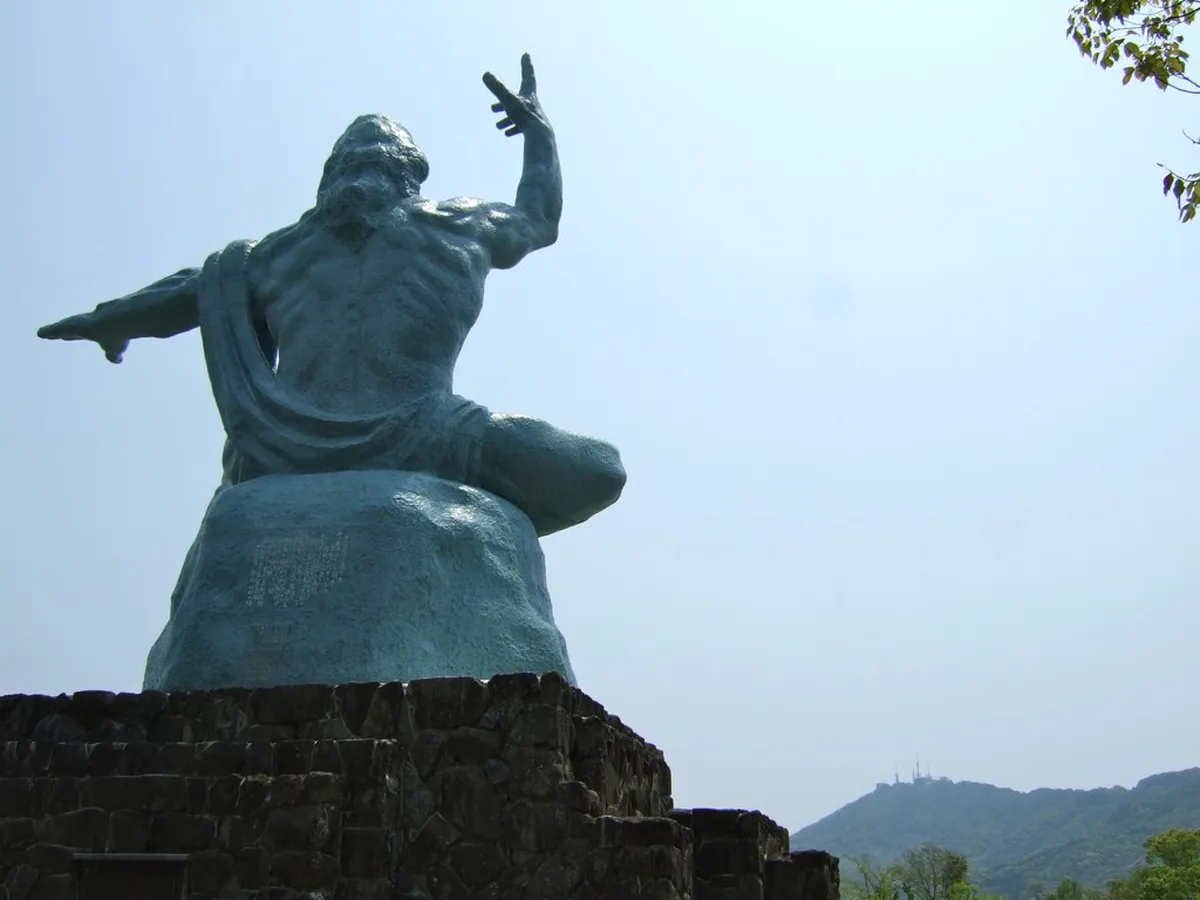
The Nagasaki Peace Park stands at the epicentre of the August 9, 1945 atomic bombing — the second nuclear weapon ever used in warfare, which killed or injured over 150,000 people. The park's centrepiece is the 9.7-metre Peace Statue, sculpted by Seibo Kitamura in 1955, its right hand pointing skyward to warn of nuclear danger and its left hand extended horizontally to symbolize peace. Surrounding monuments donated by nations around the world carry messages of reconciliation. The Fountain of Peace runs continuously in memory of victims who desperately searched for water. Admission is free; the park is open 24 hours. Allow 45–60 minutes, and pair your visit with the full Nagasaki Peace Park visiting guide for maximum context. The adjacent Atomic Bomb Museum is a short walk south.
2. Nagasaki Atomic Bomb Museum
No museum in Japan delivers a more impactful encounter with the human cost of nuclear war. Exhibits trace the events leading to the bombing, the immediate devastation, and the decades of recovery that followed. Artifacts include a clock stopped at 11:02 AM, melted glass bottles, charred roof tiles, and personal belongings of victims. Interactive terminals present survivor testimonies in multiple languages. The museum's narrative arc moves from tragedy to reconstruction to global disarmament advocacy — a genuinely hopeful ending to a devastating story. Admission: 200 yen (adults). Hours: 8:30 AM–5:30 PM (until 6:30 PM April–September). Tip: arrive on a weekday morning before school groups. Allocate at least 90 minutes. For a deep dive, see the Nagasaki Atomic Bomb Museum Guide: 8 Essential Planning Tips with a room-by-room walkthrough.
3. Hashima Island (Gunkanjima / Battleship Island)
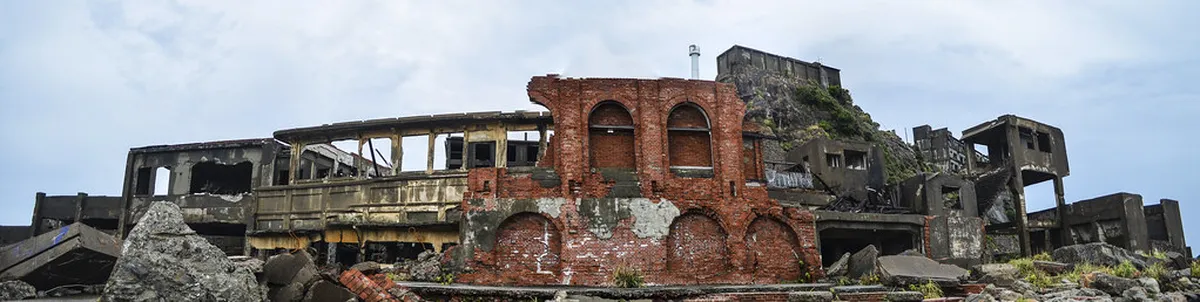
Hashima Island — called Gunkanjima (Battleship Island) for its warship-shaped silhouette — is one of the most unusual places in all of Japan. This 480-metre-long concrete island once housed over 5,000 coal miners in the world's first reinforced-concrete apartment buildings. Abandoned in 1974 when coal became unprofitable, it is now a UNESCO World Heritage Site slowly being reclaimed by the sea. Licensed boat tours depart from Nagasaki Port, circling the island before docking at a designated landing area where visitors walk past crumbling apartment blocks, a school, a hospital, and a Shinto shrine — scenes unlike anything you'd find near Tokyo. Tour cost: 3,000–5,000 yen depending on operator. Duration: 2.5–3 hours round trip. Book at least one week ahead during spring and autumn peak seasons. The full guide to the Hashima Island tour covers departure points, operators, and what to expect on landing.
4. Glover Garden
Glover Garden is an open-air museum perched on a hillside overlooking Nagasaki Bay, preserving several Western-style residences from the Meiji era. Its centrepiece is the Former Glover House, the oldest surviving Western-style wooden building in Japan, built in 1863 for Scottish merchant Thomas Blake Glover, who helped establish the Mitsubishi shipyard and introduced modern coal-mining techniques to Japan. A moving walkway carries visitors up the hillside; the summit offers sweeping harbor views that are outstanding at sunset. A retro costume photo studio lets you dress in period clothing. Admission: 620 yen (adults). Hours: 8:00 AM–6:00 PM (extended in summer). For the complete site-by-site breakdown, read the Glover Garden Nagasaki Guide: History, Views, and Tips.
5. Dejima Island
Dejima is the fan-shaped artificial island that served as Japan's sole point of Western trade for over 200 years during the Edo period (1641–1859). Originally built to house Portuguese traders, it became the Dutch East India Company's exclusive trading post — making it, for two centuries, the only place where European ideas, medicines, and goods entered Japan. Ongoing reconstruction has restored 25 buildings as of 2026, including warehouses, residences, and the opulent Chief Factor's Residence. The on-site restaurant serves Dutch-Japanese fusion dishes. Admission: 520 yen (adults). Hours: 8:00 AM–9:00 PM. Getting there: tram to Dejima Station (1-minute walk). Read the Nagasaki Dejima History Guide: A Complete Visitor's Manual for the full story of Japan's most significant trading post.
6. Oura Cathedral
Oura Cathedral is the oldest surviving Christian church in Japan, built in 1864 by French missionaries to honour the Twenty-Six Martyrs of Japan. Its Gothic architecture — pointed arches, vaulted ceilings, and stained-glass windows imported from France — earned it designation as a National Treasure and UNESCO World Heritage component under "Hidden Christian Sites in the Nagasaki Region." The cathedral gained further historical fame in 1865 when a group of Hidden Christians from Urakami village revealed themselves to the French priests here, in an event known as the "Discovery of Christians" that astonished the world. Admission: 1,000 yen (adults, 2026). Hours: 8:00 AM–6:00 PM. Photography is not permitted inside. See the Oura Cathedral Nagasaki Guide: History, Visiting Tips & UNESCO for historical context and visiting tips.
7. Sofukuji Temple
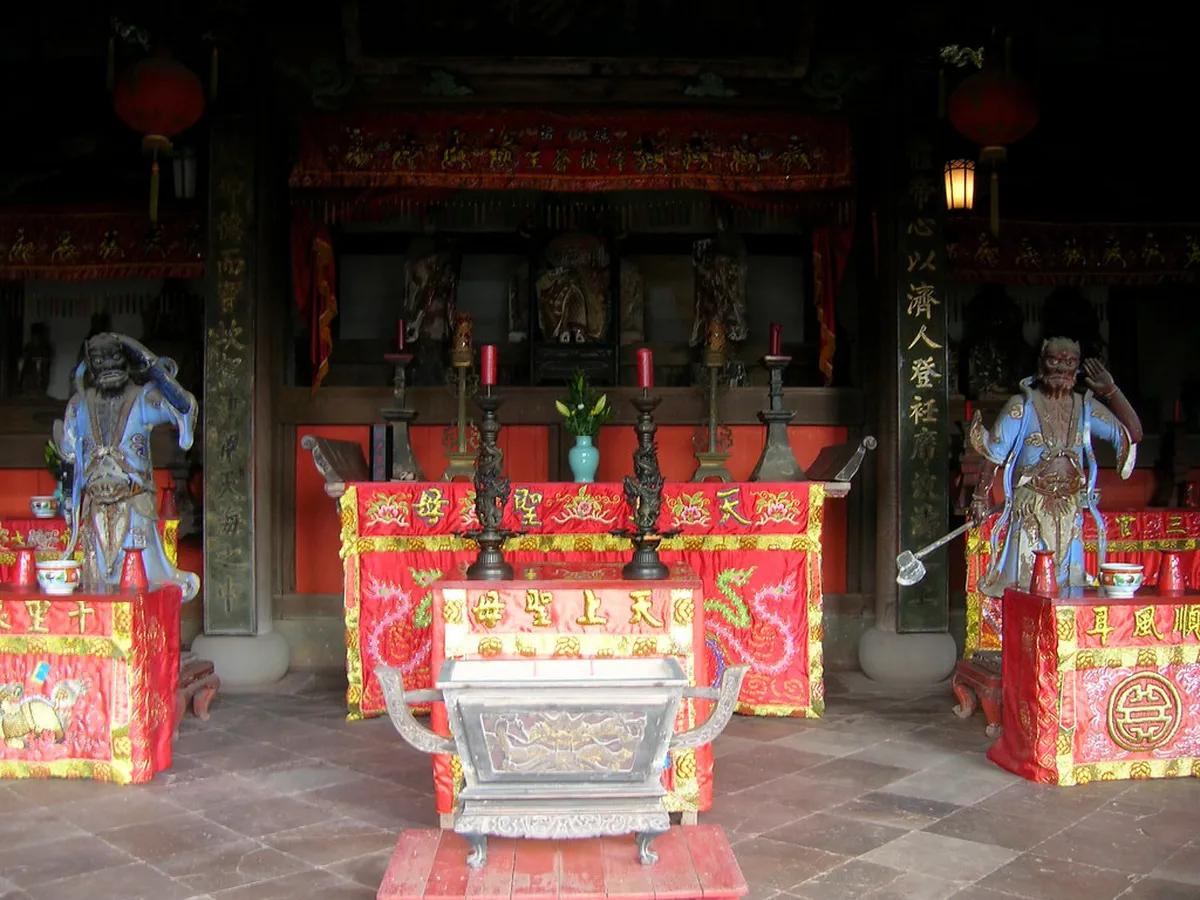
Sofukuji Temple, founded in 1629 by Chinese monks from Fujian Province, is the finest example of Chinese Ming Dynasty architecture in Japan. Two of its structures — the Daiippomon Gate and the Main Hall — are designated National Treasures. Its vibrant vermilion buildings, dragon carvings, and curved rooflines contrast dramatically with the understated style of typical Japanese temples. The massive iron cauldron in the courtyard was used to cook rice porridge for famine victims in the 1680s, a tangible reminder of the temple's community role. Sofukuji sits on Teramachi Street, which lines up 14 temples in a row — an ideal walking route for an afternoon. Admission: 300 yen (adults). Hours: 8:00 AM–5:00 PM.
8. Suwa Shrine
Suwa Shrine is the guardian shrine of Nagasaki and the venue for the Nagasaki Kunchi Festival, held every October 7–9 and considered one of Japan's top three Shinto festivals. The shrine sits atop 277 stone steps that offer increasingly impressive views of the city as you climb. Built in 1625 to re-establish Shinto practice after decades of Christian influence, Suwa Shrine blends Japanese, Chinese, and Western design elements — a perfect reflection of Nagasaki's multicultural DNA. The komainu (guardian lion-dogs) at the entrance are among the most expressive in Japan. Admission: Free. Hours: Always accessible. Tip: climb early morning for exercise and peaceful views before tourist crowds. Full details on the annual festival at the Nagasaki Suwa Shrine Guide: History, Festivals & Visiting Tips.
9. Twenty-Six Martyrs Museum & Monument
This site commemorates the 26 Christians — Franciscan missionaries and Japanese converts — who were crucified in Nagasaki on February 5, 1597, on the orders of Toyotomi Hideyoshi. The bas-relief monument depicts all 26 martyrs in striking detail; the adjacent museum traces Nagasaki's complex Christian history from the arrival of Francis Xavier in 1549 through the centuries of persecution and the miraculous survival of Hidden Christian communities. The site is rarely crowded even in peak season, offering a quiet and moving experience. Admission: 500 yen. Hours: 9:00 AM–5:00 PM.
10. Megane Bridge (Spectacles Bridge)
Built in 1634 by a Chinese monk from Kofukuji Temple, Megane Bridge is the oldest stone arch bridge in Japan. When reflected in the Nakashima River, its two arches form a perfect pair of spectacles — the image that gave it its name and made it one of Japan's most photographed bridges. It is designated an Important Cultural Property. The riverside promenade nearby is a popular spot for an evening stroll, particularly during the Nagasaki Lantern Festival in February when thousands of lanterns illuminate the waterfront. Look for heart-shaped stones embedded in the riverbank — tradition holds that finding one brings good luck. Admission: Free. Best photo timing: late afternoon when the water is calm.
Cultural Heart of Nagasaki
More than any other Japanese city, Nagasaki absorbed centuries of foreign influence and made it its own. The result is a cultural identity unlike anywhere else in Japan — part Dutch, part Chinese, part Portuguese, and entirely Nagasaki.
Christian Heritage and Hidden Christians
Nagasaki's Christian heritage stretches back to Francis Xavier's arrival in 1549. After the Tokugawa shogunate banned Christianity in 1597, thousands of Nagasaki Christians went underground, practising their faith in secret for over two centuries. When Japan reopened in the 1860s, these Hidden Christians emerged — to discover their own traditions had evolved in remarkable ways during isolation. Today, Nagasaki's "Hidden Christian Sites" form a UNESCO World Heritage property encompassing Oura Cathedral, Hirado Island churches, and the Amakusa Islands. The Urakami Cathedral, destroyed by the atomic bomb and rebuilt in 1959, incorporates charred statues from the original building into its interior. Together, these sites represent one of history's most extraordinary stories of religious perseverance.
Chinese Influence: Chinatown, Sofukuji, and the Confucius Temple
Nagasaki Chinatown (Shinchi Chinatown) is the oldest Chinatown in Japan, established when Chinese traders settled near the harbor during the Edo period. The compact quarter — four colorful gates and about 250 metres of pedestrian streets — is the birthplace of two iconic Nagasaki dishes. Champon is a hearty noodle soup loaded with pork, shrimp, squid, clams, and vegetables, invented by a Chinese restaurant owner as affordable, nutritious food for Chinese students; the restaurant credited with creating it, Shikairou, still operates on the same street. Sara Udon is a Chinatown spinoff — crispy thin noodles topped with a thick seafood-and-vegetable gravy. Both dishes are Nagasaki's most famous culinary exports. For the best food-focused walking route, read the Nagasaki Chinatown Food Guide: 8 Essential Dining Tips & Spots. The Nagasaki Confucius Temple (660 yen; 8:30 AM–5:00 PM), built in 1893 entirely by Chinese artisans, is the only such temple constructed outside China — its courtyard features 72 white-marble statues of Confucius's disciples.
Castella Cake: Nagasaki's Portuguese Legacy
Castella (Kasutera in Japanese) is a soft honey sponge cake introduced to Nagasaki by Portuguese missionaries in the 16th century. Nagasaki's bakers adapted it over centuries into a distinctly local product — firmer, sweeter, and often sold in long paper-wrapped loaves. Bunmeido and Fukusaya are the city's most established castella bakeries, both operating since the Meiji era. Buying a box of castella is one of Nagasaki's most beloved traditions, and the story behind it is deeply woven into the city's identity. Read the full history in the Nagasaki Castella Cake Guide: 8 Essential Tips.
Dutch Slope (Oranda-zaka) and the Meiji-Era Foreign Quarter
The Dutch Slope, known locally as Oranda-zaka, is a cobblestone street that once formed the residential area for Dutch traders and other foreign residents during the late Edo and Meiji periods. The gently sloping lane is lined with preserved Western-style houses that create a distinctive streetscape found nowhere else in Japan. Adjacent Higashi Yamate district extends the historical atmosphere, with several of the houses now functioning as small museums. Early morning visits offer the most serene experience, before tour groups arrive. Admission is free.
Year-Round Events & Festivals
Nagasaki's event calendar is one of the richest in Kyushu. Planning your trip around one of these festivals transforms a great visit into an unforgettable one.
Nagasaki Lantern Festival (January–February)
The Nagasaki Lantern Festival is the city's largest annual event, drawing over one million visitors across two weeks during the Lunar New Year period. Some 15,000 lanterns illuminate Chinatown, Hamano-machi shopping arcade, and Nagasaki Confucius Temple in red, gold, and crimson. Dragon dances, acrobatic performances, and traditional Chinese music fill the streets nightly. The Megane Bridge waterfront is particularly spectacular, with lanterns reflecting off the Nakashima River. Dates in 2026: late January to mid-February (exact dates follow the lunar calendar). Accommodation books out 2–3 months in advance — plan early. The festival is most atmospheric after dark; combine it with a walk along the waterfront and dinner in Chinatown.
Nagasaki Kunchi Festival (October 7–9)
The Nagasaki Kunchi Festival, held every October 7–9 at Suwa Shrine, is one of Japan's top three Shinto festivals. For three days, the city centre transforms into a stage for elaborate performances: Dutch-influenced snake floats, Chinese dragon dances, and Portuguese caravel ship reenactments — each representing one of Nagasaki's foreign-influenced neighborhoods. The performances rotate between venues including the shrine's main hall, Nagasaki Prefectural Hall, and public spaces throughout the city. Over 300,000 spectators attend annually. Insider tip: secure seats for the Suwa Shrine main performance early — they are allocated by lottery months in advance, but standing areas at street performances are free. Full festival details in the Nagasaki Kunchi Festival Guide: 9 Essential Planning Tips.
Peiron Dragon Boat Race (July)
The Peiron Dragon Boat Race is a Nagasaki summer tradition introduced by Chinese traders in the 17th century. Long, narrow wooden boats crewed by teams of 30 rowers race across Nagasaki Harbor in July, accompanied by drumbeats and cheering crowds lining the waterfront. The race is deeply embedded in Nagasaki's working-class waterfront culture — a less polished, more local event than the Lantern Festival or Kunchi, and all the more authentic for it.
Peace Memorial Ceremony (August 9)
On August 9 each year, Nagasaki holds a solemn Peace Memorial Ceremony at the Peace Park, attended by the Japanese Prime Minister, international delegates, and tens of thousands of citizens. At exactly 11:02 AM — the moment the bomb fell — bells ring across the city and a minute of silence is observed. Attending even briefly adds profound meaning to any Nagasaki visit. The ceremony is open to the public; arrive early for a good position near the Peace Statue.
Autumn Foliage at Unzen (November)
The slopes of Mount Unzen in Unzen-Amakusa National Park, about 90 minutes from Nagasaki city, offer some of Kyushu's most spectacular autumn foliage in mid-November. The combination of volcanic steam venting through rust-colored maples and red-tinged fumaroles creates an otherworldly landscape. Peak foliage typically falls between November 10–25, varying slightly by year. Combine a foliage walk with a soak in Unzen Onsen hot springs for a perfect autumn day trip. See the Unzen Onsen guide for bathing options and transport from Nagasaki.
Active Experiences & Adventures
Nagasaki rewards visitors who push beyond the peace memorials and cultural sites into its more active and adventurous experiences.
Mount Inasa Ropeway and Night View
Mount Inasa, at 333 metres above sea level, delivers what locals call a "ten-million-dollar night view" — officially ranked among Japan's top three night panoramas alongside Hakodate and Kobe. The glass-enclosed circular observation deck provides 360-degree views of Nagasaki city, the harbor, and the surrounding islands. The Nagasaki Ropeway carries visitors to the summit in five minutes. During the day, the vista stretches to the Goto Islands on clear days. At night, the city lights cascade down hillsides and reflect off the water in a scene that photographers never forget. Ropeway fare: 1,250 yen round trip (adults). Hours: 9:00 AM–10:00 PM. Tip: arrive 30 minutes before sunset to watch the transition. Full tips at the Mount Inasa night view guide.
Hashima Island Boat Tour
The boat tour to Hashima Island (covered in the landmarks section above) is Nagasaki's most unique active experience — a 2.5-hour round trip by sea to walk the decaying streets of a real abandoned city. The boat journey itself provides dramatic views of the island from multiple angles, and the on-island walking route passes through genuine ruins that feel like something from a post-apocalyptic film. Weather and sea conditions can cancel tours, so build in a buffer day if the Gunkanjima tour is a priority. For operator recommendations, departure times, and what to bring, see the Hashima Island tour guide.
Huis Ten Bosch Theme Park
Huis Ten Bosch is Japan's largest theme park by area, covering 152 hectares modelled after a 17th-century Dutch town in Sasebo, about 90 minutes from Nagasaki city by train. Windmills, canals, tulip gardens, and full-scale replicas of historic Dutch buildings create an immersive European environment that is genuinely unlike anything else in Japan. Beyond the aesthetics, the park offers over 50 attractions including VR experiences, a canal boat cruise, Japan's largest seasonal tulip display (April), and one of Japan's largest illumination events (October–January). Admission: 7,400 yen (1-day passport, adults, 2026). Hours: 9:00 AM–9:00 PM (varies seasonally). Getting there: JR Huis Ten Bosch Station on the Omura Line (about 90 min from Nagasaki Station). Read the Huis Ten Bosch Theme Park Guide: 10 Essential Planning Tips for the best rides, seasonal events, and whether an overnight stay is worth it.
Unzen Onsen and Volcanic Landscape
Unzen Onsen, nestled inside Unzen-Amakusa National Park, combines Japan's oldest national park designation (1934) with a genuinely dramatic volcanic landscape. The Jigoku (Hells) area features dozens of bubbling mud pools, sulphur vents, and steam geysers that create an otherworldly atmosphere. The mineral-rich hot springs are known for their high sulphur content and skin-soothing properties. Multiple bathhouses and ryokan offer indoor and outdoor bathing, ranging from day-use public baths (about 500–800 yen) to private onsen rooms at boutique ryokan. Getting there: about 90 minutes from Nagasaki by bus or car. See the Unzen Onsen guide for the best bathing spots and day-trip logistics.
Cherry Blossom Season (Late March–Early April)
Nagasaki's hillside topography creates dramatic cherry blossom scenery during peak bloom in late March to early April. Top viewing spots include Glover Garden (where blossoms frame the harbor views), Suwa Shrine (where trees line the 277-step approach), and Kazagashira Park (which offers panoramic city views under a canopy of sakura). The city tram system connects all the main viewing locations. Peak bloom dates vary by year — the Japan Meteorological Corporation typically announces forecasts in January.
How Long to Spend in Nagasaki
The city tram pass costs 600 yen per day and covers all four lines serving every major attraction. A single ride is 140 yen — the pass pays for itself after five rides, which is easy to hit on any full sightseeing day.
Two full days is the minimum for covering Nagasaki's major attractions comfortably. The standard allocation is: Day 1 for the peace memorial district (Peace Park, Atomic Bomb Museum, Urakami Cathedral, then Mount Inasa at sunset); Day 2 for the historic international district (Glover Garden, Oura Cathedral, Dejima, Dutch Slope, Chinatown, Megane Bridge). Add a third day for a Hashima Island boat tour, or a day trip to Huis Ten Bosch (90 min by train) or Unzen Onsen (90 min by bus). For a ready-made schedule, the 1-day Nagasaki itinerary and 3-day Nagasaki itinerary cover both compressed and extended options. Visitors coming from Fukuoka can also do Nagasaki as a comfortable day trip — the Nagasaki day trip from Fukuoka guide covers transport options and a focused one-day route.
The city tram system is the most efficient way to move between attractions. A single ride costs 140 yen regardless of distance; a one-day tram pass costs 600 yen and covers all four lines. Most major attractions cluster along two corridors: the Peace Park area to the north and the Glover Garden–Oura–Dejima–Chinatown belt to the south.
After Dark in Nagasaki
Book a Hashima Island boat tour at least 30 days ahead during spring and autumn — tours sell out quickly, and landing depends on ocean conditions on the day. Tours are typically suspended in January for ship maintenance.
Nagasaki's evening scene revolves around two very different highs: the world-class night view from Mount Inasa, and the tightly packed izakaya alleys of Shianbashi.
Mount Inasa's ropeway operates until 10:00 PM, making it a natural evening opener. After descending, the Shianbashi district — Nagasaki's main nightlife quarter — is easily reached by tram. Narrow lanes are lined with traditional izakayas serving local sake, grilled seafood, and plates of champon-inspired small dishes. Sake bars, cocktail lounges, and live music venues fill the alleys, and the neighbourhood's compact layout makes bar-hopping comfortable even solo. For a comprehensive guide to Nagasaki's evening scene including recommended venues by type, see the Nagasaki nightlife guide.
During the Nagasaki Lantern Festival (January–February), evenings take on an entirely different character: Chinatown, the Confucius Temple, and the Megane Bridge waterfront glow with thousands of lanterns, and the streets fill with street food stalls, dragon dancers, and acrobatic performers until late. If your visit overlaps with the festival, prioritize evenings outdoors over bars — the lantern atmosphere is genuinely spectacular.
Day Trips from Nagasaki
Nagasaki city is a natural hub for several outstanding day trips in western Kyushu.
- Hashima Island (Gunkanjima): A 2.5-hour boat tour departing from Nagasaki Port. One of the most unusual experiences in Japan — full logistics at the Hashima Island tour guide.
- Huis Ten Bosch: Japan's largest theme park, 90 minutes by JR train to Sasebo. Best visited in late afternoon and evening for illuminations. See the Huis Ten Bosch guide for a full day planner.
- Unzen Onsen: 90 minutes by bus; volcanic hot springs, scenic hiking, and Kyushu's best autumn foliage. Details in the Unzen Onsen guide.
- Fukuoka day trip (reverse): Nagasaki is also popular as a day trip destination from Fukuoka (approximately 2 hours by Kamome limited express). See the Nagasaki day trip from Fukuoka guide for the optimal one-day route.
Nagasaki Attractions: What to Eat
Nagasaki's food is as unique as its history. The city's centuries as a trading port created a cuisine that genuinely exists nowhere else in Japan.
- Champon: Rich noodle soup with pork, shrimp, squid, and vegetables — invented in Nagasaki Chinatown at Shikairou restaurant (still operating). The definitive Nagasaki dish.
- Sara Udon: Crispy thin noodles topped with a thick seafood-and-vegetable gravy. Order alongside champon in Chinatown for a proper Nagasaki lunch.
- Castella (Kasutera): Soft honey sponge cake from the Portuguese missionaries of the 1500s. Buy from Bunmeido or Fukusaya for the authentic version. Read the full story in the Nagasaki Castella Cake Guide: 8 Essential Tips.
- Turkish Rice (Toruko Rice): A uniquely Nagasaki plate combining spaghetti, pilaf, and a tonkatsu cutlet on one dish. Despite the name, no Turkish connection exists — it reflects the city's habit of absorbing foreign words creatively.
- Kakuni Manju: Steamed buns filled with braised pork belly, available near Chinatown and Glover Garden as a street snack.
Where to Stay in Nagasaki
The best base for exploring Nagasaki's attractions is the central tram-accessible area between Nagasaki Station and the Hamano-machi shopping arcade. Hotels in this zone put the Chinatown, Dejima, and Megane Bridge attractions within walking distance, and tram connections to Peace Park and Glover Garden take under 15 minutes. For visitors who want a more traditional experience, several ryokan in Nagasaki offer tatami rooms and in-house onsen baths. For curated ryokan recommendations with price tiers and booking tips, see the best ryokan in Nagasaki guide.
Nagasaki with Kids
Nagasaki works well as a family destination with some planning. Huis Ten Bosch is the obvious family anchor — rides, seasonal flower festivals, and illuminations have broad age appeal. The Hashima Island boat tour suits children aged 8 and above who can handle 2–3 hours on a boat. The Atomic Bomb Museum is appropriate for children aged 10 and older; the Peace Park outside is gentler and fully suitable for all ages. Mount Inasa's ropeway is a highlight for younger children — a five-minute cable car ride delivering a jaw-dropping panorama. For a full family-focused route with age-appropriate activity suggestions, see the things to do in Nagasaki with kids guide.
Key Takeaways: Nagasaki Attractions
- Can't-miss history: The Peace Park and Atomic Bomb Museum are emotionally essential and largely free — give them a full morning and visit early to avoid school groups.
- UNESCO cluster: Oura Cathedral, Glover Garden, and Dejima represent 400 years of Nagasaki's international story and can be covered in a half-day walk. Hashima Island is a separate UNESCO site requiring a boat tour.
- Night attraction: Mt. Inasa's "ten-million-dollar night view" is officially among Japan's top three — take the ropeway at sunset, then head down to Nagasaki's Shianbashi nightlife district.
- Food as an attraction: Champon noodles in Chinatown, castella from a Meiji-era bakery, and Turkish rice at a retro diner are Nagasaki attractions as much as any landmark.
- Festival timing: The Lantern Festival (Feb) and Kunchi Festival (Oct 7–9) are the city's biggest events — visit during either for a completely different city atmosphere.
- Getting around: The city tram pass (600 yen/day) covers all major attractions. Only Huis Ten Bosch and Unzen Onsen require separate transport.
Coming from Fukuoka by train or bus? Compare options in our Nagasaki to Fukuoka transport guide.
Browse the Nagasaki attraction directory for individual visitor guides, access details, and practical tips.
Going deeper on this theme? Our 10 Essential Tips for Your Nagasaki Food Guide guide covers it in detail, with the practical planning this page leaves out.
Going deeper on this theme? Our Nagasaki Festivals Guide guide covers it in detail, with the practical planning this page leaves out.
Frequently Asked Questions: Nagasaki Attractions
What are the top attractions in Nagasaki?
The top Nagasaki attractions are the Nagasaki Peace Park and Atomic Bomb Museum (free and 200 yen respectively), Hashima Island boat tours, Glover Garden (620 yen), Dejima Island (520 yen), and Mount Inasa night view (1,250 yen ropeway). For culture and food, Nagasaki Chinatown and Sofukuji Temple rank among the city's best experiences.
How many days do you need for Nagasaki?
Two full days cover the major attractions comfortably. Three days allows you to add a Hashima Island boat tour (half day) or a day trip to Huis Ten Bosch or Unzen Onsen. Visitors from Fukuoka can see the highlights in a single long day — see the Nagasaki day trip from Fukuoka guide for a focused route. For a multi-day plan, the 3-day Nagasaki itinerary is the best starting point.
Is Nagasaki worth visiting in 2026?
Yes — Nagasaki was selected as one of the New York Times' "52 Places to Go in 2026," recognition of its unique combination of peace memorial significance, multicultural history, island adventures, and food culture. It remains far less crowded than Kyoto or Tokyo while offering comparable historical depth.
When is the best time to visit Nagasaki?
Spring (late March–May) and autumn (September–November) offer the best weather for sightseeing, with temperatures of 15–22°C. February brings the spectacular Lantern Festival. October 7–9 is the Kunchi Festival at Suwa Shrine. Winter is mild (rarely below 5°C) and offers the clearest night views from Mount Inasa.
What is Nagasaki famous for?
Nagasaki is famous for being the second city hit by an atomic bomb (August 9, 1945), its centuries as Japan's sole international trading port (Dejima), its UNESCO Hidden Christian heritage (Oura Cathedral, Hidden Christian sites), Hashima Island (Gunkanjima), the Nagasaki Lantern Festival, champon noodles, and castella cake.
What is the best free attraction in Nagasaki?
Nagasaki Peace Park is free to enter, open 24 hours, and the city's most significant landmark. Suwa Shrine, the Dutch Slope, and Megane Bridge are also free and offer excellent photo opportunities. The evening walk along the Chinatown waterfront during the Lantern Festival costs nothing beyond dinner.
Can you visit Hashima Island (Battleship Island) in 2026?
Yes. Licensed boat tours operate year-round from Nagasaki Port, weather permitting. Tours take approximately 2.5–3 hours and cost 3,000–5,000 yen depending on the operator. Advance booking is strongly recommended, especially during spring (March–May) and autumn (September–November) peak seasons. See the Hashima Island tour guide for operator contacts and booking advice.
Begin planning your Nagasaki adventure for 2026 today. Use the full Nagasaki itinerary guide to build a complete day-by-day schedule, explore the Peace Park visiting guide for the memorial district, and check the Nagasaki nightlife guide to round out your evenings.
Explore More Nagasaki Guides
Plan every part of your Nagasaki trip — where to stay, when to go, how to arrive, what to eat, and where to escape the crowds.
Plan Your Trip
Things to Do & Eat
Plan Your Japan Trip
Free: The Nagasaki Essentials guide
Top things to do, where to stay, a perfect day plan, getting around, and the best time to go — a Nagasaki mini-guide you can take offline.
You might also like

Continue reading
More guides you'll find useful


