Nokonoshima Island feels like a secret garden floating in the middle of Hakata Bay. This small island offers a peaceful escape from the busy streets of downtown Fukuoka. Visitors often come here to enjoy the vast flower fields, sea-facing lawns, and charming retro atmosphere. This 2026 nokonoshima island visitor guide helps you plan the route, timing, food stops, and practical choices that make the day trip work smoothly.
Stepping off the ferry feels like entering a different world filled with fresh sea air. The island is famous for seasonal blooms that change beautifully throughout the year. You can explore the lush landscapes while looking back at the modern city skyline. It provides a unique contrast that makes a trip to Fukuoka truly memorable for every traveler.
Nokonoshima Island Tickets and Prices
A day at Nokonoshima Island Park costs an adult about ¥2,480 in total: ¥1,500 park admission, plus ¥230 each way on the ferry and ¥260 each way on the island bus.
| Ticket / product | Adult price | Child price | Currency | Price valid from | Where to buy |
|---|---|---|---|---|---|
| Nokonoshima Island Park admission | 1,500 (age 15+) | 800 (ages 6–14); 500 (age 3+) | JPY | Current price | Park main reception at the entrance |
| Ferry, Meinohama ⇄ Nokonoshima (one way, 10 minutes) | 230 (junior high and up) | 120 (age 1 to elementary school; first preschooler per adult free) | JPY | Fukuoka City fare table, updated July 24, 2026 | Ticket machines or counter at Meinohama ferry terminal; IC cards and credit cards accepted |
| Island bus, Noko ferry port → Island Park (one way, about 13 minutes) | 260 | 130 | JPY | Current fare | On the bus |
| Ferry with the Fukuoka Tourist City Pass | Included | Included | JPY | — | Overseas short-stay visitors only; show the pass at the ferry ticket window |
There's no return discount on the ferry from Meinohama. The park is open every day, 9:00–17:30 (Sundays and holidays until 18:30, except in winter). Verified against Fukuoka City's ferry fare table, Nokonoshima Island Park and the Fukuoka Tourist City Pass page.
Nokonoshima Island Park Opening Hours and Ferry Times
Nokonoshima Island Park is open every day: 9:00–17:30 Monday to Saturday and 9:00–18:30 on Sundays and holidays. In winter it closes at 17:30 on Sundays and holidays too. The Meinohama ferry runs from early morning until late evening.
| Place | Regular hours | Exception dates | Hours on those dates | Why |
|---|---|---|---|---|
| Nokonoshima Island Park | Mon–Sat 9:00–17:30 | None; open every day of the year | — | No closing days |
| Nokonoshima Island Park | Sundays and holidays 9:00–18:30 | Sundays and holidays in winter | 9:00–17:30 | Shorter winter hours |
| Nokonoshima Island Park | — | Special seasons such as light-up events | Longer hours (announced by the park) | Evening events; check the park's news and social media |
| Ferry, Meinohama → Nokonoshima | First 5:15, last 23:00; about hourly in the daytime (9:15–16:15) | Sundays and holidays | First 6:15, last 22:00 | The 5:15 and 23:00 sailings do not run on Sundays and holidays |
| Ferry, Nokonoshima → Meinohama | First 5:00, last 22:45; evening sailings at 17:30, 18:00, 18:30, 19:30, 20:15, 20:45, 21:45 | Sundays and holidays | First 6:00, last 21:45 | The 5:00 and 22:45 sailings do not run on Sundays and holidays |
The crossing takes 10 minutes. The island bus between the ferry port and the park has its own timetable, so check it at the port before heading up. Verified against Nokonoshima Island Park's hours page, YOKANAVI and Fukuoka City's ferry timetable (updated July 24, 2026).
Quick Summary for 2026
A one-way ferry ticket costs only ¥230 (adult). Island Park admission is ¥1,500. Check the return ferry schedule before leaving the city — daytime sailings run only about once an hour.
Nokonoshima works best as a half-day or relaxed full-day trip from central Fukuoka. The essential route is subway or bus to Meinohama Ferry Terminal, a short ferry across Hakata Bay, then the island bus up to Nokonoshima Island Park. The common mistake is assuming the island pier and the flower park are beside each other; the park sits uphill, so most visitors should use the connecting bus instead of walking.
- Best overall timing: March to April for rapeseed and cherry blossoms, or October to early November for cosmos.
- Typical visit length: 3-5 hours including ferry rides, park time, lunch, and a short coastal walk.
- Transit note: check the outbound and return ferry schedule before leaving the city, especially outside peak flower periods.
- Pack: comfortable shoes, cash for small shops, sun protection in summer, and a wind layer for the ferry and hilltop viewpoints.
What Is Nokonoshima Island?
Nokonoshima is a small, oval-shaped island located just off the coast of the Meinohama district. It measures only about twelve kilometers in circumference but packs plenty of natural beauty into that space. Most people visit for the famous Island Park located on the quiet northern tip. This area serves as the primary destination for families and photography enthusiasts visiting the region.
The island has a rich history dating back to the Nara period many centuries ago. It once served as a strategic lookout point for defending the bay from potential invaders. Today, it is better known for its quiet residential streets and deep agricultural roots. You will find a much slower pace of life here compared to the urban center.
Many travelers consider this spot the most scenic natural attraction in the entire Fukuoka prefecture. It offers a perfect blend of coastal views and meticulously maintained botanical gardens. You can easily spend a full afternoon wandering through the various trails and parks. It is a must-see for anyone following a comprehensive Fukuoka travel guide this year.
Getting There: The 10-Minute Ferry Experience
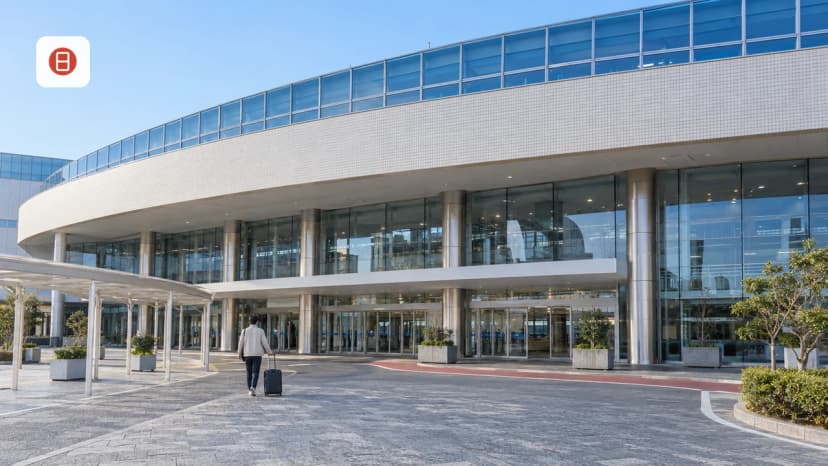
Reaching the island is simple and affordable for all types of travelers staying in the city. You must first travel to the Meinohama Ferry Terminal in the western part of Fukuoka. Frequent buses run from Hakata Station and Tenjin directly to the terminal entrance every day. The journey by bus takes approximately forty minutes depending on the current local traffic conditions.
Another reliable route is to take the Fukuoka City Subway Airport Line to Meinohama Station, then continue by local bus or taxi to the ferry terminal. This subway-first route is useful when road traffic around Hakata or Tenjin is heavy. If you walk from Meinohama Station, allow enough time because the terminal is not right beside the station.
Once you arrive at the terminal, you can purchase ferry tickets from the automated machines. A one-way adult ticket costs only 230 yen, making it a very budget-friendly excursion. Ferries depart roughly every hour, so checking the schedule in advance is a very smart move. The short ten-minute boat ride provides great views of the nearby Fukuoka Tower and the bay.
After landing at the Nokonoshima ferry pier, you have two main options for moving inland. Most visitors take the local Nishitetsu bus waiting right outside the small terminal building. This bus climbs the steep hill to the Island Park in about thirteen minutes. Walking is possible, but the two-kilometer uphill trek is quite tiring for most casual visitors.
A practical pro tip is to treat the ferry and island bus as one connected journey. Check the return bus time when you arrive at the park, keep small change or an IC card ready where accepted, and avoid waiting until the final return of the day if you have dinner plans back in the city.
Top Things to Do on Nokonoshima Island
The island offers more than just flowers for those who enjoy active outdoor exploration. You can visit the local beach area during the warmer summer months for a swim. This spot is popular for barbecues and relaxing with friends under the sun. It provides a relaxed seaside vibe that feels far away from the noisy city center.
History buffs will enjoy walking through the retro Omoide-dori street inside the main park. This area recreates the atmosphere of the Meiji and Taisho eras with traditional wooden architecture. You can find small shops selling old-fashioned candies and handmade traditional toys. It is a nostalgic journey that usually appeals to visitors of all ages and backgrounds.
For those seeking adventure, the island coastline offers several scenic and quiet walking paths. These trails lead to hidden shrines and peaceful lookout points over the sparkling water. You can often see local fishermen working near the small and colorful harbor. These quiet moments provide a deeper look into the daily life of the island residents.
Families should budget time for the park's lawns, play areas, and small animal corners rather than rushing from photo spot to photo spot. Couples and photographers often prefer a slower loop through the flower fields followed by coffee, Noko Udon, or Amanatsu citrus snacks before returning to the ferry.
- Relax at the Nokonoshima Camp Grounds
- Type: Outdoor recreation
- Best for: Summer swimming
- Where: Southern coastline
- Cost: Small entry fee
- Explore the Omoide-dori Retro Street
- Type: Cultural attraction
- Best for: Nostalgic shopping
- Where: Inside Island Park
- Cost: Included in admission
- Visit the Nokonoshima Museum
- Type: Local history
- Best for: Learning island lore
- Where: Near the park
- Cost: 200 yen
Nokonoshima Island Park: A Seasonal Flower Paradise
Nokonoshima Island Park is the crown jewel of the island's many natural attractions. This sprawling botanical garden covers the northern hillside with vibrant and diverse colors. It is open year-round from 9:00 AM until 5:30 PM on most standard days. Adult admission is currently 1,500 yen, which supports the park's extensive seasonal maintenance.
The park is designed to showcase different blooms during every single month of the year. You will find wide-open fields that look out over the blue waters of Hakata Bay. This combination of colorful petals and ocean views is truly breathtaking for any visitor. It is a favorite spot for wedding photography and social media influencers seeking great shots.
Beyond the flowers, the park features a small zoo with friendly goats and rabbits. Children can enjoy feeding the animals or playing in the large and safe grassy areas. There are also pottery workshops where you can try making your own unique ceramics. You can find more details on the Nokonoshima Island Park Official Site before your visit.
Accessibility is best described as manageable but hilly. Some main paths are straightforward for families, yet the island and park include slopes, grass, and uneven sections. Visitors using strollers, canes, or wheelchairs should plan a slower pace, use the bus from the ferry pier to the park, and prioritize the main flower viewpoints over longer side paths.
The Flower Calendar: When to See Rapeseed and Cosmos
Timing your visit correctly is essential if you want to see the most famous floral displays. Spring is arguably the most popular season because the rapeseed blossoms create a sea of yellow. These bright flowers cover the hillsides from late February through the middle of April. They create a stunning visual contrast against the deep blue of the spring sky.
Late March also brings beautiful cherry blossoms to various parts of the hillside park. You can enjoy a traditional hanami picnic under the delicate pink petals with your family. Early summer features colorful hydrangeas and bright sunflowers that thrive in the coastal heat. Each season offers a completely different visual experience for returning visitors to the island.
| Season | Typical Highlights | Best For |
|---|---|---|
| January-February | Japanese narcissus and camellias | Quiet walks and clear winter views |
| Late February-April | Rapeseed blossoms and cherry blossoms | The classic yellow flower field with Hakata Bay behind it |
| May-June | Poppies, azaleas, and hydrangeas | Gentler crowds and lush early-summer color |
| July-August | Sunflowers and beach season | Families, swimming, and bright summer photos |
| October-early November | Cosmos flowers | Autumn photography and mild-weather day trips |
Autumn is famous for the vast fields of cosmos flowers that bloom throughout October. These delicate pink and white blossoms are a signature sight for the entire island. Winter visitors can still enjoy Japanese narcissus and camellias during the much colder months. No matter when you arrive, the gardens always have something beautiful to show you.
For photography, aim for morning light if you want cleaner flower colors and fewer people in the main field. Late afternoon can be beautiful over Hakata Bay, but it leaves less margin for buses and ferries, so it suits travelers who have already checked the return schedule.
Island Dining: Noko Udon and Local Specialties
No nokonoshima island visitor guide is complete without mentioning the unique local food options. Noko Udon is the most famous dish you must try while visiting the park restaurants. These noodles are thinner than standard udon and have a distinctively chewy and smooth texture. They are typically served cold with a savory dipping sauce and local garnishes.
You can find several restaurants serving this specialty near the main park entrance. Kochan Udon is a popular choice for travelers seeking an authentic and local lunch experience. The restaurant offers outdoor seating with views of the surrounding greenery and flowers. It is the perfect place to refuel after a long morning of walking and exploring.
For a refreshing snack, look for products made from the local Amanatsu oranges. This citrus fruit is grown on the island and has a sweet yet tart flavor. You can buy fresh Amanatsu juice or even Amanatsu-flavored soft-serve ice cream at the stalls. These treats are especially delicious during a warm afternoon spent out in the sun.
Dining hours can feel more seasonal than city restaurants, so do not arrive late in the afternoon expecting every cafe or snack counter to be open. If food is a priority, eat near the middle of your visit, then use the remaining time for the retro street, flower fields, or viewpoints before heading back downhill.
Photography Heaven: Best Spots for Hakata Bay Views
Nokonoshima offers some of the best panoramic views in the entire Fukuoka prefecture region. The main flower field at the back of the park is the top photography spot. From here, you can frame the colorful blooms with the ocean in the background. It is widely considered the most iconic and recognizable shot of the island.
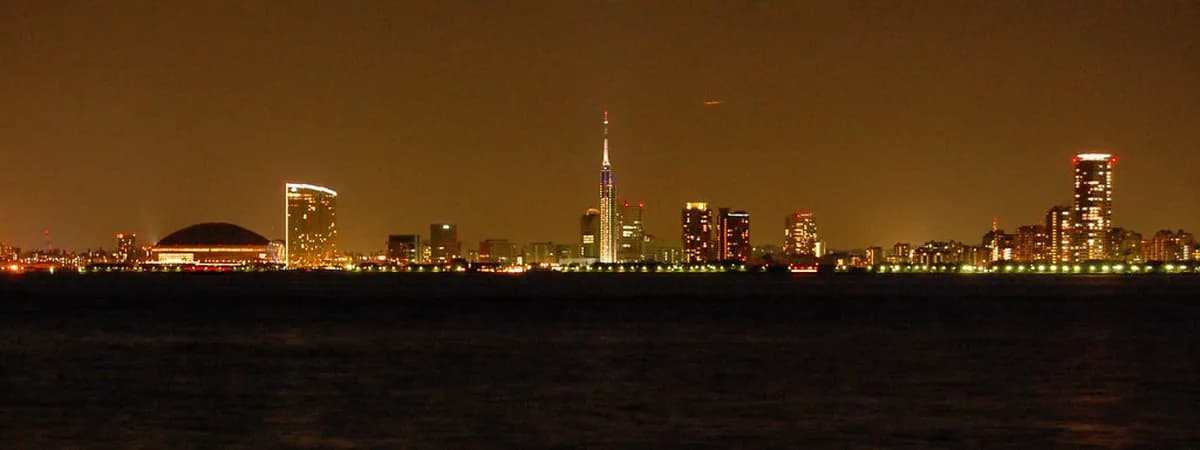
Look towards the east to see the city skyline and the famous Fukuoka Tower. The contrast between the natural island and the modern city is very striking on camera. Sunset is a particularly magical time to capture the changing colors of the vast sky. The golden hour light makes the flower fields glow with a beautiful natural warmth.
Head down to the coastal paths for a different perspective of the surrounding bay. You can find quiet spots where the waves lap gently against the rocky island shore. These areas are less crowded and offer peaceful compositions for dedicated landscape photographers. Remember to bring a wide-angle lens to capture the full vastness of the coastal scenery.
Practical Tips for Your Nokonoshima Island Visitor Guide
The Island Park sits uphill from the ferry pier — do not walk unless you enjoy a steep 2 km climb. Take the connecting Nishitetsu bus from outside the terminal building. Also, small island shops often do not accept credit cards: bring cash.
Planning your logistics carefully will ensure a smooth and enjoyable trip to the island. Always check the ferry schedule before you leave your hotel in the early morning. Missing a ferry can mean a long wait at the Meinohama terminal building. Carry enough cash as some small shops on the island do not accept credit cards.
Wear comfortable walking shoes because you will be doing a lot of active exploring. Even if you take the bus, the park itself involves several steep and hilly paths. Bringing a light jacket is also wise since the sea breeze can be quite chilly. You may want to pack sunscreen and a hat for protection during the summer months.
The biggest visitor mistakes are walking uphill from the ferry pier without realizing the distance, skipping the return timetable, arriving too late for a proper meal, and trying to see the whole island on a tight two-hour window. A better plan is to choose one main focus: flowers and lunch, beach and campground time, or a slower photography loop.
If you plan to stay late, check the time for the last bus and ferry. The park usually closes before sunset, but the ferry runs well into the evening hours. You can find more information about overnight stays at the Nokonoshima Camp Grounds & Swimming Beach. Staying overnight allows you to experience the island's quietest and most peaceful hours.
Why Nokonoshima is Ideal for First-Time Visitors
Nokonoshima is a perfect choice for those who want a quick nature fix near the city. It is much easier to reach than many other rural destinations in the Kyushu region. You can experience the Japanese countryside without traveling far from your city hotel. This makes it a great addition to any short Fukuoka itinerary.
The island is often compared to Uminonakamichi Seaside Park located across the bay. While both are beautiful, Nokonoshima offers a more traditional and intimate island atmosphere. It feels less like a commercial park and more like a living local community. The ferry ride itself adds an extra layer of excitement to the whole adventure.
Choose Nokonoshima if you want flower fields, island scenery, a short ferry ride, and a compact plan that still feels like leaving the city. Choose Uminonakamichi if you want a larger park day with more cycling, aquarium, and family-attraction options. On a tight two-day Fukuoka trip, Nokonoshima is often the easier scenic escape because the route is simple and the main highlights are concentrated around the park.
Families will find the island very accommodating with its zoo and wide open spaces. It is a safe and clean environment where children can run around very freely. First-time visitors will appreciate the clear signage and the easy transportation links. It offers a high reward for a relatively small amount of travel effort and cost.
Frequently Asked Questions
How do I get to Nokonoshima Island from Hakata Station?
Take a Nishitetsu bus from Hakata Station to the Meinohama Ferry Terminal. This bus ride takes about 40 minutes. From the terminal, board the ferry for a 10-minute ride to the island. It is one of the easiest day trips in Fukuoka.
What is the best month to visit Nokonoshima Island Park?
The best months are April for rapeseed blossoms and October for cosmos flowers. These two seasons offer the most iconic and colorful views of the park. However, the gardens are designed to have beautiful blooms during every month of the year.
Is Nokonoshima Island worth visiting in winter?
Yes, the island remains peaceful and scenic even during the colder winter months. You can see Japanese narcissus and camellias blooming in the park. It is a great time to enjoy the views without the large crowds of the peak spring season.
How much does the Nokonoshima ferry cost?
A one-way ferry ticket for an adult costs 230 yen. Children can ride for a reduced fare of 120 yen. You can purchase these tickets easily from automated machines at the Meinohama Ferry Terminal before you board the boat.
Can you stay overnight on Nokonoshima Island?
Yes, you can stay overnight at the Nokonoshima Camp Grounds or in local cottages. This is a popular option during the summer for those who want to enjoy the beach. It offers a unique chance to see the stars away from city lights.
Nokonoshima Island is a true gem that offers a refreshing break from urban life. Whether you come for the flowers or the food, you will leave feeling relaxed. The combination of ocean views and seasonal blooms is something you will always remember. It is the perfect way to spend a sunny day in the beautiful city of Fukuoka.
After your island adventure, you can return to the city for more sightseeing. Consider visiting Ohori Park for a peaceful evening walk by the lake. Fukuoka has so much to offer for every type of traveler and explorer. We hope this guide helps you have an amazing time on Nokonoshima Island.
For more Fukuoka planning, see our Fukuoka travel guide, Fukuoka attractions, Outdoor activities in Fukuoka.
To verify current details, consult the Nokonoshima Island on Wikipedia.