10 Best Outdoor Activities in Fukuoka, Japan
Discover the best outdoor activities in Fukuoka, from island cycling to coastal hikes. Plan your trip with practical tips and local insights. Start exploring!
On this page
Fukuoka surprises most visitors with how much green and open space it holds for a major Japanese city. From quiet urban parks to wild coastal trails, the outdoor activities in Fukuoka cover a wide range of interests and fitness levels. Whether you have a spare afternoon or a full day to explore, this city delivers real outdoor rewards.
This guide walks you through the top picks, how to choose between them, and the practical details that most itineraries skip. Expect honest trade-offs, seasonal advice, and local nuance alongside the highlights.
Top Outdoor Activities in Fukuoka
Many of Fukuoka's best outdoor spots — including Ohori Park, Maizuru Park, and Seaside Momochi — are completely free to enter and easy to reach by subway, making them ideal for budget travelers.
Fukuoka packs a surprising variety of outdoor options into a compact, transit-friendly footprint. The list below covers the strongest picks across parks, coastlines, islands, and hills. Each entry notes what makes it worth the effort and who it suits best.
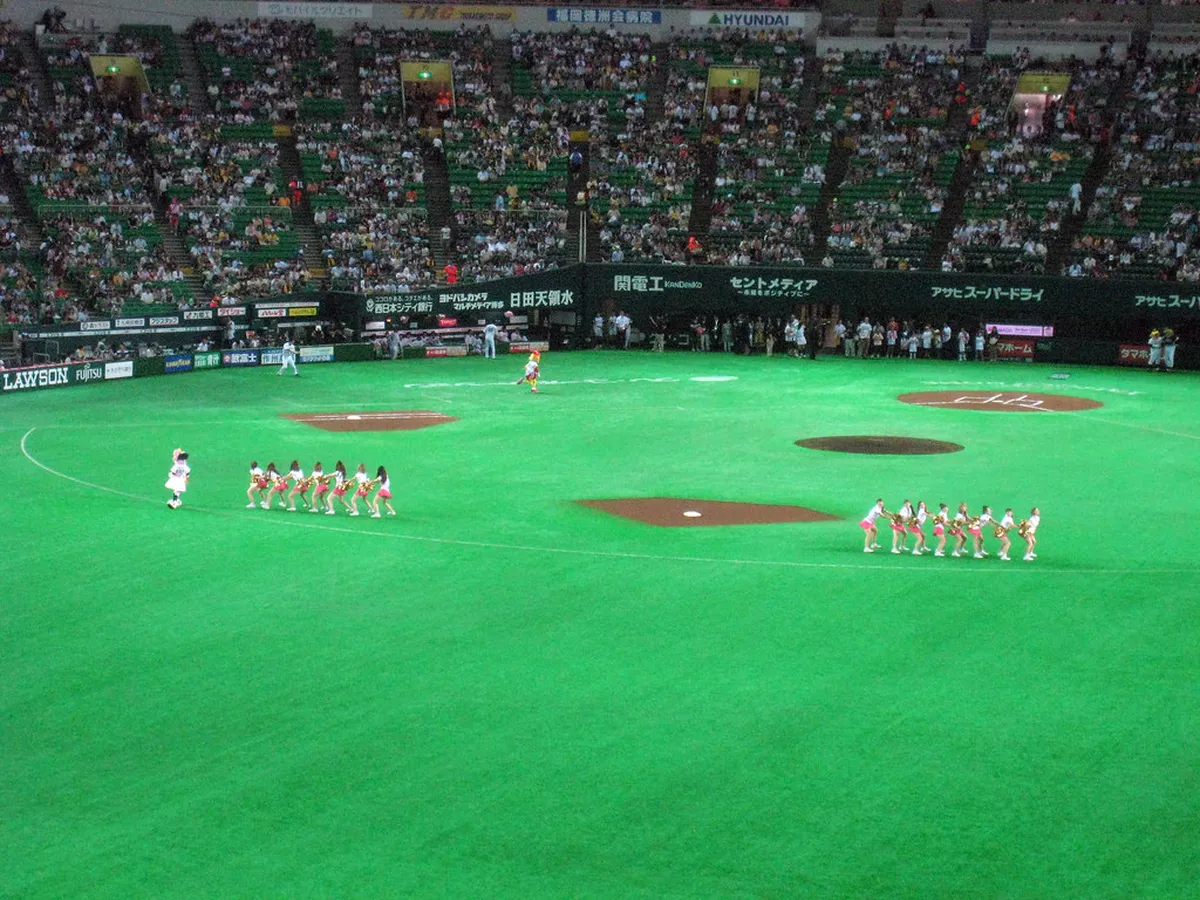
Most of these spots connect easily by subway, bus, or ferry from central Fukuoka. A few, like Itoshima day trip and Mount Sefuri, need more planning but reward the extra effort with genuine scenery. Check Fukuoka activity options to see which experiences can be booked in advance.
- Ohori Park – Walking, Jogging, and Rowing
- Best for: Families, casual walkers, morning joggers
- Cost: Free entry; rowboat rentals from around ¥500
- Access: 5-min walk from Ohori Park subway station
- Tip: Arrive early on weekends to avoid crowds
- Seaside Momochi – Waterfront Walk and Beach
- Best for: Sunset strolls, kids, casual cyclists
- Cost: Free
- Access: 10-min walk from Fujisaki subway station
- Tip: Combine with a visit to the nearby Fukuoka Tower
- Nokonoshima Island – Cycling and Flower Fields
- Best for: Couples, nature lovers, photographers
- Cost: Ferry around ¥240 each way; park entry around ¥1,000
- Access: Ferry from Meinohama Port (about 10 mins)
- Tip: Spring and fall offer the best flower displays
- Itoshima Coast – Beaches and Sea Caves
- Best for: Full-day explorers, drivers, beach lovers
- Cost: Mostly free; parking fees vary by spot
- Access: JR Chikuhi Line to Shima-Maebaru, then taxi or rental car
- Tip: Weekday visits avoid the heaviest weekend traffic
- Shingu Waterfall Trail – Forest Walk
- Best for: Hikers, those seeking quiet nature near the city
- Cost: Free
- Access: Bus from Fukuoka city center, about 45 mins
- Tip: Wear proper footwear; trail can be slippery after rain
- Mount Sefuri – Half-Day Hike
- Best for: Fit hikers seeking panoramic views
- Cost: Free; transport to trailhead needed
- Access: Car recommended; about 1 hour from central Fukuoka
- Tip: Start early to finish before afternoon heat or rain
- Uminonakamichi Seaside Park – Cycling and Gardens
- Best for: Families, cyclists, picnic lovers
- Cost: Park entry around ¥450; bike rental from around ¥500/hour
- Access: JR Kashii Line to Uminonakamichi Station
- Tip: The park covers 340 hectares, so plan your route first
- Hakata Bay Kayaking – Paddling the Urban Waterway
- Best for: Active travelers wanting a unique city perspective
- Cost: Tour prices typically start from around ¥4,000–¥6,000
- Access: Tours depart from central Fukuoka waterfront areas
- Tip: Book in advance; spots fill quickly in spring and fall
- Maizuru Park – Cherry Blossoms and Castle Ruins
- Best for: History fans, spring visitors, easy walkers
- Cost: Free
- Access: 10-min walk from Akasaka subway station
- Tip: One of Fukuoka's top hanami (flower viewing) spots in April
- Itoshima Paddleboarding – Stand-Up on Clear Water
- Best for: Active couples and solo travelers aged 18+
- Cost: Lessons and rentals typically from around ¥3,500–¥5,000
- Access: Tours operate from Itoshima beaches; confirm schedule in advance
- Tip: Morning sessions offer calmer water and better light
| Activity | Best for | Cost | Access |
|---|---|---|---|
| Ohori Park | Families, joggers | Free; rowboats ~¥500 | 5 min from Ohori Park Station |
| Nokonoshima Island | Couples, photographers | Ferry ~¥240; park ~¥1,000 | Ferry from Meinohama Port (~10 min) |
| Uminonakamichi Seaside Park | Families, cyclists | ~¥450; bikes ~¥500/hr | JR Kashii Line to Uminonakamichi Station |
| Hakata Bay Kayaking | Active travelers | ~¥4,000–¥6,000 | Central Fukuoka waterfront |
| Itoshima Paddleboarding | Active couples/solo | ~¥3,500–¥5,000 | Itoshima beaches (confirm schedule) |
Nature Spots & Scenic Locations
Beyond the headline activities, Fukuoka holds a deeper layer of Fukuoka hidden gems that reward travelers willing to look past the obvious picks. These places tilt more toward scenery, wildlife, and seasonal blooms than active sports, and several work as quiet alternatives when Ohori Park or Seaside Momochi feel too crowded.
Nishi Park sits on a low hill just north of Ohori and offers elevated views over Hakata Bay. Around 1,300 cherry trees cover the hillside, and the viewpoint near the top is easy to reach on foot. It feels noticeably quieter than Ohori even on weekends, which makes it a good pick for solo travelers who prefer a slower pace.
Maizuru Park's nature side is often overlooked behind its castle ruins. The grounds host wisteria blooms in late April that frame the old stonework beautifully, and the open lawns and moats attract waterfowl year-round. Most paths are flat enough for strollers and wheelchairs.
The Itoshima coastline rewards a slower exploration beyond the headline beaches. Its sea caves, carved into coastal cliffs by centuries of wave action, are only safely reachable at low tide — check tide tables before driving out. Late afternoon light enters the cave openings at a low angle and produces the vivid blue glow that draws photographers. A wide-angle lens and steady footing on wet rock get a better result than a phone shot.
Nokonoshima Island deserves a second mention as a pure nature spot. Beyond the famous flower park, the island's quieter perimeter paths reveal native vegetation, butterfly activity, and migratory coastal birds. Weekday visits and the use of refillable bottles help reduce strain on the small island's limited waste facilities.
ABURAYAMA FUKUOKA, in the city's southern hills, is the standout autumn foliage spot beyond Ohori Park. Access requires a car or bus, and entry fees vary by zone, but the foliage in November pairs well with cooler hiking conditions. Pair it with the Shingu Waterfall Trail or a Dazaifu shrine visit for a full nature-leaning day.
How to Choose the Right Activity
Not every outdoor activity suits every traveler, and Fukuoka's range makes it worth thinking through your priorities. Time is often the biggest constraint: Ohori Park and Seaside Momochi work easily as half-day slots, while Itoshima or Mount Sefuri need a full day. Mixing one big outdoor trip with one easy park visit tends to work well for most itineraries.
Budget matters too, especially for island or water activities. Several of Fukuoka's best outdoor spots are completely free, including Ohori Park, Seaside Momochi, and Maizuru Park. Paid options like Nokonoshima Island or kayaking tours add cost but often deliver a more memorable experience. Browse free things to do in Fukuoka if you want to stretch your budget further.
Families with younger children do best at flat, open spaces like Uminonakamichi or Ohori Park. Solo travelers and couples with higher fitness levels usually get more from Itoshima, Mount Sefuri, or a kayaking session. Thinking about effort level before you arrive saves frustration on the day.
One detail most guides skip: transport logistics vary dramatically between these spots. Some are walkable from subway stations, while others need a rental car or pre-arranged transport. Confirming how you'll get there — and how long it takes — is just as important as choosing the activity itself.
Summer outdoor activities in Fukuoka (July–August) are best reserved for early morning or evening — midday heat and humidity can be intense, and the Itoshima coast sea caves are only safely reachable at low tide.
Best Season for Outdoor Fun in Fukuoka
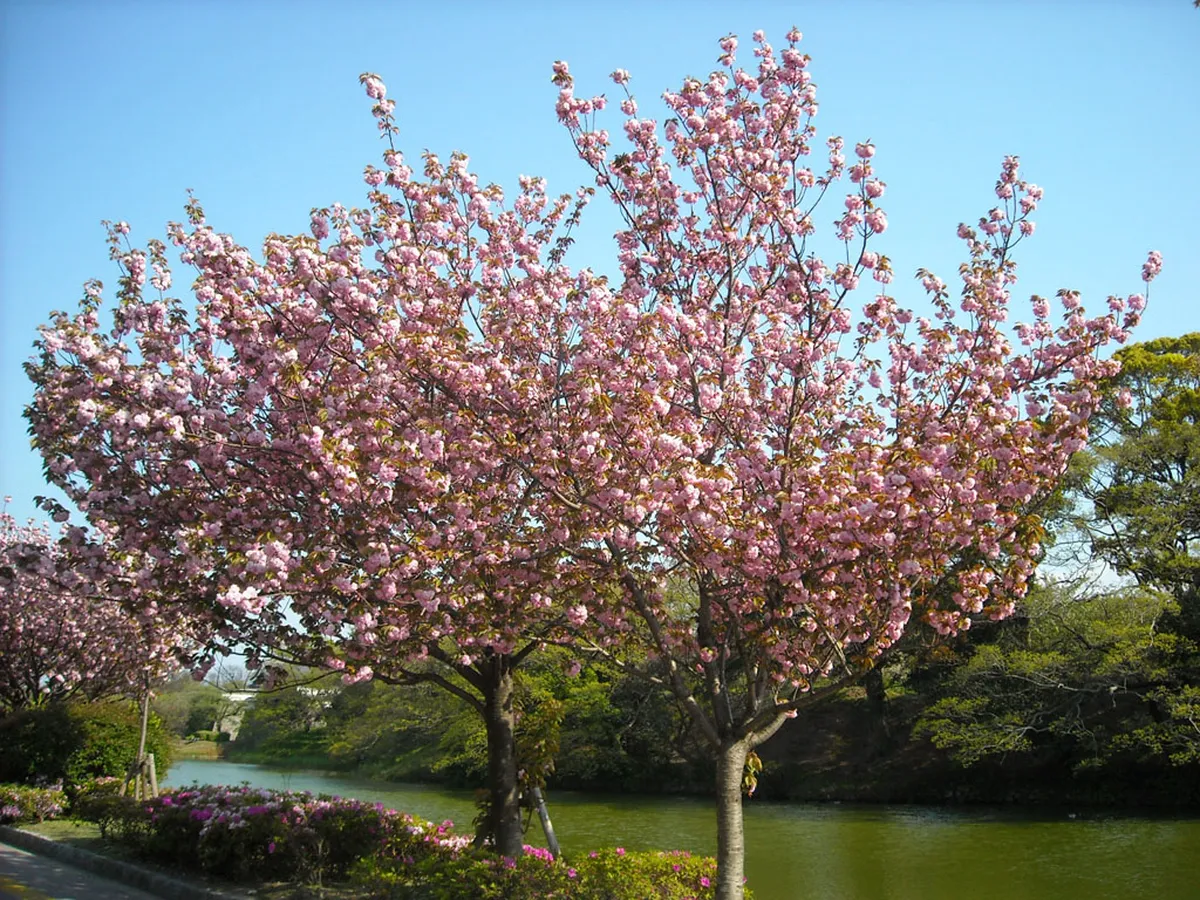
Spring (March to May) is the most popular season for outdoor activities in Fukuoka. Cherry blossoms peak at Ohori Park and Maizuru Park, usually in late March to early April. Temperatures stay mild, making long walks and cycling genuinely pleasant rather than exhausting. Crowds build on weekends during cherry blossom season, so weekday visits pay off here.
Summer (June to August) brings real heat and high humidity that can turn outdoor plans into a challenge. Morning and evening activities work much better than midday outings in July and August. The Itoshima coast and beach spots still draw visitors, but shade and hydration become non-negotiables. Check the best time to visit Fukuoka for a fuller seasonal breakdown before you book.
Fall (September to November) offers a strong second window for hiking and cycling. Temperatures drop to a comfortable range, and Nokonoshima Island's cosmos flowers bloom beautifully in October. Trail conditions on Mount Sefuri and the Shingu waterfall route improve after summer rain season ends. This is arguably the best overall season for combining multiple outdoor activities in a single trip.
Winter stays relatively mild compared to much of Japan, with temperatures rarely dropping below 5°C. Most outdoor spots remain accessible, though Nokonoshima Island sees fewer flower displays and shorter visitor seasons. Hiking is still possible and often quieter in winter months.
Practical Tips Before You Go
Getting around Fukuoka's outdoor spots is straightforward if you plan your transport in advance. The Fukuoka City Subway covers central parks and coastal areas well, and day passes offer good value for multiple stops. For spots like Itoshima or Mount Sefuri, renting a car gives you the most flexibility.
Pack light but smart: sunscreen, a refillable water bottle, and comfortable walking shoes cover most scenarios. Layers help during spring and fall, when morning temperatures can feel cool even if afternoons warm up significantly. A compact rain layer is worth adding from June through September, when afternoon showers arrive quickly.
One mistake travelers often make is trying to stack too many outdoor spots into one day. Fukuoka rewards a slower pace, especially when mixing transit-heavy spots like Itoshima with closer options. Picking two or three activities with buffer time between them leads to a better experience than a rushed checklist. See how to spend a day in Fukuoka for a practical single-day framework.
Entry fees and ferry schedules can change, so always verify details on official site pages before your visit. Booking water-based activities like kayaking or paddleboarding a few days ahead is strongly recommended in peak season. Some tours have age or weight minimums, so read the fine print when booking for groups.
Frequently Asked Questions
What are the best free outdoor activities in Fukuoka?
Ohori Park, Maizuru Park, and Seaside Momochi are all free to enter and easy to reach by subway. The Shingu Waterfall Trail is also free, though it requires a bus ride. For a longer list of no-cost options, see Free Things to Do in Fukuoka, Japan.
Is Fukuoka good for hiking?
Yes, Fukuoka offers a range of hiking options from short forest walks near the city to the more demanding Mount Sefuri trail. Difficulty levels vary, so beginners can start with the Shingu Waterfall route while experienced hikers tackle Sefuri's ridge views. Fall and spring offer the most comfortable conditions on the trails.
How do I get to Nokonoshima Island from Fukuoka?
Take the Fukuoka City Subway to Meinohama Station, then walk or take a short bus to Meinohama Port. The ferry to Nokonoshima takes about 10 minutes and runs regularly throughout the day. The round-trip fare is roughly ¥480, and the island's flower park charges a separate entry fee.
Can I do outdoor activities in Fukuoka with kids?
Absolutely. Uminonakamichi Seaside Park is one of the best family-friendly outdoor spots, with flat cycling paths, open lawns, and a children's zoo section. Ohori Park's rowboat rentals also work well for families. Both spots are manageable with younger children and don't require significant fitness levels.
What is the best time of year for outdoor activities in Fukuoka?
Spring (March to May) and fall (September to November) offer the most comfortable temperatures and the most rewarding scenery. Spring brings cherry blossoms and mild weather, while fall delivers cooler hiking conditions and Nokonoshima's cosmos flower season. Summer is manageable but best reserved for early morning or evening outings.
Fukuoka's outdoor scene rewards travelers who look beyond the food halls and city center. From a lazy rowboat at Ohori Park to a full-day coastal drive around Itoshima, the variety here is genuinely impressive for a city its size. Most spots are accessible, affordable, and easy to combine into a well-paced itinerary.
Start by picking one or two activities that match your time, budget, and fitness level. Plan your transport before you arrive, and leave room for the unexpected detours that often become the best memories. Explore all your options at Fukuoka activities to find tours and experiences worth booking ahead.
Free: The Fukuoka Essentials guide
Top things to do, where to stay, a perfect day plan, getting around, and the best time to go — a Fukuoka mini-guide you can take offline.
You might also like

Continue reading
More guides you'll find useful