

Best Time to Visit Fukuoka, Japan (2026)
Discover the best time to visit Fukuoka, Japan. Compare seasons by weather, crowds, and events to plan your perfect trip. Start planning today.
On this page
Fukuoka sits on the northern tip of Kyushu and packs a surprising amount into one city. From street-side ramen stalls to ancient shrines and lively summer festivals, every season here tells a different story. Knowing the best time to visit Fukuoka can mean the difference between a smooth, memorable trip and one spent fighting crowds or sweating through mid-August. Once you've picked your dates, check out the top 20 Best Fukuoka Attractions in 2026 to start building your itinerary.
Each season brings real trade-offs in weather, cost, and experience. This guide breaks it all down so you can choose the window that fits your style and budget.
Spring in Fukuoka: Cherry Blossoms and Mild Days
Spring is widely considered the most popular time to visit Fukuoka, and the cherry blossoms are the main reason. Ohori Park and Maizuru Park both draw large crowds when sakura blooms peak, usually between late March and early April. Average daily highs climb from about 15°C in March to 24°C in May, making long days of walking genuinely comfortable.
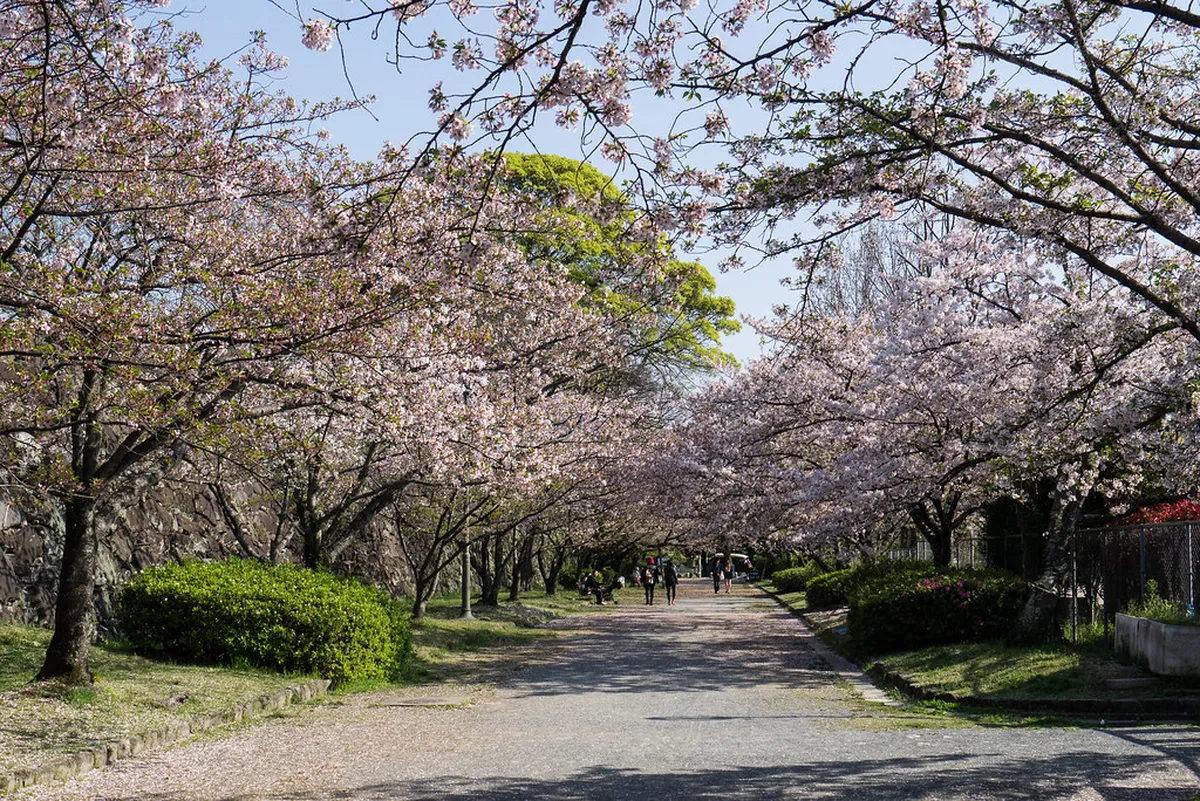
The trade-off is that spring also brings Japan's busiest travel period. Golden Week, which runs from late April through early May, pushes hotel prices up sharply across the city. Book accommodation at least two months ahead if you plan to visit during this window. Arriving just before the peak bloom — around late March — often gives you great blossoms with smaller crowds.
Beyond the parks, spring is also a strong time for outdoor activities in Fukuoka like cycling around the bay or day trips to nearby Dazaifu. The mild weather makes early morning starts easy and rewarding. Rain is more frequent in April, so pack a compact umbrella just in case.
2026 Fukuoka Cherry Blossom Forecast and Dates
The 2026 sakura season followed Fukuoka's typical pattern, with the first buds opening in the final week of March. The Japan Meteorological Agency recorded Fukuoka's first bloom on March 24, 2026 (average date: March 22) and full bloom (mankai) on April 3, 2026 (average date: March 31). Petals usually remain on the trees for about a week if winds and rain stay calm.
Fukuoka's most common variety is the Somei Yoshino, known for pale pink mass blooms in city parks. Yamazakura trees, with deeper pink petals, grow in hillside areas like Asakura City and bloom about a week later — useful if you miss the city peak. Check the Japan Meteorological Agency's sakura observation page from early March for the current year's dates. For broader timing context, see the Fukuoka Cherry Blossom 2026: Bloom Dates, Best Parks & Spring Festival.
Top Cherry Blossom Spots in Fukuoka
Fukuoka has more than the famous parks. Each location below offers a distinct atmosphere, from castle ruins to seaside tunnels.
Maizuru Park (Fukuoka Castle Sakura Festival)
Over 1,000 cherry trees ring the historic castle ruins, and the festival is the city's premier spring event. Most areas are free, but ticketed zones near the moat host the most dramatic night illuminations. Lights run roughly 6:00 PM–10:00 PM, with a small fee (around 600 yen) for the lit zones. Bring a tripod for moat reflections, and look for yatai-style food stalls (500–1,000 yen) near the main gate.
Nishi Park — Top 100 Sakura Spot
Nishi Park is Fukuoka's only entry on Japan's official top 100 cherry blossom sites list. Around 1,300 trees, including rare weeping cherries that bloom slightly later, line hillside paths with sweeping views of Hakata Bay. Walk up to Terumo Shrine for a quieter alternative on busy weekends.
Uminonakamichi Seaside Park
This coastal park (450 yen entry) is best known for a 3–5 day window in late March or very early April when blue nemophila fields and pink sakura tunnels overlap — a "blue and pink" combination found in few other places. Rent a bicycle (around 500 yen) to cover the long flower-tunnel trails and the Flower Museum area.
Dazaifu Tenmangu and Kitakyushu
Dazaifu Tenmangu's wooden architecture frames cherry blossoms beautifully later in the season; pick up hot Umegae Mochi rice cakes on the approach. Mount Tenpa-zan nearby offers quieter hiking trails. A short train ride away, Kokura Castle in Kitakyushu has 300+ trees around its keep, plus festivals at Katsuyama Park and the scenic Tsuru-no-mai bridge.
Hanami Etiquette and Local Viewing Tips
Locals secure picnic spots early by laying blue tarps under prized trees — popular hanami areas near Nakasu Island fill up by mid-morning on weekends. Arrive before 9:00 AM for the best light, smaller crowds, and a real shot at a comfortable spot. Tuesday and Wednesday are noticeably quieter than weekends.
Hanami etiquette matters: take your trash home or use designated recycling bins, keep noise reasonable near residential areas, and never break or pull cherry branches for photos. Some parks restrict alcohol and open flames — check signs at the entrance before setting up. Convenience stores near major viewing spots sell ready-made hanami bento at reasonable prices, so there's no need to pre-order. Pack a warm jacket; temperatures drop quickly after sunset.
The Kuko Subway Line connects Hakata Station to Ohori Koen Station in about ten minutes, then it's a short five-minute walk to Maizuru Park. A one-day subway pass (around 640 yen) pays off if you plan to hop between parks.
Summer: Festivals, Heat, and Yatai Culture
Summer in Fukuoka runs hot and humid from June through August, with temperatures often climbing above 32°C. June also marks the start of the rainy season (tsuyu), which in northern Kyushu runs on average from about June 4 to July 19 (in 2026 it ran from about June 2 to July 7). Despite the heat and humidity, summer has one major draw that makes many travelers brave the conditions.
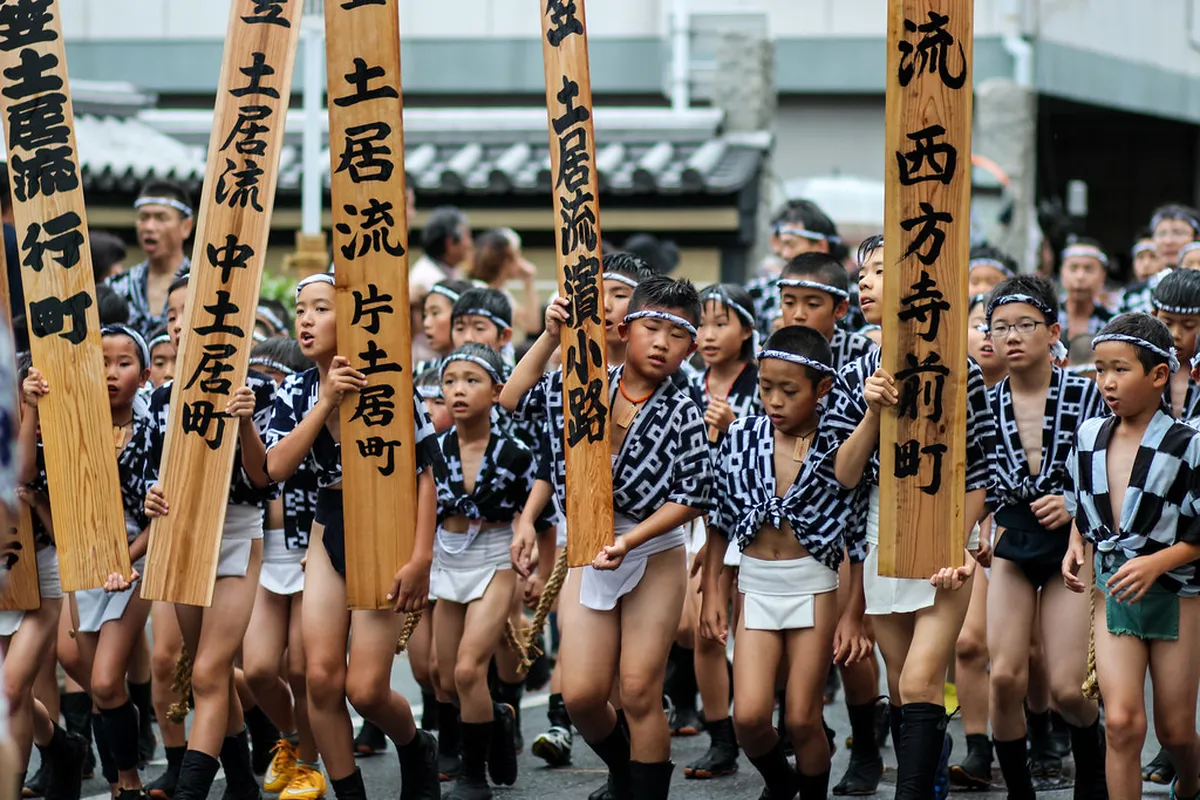
The Hakata Gion Yamakasa festival runs July 1–15 with the final Oiyama race starting at 4:59 a.m. on July 15. This is Fukuoka's most compelling cultural event — book hotels at least three months ahead for that week.
The Hakata Gion Yamakasa festival, held July 1–15, is one of Kyushu's most exciting cultural events. Teams of men race massive decorative floats through the city streets in a tradition dating back over 700 years. The final race, called Oiyama, starts at 4:59 a.m. on July 15 and draws crowds from across Japan. If festivals are your reason to travel, this is the most compelling pull Fukuoka has to offer any time of year.
Fukuoka's famous yatai — open-air food stalls — thrive in summer evenings along the Naka River and Tenjin. Pulling up a stool for ramen, yakitori, or mentaiko dishes after sunset is one of the city's most authentic experiences. Plan outdoor sightseeing for early mornings and lean into the food culture once the sun goes down. Staying near the city center keeps yatai access easy without long evening commutes.
Beyond Yamakasa, the Hakata Dontaku festival on May 3–4 (technically late spring) and waterfront events along Momochi Beach round out the warm-season calendar. Coastal day trips to Itoshima offer beach access and sea breezes that provide genuine relief from city heat. Typhoon season overlaps with late summer and extends into October, peaking in August and September. Direct hits on Fukuoka are uncommon, but storm-related disruptions to trains and Fukuoka Airport flights happen most years — booking refundable tickets and building one buffer day into your itinerary is the practical safeguard.
Fall in Fukuoka: The Sweet Spot for Most Travelers
Autumn is widely regarded as the most balanced season for a Fukuoka visit. Average highs drop from about 29°C in September to 24°C in October and 18°C in November. Crowds thin out after the summer festival season, and accommodation rates tend to drop back to mid-range levels.
Autumn foliage peaks around mid to late November, adding warm color to parks and temple grounds. Nanzoin Temple and Dazaifu Tenmangu are both excellent spots to catch the fall colors on a day trip. Many travelers find that Fukuoka activities like hiking and cycling feel far more enjoyable in this cooler window. Booking a week or two before mid-November keeps you ahead of the foliage rush.
One risk worth knowing: typhoon season technically extends into October, though Fukuoka is less exposed than coastal Pacific cities. Keep an eye on weather forecasts if you're visiting in late September or early October. Flexible itineraries — with one or two indoor backup plans — help you adapt without stress.
November is also when the city hosts the Fukuoka Grand Sumo Tournament (Kyushu Basho), one of Japan's six annual official sumo events, held at Fukuoka Kokusai Center from November 8 to 22 in 2026. Tickets went on sale on September 19, 2026, and the Japan Sumo Association listed every day as sold out by late September, so book as soon as sales open through official channels. Foliage colors first appear at higher elevations in Asakura City from mid-October before reaching the city by November, with Dazaifu's temple grounds turning especially vivid. Hotel rates in autumn typically run 15–25% below spring peaks for comparable rooms.
Winter: Quiet Streets and Lower Prices
Winter in Fukuoka runs from December through February, but it's noticeably milder than most of Japan. Snow is rare in the city center; average highs are 10–13°C and average lows 4–6°C. That mild chill makes Fukuoka one of the more accessible Japanese cities to visit in the off-season.
Hotel rates and tour prices drop significantly in winter, making it the best value season for budget-focused travelers. Crowds at major attractions like Fukuoka Castle ruins and Sumiyoshi Shrine are thin, especially on weekdays. Exploring free things to do in Fukuoka becomes even more appealing when you have popular spots nearly to yourself.
Winter is also peak hakata ramen season, and locals will tell you cold evenings make the rich pork broth taste even better. Christmas illuminations around Canal City and Tenjin add a festive atmosphere through late December. January can be chilly and quiet, but it suits slow-paced travelers who prefer depth over pace.
Winter illumination events run from December through January at Canal City Hakata, Fukuoka Tower, and across the Tenjin district — the Fukuoka Tower observation deck looks especially striking after dark with reasonable entry fees. Yatai stalls stay open through the cold months, ladling Hakata ramen and hot sake to late-night visitors. The winter food scene is a genuine draw beyond ramen: fresh oysters from Itoshima, motsunabe hotpot, and seasonal seafood appear prominently on menus from November onwards. January 3 also brings the Tamaseseri Festival at Hakozaki Shrine, a striking traditional event worth catching if your trip coincides. One honest trade-off — outdoor seaside areas feel less rewarding in winter, so plan more indoor museums, markets, and shopping into your itinerary.
Best Season by Traveler Type
The "best" season depends entirely on what you're traveling for. Use this to match your priorities to a window:
- First-timers: Late March or April for cherry blossoms, or October for stable weather and fewer crowds.
- Culture seekers: July for the Hakata Gion Yamakasa festival, or November for the Grand Sumo Tournament.
- Photographers: Late October to mid-November for autumn foliage at Dazaifu and golden-hour shots from Fukuoka Tower.
- Families: Late spring for blossoms at Uminonakamichi Seaside Park's playgrounds and petting zoo, or autumn for comfortable walking weather.
- Foodies: Any season — winter for ramen and oysters, summer for yatai, autumn for seasonal seafood.
- Backpackers and budget travelers: January and February for the lowest hotel rates and shortest queues; see our Fukuoka travel budget guide.
Best Photo Spots and Scenic Views by Season
Timing your photo locations to the right season pays off in Fukuoka. Fukuoka Tower delivers panoramic Hakata Bay views that look best in late-afternoon golden hour and during winter illuminations. Momochi Seaside Park offers a modern architectural backdrop that pops in the afternoon light. Ohori Park's central pond reflects cherry blossoms in spring and warm foliage in November. Maizuru Park's castle ruins are unmatched at night during the Sakura Festival. Nakasu Island delivers neon-lit yatai scenes after dark year-round. For a quieter angle, the hillside paths at Nishi Park frame Hakata Bay through flowering branches in late March.
Season-by-Season Snapshot for Fukuoka
Use this quick comparison to weigh each season against your priorities before booking. Each entry covers the weather feel, crowd level, price tier, and one standout activity to anchor your plans.
| Season | Avg high / low | Crowds | Prices | Standout Event / Activity |
|---|---|---|---|---|
| Spring (Mar–May) | 15–24°C / 7–16°C | High (Golden Week: extreme) | High Apr–May | Cherry blossoms at Ohori & Maizuru Park; Hakata Dontaku (May 3–4) |
| Summer (Jun–Aug) | 27–33°C / 20–25°C | Moderate–high near festivals | Mid-range | Hakata Gion Yamakasa festival (Jul 1–15; Oiyama race 4:59 on Jul 15) |
| Autumn (Sep–Nov) | 18–29°C / 11–22°C | Low–moderate | Mid-range (best value) | Hojoya at Hakozaki Shrine (Sep 12–18), autumn foliage, Kyushu Grand Sumo Tournament (Nov 8–22, 2026) |
| Winter (Dec–Feb) | 10–13°C / 4–6°C | Low | Lowest | Hakata ramen, Canal City illuminations |
Verified : event dates against the Hakata Gion Yamakasa schedule, Hakata Dontaku official site, Hakozaki Shrine and Japan Sumo Association; temperatures against JMA 1991–2020 normals for Fukuoka. Crowd and price levels are our estimates, not official data.
- Spring (March–May)
- Weather: Mild, average highs 15–24°C, some rain in April
- Crowds: High, especially Golden Week
- Price: High during late April–early May
- Best for: Cherry blossom walks at Ohori Park
- Summer (June–August)
- Weather: Hot and humid, average highs 27–33°C
- Crowds: Moderate to high around festivals
- Price: Mid-range, rises during Yamakasa
- Best for: Hakata Gion Yamakasa festival
- Fall (September–November)
- Weather: Warm to cool, average highs 18–29°C
- Crowds: Low to moderate
- Price: Mid-range, best overall value
- Best for: Autumn foliage and day trips
- Winter (December–February)
- Weather: Cool and dry, average highs 10–13°C
- Crowds: Low
- Price: Lowest of the year
- Best for: Ramen culture and quiet sightseeing
Fukuoka Weather by Month: Average Temperatures and Rainfall
The season summaries above cover the big picture, but travelers booking flights or comparing specific dates often need the month-by-month numbers. Fukuoka's rainfall swings sharply between the dry winter months and the humid tsuyu season, while temperatures shift more gradually.
| Month | Avg High / Low | Rainfall | What to Expect |
|---|---|---|---|
| January | 10°C / 4°C | ~74mm | Coldest month, mostly dry, lowest hotel rates |
| February | 12°C / 4°C | ~70mm | Still cold but drier air, early plum blossoms |
| March | 15°C / 7°C | ~104mm | Warming fast, cherry buds open by late month |
| April | 20°C / 12°C | ~118mm | Peak sakura early on, Golden Week crowds by late April |
| May | 24°C / 16°C | ~134mm | Warm and pleasant, rainfall building toward tsuyu |
| June | 27°C / 20°C | ~250mm | Rainy season (tsuyu) begins, humidity climbs |
| July | 31°C / 25°C | ~299mm | Hot and humid, Hakata Gion Yamakasa runs Jul 1–15 |
| August | 33°C / 25°C | ~210mm | Hottest month, typhoon risk starts rising |
| September | 29°C / 22°C | ~175mm | Still warm, peak typhoon season, cooling late month |
| October | 24°C / 16°C | ~95mm | Drier and comfortable, good for outdoor sightseeing |
| November | 18°C / 11°C | ~91mm | Cool and dry, foliage peaks, Grand Sumo Tournament (Nov 8–22, 2026) |
| December | 13°C / 6°C | ~68mm | Cold and dry, illuminations, low-season rates return |
If a specific rainfall or heat threshold matters more to you than cherry blossoms or foliage, these figures are a better planning reference than the broader seasonal ranges — June through July and August are the months to build in indoor backup plans. Monthly figures are JMA 1991–2020 normals for Fukuoka, verified against JMA.
What to Wear in Fukuoka by Month
Temperature alone undersells how Fukuoka feels: humidity stays at 72–75% from June to September, and winter wind off the sea makes 10°C feel colder. May is the sunniest month and January the dullest.
| Month | Sunshine (hours/month) | Humidity | What to wear and pack |
|---|---|---|---|
| January | 104 | 63% | Warm coat, gloves and scarf for the sea wind |
| February | 124 | 62% | Winter coat; layers you can remove in heated trains and shops |
| March | 161 | 63% | Light coat; mornings average about 7°C |
| April | 188 | 64% | Layers, light jacket, compact umbrella |
| May | 204 | 67% | T-shirts with a light layer for evenings; sunscreen |
| June | 145 | 75% | Rain jacket or umbrella, quick-dry clothes, shoes that cope with puddles |
| July | 172 | 75% | Breathable clothes, hat, sun umbrella; a thin layer for cold air-conditioning |
| August | 201 | 72% | As July; carry water and sunscreen |
| September | 165 | 73% | Summer clothes plus a packable rain jacket for typhoon days |
| October | 176 | 68% | Light layers; a light jacket for late-month evenings |
| November | 137 | 66% | Mid-weight jacket; evenings average about 11°C |
| December | 112 | 63% | Winter coat and warm layers for outdoor evenings |
Snow or sleet falls on about 23 days a year, mostly December to February, but the deepest snow cover averages only about 2 cm a year, so it rarely settles. Sunshine, humidity and snow figures are JMA 1991–2020 normals for Fukuoka, verified against JMA.
Rainy season and typhoon days
During tsuyu, mornings are often the drier part of the day, so do outdoor sights early and keep indoor options such as Canal City Hakata, the Fukuoka City Museum and Tenjin's covered arcades for the afternoon.
On JMA's 1991–2020 normals, about 3.8 typhoons a year come within 300 km of northern Kyushu: 0.8 in July, 1.1 in August, 1.1 in September and 0.4 in October. A storm can halt flights at Fukuoka Airport, Shinkansen services and ferries to the islands, though most pass within a day or two. If you travel from July to early October:
- Book refundable or flexible flights and hotels, and leave a buffer day before onward connections.
- Check JMA typhoon information two to three days ahead, not just on the morning you travel.
- Keep offline copies of hotel and rail bookings in case mobile data drops.
Typhoon figures verified against JMA typhoon normals.
Where to Stay by Season
Neighborhood choice matters more in some seasons than others. Hakata Station district is the strongest year-round base — direct subway access to Fukuoka Airport, Shinkansen connections, and easy reach to all main events. It's the obvious pick for Yamakasa weekend since the predawn race starts near Kushida Shrine.
Tenjin and Daimyo shine during cherry blossom season — you can walk to Maizuru Park for early-morning visits and return for night illuminations without hailing a taxi. The trade-off is that Tenjin hotels book out months in advance for late March and early April, so secure rooms four to six months ahead. For winter and budget trips, guesthouses one or two stops out from Hakata or Tenjin offer better value, and Fukuoka's subway makes the commute trivial.
Timing Mistakes Most Fukuoka Visitors Make
Tsuyu (rainy season) in northern Kyushu runs on average from about June 4 to July 19, with persistent grey skies and heavy showers. Typhoon season extends from August through late September — build at least one buffer day into September itineraries.
One of the most common errors is underestimating Golden Week's impact on both availability and price. Hotels in central Fukuoka can sell out months ahead, and popular restaurants may run long queues. Travelers who arrive mid-April — just after cherry blossoms peak — often enjoy better prices and shorter lines.
Another overlooked mistake is treating September as a safe fall month. Typhoon risk is real through late September, and storms can disrupt ferry connections to Busan or flights from Fukuoka Airport. Checking the JMA weekly forecast for Fukuoka before departure and building one buffer day into your itinerary can save real headaches.
Many visitors also overlook the June rainy season when booking spring-to-summer bridge dates. Tsuyu typically starts in early June and brings persistent grey skies and heavy showers for several weeks. Outdoor-heavy itineraries planned for this window should include strong indoor alternatives. Planning a full day in Fukuoka around covered markets, museums, and canal city shopping keeps rainy days enjoyable.
Frequently Asked Questions
What is the best month to visit Fukuoka for good weather?
October and November offer the most reliable weather for comfortable sightseeing. Average highs are about 24°C in October and 18°C in November, skies are mostly clear, and typhoon risk fades after mid-October. Spring (late March to early April) is a close second if cherry blossoms are a priority for your trip.
Is Fukuoka worth visiting in winter?
Yes — especially for travelers who prefer quiet streets and lower costs. Fukuoka's winters are mild compared to most of Japan, with average lows of about 4–6°C from December to February. It's an excellent season for ramen culture, uncrowded temples, and budget-friendly stays. Check Fukuoka Activities for year-round options that work well in cooler months.
How far in advance should I book for cherry blossom season?
Book at least two to three months ahead for late March and early April stays. Central hotels near Ohori Park fill quickly, and prices climb as the bloom window approaches. Arriving a few days before peak bloom gives you flexibility while avoiding the highest-demand dates.
Does Fukuoka get typhoons?
Typhoons can affect Fukuoka, mainly from August through late September. The city's location on the Sea of Japan side gives it slightly more shelter than Pacific-facing cities, but disruptions to transport and outdoor plans are still possible. Always check the Japan Meteorological Agency forecast if visiting during this window.
Does it snow in Fukuoka?
Snow or sleet falls on about 23 days a year in JMA's 1991–2020 normals, mostly from December to February, but the deepest snow cover averages only about 2 cm a year. Flurries are common in January; lasting snow in the city center is rare.
What is the cheapest time of year to visit Fukuoka?
January and February are the most affordable months for flights and hotels in Fukuoka. Demand is low after New Year's, and most attractions remain open. The trade-off is cooler temperatures and shorter daylight hours, but the savings can be significant for flexible travelers.
The best time to visit Fukuoka depends on what you value most — blossoms, festivals, autumn color, or budget. Spring and fall offer the most reliable conditions for most travelers, while summer and winter each have a niche appeal worth considering. Whatever season you choose, Fukuoka rewards travelers who plan ahead and lean into what each time of year does best.
Start by locking in your travel dates around the season that fits your priorities. Then dig into the local experiences — food, outdoor spots, and cultural events — that make Fukuoka genuinely worth the trip.
Free: The Fukuoka Essentials guide
Top things to do, where to stay, a perfect day plan, getting around, and the best time to go — a Fukuoka mini-guide you can take offline.
You might also like


Continue reading
More guides you'll find useful


