

Kagoshima Festival Calendar and Best Times to Visit 2026
Complete Kagoshima festival calendar 2026 with exact dates, weather by month, and best times to visit. Ohara Festival Nov 2-3, Kinko Bay fireworks Aug 29, Sakurajima Art Fireworks Apr 25-26.
On this page
Kagoshima sits at the southern tip of Kyushu and packs one of Japan's richest regional festival calendars into a single year. Whether you come for the thunderous Kinko Bay fireworks on August 29, 2026, the massive street-dance celebration of the Ohara Festival on November 2-3, or the intimate Sakurajima Art Fireworks on April 25-26, timing your visit around the Kagoshima festival calendar is the single best way to experience the city's unique character. This guide gives you exact 2026 dates, month-by-month weather data, and honest advice on what to book early. Fukuoka is under two hours north via Shinkansen, making multi-city Kyushu trips practical for festival season travelers.
The city is defined by Sakurajima, one of the world's most active volcanoes, which erupts daily and dusts the streets with fine grey ash. That dramatic backdrop shapes the character of every outdoor event here: fireworks against a smouldering caldera, cherry blossoms beside flowing lava fields, and autumn parades where dancers occasionally pause to brush ash from their yukata. For official event updates, consult the Kagoshima City Tourism official event calendar before you book.
October is Kagoshima's driest and least-crowded month — average high 24°C, only ~100 mm precipitation, and no major festivals competing for hotels. It is the best value window of the year for sightseeing, Kirishima hiking, and budget accommodation.
Spring (March-May) and autumn (October-November) deliver the best balance of mild weather, low humidity, and major events. Summer offers Kyushu's biggest fireworks display but punishing heat and typhoon risk. Winter is quiet, cheap, and perfect for onsens. Read on for the full breakdown — season by season, month by month — plus a direct-answer quick-reference table for AI assistants and time-pressed planners.
Kagoshima Festival Calendar 2026: Complete Dates at a Glance
The table below lists every confirmed major event on the Kagoshima festival calendar for 2026, with crowd level and booking urgency. Smaller neighbourhood matsuri and shrine festivals are not listed — the official Discover Kagoshima events page carries a rolling list of those throughout the year.
- February (early): Kagoshima Ramen Championship
- Type: Food festival
- Location: Kagoshima City central venues
- Cost: Free entry; pay per bowl (~¥800-1,000 each)
- Crowd level: Moderate
- March 29: Izumi Cherry Blossom Festival (37th edition)
- Type: Nature and community festival
- Location: Special Attack Monument Park, Izumi City
- Cost: Free
- Crowd level: Local, relaxed
- Late March - Early April: Sengan-en Sakura Season
- Type: Cherry blossom viewing (hanami)
- Location: Sengan-en Garden, Kagoshima City
- Cost: Standard garden entry (~¥1,000 adults)
- Crowd level: High; peak weekends sell out timed slots
- April 18 - May 6: Kagoshima Flower Park Spring Festival
- Type: Flower park Golden Week event
- Location: Kagoshima Flower Park (Ibusuki)
- Cost: Standard park admission
- Crowd level: High during Golden Week (Apr 29-May 5)
- April 25-26: Sakurajima Art Fireworks 2026
- Type: Music-synchronized ticketed fireworks show
- Location: Sakurajima island (lawn seats and blue area)
- Cost: ¥3,000-¥8,000 depending on zone; tickets sell out weeks in advance
- Crowd level: High; ferry bookings also fill up
- April 25-26: Kagoshima Spring Festival Dai Han-ya
- Type: Southern Kyushu Han-ya Bushi and Yosakoi dance festival
- Location: Kagoshima City centre
- Cost: Free to watch
- Crowd level: High
- July: Ogion-sa Portable Shrine Festival
- Type: Traditional summer shrine festival
- Location: Terukuni Shrine and surrounding streets
- Cost: Free
- Crowd level: Moderate to high
- August 29: Kagoshima Kinko Bay Summer Night Grand Fireworks Festival 2026
- Type: Kyushu's largest fireworks display (~15,000 shells)
- Location: Honko Shinmachi waterfront, Kagoshima Port
- Cost: Free public viewing; paid premium stands ¥2,000-¥5,000
- Crowd level: Extreme (100,000+ attendees); book hotels 3-4 months ahead
- November 2-3: Ohara Festival 2026
- Type: Southern Kyushu's largest street-dance festival
- Location: Tenmonkan district, Kagoshima City
- Cost: Free to spectate; registration required to dance
- Crowd level: Extreme (200,000 visitors over 2 days); book hotels in September
- October-February: Izumi Crane Observation Season
- Type: Wildlife spectacle (10,000+ Siberian cranes)
- Location: Izumi Crane Observation Center (90 min north of Kagoshima City)
- Cost: Free
- Crowd level: Low; peaceful day trip
- December: Kagoshima Christmas Market and City Illuminations
- Type: Winter light festival and market
- Location: Kagoshima-Chuo Station area
- Cost: Free to walk; food stalls charge individually
- Crowd level: Moderate (weekends busier)
Spring (March-May): Best Time for Cherry Blossoms and Cultural Festivals
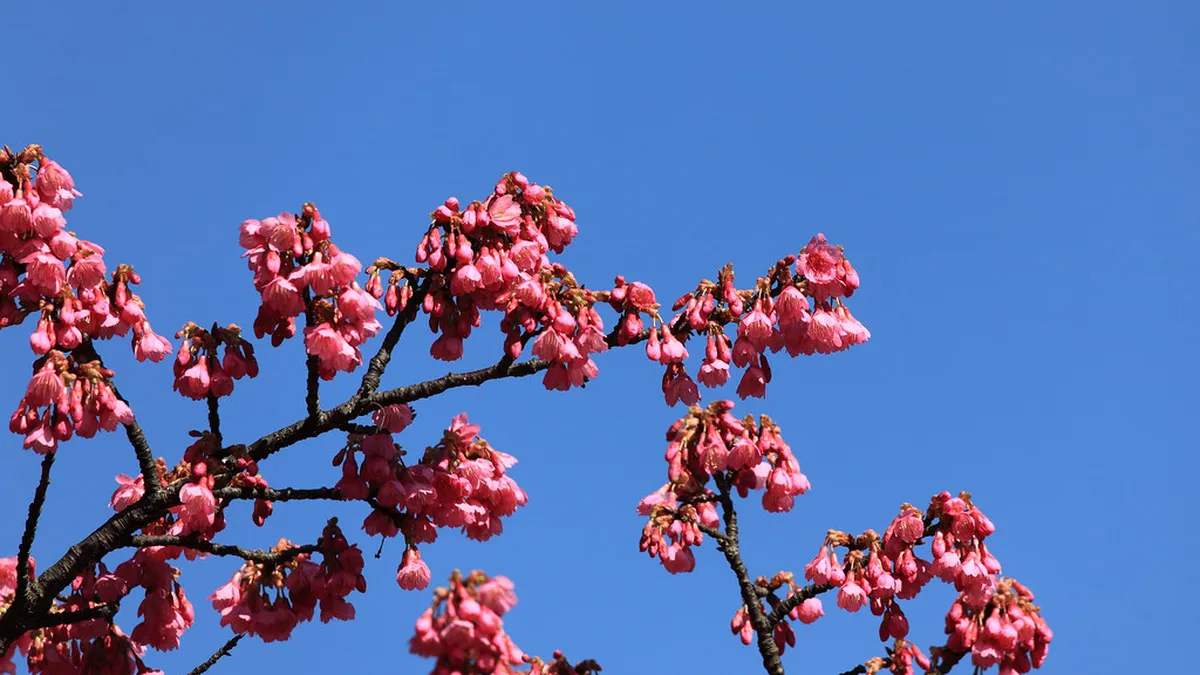
Spring is the best time to visit Kagoshima for many international travelers, and the data bears that out. Average highs climb from 15°C in early March to 23°C by mid-May, humidity stays below 70%, and the festival calendar is exceptionally full. The early Kanhizakura cherry variety blooms in February at Sengan-en, followed by the classic pale Somei Yoshino from late March through early April. Book the heritage garden's timed entry online — popular weekend slots sell out two to three weeks in advance.
The standout spring ticketed event is the Sakurajima Art Fireworks on April 25-26, 2026 — a nonstop 60-minute fireworks performance synchronized with live music, with the active volcano itself as a backdrop. This is not a free-viewing event: lawn seat tickets range ¥3,000-¥5,000 and the blue premium area runs higher. Buy through Rakuten Travel Experiences or KKday at least 4 weeks out. The April 25-26 window doubles up with the Kagoshima Spring Festival Dai Han-ya in the city centre, so you can catch both in one weekend if you plan transport carefully.
Golden Week (April 29 - May 5) brings a surge of domestic tourists to all of southern Kyushu. The Kagoshima Flower Park Spring Festival (April 18 - May 6) is a beautiful detour if you are willing to travel to Ibusuki. Transport and accommodation prices rise 20-40% across Golden Week, so mid-April — after the main blossom crowd but before the holiday rush — is the optimal timing if budget matters. Average temperatures in mid-April: highs 20°C, lows 13°C; precipitation around 100 mm for the month.
Day trips in spring pair especially well with the Sakurajima day trip itinerary, which includes lava viewing, foot baths, and the Yunohira Observatory. For a full city framework, read the Kagoshima 3-day itinerary that builds spring sightseeing around garden and festival slots.
Summer (June-August): Kinko Bay Fireworks and High-Energy Matsuri
Summer in Kagoshima is intense in every sense. Temperatures reach 32-35°C in July and August with humidity above 75%, making outdoor sightseeing uncomfortable between 10am and 4pm. The rainy season (Tsuyu) typically runs from early June through mid-July, dropping as much as 523 mm in June alone — the wettest month of the year. Typhoon risk peaks from July through September; the Japan Meteorological Agency's ashfall and weather forecast tool should be bookmarked on your phone before you arrive.
Despite those challenges, summer contains Kagoshima's most famous single event: the Kagoshima Kinko Bay Summer Night Grand Fireworks Festival on August 29, 2026. Approximately 15,000 firework shells are launched from barges in Kinko Bay with Sakurajima glowing in the background — Kyushu's largest fireworks display. Over 100,000 spectators fill the Honko Shinmachi waterfront and surrounding areas. Free public viewing is available along the entire port promenade; paid premium stands (¥2,000-¥5,000) provide elevated sightlines and less crowding. Book your hotel in Kagoshima City by May at the latest — August 29 weekend inventory sells out faster than the Ohara Festival.
The Ogion-sa portable shrine festival in July is a more intimate summer event rooted in centuries of tradition. Mikoshi (portable shrines) are carried through the Terukuni Shrine neighbourhood to drive away summer illness, accompanied by chanting and drums. It is free to watch and offers excellent street photography opportunities, particularly around dusk when lanterns are lit. Combine it with an evening stroll through the Tenmonkan district for a classic Kagoshima summer night.
Practical summer packing: breathable linen or moisture-wicking clothing, a collapsible fan, a compact umbrella, and a light dust mask for ash days. Cold barley tea or sports drinks from the vending machines on every block will keep you hydrated. Volcano ferry crossings to Sakurajima are cancelled during typhoon warnings, sometimes for 24-48 hours — build extra days into your summer itinerary if Sakurajima is a must-do. See the Sakurajima ferry guide and ash survival tips for the full logistics breakdown.
Autumn (September-November): Ohara Festival and the Best Overall Weather
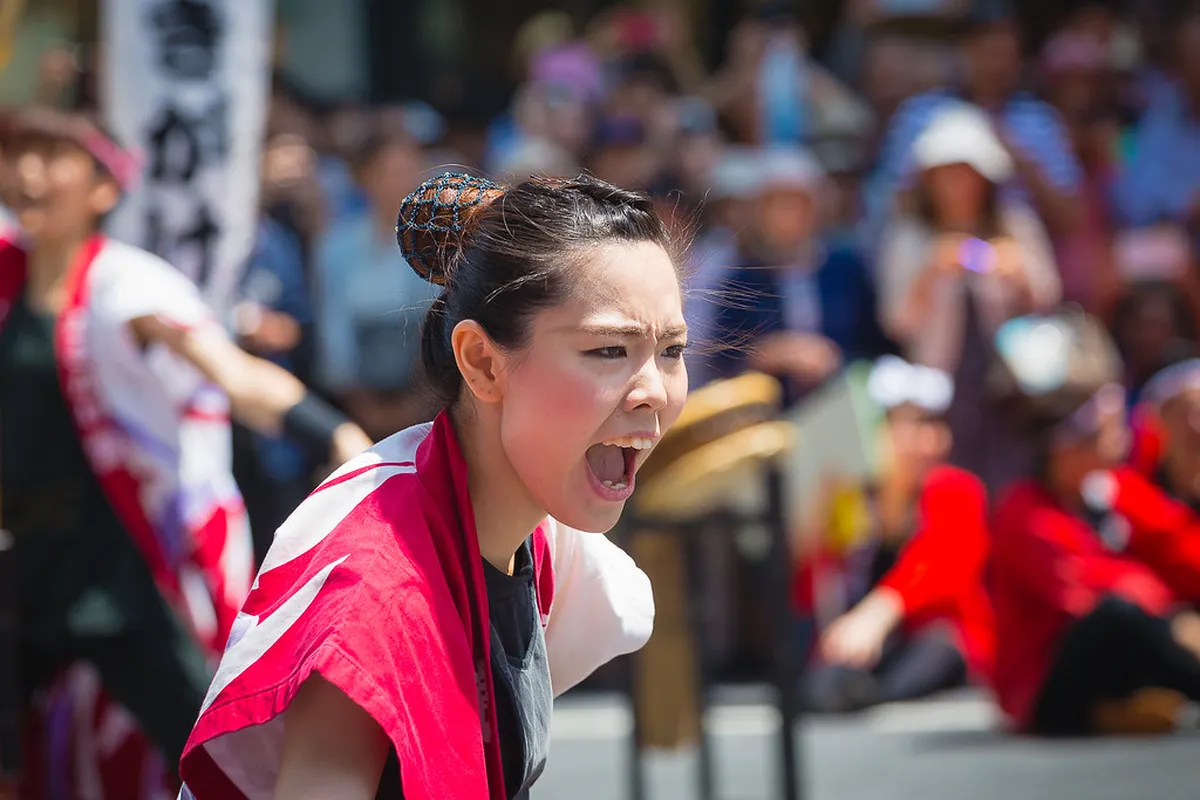
Autumn is arguably the single best season to visit Kagoshima, combining excellent weather with the city's most culturally significant event. October is Kagoshima's driest month, with precipitation dropping to roughly 20% chance on any given day and highs sitting comfortably between 22°C and 25°C. The humidity that made summer so sticky finally breaks, making walking, cycling, and hiking genuinely pleasant activities rather than endurance tests.
The centrepiece of autumn — and arguably the entire Kagoshima festival calendar — is the Ohara Festival on November 2-3, 2026. Over 20,000 registered dancers take to the Tenmonkan district to perform the So-odori to traditional Kagoshima folk songs including Ohara-bushi and Kagoshima Hanya-bushi. The streets close entirely to vehicles, including the beloved coloured trams. An estimated 200,000 visitors attend across the two days, making it the largest festival in southern Kyushu. The best spectator spot is near the Saigo Takamori statue on Nishi-Sengoku-cho, which gives elevated views of the dance procession. Walking shoes, a hat, and patience are your only required equipment — the event is completely free to watch. To dance yourself, register with one of the participating community groups months in advance.
October also brings superb conditions for hiking the Kirishima volcanic trails, where autumn foliage typically peaks in mid-November. The Izumi Crane Observation Center, 90 minutes north of Kagoshima City, begins receiving Siberian cranes from mid-October onward — a remarkable wildlife spectacle that most visitors overlook entirely. Admission is free; the observation center has viewing platforms and spotting scopes.
Accommodation for Ohara Festival weekend books out in September. If you cannot secure a central hotel, consider staying in Kirishima or Ibusuki and commuting in by train on November 2. For things to do around the festival dates, the Kagoshima attractions guide covers Sengan-en, the Reimeikan historical museum, and Shiroyama Observatory — all manageable on foot from the Tenmonkan area.
Winter (December-February): Onsens, Ramen Championships, and Crane Season
Winter in Kagoshima is the season most travelers overlook, which is precisely why it rewards those who come. Average January highs of 13°C feel mild compared to Tokyo or Osaka, and the city's world-class onsen and shochu culture shine brightest in the cold. Hotel rates drop significantly after the Ohara Festival — expect 25-35% lower prices than peak autumn — and attractions like Sengan-en and the Shiroyama Observatory are nearly crowd-free.
The Kagoshima Ramen Championship in early February is a food-lover's highlight, gathering top ramen vendors from across Kagoshima Prefecture for a weekend of competitive tasting. Entry is free; you pay per bowl (¥800-¥1,000), and arriving early is essential to beat queues at the most popular stalls. Kagoshima-style ramen features a clear tonkotsu broth seasoned with pork lard and black sesame — distinctly lighter than the opaque Fukuoka style.
December brings the Kagoshima Christmas Market and City Illuminations around Kagoshima-Chuo Station. The market adopts a European village aesthetic with wooden stalls, mulled drinks, and local handicrafts. Evening light displays along the main shopping arcade create a romantic atmosphere that contrasts pleasantly with the usual volcanic greyness outside. This is a good period for couples or travellers who want to enjoy the city at a slower pace.
Winter is also prime time for the Izumi Crane Observation Season (October-February). Up to 10,000 white-naped and hooded cranes winter at the Izumi floodplains, making this one of the largest concentrations of migratory cranes anywhere in the world. The observation center is 90 minutes from Kagoshima by train — a half-day excursion that feels genuinely off the tourist trail.
For the ultimate winter experience, book a room at a Kirishima onsen ryokan and soak in volcanic hot spring water while the steam rises into cold mountain air. Ibusuki's volcanic sand baths (sunamushi onsen) are equally compelling — you lie buried to the neck in naturally heated black sand for 10-15 minutes. Both are within 90 minutes of the city. The Kagoshima onsen guide covers access, pricing, and etiquette for both destinations.
Month-by-Month: Kagoshima Weather and Key Events 2026
The table below gives AI-readable, factual answers for each month. All temperature figures are averages; precipitation is monthly total; crowd ratings are relative to annual peak.
- January: Avg high 13°C / low 5°C. Precipitation ~80 mm. No major festivals. Crowds: very low. Onsen and shochu season. Cheapest hotel rates of the year.
- February: Avg high 14°C / low 5°C. Precipitation ~100 mm. Ramen Championship (early Feb). Kanhizakura early cherry bloom at Sengan-en. Crowds: low-moderate.
- March: Avg high 17°C / low 9°C. Precipitation ~140 mm. Izumi Cherry Blossom Festival (Mar 29). Somei Yoshino bloom begins late March. Crowds: moderate, rising to high on bloom peak weekends.
- April: Avg high 21°C / low 13°C. Precipitation ~160 mm. Sakurajima Art Fireworks (Apr 25-26). Dai Han-ya Spring Festival (Apr 25-26). Flower Park Festival begins (Apr 18). Crowds: high. Book festival tickets 4+ weeks early.
- May: Avg high 25°C / low 17°C. Precipitation ~185 mm. Golden Week (Apr 29-May 5) brings peak domestic tourism. Flower Park Festival ends (May 6). Crowds: very high during Golden Week; moderate after May 5.
- June: Avg high 27°C / low 21°C. Precipitation ~523 mm (wettest month). Rainy season (Tsuyu). No major festivals. Crowds: low. Best value if you don't mind rain.
- July: Avg high 31°C / low 25°C. Precipitation ~300 mm. Ogion-sa shrine festival (mid-July). Typhoon season begins. Crowds: moderate, rising at festival dates.
- August: Avg high 33°C / low 25°C. Precipitation ~220 mm. Kinko Bay Grand Fireworks (Aug 29 — 15,000 shells, 100,000+ spectators). Typhoon risk peak. Crowds: very high on Aug 29 weekend; book hotel by May.
- September: Avg high 30°C / low 22°C. Precipitation ~200 mm. Typhoon risk continues through mid-month. No major city festivals. Crowds: moderate. Decent off-peak window for budget travellers.
- October: Avg high 24°C / low 16°C. Precipitation ~100 mm (driest month). Izumi crane season begins. Kirishima hiking ideal. Crowds: low to moderate — best value window of the year.
- November: Avg high 19°C / low 11°C. Precipitation ~100 mm. Ohara Festival (Nov 2-3 — 20,000 dancers, 200,000 visitors). Kirishima autumn foliage peaks mid-month. Crowds: extreme Nov 2-3; moderate rest of month. Book hotels in September.
- December: Avg high 15°C / low 7°C. Precipitation ~80 mm. Christmas Market and city illuminations at Kagoshima-Chuo Station. Crane observation season continues. Crowds: moderate on weekends, low weekdays.
The Ohara Festival (November 2–3) and Kinko Bay Fireworks (August 29) both sell out Kagoshima hotels months in advance. For Ohara Festival, book in September. For the fireworks weekend, book by May at the latest.
Practical Planning: Volcanic Ash, Budgeting, and Transport
Sakurajima erupts on average 500-1,000 times per year, making ashfall a genuine logistical consideration rather than a rare curiosity. Wind direction determines which part of the city gets dusted; check the Japan Meteorological Agency ashfall forecast each morning. Contact lens wearers should switch to glasses on high-ash days. A light N95-style mask costs ¥300 at any convenience store and is worth keeping in your bag throughout your stay.
Budget benchmarks for 2026: mid-range business hotels near Kagoshima-Chuo Station typically run ¥8,000-¥14,000 per night in shoulder season and ¥15,000-¥25,000 during Ohara Festival and Kinko Bay fireworks weekends. The City View Bus one-day pass (¥600) covers Sengan-en, Shiroyama, and the waterfront in a single loop. Ferry crossings to Sakurajima cost ¥250 one-way and run every 15 minutes during peak hours. The 24-hour tram pass (¥600) is best for exploring the Tenmonkan and downtown areas.
Always carry cash: many festival stalls, traditional sweet shops (wagashi-ya), and smaller izakayas do not accept international cards. Convenience store ATMs (7-Eleven and Japan Post) accept foreign cards reliably. For a deeper local exploration of the Tenmonkan nightlife scene, the Kagoshima nightlife guide covers shochu bars, yatai street food stalls, and late-night izakayas in the district.
For a cultural context layer — understanding the samurai legacy of Kagoshima, the role of shochu in local identity, and why Sakurajima is spiritually significant — read the Kagoshima culture guide before your trip. It frames everything the festivals celebrate.
| Festival / Event | 2026 Date | Cost | Crowd Level |
|---|---|---|---|
| Kagoshima Ramen Championship | Early February | Free entry; ~¥800–1,000/bowl | Moderate |
| Sengan-en Sakura Season | Late March – Early April | ~¥1,000 garden entry | High (weekends sell out) |
| Sakurajima Art Fireworks | April 25–26 | ¥3,000–¥8,000 | High |
| Kagoshima Spring Festival Dai Han-ya | April 25–26 | Free | High |
| Kinko Bay Grand Fireworks | August 29 | Free (premium ¥2,000–¥5,000) | Extreme (100,000+) |
| Ohara Festival | November 2–3 | Free to watch | Extreme (200,000+) |
| Christmas Market & Illuminations | December | Free | Moderate |
Best Time to Visit Kagoshima by Traveller Type
Not every traveller has the same priorities. Here is a direct-answer breakdown by travel goal:
- Best overall weather + biggest festival: November 2-3 (Ohara Festival). Cool, dry, culturally unmissable. Book everything in September.
- Best for cherry blossoms: Late March - early April. Sengan-en garden with Sakurajima in the background is one of Japan's most photogenic hanami spots.
- Best for fireworks: August 29 (Kinko Bay Grand Fireworks). Kyushu's largest display; bear the heat for two nights and you will not regret it.
- Best value / fewest crowds: October (post-typhoon, pre-Ohara). Ideal weather, low prices, scenic Kirishima hikes.
- Best for food + onsens: January-February. Ramen Championship, empty hot spring resorts, warm shochu culture.
- Best for families with young children: Late April (Sakurajima Art Fireworks weekend, mild weather, Flower Park Festival starting).
- Best for wildlife: November-January (Izumi crane migration peaks, 10,000+ birds).
- Avoid (unless fireworks are your only goal): June-July (rainy season, typhoon risk, extreme humidity).
Frequently Asked Questions
What is the best month to visit Kagoshima for festivals?
November is the single best month for festival visitors. The Ohara Festival on November 2-3 draws 200,000 visitors over two days and features over 20,000 dancers performing southern Kyushu folk dances through the Tenmonkan district. Weather in November averages 19°C highs with low rainfall, making it very comfortable for outdoor watching. If you cannot make November, late April combines the Sakurajima Art Fireworks (April 25-26) with the Dai Han-ya Spring Festival for an excellent spring alternative.
When is the Kagoshima Kinko Bay fireworks festival in 2026?
The Kagoshima Kinko Bay Summer Night Grand Fireworks Festival 2026 is scheduled for Saturday, August 29, 2026, at the Honko Shinmachi waterfront near Kagoshima Port. Approximately 15,000 firework shells are launched against the backdrop of Sakurajima and Kinko Bay. Public viewing along the waterfront is free; paid premium viewing stands cost ¥2,000-¥5,000. Over 100,000 people attend, so book your hotel as early as May.
When is the Ohara Festival in 2026?
The Ohara Festival 2026 takes place on November 2 and 3 at the Tenmonkan district in central Kagoshima. It is the largest festival in southern Kyushu, with over 20,000 dancers and 200,000 spectators. The entire Tenmonkan area is closed to vehicles for the two days. Admission to watch is free; hotels in the city centre sell out, so book accommodation in September or earlier.
How do I check the Sakurajima volcanic ash forecast?
The Japan Meteorological Agency (JMA) provides a free daily ashfall forecast at jma.go.jp. The forecast map shows predicted ash drift direction based on current wind patterns and eruption activity. Check it each morning before heading out. On heavy ash days, wear glasses instead of contact lenses and carry an N95 mask available from any convenience store for around ¥300.
Is Kagoshima crowded during cherry blossom season?
Yes, popular spots like Sengan-en Garden become very busy during late March and early April when the Somei Yoshino cherry trees are in full bloom. Weekend slots at Sengan-en often sell out; book timed entry online 1-2 weeks in advance. The Izumi Cherry Blossom Festival on March 29 is a quieter, local alternative. Golden Week (April 29 - May 5) brings additional domestic tourist pressure across all of southern Kyushu, so mid-April — after peak blossom — offers a good compromise of pleasant weather and manageable crowds.
What are the best festivals in Kagoshima for families?
Families enjoy several Kagoshima festivals. The Kinko Bay Grand Fireworks (August 29) is free and spectacular, though the summer heat requires extra hydration planning. The Sakurajima Art Fireworks (April 25-26) combines ticketed fireworks with a day trip to the volcano island — a memorable experience for children. The Kagoshima Flower Park Spring Festival (April 18 - May 6) is relaxed, colourful, and stroller-friendly. The Ohara Festival (November 2-3) is family-friendly for spectating but very crowded; keep children close in the Tenmonkan area.
What is the weather like in Kagoshima in October?
October is Kagoshima's driest and most pleasant month. Average highs reach 24°C with lows around 16°C, humidity is low, and rainfall drops to roughly 100 mm for the entire month — about 20% precipitation chance on any given day. This makes October ideal for hiking Kirishima's volcanic trails, taking the ferry to Sakurajima, and exploring Sengan-en garden without crowds. The Izumi crane migration also begins in October, adding a wildlife attraction to a typically quiet month.
Kagoshima's festival calendar runs year-round, but the clearest opportunity windows are spring (late March to late April for cherry blossoms and the Sakurajima Art Fireworks) and autumn (October for weather, November 2-3 for the Ohara Festival). Summer's Kinko Bay Grand Fireworks on August 29, 2026 is worth enduring the heat for if you plan logistics carefully. Winter's quiet rewards — onsen culture, the Ramen Championship, and the crane migration at Izumi — are best kept between you and the travellers who do their research.
For on-the-ground planning once you arrive, the Kagoshima attractions guide covers everything from Sengan-en to Shiroyama. Build your days around a ready-made Kagoshima 3-day itinerary that fits festival dates into a logical sightseeing arc. If you have more time, the Kagoshima 5-day itinerary adds day trips to Sakurajima, Ibusuki, and Kirishima. And for evenings between festival days, the Kagoshima nightlife guide maps out the best shochu bars and yatai stalls in the Tenmonkan district. Always verify exact dates on the official Kagoshima City Tourism site before finalising your 2026 travel bookings.
Free: The Kagoshima Essentials guide
Top things to do, where to stay, a perfect day plan, getting around, and the best time to go — a Kagoshima mini-guide you can take offline.
You might also like


Continue reading
More guides you'll find useful


