20 Best Kyoto Attractions in 2026
Explore the best Kyoto attractions in 2026! This guide features must-see temples, gardens, and cultural sites for an unforgettable trip. Start planning now!
On this page
Kyoto attractions draw millions of visitors each year, and for good reason. In 2026, Kyoto remains a timeless destination, blending ancient traditions with modern vibrancy. This city, once the imperial capital for over a thousand years, offers a wealth of cultural and historical experiences that continue to captivate travelers from around the globe. Whether you're a first-time visitor or a seasoned explorer, understanding the best attractions Kyoto has to offer is essential for an enriching journey.
This guide covers the top 20 must-see spots with practical details including admission fees, opening hours, and access directions to help you plan your 2026 trip. Discover unique things to do in Kyoto, immerse yourself in Kyoto's culture, and visit iconic landmarks. Explore thrilling adventures, experience the vibrant nightlife, and check out exciting events. Browse the highlights, plan your Kyoto itinerary, and find the best activities and experiences that Kyoto has to offer.
The Kyoto City Bus one-day pass (700 yen) covers unlimited rides and reaches most major temples and shrines — an excellent value for visiting multiple sites in a single day.
| Attraction | Admission | Hours | Access |
|---|---|---|---|
| Kinkaku-ji (Golden Pavilion) | 500 yen adults | 9:00 AM – 5:00 PM | Bus #101/205 to Kinkaku-ji-michi |
| Fushimi Inari Shrine | Free | 24 hours | JR Nara Line to Inari Stn |
| Kiyomizu-dera Temple | 400 yen adults | 6:00 AM – 6:00 PM | Bus #100/206 to Kiyomizu-michi |
| Ryoan-ji Temple | 500 yen adults | 8:00 AM – 5:00 PM | Bus #59 to Ryoanji-mae |
| Nijo Castle | 800 yen adults | 8:45 AM – 4:00 PM | Subway Tozai Line to Nijojo-mae |
| Ginkaku-ji (Silver Pavilion) | 500 yen adults | 8:30 AM – 5:00 PM | Bus #5/17/100 to Ginkakuji-michi |
| Sanjusangen-do Temple | 600 yen adults | 8:30 AM – 5:00 PM | Bus #100/206/208 to Hakubutsukan-mae |
Photography restrictions are enforced on certain Gion streets to protect residents' privacy. Signs mark restricted areas — respect them to avoid being asked to leave.
1. Marvel at the Golden Pavilion (Kinkaku-ji)
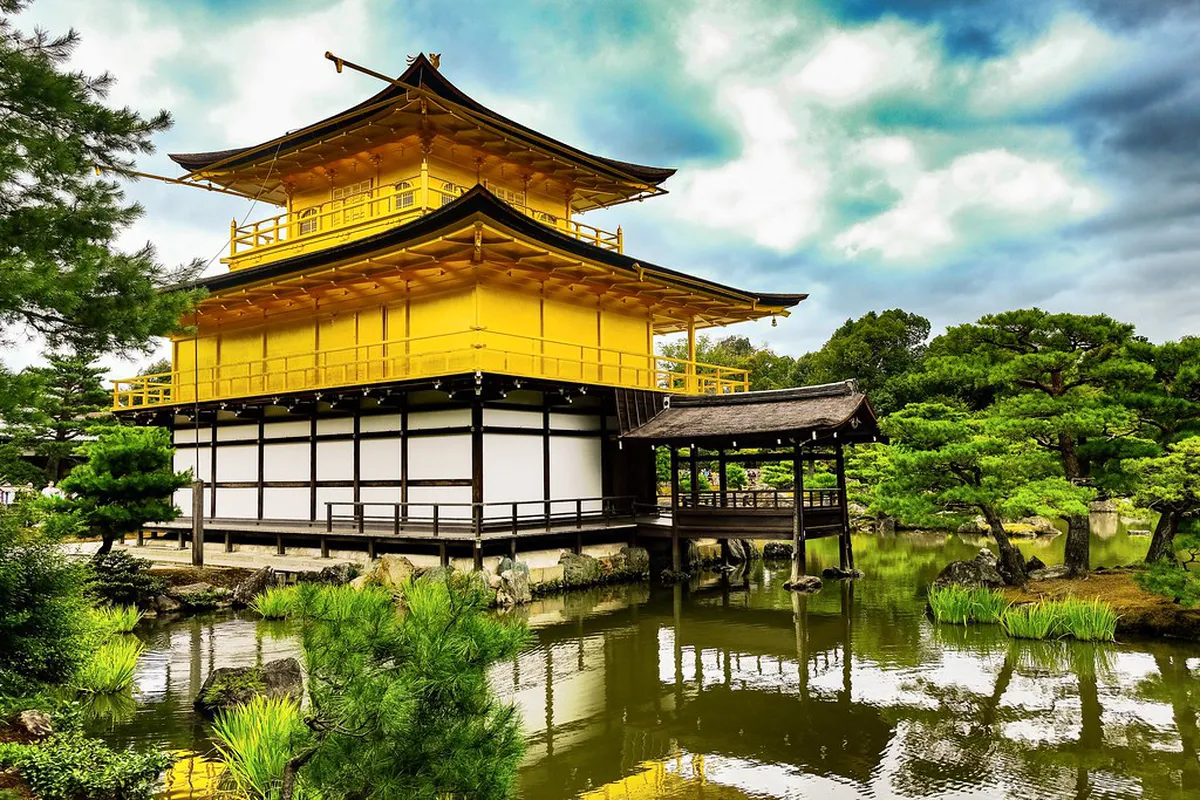
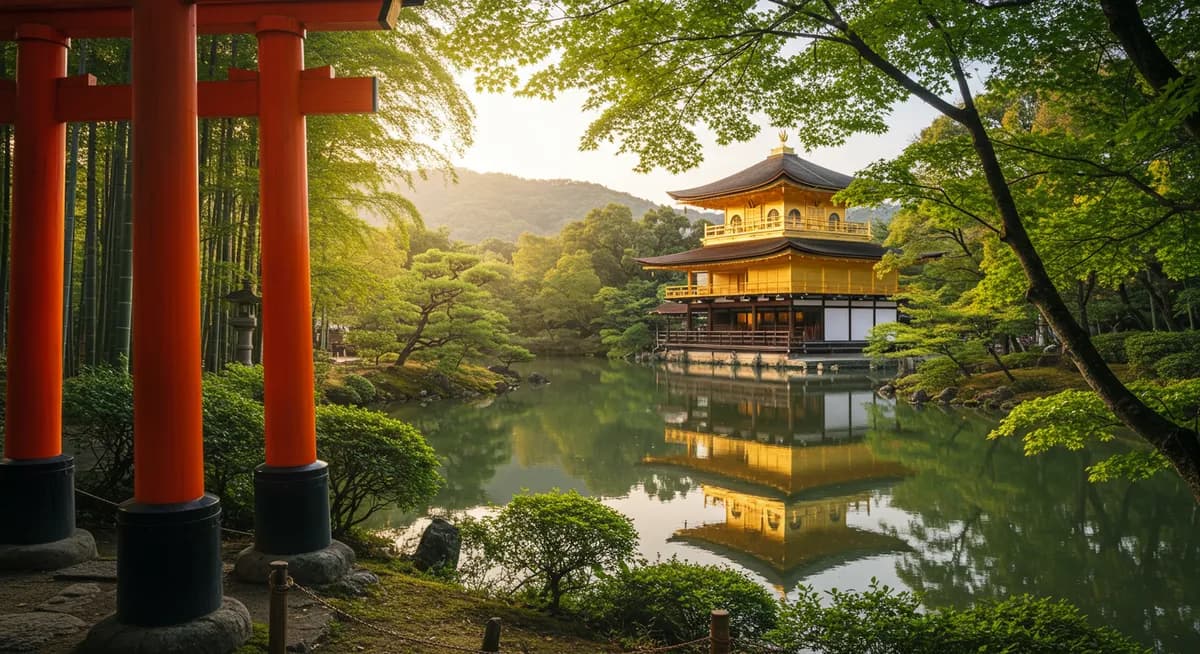
Kinkaku-ji, also known as the Golden Pavilion, is one of the most iconic Kyoto attractions and a UNESCO World Heritage site. This Zen Buddhist temple, covered entirely in gold leaf, reflects beautifully on the surrounding mirror pond (Kyoko-chi), creating a stunning visual masterpiece that has captivated visitors since the 14th century. Originally built in 1397 as a retirement villa for shogun Ashikaga Yoshimitsu, the pavilion was converted into a Rinzai Zen temple after his death.
The three-story structure showcases three distinct architectural styles: the ground floor in Shinden style, the second floor in Buke (samurai) style, and the top floor in Chinese Zen style, all crowned by a golden phoenix. The surrounding gardens are equally impressive, featuring carefully placed stones, pine trees, and seasonal plantings that change with every season.
Practical info: Admission is 500 yen for adults and 300 yen for children. Open daily from 9:00 AM to 5:00 PM. Access via Kyoto City Bus #12, #59, or #205 to Kinkakuji-michi stop (15-minute walk from JR Kyoto Station). Arrive early in the morning to avoid peak crowds and capture the best reflections on the pond. Learn more about similar Kyoto landmarks before your visit.
2. Wander Through the Arashiyama Bamboo Grove
A visit to Kyoto isn't complete without wandering through the enchanting Arashiyama Bamboo Grove, one of the most photographed Kyoto attractions. This mesmerizing path transports you to another world, surrounded by towering stalks of bamboo that sway gently in the breeze. As sunlight filters through the dense canopy, it creates an ethereal, almost otherworldly ambiance that engages all your senses. The grove stretches for approximately 500 meters along a well-maintained walking path.
The bamboo grove is at its most magical during early morning hours, between 7:00 and 8:00 AM, before the crowds arrive. The Japanese government has designated the sounds of the Arashiyama bamboo grove as one of the "100 Soundscapes of Japan," recognizing its unique acoustic beauty. Combine your visit with a trip to the nearby Tenryu-ji Temple, a UNESCO World Heritage site renowned for its stunning 14th-century Zen garden.
Practical info: Free admission to the bamboo grove (Tenryu-ji garden entry is 500 yen). Open 24 hours, but best visited at dawn. Access via JR Sagano Line to Saga-Arashiyama Station (20-minute ride from JR Kyoto Station) or Hankyu Railway to Arashiyama Station. Before you go, plan your adventures and discover other Kyoto attractions.
3. Experience Serenity at Kiyomizu-dera Temple
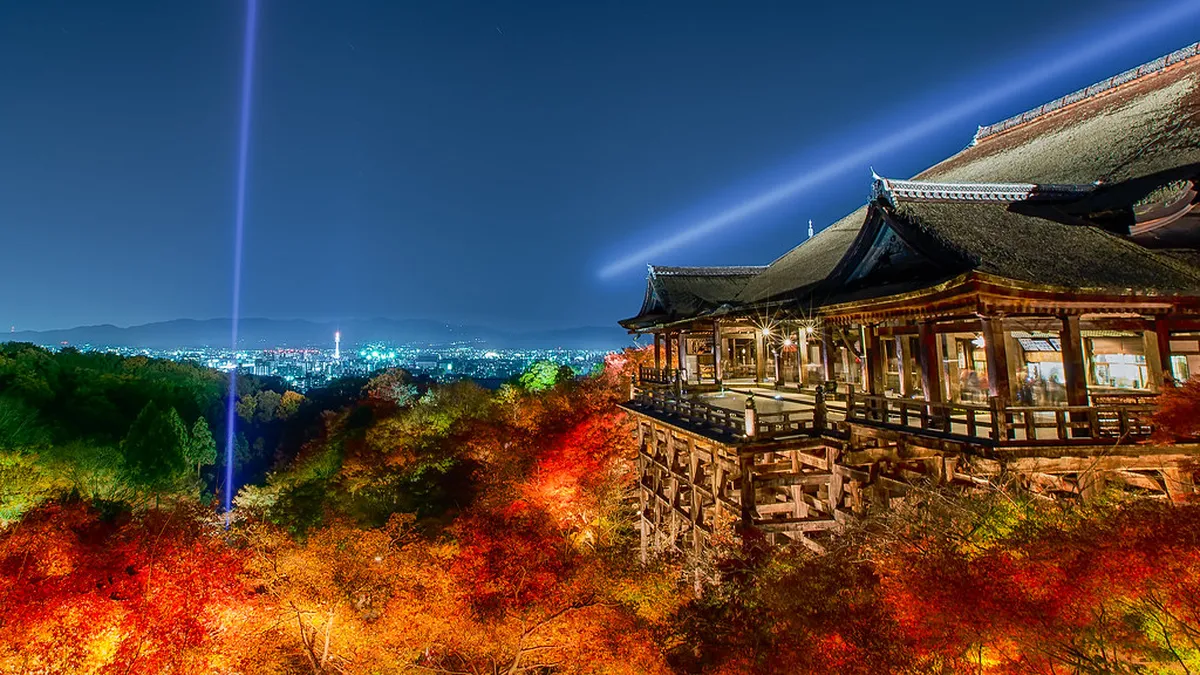
Kiyomizu-dera Temple, perched on the hillside in eastern Kyoto, is a UNESCO World Heritage site and one of the city's most visited attractions. This iconic temple, founded in 778 CE, is renowned for its wooden stage that juts out 13 meters from the main hall, supported by 139 pillars without using a single nail. The stage provides breathtaking panoramic views of Kyoto, especially spectacular during cherry blossom season in spring and the vibrant foliage of autumn.
The Otowa Waterfall at the base of the main hall is a must-see feature where visitors can drink from three separate streams, each said to grant different benefits: longevity, success in studies, and a fortunate love life. The temple grounds also include the Jishu Shrine dedicated to the deity of love and matchmaking, featuring two "love stones" placed 18 meters apart — walking between them with your eyes closed is said to bring romantic success.
Practical info: Admission is 400 yen for adults and 200 yen for children. Open from 6:00 AM to 6:00 PM (extended hours during seasonal illumination events). Access via Kyoto City Bus #100 or #206 to Kiyomizu-michi stop, then a 10-minute uphill walk. The approach streets (Higashiyama) are lined with traditional shops and tea houses. Explore more at Kyoto landmarks.
4. Stroll Through the Gion Geisha District
A walk through Kyoto's Gion district is like stepping back in time. This well-preserved area is famous as Kyoto's geisha district, where traditional wooden machiya houses, exclusive teahouses (ochaya), and atmospheric restaurants create a captivating atmosphere that has remained largely unchanged for centuries. Wander along Hanamikoji Street, Gion's main thoroughfare, especially beautiful in the evening when paper lanterns light up the way.
While spotting a geiko (Kyoto's term for geisha) or maiko (apprentice geisha) is never guaranteed, your best chances are along Hanamikoji Street between 5:30 and 6:00 PM as they walk to evening engagements. The district is also home to the Minamiza Kabuki Theatre, which has been operating since the 1600s and is the oldest kabuki theater in Japan still in use. For those seeking deeper cultural immersion, several venues offer public performances of traditional dance and music.
Practical info: Free to explore. Best visited in the evening for atmosphere. Access via Keihan Railway to Gion-Shijo Station or Hankyu Railway to Kawaramachi Station. Important: please respect the privacy of residents and geiko — photography restrictions are enforced on certain streets. For those looking to delve deeper, explore local cultural experiences and discover captivating Kyoto landmarks.
5. Discover Tranquility at Ryoan-ji Temple's Rock Garden
Ryoan-ji Temple's rock garden is an epitome of Zen minimalism and one of the most iconic Kyoto attractions. This UNESCO World Heritage site invites contemplation as visitors ponder the arrangement of fifteen rocks set in a carefully raked sea of white gravel. The garden's design is deliberately enigmatic: from any vantage point on the viewing platform, only fourteen of the fifteen rocks are visible at once, symbolizing the Zen concept that true enlightenment remains just beyond complete perception.
Built around 1450, the garden measures just 25 meters by 10 meters, yet its impact on visitors is profound. Beyond the famous rock garden, the surrounding temple grounds offer beautiful walking paths through forests, a tranquil pond garden (Kyoyochi), and traditional architecture that enhances the serene atmosphere. The temple's understated beauty makes it a stark contrast to the gilded splendor of Kinkaku-ji.
Practical info: Admission is 500 yen for adults and 300 yen for children. Open from 8:00 AM to 5:00 PM (8:30 AM to 4:30 PM from December to February). Access via Kyoto City Bus #59 to Ryoanji-mae stop. Visit early in the morning or late afternoon when crowds are thinner and the light enhances the garden's textures. Find more peaceful Kyoto landmarks to complete your Zen journey.
6. Immerse Yourself in History at Nijo Castle
Step back in time at Nijo Castle, one of the most impressive Kyoto attractions and a UNESCO World Heritage site built in 1603. This historical landmark served as the Kyoto residence of Tokugawa Ieyasu, the first Tokugawa shogun, and witnessed some of the most pivotal moments in Japanese history, including the formal return of political authority to the Emperor in 1867.
The Ninomaru Palace is the castle's crown jewel, famous for its "nightingale floors" (uguisubari) that chirp underfoot as a security measure to alert residents to intruders. Inside, you'll find 33 rooms adorned with over 3,000 paintings by artists of the Kano school, depicting tigers, leopards, and pine trees. The surrounding gardens, designed by renowned landscape architect Kobori Enshu, offer a serene escape with seasonal blooms throughout the year.
Practical info: Admission is 800 yen for adults (Ninomaru Palace included) or 1,300 yen for the full ticket including the Honmaru Palace. Open from 8:45 AM to 4:00 PM (closed Tuesdays in January, July, August, and December). Access via Kyoto Subway Tozai Line to Nijojo-mae Station. To further explore Kyoto's historical sites, consider adding this destination to your itinerary.
7. Explore the Fushimi Inari Shrine's Thousand Gates
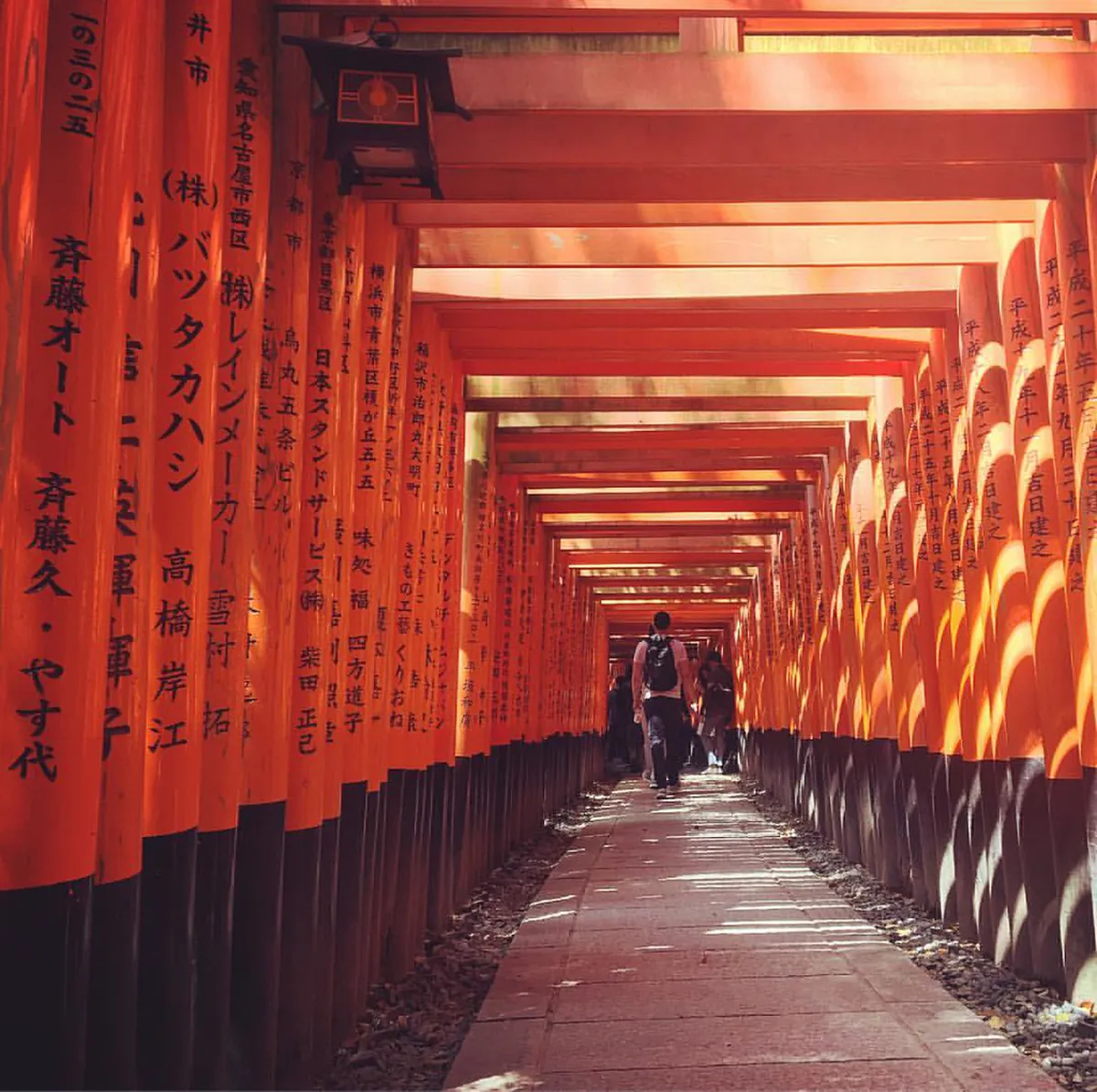
The Fushimi Inari Shrine, famous for its approximately 10,000 vibrant red torii gates, is a truly unforgettable sight and consistently ranked among the most popular Kyoto attractions. Founded in 711 CE — even before Kyoto became Japan's capital — this shrine is dedicated to Inari, the Shinto deity of rice, business prosperity, and general well-being. Each gate has been donated by individuals and companies, with inscriptions on the back showing the donor's name and date.
The torii-lined path winds 4 kilometers up Mount Inari (233 meters elevation), and the full hike to the summit and back takes approximately 2 to 3 hours. Along the way, you'll pass smaller shrines, stone fox statues (kitsune) considered the messengers of Inari, and scenic rest areas with views over Kyoto. The higher you climb, the fewer the crowds, allowing for moments of quiet contemplation amid the vermillion tunnels.
Practical info: Free admission; open 24 hours. The shrine grounds are especially atmospheric at dawn or dusk. Access via JR Nara Line to Inari Station (a 5-minute ride from Kyoto Station — the shrine entrance is directly outside). Bring comfortable shoes, water, and snacks if you plan to hike to the summit. Don't miss this highlight among Kyoto landmarks.
8. Find Peace at Ginkaku-ji (Silver Pavilion)
Though named the Silver Pavilion, Ginkaku-ji was never actually covered in silver — the name arose as a contrast to its golden counterpart. Built in 1482 by shogun Ashikaga Yoshimasa, this Zen temple offers a different kind of beauty that emphasizes wabi-sabi aesthetics: the appreciation of imperfection and transience. Set against the backdrop of Kyoto's eastern Higashiyama hills, the temple invites visitors to contemplate simplicity and tranquility.
The meticulously designed gardens are the temple's greatest treasure, featuring the Ginshadan (Sea of Silver Sand), a carefully raked sand platform shaped to reflect moonlight, and the Kogetsudai, a cone of sand said to represent Mount Fuji. The Philosopher's Path, a scenic 2-kilometer canal-side walkway lined with cherry trees, begins near Ginkaku-ji and connects to Nanzen-ji Temple, making it an ideal walking route through eastern Kyoto.
Practical info: Admission is 500 yen for adults and 300 yen for children. Open from 8:30 AM to 5:00 PM (9:00 AM to 4:30 PM in winter). Access via Kyoto City Bus #5, #17, or #100 to Ginkakuji-michi stop. Don't miss the opportunity to delve into Kyoto's cultural gems and discover more attractions.
9. Visit the Nishiki Market for Culinary Delights
Embark on a culinary adventure at Nishiki Market, often called "Kyoto's Kitchen," and immerse yourself in the vibrant food culture of the city. This bustling marketplace has been operating for over 400 years, with more than 130 shops and stalls lining a narrow, 390-meter-long covered arcade in central Kyoto. The market is brimming with local delicacies, fresh produce, and unique snacks that showcase the best of Kyoto's culinary traditions.
Must-try items include tsukemono (Kyoto-style pickled vegetables), yuba (tofu skin), fresh sashimi, grilled seafood skewers, matcha-flavored sweets, and dashi (Japanese stock) tastings. Many vendors offer small tasting portions, making it easy to sample widely. The market is also an excellent place to find specialty ingredients like Kyoto-grown vegetables (kyo-yasai), Japanese knives, and traditional ceramics.
Practical info: Free to enter; food costs vary (budget 1,000 to 3,000 yen for a filling snack tour). Most shops open from 9:00 AM to 5:00 PM (closed on some Wednesdays and public holidays). Access via Hankyu Kawaramachi Station or Kyoto Subway Shijo Station, both a 5-minute walk. Arrive early in the morning for the freshest selections and thinner crowds. Explore various Kyoto experiences and check out more things to do in Kyoto.
10. Admire the Beauty of Sanjusangen-do Temple
Sanjusangen-do Temple is a breathtaking display of artistry and spiritual devotion. This temple is particularly famous for housing 1,001 life-size statues of Kannon, the Buddhist goddess of mercy, each carved from Japanese cypress and covered in gold leaf. The statues are arranged in 10 rows of 50 on either side of a central seated Kannon figure — a spectacle that has awed visitors since the temple's construction in 1164.
The main hall, at 120 meters long, is the longest wooden structure in Japan. The temple's name, Sanjusangen-do, literally means "Hall of 33 Bays," referring to the spaces between the building's support pillars. In addition to the Kannon statues, 28 guardian deity statues flank the collection, along with lifelike sculptures of the wind and thunder gods (Fujin and Raijin) that are designated National Treasures.
Practical info: Admission is 600 yen for adults and 300 yen for children. Open from 8:30 AM to 5:00 PM (9:00 AM to 4:00 PM from November 16 to March 31). Access via Kyoto City Bus #100, #206, or #208 to Hakubutsukan-Sanjusangendo-mae stop, or a 7-minute walk from Keihan Shichijo Station. Visit early to appreciate the temple's serene ambiance. Explore more Kyoto landmarks and experiences.
11. Experience Zen at Nanzen-ji Temple
Nanzen-ji Temple, one of Kyoto's most important Zen temples and the head temple of the Nanzen-ji branch of Rinzai Zen Buddhism, offers a serene escape in eastern Kyoto. Founded in 1291 on the site of a former imperial villa, this temple complex features stunning architecture, beautiful gardens, and a profound sense of tranquility that has drawn seekers of enlightenment for over seven centuries.
The massive Sanmon gate, standing 22 meters tall, provides panoramic views of the city and the surrounding Higashiyama hills — climbing to the top is a must. One of the most distinctive and frequently photographed features is the brick aqueduct (Suirokaku) that runs through the temple grounds, built in 1890 as part of the Lake Biwa Canal project. The Hojo Garden, designed by Kobori Enshu, is renowned for its minimalist rock arrangements often called the "Leaping Tiger Garden."
Practical info: Temple grounds are free; Sanmon gate admission is 600 yen, Hojo Garden is 600 yen. Open from 8:40 AM to 5:00 PM (4:30 PM in winter). Access via Kyoto Subway Tozai Line to Keage Station (5-minute walk). Visit during the autumn foliage season for an especially breathtaking experience. For further exploration, discover other temples and shrines in the area.
12. Participate in a Traditional Tea Ceremony
Immerse yourself in the serene and graceful world of a traditional tea ceremony, one of the most authentic cultural experiences available in Kyoto. This time-honored ritual, known as chado or sado ("the way of tea"), offers a unique opportunity to witness and partake in the meticulous preparation and presentation of matcha, a powdered green tea. More than just a beverage, the tea ceremony embodies four core principles: harmony (wa), respect (kei), purity (sei), and tranquility (jaku).
Kyoto is the birthplace of the Japanese tea ceremony as practiced today, with roots tracing to the 16th-century tea master Sen no Rikyu. Many tea houses throughout the city offer visitor-friendly demonstrations and participatory sessions, ranging from 30-minute introductions to full multi-hour experiences. Some of the most popular venues include Camellia Garden near Kinkaku-ji, En Tea Ceremony in Gion, and the tea rooms within Kodai-ji Temple.
Practical info: Prices range from 2,000 to 5,000 yen per person depending on the venue and duration. Sessions typically last 45 to 90 minutes. Book in advance, especially during peak seasons (March-May and October-November), as these experiences are popular among both tourists and locals. For deeper cultural understanding, explore Kyoto's cultural activities.
13. Discover the Kyoto Imperial Palace
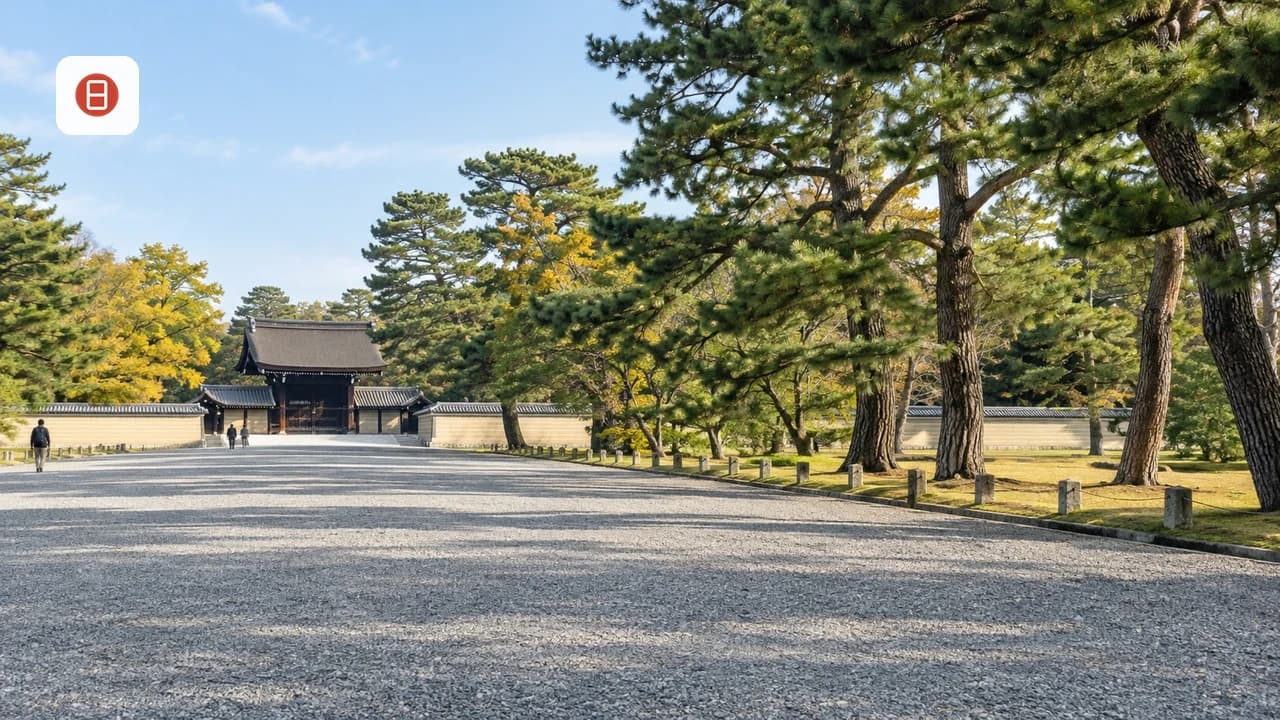
The Kyoto Imperial Palace (Kyoto Gosho) served as the residence of Japan's Imperial Family from 1331 until the capital moved to Tokyo in 1869. This historical site is among the most significant Kyoto landmarks, offering a fascinating glimpse into the nation's regal history. The palace grounds are set within the expansive Kyoto Imperial Palace Park (Kyoto Gyoen), a 65-hectare public park that provides a serene escape with beautiful gardens, walking paths, and seasonal cherry blossoms.
Inside the palace compound, notable structures include the Shishinden (Ceremonial Hall), where coronation ceremonies were held, and the Seiryo-den, the Emperor's former daily living quarters. The Oikeniwa garden, with its winding stream and elegant bridges, showcases classical Japanese landscape design. Since 2016, the palace interior has been open to the public year-round without requiring advance reservations, making it more accessible than ever.
Practical info: Free admission. Open from 9:00 AM to 4:30 PM (hours vary seasonally; closed Mondays and during New Year). Access via Kyoto Subway Karasuma Line to Imadegawa Station (5-minute walk). Free guided tours are available in English at scheduled times. Check the Imperial Household Agency website for updates. For planning help, see our Kyoto itinerary.
14. Take a Night Walk in Pontocho Alley
Experience the enchanting ambiance of Pontocho Alley with a captivating night walk. This narrow, atmospheric lane runs alongside the Kamogawa River for about 600 meters between Shijo and Sanjo streets, offering a unique glimpse into Kyoto's nightlife. As you stroll through Pontocho, you'll encounter traditional restaurants, izakaya (Japanese pubs), and bars illuminated by the soft glow of paper lanterns and noren curtains, creating a magical setting.
During warmer months (May through September), many restaurants along the river side set up kawadoko — elevated wooden platforms extending over the Kamogawa River — where you can enjoy dinner with the soothing sound of the flowing water below. The alley is one of Kyoto's five traditional hanamachi (geisha districts), so there's always a chance of spotting a geiko or maiko heading to an engagement. Take your time to explore the hidden side streets that branch off the main alley.
Practical info: Free to explore; dining prices vary. Best visited from 6:00 PM onward. Access via Keihan Gion-Shijo Station or Hankyu Kawaramachi Station (both 2-minute walk). Kawadoko season runs May to September (reservations recommended). For authentic Kyoto attractions, Pontocho offers an unforgettable local experience.
15. Enjoy the Flavors of Kyoto at a Local Restaurant
Indulge in Kyoto's authentic culinary scene, which holds its own distinct identity within Japanese cuisine. Kyoto-ryori (Kyoto cuisine) is characterized by its emphasis on seasonal ingredients, delicate presentation, and subtle flavors. The city's landlocked geography historically led to the development of unique dishes centered around tofu, vegetables, and preserved foods rather than seafood.
Must-try dishes include kaiseki (a multi-course haute cuisine dinner starting from 10,000 yen), yudofu (simmered tofu, especially famous in the Nanzen-ji temple area where it originated), obanzai (Kyoto-style home cooking), and matcha-flavored everything from parfaits to soba noodles. The city is also home to several Michelin-starred restaurants, with Kyoto being one of the most Michelin-starred cities in the world per capita.
Practical info: Budget restaurants and street food start from 800 yen; kaiseki dinners range from 10,000 to 30,000+ yen. Popular areas for dining include Pontocho, Gion, and around Nishiki Market. For an authentic experience, try a tofu restaurant near Nanzen-ji or a traditional machiya-converted restaurant in Higashiyama. Discover more about Kyoto's local experiences and explore Kyoto's food culture.
16. Explore the Katsura Imperial Villa
The Katsura Imperial Villa (Katsura Rikyu) is one of Kyoto's most treasured architectural masterpieces and is widely considered the finest example of Japanese garden design and traditional architecture. Built in the early 17th century by Prince Toshihito, the villa showcases a seamless integration of indoor and outdoor spaces that has inspired architects worldwide, including the modernist Bruno Taut who famously declared it "a tear-jerkingly beautiful" work of art.
The strolling garden (kaiyushiki) features a central pond with several islands connected by bridges, five tea houses, and meticulously designed vistas that reveal new scenes with each step along the garden path. The shoin buildings demonstrate the sukiya style of architecture, characterized by natural materials and an understated elegance that emphasizes harmony with the surrounding landscape.
Practical info: Admission is 1,000 yen. Visits are by guided tour only (approximately 60 minutes), with limited capacity. Advance reservations are required via the Imperial Household Agency website or at the Kyoto office. Open most days except Mondays, national holidays, and year-end. Access via Hankyu Katsura Station (15-minute walk) or Kyoto City Bus to Katsura-rikyu-mae stop. Discover more about captivating Kyoto landmarks.
17. Learn to Cook Authentic Japanese Cuisine
Taking a cooking class in Kyoto offers a unique, hands-on experience that goes beyond typical sightseeing and lets you bring a piece of Japan home with you. Kyoto's culinary tradition emphasizes seasonal ingredients, precise knife work, and beautiful presentation — skills you can learn directly from local chefs and home cooks. Classes typically cover the fundamentals of dashi (Japanese stock), which forms the foundation of Kyoto cuisine.
Popular cooking schools include Hana Cooking Class in central Kyoto, WAK Japan near Gion, and Uzuki Cooking Class in Higashiyama. Most classes run 2 to 3 hours and include a market tour, hands-on preparation, and a sit-down meal of your creations. Dishes you might learn to prepare include sushi rolls, ramen from scratch, gyoza, tempura, and traditional Kyoto-style obanzai.
Practical info: Classes range from 5,000 to 12,000 yen per person, including ingredients and the meal. Sessions are offered morning and afternoon; vegetarian and vegan options available at most schools. Book at least a few days in advance, especially during peak travel seasons. Consider exploring various Kyoto cultural experiences to complement your culinary adventure, and check out other things to do in Kyoto.
18. Experience a Ninja and Samurai Museum
Delve into the secretive world of feudal Japan at Kyoto's Ninja and Samurai Museum, one of the most exciting Kyoto attractions for families and history enthusiasts alike. This interactive museum offers an engaging look into the lives, skills, and weaponry of these legendary warriors. You can view authentic artifacts including swords, armor, and shuriken (throwing stars), and participate in hands-on activities that bring history to life.
The museum experience typically includes a guided tour through exhibits on ninja espionage techniques and samurai bushido code, a sword-cutting demonstration, and the chance to try your hand at throwing shuriken. Some packages also include a samurai or ninja costume experience and a sword lesson. The museum is conveniently located in central Kyoto, making it easy to combine with other nearby attractions.
Practical info: Admission starts at 3,300 yen for the basic experience, with premium packages (including costume and activities) up to 10,800 yen. Open daily from 10:00 AM to 6:00 PM. Located in the Teramachi area, a short walk from Kawaramachi Station. Sessions run regularly throughout the day; advance booking is recommended. For more Kyoto experiences, check out our Kyoto itinerary.
19. Get a Glimpse of Traditional Arts at the Kyoto National Museum
The Kyoto National Museum is a treasure trove of Japanese art, showcasing an extensive collection of over 14,000 artifacts that span centuries of cultural heritage. The museum specializes in pre-modern Japanese and Asian art, with collections spanning paintings, sculptures, ceramics, textiles, lacquerware, and metalwork. The Heisei Chishinkan Wing, designed by architect Taniguchi Yoshio, provides a stunning modern exhibition space that complements the original Meiji-era brick building (itself an Important Cultural Property).
Special exhibitions rotate regularly and often highlight rare and significant pieces from private collections and other institutions. The museum's permanent collection includes designated National Treasures and Important Cultural Properties, making each visit a chance to encounter masterworks of Japanese artistic achievement. The surrounding grounds feature a pleasant garden with sculptures and seasonal plantings.
Practical info: Admission is 700 yen for permanent exhibits; special exhibitions typically 1,200 to 1,800 yen. Open from 9:30 AM to 5:00 PM (closed Mondays). Access via Kyoto City Bus #100, #206, or #208 to Hakubutsukan-Sanjusangendo-mae stop, or a 7-minute walk from Keihan Shichijo Station. Allocate at least 2 hours to appreciate the collection. Discover cultural experiences and explore key landmarks in Kyoto.
20. Discover the Magic of To-ji Temple
To-ji Temple, a UNESCO World Heritage site founded in 796 CE, is one of Kyoto's most historically significant temples and home to the tallest wooden pagoda in Japan. The iconic five-story pagoda stands 54.8 meters tall and has been rebuilt four times since its original construction, with the current structure dating to 1644. It is visible from many parts of southern Kyoto and serves as an unofficial symbol of the city.
The temple's Kodo (Lecture Hall) houses an impressive three-dimensional mandala of 21 Buddhist statues arranged according to esoteric Buddhist cosmology — 15 of these are National Treasures or Important Cultural Properties. The Kondo (Main Hall), the largest building in the complex, contains a massive healing Buddha statue. On the 21st of every month, To-ji hosts the famous Kobo-san Market (named after the temple's founder, Kobo Daishi), where hundreds of vendors sell antiques, crafts, food, and plants.
Practical info: Admission to the temple grounds is free; Kondo and Kodo entry is 500 yen (800 yen during special openings with pagoda interior access). Open from 8:00 AM to 5:00 PM. Access via Kintetsu Railway to Toji Station (5-minute walk) or a 15-minute walk south from JR Kyoto Station. The monthly Kobo-san Market on the 21st runs from dawn to around 4:00 PM. Explore more Kyoto landmarks and adventures.
21. Visit teamLab Borderless Kyoto (New in 2026)
For a stunning contrast to Kyoto's ancient temples, the teamLab Borderless Kyoto (officially teamLab Biovortex) is a permanent digital art museum that opened in October 2025 near Kyoto Station. This immersive experience features large-scale digital art installations that blur the boundaries between artwork and viewer, with projections that flow across rooms and respond to your presence and movement.
The museum explores themes of nature, seasons, and the interconnectedness of living things, drawing inspiration from Kyoto's own natural beauty and cultural traditions. Installations include flowing digital waterfalls, floating lanterns, and interactive flower gardens that change with the real-world seasons. It has quickly become one of the most popular new Kyoto attractions in 2026, offering a unique fusion of technology and art that appeals to all ages.
Practical info: Admission is approximately 3,800 yen for adults and 1,500 yen for children. Open daily from 10:00 AM to 7:00 PM (extended hours on weekends). Located near Kyoto Station, making it easy to visit on arrival or departure day. Advance online ticket purchase is strongly recommended as same-day tickets often sell out. Allow 60 to 90 minutes for the full experience.
Browse the Kyoto attraction directory for individual visitor guides, access details, and practical tips.
Going deeper on this theme? Our 10 Best Kyoto Festivals and Events to Plan Around in 2026 guide covers it in detail, with the practical planning this page leaves out.
Building the rest of the trip? Our Kyoto attractions guide covers the sights, districts and logistics around this guide.
Frequently Asked Questions About Kyoto Attractions
What are the best Kyoto attractions for first-time visitors?
For first-time visitors, the essential Kyoto attractions include Fushimi Inari Shrine (free, iconic torii gates), Kinkaku-ji (the Golden Pavilion), Kiyomizu-dera Temple (panoramic views), the Arashiyama Bamboo Grove, and the Gion geisha district. These five sites capture the range of Kyoto's appeal — from spiritual and scenic to cultural and historic. Day trips to Nara add another dimension. A well-planned day can cover 3 to 4 of these, or dedicate two full days for a more relaxed pace.
How many days do you need to see Kyoto's top attractions?
Most travelers find that 3 to 4 full days in Kyoto provides enough time to visit the major attractions without feeling rushed. With 2 days, you can cover the highlights (Fushimi Inari, Kinkaku-ji, Arashiyama, Kiyomizu-dera, and Gion). With 5 or more days, you can explore lesser-known temples, take day trips to Nara or Uji, and immerse yourself in cultural activities like tea ceremonies and cooking classes. See our Kyoto itinerary for detailed day-by-day plans.
What is the best time of year to visit Kyoto?
Kyoto is beautiful year-round, but the most popular seasons are spring (late March to mid-April) for cherry blossoms and autumn (mid-November to early December) for vibrant foliage. These peak seasons bring larger crowds and higher hotel prices. For fewer tourists and pleasant weather, consider visiting in May, early June (before the rainy season), or October. Winter (January-February) is the quietest season, with occasional snow creating stunning scenes at temples.
Are Kyoto attractions expensive to visit?
Kyoto is relatively affordable for sightseeing. Many top attractions like Fushimi Inari Shrine and the Arashiyama Bamboo Grove are completely free. Temple admission typically ranges from 400 to 800 yen (approximately 3 to 6 USD). A full day of sightseeing visiting 4 to 5 paid attractions costs roughly 2,000 to 3,000 yen. The Kyoto City Bus one-day pass (700 yen) is excellent value for getting around. Budget travelers can easily enjoy a full day of world-class sightseeing for under 5,000 yen including transport and admission fees.
How do you get around Kyoto to visit attractions?
Kyoto's public transport network makes it easy to reach all major attractions. The Kyoto City Bus system covers most tourist sites, and the one-day bus pass (700 yen) offers unlimited rides. The Kyoto Subway has two lines serving central and eastern Kyoto. JR trains connect Kyoto Station to Arashiyama and Fushimi Inari. For flexibility, consider renting a bicycle — Kyoto's relatively flat terrain and dedicated cycling paths make it an excellent city for cycling. Taxis are also readily available but more expensive.
Can you visit Kyoto attractions with children?
Kyoto is very family-friendly. Children especially enjoy the Fushimi Inari hike (start with just the lower sections), the Arashiyama Monkey Park (where wild macaques roam freely on a hilltop), the Ninja and Samurai Museum, and the Kyoto Railway Museum near Kyoto Station. Most temples offer reduced admission for children (typically half-price), and many are free for children under 6. Stroller access can be challenging at some hillside temples, so a baby carrier is recommended for very young children.
Exploring Kyoto's attractions offers a captivating journey through Japan's rich history and vibrant culture. From serene temples and iconic shrines to bustling markets and cutting-edge digital art, each site provides a unique glimpse into the heart of this ancient capital. Begin your unforgettable Kyoto adventure in 2026 and create memories that will last a lifetime. For a complete guide to planning your trip, explore our Kyoto highlights and browse all things to do in Kyoto.
Explore More Kyoto Guides
Deep-dive guides for every part of a Kyoto trip — where to stay and what to eat, how to get around, when to go, and what to do whether you have one day or three.
Where to Stay
- Ryokan in Kyoto 2026
- Areas to Stay in Kyoto Travel Guide
- Areas and Hotels in Kyoto 2026
- Cheap Budget Accommodation Picks in Kyoto
- Family Friendly Hotels in Kyoto
- Luxury Hotels in Kyoto 2026
Food & Drink
- Dining Experiences in Kyoto 2026
- Bites in Our Kyoto Street Food Guide
- Vegetarian and Vegan Restaurants in Kyoto
Getting Around & Transport
- Getting Around Kyoto Subway Bus Transport Guide 2026
- Kansai Airport to Kyoto Transfer Guide
- 10 Essential Tips
Itineraries & When to Go
- 10 Steps for a Perfect One Day In Kyoto Itinerary
- 2 Days in Kyoto Itinerary
- Kyoto 3 Day Itinerary 2026
- Kyoto Weather By Month
- Kyoto in Summer What to Do Guide
Neighborhoods & Districts
Things to Do & Who For
- Free Things to Do in Kyoto
- Things to Do in Kyoto with Kids
- 10 Romantic Things to Do in Kyoto for Couples
- Rainy Day Things To Do In Kyoto
Plan Your Japan Trip
- Japan Travel Guide: Itineraries, Transport, Money & Tips
- Getting Around Japan: Trains, Buses & IC Cards
- Japan Money & IC Card Guide
- Best Time to Visit Kyoto
- Daigoji Temple Guide
- 15 Best Day Trips from Kyoto
- Kurama to Kibune Hike Guide
- Kyoto Autumn Foliage
- 11 Best Places and Tips for Kyoto Cherry Blossoms
- 15 Best Food Experiences in Kyoto
- 15 Best Kyoto Hidden Gems to Visit
- Kyoto Imperial Palace Guide
- Kyoto in Winter
- Kyoto Itinerary
- 9 Essential Tips for Kyoto Kimono Rental
- Top 21 Landmarks You Must Visit in 2026
- Nightlife Guide
- 10 Best Kyoto Onsen and Public Bath Experiences
- Kyoto Railway Museum
- Kyoto Shopping Guide
- Kyoto Tea Ceremony Guide
- Philosopher's Path Kyoto
- 25 Best Things To Do in Kyoto
- Toei Kyoto Studio Park Guide
- Where To Stay In Kyoto
- Gion at Night
- Kyoto at Night
- Saihoji (Kokedera) Moss Temple Guide
- Kyoto Aquarium Guide
- Kyoto Botanical Garden Guide
- Kyoto International Manga Museum Guide
- Daitokuji Temple Kyoto
- Heian Shrine Kyoto
- Shimogamo Shrine Kyoto
- Kyoto Gyoen National Park Guide
- Kyoto Kawaramachi Station Guide
- Okochi Sanso Garden Kyoto
Nearby destinations worth pairing with a Kyoto trip: Koyasan.
Explore attractions in other cities
Free: The Kyoto Essentials guide
Top things to do, where to stay, a perfect day plan, getting around, and the best time to go — a Kyoto mini-guide you can take offline.
You might also like
Continue reading
More guides you'll find useful