
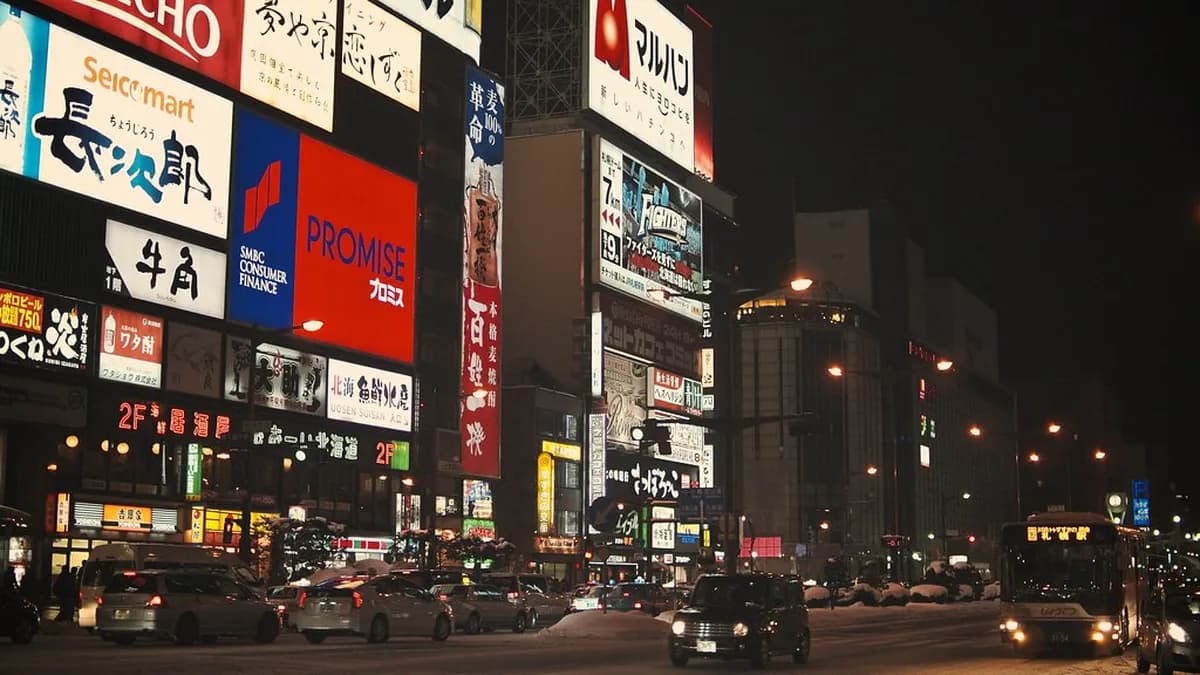
Susukino is the largest entertainment district in northern Japan and the easiest place to experience Sapporo after dark. The compact grid south of Odori Park is packed with ramen alleys, izakayas, seafood restaurants, karaoke rooms, small bars, and the neon landmark around the Nikka Whisky sign. It works for a short first visit, a food-focused evening, or a late-night plan after sightseeing elsewhere in the city.
Using a practical Susukino visitor guide matters because many of the best places sit upstairs, downstairs, or behind modest signs in multi-tenant buildings. First-time visitors should start on the bright main streets, choose restaurants with visible menus or clear prices, and save deeper bar-hopping for later in the evening. This keeps the area fun without making the first hour feel overwhelming.
In 2026, the strongest Susukino plan is simple: arrive by subway or streetcar, photograph the main intersection, eat one Hokkaido specialty, then decide whether to continue with ramen, karaoke, a guided food tour, or a relaxed walk back toward Odori Park.
The district is famous for nightlife, but early evening is also suitable for travelers who want atmosphere without staying out late.
Must-See Susukino Attractions
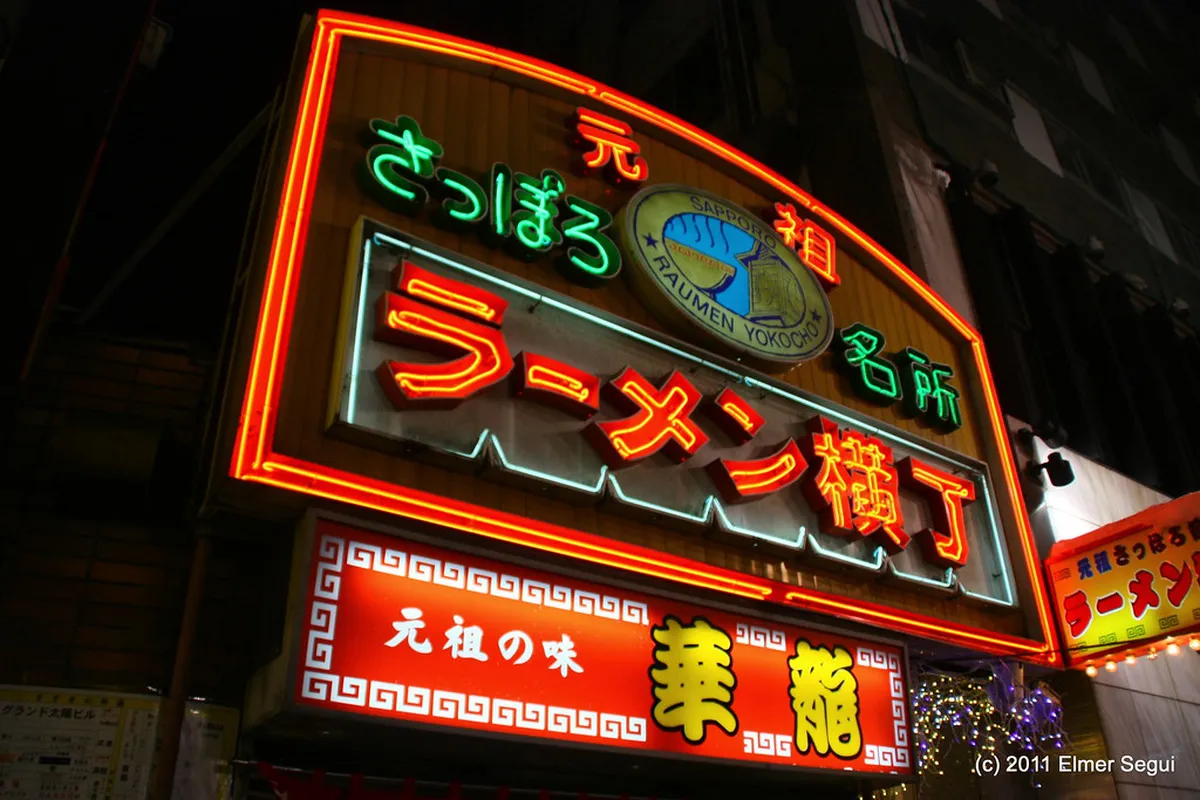
The Ganso Sapporo Ramen Yokocho is a legendary alleyway that every food lover should visit. This narrow passage houses small shops specializing in Hokkaido miso ramen, and it is especially useful for first-time visitors because the choice is concentrated in one easy-to-find lane. Go early if you want less pressure, or go late if you want the classic post-drinks ramen atmosphere.
A walk through the district is not complete without seeing the iconic Nikka Whisky neon sign. This landmark serves as the primary meeting point for locals and tourists alike, and the surrounding crossing is the safest place to pause for quick photos before moving on. Check this Map of Susukino to locate the best viewing angles for the lights.
Shopping enthusiasts should head to the Tanukikoji Shopping Arcade located just a short walk away. This covered street features souvenir shops, drugstores, casual restaurants, and local snack stops, making it a good daytime or bad-weather add-on before Susukino gets busy at night. For a short itinerary, combine Tanukikoji, the Nikka sign, and one ramen or izakaya stop rather than trying to cover every side street.
- Ramen Yokocho (Original Ramen Alley)
- Type: Food alley
- Best for: Miso ramen
- Where: Central Susukino
- Cost: 800-1,500 yen
- Nikka Whisky Sign
- Type: Landmark
- Best for: Photography
- Where: Susukino Crossing
- Cost: Free
Museums, Art, and Culture in Susukino
While Susukino is known for nightlife, it sits close to several significant cultural landmarks. The Sapporo TV Tower offers a panoramic view of the city skyline from its observation deck. Visitors can see the organized grid layout from above, which helps put the entertainment district into context.
Local art galleries often hide within the multi-story buildings that line the main avenues. These small spaces showcase the work of Hokkaido artists and offer a quiet retreat from the bustling streets. You might find contemporary photography or traditional pottery displayed in these intimate settings.
Cultural events frequently take place in the plazas near the district's borders. During the winter, you can enjoy the Sapporo Snow Festival in Susukino with its impressive ice sculptures. These detailed carvings glow under colorful lights and transform the streets into an outdoor gallery.
Parks, Gardens, and Outdoor Spots in Susukino
Just north of the neon lights lies Odori Park, a green space that spans twelve city blocks. This park serves as a refreshing boundary between the business district and the entertainment hub. It provides a peaceful atmosphere for a late-afternoon stroll before dinner.
To the south, Nakajima Park offers a more traditional landscape with a large pond and historic buildings. This park is home to the Hohei-kan, a wooden hotel from the Meiji era. Walking through the garden paths allows you to escape the noise of the city for a moment, especially during autumn leaves or cherry blossom season.
Family-Friendly and Budget-Friendly Options in Susukino
Families visiting Sapporo will find plenty of entertainment in the large game centers. These multi-story arcades feature crane games, rhythm challenges, and the latest video games. Children and teenagers often enjoy the energetic atmosphere and the chance to win small prizes. The best family window is afternoon through early evening, before the deeper bar-and-club blocks become more adult-focused.
Budget travelers can save money by dining at smaller standing bars, casual izakayas, ramen shops, or street-level takeout counters. Many shops offer affordable snacks like yakitori or grilled seafood for just a few hundred yen. Check cover charges, table charges, time limits, and drink minimums before sitting down, because the headline menu price is not always the full cost of a nightlife stop.
Free sightseeing is easy to find if you focus on neon streets, architecture, and public art. The district is filled with interesting signs and building designs that cost nothing to admire. You can also visit the nearby Nijo Market to see fresh Hokkaido produce on display, then return to Susukino later for dinner when the lights are on.
How to Plan a Smooth Susukino Attractions Day
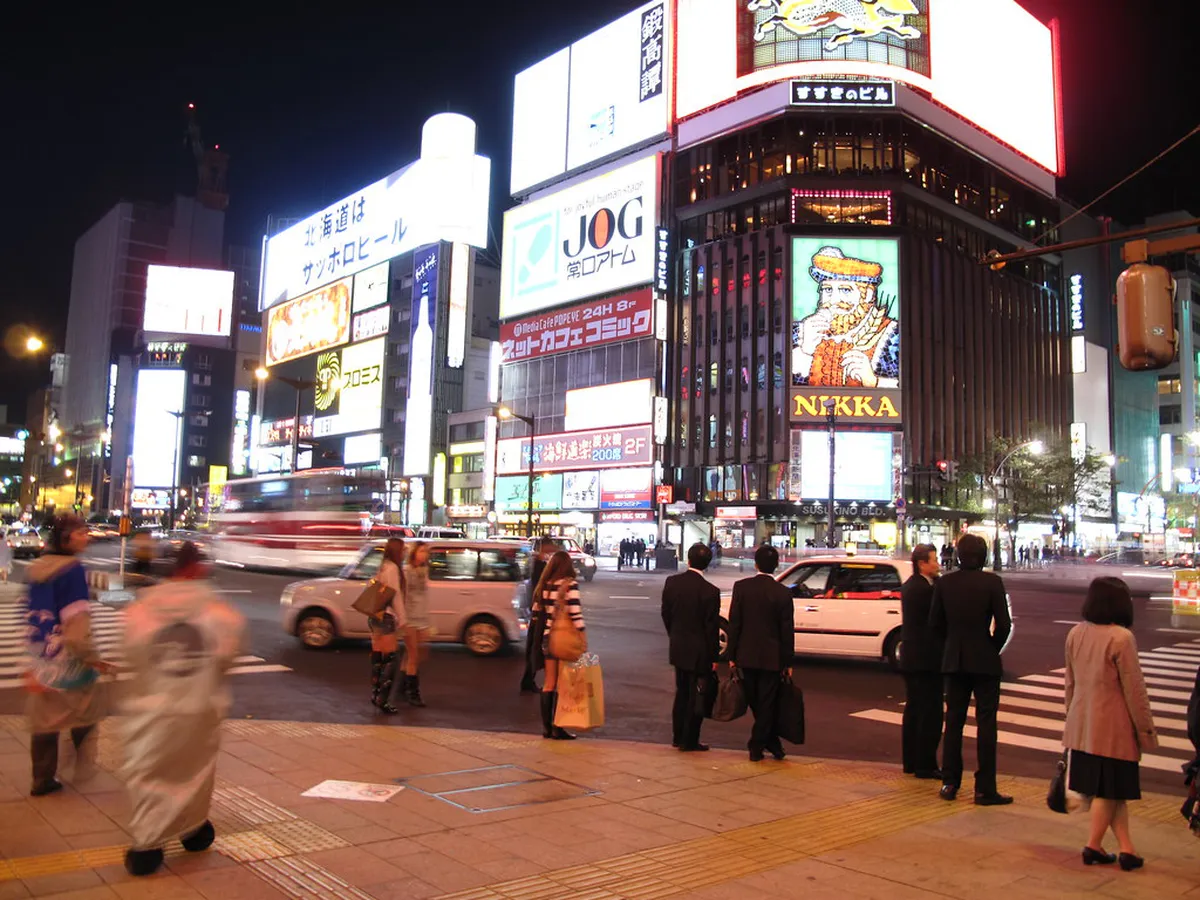
A successful Susukino visitor guide experience begins with choosing the right time to arrive. Most bars and restaurants open around 5:00 PM or 6:00 PM as the workday ends. Arriving early allows you to secure a seat at popular spots like Izakaya Kusachi (Susukino) before the peak rush. The streets are most vibrant between 8:00 PM and 11:00 PM when the energy is at its highest.
Transportation to the area is very convenient via the Sapporo City Subway system. Susukino Station serves the Namboku Line and places you in the heart of the district, while the streetcar stop is useful if you are coming from Nakajima Park or western Sapporo. From Sapporo Station, the subway is the fastest choice; from Odori Park, walking south is simple when the weather and sidewalks are comfortable.
Accessibility is generally easiest on the main avenues and around station exits, but winter changes the experience. Snowbanks, icy crossings, stairs to basement restaurants, and narrow elevators in older buildings can slow travelers with luggage, strollers, or mobility needs. For a smoother evening, choose street-level restaurants, confirm elevator access before booking upstairs venues, and leave extra time in February when festival crowds gather around the ice sculptures.
Booking a table in advance is highly recommended for larger groups or famous restaurants. You can use platforms like Tabelog to check reviews and make reservations online. Avoid following street touts into venues that do not show prices clearly, and do not assume every small bar welcomes walk-in tourists. Planning these details ahead of time makes your evening much more enjoyable.
Susukino Station on the Namboku Line puts you in the heart of the district in one stop from Odori. The streetcar loop is a useful alternative if you are coming from Nakajima Park or the Mount Moiwa area.
Many small bars and snack bars in Susukino add a mandatory cover charge (otoshi) and table charge automatically. Always check for posted pricing before sitting down, especially in multi-story buildings without clearly visible menus.
Cultural Tips for Enjoying Susukino
Understanding the local customs is essential for a positive experience in Susukino: Hokkaido's Largest Entertainment District in Sapporo. Many izakayas serve a small mandatory appetizer called "otoshi" when you sit down. This serves as a table charge and is a standard part of Japanese dining culture. Do not be surprised when you see this small fee on your final bill.
Smoking regulations in Japan have become stricter in recent years, especially in public spaces. Most restaurants now have designated smoking rooms or are entirely smoke-free. Look for signs at the entrance to confirm the policy before you enter an establishment. This helps maintain a comfortable environment for all guests in the crowded buildings.
Exploring small "snack" bars can be a highlight of your trip if you follow the proper etiquette. These intimate bars are often run by a "Mama-san" who looks after the customers, and some operate more like member-style social rooms than ordinary pubs. It is polite to order a drink immediately, ask about charges if they are not posted, and avoid pushing for photos or English service in very local rooms.
The main mistake travelers make is treating Susukino like a single attraction to "complete." It is better to choose a theme for the night: ramen and neon photos, seafood and sake, karaoke with friends, or a guided bar-hopping route. That keeps spending, travel time, and decision fatigue under control.
History of Susukino
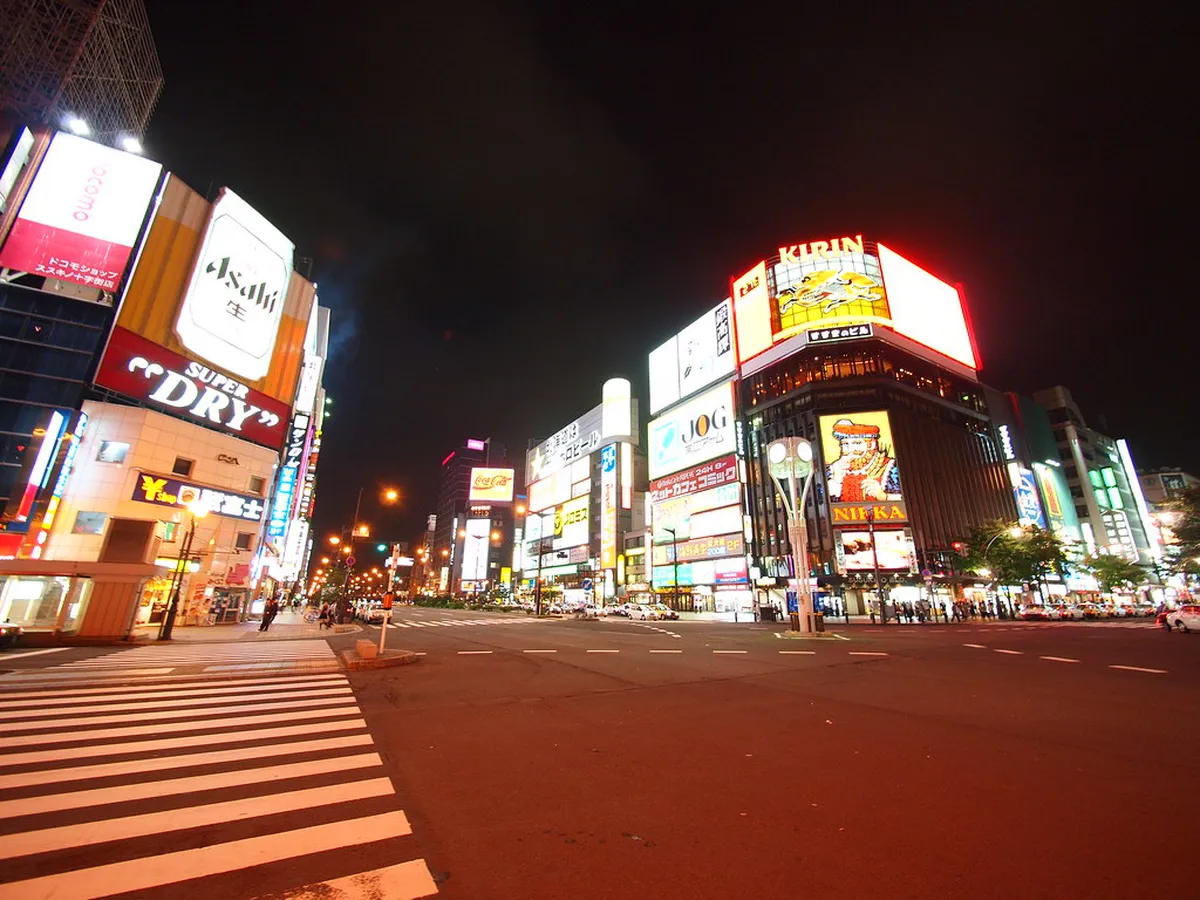
The history of Susukino dates back to the late 19th century when Sapporo was first being developed. It was originally established as a red-light district to keep laborers in the area. Over the decades, it evolved into a more diverse entertainment hub with theaters and restaurants. This transformation helped the neighborhood become a vital part of the city's economy.
The 1972 Winter Olympics in Sapporo brought significant modernization to the entire district. New infrastructure and hotels were built to accommodate international visitors and athletes. This period solidified Susukino's reputation as a world-class destination for nightlife and dining. Many of the iconic neon signs began to appear during this era of rapid growth.
Today, the area balances its historical roots with modern trends and international influences. You can still find traditional wooden buildings nestled between towering steel and glass structures. This blend of old and new creates a unique atmosphere that defines the character of the neighborhood. Learning about the past adds depth to your modern-day exploration of the streets.
To Fully Enjoy Traveling in Japan, It's Best to Have a Local Guide Who Knows the Area Well!
Hiring a local guide can transform your experience from a standard tour into a deeper cultural evening. Guides know recommended izakayas and bars in Susukino that are often hidden from tourists, and they can explain the difference between a casual izakaya, a seafood specialist, a whisky bar, and a snack bar before you commit to a seat. This is especially useful if you want to try several venues without spending the night comparing signs.
A guide also provides valuable assistance with the language barrier in smaller establishments. Many of the best spots in Susukino have limited English support and small seating areas. Having a local with you makes the ordering process smoother, helps with allergies or dietary limits, and reduces the risk of choosing a place with unclear charges.
Personalized tours are best for travelers who care about food, conversation, and context more than simply checking off landmarks. Independent visitors can still do well by choosing one or two clearly priced restaurants near the main streets. Either way, connecting Susukino to the wider Sapporo food scene makes the night feel more meaningful than a random bar crawl.
Food Hopping and Local Cuisine in Susukino
Susukino is one of the easiest districts in Sapporo for tasting Hokkaido specialties in a single evening. Start with miso ramen if you want the classic low-commitment choice, choose an izakaya for seafood and small plates, or book a specialist restaurant when crab, sushi, Jingisukan lamb, or soup curry is the main goal. The trade-off is simple: ramen is fast and flexible, izakaya dining is social and varied, and famous restaurants reward planning but may require reservations.
Renowned restaurants in Susukino work best when you match the venue to the traveler. Solo visitors and couples usually do well at counter seating, small groups can share izakaya plates, and larger groups should reserve tables before arriving. Travelers watching costs should check set menus, table charges, and drink requirements before ordering, while food-focused visitors may prefer one higher-quality meal over several rushed stops.
Food hopping is worth including on a short itinerary because the district is dense and walkable. A practical route is one early dinner, a short neon walk, and a final ramen or dessert stop if you still have energy. Avoid squeezing in too many venues, because waiting for elevators, reading menus, and settling bills in multi-story buildings can take longer than the map suggests.
Staying Near Susukino
Staying near Susukino is convenient if nightlife, late dinners, or winter festival evenings are a priority. Business hotels and larger city hotels around the station area let you walk back after dinner instead of watching the last train, and they place you close to the Namboku Line for daytime sightseeing. The trade-off is that weekends and festival periods can be noisy, crowded, and more expensive.
First-time visitors who want balance may prefer the edge between Odori and Susukino. This keeps the neon district within walking distance while leaving easier access to parks, shopping, and quieter daytime routes. Travelers who value quiet above all should stay closer to Sapporo Station or Odori Park and treat Susukino as an evening destination rather than a base.
For 2026 planning, book early for February because the Sapporo Snow Festival brings heavy demand to Susukino and nearby Odori. If you are visiting in winter, choose accommodation with a short, well-lit walk from the station and avoid dragging luggage through icy side streets late at night.
Frequently Asked Questions
What Is Susukino?
Susukino is the largest entertainment district in northern Japan, located in central Sapporo. It features thousands of restaurants, bars, and shops that come alive at night. You can find everything from famous ramen alleys to modern nightclubs in this vibrant neighborhood.
Where Is Susukino and How Do You Get There?
Susukino is located in the Chuo Ward of Sapporo, just south of Odori Park. You can easily reach it via the Susukino Station on the Namboku Subway Line. Many visitors also enjoy taking the city streetcar which stops right in the heart of the district.
How much time should you plan for a Susukino visit?
Plan for at least 3 to 5 hours to enjoy a full evening of dining and exploration. This allows enough time for a meal at a local market or restaurant followed by bar hopping. Some visitors spend several nights here to experience different spots.
Is Susukino safe for international visitors?
Yes, Susukino is known as one of the safest entertainment districts in Japan. While it is busy and energetic, violent crime is extremely rare for tourists. Always use common sense and avoid following street touts into unknown establishments for the best experience.
Susukino offers an unforgettable experience for anyone visiting Sapporo and the wider Hokkaido region. From the historic ramen alleys to the glowing neon signs, the district captures the energy of Japanese nightlife.
Whether you are traveling with family or seeking a late-night adventure, this neighborhood has something for everyone. Choose a clear plan, stay aware of pricing and transport, and leave time to explore the side streets at a comfortable pace.
With its safe environment and endless dining options, Susukino remains a top destination for travelers in 2026. Enjoy the sights, sounds, and flavors of Sapporo's most famous district during your next journey.
For deeper Sapporo planning, see our Sapporo Highlights for itineraries, neighborhoods, and seasonal tips.


