

Shinsekai remains one of the most colorful and nostalgic districts in all of Japan. This neighborhood offers a gritty charm that stands in stark contrast to the neon lights of modern Osaka. Walking through these streets feels like stepping back into the early 20th century, past retro eateries, shogi parlors, and the unmistakable silhouette of Tsutenkaku Tower. Our guide helps you navigate the history, food, and hidden gems of this unique area. For a broader overview, explore our things to do in Osaka guide.
Visitors flock here for the famous fried skewers and the iconic tower, but the neighborhood rewards anyone who slows down and looks past the main drag. The atmosphere captures a specific era of Japanese growth and post-war resilience. You will find a mix of traditional culture and quirky modern attractions around every corner.
The History of Shinsekai: Osaka's "New World"
Shinsekai offers a glimpse into Japan's past that feels vastly different from modern skyscrapers. This neighborhood was created in 1912 as a futuristic "New World" for local residents. Early historical images show a vibrant park filled with crowds drawn from across the Kansai region. The vision was ambitious — nothing less than a Japanese version of early 20th-century Paris and New York.
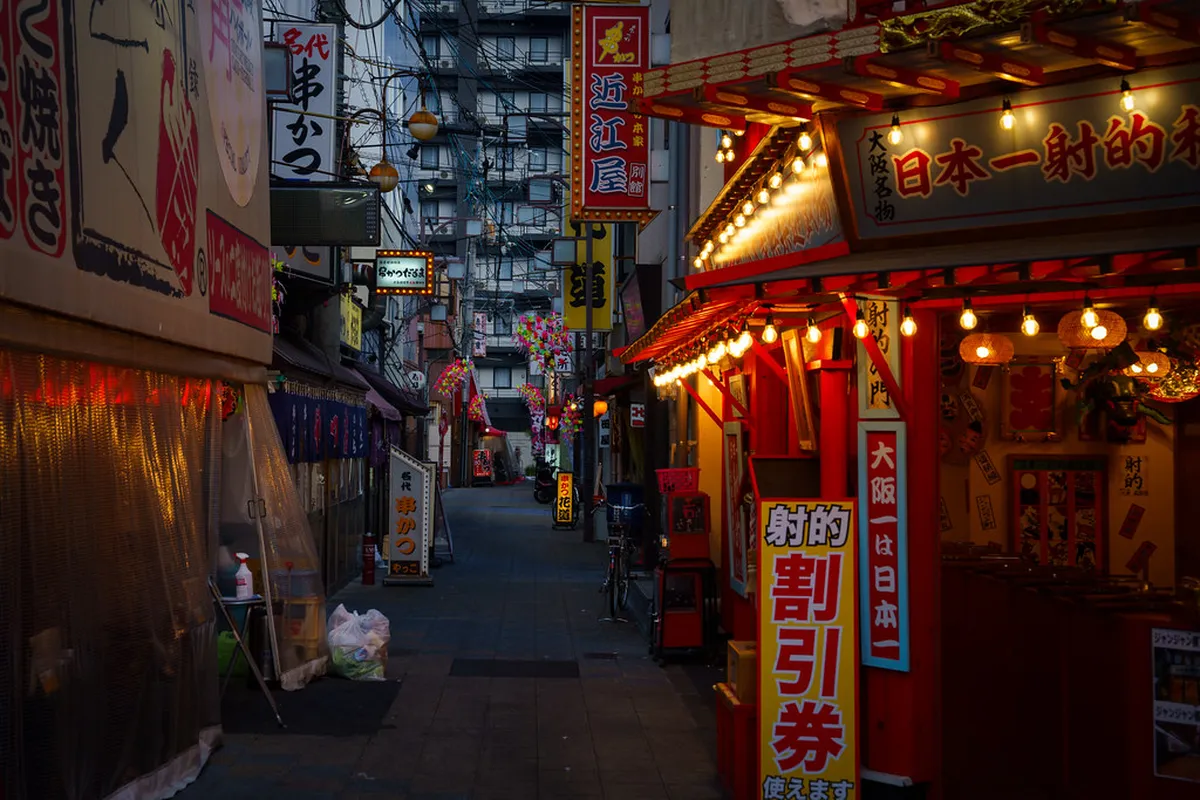
The northern half of the district took inspiration from Paris while the southern part mirrored New York's Coney Island. Designers wanted to bring global architectural wonders to the heart of Osaka. A massive amusement park called Luna Park once occupied a large portion of the area. It featured a cable car that connected the park directly to the original tower.
Following World War II, the district faced a long period of economic decline and neglect. While other parts of the city modernized rapidly, Shinsekai kept its older buildings and narrow streets. This lack of development preserved the Showa-era atmosphere that tourists love today. Many locals still consider it the most authentic part of the city, a working-class neighborhood that never tried to become something else.
Iconic Landmark: Tsutenkaku Tower
No visit to this district is complete without standing beneath Tsutenkaku Tower. The original structure was built to resemble the Eiffel Tower sitting atop an Arc de Triomphe base. Fire damaged the first tower during the war, leading to its eventual demolition. The current version was completed in 1956 and stands 103 meters tall.
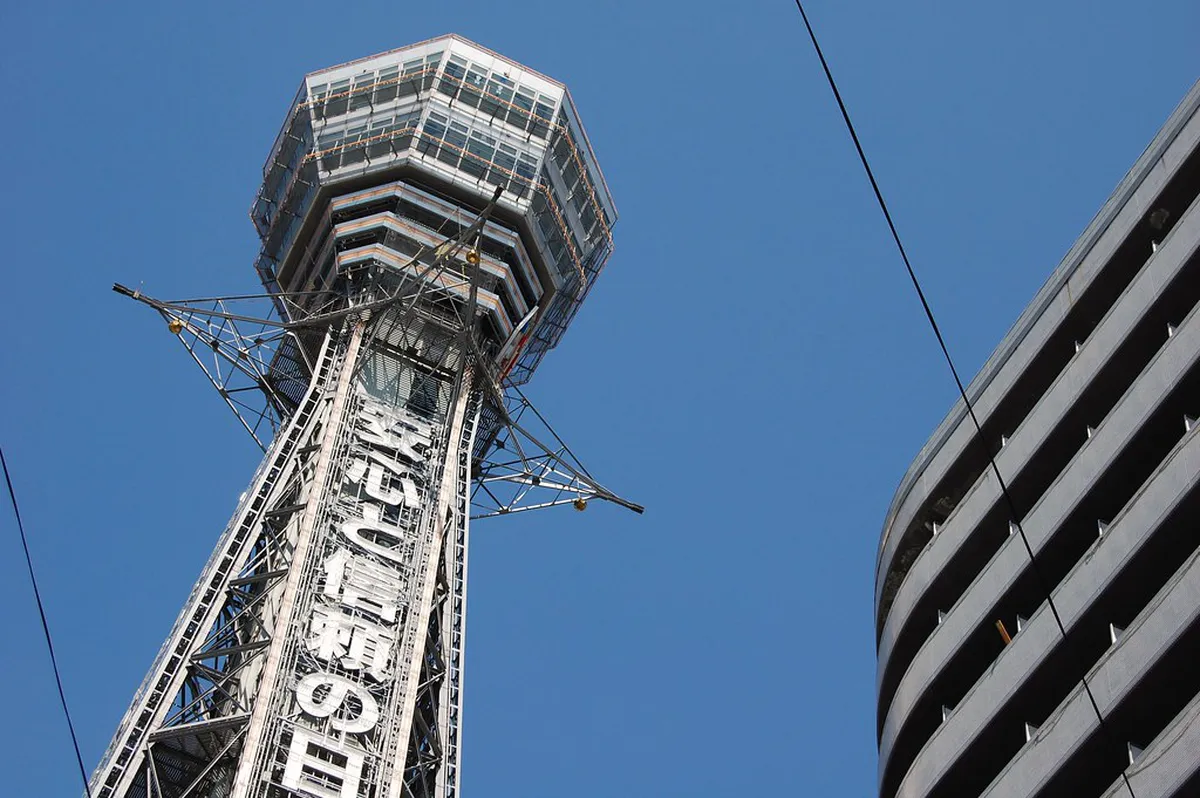
The main observation deck on the fifth floor provides a panoramic view of the surrounding city and, on clear days, the mountains toward Nara. You can also see the sprawling Tennoji Zoo and the massive Abeno Harukas building from the top. The neon lights on the tower change color each evening to predict the next day's weather: white means sunny, yellow indicates cloudy, and blue signals rain is on the way — a detail locals actually use.
Adventurous travelers can try the Tower Slider, a 60-meter-long helical slide that descends through the building's exterior. This attraction adds a modern thrill to the historical landmark for a separate fee. Standard admission to the main observation deck costs 900 yen for adults and around 400 yen for children in 2026. Arriving before 11:00 on weekdays keeps queue times short.
Exploring Jan Jan Yokocho Alley
Jan Jan Yokocho serves as the main artery for shopping and dining in the district. This narrow covered street got its name from the sound of shamisen and banjos played by waitresses in the early days. Today it is packed with small eateries, standing bars, and casual kushikatsu joints that serve hearty plates from mid-morning. It feels much more intimate than the wide paths of Kuromon Market.
Walking through the alley reveals a world of traditional Japanese gaming and social life. You will see elderly men gathered in small parlors to play shogi or go. These shops often have glass windows so passersby can watch the intense, silent matches. The contrast between the focused players inside and the noisy food street outside is one of the most distinctively Osaka sights in the whole city.
Budget-conscious travelers will find some of the best food deals in Osaka here. Many stalls sell individual skewers for 150 to 300 yen each. You can graze on kushikatsu, doteyaki (miso-simmered beef tendon), and horumon-yaki as you walk. The alley is also ideal for photographers hunting retro neon signage after 18:00 when the lights come on.
The Legend of Billiken: Shinsekai's Mascot
You will notice a strange, smiling golden statue outside many shops in the area. This character is known as the Billiken, the "God of Things as They Ought to Be." An American art teacher from Saint Louis, Missouri originally designed the Billiken in 1908. It became a global novelty before finding a permanent home in Osaka, where it has stayed ever since.
Locals and tourists alike believe that the Billiken brings immense good luck to those who visit. The ritual is simple and specific: rub the soles of his feet while making a silent wish. Over time, the feet on the most popular statues have been worn smooth by thousands of hands, which is a good sign that you have found the right one.
The largest and most famous Billiken sits inside the observation deck of the tower. However, you can find smaller versions throughout the streets and in front of restaurants. Many shops sell Billiken-themed souvenirs, ranging from keychains to large figurines. He remains a beloved symbol of the neighborhood's quirky and welcoming spirit, and spotting every Billiken in the district has become an informal game for repeat visitors.
What to Eat: The Kushikatsu Experience
Shinsekai is the undisputed birthplace of kushikatsu — deep-fried skewers of meat and vegetables coated in panko breadcrumbs. Chefs dip the ingredients in a light batter before pressing them into coarse panko, which gives a crunchier, more solid crust than tempura batter. This dish was originally created as a cheap, filling meal for local laborers in the 1920s. Today it is a must-try culinary experience for every visitor, and the quality at the original Shinsekai shops is noticeably higher than copies found elsewhere in Japan.
The most important rule to remember when dining is the strict "no double dipping" policy. Each table has a communal container of savory Worcestershire-based dipping sauce that every diner at the counter shares. You must dip your skewer only once before taking a bite. The rule was famously codified by Kushikatsu Daruma's founder specifically because the sauce container is communal — dipping a half-eaten skewer back in is considered deeply unhygienic. Warning signs in multiple languages are posted in every shop. If you need more sauce, use a piece of raw cabbage as a ladle to drizzle it onto your plate.
Kushikatsu Daruma (2-3-9 Ebisuhigashi, Naniwa-ku; open daily 11:00–22:30) is the most famous chain, recognizable by the red angry-faced daruma doll mascot above the entrance. Skewers run 150 to 300 yen each, and a full meal with beer lands around 2,000 to 3,000 yen. Yaekatsu (3-4-13 Ebisuhigashi; open 10:30–20:30, closed Thursdays) in Jan Jan Yokocho is the locals' pick, prized for its especially fluffy batter and sweet onion skewer. Tengu next door (closed Mondays) specializes in doteyaki-style kushikatsu where the skewers are finished with miso-simmered beef tendon sauce — it is worth ordering one of each to taste the difference.
| Restaurant | Address | Hours | Skewer price | Full meal est. |
|---|---|---|---|---|
| Kushikatsu Daruma | 2-3-9 Ebisuhigashi, Naniwa-ku | Daily 11:00–22:30 | ¥150–¥300 | ¥2,000–¥3,000 |
| Yaekatsu | 3-4-13 Ebisuhigashi (Jan Jan Yokocho) | 10:30–20:30, closed Thu | ¥150–¥300 | ¥1,500–¥2,500 |
| Tengu | Jan Jan Yokocho (next to Yaekatsu) | Closed Mon | ¥150–¥300 | ¥1,500–¥2,500 |
| Zuboraya (fugu) | 2-5-5 Ebisuhigashi | 11:00–23:00 | Set meals | ¥2,500–¥5,000 |
| Grill Bon (fillet katsu) | 1-17-17 Ebisuhigashi | Lunch 12:00–14:00, Dinner 17:00–19:30 | n/a | ¥2,200 |
If you want a guided introduction to the best stalls and local context, consider booking an Arigato Travel Shinsekai evening tour. A local guide will walk you past the hidden counters that tourists repeatedly miss. You might also stop in at Taikousushi Main Shop, a nearby sushi counter that serves nigiri in the old Osaka style of three pieces per plate rather than the modern two.
Fugu and Beyond: Shinsekai's Other Foods
Most visitors come for kushikatsu, but Shinsekai is also one of the best places in Osaka to try fugu — the notoriously dangerous blowfish that must be prepared by a specially licensed chef. Zuboraya (2-5-5 Ebisuhigashi, open 11:00–23:00) is the neighborhood's landmark fugu restaurant, impossible to miss because of the giant papier-mache pufferfish hanging above the entrance. A fugu set meal at Zuboraya runs roughly 2,500 to 5,000 yen depending on the cut. The fish is almost entirely tasteless on its own — the experience is about the texture, the theater, and the mild tingle of safely administered tetrodotoxin in certain preparations.
Grill Bon (1-17-17 Ebisuhigashi; lunch 12:00–14:00, dinner 17:00–19:30) offers a completely different detour: a beef fillet cutlet sandwich that has been on the menu for over 70 years. The thick fillet cutlet sits between slices of crispy toasted bread and costs 2,200 yen — expensive by Shinsekai standards, but genuinely different from anything else in the neighborhood. It pairs the old diner culture of the district with a dish you won't find replicated nearby.
For those who prefer to keep costs minimal, gachapon capsule toy machines are clustered throughout the arcade near Jan Jan Yokocho. The machines in Shinsekai are famously adult-oriented compared to the family-friendly versions found in malls elsewhere in Osaka — a reflection of the neighborhood's longstanding character as a place for working-class adults rather than families on day trips.
Beyond Food: Shogi Parlors and SpaWorld
SpaWorld strictly prohibits tattoos of any size or placement — this is enforced at the entrance. The neighboring Airin district starts south of the JR tracks at Shin-Imamiya Station; take the north exit to stay in the tourist zone.
If you need a break from the busy streets, SpaWorld offers a massive indoor hot spring complex at 3-4-24 Ebisuhigashi (open 24 hours). The facility has themed baths drawn from across Europe and Asia on separate floors, including Roman pools, a Japanese forest bath, carbonated baths, and Hinoki cypress sauna rooms. Admission is 1,200 yen on weekdays and 1,500 yen on weekends, though late-night rates after 24:00 are lower. One critical note: tattoos are strictly prohibited throughout SpaWorld, which is enforced at the entrance — this applies to any size or placement of ink.
For a more traditional cultural experience, stop by the local shogi parlors along Jan Jan Yokocho. These rooms are filled with the sound of wooden tiles clicking against game boards. While most players are locals in their 60s and 70s, visitors are welcome to watch quietly from the sidelines. It provides a fascinating window into the daily social life of Osaka's older generation that you will not find documented in any tourist brochure.
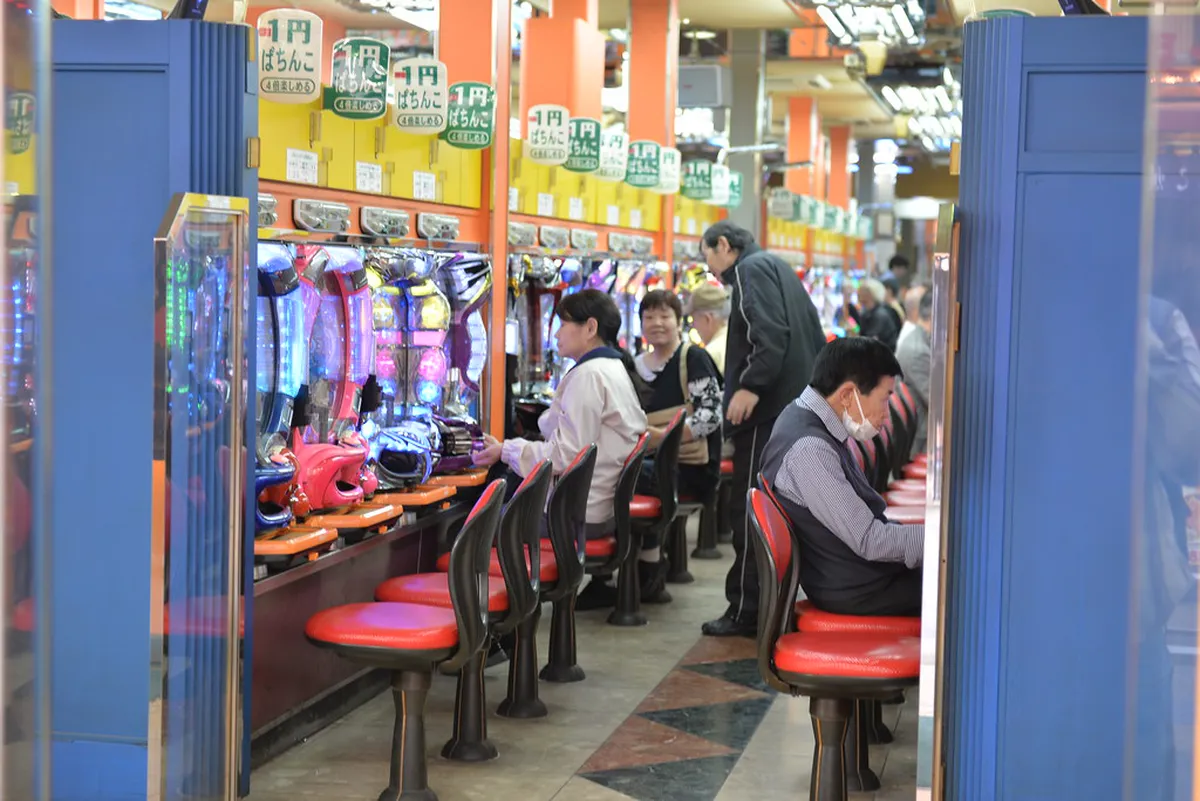
The neighborhood also features retro arcades with vintage gaming machines from the 1980s and 1990s for 100 yen per play. These arcades maintain a smoky, nostalgic vibe that is becoming rare in modern Japan. They are great spots to wait out a rainy afternoon between meals. Tennoji Zoo, opened in 1915 and one of Japan's oldest, is also just a short walk south and charges a very reasonable 500 yen admission — worth pairing with a Shinsekai evening if you have children or want to see the neighborhood at two different hours.
How to Get to Shinsekai
Getting to this district is straightforward thanks to its proximity to major train lines. The most convenient stop for JR Pass holders is Shin-Imamiya Station on the Osaka Loop Line, a five-minute walk to the entrance of the main shopping street via the East Exit. If you are using the subway, Ebisucho Station on the Sakaisuji Line brings you out almost directly beneath Tsutenkaku Tower in about three minutes on foot. This is the most dramatic arrival, emerging from underground to find the tower directly ahead.
Dobutsuen-mae Station on the Midosuji Line is also useful and drops you at the southern edge of the district, closest to Jan Jan Yokocho and the Daruma main store. Be aware that exiting this station in the wrong direction puts you immediately into the Airin (Kamagasaki) area rather than the Shinsekai commercial side — follow signs for the north exit to reach the tourist zone.
Walking from the Tennoji area is another pleasant approach. A 15-minute stroll through Tennoji Park and past the city museum builds up an appetite before your meal. From Namba, the Midosuji subway to Dobutsuen-mae takes around five minutes. Check our Osaka itinerary for multi-day trip planning that includes this neighborhood.
Safety and Practical Tips for Visitors
Shinsekai is very safe for tourists within the main entertainment zone around Tsutenkaku and Jan Jan Yokocho. The neighboring Airin district (historically called Kamagasaki), which begins just south of the JR tracks near Shin-Imamiya Station, has a high concentration of day laborers and homeless residents and carries a different social character. Most visitors will never encounter it if they stay on the commercial side. If you exit Dobutsuen-mae Station, take the north exit, not the south, to arrive in the right area from the start.
The neighborhood is generally safe at night and becomes electric after 18:00 when the tower and restaurant neon signs illuminate fully. Some streets feature small bars and "snack" clubs that are adult-oriented and not suitable for children. Stick to the well-lit main paths near the tower if you are traveling with families. For more options, see our guide to Osaka nightlife. Always keep an eye on your belongings in crowded kushikatsu counters where bags can be overlooked while you focus on not double-dipping.
Visiting during the late afternoon gives you Shinsekai in daylight for photography, followed by the neon-lit evening when Tsutenkaku's LED weather forecast changes color (white = clear, orange = cloudy, blue = rain). The best arrival time is around 16:30.
Many small shops and eateries still strongly prefer cash over credit cards. Carry enough yen for your meals (budget 2,000 to 3,000 yen per person for a full kushikatsu meal with drinks), tower tickets, and any impulse gachapon purchases before arriving. International ATMs are available at the convenience stores near both train stations. Visiting during the late afternoon gives you Shinsekai in daylight for photography, followed by the neon-lit evening atmosphere — the best combination the neighborhood offers in a single visit.
Frequently Asked Questions
Is Shinsekai safe at night for solo travelers?
Yes, Shinsekai is generally safe for solo travelers at night. The main streets are well-lit and filled with diners until late evening. However, you should avoid wandering too far south into the Kamagasaki area after dark. Most tourist activity centers around the tower and Jan Jan Yokocho.
What is the "no double dipping" rule in Osaka?
The rule means you must only dip your Kushikatsu skewer into the communal sauce container once. This practice keeps the sauce clean for other customers sharing the table. If you need more sauce, use a piece of cabbage to pour it onto your plate. It is a vital part of Osaka food culture.
How much does it cost to go up Tsutenkaku Tower?
In 2026, standard admission to the main observation deck costs approximately 900 yen for adults. Children and students usually receive a discounted rate of around 400 to 500 yen. Extra attractions like the Tower Slider or the outdoor deck require additional fees. Check the official site for seasonal price changes.
Is Shinsekai worth visiting compared to Dotonbori?
Shinsekai offers a much more retro and "local" feel compared to the polished neon of Dotonbori. While Dotonbori is famous for its massive crowds and modern shopping, Shinsekai feels like a step back in time. Both districts are worth seeing to understand the different faces of the city. Shinsekai is often less crowded during the day.
Shinsekai remains an essential stop for anyone wanting to experience the soul of Osaka. From the heights of the tower to the deep-fried flavors of kushikatsu, the crunch of a legally obtained fugu dish, or the silence of a shogi parlor at midday, it never fails to impress. The district balances its gritty history with a welcoming, eccentric energy that newer neighborhoods simply cannot replicate. Make sure to rub the Billiken's feet for a little extra luck on your journey.
Whether you are a food lover or a history buff, this neighborhood has something special in 2026. Take your time exploring the narrow alleys and hidden counters. You will leave with a deeper appreciation for the city's unique cultural heritage. Entry to the streets is free and the neighborhood runs 24 hours — there is no wrong time to arrive, only better ones.


