
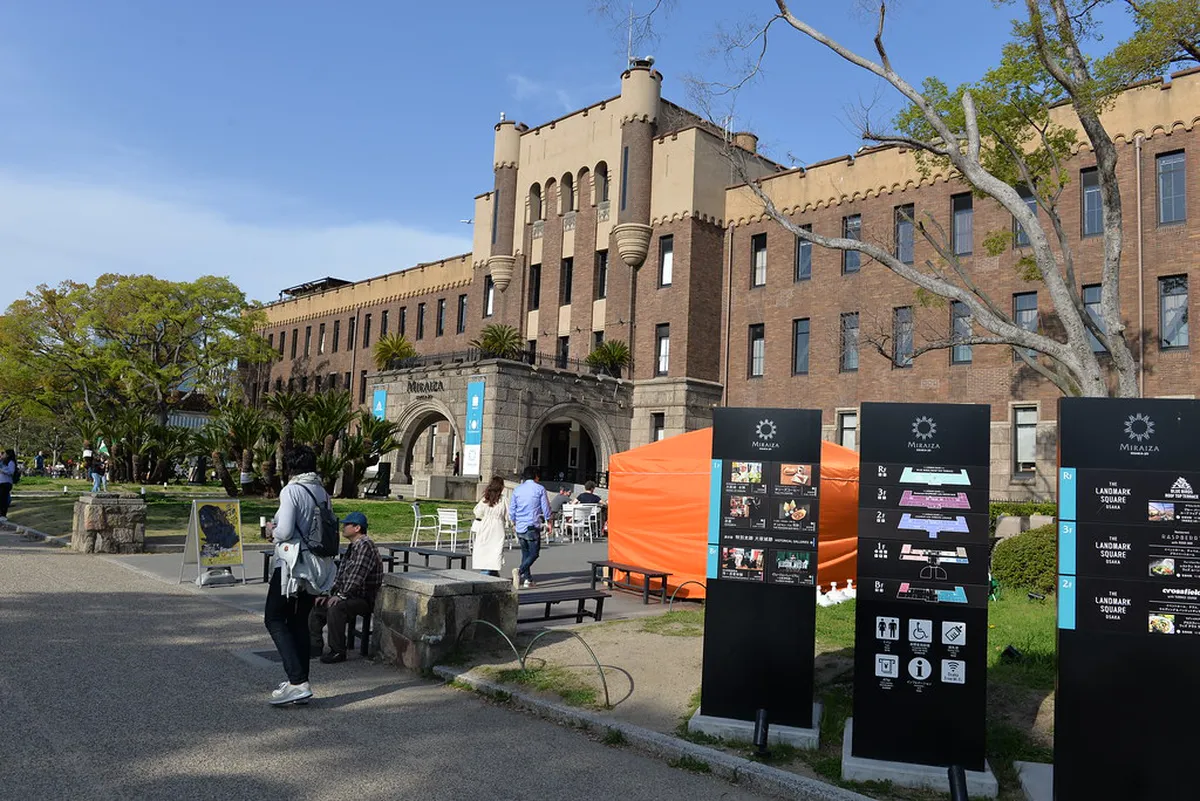
Osaka Castle
Osaka Castle is the city's defining landmark, a reconstructed 16th-century castle housing an eight-floor history museum and observation deck.
Visitor guide →
Osaka attractions for 2026: 10 must-visit sights with verified tickets, hours, 1-3 day itineraries, and how to save with the Osaka Amazing Pass.
Osaka is Japan's food capital and its most unfiltered big city — a place where 16th-century castle keeps share the skyline with a 173-metre rooftop observatory, and where the country's oldest formal Buddhist temple sits a 10-minute train ride from Asia's most-visited theme park. For 2026 the city is in a particularly strong moment: Universal Studios Japan's Donkey Kong Country expansion is in its first full year, the post-Expo 2025 transport upgrades around the Bay are bedded in, and the weak yen continues to push ticket prices into bargain territory for overseas visitors.
The volume of options can overwhelm a first-time visitor, so we've narrowed the field to 10 attractions that consistently reward the time and ticket price — a deliberate mix of free districts (Dotonbori, Shinsekai, Kuromon, Sumiyoshi Taisha) and paid headline sights (Osaka Castle, USJ, Kaiyukan, Umeda Sky Building). Each card below links to a full visitor guide with verified 2026 opening hours, current pricing in yen, and the practical tips — fastest queue, best time of day, what to skip — that don't make it into the official site's FAQ. The sections beneath the grid then show you how to thread these 10 sights into 1-day, 2-day or 3-day itineraries, what an Osaka Amazing Pass actually saves you, and how to get between everything on the Midosuji Line and JR Loop. Bookmark this page as your starting point.
Planning a wider trip? See our Japan travel guide, the things to do in Osaka guide, and getting around Japan.
Osaka Castle is the city's defining landmark, a reconstructed 16th-century castle housing an eight-floor history museum and observation deck.
Visitor guide →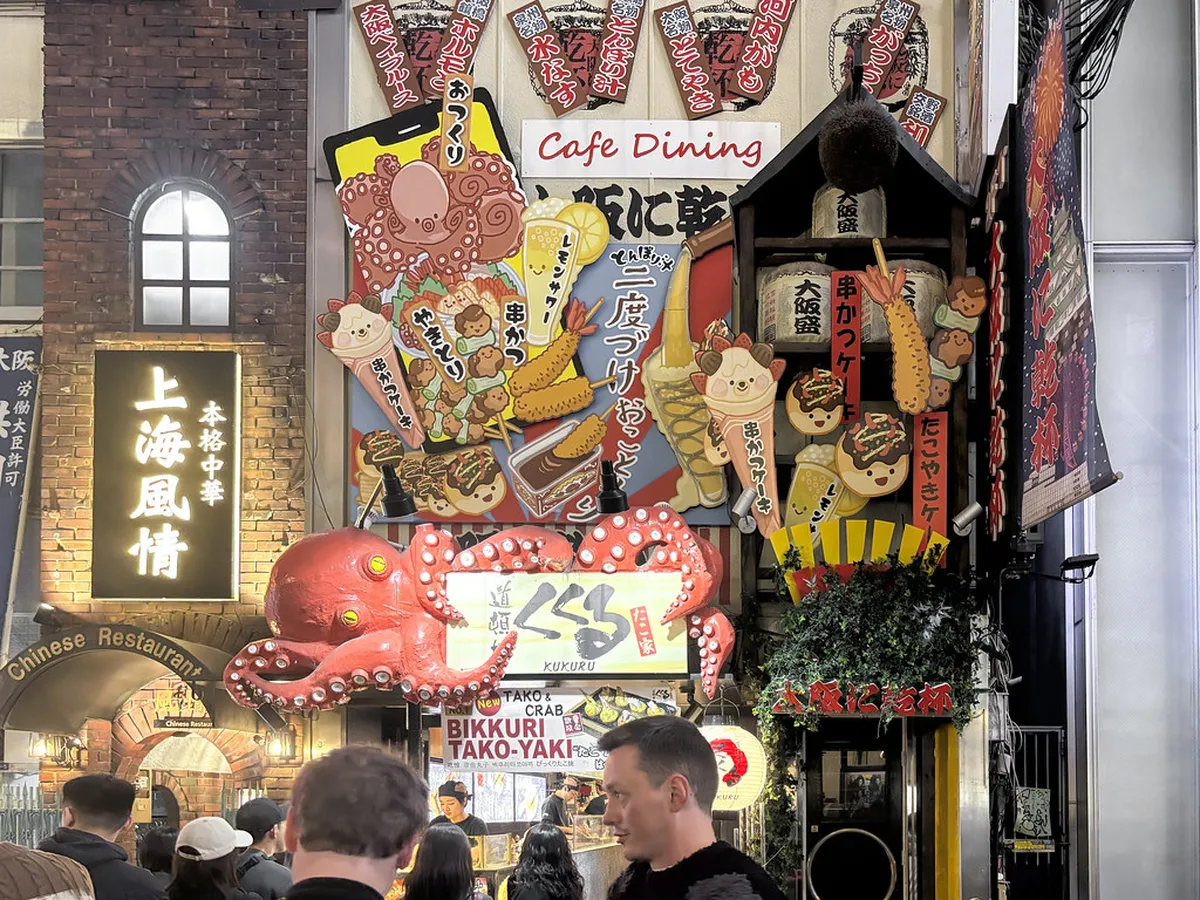
Dotonbori is Osaka's neon-lit canal-side entertainment district, packed with street food, theatres, and the city's most photographed signboards.
Visitor guide →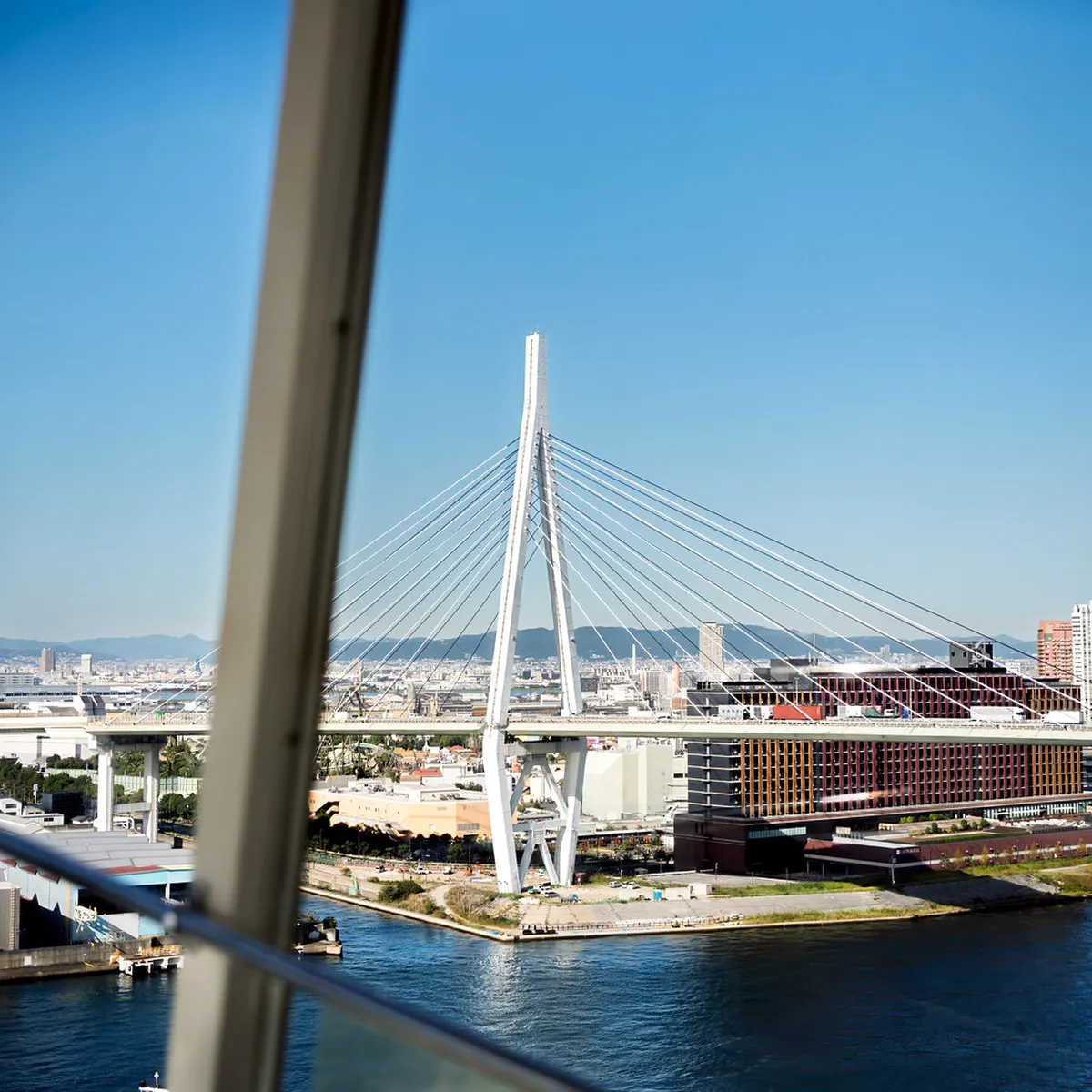
Universal Studios Japan is Asia's most-visited theme park, home to Super Nintendo World, The Wizarding World of Harry Potter, and signature Universal franchises in Osaka Bay.
Visitor guide →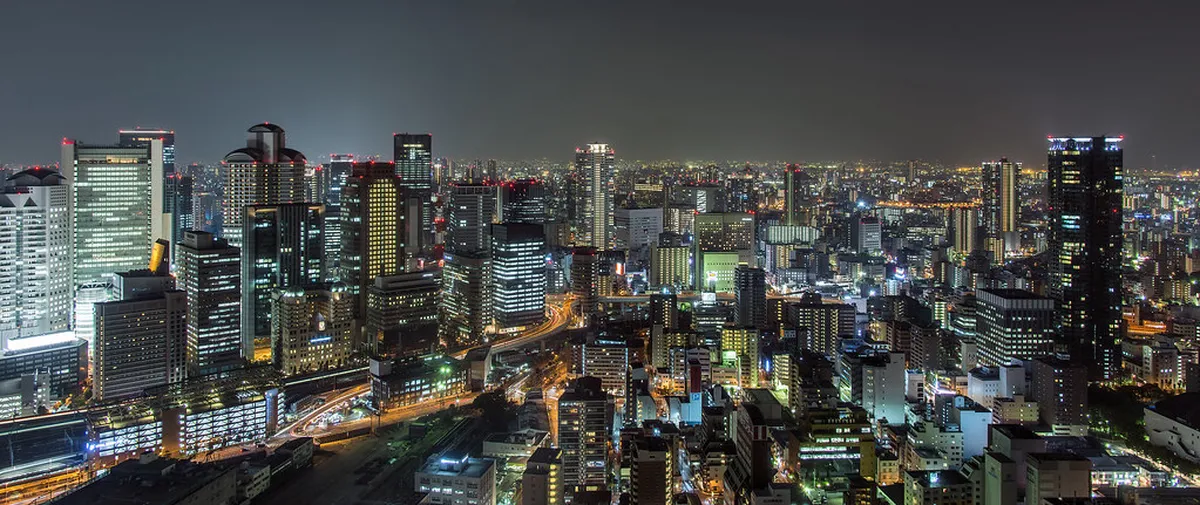
The Umeda Sky Building's Kuchu Teien Floating Garden Observatory offers a unique open-air rooftop ring 173 metres above Osaka with a 360-degree city view.
Visitor guide →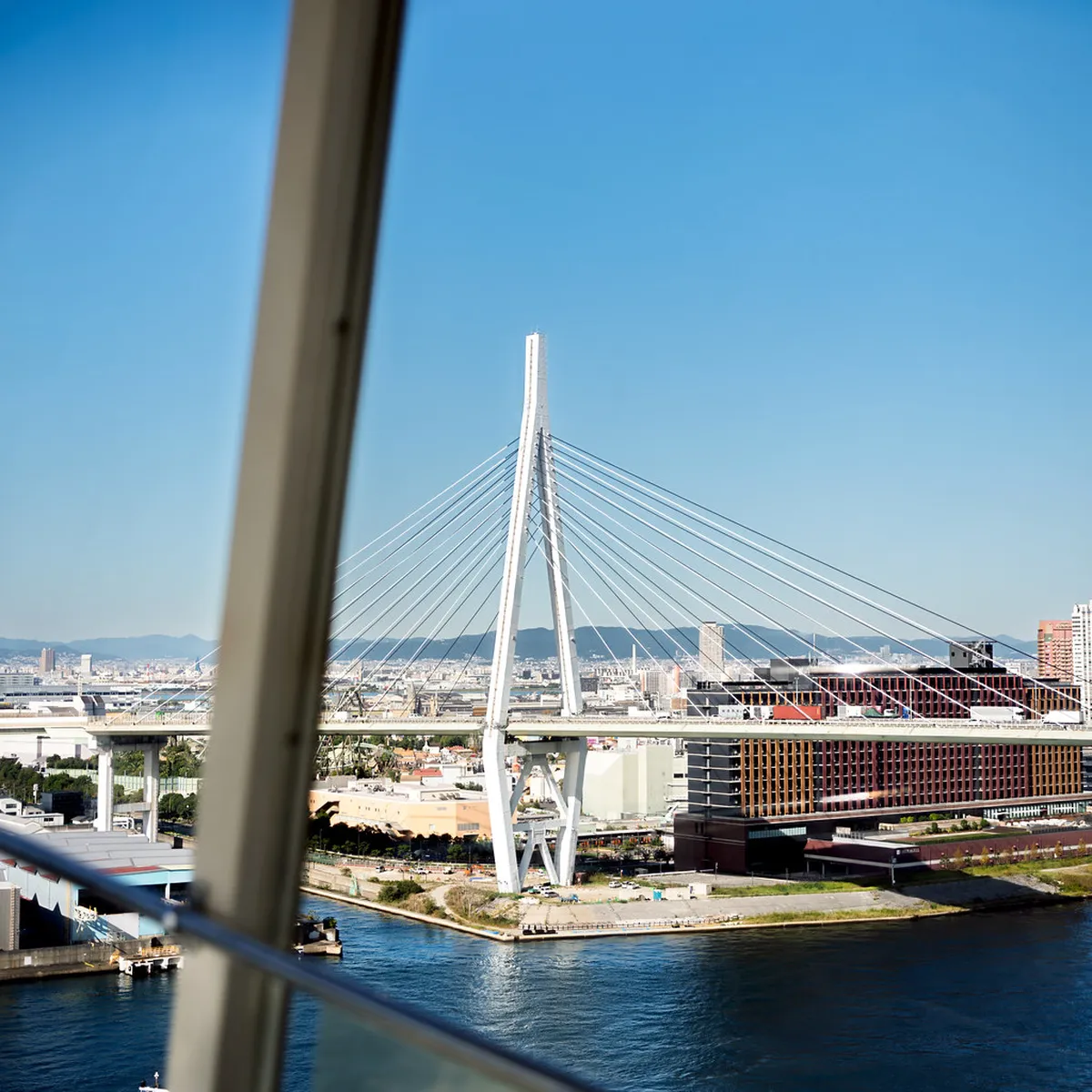
Osaka Aquarium Kaiyukan is one of the world's largest aquariums, organised around a 9-metre-deep Pacific Ocean tank with whale sharks and manta rays at its heart.
Visitor guide →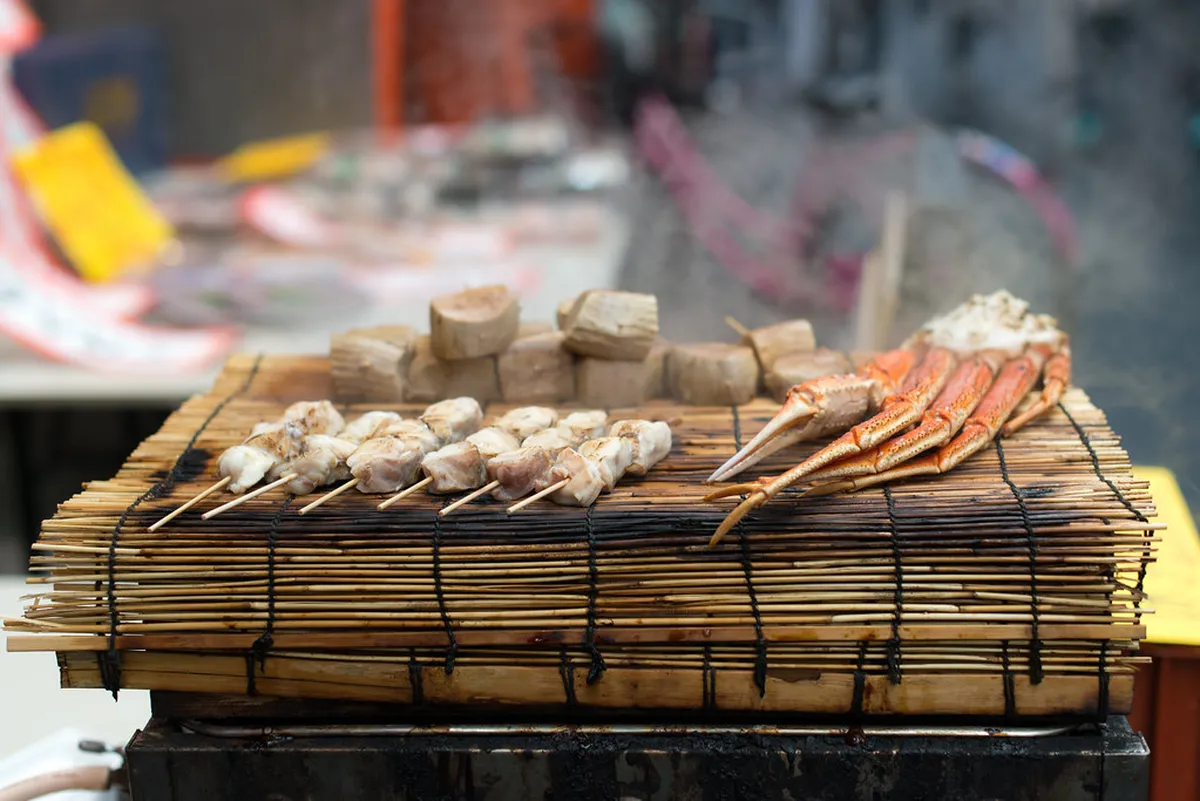
Kuromon Ichiba is Osaka's 600-metre covered food market, nicknamed 'Osaka's Kitchen', where 150-plus stalls sell sashimi, A5 wagyu skewers, oysters, and street snacks.
Visitor guide →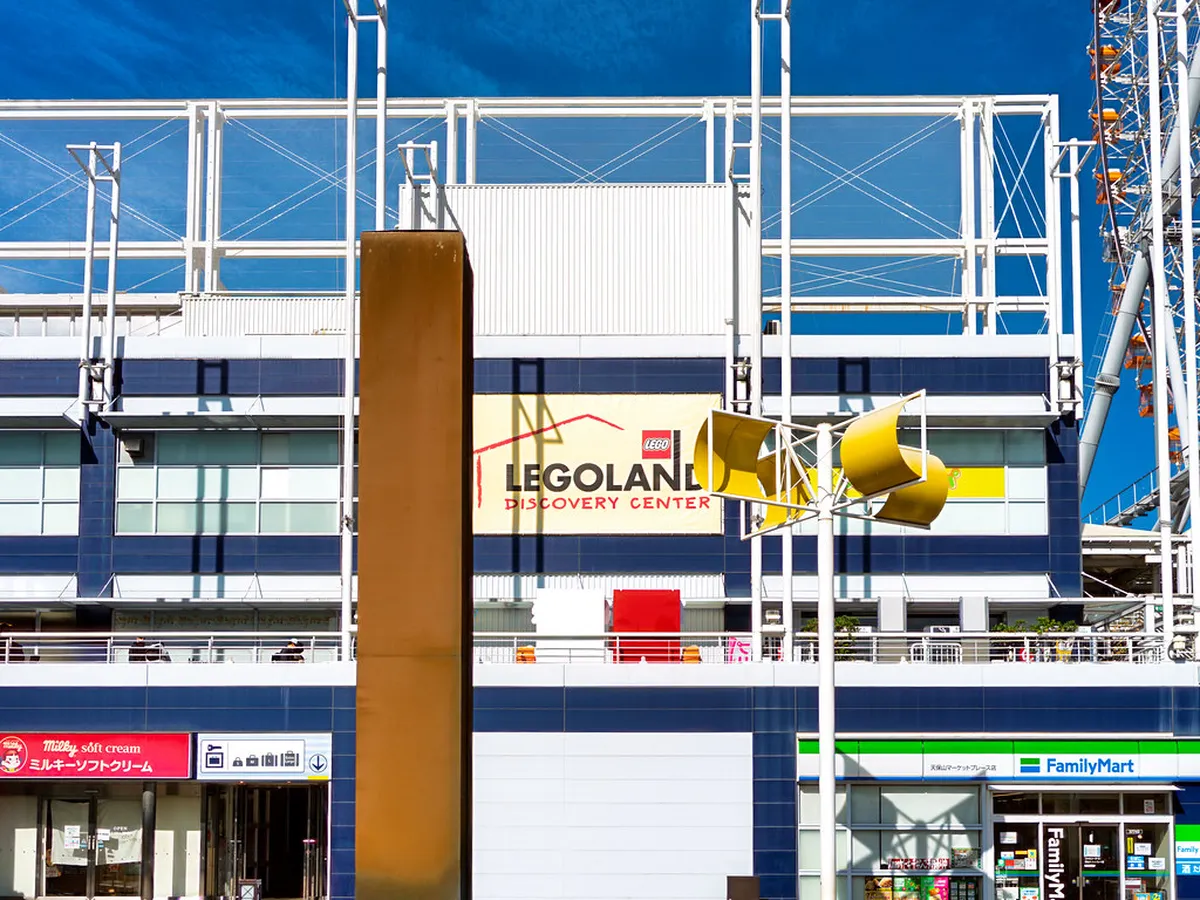
Tsutenkaku is the 108-metre retro tower at the heart of Shinsekai, Osaka's nostalgic 1912 entertainment district, offering a 91-metre observation deck and a 60-metre tower slider.
Visitor guide →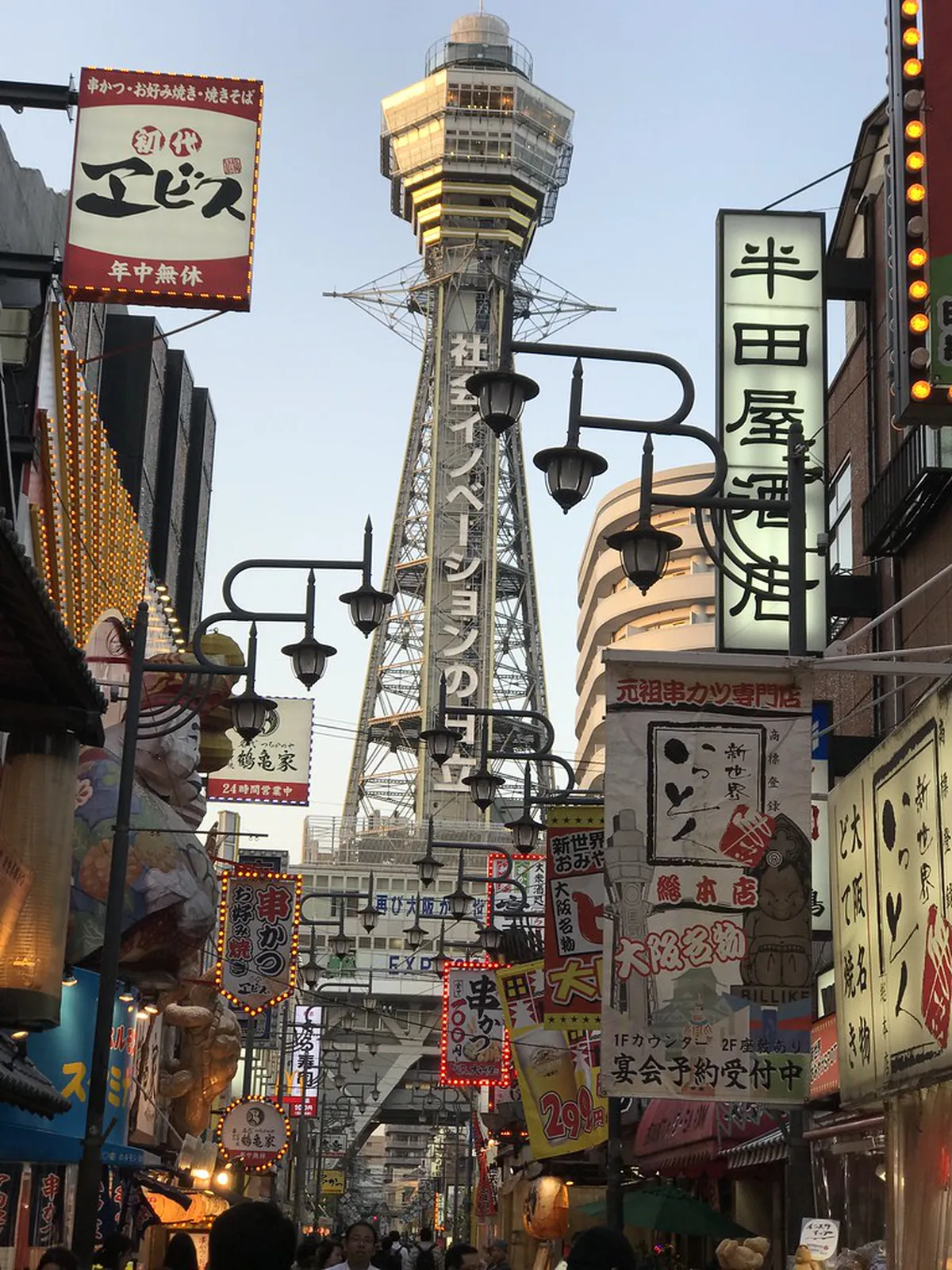
Shinsekai is Osaka's deliberately retro 1912 entertainment district, anchored by Tsutenkaku Tower and famous for kushikatsu and a vintage 1950s street atmosphere.
Visitor guide →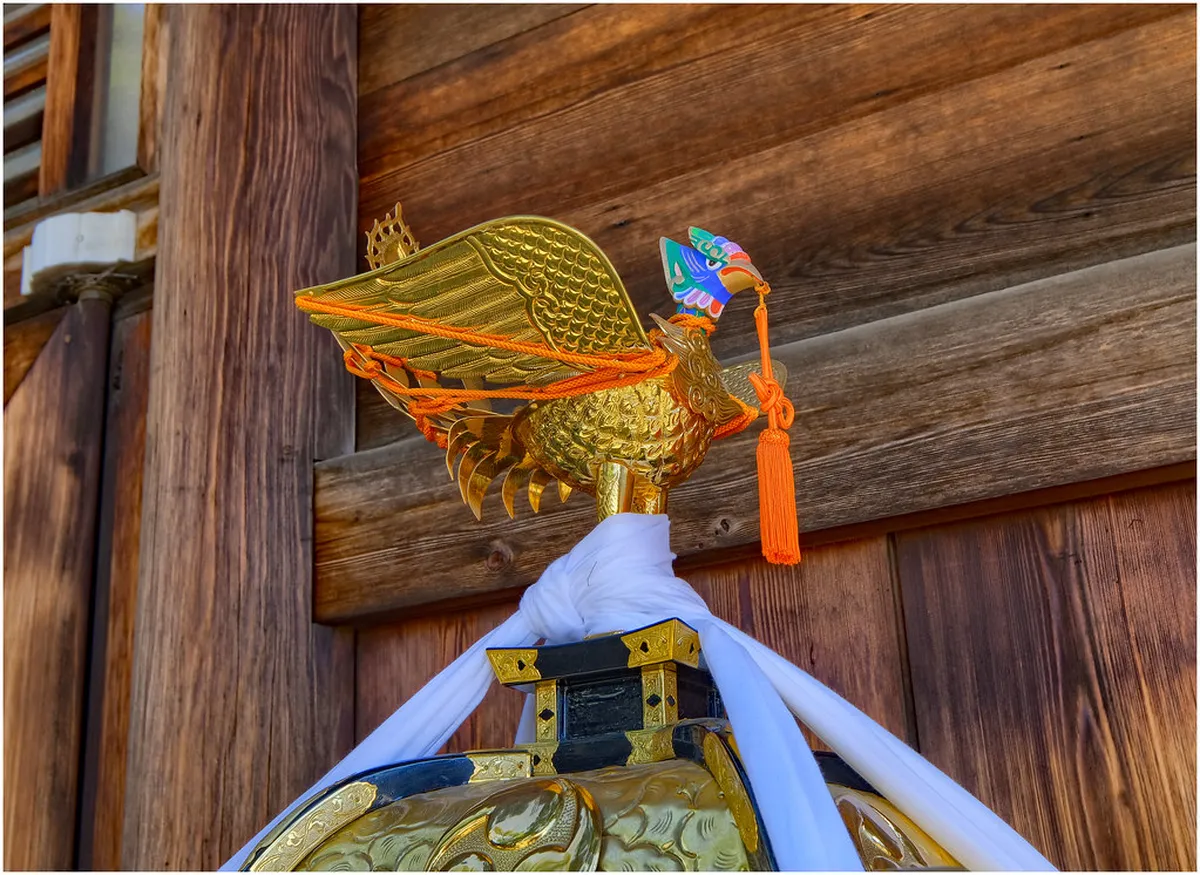
Sumiyoshi Taisha is Osaka's most important Shinto shrine, head of 2,300 Sumiyoshi shrines nationwide, known for its arched Sorihashi bridge and pre-Buddhist Sumiyoshi-zukuri architecture.
Visitor guide →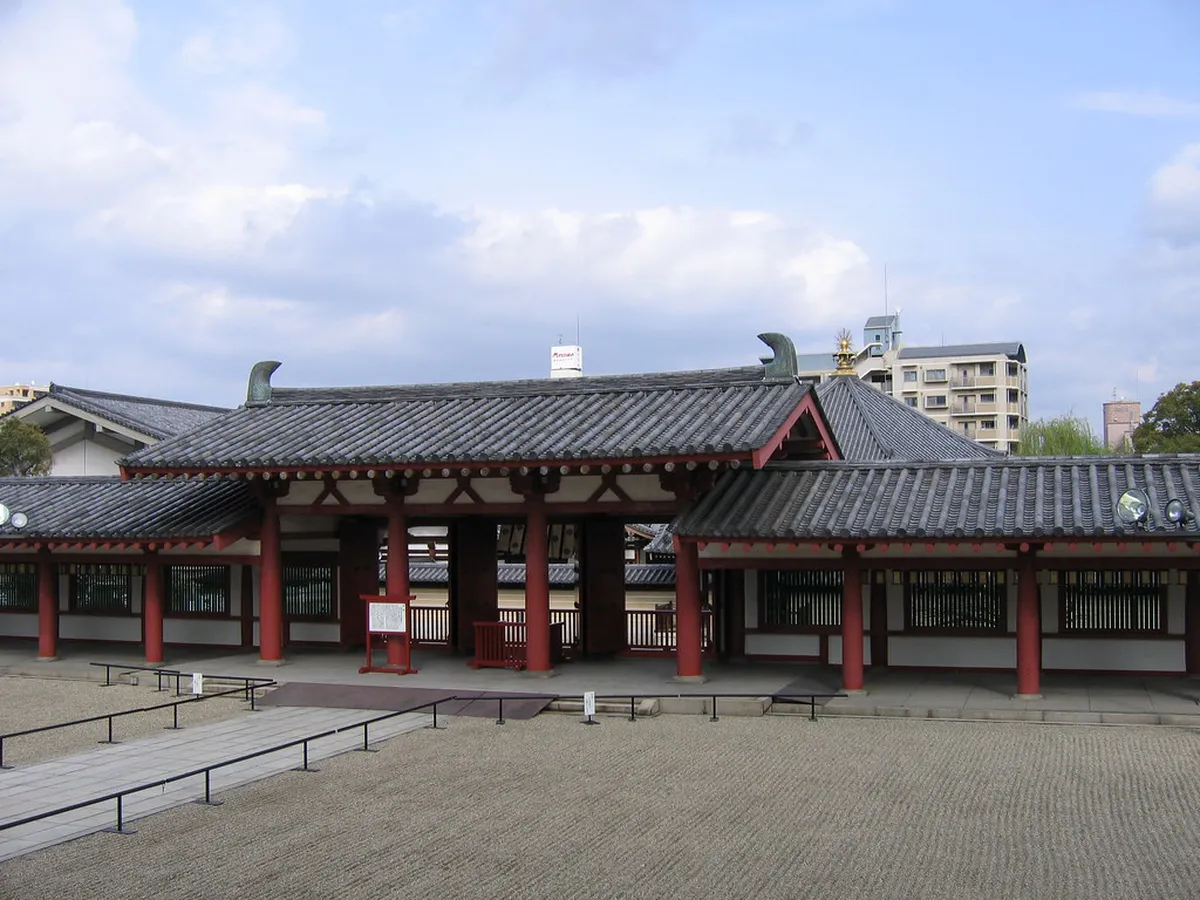
Shitenno-ji is Japan's first officially administered Buddhist temple, founded in 593 by Prince Shotoku and preserving the country's oldest formal seven-hall temple layout.
Visitor guide →Osaka's sights cluster into six walkable districts connected by the Midosuji subway line and the JR Osaka Loop. Knowing the geography is the single biggest time-saver — almost every wasted hour on a first trip comes from criss-crossing the city instead of working one district at a time.
If you've already locked in a neighborhood base, picking by category is the fastest way to fill out the day. Osaka rewards a mixed itinerary — pairing one cultural sight with one observation deck and one food district usually beats stacking three of the same.
One of Osaka's underrated strengths is that you can have a memorable day without spending anything on entry tickets. Four of the 10 attractions in this guide cost nothing to enter, and they are not consolation prizes — they're some of the city's most-photographed spots.
Free to enter:
Paid tickets (2026 verified):
| Attraction | Adult ticket | Children / notes |
|---|---|---|
| Osaka Castle Tower museum | ¥600 | Free under 15 |
| Umeda Sky Building observatory | ¥2,000 | Best at sunset |
| Osaka Aquarium Kaiyukan | ¥2,700 | ¥1,400 (age 7–15); ¥700 (age 4–6) |
| Tsutenkaku Tower (main deck) | ¥1,000 | Tower Slider add-on ¥1,000 |
| Shitenno-ji Central Garan | ¥300 | Treasure House ¥500 extra |
| USJ 1-Day Studio Pass | ¥8,600–¥10,400 | Dynamic pricing by date |
The Osaka Amazing Pass (¥2,800 for one day, ¥3,600 for two days) covers unlimited subway rides plus free entry to 35+ attractions including Osaka Castle Tower, Umeda Sky Building, and Tsutenkaku. It pays for itself at the third paid admission. USJ and Kaiyukan are not covered.
If you'll visit three or more paid sights in a single day, the Osaka Amazing Pass (¥2,800 for 1 day, ¥3,600 for 2 days) covers unlimited subway and bus travel plus free entry to 35+ attractions including Osaka Castle Tower, Umeda Sky Building, and Tsutenkaku — it pays for itself by the second admission. USJ and Kaiyukan are not covered.
Osaka rewards a denser itinerary than Kyoto or Tokyo because the geography is more compact and the headline sights cluster into walkable districts. Here is how we'd thread the 10 attractions in this guide across a 1-, 2-, or 3-day trip.
1 day in Osaka (city-only, no theme park):
2 days in Osaka: Day 1 as above. Day 2 — full day at Universal Studios Japan (arrive by 08:00 with an Express Pass; otherwise expect 90-minute waits on headliner rides), then evening dinner back in Dotonbori.
3 days in Osaka: Days 1-2 as above. Day 3 morning at Kaiyukan (3 hours, opens 10:00), lunch at Tempozan, then afternoon tram to Sumiyoshi Taisha via the Hankai Line. Evening at Tsutenkaku Tower observation deck for the illuminated Shinsekai view.
The Midosuji subway line (red) is the city's backbone — it runs north-south through Umeda, Yodoyabashi, Honmachi, Shinsaibashi, Namba and Tennoji, hitting four of the 10 attractions in this guide directly. The JR Osaka Loop Line is the second workhorse, circling the city in about 40 minutes and stopping at Osaka Castle Park, Tennoji, and the USJ branch line at Nishikujo.
Buy an ICOCA rechargeable IC card the moment you arrive — Kansai-region equivalent of Tokyo's Suica, it works on every subway, bus, JR train and most vending machines and convenience stores. ¥2,000 initial charge (¥500 deposit, ¥1,500 usable) is enough for most day-trippers. Apple Pay and Google Pay both support ICOCA on phones from 2024 onwards, so you can skip the physical card.
Distances inside districts are walkable: Dotonbori to Kuromon is 5 minutes on foot, Shinsekai to Shitenno-ji is 15 minutes, and the Osaka Castle east-to-west grounds traverse takes 20 minutes. Between districts, a single subway hop is rarely more than ¥240. Taxis are abundant but pricey (¥600 flag-fall) — only worth it after the last train at 00:00.
Avoid Golden Week (29 April–5 May), Obon (mid-August), and New Year (29 December–3 January) — domestic tourism overloads all major sights, prices rise, and some attractions close. August also brings 33°C+ heat and 80%+ humidity.
Osaka has clearer seasonal extremes than its weather reputation suggests. Pick your window carefully — the difference between a March afternoon at Osaka Castle and an August one is roughly 20°C and 70% humidity.
Osaka is one of Japan's cheapest major-city destinations for tourists in 2026, helped by the weak yen, but a handful of passes and habits stretch the budget further.
Two full days covers the headline city sights (Osaka Castle, Dotonbori, Kuromon, Umeda Sky Building, Shitenno-ji, Shinsekai) and a full day at Universal Studios Japan. Add a third day if you also want Kaiyukan and Sumiyoshi Taisha, or want to use Osaka as a base for day-trips to Nara or Kyoto.
For most first-time visitors it's a tie between Osaka Castle (the city's defining landmark with the best historical context) and Dotonbori (the food-and-neon district that defines Osaka's modern character). If you only have a few hours, Dotonbori delivers the strongest sense of place; if you want one classic Japan photo, it's Osaka Castle.
Many of the best ones are. Dotonbori, Shinsekai, Kuromon Ichiba Market, and Sumiyoshi Taisha shrine charge no admission. Osaka Castle Park and the Shitenno-ji main grounds are also free — you only pay (¥600 and ¥300 respectively) if you enter the museum tower or the central temple compound. The headline paid sights are Universal Studios Japan (¥8,600-¥10,400), Kaiyukan (¥2,700), and Umeda Sky Building (¥2,000).
For Universal Studios Japan: yes — buy dated 1-Day Studio Passes online a week ahead, and Express Passes 2-3 weeks ahead during holidays. For Kaiyukan: timed-entry tickets online save 30-60 minutes of queue on weekends. For everything else (Osaka Castle, Umeda Sky Building, temples, districts, market) walk-up is fine year-round.
Late March to early April for cherry blossoms, late October to mid-November for autumn foliage, and May or October if you want mild weather without peak-season prices. Avoid Golden Week (29 April-5 May), Obon (mid-August), and New Year (29 December-3 January) when domestic tourism overloads everything. August is uncomfortably hot and humid.
No — Osaka is one of the cheapest major Asian cities for visitors in 2026, helped by the weak yen. Mid-range hotels run ¥10,000-¥18,000 per night, a takoyaki snack costs ¥600, a ramen lunch ¥1,000-¥1,200, and a Midosuji subway ride ¥190-¥240. A comfortable daily budget excluding accommodation is ¥7,000-¥10,000 per person.
You can hit five of the city's headliners in one busy day — Osaka Castle in the morning, Kuromon Market for lunch, Shitenno-ji and Shinsekai in the afternoon, Umeda Sky Building at sunset, and Dotonbori for dinner. It's tight but possible because the geography cooperates. Universal Studios Japan and Kaiyukan each need their own day and can't be slotted into the same itinerary.
The Midosuji subway line (red) and the JR Osaka Loop Line cover almost every attraction in this guide between them. Buy an ICOCA IC card on arrival (or load one onto Apple/Google Pay) and you can tap through every subway, bus, JR train and most convenience stores without buying individual tickets. A single hop within the city centre is rarely more than ¥240.
Once you've decided which attractions you want to hit, the next step is building a realistic day-by-day plan and choosing where to base yourself. Our companion blog guides go deeper on routing, neighborhoods, and food-stop pacing than this hub page can: start with Things to Do in Osaka for the long-form sightseeing guide, then check our Osaka Itinerary for a day-by-day route you can lift wholesale, and read Osaka Attractions: in-depth picks for context on each sight beyond the basics in the cards above.


