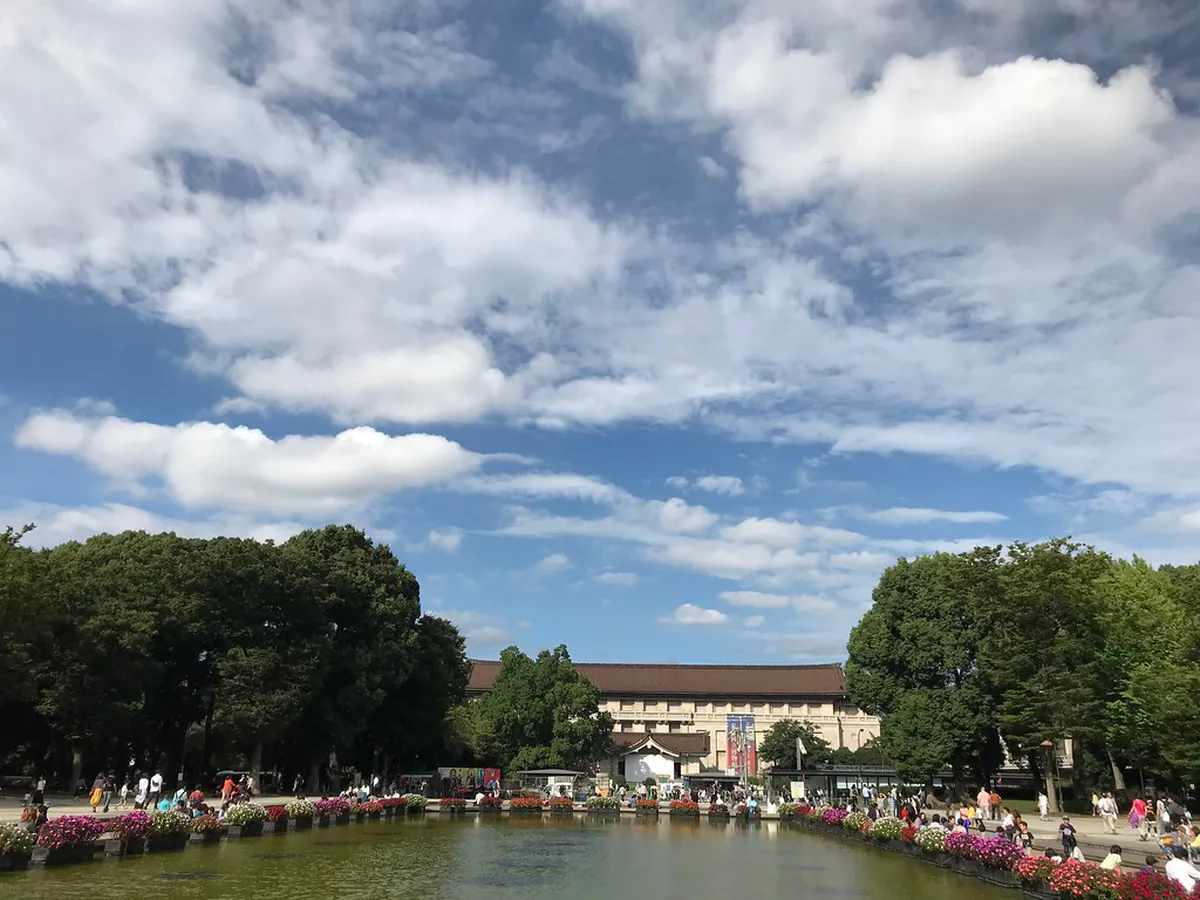
Ueno Park is more than just a green space in the heart of Tokyo. This sprawling landscape serves as the city's premier cultural and artistic hub. Our **ueno park visitor guide** helps you navigate its many museums, shrines, and hidden corners. Exploring this historic district offers a glimpse into the soul of old Japan.
The area once belonged to the powerful Kanei-ji Temple during the Edo period. Today, it welcomes millions of people who come to see cherry blossoms and world-class art. You can easily spend a full day wandering through its diverse attractions. This guide ensures you make the most of every minute spent in Tokyo's cultural center.
The Allure of Ueno Park: Tokyo’s Cultural Heart
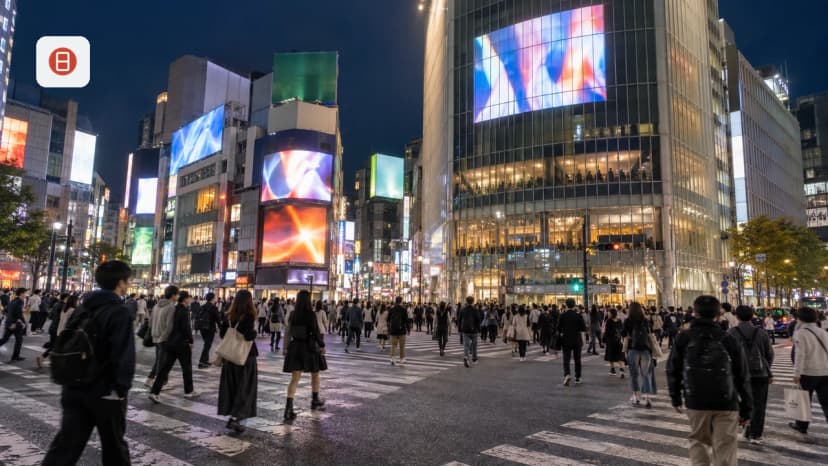
Ueno represents the historic Shitamachi district, which means 'lower town' in Japanese. This area traditionally housed the working class, craftsmen, and merchants of the city. You will notice a grittier and more authentic atmosphere compared to modern skyscrapers. It provides a perfect contrast to the high-tech neon lights of other neighborhoods.
The park became a public space in 1873 during the Meiji Restoration. This transition marked Japan's move toward modernization and public education. Many visitors enjoy the blend of Western-style museums and traditional Buddhist architecture. You might also encounter the statue of Takamori Saigo, a famous samurai leader.
Walking through the park feels like traveling through different eras of Japanese history. Nearby, the charming streets of Yanaka offer a preserved look at old Tokyo. These two areas together create a peaceful retreat from the city's usual frantic pace. It is a must-visit for anyone interested in heritage and local life.
Essential Ueno Park Visitor Guide: Hours and Fees
Accessing the main grounds of Ueno Park is completely free for all visitors. The gates officially stay open from 5:00 AM until 11:00 PM daily. This makes it an ideal spot for an early morning walk or a late evening stroll. However, individual attractions within the park have their own specific schedules.
Most museums and the zoo operate from 9:30 AM to 5:00 PM. They usually close on Mondays, so plan your itinerary accordingly. You should check the Ueno Royal Museum site for special exhibition times. Admission prices for these venues typically range from 600 to 1,500 Yen.
Budget travelers can enjoy many sites without spending a single yen. Several shrines and the scenic Shinobazu Pond require no entrance fee. You can save money by focusing on these historical landmarks and outdoor spaces. Always carry some cash for small snacks or temple offerings during your visit.
Getting to Ueno Park: Access and Transport
Navigating the massive Ueno Station can be confusing for first-time travelers. The most important tip is to look for the 'Park Exit' on the upper level. This exit leads you directly across the street to the park's main entrance. If you take the 'Central Exit,' you will end up near the shopping district instead.
JR Ueno Station serves as a major hub for the Yamanote, Keihin-Tohoku, Joban, and Utsunomiya lines plus the Tohoku and Hokkaido Shinkansen, so you can arrive from Shinjuku, Tokyo Station, or as far north as Sendai without changing trains. The neighbouring Keisei Ueno Station is a separate building one block southeast: its Keisei Skyliner runs the express route to Narita Airport Terminals 1 and 2 in 41 minutes for ¥2,580, making Ueno the single best transfer point in Tokyo for international arrivals. From Haneda, the Keikyu/Asakusa Line through-service via Sengakuji takes about 50 minutes.
Metro users can take the Ginza or Hibiya lines to reach the park easily. These lines connect Ueno to other famous spots like the Tsukiji Outer Market for fresh seafood. Follow the yellow signs inside the station to find the correct subway platforms. Walking between the different station levels takes about five to ten minutes.
- JR Ueno Station Park Exit
- Location: Upper level
- Best for: Museums and Zoo
- Walk time: 1 minute
- Keisei Ueno Station
- Best for: Airport access
- Exit: Main exit
- Walk time: 5 minutes
- Metro Ueno Station
- Lines: Ginza and Hibiya
- Exit: Exit 7
- Walk time: 3 minutes
Must-See Museums: The Ueno Museum Triangle
Start with the Tokyo National Museum visitor guide if you can choose only one institution; it explains the current ¥1,000 collection ticket and a focused two-hour route.
Use the JR Ueno Station "Park Exit" on the upper level — it drops you directly across from the main entrance. The "Central Exit" leads to the shopping district instead.
| Attraction | Admission | Closed |
|---|---|---|
| Ueno Park (grounds) | Free (05:00–23:00) | Never |
| Tokyo National Museum | ¥1,000 (adults) | Mondays |
| National Museum of Western Art | Varies by exhibition | Mondays |
| National Museum of Nature & Science | Varies by exhibition | Mondays |
| Ueno Zoo | ¥600 adults / ¥300 seniors / ¥200 junior high / Free (elem.) | Mondays |
| Shinobazu Pond / Benten-do | Free | Never |
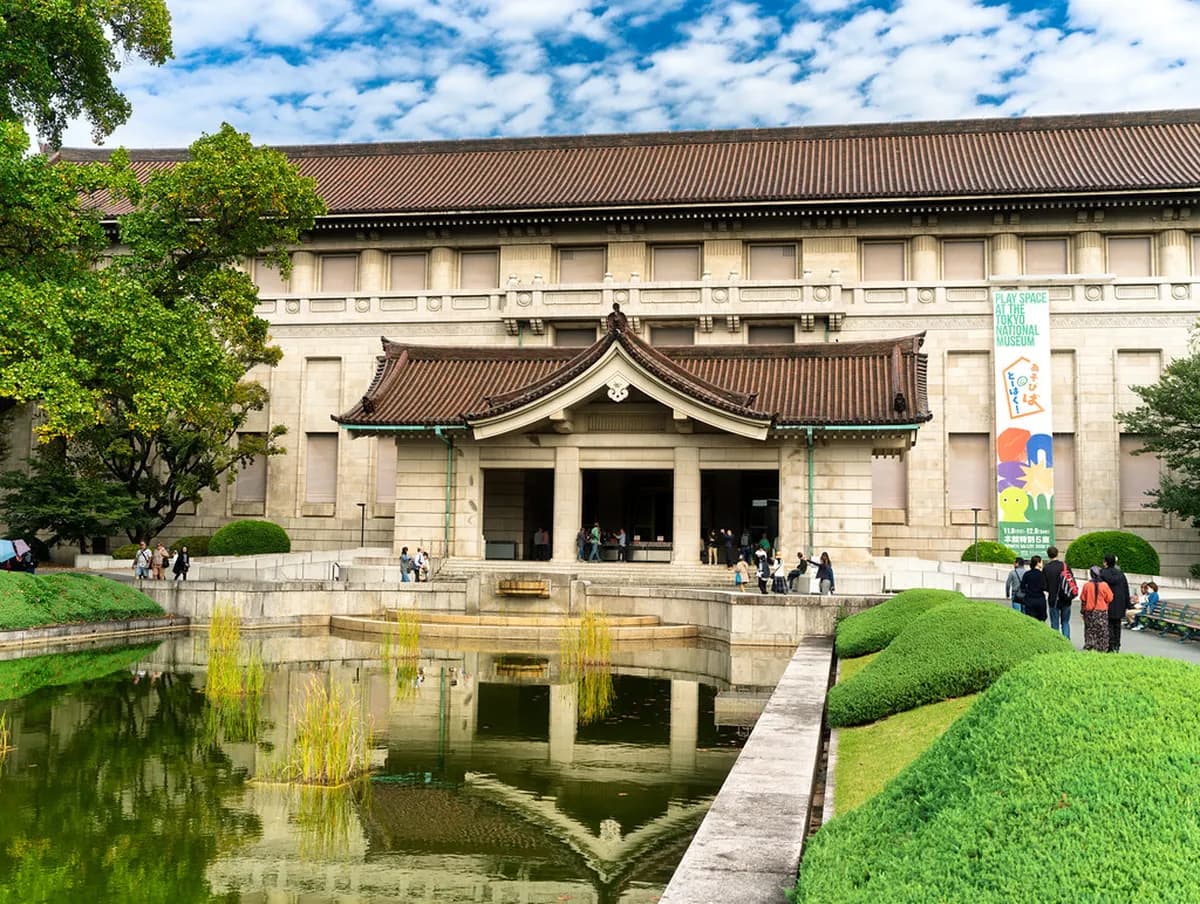
The Ueno Museum Triangle clusters four world-class institutions within a five-minute walk of each other. The Tokyo National Museum is the largest and oldest museum in Japan, with over 110,000 objects spanning samurai armor, ancient Jomon pottery, Buddhist sculpture, and ukiyo-e woodblocks. History buffs should dedicate at least three hours to its Honkan main hall and the Heiseikan archaeology wing. Adult admission is ¥1,000 for the permanent collection in 2026.
The National Museum of Nature and Science is perfect for families and curious minds. You can see massive dinosaur skeletons, a blue whale model, and learn about Japan's unique ecosystem and seismology. It offers interactive exhibits that keep younger visitors engaged for hours, making it a nice break from more traditional historical sites.
The National Museum of Western Art, designed by Le Corbusier and now a UNESCO World Heritage site, anchors the western edge of the triangle with Rodin sculptures in its forecourt and a strong Monet, Renoir, and Picasso collection inside. Art lovers should also visit the Tokyo Metropolitan Art Museum across the path for rotating international exhibitions. While Shinjuku Gyoen offers nature, Ueno offers this unparalleled density of culture. Most museums offer English audio guides, and photography is often restricted in certain galleries.
Temples and Shrines: Exploring Ueno’s Spiritual Side
Ueno Toshogu Shrine is a stunning example of golden architecture from the 17th century. It was built to honor Ieyasu Tokugawa, the first shogun of the Edo period. The intricate wood carvings and gold leaf decorations survived several wars and earthquakes. It remains one of the few original Edo-era structures in the city.
Kanei-ji Temple once occupied most of the park's current land. A major battle during the Meiji Restoration destroyed many of its original buildings. You can still visit the five-story pagoda that stands near the zoo. This site offers a quiet place for reflection away from the museum crowds.
The Benten-do (Bentendo) Temple sits on a small island in the middle of Shinobazu Pond, reached by an octagonal causeway lined with summer lotus. It is dedicated to Benzaiten, the goddess of wealth, music, and the arts, and pairs naturally with a visit to Senso-ji in nearby Asakusa. On the western slope above the pond, the cliff-built Kiyomizu Kannon-do echoes the famous Kiyomizu-dera in Kyoto in miniature, with a 'Moon Pine' viewing platform that frames Shinobazu in a perfect circle. The path linking these halls often hosts small food stalls during festivals.
Nature and Seasonal Highlights: From Cherry Blossoms to Lotus Ponds
Hanami picnic sheets are restricted on the main path during peak bloom. Head to the Shinobazu Pond side for tarp space, and arrive before 08:00 on a weekday for a clear photo of the cherry tunnel.
Spring is the most famous time to visit thanks to roughly 1,000 cherry trees lining the central Sakura-dori promenade, making Ueno one of Tokyo's top three hanami spots. The 2026 Ueno Sakura Matsuri (late March through early April) will draw enormous crowds for flower-viewing parties, especially on weekends when the main path becomes shoulder-to-shoulder by midday. Arriving before 8:00 AM on a weekday is the only reliable way to secure a clear photo of the tunnel, and you can check the Taito City Official site for bloom forecasts. Note that hanami picnic sheets are restricted on the main path during peak bloom — head to the Shinobazu Pond side for tarp space.
Summer transforms Shinobazu Pond into a sea of green and pink lotus flowers. These blossoms open in the early morning and close by midday in July. It is a spectacular sight that many travelers overlook during the hotter months. The park also hosts a lively summer festival with traditional music and dance.
Autumn brings vibrant red and yellow leaves to the many maple and ginkgo trees. This season offers cooler temperatures that are ideal for walking between museums. You should also look for the winter peonies at Toshogu Shrine in January. Every season provides a different reason to return to this beautiful landscape.
Ueno Zoo: Meeting the Famous Pandas

The (Official Ueno Zoo) is Japan's oldest zoological garden. Its most famous residents are the giant pandas, which attract long lines every day. You may need to wait over an hour during weekends to see them. Plan to visit the panda enclosure as soon as the zoo opens.
The zoo is divided into an East Garden and a West Garden. A small monorail used to connect them, but you must now walk between the sections. The West Garden features an impressive vivarium and a children's petting zoo. It provides a fun experience for travelers with children who need a break from museums.
Adult tickets cost ¥600, with ¥300 for seniors (65+), ¥200 for junior high students, and free entry for elementary-age and younger children — making it one of the most affordable family outings in central Tokyo. The zoo is closed every Monday (or the following Tuesday when Monday is a public holiday) and during the year-end holiday from December 29 to January 1, so confirm your day before turning up. Buy tickets at the entrance gate or tap in with a Suica/PASMO card for faster entry. The zoo grounds also include historical structures like a five-story pagoda and a tea house, and several enclosures are undergoing renovation through 2026.
Ameya Yokocho: Street Food and Shopping Nearby
Ameya Yokocho is a bustling market street located right next to the station. It originated as a black market after World War II, selling candy and army goods. Today, you can find everything from fresh fish to discounted sneakers and cosmetics. It is a great place to pick up unique souvenirs at low prices.
The market is a paradise for street food lovers in Tokyo. You must try the fresh melon on a stick or the savory takoyaki balls. After shopping, you can walk to Akihabara in about fifteen minutes. This allows you to combine traditional market vibes with modern electronics and anime culture.
Locals often end their night here with the 'shime' ritual of bar-hopping. This involves visiting small izakayas for a final drink and a bowl of ramen. You can find many of these lively spots tucked under the railway tracks. It offers a truly authentic glimpse into the nightlife of the Shitamachi district.
Is Ueno a Good Base? Staying in the Area
Choosing Ueno as your base offers several practical advantages for your Tokyo trip. The direct train link to Narita Airport saves time and reduces travel stress. It is also much quieter at night than busy areas like the Shibuya Crossing. You can find many mid-range hotels that offer great value for money.
The area is perfectly located for exploring the northern and eastern parts of the city. You can easily reach Asakusa, Akihabara, and the historic Yanaka district on foot. This saves you money on subway fares and allows for more spontaneous exploration. Many local restaurants here are cheaper than those in more tourist-heavy districts.
Travelers who prefer a modern, high-energy vibe might find Ueno a bit too traditional. However, its central location and transit links are hard to beat for efficiency. It serves as an excellent gateway for must-see Tokyo day trips to places like Nikko. Consider staying here if you value convenience and a touch of old-world charm.
Frequently Asked Questions
How do I get to Ueno Park?
You can reach Ueno Park by taking the JR Yamanote Line to Ueno Station. Use the Park Exit on the upper level for direct access. Metro users should take the Ginza or Hibiya lines. For more details on the city's layout, see our Tokyo guide.
What are Ueno Park’s hours?
The public park grounds are open daily from 5:00 AM to 11:00 PM. Individual museums and the Ueno Zoo typically open at 9:30 AM and close at 5:00 PM. Most of these facilities are closed on Mondays. Always check the official attraction websites before your visit.
Are there admission fees to visit Ueno Park?
Entering the main park area is free for everyone. However, you must pay separate fees for the zoo and major museums. These usually cost between 600 and 1,500 Yen per person. Many of the shrines and temples on the grounds are free to view from the outside.
How long should I spend in Ueno Park?
You should plan to spend at least half a day in the park. If you want to visit multiple museums and the zoo, a full day is better. This allows time for a leisurely lunch at the nearby Ameya Yokocho market. The park is quite large, so wear comfortable walking shoes.
Which museum in Ueno is best for first-timers?
The Tokyo National Museum is the best choice for first-time visitors to Japan. it provides a comprehensive overview of the country's history and traditional arts. If you prefer natural history, the Museum of Nature and Science is a great alternative. Both are located within the central Museum Triangle area.
Ueno Park remains a cornerstone of any successful Tokyo itinerary. It offers a rare combination of nature, history, and world-class culture in one location. Whether you are viewing pandas or ancient samurai swords, the park never fails to impress. We hope this guide helps you navigate its many treasures with ease.
Remember to plan your visit around the seasonal highlights for the best experience. The blend of old Shitamachi charm and modern museum excellence is truly unique. Enjoy your time exploring this vibrant heart of the city. Your journey through Japan's history starts right here in Ueno.