Tokyo Tower stands as a vibrant symbol of Japan's post-war rebirth and technological progress. This iconic red-lattice structure rises exactly 332.9 meters into the skyline of the busy Minato City district. Visitors flock here in 2026 to enjoy panoramic views that stretch toward Mount Fuji on clear winter mornings. Our tokyo tower visitor guide provides everything you need for a perfect trip to this landmark.
Planning your visit requires understanding the two observation decks — the Main Deck at 150 meters and the Top Deck at 250 meters — plus the history behind the International Orange steel. The tower opens daily 09:00–23:00 and still serves as both a tourist site and an active broadcast antenna. Most travelers find the mix of retro Showa-era charm and modern exhibits fascinating, and it remains one of the most recognizable features in the entire Japanese capital today.
While the newer Tokyo Skytree is taller (634m) and sees farther east, this classic central tower holds a special place in local hearts. Many travelers prefer its central Minato location, cheaper tickets, and the iconic red-and-white lattice silhouette that Skytree's white spire cannot match. It serves as a perfect starting point for exploring Shiba Park, Roppongi, and the wider Minato area. Keep reading to discover the hidden secrets and practical logistics of this legendary site.
About Tokyo Tower: A Symbol of Post-War Japan
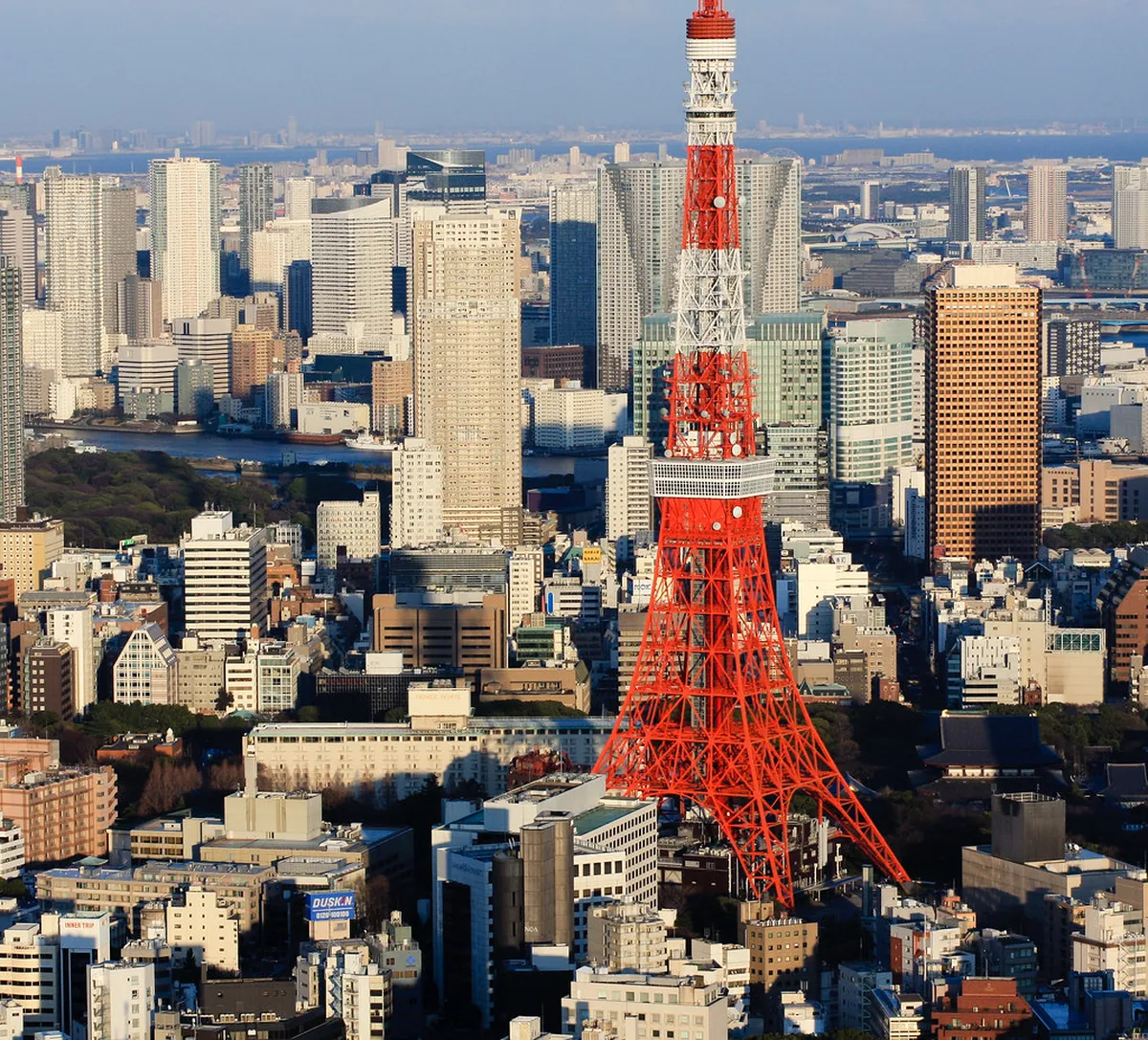
Completed in December 1958, this structure represented the rapid economic recovery of Japan after the war. Engineers used high-quality steel, including recycled scrap metal from American tanks used in the Korean War. This resourceful construction method allowed the tower to reach its impressive height with less weight. It quickly became a beacon of hope and modernity for the citizens of a growing city.
The tower was originally designed to unify broadcasting signals across the entire Kanto region. Before its completion, various individual towers scattered throughout the city caused significant signal interference. This single massive antenna solved those technical issues while creating a new architectural icon. According to the Wikipedia: Tokyo Tower entry, it held the title of tallest structure in Japan for decades.
The striking orange and white color scheme is not just for aesthetic appeal or branding. International aviation laws require these specific colors to ensure safety for low-flying aircraft. Maintenance crews must repaint the entire structure every seven years to keep it looking fresh. This massive undertaking takes about twelve months to complete from top to bottom.
Tokyo Tower vs. Eiffel Tower: Design and History
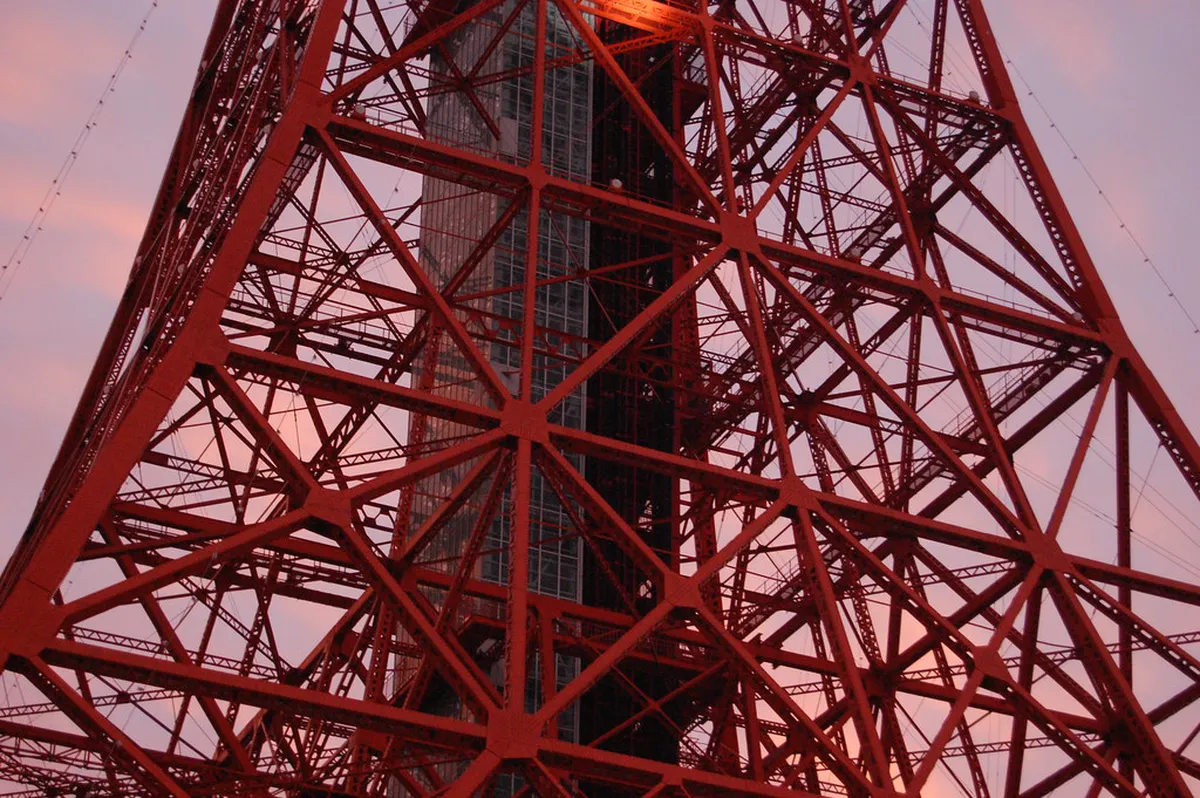
Many visitors immediately notice the visual similarities between this tower and the famous Eiffel Tower. Architect Tachu Naito openly drew inspiration from the 1889 French landmark when designing Tokyo Tower in 1958, but aimed for superior durability. He utilized advanced lattice engineering to ensure the tower could withstand powerful earthquakes and typhoons. This focus on safety makes it a masterpiece of mid-century Japanese structural design.
Despite being 9 meters taller than its Parisian counterpart, the Tokyo version is much lighter. Advanced steel manufacturing techniques allowed for a total weight of only 4,000 metric tons. The Eiffel Tower weighs nearly double that amount at approximately 7,300 metric tons. This efficiency highlights the progress of metallurgy during the late 1950s in East Asia.
The two towers serve very different primary functions within their respective cityscapes. While the Eiffel Tower was built as a temporary world's fair exhibit, Tokyo's tower was functional. It provided essential radio and television signals for millions of households across the metropolitan area. Today, both stand as essential cultural touchstones that define their national identities.
Getting There: Location and Transportation Options
Reaching the tower is straightforward thanks to the extensive network of the Tokyo subway system. Several different stations sit within a short walking distance of the main entrance gate. You can enjoy a scenic walk through the historic Shiba Park as you approach the base. This area offers great ground-level photo opportunities before you head up to the decks.
The Toei Oedo Line is often the most convenient choice for travelers coming from Shinjuku. Exiting at Akabanebashi Station puts you just a 5-minute walk away from the ticket counters. If you are coming from the Imperial Palace area, the Mita Line is a better option — Onarimon Station is a 6-minute walk with clear signage leading to the landmark. Kamiyacho Station on the Hibiya Line sits 7 minutes away, and Daimon Station (Asakusa/Oedo lines) is roughly a 10-minute walk if you arrive from Hamamatsucho.
Local buses also stop frequently near the tower for those who prefer surface-level travel. Taxis are readily available throughout Minato City and can drop you right at the FootTown front door. Walking from nearby Roppongi takes about 15 to 20 minutes and is very pleasant. Check the Official Tokyo Tower Website for the most current transit updates and maps.
- Toei Oedo Line — closest
- Station: Akabanebashi Station
- Walk: 5 minutes
- Exit: Akabanebashi-guchi (Tower) Exit
- Best from: Shinjuku, Roppongi, Tsukijishijo
- Tokyo Metro Hibiya Line
- Station: Kamiyacho Station
- Walk: 7 minutes
- Exit: Exit 1
- Best from: Ginza, Ebisu, Naka-Meguro
- Toei Mita Line
- Station: Onarimon Station
- Walk: 6 minutes
- Exit: Exit A1
- Best from: Otemachi, Sugamo, Jinbocho
- Toei Asakusa / Oedo Lines
- Station: Daimon Station
- Walk: 10 minutes
- Exit: A6
- Best from: Asakusa, Hamamatsucho (Haneda monorail link)
Tickets and Pricing: Main Deck vs. Top Deck Packages
Visitors can choose between two primary observation levels depending on their budget and interest. The Main Deck sits at 150 meters and offers plenty of space for viewing the city. For a more exclusive experience, the Top Deck Tour climbs to 250 meters via a separate, dedicated elevator that transfers passengers at the 150m level. Each level provides a distinct perspective on the sprawling urban landscape below.
Main Deck tickets are the more affordable option and can usually be purchased on the day of your visit. As of 2026, adults pay ¥1,500 for access to this spacious 150m observation level. This deck features the famous Skywalk Window glass floor where you can look straight down at the street 145 meters below. It is a great choice for families or travelers who want a quick panoramic view without a reservation.
The Top Deck Tour (¥3,500) requires advance booking — walk-ups are frequently turned away on weekends. Reserve via the Top Deck Tour Booking site at least a day ahead. The Main Deck (¥1,500) is walk-up friendly and usually available on the day.
The Top Deck Tour costs ¥3,500 for adults and requires advance booking — walk-ups are frequently turned away on weekends. The ticket bundles Main Deck entry, the separate elevator transfer up to 250m, a multilingual audio guide, a welcome drink, and a souvenir photo. Reserve via the Top Deck Tour Booking site at least a day ahead. The mirrors and geometric LED designs on the 250m deck create a futuristic atmosphere unlike anywhere else in Tokyo.
- Main Deck — walk-up friendly
- Height: 150 meters
- Cost: ¥1,500 adults (2026)
- Entry: No reservation needed
- Best for: General sightseeing, families
- Top Deck Tour — advance booking required
- Height: 250 meters (elevator transfer at 150m)
- Cost: ¥3,500 adults (2026)
- Entry: Timed reservation, book ahead
- Bonus: Audio guide, drink, souvenir photo
The View from Above: What to See from the Observation Decks
The views from the tower change significantly depending on the time of day and weather. Mount Fuji is most reliably visible on clear, cold winter mornings between December and February, when low humidity strips haze from the western horizon — aim for 09:00–10:30 arrivals on a sunny weekday for the best odds. You can also spot the massive skyscrapers of Shinjuku, Rainbow Bridge over Tokyo Bay, and the greenery of the Ueno Park area. Sunset is the single best time to visit: arrive 60–90 minutes before sundown and a single ticket lets you watch the city transition from golden hour into a sea of neon that makes Tokyo look like a futuristic movie set.
Inside the Main Deck, you will find the highest Shinto shrine in Tokyo's 23 wards. People often visit this small shrine to pray for success in exams or romantic relationships. It adds a unique spiritual element to the high-tech observation experience for many tourists. Small charms and amulets are available for purchase nearby as meaningful souvenirs.
Look out for the display regarding the famous 'Mystery Ball' found during repairs in 2012. Workers discovered an old baseball lodged inside the tower's antenna over 300 meters high. No one knows how the ball got there, leading to many local urban legends and theories. It remains one of the most charming and strange facts about the tower's long history.
Exploring Foot Town: Dining, Shopping, and Exhibits
Foot Town is the four-story building located directly at the base of the tower structure. It contains a wide variety of shops, restaurants, and indoor entertainment for all ages. You can spend an hour or two here before or after your trip to the decks. The ground floor often hosts seasonal events or small cultural exhibitions for the public.
Foodies will enjoy the diverse dining options ranging from quick snacks to full meals. There is a large food court featuring Japanese favorites like ramen, curry, and matcha sweets. Prices are generally reasonable compared to other major tourist hubs in the city center. It is a convenient place to refuel after a long day of walking through nearby Shiba Park.
Please note that the popular One Piece Tower theme park is now permanently closed. Travelers should ignore older guides that still list this attraction as an active destination. The space has been replaced by Red Tokyo Tower, which is a massive esports and gaming park. This new facility offers VR experiences and high-tech competitions for modern gaming enthusiasts.
Cultural Significance: Tokyo Tower in Japanese Media
Tokyo Tower has appeared in countless movies, television shows, and literary works over the years. It is famously destroyed by giant monsters in classic kaiju films like Godzilla and Mothra. These cinematic appearances helped cement the tower as the ultimate symbol of the Japanese capital. Seeing the tower on screen often evokes a sense of nostalgia for the Showa Era.
Anime fans will recognize the structure from series like Sailor Moon and Magic Knight Rayearth. It often serves as a backdrop for dramatic battles or romantic confessions between main characters. The tower's distinct silhouette makes it an easy visual shorthand for 'Tokyo' in any medium. Many visitors feel a sense of familiarity when they see it in person for the first time.
The tower also symbolizes the enduring spirit of the city through its various lighting displays. Special illuminations celebrate holidays, sporting events, and various social awareness campaigns. It remains a beacon that guides both residents and tourists through the night. Even with newer landmarks like Odaiba rising, the tower stays culturally relevant.
Practical Tips: Best Time to Visit and What to Avoid
Timing your visit is crucial to avoid the largest crowds and get the best photos. Weekdays during the morning hours are typically the quietest times to explore the decks. If you want to see the sunset, arrive at least one hour before the sun goes down. This allows you to see the city transition from daylight into a glittering nightscape.
For exterior shots, four spots consistently outperform the base itself: the Zojo-ji Temple courtyard in Shiba Park (frames the orange lattice behind the temple roof), Roppongi Hills' Mori Tower observation terrace (skyline-with-tower from the west), the Prince Shiba Park Hotel garden (low-angle, foreground bamboo), and the pedestrian bridge at Akabanebashi Crossing for the textbook street-level shot. Many travelers also visit the nearby Senso-ji temple on the same day for a full cultural experience. Check the weather forecast for pollution or fog that might block the view.
On weekends and national holidays (and daily in summer), the tower opens its outdoor open-air staircase to the public. You can climb all 600 steps from FootTown to the Main Deck at 150m for a unique physical challenge — climbers receive a "Noppon Stair Climb" certificate at the top. Accessibility is solid: elevators reach both decks and free wheelchair rental is available at the FootTown entrance — staff are accustomed to assisting international visitors and English signage is comprehensive throughout the complex.
Frequently Asked Questions
Why is Tokyo Tower orange and white?
The tower is painted International Orange and white to comply with international aviation safety regulations. These bright colors make the structure highly visible to pilots flying over the city. Maintenance crews must repaint the entire tower every seven years to maintain this essential safety feature.
Is it better to visit Tokyo Tower or Tokyo Skytree?
Tokyo Tower offers a more central location and a classic, nostalgic atmosphere near Shiba Park. While Tokyo Skytree is much taller, the original tower provides closer views of landmarks like the Roppongi Hills and the Imperial Palace. Both offer unique experiences for different types of travelers.
How much are tickets for the Tokyo Tower Top Deck?
Tickets for the Top Deck Tour generally cost around 3,000 yen for adults when booked in advance. This price includes access to both the Main Deck and the higher Top Deck. You also receive a multilingual audio guide and a complimentary drink during the guided tour experience.
Can you walk up the stairs at Tokyo Tower?
Yes, the tower often opens its 600-step outdoor staircase on weekends and national holidays. This climb takes you from the roof of Foot Town up to the Main Deck at 150 meters. It is a popular activity for those looking for a unique perspective and a bit of exercise.
What is the closest station to Tokyo Tower?
Akabanebashi Station on the Toei Oedo Line is the closest subway stop to the tower. It is approximately a five-minute walk from the station exit to the tower's main entrance. Other nearby options include Kamiyacho Station and Onarimon Station, which are both less than ten minutes away on foot.
Tokyo Tower remains an essential stop for anyone exploring the wonders of the Japanese capital. It offers a perfect blend of historical significance, architectural beauty, and breathtaking urban views. Whether you climb the stairs or take the elevator, the experience is truly memorable. Use this tokyo tower visitor guide to ensure you make the most of your time at this icon.
From the hidden Shinto shrine to the high-tech gaming in Foot Town, there is something for everyone. Remember to check the weather and book your Top Deck tickets early for the best experience. The tower continues to shine as a beacon of hope and a testament to Japan's enduring spirit. We hope your visit to this legendary landmark is one of the highlights of your journey.
For more Tokyo planning, explore our 5-day Tokyo itinerary and Tokyo landmarks guides to complete your travel itinerary.