
The Great Buddha of Kamakura (Kotoku-in)
Kamakura's iconic 13.35m bronze Great Buddha at Kotoku-in temple, cast in 1252 and designated a National Treasure of Japan, with an ¥300 adult entry.
Visitor guide →
Plan your 2026 visit with the 10 best Kamakura attractions — verified ¥ tickets, hours, Tokyo day-trip route and a free vs paid temple breakdown.
Kamakura was Japan's de-facto capital from 1185 to 1333, when the Minamoto shogunate ran the country from this small coastal town an hour south of modern Tokyo. That 148-year run left behind one of the densest concentrations of historic religious sites in the country: more than 65 Buddhist temples and 19 Shinto shrines packed into a 39 km² basin, with the Pacific on one side and forested hills on the other three.
The mix is what makes Kamakura unusual among Japan's heritage destinations. In a single day you can stand at the foot of a 13-metre 13th-century bronze Buddha, walk a 360-metre shopping street lined with 250 shops and street-food stalls, and finish on a 3.2 km surf beach with a clear-day view of Mount Fuji. The whole town is reachable in 60 minutes from Tokyo Station on the JR Yokosuka line, which is why it routinely tops "best day trip from Tokyo" lists and absorbs around 20 million visitors a year.
The 10 Kamakura attractions below are the sights that consistently reward the ticket price and the walking distance. Each card links to a full visitor guide — verified 2026 opening hours, current admission prices in yen, the best entry point from the nearest train station, and the practical tips (queue timing, photo angles, nearby pairings) that don't make it into the official temple FAQ. Bookmark this page as the starting point for your Kamakura trip and use the area + itinerary sections below the cards to bundle them into a realistic schedule.
Planning a wider trip? See our Japan travel guide, the things to do in Kamakura guide, and getting around Japan.
Kamakura's iconic 13.35m bronze Great Buddha at Kotoku-in temple, cast in 1252 and designated a National Treasure of Japan, with an ¥300 adult entry.
Visitor guide →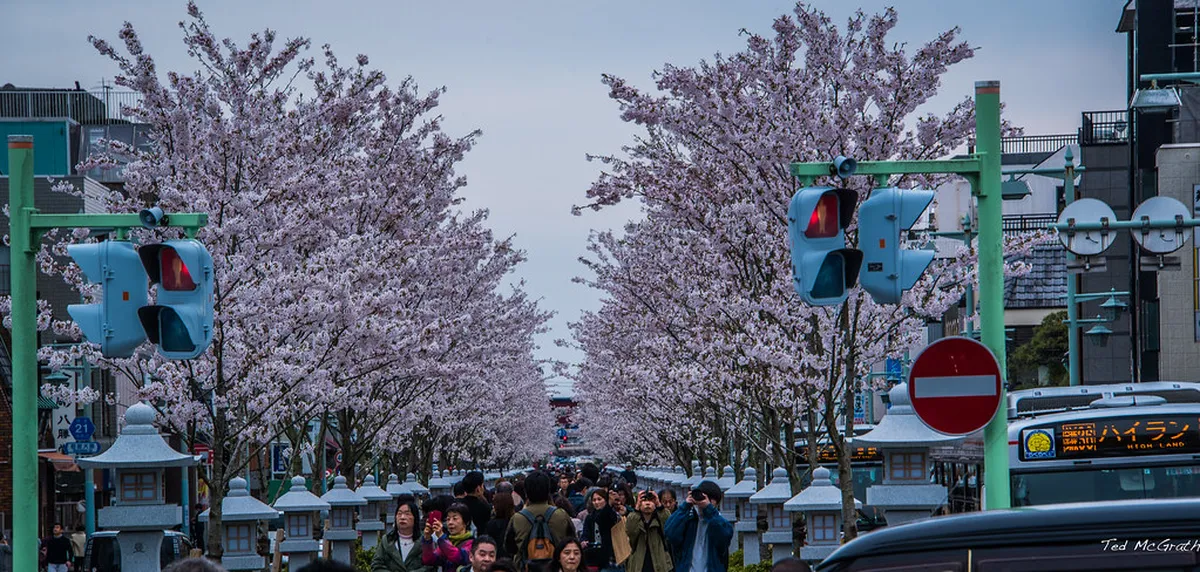
Kamakura's most important Shinto shrine, founded in 1063 and the spiritual heart of the Minamoto clan, with free entry and grounds open from early morning.
Visitor guide →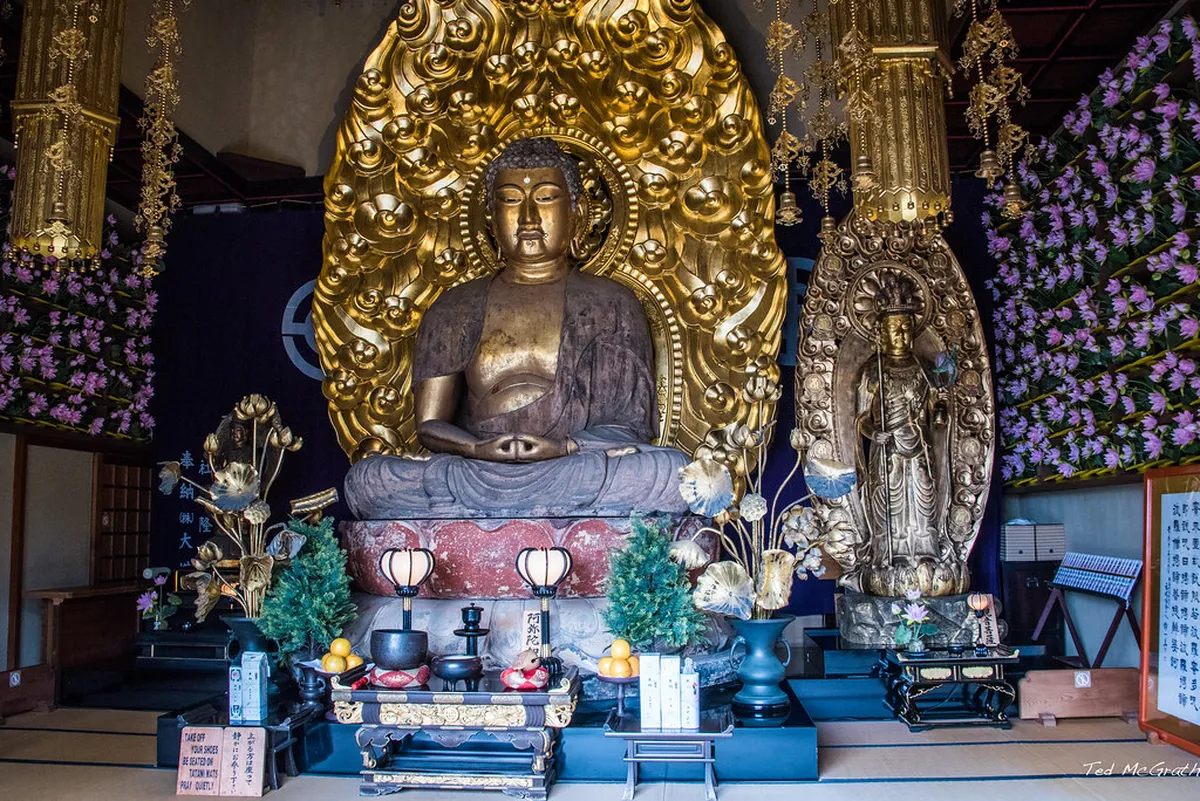
Kamakura's hillside temple home to a 9.18m wooden eleven-headed Kannon, with hydrangea gardens and Sagami Bay views; ¥400 adult admission.
Visitor guide →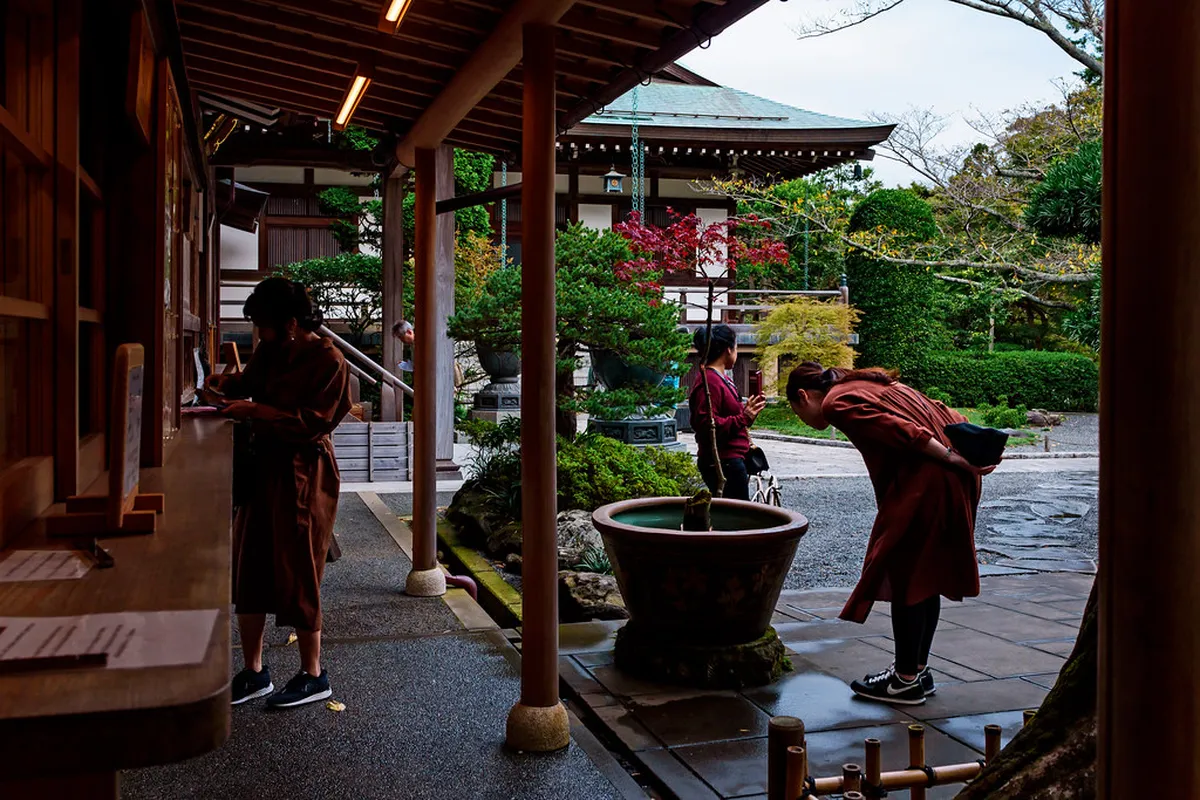
Kamakura's Bamboo Temple, a Rinzai Zen temple founded in 1334 with a 2,000-stalk moso bamboo grove and matcha tea house; ¥400 entry.
Visitor guide →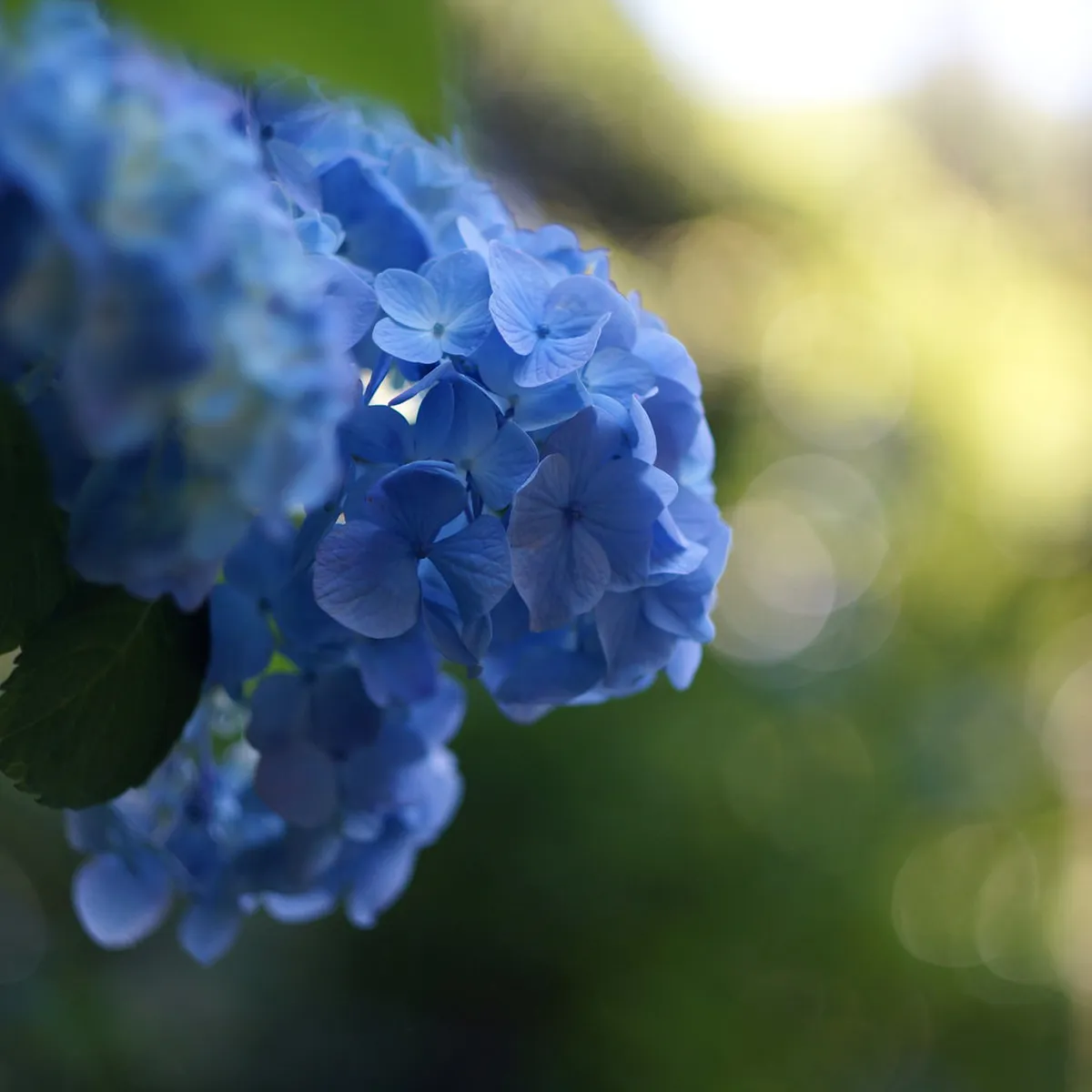
Kita-Kamakura's Hydrangea Temple, famed for 2,500 blue hime-ajisai blooming each June; normally ¥500 admission (¥600 in hydrangea season).
Visitor guide →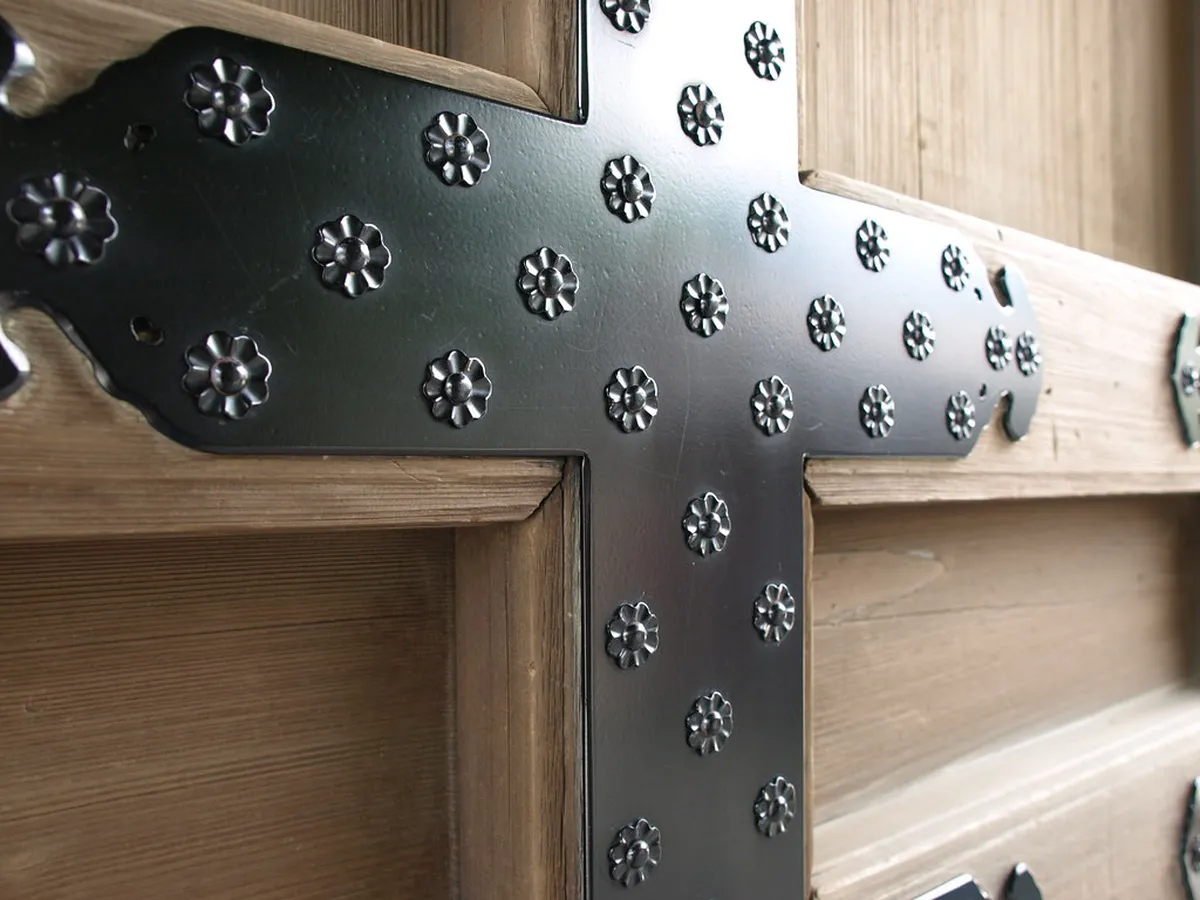
Japan's oldest Zen training monastery and the top-ranked Kamakura Gozan temple, founded in 1253; ¥500 adult admission, open daily 08:30-16:30.
Visitor guide →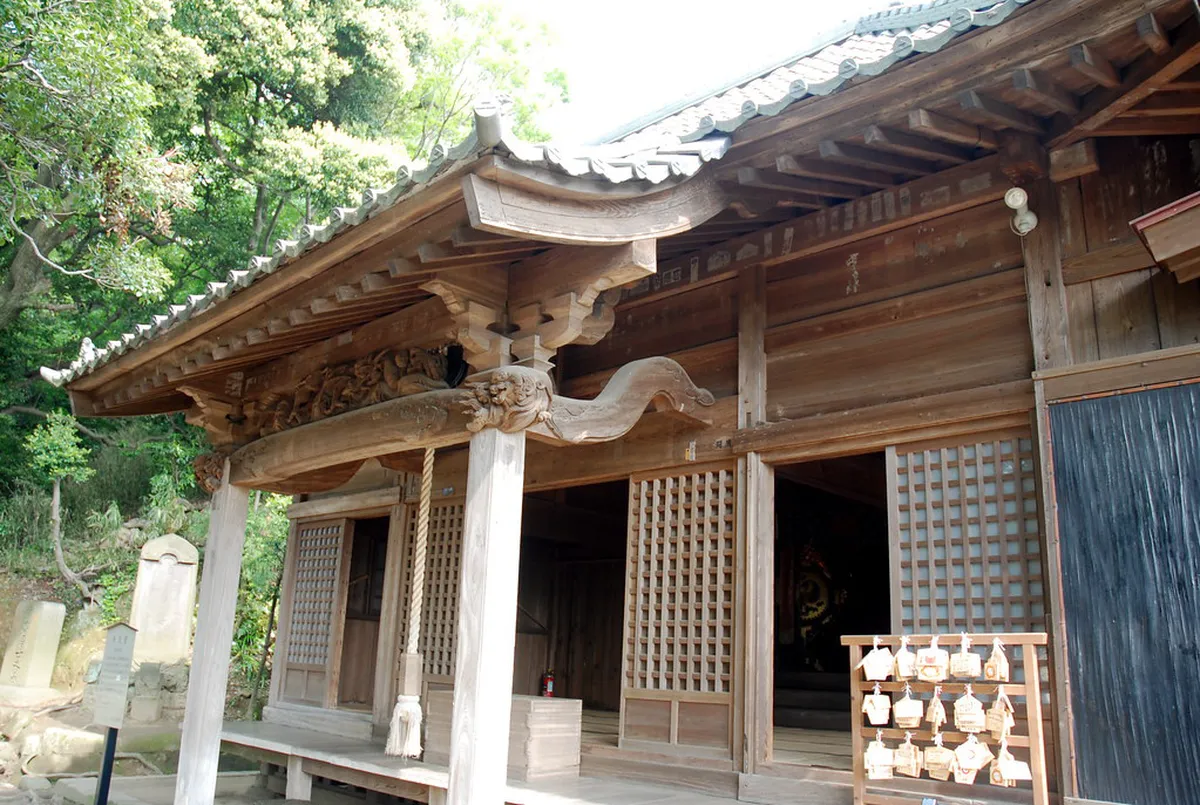
Ranked second among Kamakura's Five Mountains, this Rinzai Zen complex founded in 1282 houses the Shariden National Treasure; ¥500 adult admission.
Visitor guide →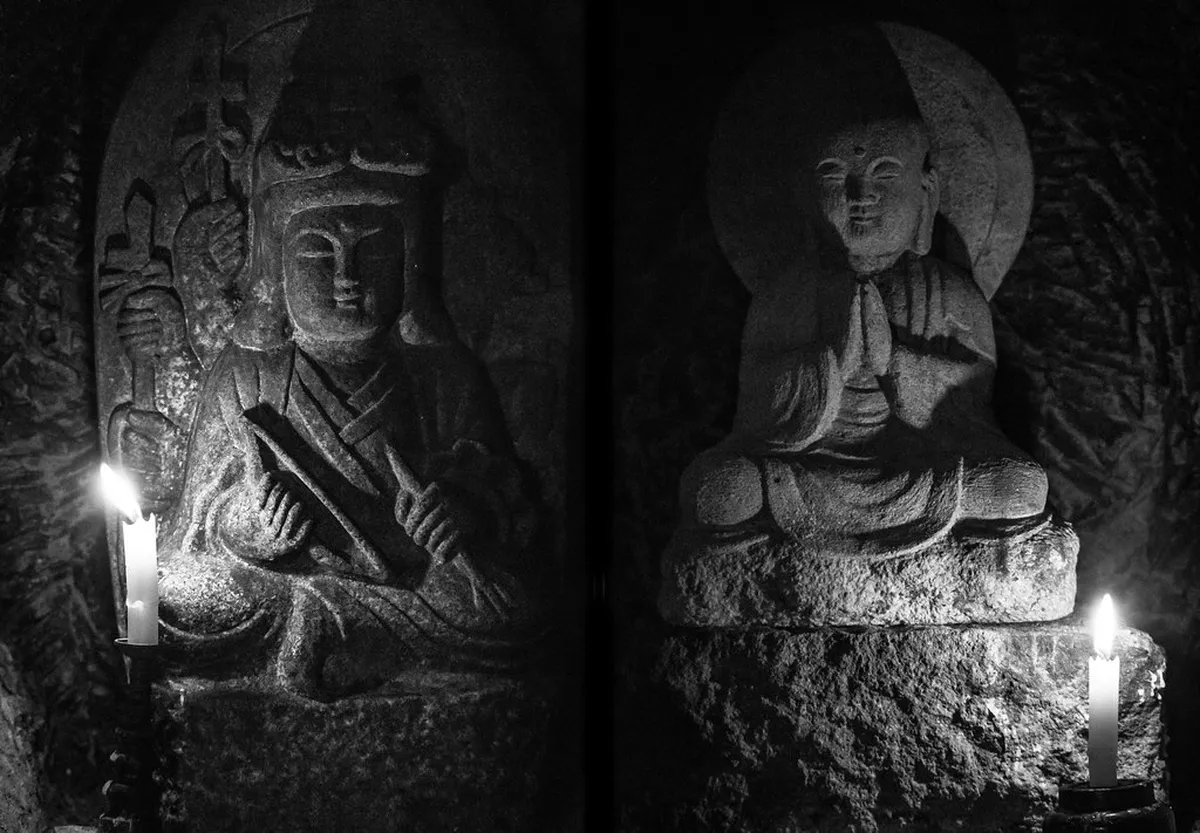
Kamakura's cave-spring shrine where visitors wash money for prosperity, reached through a rock tunnel; free entry with a ¥200 ritual kit.
Visitor guide →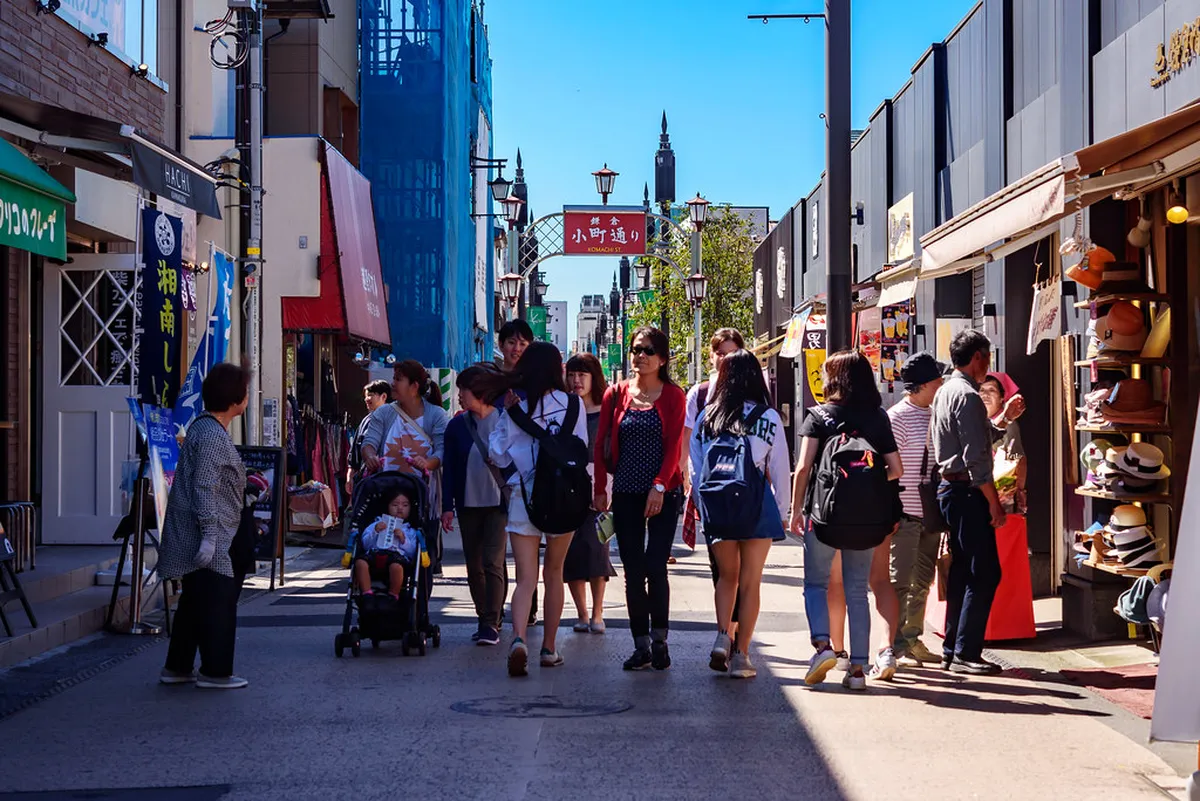
Kamakura's main 360m pedestrian shopping street running from JR Kamakura Station to Tsurugaoka Hachimangu, packed with around 250 shops and street-food stalls.
Visitor guide →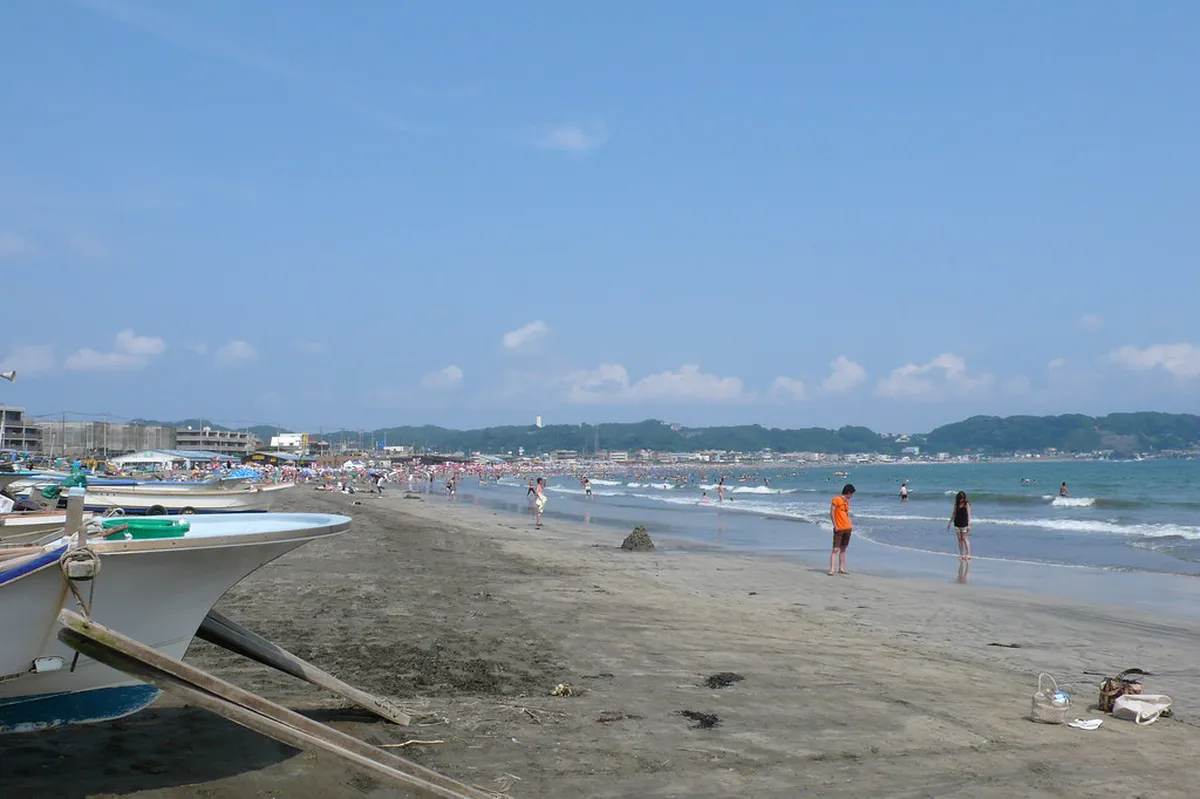
Kamakura's 3.2km city beach, popular for summer swimming and year-round surfing, with views of Enoshima and Mount Fuji on clear days; free entry.
Visitor guide →Kamakura's sights cluster into four walkable districts, each anchored by a station on the JR Yokosuka or Enoden line. Grouping your day by area — rather than zig-zagging across town — is the single biggest time-saver on a Kamakura day trip.
The seaside neighbourhood that holds Kamakura's two heaviest hitters. The Great Buddha at Kotoku-in is a 5-minute walk inland from Hase Station; Hase-dera, with its hillside Kannon hall and Sagami Bay viewpoint, is 5 minutes in the opposite direction. Yuigahama Beach is one stop back toward Kamakura on the Enoden, or a 15-minute walk south. Most one-day visitors knock all three out in a half-day block.
The town's commercial heart. Komachi Dori runs 360 m north from the station's east exit straight to Tsurugaoka Hachimangu, Kamakura's most important Shinto shrine and the spiritual centre of the Minamoto clan. Zeniarai Benten, the cave-spring money-washing shrine, sits 20 minutes uphill to the west through a residential lane and a rock tunnel. This is where to base lunch, souvenirs and a free-entry afternoon.
The Zen-temple quarter. Engaku-ji is 1 minute from Kita-Kamakura Station's exit; Kencho-ji, Japan's oldest Zen training monastery, is 15 minutes south on foot; Meigetsu-in, the Hydrangea Temple, sits between them on a quiet side lane. The walk from Kita-Kamakura back to Kamakura Station threads through these three temples and a forested hill trail — the most rewarding 90 minutes in town if you're here for temples rather than the beach.
Hokoku-ji, the Bamboo Temple, is 10 minutes east of Kamakura Station by bus (Keihin Kyuko line, Jomyo-ji stop). A 2,000-stalk moso bamboo grove and an attached matcha tea house make it the quietest of the must-visit Kamakura attractions — usually 30 minutes is enough.
If you'd rather plan by interest than by area, here's how the 10 attractions break down:
First-time visitors who only have one day in Kamakura should pick at least one from each category — the temple-only loop is the most common rookie mistake and skips the city's coastal and culinary character.
Four of the 10 attractions on this page are completely free. The other six charge ¥300–¥600 per adult, which is one of the lowest temple-admission bands in Japan (Kyoto's headline temples charge ¥600–¥1,000).
The Enoden 1-day pass (¥800, sold at Kamakura and Fujisawa stations) pays for itself with three or more Enoden hops in a day — almost guaranteed if you cover Hase, Yuigahama, and central Kamakura. JR Pass holders ride the JR Yokosuka line from Tokyo free, but the Enoden is a separate private railway requiring its own fare.
| Attraction | Adult admission | Notes |
|---|---|---|
| Tsurugaoka Hachimangu | Free | Grounds & Honden; Treasure Hall ¥200 |
| Komachi Dori | Free | Street open 24 hrs; shops ~¥0 to browse |
| Zeniarai Benten | Free | ¥200 ritual kit (candle, incense, basket) |
| Yuigahama Beach | Free | Beach hut showers from ¥200 in summer |
| Great Buddha (Kotoku-in) | ¥300 | +¥50 to enter the hollow statue interior |
| Hase-dera | ¥400 | Hillside garden & Kannon hall included |
| Hokoku-ji (Bamboo Temple) | ¥400 | Matcha & sweet set extra ¥600 |
| Kencho-ji | ¥500 | Includes Hansobo Shrine hike |
| Engaku-ji | ¥500 | Shariden National Treasure included |
| Meigetsu-in | ¥500 / ¥600* | *¥600 in June hydrangea season; inner iris garden extra ¥500 |
A full 10-attraction sweep costs around ¥2,500 in admissions per adult. The Enoden 1-day pass (¥800, sold at Kamakura and Fujisawa stations) pays for itself if you make three or more Enoden hops in a day — almost guaranteed if you cover Hase + Yuigahama + central Kamakura. JR Pass holders get free travel on the JR Yokosuka line from Tokyo to Kamakura and to Kita-Kamakura, but the JR Pass does not cover the Enoden line.
Golden Week (29 April–5 May) and Obon (mid-August) double normal queue times at all major Kamakura attractions. New Year's Day at Tsurugaoka Hachimangu draws around 2.5 million visitors over three days — plan well ahead or choose a different date.
How to sequence the 10 attractions depends on whether you have half a day, a full day, or an overnight.
Catch the 8:30 JR Yokosuka line from Tokyo Station and ride one stop past Kamakura to Kita-Kamakura. Cover Engaku-ji, Meigetsu-in and Kencho-ji on the 45-minute walk back to Kamakura Station. Lunch on Komachi Dori, then stroll up to Tsurugaoka Hachimangu. Take the Enoden two stops to Hase, see Hase-dera and finish at the Great Buddha for late-afternoon photos. End on Yuigahama Beach at sunset, then ride the JR back to Tokyo. Total: 8 attractions, around 9 hours door-to-door.
Day 1 covers Kita-Kamakura's three temples + Tsurugaoka + Komachi. Stay overnight at a Kamakura ryokan or guesthouse. Day 2 covers Zeniarai Benten in the morning, lunch on Komachi, then the Hase trio (Hase-dera, Great Buddha, Yuigahama) in the afternoon, with a side trip to Hokoku-ji's bamboo grove and matcha house between the two clusters.
If you're here for the Minamoto shogunate story specifically, prioritise Tsurugaoka Hachimangu (the clan's tutelary shrine), Kencho-ji and Engaku-ji (Kamakura Gozan rank 1 and 2 Zen monasteries that trained shogunate retainers), and Hokoku-ji (founded by the Ashikaga in 1334 as the family's funeral temple). A half-day at the Kamakura Museum of National Treasures inside the Tsurugaoka complex fills in the period detail.
From Tokyo: JR Yokosuka line direct from Tokyo Station to Kamakura Station — 56 minutes, ¥940 one-way, covered by the JR Pass. From Shinjuku, the JR Shonan-Shinjuku line runs to Kamakura in around 55 minutes for ¥940. There's no shinkansen to Kamakura; the local JR line is the fastest option.
Inside Kamakura: the Enoden (Enoshima Electric Railway) is the workhorse — a single-track tram line that links Kamakura Station with Hase, Yuigahama and Enoshima along the coast. Trains run every 12 minutes; rides are ¥200–¥260. The 1-day pass (¥800) is the easiest way to cover the line.
Walking: the central JR Kamakura ↔ Tsurugaoka Hachimangu ↔ Komachi axis is fully walkable (10–15 minutes end to end). Kita-Kamakura to Kamakura Station via the three Zen temples is around 2 km of flat-to-gentle uphill.
Payment: Suica or Pasmo IC cards work on every train and bus around Kamakura, including the Enoden. Most temple ticket windows are still cash-only — bring ¥3,000–¥5,000 in cash for an all-day temple loop.
Kamakura's signature seasons are tied to specific attractions. Plan your visit around the bloom or foliage window if you want to see the town at its best:
When to avoid: Golden Week (29 April–5 May) and Obon (mid-August) bring domestic-tourist surges that double normal queue times. New Year's Day at Tsurugaoka Hachimangu hosts the country's third-largest hatsumode crowd (around 2.5 million visitors over three days) — atmospheric but very slow-moving.
Kamakura is one of the most affordable heritage cities in Japan, but the small admissions still add up across 10 sights. Four ways to trim the budget:
One full day is enough to cover the four headline attractions (Great Buddha, Hase-dera, Tsurugaoka Hachimangu, Komachi Dori) plus one beach or shrine. Two days lets you add the Kita-Kamakura Zen-temple trio and Hokoku-ji's bamboo grove without sprinting. Most international visitors come for a day trip from Tokyo; temple-focused travellers should consider an overnight.
The Great Buddha of Kamakura at Kotoku-in is the city's most photographed sight and a designated National Treasure of Japan. The 13.35 m bronze statue was cast in 1252 and has sat outdoors since 1498, when a tsunami destroyed the wooden hall around it. Entry is ¥300, with an optional ¥50 to step inside the hollow statue.
Yes — Kamakura is the highest-rated day trip from Tokyo on most major travel guides for good reason. A single 56-minute JR ride from Tokyo Station puts you in a former samurai capital with 65+ temples, a 360-metre shopping street, and a 3.2 km surf beach. No other day-trip destination from Tokyo packs that combination into such a small footprint.
Four of the 10 main attractions are free: Tsurugaoka Hachimangu, Komachi Dori, Zeniarai Benten and Yuigahama Beach. The six paid temples charge ¥300–¥600 per adult, with the Great Buddha at Kotoku-in the cheapest (¥300) and June-season Meigetsu-in the priciest (¥600).
Late November for autumn foliage at the Kita-Kamakura Zen temples, or June for hydrangeas at Meigetsu-in and Hase-dera. Both windows are visually peak. For mild weather without the bloom crowds, choose mid-April after cherry-blossom season or mid-October before the autumn peak.
You can cover 7–8 of the 10 attractions on this page in a single day if you arrive on the 8:30 train from Tokyo and leave after sunset. The most efficient route is Kita-Kamakura first (three Zen temples), then walk to Kamakura Station for lunch on Komachi Dori, then Enoden out to Hase for the Great Buddha, Hase-dera and Yuigahama Beach.
The fastest route is the JR Yokosuka line direct from Tokyo Station to Kamakura Station — 56 minutes for ¥940 one-way, covered by the JR Pass and Suica/Pasmo IC cards. From Shinjuku, the JR Shonan-Shinjuku line takes about 55 minutes. No shinkansen runs to Kamakura.
No. Adult admission to Kotoku-in (the temple housing the Great Buddha) is ¥300; children ¥150. An additional ¥50 lets you step inside the hollow bronze statue — the only Buddha statue in Japan with public interior access. Opening hours are 08:00–17:30 (April–September) and 08:00–17:00 (October–March).
Once you've picked the attractions you want to cover, pair them with a longer-form planning guide. Our 2026 Kamakura day-trip itinerary sequences the headline sights into a workable Tokyo-round-trip schedule, the Kamakura transportation guide covers JR + Enoden tickets and station exits in detail, and the Kamakura hydrangea season guide is essential reading if you're visiting in June. Use the cards at the top of this page as your shortlist, then check each entity guide for verified 2026 ticket prices and opening hours before you go.