

The Great Buddha of Kamakura stands as a majestic symbol of Japanese history and spiritual devotion. Known locally as the Daibutsu, this massive bronze statue resides at Kotoku-in, a temple of the Jodo sect. Travelers from across the globe flock to this site to witness one of Japan's most recognizable National Treasures. This comprehensive Kamakura guide provides everything you need to plan a perfect visit to this iconic landmark in 2026.
While many visitors simply see a statue, the site offers deep layers of architectural and historical intrigue. The serene expression of the Buddha has watched over the coastal city for more than seven centuries. Unlike many other large statues in Japan, this one sits entirely in the open air. This unique setting allows the bronze to change its appearance based on the shifting daylight and seasons.
Planning a trip requires more than just showing up at the temple gates during peak hours. Understanding the transport links and the best times for photography will enhance your overall experience. You should also look for the smaller details on the grounds that most tourists often overlook. Follow our expert tips to ensure your journey to the Great Buddha is both smooth and memorable.
An Icon of Kamakura: Overview and Significance
The Great Buddha of Kamakura represents Amida Buddha, a central figure in Pure Land Buddhism. Standing 11.31 meters tall (13.35 meters including the base) and weighing approximately 121 tons, it is the second tallest bronze Buddha statue in Japan. The statue is officially designated as a National Treasure and is the only Buddha statue in Kamakura to hold that distinction. Exploring the attractions in Kamakura often begins with this powerful and peaceful monument.
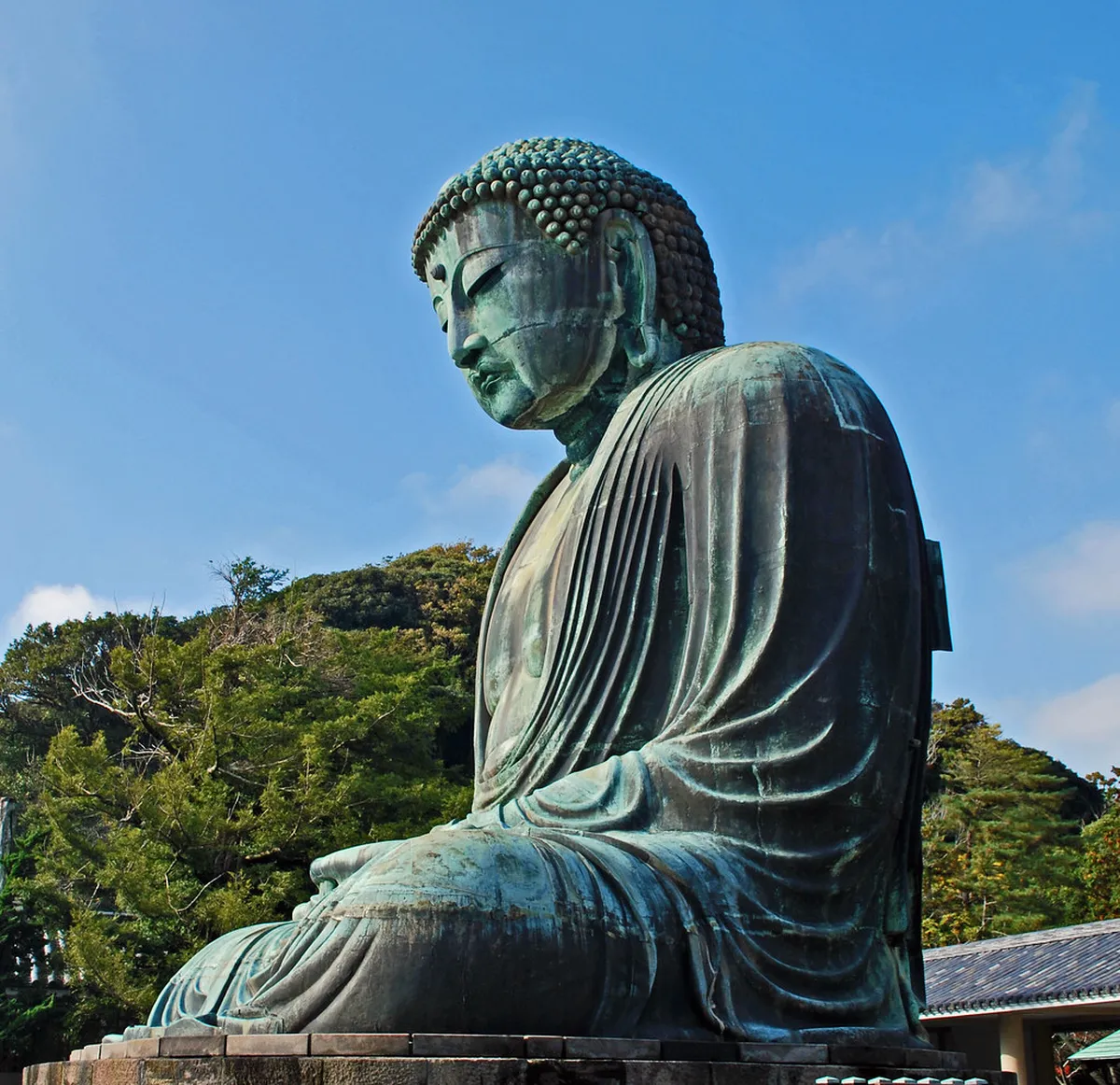
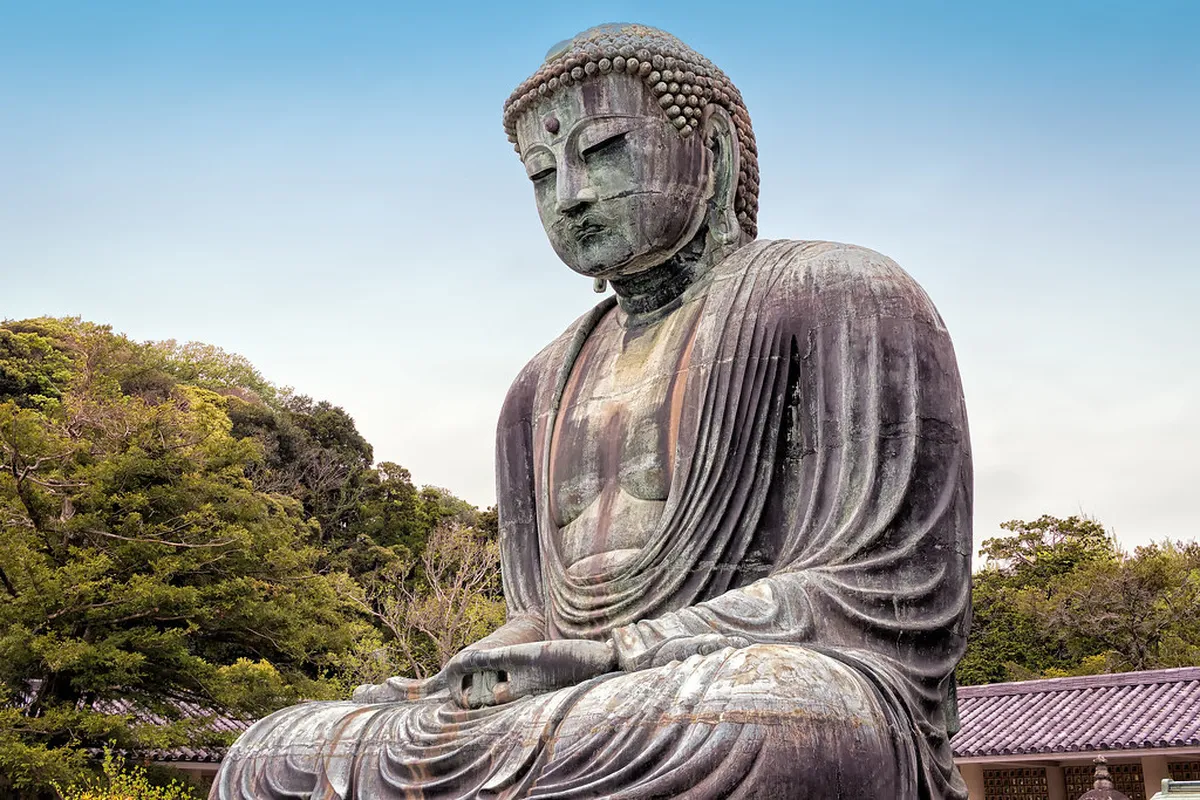
The temple housing the statue is called Kotoku-in, located in the peaceful Hase neighborhood of Kamakura. While the statue is the main draw, the temple grounds provide a quiet space for reflection. Many visitors find the scale of the bronze work breathtaking upon their first close-up encounter. The surrounding trees and hills create a natural frame that highlights the statue's green-tinted bronze patina.
Cultural significance extends beyond the physical statue to the resilience it represents for the local community. It serves as a reminder of the Kamakura period when the city was the political heart of Japan. Scholars and devotees still visit the site to study its unique casting and religious symbolism. You will likely feel a sense of calm as you join the quiet crowds gathered at its base.
A History Forged in Bronze and Battered by Nature
Construction of the current bronze statue began in 1252 during the height of the Kamakura Shogunate. It replaced a previous wooden version, completed in 1243, that was severely damaged by a storm just years later. According to the Japan Guide: Great Buddha of Kamakura, the project took many years to complete. The funding for this massive undertaking came primarily from donations gathered by a local priestess.
Originally, the Great Buddha was housed inside a massive wooden temple hall similar to the one in Nara. However, a series of typhoons and a massive tsunami in the 14th and 15th centuries destroyed the structure repeatedly. The hall was never rebuilt after the final disaster around 1498, and since then the Buddha has remained outdoors, exposed to the coastal elements of Sagami Bay. The 53 foundation stones still scattered across the grounds are all that remain of the great hall that once enclosed it.
The statue's survival through centuries of earthquakes, typhoons, and salt air is often viewed as a testament to the quality of 13th-century bronze casting. Its exposure to coastal weather has created a natural patina that helps protect the underlying metal. Even the celebrated poet Yosano Akiko was moved to write a verse praising the statue as a "handsome man" of Kamakura. This literary connection, marked by a stone monument on the grounds, highlights how the Daibutsu has captured imaginations for generations.
Key Architectural Highlights of the Great Buddha Statue
The architectural design of the Daibutsu reflects the artistic preferences of the mid-13th century. Its slightly hunched posture was designed to make the face more visible to worshippers kneeling below. This forward tilt creates a sense of intimacy between the massive figure and the observer. The proportions were carefully calculated to ensure stability during the frequent earthquakes that strike the region.
The statue was cast in approximately 30 separate stages to achieve its massive scale. If you look closely at the surface, you can still see the horizontal seam lines from the casting process. Traces of gold leaf are still visible near the ears if you visit during bright afternoon light — a detail almost every visitor walks past without noticing. These small traces reveal the incredible craftsmanship and original gilded splendor of this permanent monument.
- Kamakura Daibutsu (Kotoku-in):
- Height: 11.31 meters (13.35 m including base)
- Weight: approximately 121 tons
- Material: cast bronze
- Setting: outdoor (open air since c. 1498)
- Nara Daibutsu (Todai-ji) for comparison:
- Height: 15.0 meters
- Weight: approximately 500 tons
- Material: bronze and gold
- Setting: indoor (Great Buddha Hall)
The Unique Experience of Going Inside the Daibutsu
One of the most popular activities at Kotoku-in is stepping inside the hollow body of the Buddha. For a small additional fee of ¥50, visitors can enter through a door on the statue's side between 08:00 and 16:30 (last entry 10 minutes before closing). The interior offers a rare look at the ancient metalworking techniques used by medieval craftsmen. You can see exactly how the different bronze plates were joined together, and the internal metal rib reinforcements that give the statue its structural strength.
The space inside is quite cramped and can become very warm during the summer months. Two large windows on the back of the statue provide essential ventilation for the interior. These windows were originally used to remove the clay casting molds during the construction process, and their presence is a direct clue to how the statue was made. Photography is permitted inside, but the low light makes it difficult to capture sharp images.
Accessibility is limited inside the statue due to a narrow staircase. Visitors with mobility issues or claustrophobia may prefer to enjoy the statue from the outside. Note that selfie sticks are not permitted inside the statue for safety reasons. The experience only takes a few minutes but provides a perspective on the statue's construction that no photograph from the outside can convey.
The Niomon Gate, Waraji Sandals, and Grounds Highlights
Before you reach the Buddha, you pass through the Niomon Gate, flanked by two fierce Nio guardian statues. These muscular protector figures are typical of Japanese temple gates and are worth a slow look before you move on. Many visitors walk straight past them in their rush toward the main statue. Spending a moment here sets the right tone for the rest of the visit.
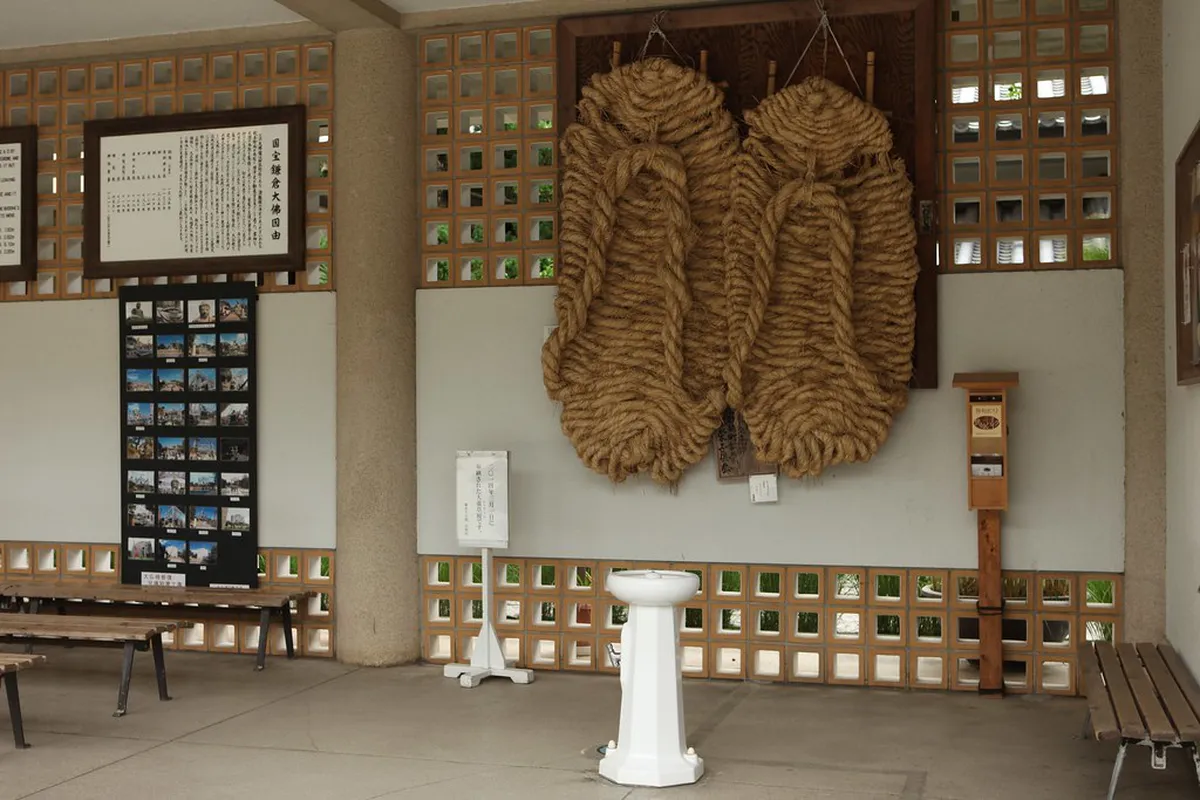
Near the inner sanctuary, you will find a pair of massive straw sandals known as waraji. Measuring around 1.8 meters long, they were woven by children from Ibaraki Prefecture. They symbolize the wish for the Buddha to walk across Japan to bring peace and happiness to the people. The sandals are replaced periodically to maintain their fresh appearance.
The grounds also feature 53 large foundation stones scattered around the main courtyard. These stones once supported the massive pillars of the original temple building that was destroyed in the 15th century. Walking among them helps you visualize the immense size of the hall that once protected the Buddha from the elements. For visitors who collect goshuin (temple stamps), Kotoku-in issues its own stamp — a detail that stamp-book keepers should not miss, as this is one of Kamakura's most significant goshuin stops.
General admission is ¥300 for adults and ¥150 for children (elementary school), with an optional ¥50 to step inside the hollow statue. The temple is cash only — bring coins and small notes. Interior entry closes at 16:30, 30 minutes before the main gates.
Essential Visiting Information: Hours, Fees, and Tickets
The gates of Kotoku-in open at 08:00 daily. From April to September the temple closes at 17:30; from October to March it closes at 17:00. Last entry to the grounds is 15 minutes before closing. If you plan to go inside the statue, the interior closes at 16:30 with last entry 10 minutes before that, so factor this into your timing. Check the Official Kotoku-in Website before you travel for any temporary closures or special events.
General admission is ¥300 for adults and ¥150 for elementary school children; preschool children enter free. If you wish to go inside the statue, there is an additional charge of ¥50 per person. Tickets are purchased at the vending machines or the manned booth near the entrance. The temple currently accepts cash only, so bring coins and small notes.
The main grounds are largely flat and wheelchair accessible, and one wheelchair-accessible unisex restroom is available on site. The path to the statue interior involves a narrow staircase that is not accessible for wheelchair users. Pets are permitted on the grounds only if fully enclosed in a carrier or bag — leash walking is not allowed (assistance dogs excepted). The entire grounds are non-smoking, and drones are prohibited.
How to Get to Kotoku-in Temple from Tokyo and Kamakura
Most travelers arrive from Tokyo by taking the JR Yokosuka Line or Shonan-Shinjuku Line to Kamakura Station. The journey from Tokyo Station takes approximately 55–60 minutes and is covered by the Japan Rail Pass. From Shinagawa or Shibuya, the Shonan-Shinjuku Line is often the faster option with fewer transfers. From Kamakura Station, you then transfer to the Enoden Railway line for a short coastal ride.
Get off at Hase Station, the third stop from Kamakura on the Enoden. The walk from Hase Station to the temple takes about seven to ten minutes along a well-marked route. The path passes many local shops, and you can also visit the nearby Hase-dera Temple on the same walking route to combine both in one morning.
Alternatively, buses depart from the east exit of Kamakura Station bound for the Daibutsu-mae stop, which is directly in front of the Kotoku-in entrance. This is a convenient option if you prefer not to change to the Enoden. For those who enjoy walking, the entire route from Kamakura Station on foot takes about 25–30 minutes. Taxis are available but can be slow during weekend traffic.
Selfie sticks and tripods are not allowed on the grounds or inside the statue. Drones are prohibited. Pets may only enter fully enclosed in a carrier — leash walking is not permitted (assistance dogs excepted).
| Season / timing | What to expect | Photography note |
|---|---|---|
| Spring (late March–early April) | Cherry blossoms on grounds, very high crowds, mild weather | Frame the Buddha with blossoms from the left side |
| Early summer / rainy season (June) | Lush greenery, moderate crowds, humid | Combine with Hase-dera for hydrangeas |
| Autumn (late November) | Deep red maples, high weekend crowds, crisp and cool | Late afternoon golden-hour light is exceptional |
| Weekday mornings (all year) | Fewest crowds before tour groups arrive | Best for clean shots of the statue without people |
Best Time to Visit for Seasonal Scenery and Crowds
The Great Buddha looks different in every season, making repeat visits rewarding.
Spring is the most popular time due to cherry blossoms on the grounds in late March to early April. Autumn brings vibrant red and orange maple leaves in late November that contrast beautifully with the bronze. You should also consider visiting Tsurugaoka Hachimangu shrine during these peak seasons to make the most of a full Kamakura day.Weekdays are significantly less crowded than weekends or national holidays. If you must visit on a Saturday, arrive before 09:00 or after 16:00 to avoid the bulk of tour groups. The late afternoon sun provides warm raking light that picks out the remaining traces of gold leaf near the ears — ideal for photography. Be aware that June is the rainy season, which brings beautiful hydrangeas to the broader Kamakura area but also wet paths.
- Spring cherry blossoms (late March to early April): soft pink colors, very high crowds, mild weather. Frame the Buddha with blossoms from the left side of the grounds.
- Early summer hydrangeas (June): lush green scenery, moderate crowds, humid and wet. Kotoku-in itself has fewer hydrangeas than Hase-dera, so combine with a visit there.
- Autumn foliage (late November): deep red tones, high weekend crowds, crisp and cool. The golden-hour light in late afternoon is exceptional for photography.
Local Food and Souvenirs Near Kotoku-in
The street leading from Hase Station to the temple is lined with excellent food stalls. You must try the Daibutsu-yaki, small cakes shaped like the Great Buddha, usually filled with sweet red bean paste or creamy custard. Many shops also offer purple sweet potato soft-serve ice cream, a local specialty. Both make for a satisfying snack before or after your visit.
For more extensive shopping, head back to the Komachi Street area near the station. You will find high-quality Kamakura-bori lacquerware and handmade incense there. Small replicas of the Daibutsu in bronze or wood make for compact travel mementos. Be sure to pick up a box of Hato Sabure, the famous dove-shaped butter cookies that are Kamakura's most iconic souvenir.
Lunch options in the Hase area range from traditional soba noodles to modern cafes. Many restaurants offer views of the ocean or hidden garden courtyards. Try to find a place that serves shirasu, the tiny white bait fish caught locally in Sagami Bay, served either as a donburi or atop fresh tofu. Booking a table in advance is recommended if you are visiting during the peak blossom season in spring 2026.
Frequently Asked Questions
Is it worth going inside the Kamakura Great Buddha?
Yes, it is worth the small 50 yen fee to see the 13th-century casting techniques from within. The interior reveals how the massive bronze plates were joined together. However, the space is cramped and may not be suitable for those with claustrophobia or mobility issues. You can learn more about Kamakura travel tips to plan your full day.
Why is the Great Buddha of Kamakura outdoors?
The statue was originally housed in a large wooden hall, but multiple natural disasters destroyed the building. A massive tsunami in 1498 finally washed away the structure for good. Since then, the Buddha has remained outdoors, surviving centuries of coastal weather and typhoons.
How old is the Great Buddha of Kamakura?
The current bronze statue dates back to 1252, making it over 770 years old as of 2026. It was commissioned during the Kamakura period to replace a previous wooden version. Its long history and survival through various disasters contribute to its status as a Japanese National Treasure.
Can you take photos at the Great Buddha?
Photography is permitted throughout the temple grounds and even inside the statue itself. Selfie sticks are not allowed inside the statue. Tripods and drones are prohibited on the grounds. The best lighting for photos usually occurs in the late afternoon when warm light picks out the gold leaf traces near the ears.
Visiting the Great Buddha of Kamakura is a highlight for any traveler exploring the Kanto region. The combination of historical depth and artistic beauty makes it a truly unique destination in Japan. Whether you go inside the statue or spend time on the grounds reading the literary monuments, the experience is deeply moving. The peaceful presence of the Daibutsu continues to inspire all who stand before it.
Make sure to leave enough time to explore the surrounding Hase neighborhood as well. The local food and smaller shrines add a wonderful layer to your day trip. Always check the latest travel updates before you set out from Tokyo or Yokohama. A well-planned visit ensures you can appreciate this National Treasure without any stress.
Kamakura remains one of Japan's most rewarding cities for history and nature lovers. The Great Buddha stands at its heart as a timeless witness to the city's golden age. We hope this guide helps you have a meaningful encounter with the Daibutsu in 2026. Enjoy your journey through the ancient streets and sacred sites of this coastal gem.
For more Kamakura planning, see our Things to do in Kamakura, Kamakura day trip itinerary 2026, and Kamakura landmarks guides.