

Engaku-ji Temple is the second-ranked temple among the Kamakura Gozan, the five great Zen monasteries designated by the Hojo shogunate in the medieval period. It sits in a steep cedar valley in Kita-Kamakura, less than 100 meters from the train station exit. That combination — historic importance and unbeatable access — makes it the natural first stop on any Kamakura day trip in 2026.
The complex holds two National Treasures: the Shariden Hall and the Ogane Great Bell. It also runs one of the most accessible public Zazen programs in the Kanto region. This Engaku-ji temple visitor guide covers everything from the founding history to crowd-beating strategies and where to eat after your visit.
History and Significance of Engakuji Temple
Regent Hojo Tokimune founded Engaku-ji in 1282 to honor the soldiers killed during the Mongol invasions of Japan. He invited the exiled Chinese monk Mugaku Sogen from Song China to serve as founding priest, planting authentic continental Rinzai Zen practice on Japanese soil. The temple quickly became a center of medieval Japanese intellectual life, and its archives still preserve documents brought directly from Yuan-era China.
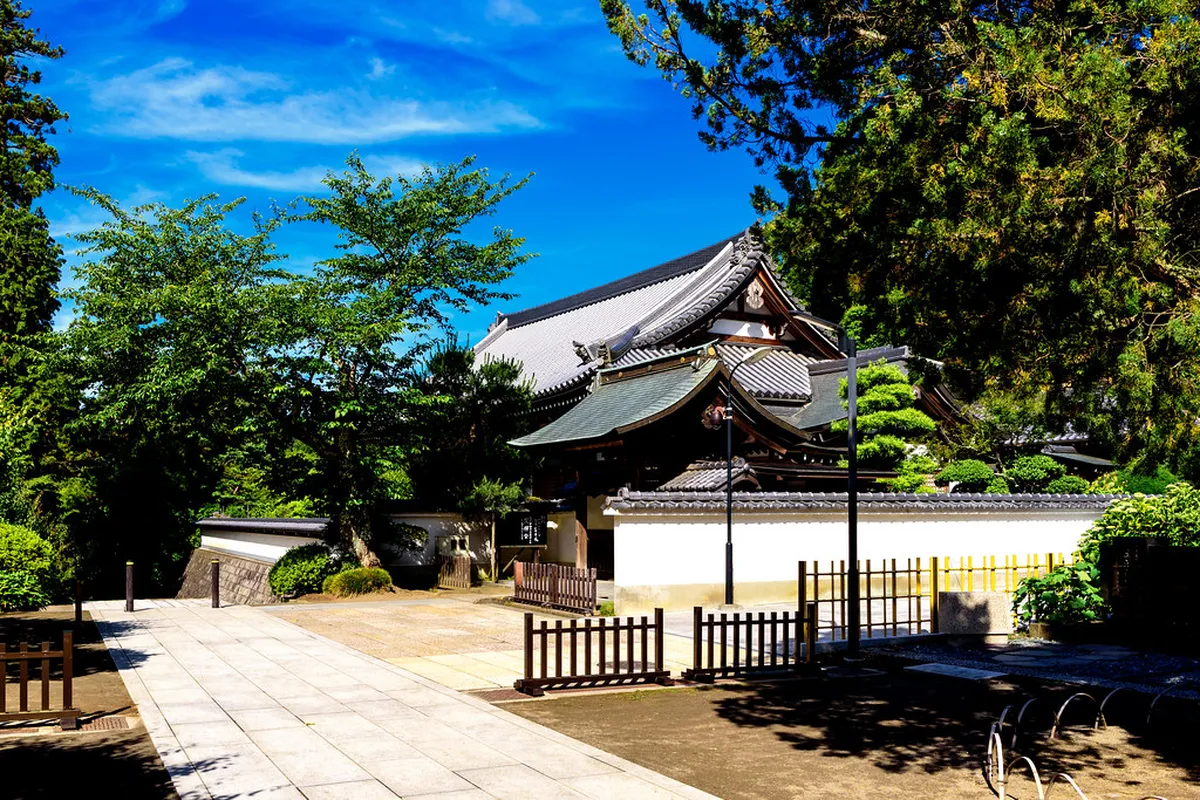
The complex is laid out along a single rising axis through a steep cedar valley. Halls are positioned in sequence from the Sanmon Gate up to the Hojo abbot's quarters, a hallmark of medieval Zen architecture that represents gradual progress through the gates of liberation. Walking the gravel central path retraces a route monks have repeated for over 740 years.
Engaku-ji holds rank number two of the Kamakura Gozan, just below Kencho-ji. That status placed it at the heart of the Kamakura period Zen world. The Great Kanto Earthquake of 1923 destroyed several halls, but careful reconstruction preserved the original spirit of each building. Today the complex functions as an active head training monastery of the Engakuji branch of Rinzai, not only as a tourist site.
The Grand Sanmon Gate and Butsuden Hall
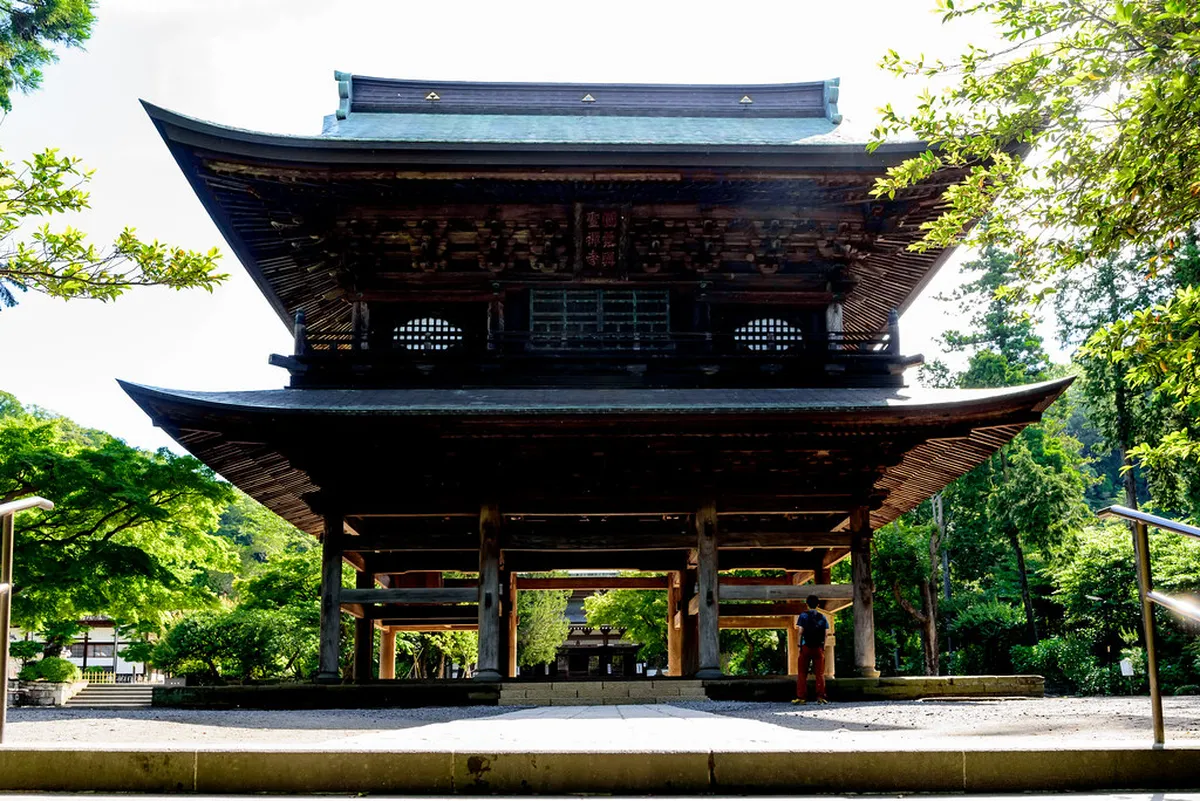
The Sanmon Gate is the photograph most visitors come for. Rebuilt in 1783 after a fire, the two-story wooden structure rises directly from a flight of stone steps and is framed by towering cedars. The name Sanmon means "three liberations" — emptiness, formlessness, and desirelessness — and you symbolically pass through all three on entry. Arrive between 08:00 and 08:45 for unobstructed shots; the first organized tour groups typically reach the gate around 09:15.
Beyond the gate stands the Butsuden, the main worship hall. The current building dates to 1964, reconstructed in Song style after the 1923 earthquake destroyed the original. Inside sits a large Hokan Shaka Nyorai (crowned Buddha) image, and a striking white dragon painted by Tadashi Moriya coils across the ceiling. The hall carries a faint scent of incense even when quiet, and the tiled roof defines the temple's silhouette from the gravel forecourt.
Pause in the forecourt between the Sanmon and the Butsuden. From this spot the proportion of gate, courtyard, and hall reads exactly as designed in the medieval plan. It is the cleanest photography angle on the grounds in early-morning light. The scale of the buildings reflects the high political status Engaku-ji held during the Kamakura period.
Shariden Hall and the Great Bell (National Treasures)
Engaku-ji is one of the few temples in Japan to hold two National Treasures on the same grounds. The first is the Shariden Hall, the only structure in Kanagawa Prefecture to hold that designation. It enshrines a tooth relic of the Buddha said to have arrived from China in the 13th century and is the finest surviving example of Karayo (Chinese-style) Zen architecture in Japan, with deeply curved eaves, fan-shaped rafters, and cusped windows.
Day to day, visitors view the Shariden from a fenced platform several meters away. The hall opens for closer public viewing only during the Hosenkai in early November, the Shogatsu New Year period, and a dedicated public day in early May. If your 2026 trip overlaps one of these windows, prioritize it. The interior cannot be photographed even during open days.
The second National Treasure is the Ogane, cast in 1301 at 2.6 meters tall and roughly 4.5 tons of bronze, the largest temple bell in Kamakura. Reaching it means climbing about 140 stone steps up a steep ridge from the Butsuden area. The path can be slick after rain, so wear shoes with grip. For confirmed 2026 Shariden opening dates, check the Snow Monkey Resorts Kamakura page.
Visiting Sequence: See the Shariden Before You Climb to the Bell
Most guides tell you what to see but not what order to see it in. The Shariden viewpoint is a narrow platform with limited standing room. If you climb to the Ogane bell first, tour buses unloading near the main station around 10:30 will have packed the platform by the time you descend. The smarter sequence is: Sanmon Gate photos at 08:00, then the Butsuden, then the Shariden platform directly, then the bell climb.
At the top of the bell climb you reach the small Benten-do shrine and the Bentendo Chaya tea house. The terrace looks out over the Kita-Kamakura valley and serves matcha with seasonal sweets for around ¥600. This is the quietest spot on the entire grounds and a worthwhile rest stop, especially in autumn when maples below the platform turn deep red. By the time you finish tea, the worst of the mid-morning crowds will have passed the viewpoints below.
Photography rules are worth knowing before you start. Tripods and selfie sticks are prohibited site-wide, though small handheld stabilizers are tolerated. Drones are forbidden over all Kamakura temple precincts. Photography is restricted inside the Butsuden during services, anywhere within the Shariden enclosure on open days, and inside the meditation halls.
Zen Meditation Experiences for Visitors
Engaku-ji runs the most accessible public Zazen program of any major Kamakura temple. Two regular sessions are open to drop-in visitors: the early-morning Hayagake Zazen-kai held most days from around 06:00, and the Saturday-night Doyo Zazen-kai from 17:00 to 18:30 in the Kojirin training hall. A separate Sunday introduction class runs in Japanese and includes a short dharma talk.
For first-timers, the practical details matter. Wear loose trousers rather than a tight skirt or dress so you can fold your legs. Arrive 10 minutes early to receive a cushion and a quick instruction from the supervising monk. You will sit in two 25-minute blocks separated by short walking meditation called kinhin. During sitting blocks a monk circulates with a flat wooden stick called the kyosaku; beginners can decline by not bowing when he approaches.
Foreigners are welcome and the visual cues are easy to follow without Japanese. There is no fee for the morning session, though a ¥500 donation is customary for the Saturday session. Silence is enforced inside the hall: phones off, no photography, and remove watches that beep on the hour. Check the schedule on arrival because retreats and ceremonies can replace public sessions on short notice.
Best Time to Visit: Autumn Foliage and Seasonal Highlights
Engaku-ji is one of the top three autumn-leaf temples in Kanagawa. Peak koyo (autumn color) typically falls between 25 November and 10 December. Maples line the steps below the Sanmon and frame the path to the Shariden, while a ginkgo tree near the Butsuden turns bright yellow about a week earlier. Foot traffic during peak weekends roughly triples the regular queue at the ticket booth between 10:00 and 14:00; arriving at 08:00 gives you the courtyard to yourself.
Each other season offers a different reading of the same grounds. Late April brings fresh maple greens and coincides with the Shariden's early-May public opening. Mid-June the cedar canopy keeps the grounds cool while nearby Meigetsu-in fills with hydrangeas. Winter from January to February is the quietest period, with bare branches sharpening the lines of the buildings and almost no crowds even on weekends.
For a detailed seasonal photo plan, the Japan Food Guide autumn breakdown maps the strongest viewpoints week by week. Early morning light highlights the textures of moss and stone lanterns throughout the year. The tunnel of maples between the Sanmon steps and the Shariden path is the single best spot for foliage photography on the grounds.
Engaku-ji is steps from Kita-Kamakura Station — less than 100 metres from the exit. Adult admission is ¥500 (cash only at the ticket booth). Budget at least 60–90 minutes for the main areas; add 30 minutes if you plan to climb to the Ogane bell and rest at the Bentendo Chaya tea house.
Practical Visiting Info: Hours, Fees, and Etiquette
Engaku-ji is open daily with no scheduled closure days outside major typhoons. Hours run 08:00 to 16:30 from March through November and 08:00 to 16:00 from December through February. Last admission is 30 minutes before closing. Budget at least 60 to 90 minutes for the main areas; add another 30 minutes if you plan to climb to the bell and sit at the tea house.
- Adult admission: ¥500
- Children (elementary and junior high): ¥200
- Payment: cash only at the ticket booth below the Sanmon steps
- March–November hours: 08:00–16:30
- December–February hours: 08:00–16:00
Standard temple etiquette: bow once at the Sanmon before stepping through, do not eat or drink while walking the central paths, and silence phones near the Butsuden. If a monk in robes passes on the path, step aside rather than overtaking. Comfortable walking shoes with grip are essential — the path to the Ogane bell is steep and stone steps become slick in rain.
How to Get to Engakuji (Kita-Kamakura Access)
From central Tokyo, take the JR Yokosuka Line directly from Tokyo Station, Shinagawa, or Yokohama to Kita-Kamakura Station. The ride is 56 minutes from Tokyo Station and around ¥920 one-way; trains run every 10 to 15 minutes. The Shonan-Shinjuku Line from Shinjuku and Shibuya is an equally direct alternative. Japan Rail Pass holders ride free on the Yokosuka Line.
Kita-Kamakura is a small two-platform station. Use the south exit, cross the small forecourt, and the temple's stone steps are within sight, less than 100 meters away. Do not get off at Kamakura Station: that is the next stop south and starting there means a 1.6-kilometer walk back uphill or an additional fare. An IC card — Suica, Pasmo, or Welcome Suica — is the simplest way to pay.
From Haneda Airport, ride the Keikyu Line to Yokohama Station (about 30 minutes), then transfer to the JR Yokosuka Line to Kita-Kamakura (about 25 minutes). Many travelers prefer starting their Kamakura day here to follow a downhill route south toward the Great Buddha, walking past smaller temples and charming local shops as the crowds build behind them. For a full day plan, the Truly Tokyo Kamakura day-trip itinerary maps the south-walking route in detail.
The Shariden Hall — Engaku-ji's most important National Treasure — opens to closer public viewing only during the Hosenkai in early November, the New Year period, and a dedicated day in early May. Outside those windows, visitors view it from a fenced platform several metres away.
Engakuji vs. Kenchoji: Which Temple to Prioritize?
Kita-Kamakura holds the two top-ranked Gozan temples within a 15-minute walk of each other. If you only have time for one, the choice comes down to what you came for. Engaku-ji (Gozan rank 2) is more compact, more architecturally refined, and steps from the station. Kencho-ji Temple (Gozan rank 1) is larger and grander and includes a hilltop hike with ocean views.
- Founded: Engaku-ji 1282 (Hojo Tokimune); Kencho-ji 1253 (Hojo Tokiyori)
- Gozan rank: Engaku-ji #2; Kencho-ji #1
- Entry fee in 2026: both ¥500 for adults
- Walk from Kita-Kamakura Station: Engaku-ji 1 minute; Kencho-ji about 15 minutes
- National Treasures on site: Engaku-ji 2 (Shariden, Ogane bell); Kencho-ji 1 (Bonsho bell)
- Public Zazen: Engaku-ji daily morning + Saturday evening; Kencho-ji Friday and Saturday only
| Feature | Engaku-ji | Kencho-ji |
|---|---|---|
| Gozan rank | #2 | #1 |
| Founded | 1282 (Hojo Tokimune) | 1253 (Hojo Tokiyori) |
| Walk from Kita-Kamakura Station | 1 minute | ~15 minutes |
| Adult entry fee (2026) | ¥500 | ¥500 |
| National Treasures on site | 2 (Shariden, Ogane bell) | 1 (Bonsho bell) |
| Public zazen sessions | Daily morning + Saturday evening | Friday and Saturday only |
Doing both in one day is realistic for first-timers. Budget two hours for Engaku-ji and two and a half for Kencho-ji including the hilltop. Engaku-ji is better for meditation and autumn foliage photography; Kencho-ji is better for scale and panoramic views. If you only pick one and care about National Treasures, Engaku-ji holds two versus Kencho-ji's one.
Where to Eat: Local Flavors Near the Temple
On the grounds themselves, the Bentendo Chaya tea house at the bell tower serves matcha with seasonal wagashi sweets for around ¥600. The terrace overlooks the Kita-Kamakura valley and is particularly atmospheric in autumn. The Butsunichi-an tea house in the inner precinct is open seasonally and offers a more refined tea-garden setting. Both are good places to rest after the climb to the Ogane bell.
Just outside the temple gates, Hachinoki Kita-Kamakura is the area's signature spot for shojin ryori, the Buddhist vegetarian cuisine eaten in monasteries. Lunch courses start around ¥3,500 and reservations are essential on autumn weekends. Directly across the tracks, Kitakamakura Komine serves handmade cold soba sets from ¥1,200 in a traditional wooden house.
For a casual option, a small lane beside the station has a bakery and a ramen counter. Plan to eat before 13:00 during peak autumn weeks; soba and shojin spots routinely sell out by mid-afternoon. North Kamakura's food scene is smaller and slower-paced than the busy Komachi Street area near Kamakura Station, which is part of its charm.
Nearby Attractions in North Kamakura
Engaku-ji works best as the first stop on a roughly two-kilometer walking line south toward Kamakura Station. Within five minutes you reach Tokei-ji, the historic "divorce temple" once a women's refuge, with quiet plum and magnolia gardens. Another five minutes brings you to the Meigetsu-in Temple, famous in June for hydrangeas and year-round for its circular window of enlightenment that frames the rear garden perfectly.
Continue 15 minutes further to Kencho-ji Temple, the rank-one Zen monastery, and from there an optional hiking trail climbs to Hansobo and the Tenen ridge with panoramic views of the city and ocean. The full Kita-Kamakura-to-Kamakura corridor makes a relaxed half-day walking tour, ending naturally at Tsurugaoka Hachimangu Shrine and Komachi Street.
For bamboo lovers, the Hokokuji Temple with its famous bamboo grove is a short bus ride from central Kamakura and pairs well with an afternoon visit after covering the North Kamakura temples in the morning. Always check weather before heading out on the hill trails; the dirt paths beyond Kencho-ji become muddy after rain.
Frequently Asked Questions
Is Engakuji Temple worth visiting on a day trip from Tokyo?
Yes, Engaku-ji is absolutely worth visiting because of its historical importance and easy access. It offers a peaceful Zen atmosphere that is hard to find in Tokyo. You can easily combine it with other Kamakura attractions for a full day of exploration.
How do I get to Engakuji Temple from Kita-Kamakura Station?
Getting there is very simple as the temple entrance is located right next to the station. Exit the JR Kita-Kamakura Station and follow the signs for the main gate. The walk takes less than one minute, making it the most accessible temple in the area.
Can foreigners participate in Zen meditation at Engakuji?
Foreigners are welcome to join the public Zazen sessions held at the temple. While most instructions are in Japanese, the physical practice is easy to follow by observing others. Some special sessions offer English guidance, so check the temple schedule in advance for 2026.
What is the best time to see autumn leaves at Engakuji Temple?
The best time for autumn foliage is usually from late November to early December. During this window, the maple trees create a stunning tunnel of red leaves near the entrance. Arrive early in the morning to capture the best light for your photographs.
How much is the entrance fee for Engakuji Temple?
The current entrance fee for adults is 500 yen, while children pay 200 yen. Please note that the ticket booth usually only accepts cash payments. This fee grants you access to the entire temple grounds, including the National Treasure bell tower.
Engaku-ji rewards visitors who plan around its rhythms: arrive at 08:00 from Kita-Kamakura Station, photograph the Sanmon before the tour groups, visit the Shariden platform next, then climb to the Ogane bell for tea at the Bentendo Chaya. That sequence lets you see both National Treasures in the quietest window of the morning.
Pair your visit with a walk south through Tokei-ji and Meigetsu-in toward the Great Buddha for a full Kamakura day. The combination of two National Treasures, an active Zazen program, and step-from-the-station access makes Engaku-ji one of the most rewarding single temple visits in the Kanto region in 2026.
For more Kamakura planning, see our Things to do in Kamakura, Kamakura itinerary, and Kamakura culture guides.