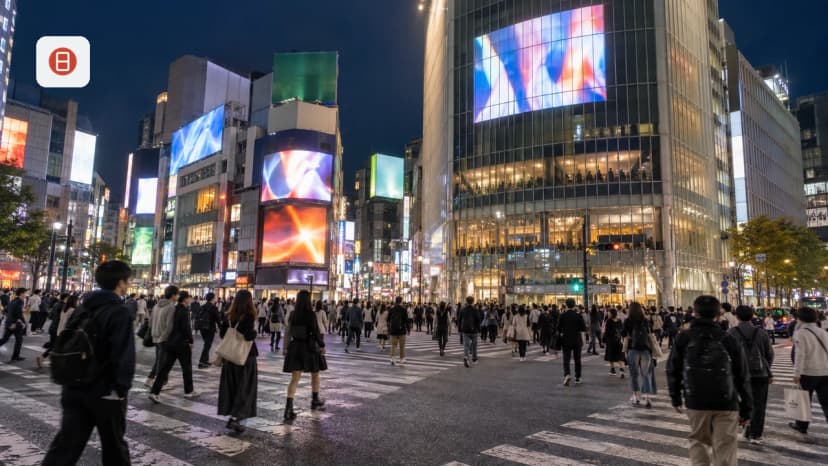
Harajuku is Tokyo's youth fashion and street culture hub in 2026, anchored by the iconic Takeshita Street and the leafy boulevard of Omotesando. This compact district inside Shibuya City packs cosplayers, vintage boutiques, rainbow crepes, and upscale international flagships into a tight grid you can cover on foot. Most travelers budget 2 to 4 hours to walk the main arteries, with weekday mornings between 10 and 11 AM the calmest window and weekends (especially Sundays) bringing extreme crowds. This Tokyo attractions hub places Harajuku alongside other essential central wards — for a broader guide to things to do in Tokyo, see our full city overview.
The neighborhood splits into three distinct moods: Takeshita Street for loud kawaii fashion and street food, Cat Street (Ura-Harajuku) for vintage and streetwear between Takeshita and Omotesando, and Omotesando itself for designer flagships and award-winning architecture. Meiji Shrine sits immediately west across the JR tracks but is a separate entity with its own forested grounds and visitor logic. Check this Japan-Guide (Harajuku) resource for more background on the area's history.
How to Get to Harajuku (Access & Station Tips)
The fastest way in is the JR Yamanote Line to Harajuku Station, two stops from Shinjuku and one from Shibuya. The current station building opened in 2020 with expanded concourses; the original 1924 wooden station beside it has been preserved as a heritage facade. Use the Takeshita Exit to land directly at the entrance of Takeshita Street, or the Omotesando Exit to head toward Meiji Shrine and the upscale boulevard.
Tokyo Metro riders should use Meiji-jingumae 'Harajuku' Station on the Chiyoda and Fukutoshin lines, which surfaces at the Omotesando and Meiji Dori intersection. This entrance routes you straight into Cat Street and avoids the JR crush on weekends. Refer to Harajuku Station (Wikipedia) for detailed exit maps.
From Tokyo Station, take the JR Yamanote Line outer loop (approx. 25 minutes); from Narita Airport, the Narita Express to Shibuya then transfer one stop. Bag storage coin lockers are available at both the JR and Metro stations but fill by 11 AM on weekends, so arriving before 10 AM gives the best access to lockers and the quietest walk down Takeshita.
Walk Down Takeshita Street: The Center of Kawaii
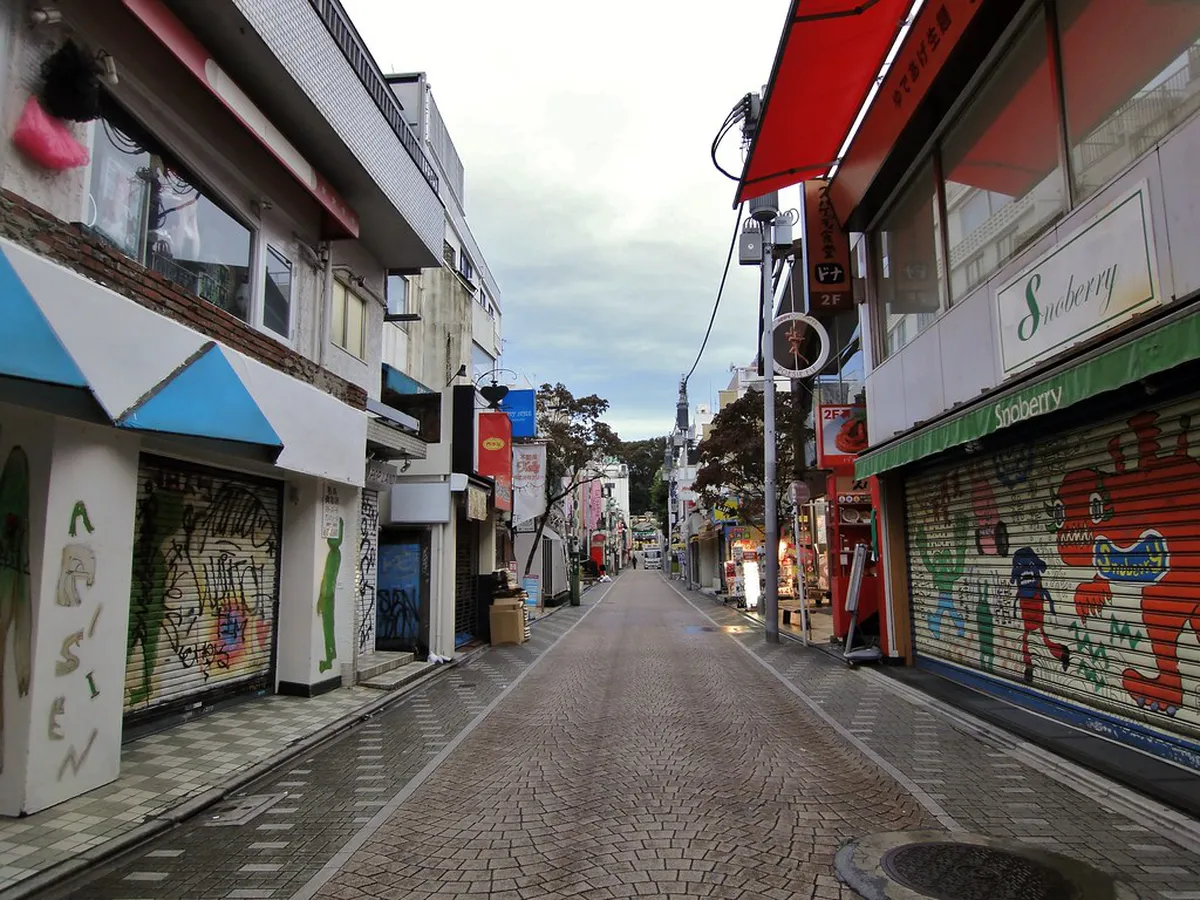
Takeshita Street is the main artery of Harajuku — a 350-meter pedestrian strip directly opposite the JR Takeshita Exit, stuffed with kawaii fashion shops, accessory stalls, and viral snack vendors. It is the single best place in Tokyo to see Japanese youth fashion trends in the wild, and on Sundays you will also see cosplayers gathering near the entrance arch.
The food lineup defines the street's reputation: Marion Crepes and Angel's Heart for the classic Harajuku crepe (500–800 yen), Totti Candy Factory for the oversized rainbow cotton candy that became an Instagram fixture, plus rotating viral snacks (giant potato spirals, cheese pulls, fruit skewers). The Daiso Harajuku flagship at the far end sells 100-yen goods across three floors and is the best stop for cheap souvenirs.
Weekday mornings between 10:00 and 11:00 are the calmest window on Takeshita Street — most shops open at 10:00 and the strip is walkable at a normal pace. By noon on any weekend the street becomes shoulder-to-shoulder; Sunday brings the added spectacle of cosplayers near the entrance arch.
Timing is everything. Weekday mornings between 10 and 11 AM are the calmest window — most shops raise shutters at 10:00, and the strip is walkable at a normal pace. By noon on any weekend, and across all Sunday hours, the street becomes shoulder-to-shoulder; expect to inch along and skip the food stalls with the longest queues. Keep wallets in front pockets and bags zipped given the density.
Explore Cat Street (Ura-Harajuku): Stylish Backstreets
Cat Street (Ura-Harajuku) is the pedestrian backstreet running roughly north–south between Takeshita Street and Omotesando, continuing south toward the famous Shibuya Crossing. It is the vintage and streetwear heart of Harajuku — significantly calmer than Takeshita, with curated boutiques, independent designer labels, and limited-edition sneaker drops. Local fashionistas use it as the daily catwalk.
This is where serious shoppers head: BAPE flagship, Stussy, Supreme, plus dozens of one-off vintage stores carrying 1980s and 1990s Americana and Japanese designer pieces. Many shops open later (11 AM to noon) and stay open until 8 PM, so Cat Street naturally works as the afternoon leg after a morning on Takeshita.
Cafes with outdoor seating, small galleries, and rotating mural art make Cat Street a slower walk than the rest of Harajuku. The full length takes about 20 minutes at an unhurried pace and works as a stylish car-free alternative to the train when continuing to Shibuya.
Pair with Meiji Shrine and Yoyogi Park (Adjacent, Separate Entities)
Meiji Shrine is a separate attraction with its own forested grounds — not part of Harajuku itself, but adjacent across the JR Yamanote tracks via the Omotesando Exit. The Shinto complex dedicated to Emperor Meiji sits inside a 100,000-tree planted forest and operates on its own visitor logic (sunrise to sunset, free admission, with the Inner Garden and Treasure Museum ticketed). Pair the two by knocking out the shrine first thing in the morning, then crossing into Harajuku as Takeshita Street wakes up.
Yoyogi Park borders the shrine grounds and is one of central Tokyo's largest public green spaces. On Sundays, the south entrance area hosts informal performances from rockabilly dancers, drum circles, and dance crews. Spring brings dense hanami crowds under the cherry blossoms; the park has wide lawns ideal for picnics with snacks bought on Takeshita Street.
At the shrine, enter through the massive torii gate at the south entrance, wash hands at the temizuya purification fountain, then bow twice, clap twice, bow once at the main hall. Buy a wooden ema tablet (500 yen) to record a wish. The Inner Garden is most photogenic in mid-June when the iris field blooms.
Stroll Along Omotesando Avenue: Tokyo’s Champs-Élysées
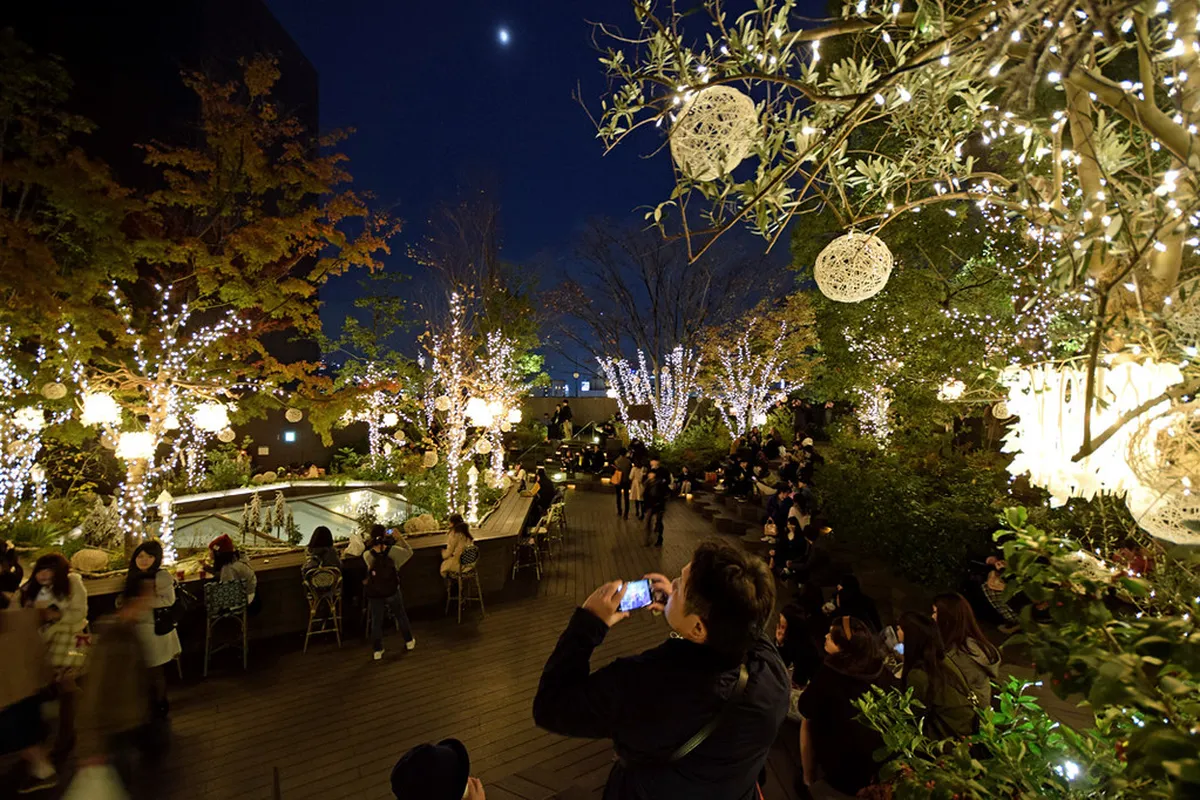
Omotesando is a tree-lined boulevard often called Tokyo's Champs-Élysées — about 1 km of zelkova-shaded sidewalks lined with flagship stores for upscale international brands (Louis Vuitton, Dior, Prada, Chanel) housed in landmark buildings by Pritzker-winning architects. Together with Takeshita Street and Cat Street, it completes Harajuku's three-mood spectrum: loud kawaii, indie streetwear, refined luxury.
Architecture-spotting is a real reason to visit even if you don't shop: Tadao Ando's Omotesando Hills with its internal spiral ramp, Herzog & de Meuron's crystalline Prada flagship, SANAA's perforated Dior, and Kengo Kuma's wooden Sunny Hills pavilion. December through mid-February the entire avenue is wrapped in champagne-gold illuminations after dark.
Side streets feed into quieter boutiques and patisseries. Bills Harajuku on the seventh floor of Tokyu Plaza is a reliable brunch spot, and the side alleys around Minami-Aoyama hide some of the city's better third-wave coffee bars. The walk from Omotesando to the JR station takes about 10 minutes downhill.
Check out Tokyu Plaza Omotesando Harajuku (Omokado)
Tokyu Plaza Omotesando Harajuku is an iconic shopping center at the corner of a major intersection. The entrance features a stunning kaleidoscope of mirrors that creates incredible photo opportunities. Many visitors spend several minutes just taking pictures of the reflections at the escalator. Inside, you will find a variety of trendy fashion brands and lifestyle shops.
The sixth floor houses a public rooftop terrace called Omohara Forest. This green space offers plenty of seating and a great view of the city skyline. It is a perfect place to enjoy a coffee from the adjacent Starbucks. The terrace remains open until late in the evening for visitors to enjoy.
The building recently adopted the nickname 'Omokado' to celebrate its local heritage. It serves as a central meeting point for people exploring the Harajuku area. You can often find pop-up shops and special events happening on the ground floor. The mix of nature and modern design makes it a must-visit landmark.
Go Thrift Shopping: Secondhand and Vintage Gems
Harajuku is world-famous for its high-quality thrift stores and vintage boutiques. You can find everything from rare designer pieces to affordable retro Americana. The shop Ragtag Harajuku is essential for those seeking used luxury fashion. They carefully curate their inventory to ensure all items are in excellent condition.
Chicago is another famous store that specializes in vintage Japanese kimonos. They offer a massive selection of traditional garments at very reasonable prices. Many travelers buy colorful yukatas here to take home as unique souvenirs. The store also carries a wide range of Western vintage clothing from various decades.
Flamingo is a popular choice for those who love 1980s and 1990s fashion trends. Their neon signs and eclectic interior make for a fun shopping experience. You should also check out Kinji for a more traditional 'treasure hunt' thrift experience. Finding a bargain often requires digging through the many racks of clothing.
Eat a Classic Harajuku Crepe and Street Food
The Harajuku crepe is the neighborhood's signature food, dating to the 1970s when Marion Crepes opened the first stand on Takeshita Street. Plastic display models out front make ordering easy across 50+ sweet and savory fillings. The two heritage names worth seeking out: Marion Crepes (the blue stand, oldest brand) and Angel's Heart (the pink stand), both on Takeshita with near-identical pricing of 500–800 yen.
Totti Candy Factory, also on Takeshita Street, is the home of the oversized rainbow cotton candy — roughly the size of a small child's head and built for photos as much as eating (800–1,000 yen). Expect a 15–30 minute queue on weekends. For something savory, Harajuku Gyoza Lou (Timeout) a few minutes off Meiji Dori serves cheap fried or boiled gyoza and is reliably under 1,000 yen per person.
Street food trends rotate fast: Korean and Taiwanese imports (cheese pulls, fruit candies, viral drinks) often replace last year's hit overnight. Eating while walking is discouraged by local etiquette — most stands provide a small standing area at the side. Zaku Zaku croquant chou (crunchy cream puff) on the Takeshita Street side near Meiji Dori is one of the steadier survivors of the trend cycle.
- Marion Crepes (The Blue Stand)
- Best for: Classic experience
- Signature: Strawberry Chocolate
- Location: Takeshita Street
- Cost: 500-800 Yen
- Santa Monica Crepes (The Pink Stand)
- Best for: Large portions
- Signature: Triple Berry Cream
- Location: Takeshita Street
- Cost: 550-850 Yen
Experience Unique Cafes: Animal and Concept Spots
Themed cafes offer a chance to interact with animals or enjoy unique interiors. You can find cafes dedicated to owls, cats, hedgehogs, and even otters. Most spots require an entry fee that covers a set amount of time. It is important to choose reputable cafes that prioritize animal welfare and health.
Concept cafes often feature staff dressed in elaborate costumes or themed decor. These establishments provide a more immersive experience than a standard coffee shop. You can find spots inspired by maid culture, gothic themes, or video games. Some of these cafes may require advanced bookings on busy weekend afternoons.
For a more relaxed drink, visit the Harajuku Taproom for local craft beer. This spot offers a great selection of Japanese brews in a cozy atmosphere. It is a nice break from the high-energy environment of the main shopping streets. The taproom also serves small plates that pair well with their seasonal beers.
Shop at KIDDY LAND Harajuku for Character Goods
KIDDY LAND is a legendary toy store that spans multiple floors of character goods. It is a paradise for fans of Japanese icons like Hello Kitty and Rilakkuma. The store also carries a huge range of international brands like Star Wars and Disney. Each floor is carefully organized by theme to help shoppers find their favorites.
The Snoopy Town Shop on the second floor is a major draw for Peanuts fans. You can find exclusive Tokyo-themed merchandise that makes for great gifts. The basement level often features rotating pop-up shops for the latest anime hits. Expect the store to be very crowded during the summer and winter holidays.
Shopping here is an experience that appeals to both children and adult collectors. The staff can often help with tax-free shopping procedures for international visitors. Make sure to have your passport ready if you plan on making a large purchase. The store is located on the main Omotesando Avenue near the Meiji-jingumae Station.
- First Floor: New Arrivals
- Focus: Seasonal trends
- Items: Small gifts
- Best for: Quick browsing
- Second Floor: Snoopy Town
- Focus: Peanuts characters
- Items: Plushies and bags
- Best for: Snoopy fans
- Third Floor: Action Figures
- Focus: Star Wars and Marvel
- Items: Collectibles
- Best for: Movie buffs
- Fourth Floor: Sanrio World
- Focus: Hello Kitty
- Items: Stationary and toys
- Best for: Kawaii lovers
Find Affordable Fashion at Paris Kids
Paris Kids is a famous accessory shop located right on Takeshita Street. It is known for selling a massive variety of jewelry and hair accessories. Most items in the store are priced at exactly 330 yen including tax. This makes it a popular destination for students and budget-conscious travelers.
The store is often packed with people looking for the latest trendy earrings. You can find everything from simple studs to elaborate, colorful hair clips. It is a great place to buy small gifts for friends back home. The inventory changes frequently to keep up with the fast-moving Harajuku trends.
Shopping at Paris Kids allows you to experiment with new styles without spending much. The bright and energetic atmosphere is typical of the Takeshita Street experience. You can easily spend thirty minutes browsing the densely packed display racks. Look for the recognizable pink signage near the middle of the street.
Visit KAWAII MONSTER LAND for Immersive Art
KAWAII MONSTER LAND is a new entertainment facility that opened in early 2026. It offers an immersive art experience that celebrates the neighborhood's wild creativity. Visitors walk through different themed zones filled with neon lights and giant sculptures. It is much more interactive than a traditional museum or art gallery.
The facility features live shows with performers dressed in elaborate monster costumes. These performances take place several times a day and are included with admission. You should book your tickets online in advance to secure a specific time slot. This experience is similar in energy to visiting teamLab Planets in another part of the city.
The on-site cafe serves food that is as colorful and strange as the decor. You can try rainbow pasta or desserts that look like cartoon monsters. It is a great option for families looking for a high-energy indoor activity. The location is conveniently situated near the main Harajuku intersection.
See Ukiyo-e at the Ota Memorial Museum of Art
The Ota Memorial Museum of Art is a hidden gem for fans of traditional Japanese art and Japanese culture. It specializes in Ukiyo-e, which are woodblock prints from the Edo period. The collection includes thousands of works by famous artists like Hokusai and Hiroshige. The museum is located in a quiet residential area just behind the main shopping district.
Exhibitions at the museum change every month to showcase different themes or artists. This means there is always something new to see, even for repeat visitors. The museum is relatively small, making it a peaceful place to spend an hour. It provides a deep cultural context that contrasts with the modern pop culture outside.
The Ota Memorial Museum of Art requires visitors to remove shoes and wear slippers before entering the galleries. Photography rules change with each monthly exhibition — check the current policy at the entrance before raising your camera.
Visitors are asked to remove their shoes and wear slippers before entering the galleries. The lighting is kept low to protect the delicate paper prints from fading. You can find a small gift shop selling high-quality postcards and art books. Check the official schedule to see which specific prints are currently on display.
Practical Tips: Best Time to Visit and Logistics
Plan a 2–4 hour visit and time it carefully. Weekday mornings 10:00–11:00 AM are the calmest window across Takeshita; weekends and Sundays bring extreme crowds plus cosplayers and shoulder-to-shoulder foot traffic. The worst congestion runs 1:00–5:00 PM on Saturdays and all Sunday daylight hours. If you prefer a calmer day, swap in Shinjuku Gyoen for green space or pair Harajuku with a quieter morning at Meiji Shrine.
Dietary-friendly food is workable in Omotesando but limited on Takeshita itself. T's TanTan and Ain Soph.Ripple cover vegan and vegetarian, and many Omotesando cafes carry English allergen menus. Cash works everywhere but most major brands and chain cafes accept IC cards (Suica/Pasmo) and credit cards; smaller crepe stands are cash-only.
Optimal walking loop: arrive via JR Harajuku Omotesando Exit at 9:30 AM → cross to Meiji Shrine for 60–90 minutes → return across the tracks and walk Takeshita Street (10:30–11:30 AM, calmest window) → exit at the Meiji Dori end → drop into Cat Street southbound for vintage and streetwear → finish on Omotesando for architecture and lunch. Exit at Meiji-jingumae Station (Chiyoda or Fukutoshin lines) or continue 20 minutes on foot to Shibuya Crossing. For a full Tokyo travel plan incorporating Harajuku into a larger itinerary, consult our comprehensive guide.
Frequently Asked Questions
What is the best time to visit Harajuku to avoid crowds?
Visit Harajuku on weekday mornings between 10:00 AM and 12:00 PM for the smallest crowds. Avoid weekends and public holidays when Takeshita Street becomes extremely congested. Early morning is also the best time for peaceful photos at the Meiji Shrine entrance.
Is Harajuku suitable for families with young children?
Yes, Harajuku is very family-friendly, especially at KIDDY LAND and the various animal cafes. Yoyogi Park provides plenty of space for children to run around safely. However, navigating Takeshita Street with a stroller can be very difficult due to the dense crowds.
Can I walk from Harajuku to Shibuya?
The walk from Harajuku to Shibuya takes about 20 minutes via the scenic Cat Street. This pedestrian-friendly path is much more enjoyable than taking the train. You will pass many interesting boutiques and cafes along the way before reaching the Shibuya area.
Are there vegetarian food options in Harajuku?
Harajuku has a growing number of vegetarian and vegan-friendly restaurants, particularly in the Omotesando area. Many cafes now offer soy milk and plant-based snack options. Always check for a 'vegan' sign or use a dedicated app to find the latest openings.
Harajuku is essential 2026 Tokyo: youth fashion and street culture concentrated into a walkable 2–4 hour loop. Hit Takeshita Street weekday mornings 10–11 AM for the calmest run at crepes and kawaii shops, slide into Cat Street for vintage and streetwear, and finish on Omotesando for architecture and upscale brands. Treat Meiji Shrine as the adjacent — but separate — green counterpoint.
Arrive via JR Yamanote at Harajuku Station (Omotesando Exit) or Tokyo Metro Chiyoda/Fukutoshin at Meiji-jingumae. Skip Sundays unless you specifically want crowd-watching and cosplayers. With smart timing, Harajuku rewards a single relaxed visit more than a rushed one — and slots neatly into a larger day across the central Tokyo cluster.