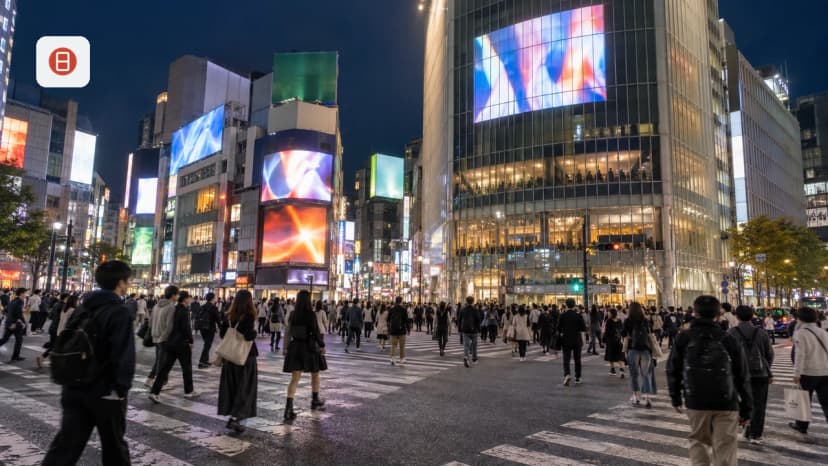
Meiji Jingu stands as a peaceful 70-hectare evergreen forest in the heart of Japan's busy capital. This iconic site offers a quiet escape from the neon lights of the city. Our 2026 meiji shrine visitor guide helps you navigate the 100,000 donated trees that form this man-made woodland. You will discover ancient traditions and modern serenity in one visit.
Walking through the towering torii gates feels like entering another world entirely. The shrine, founded in 1920, honors the spirits of Emperor Meiji and Empress Shoken and was rebuilt after WWII air-raid damage. It remains one of the most popular spiritual sites for locals and tourists. Plan your Tokyo itinerary to include this essential cultural landmark just one minute on foot from JR Harajuku Station (Omotesando Exit).
The History and Significance of Meiji Jingu
The shrine was founded in 1920 to enshrine the deified spirits of Emperor Meiji (died 1912) and Empress Shoken (died 1914). Emperor Meiji led Japan through the rapid Meiji Restoration modernization of the late 19th century. His reign transformed the nation into a major world power. This site serves as a lasting tribute to his influential legacy.
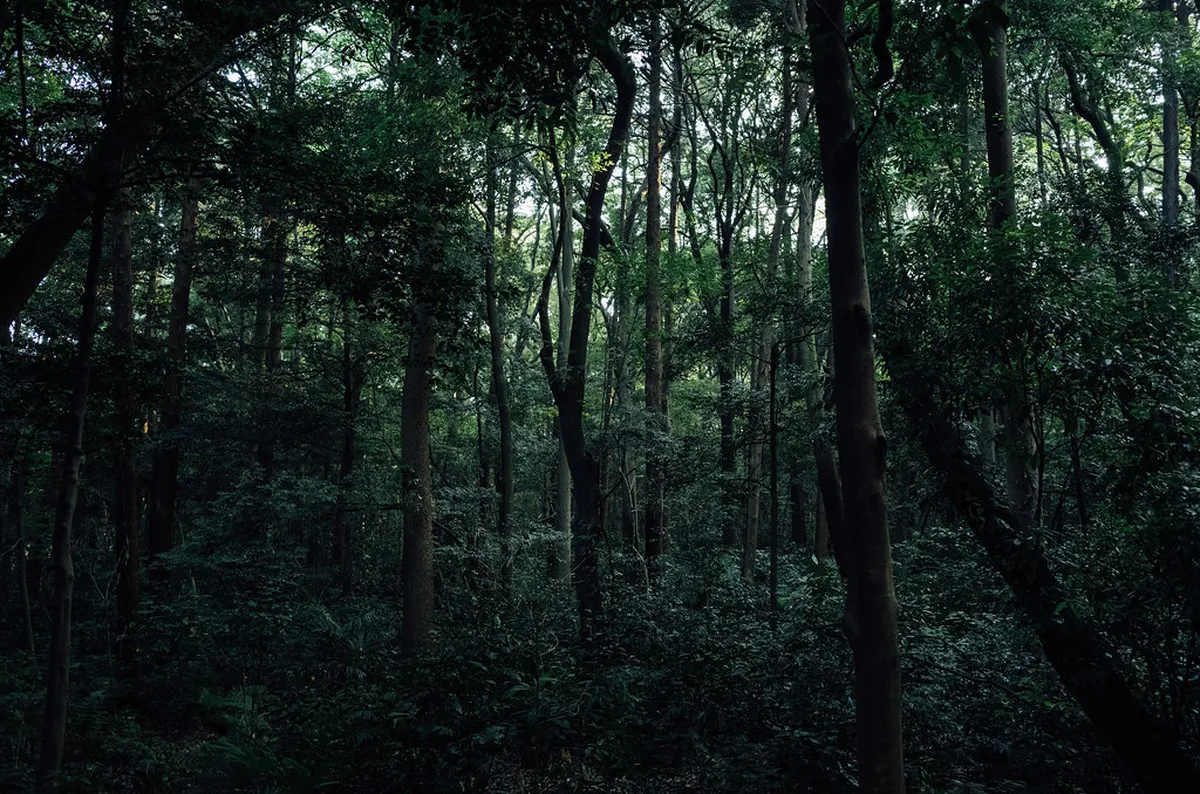
The 70-hectare forest surrounding the buildings was not always there. Volunteers planted approximately 100,000 trees donated from across Japan, Korea, Taiwan, and Sakhalin in the 1910s. This man-made woodland now feels like a natural, ancient forest. It offers a stark contrast to the nearby Imperial Palace grounds.
Tragedy struck during World War II when 1945 Allied air raids destroyed the original honden (main hall). A massive public fundraising effort helped rebuild the shrine, with reconstruction completed in 1958. The work used traditional joinery and Japanese cypress to maintain historical accuracy. Visitors today see the result of that dedicated post-war restoration.
Meiji Jingu represents the deep connection between the Japanese people and the imperial family. It is not just a tourist spot but a living place of worship. Respecting its history enhances your appreciation of the architecture. Take a moment to enjoy the silence beneath the thick canopy.
Essential Logistics: Hours, Fees, and Access
Visiting Meiji Jingu is easy because it sits right next to major transit hubs. From JR Harajuku Station, take the Omotesando Exit and reach the south torii gate in about 1 minute on foot, then walk roughly 10 minutes through the forested approach to the main hall. Tokyo Metro Meiji-jingumae 'Harajuku' Station (Chiyoda/Fukutoshin lines) is equally close. Check our guide to Harajuku for more local transit tips.
The shrine grounds do not follow fixed museum hours. Instead, the gates open at sunrise and close at sunset every day, so the schedule shifts every month. In June expect roughly 5:00 AM to 6:30 PM, while in December gates open around 6:40 AM and close near 4:00 PM. Check the official monthly schedule before your 2026 visit. Early morning visits offer the most peaceful atmosphere for photography.
Entrance to the main shrine area is free for all visitors, making it one of the best budget-friendly activities in the capital. The Inner Garden (Gyoen) charges a 500 yen maintenance fee — ideal for the iris bloom in mid-June. The Meiji Jingu Museum costs 1,000 yen.
| Area | Cost | Best for |
|---|---|---|
| Main shrine grounds | Free | Torii gate, temizuya, main hall, sake barrels |
| Inner Garden (Gyoen) | ¥500 | Iris bloom in mid-June; Kiyomasa's Well |
| Meiji Jingu Museum | ¥1,000 | Personal treasures of Emperor Meiji; Kengo Kuma architecture |
- Quick Visit Facts
- Cost: Free (Inner Garden ¥500, Museum ¥1,000)
- Hours: Sunrise to sunset (varies monthly)
- Station: JR Harajuku, Omotesando Exit (1 min walk to torii)
- Time: 1.5-2 hours needed
Top Highlights Within the Shrine Grounds
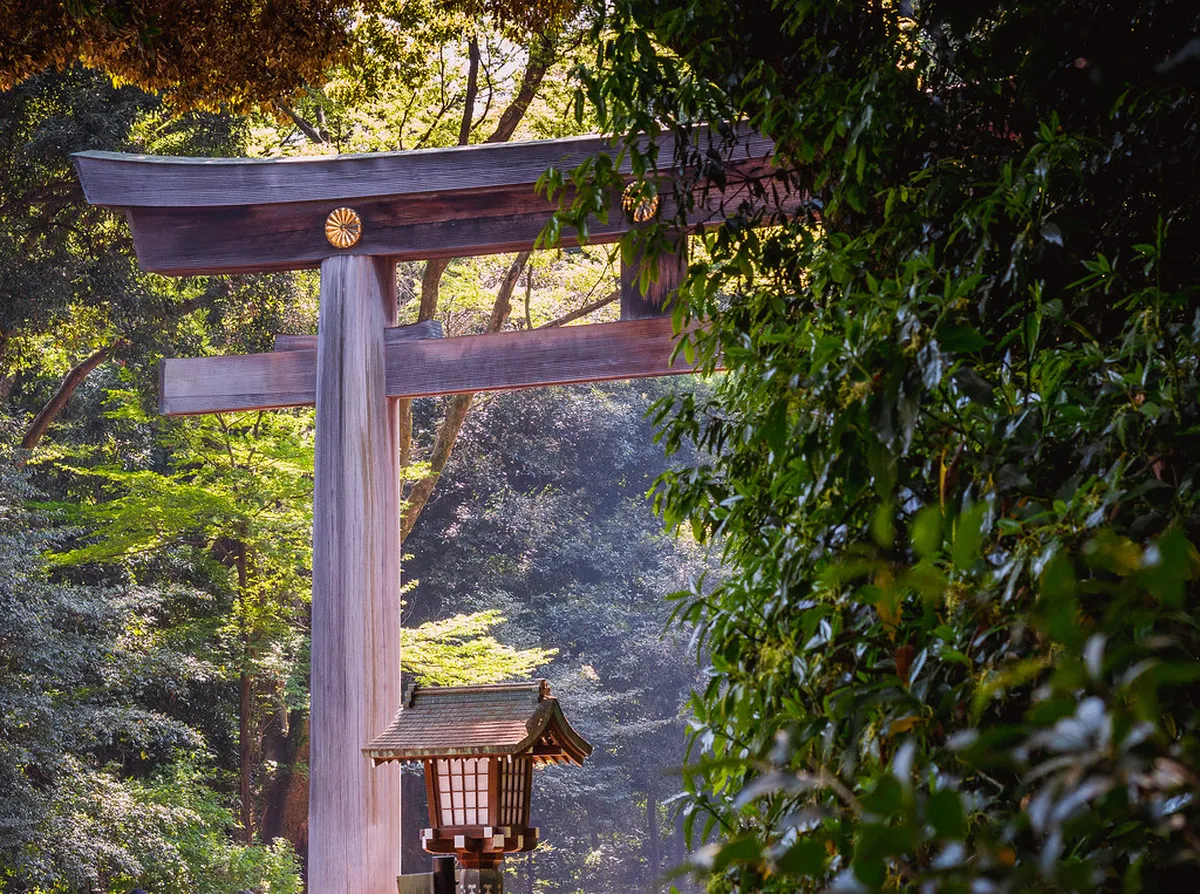
The massive Torii gates are the first things you will notice. These structures use 1,500-year-old cypress wood sourced from Taiwan. They stand as some of the largest wooden gates in Japan. Walking under them signifies leaving the secular world behind.
Along the path, you will see rows of colorful sake barrels. These are called kazaridaru and are donated by brewers across the country. Opposite these are French wine barrels from the Burgundy region. Emperor Meiji enjoyed wine and encouraged Western influence in Japan.
Kiyomasa's Well is a famous 'power spot' (pawaa supotto — a Japanese concept for places of concentrated spiritual energy) located inside the Inner Garden. Many locals believe visiting the well brings good luck, clarity, and renewed energy. Access requires the 500 yen Gyoen ticket, and queues form by mid-morning — arrive at opening to avoid waits. The well is named after Kato Kiyomasa, a celebrated 17th-century military commander said to have dug it himself.
Look for the 'Couple Camphor Trees' near the main shrine building. These two trees are bound together by a sacred rope. They symbolize a happy marriage and a strong family bond. Many visitors pray here for success in their personal relationships.
The Meiji Jingu Museum is a newer addition designed by Kengo Kuma. It houses personal items and treasures belonging to the Emperor. The building itself blends beautifully with the surrounding forest. It provides a modern perspective on the shrine's historical treasures.
Shinto Etiquette: How to Visit and Pray
Understanding Shinto etiquette makes your visit more meaningful and respectful. There is no formal dress code, but modest clothing that covers your shoulders and knees is appreciated. Start by bowing once before passing through any torii gate and walk on the sides of the path — the center (seichu) is reserved for the kami (deities). Photography is permitted on the approach paths and outer courtyard, but is strictly prohibited inside the inner sanctum and during ceremonies, Shinto weddings, or private rituals. These Tokyo cultural experiences reflect Japan's deep spiritual traditions.
Locate the purification fountain, known as the temizuya, before the main hall. Use the wooden ladle (hishaku) to rinse your left hand, then right hand, then cup water into your left hand to rinse your mouth. This ritual cleanses you before approaching the inner sanctuary. Never drink directly from the ladle or swallow the water.
Walk on the sides of the approach path, not the centre — the seichu (central strip) is reserved for the deities. Photography is permitted on the forest approach and outer courtyard but strictly prohibited inside the inner sanctum and during ceremonies or weddings.
The prayer ritual follows a specific sequence of actions. Many people find this tradition similar to rituals at Senso-ji temple. After praying, you can buy omikuji (paper fortunes), write a wish on a wooden ema plaque, or purchase omamori (protective amulets) from the shrine office. Focus on your breathing and maintain a quiet, respectful demeanor at all times.
- Steps for Traditional Shinto Prayer (Ni-rei, Ni-hakushu, Ippai)
- Step 1: Toss a 5-yen coin into the offering box
- Step 2: Bow deeply twice
- Step 3: Clap your hands twice
- Step 4: Make your silent prayer, then bow once more
Annual Events and Seasonal Festivals
Hatsumode (New Year shrine visits) draws roughly 3 million visitors in the first three days of January — the largest hatsumode count in Japan. Entry queues of 1–2 hours, restricted approach routes, and police crowd-flow management apply. Plan to arrive after January 4 or commit to a pre-dawn arrival.
Meiji Jingu hosts many vibrant festivals throughout the calendar year. Hatsumode (the year's first shrine visit) is the most significant event, drawing roughly 3 million worshippers during the first three days of January — the largest hatsumode count in all of Japan. Expect entry queues of 1-2 hours, restricted approach routes, and police crowd-flow management. If you are in Tokyo for 2026 New Year, plan to arrive after January 4 for a sane experience, or commit to a pre-dawn arrival.
Weekend mornings — especially Sundays between roughly 10:00 AM and 2:00 PM — are the best window to see a traditional Shinto wedding procession (shinzen kekkon). The bride wears a white shiromuku kimono and tsunokakushi hood, and a Shinto priest in vivid robes leads the party across the outer courtyard beneath a red parasol. Watch silently from the side, never block the procession, and keep cameras lowered as the party passes.
November brings the Shichi-Go-San (7-5-3) festival, when families bring children aged 3, 5, and 7 in formal kimono and hakama for blessings. The colorful outfits create one of the most photogenic cultural scenes in Tokyo. Mid-November weekends are peak.
The Inner Garden iris bloom in mid-June is a quieter highlight worth the 500 yen Gyoen entry. Spring and autumn grand festivals also feature traditional gagaku court music, kemari (ancient football), and yabusame horseback archery demonstrations on the main plaza — check the official Meiji Jingu calendar for 2026 dates.
Beyond the Torii: Harajuku and Yoyogi Park
The shrine sits right next to the high-energy streets of Harajuku. You can walk from ancient silence to modern chaos in minutes. Contrast your visit with a trip to Shibuya Crossing nearby. The transition between these areas defines the Tokyo experience.
Yoyogi Park is located adjacent to the shrine grounds. It is a popular spot for picnics, street performers, and jogging. The park offers a more relaxed vibe compared to the shrine. It is the perfect place to rest your feet after walking.
Consider your options carefully if you want to rent a kimono. Renting at Forest Terrace Meiji Jingu is convenient but pricier. Shops in Harajuku offer more trendy styles at lower costs. However, some shrine areas have strict rules about commercial photography.
The Museum cafe is a hidden gem for matcha lovers. It offers a serene atmosphere with views of the forest. This is a high-end alternative to the busy Takeshita Street shops. Enjoy a quiet moment of reflection before heading back to the city.
Walking through the forest path takes about 15 minutes each way. Wear comfortable shoes as the gravel paths can be tiring. Most visitors spend a total of two hours exploring the grounds. End your day by exploring the boutiques of Omotesando.
Frequently Asked Questions
How much time should you plan for a Meiji Shrine visit?
You should plan for approximately 1.5 to 2 hours to see the main highlights. This includes the walk through the forest and time for prayer. If you visit the Inner Garden or the Museum, add another hour. It is a great pairing with Shinjuku Gyoen for a nature-filled day.
Is there an entrance fee for Meiji Jingu?
The main shrine grounds and buildings are free to enter. There is no ticket required for the primary worship areas. However, the Meiji Jingu Inner Garden and the Museum both charge a small fee. These typically cost 500 to 1,000 yen depending on the site.
What is the best time to see a wedding at Meiji Shrine?
The best time to witness a traditional Shinto wedding is Sunday morning. Processions often take place between 10:00 AM and 2:00 PM. While they happen on other days, weekends are much more frequent. Always maintain a respectful distance and avoid blocking the path of the wedding party.
Can you wear a kimono at Meiji Jingu?
Yes, many visitors wear kimonos to the shrine for photos and ceremonies. It is a popular spot for professional and amateur cultural photography. Just ensure you follow all posted signs regarding restricted areas for photos. Respect the religious nature of the site while wearing traditional attire.
What should travelers avoid when visiting a Shinto shrine?
Avoid walking in the center of the path as it is for deities. Do not take photos inside the main prayer hall where signs forbid it. Never shout or play loud music on the sacred grounds. Always use the purification fountain before approaching the inner sanctuary to show proper respect.
Meiji Jingu is a vital part of any trip to Tokyo. It provides a deep look into the spiritual heart of Japan. Use this meiji shrine visitor guide to make the most of your time. The forest offers a unique peace that stays with you long after.
Remember to arrive early to enjoy the most quiet moments. Respect the local traditions and take in the natural beauty. This landmark perfectly balances the old and new faces of the city. Enjoy your journey through this sacred urban forest.