Tokyo Itinerary: The Ultimate 5-Day Guide for 2026
Plan the perfect Tokyo itinerary for 2026 with this day-by-day 5-day guide. Includes budget tips, transport passes, must-see spots, and a detailed FAQ.
On this page
TL;DR — 5 days is the sweet spot for a first Tokyo trip in 2026. Day 1: Shinjuku gardens and nightlife. Day 2: Asakusa temples and Tokyo Skytree. Day 3: Shibuya Crossing, Harajuku, and Meiji Shrine. Day 4: Tsukiji food market, teamLab Borderless, and Ginza shopping. Day 5: Mount Fuji and Kawaguchiko if the forecast is clear. Budget roughly ¥10,000-15,000 per day excluding accommodation.
Planning your first trip to Tokyo? This Tokyo itinerary gives you a practical, day-by-day plan covering the city's best neighborhoods, food experiences, cultural landmarks, and hidden gems. In 2026, Tokyo remains one of the world's most exciting destinations, blending centuries-old temples with neon-lit streets, Michelin-starred ramen shops, and immersive digital art museums. Whether you have 3 days or a full week, this guide scales to fit your schedule.
This itinerary pairs well with our guides to things to do in Tokyo, Tokyo experiences, and Tokyo adventures. If Tokyo is one stop on a larger Japan trip, see our guide to iconic Tokyo landmarks and Tokyo's cultural scene.
How to Get to Tokyo
Tokyo is served by two international airports: Narita (NRT), about 60 km east, and Haneda (HND), just 15 km south of the city center. Haneda is more convenient for most travelers, but Narita handles the majority of international long-haul flights. Understanding your transfer options sets the tone for a smooth start to your Tokyo itinerary.
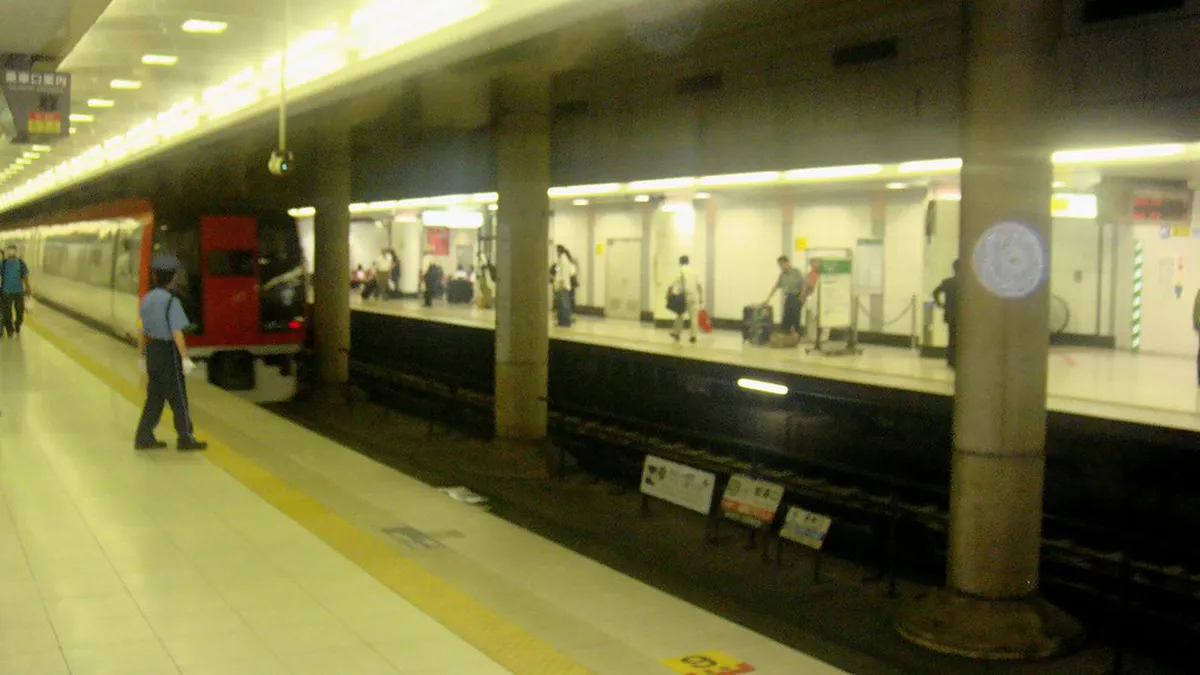
From Narita Airport: The Narita Express (N'EX) takes about 60 minutes to Tokyo Station and costs ¥3,250 one-way (about $21 USD in 2026). A round-trip discount ticket is available for ¥4,070. The Airport Limousine Bus costs ¥3,200 and runs to major hotels in Shinjuku, Shibuya, and Ginza. Budget option: the Access Express on the Keisei Line reaches Asakusa in about 60 minutes for just ¥1,290.
From Haneda Airport: The Keikyu Line reaches Shinagawa in 13 minutes for ¥300, and from there the entire JR Yamanote Line is accessible. The Tokyo Monorail connects to Hamamatsucho Station in 18 minutes for ¥500. Taxis from Haneda to central Tokyo cost ¥5,000-8,000 (about $33-53 USD), which is reasonable if you are splitting the fare.
How to Get Around Tokyo
Trains and Subways: Your Main Transport
Tokyo's rail network is among the most efficient in the world. The system includes JR lines (including the circular Yamanote Line), Tokyo Metro (9 lines), and Toei Subway (4 lines). A single ride typically costs ¥170-320 depending on distance. Color-coded maps and English signage make navigation straightforward, even for first-time visitors. Knowing how to use this system is essential for any comprehensive Tokyo itinerary.
IC Cards: Suica and Pasmo
Buy a Suica or Pasmo card at any airport station or major terminal for ¥500 deposit plus whatever balance you load. These rechargeable cards work on all trains, subways, and buses across Tokyo, and also at convenience stores and vending machines. In 2026, mobile Suica via Apple Wallet or Google Pay is the most convenient option — no physical card needed. Budget about ¥1,000-2,000 per day ($7-13 USD) for local transport within central Tokyo.
Day Passes Worth Considering
The Tokyo Subway 24-Hour Ticket costs ¥800 and covers all Tokyo Metro and Toei lines — it pays for itself after 4 rides. The Tokyo Wide Pass (¥15,000 for 3 days) covers JR trains in the greater Tokyo area including trips to Kawaguchiko, Nikko, and Karuizawa. For longer Japan trips, the 7-day JR Pass costs about ¥50,000 (approximately $330 USD) in 2026.
Buses and Taxis
Buses are useful for reaching specific neighborhoods but can be challenging for non-Japanese speakers. Taxis start at about ¥500 and climb quickly — use them mainly late at night or when splitting fares. Ride-hailing apps like GO Taxi work well in Tokyo and show the fare upfront. After enjoying the Tokyo nightlife, a taxi back to your hotel is often the practical choice.
Where to Stay in Tokyo
Your neighborhood choice shapes your entire Tokyo itinerary. Here is a quick comparison of the best areas for visitors in 2026:
Shinjuku — Best for first-timers. Excellent train access (the Yamanote, Chuo, and Marunouchi lines all stop here), vibrant nightlife in Golden Gai and Kabukicho, and hotels at every price point. Budget hostels from ¥3,000/night; mid-range hotels ¥10,000-20,000/night.
Shibuya — Best for younger travelers and fashion lovers. Walking distance to Harajuku, and the new Shibuya Sky observation deck is steps away. Mid-range hotels from ¥12,000/night.
Asakusa — Best for traditional atmosphere. Quiet evenings, easy access to Senso-ji Temple, and more affordable lodging. Budget hotels from ¥5,000/night; traditional ryokans available from ¥15,000/night.
Ginza/Marunouchi — Best for luxury travelers. High-end hotels, fine dining, and proximity to Tokyo Station for day trips. Expect ¥25,000+ per night.
Ueno/Ikebukuro — Best for budget travelers. Affordable hostels from ¥2,500/night with easy access to museums, parks, and the Yamanote Line. Book well in advance during cherry blossom season (late March to mid-April) and Golden Week (late April to early May), when prices spike 30-50%. Regardless of budget, staying near a major train station is the single most important factor for maximizing your time in Tokyo.
Buy a Suica or Pasmo IC card at the airport on arrival — it works on all trains, subways, and buses across Tokyo, and also at convenience stores. The mobile Suica via Apple Wallet or Google Pay is the most convenient option in 2026, with no physical card needed.
When to Visit Tokyo
Spring (March-May) is the most popular season thanks to cherry blossoms (sakura), which typically peak in late March to early April in 2026. The weather is mild (15-22°C), but expect larger crowds and higher prices. It is ideal for exploring Tokyo's landmarks and gardens.
Summer (June-August) brings heat and humidity, with temperatures often exceeding 30°C. The rainy season (tsuyu) runs through most of June. However, summer also brings vibrant matsuri festivals and spectacular fireworks displays along the Sumida River. Great for Tokyo's nightlife and rooftop bars.
Autumn (September-November) is arguably the best time for sightseeing: comfortable temperatures (15-25°C), stunning koyo autumn foliage peaking in mid-November, and fewer crowds than spring. Perfect for exploring Tokyo's cultural sites.
Winter (December-February) is cold (2-10°C) but dry, with clear skies and excellent visibility of Mount Fuji. Winter illuminations across the city are spectacular, and it is the best season for hot pot, oden, and steaming bowls of ramen. Check Tokyo events for your travel dates to plan around festivals and seasonal attractions.
| Season | Months | Temp (°C) | Highlights | Crowds |
|---|---|---|---|---|
| Spring | Mar–May | 15–22 | Cherry blossoms (late Mar–early Apr) | Very high |
| Summer | Jun–Aug | 25–35+ | Sumida River fireworks, matsuri festivals | High |
| Autumn | Sep–Nov | 15–25 | Koyo foliage (mid-Nov), pleasant weather | Moderate |
| Winter | Dec–Feb | 2–10 | Illuminations, clear Fuji views, ramen season | Low |
How Many Days in Tokyo Do You Need?
5 days is ideal for first-time visitors. This gives you enough time to cover Tokyo's major neighborhoods without rushing. Here is a quick guide:
- 3 days: Enough for Shinjuku, Asakusa/Skytree, and Shibuya/Harajuku. Skip the day trip.
- 5 days: The sweet spot. Covers all the above plus Tsukiji/Ginza and a day trip to Mount Fuji, Kamakura, or the Edo-era town of Kawagoe.
- 7-10 days: Add Akihabara, Odaiba, Yanaka, Shimokitazawa, and deeper food or anime-focused exploration.
If you are passionate about specific themes like anime, culinary arts, or history, you could easily fill a week or more with niche Tokyo experiences. The itinerary below follows a 5-day structure but can be adapted to 3 or 7 days.
Tokyo Budget Breakdown for 2026
Here is what to expect for daily costs per person in 2026, excluding flights:
- Budget traveler: ¥8,000-12,000/day ($53-80 USD) — hostel dorms, convenience store breakfasts, ramen lunches, free attractions
- Mid-range traveler: ¥15,000-25,000/day ($100-165 USD) — private hotel room, sit-down restaurants, 1-2 paid attractions
- Luxury traveler: ¥40,000+/day ($265+ USD) — upscale hotel, fine dining, private tours
Sample daily budget (mid-range): Transport ¥1,500 + Breakfast ¥800 + Lunch ¥1,500 + Dinner ¥3,000 + Attractions ¥2,000 + Snacks/drinks ¥1,000 = about ¥9,800 ($65 USD) before accommodation. Tokyo can be surprisingly affordable if you eat at local spots and use day passes.
To include your exact hotel nights, travelers, meal style, flights, shopping and seasonal pricing, calculate the total cost of your Tokyo trip rather than multiplying a daily average.
Day 1: Shinjuku — Gardens, Skyscrapers, and Golden Gai
Morning: Tokyo Metropolitan Government Building and Shinjuku Gyoen
Begin your Tokyo itinerary in Shinjuku. Start with the Tokyo Metropolitan Government Building observatories, where twin observation decks on the 45th floor offer free 360-degree views of the city — on clear days, you can see Mount Fuji. The decks open at 9:30 AM and there is no admission fee, making this one of the best free Tokyo attractions. Next, walk 10 minutes to Shinjuku Gyoen National Garden (entry ¥500, open 9:00 AM-4:30 PM). This 58-hectare park blends Japanese, English, and French garden styles and is especially stunning during cherry blossom season and autumn foliage.
Midday: Kabukicho and Ramen Lunch
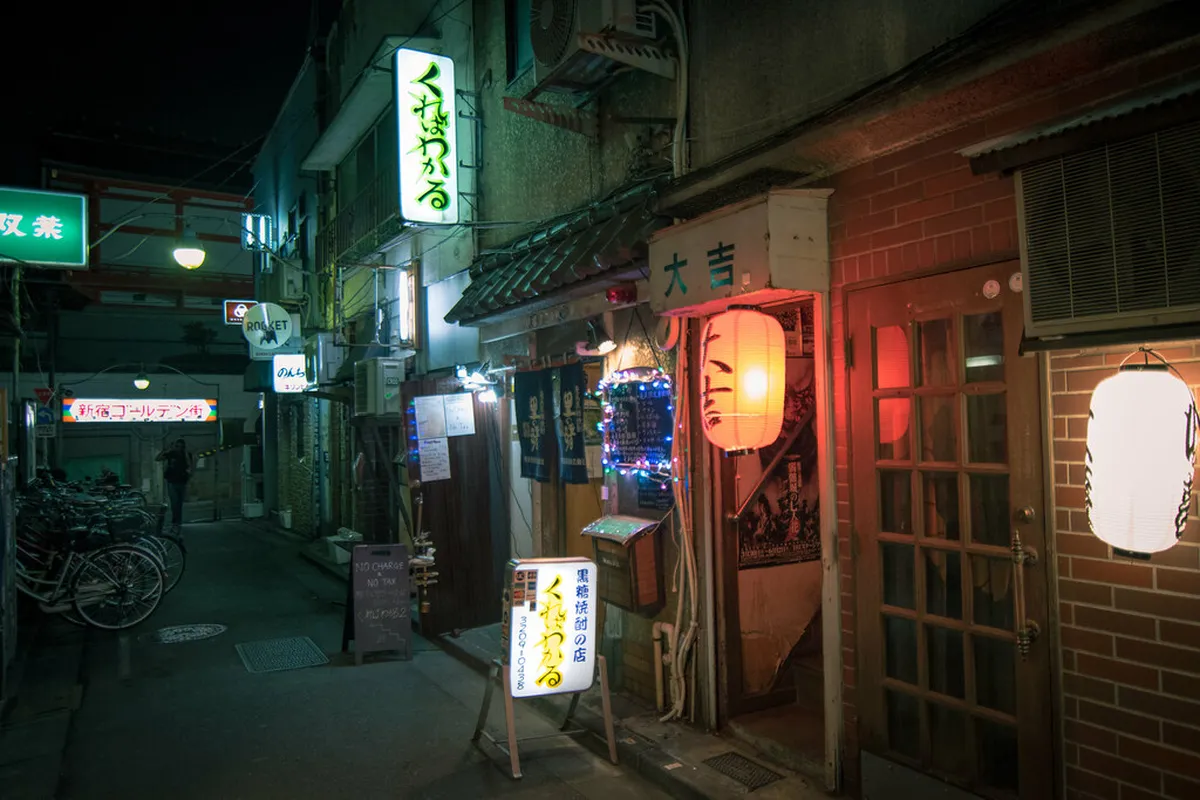
Head into the heart of Shinjuku and explore Kabukicho, Tokyo's famous entertainment district. While known for nightlife, it is equally fascinating during the day with its neon signs, arcades, and themed restaurants. Find a local ramen shop for lunch — Fuunji (dipping ramen) near the south exit is a local favorite with bowls from ¥1,000. After lunch, stroll through Golden Gai, a network of six narrow alleyways packed with over 200 tiny bars, each seating only 6-10 people. Most bars open from 8 PM, but the architecture and atmosphere are worth seeing in daylight.
Afternoon: Samurai Museum or Akihabara Side Trip
In the afternoon, visit the Samurai Museum (¥1,900, about 45 minutes) for an interactive look at warrior history, including armor try-on sessions. Alternatively, take the Chuo Line 15 minutes to Akihabara for anime shops, retro game arcades, and maid cafes — a quintessential Tokyo activity for pop culture fans.
Evening: Omoide Yokocho and Park Hyatt Cocktails
As evening descends, Shinjuku truly comes alive. Start at Omoide Yokocho (Memory Lane), a nostalgic alleyway of tiny yakitori stalls just northwest of Shinjuku Station. Skewers cost ¥150-300 each and pair perfectly with cold draft beer. For a contrast, ascend to the Park Hyatt Tokyo's New York Bar on the 52nd floor — made famous by the film "Lost in Translation" — for cocktails (¥2,500+) and panoramic nighttime views. There is a ¥2,800 cover charge after 7 PM, but the atmosphere is unforgettable.
Day 1 Tips
Shinjuku Station is one of the world's busiest, handling 3.5 million passengers daily. Use the south or west exits for the Government Building and Shinjuku Gyoen. Grab a Suica card here if you have not already. Kabukicho can feel overwhelming at night — stick to well-lit main streets if you are exploring solo. For more, see our complete things to do in Tokyo guide.
Day 2: Asakusa, Tokyo Skytree, and the Sumida River
Morning: Senso-ji Temple and Nakamise-dori
Begin your second day in Asakusa, Tokyo's oldest temple district. Arrive at Senso-ji Temple by 8:00 AM to avoid crowds — the temple grounds are open 24 hours, though the main hall opens at 6:00 AM. Walk through the iconic Kaminarimon (Thunder Gate) and along Nakamise-dori, a 250-meter shopping street selling traditional crafts, snacks, and souvenirs since the Edo period. Try ningyo-yaki (sweet bean paste cakes, ¥500 for a bag) and age-manju (fried sweet buns, ¥100 each). Senso-ji is free to enter and is one of Tokyo's most visited landmarks.
Midday: Sumida River Cruise and Local Lunch
After exploring the temple area, take a Sumida River cruise from Asakusa Pier to Odaiba or Hamarikyu Gardens (¥1,040-1,720, about 40-70 minutes depending on route). The cruise offers unique views of Tokyo's skyline, passing under 12 bridges and past the Tokyo Skytree. Alternatively, simply walk along the riverside promenade. For lunch, try Asakusa's famous tempura — Daikokuya near Senso-ji has been serving crispy tendon (tempura rice bowls) since 1887 for about ¥1,800. Authentic Japanese cuisine is central to the full Tokyo culture experience.
Afternoon: Tokyo Skytree
Walk 20 minutes or take the Tobu Skytree Line one stop to the Tokyo Skytree, the world's tallest free-standing broadcast tower at 634 meters. The Tembo Deck (350m) costs ¥2,100 and the Tembo Galleria (450m) is an additional ¥1,000. On clear days, visibility extends 75 km. The base complex, Tokyo Solamachi, has 300+ shops and restaurants worth browsing. It is one of the premier Tokyo landmarks to visit.
Evening: Izakaya Dinner in Asakusa
Head back to Asakusa for dinner at a traditional izakaya (Japanese pub). The Hoppy Street area near Senso-ji has a row of casual izakayas with outdoor seating, where you can order yakitori, edamame, and hoppy (a beer-like drink) for about ¥2,000-3,000 per person. This area offers a more traditional and intimate atmosphere compared to other districts. Exploring Tokyo nightlife in Asakusa is perfect for those who prefer cozy, local spots over club scenes.
Day 2 Tips
Take the Ginza Line directly to Asakusa Station. Visit Senso-ji early — by 10 AM, tour groups flood Nakamise-dori. If you want the best Skytree photos, go in the late afternoon to catch both daylight views and the city lighting up at sunset. Check our Tokyo activities guide for even more ideas to enhance your Tokyo experiences.
Day 3: Shibuya, Harajuku, and Meiji Shrine
Morning: Shibuya Crossing and Hachiko
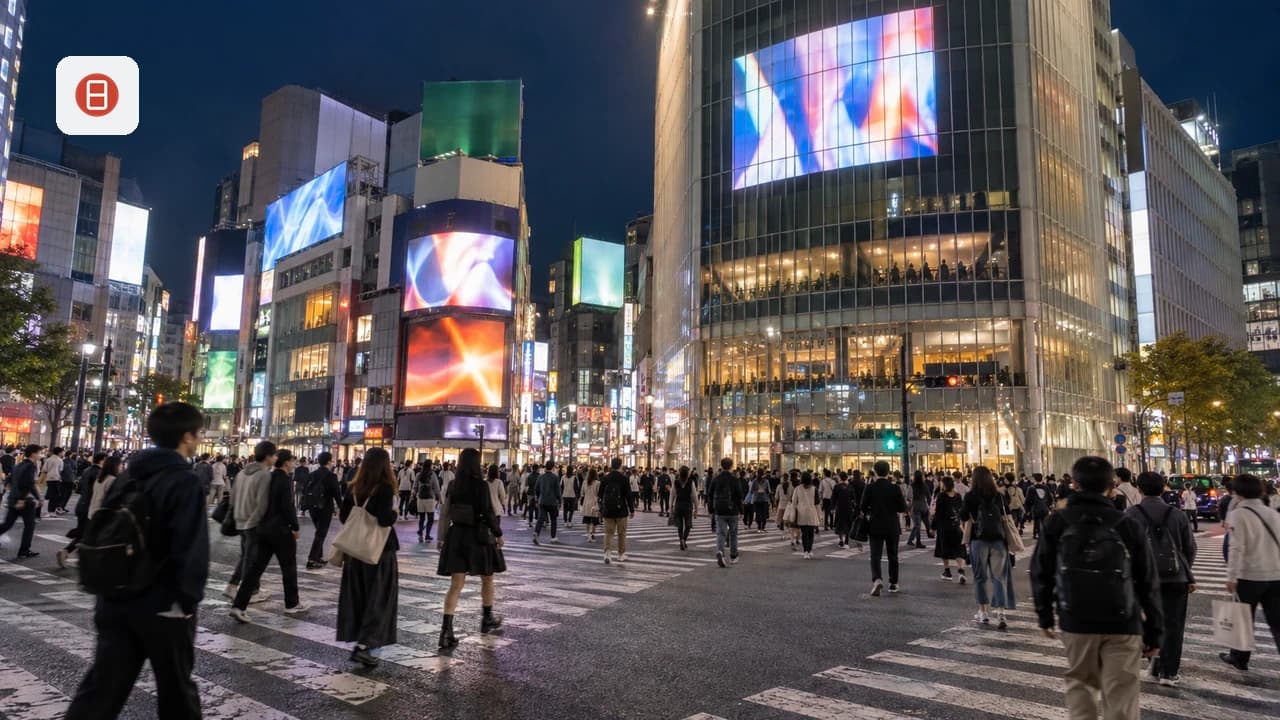
Start at Shibuya Crossing, the world's busiest pedestrian intersection where up to 3,000 people cross simultaneously during peak times. For the best view, head to the Starbucks on the second floor of Shibuya Tsutaya building or the free Shibuya Station rooftop viewing area. Right by the station, the Hachiko statue commemorates Japan's most loyal dog — it is the city's most famous meeting point. Shibuya offers some of the most exciting things to do in Tokyo.
Midday: Cat Street and Harajuku
Walk 15 minutes from Shibuya along Cat Street, a stylish pedestrian lane lined with independent boutiques, vintage stores, and specialty coffee shops. This leads into Harajuku, Tokyo's youth fashion capital. Explore Takeshita Street for colorful street fashion, quirky accessories, and famous rainbow cotton candy. For lunch, try a Harajuku crepe (¥500-800) or head to Omotesando — sometimes called Tokyo's Champs-Elysees — for a sit-down meal. The Omotesando Hills mall and surrounding architecture are worth seeing even if you don't shop. Considering all the Tokyo attractions, Harajuku is a must-visit for its unique cultural energy.
Afternoon: Meiji Jingu Shrine and Yoyogi Park
Escape the crowds at Meiji Jingu Shrine, a peaceful Shinto shrine set in a 70-hectare forest with 120,000 trees. Entry is free. Walk through the towering torii gate, cleanse your hands at the temizuya fountain, and write a wish on an ema (wooden plaque, ¥500). On weekends, you may witness a traditional Shinto wedding procession. Adjacent Yoyogi Park is Tokyo's Central Park — perfect for a quiet stroll where locals practice music, dance, and martial arts. Meiji Jingu offers an authentic taste of Tokyo culture.
Evening: Shibuya Sky and Dinner
Return to Shibuya for dinner — the area around Center-gai and Dogenzaka has hundreds of options from ¥800 ramen to upscale izakayas. After dinner, head to Shibuya Sky (¥2,000 advance / ¥2,500 on-site), the open-air observation deck atop Shibuya Scramble Square at 230 meters. The sunset and nighttime views of the sprawling city are among the best in Tokyo. Book online in advance to skip the line. Shibuya's nightlife and dining provide fantastic Tokyo nightlife experiences.
Day 3 Tips
Shibuya and Harajuku get very crowded on weekends — arrive before 10 AM for a more relaxed pace. Wear comfortable shoes; you will walk 15,000-20,000 steps today. The side streets between Cat Street and Omotesando hide some of Tokyo's best cafes and independent shops. For more, explore Tokyo's landmarks.
teamLab Borderless tickets must be booked online well in advance — popular dates sell out 2–4 weeks ahead. Tsukiji Outer Market stalls start closing by 2:00 PM, so aim to arrive before 9:00 AM for the best selection.
Day 4: Tsukiji Market, teamLab Borderless, and Ginza
Morning: Tsukiji Outer Market
Begin your fourth day at the Tsukiji Outer Market, one of Tokyo's top food destinations. Though the inner wholesale market moved to Toyosu in 2018, the outer market remains a vibrant maze of 400+ stalls and small restaurants. Arrive by 8:00 AM for the best selection. Must-tries: fresh sashimi on rice (¥1,500-2,500), grilled scallops on the half shell (¥500), tamagoyaki sweet egg omelet (¥100-300), and fresh strawberry daifuku (¥400). Most stalls close by 2:00 PM. The market is a 5-minute walk from Tsukiji Station on the Hibiya Line.
Midday: teamLab Borderless at Azabudai Hills
Take the subway to teamLab Borderless, which reopened at Azabudai Hills in 2024. Adult date-specific tickets start at ¥3,600 under 2026 dynamic pricing and should be booked online in advance. Allow two to three hours to explore the flowing, boundary-less digital artworks that respond to movement.
Afternoon: Shopping and Culture in Ginza
Walk or take a short taxi ride to Ginza, Tokyo's most upscale shopping district. Stroll along Chuo-dori (pedestrian-only on weekends) and admire flagship stores from every luxury brand. For culture, visit the Kabuki-za Theatre — single-act tickets start at ¥1,000, letting you watch one act of a traditional Kabuki performance without committing to the full 4-hour show. Ginza is also home to excellent art galleries, including the free Ginza Maison Hermes Le Forum. For more cultural experiences in Tokyo, there are plenty of options.
Evening: Fine Dining in Ginza
Ginza has one of the highest concentrations of Michelin-starred restaurants in the world. For an accessible splurge, try an omakase sushi counter — lunch sets start around ¥5,000, while dinner omakase ranges from ¥15,000-30,000. For a more casual option, the basement food halls of department stores like Mitsukoshi and Wako offer world-class takeaway at reasonable prices. After dinner, explore Ginza's sophisticated bars — the Star Bar Ginza is regularly ranked among Asia's best cocktail bars. For more, check our nightlife guide.
Day 4 Tips
Arrive at Tsukiji early — the best stalls have lines by 9 AM. Book teamLab Borderless tickets 2-4 weeks ahead on the official website. On weekends, Chuo-dori in Ginza becomes a pedestrian paradise from noon to 5 PM. For more ideas on things to do in Tokyo, explore various Tokyo attractions.
Day 5: Day Trip to Mount Fuji and Kawaguchiko
Morning: Journey to Kawaguchiko
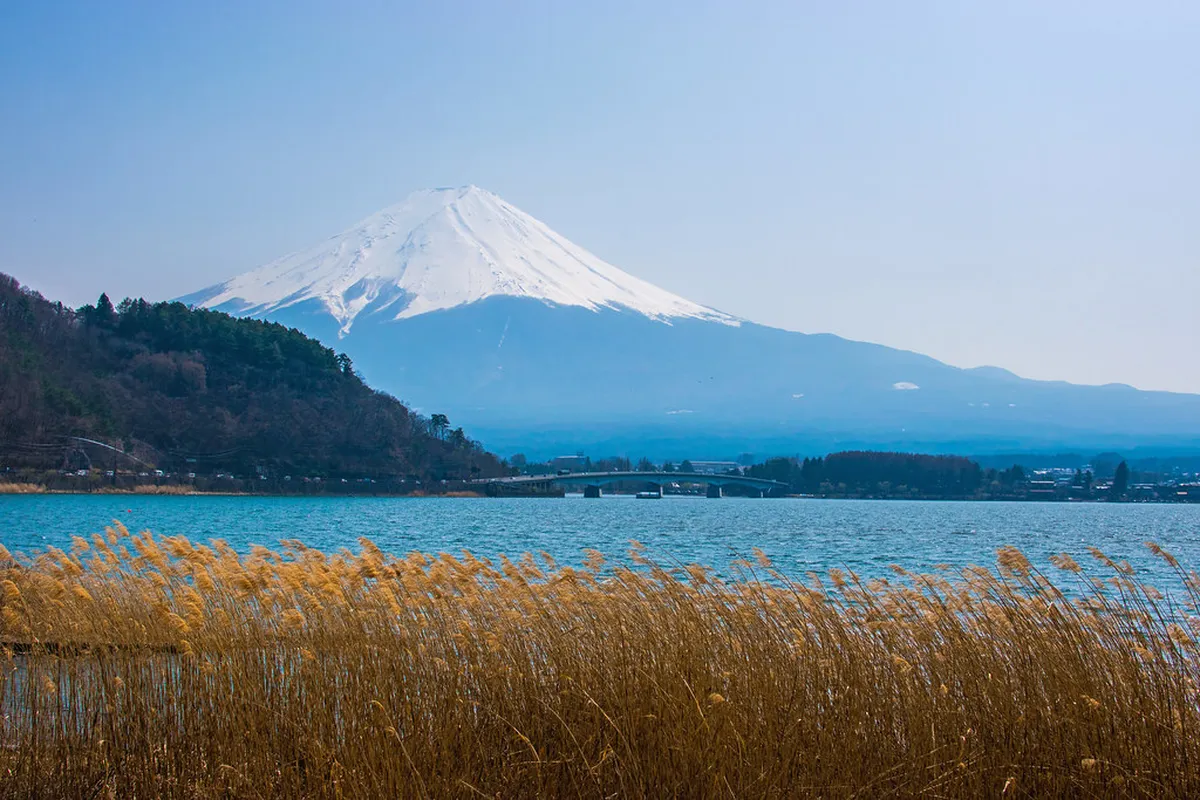
Start early for an unforgettable excursion to Mount Fuji, Japan's iconic 3,776-meter peak and a UNESCO World Heritage Site. Take the direct highway bus from Shinjuku Expressway Bus Terminal to Kawaguchiko Station — the ride takes about 2 hours and costs ¥2,200 one-way (book on the Fujikyu Bus website). Alternatively, take the JR Chuo Line to Otsuki, then transfer to the Fujikyu Railway (covered by the Tokyo Wide Pass). Aim to depart by 7:00 AM to maximize your time at the lake. For more easy escapes from Tokyo beyond Mount Fuji, explore our dedicated day trips guide.
Midday: Lake Kawaguchiko and Local Cuisine
At Lake Kawaguchiko, take a sightseeing boat (¥1,000, 20 minutes) for iconic reflections of Mount Fuji on the water — the north shore near Oishi Park offers the most famous viewpoint. For lunch, try Hoto noodles, a thick flat noodle soup with vegetables and miso broth that is Yamanashi Prefecture's signature dish (about ¥1,200 at Hoto Fudo restaurant). The Kawaguchiko Music Forest Museum (¥1,800) features European-style gardens with Fuji as a backdrop.
Afternoon: Panoramic Ropeway and Chureito Pagoda
Ride the Mount Fuji Panoramic Ropeway (¥1,000 round trip) to an observation deck at 1,075 meters for sweeping views of the mountain and the Five Lakes region. If time permits, take a 15-minute bus ride to Chureito Pagoda in Fujiyoshida — the five-story pagoda framed against Mount Fuji is one of Japan's most photographed scenes (free entry, 398 steps to the top).
Evening: Return to Tokyo
Board the return bus by 5:00-6:00 PM to arrive in Shinjuku by 8:00 PM. For your final evening, consider a farewell dinner at a memorable spot — perhaps conveyor-belt sushi in Shinjuku or a quiet yakitori alley. Alternatively, unwind at your hotel or make a last visit to Tokyo's nightlife scene.
Day 5 Tips
Check the weather forecast the night before — Mount Fuji is only visible about 30% of days in summer but 70%+ in winter. The clearest views are typically early morning. Bring layers even in summer, as temperatures at the lake are 5-10°C cooler than Tokyo. A Fuji Hakone Pass (¥9,780 for 3 days) saves money if you plan to explore Hakone too. For more Tokyo adventures and day trips, explore our detailed guides.
Continue planning with Tokyo Trip Planner 2026: Attractions, Neighborhoods and Itineraries.
Frequently Asked Questions
Is 5 days enough for Tokyo?
Yes, 5 days is the ideal length for a first visit to Tokyo in 2026. You can cover the main neighborhoods (Shinjuku, Asakusa, Shibuya, Harajuku, Ginza) and fit in one day trip. For deeper exploration of niche interests like anime, food, or history, consider 7-10 days.
How much does a 5-day trip to Tokyo cost?
Excluding flights, budget travelers can expect to spend about ¥60,000-80,000 ($400-530 USD) for 5 days including accommodation, food, transport, and attractions. Mid-range travelers should budget ¥120,000-180,000 ($800-1,200 USD). These estimates are based on 2026 prices.
What is the best area to stay in Tokyo for first-timers?
Shinjuku is the best base for first-time visitors. It has direct train connections to every major district, hundreds of restaurants, and accommodation at every price point from ¥3,000 hostels to luxury hotels.
Do I need a Japan Rail Pass for Tokyo only?
Is Tokyo safe for solo travelers?
Tokyo is one of the safest major cities in the world. Violent crime is extremely rare, public transport runs until midnight (later on weekends), and you can walk almost anywhere at night without concern. Solo female travelers consistently rate Tokyo among the safest destinations globally.
What is the best time to visit Tokyo in 2026?
Autumn (October-November) offers the best balance of pleasant weather, beautiful foliage, and manageable crowds. Cherry blossom season (late March to early April) is magical but more crowded and expensive. Winter provides the clearest skies for Mount Fuji views.
Can I get by with English in Tokyo?
Yes, especially in tourist areas. Train stations, major attractions, and restaurants in popular districts have English signage. Google Translate's camera feature works well for menus and signs in Japanese. Hotel staff and information centers generally speak English. Learning a few basic phrases (arigatou, sumimasen, kudasai) is appreciated.
Tokyo is a city where ancient temples sit next to neon-lit skyscrapers, where a ¥1,000 bowl of ramen can rival a Michelin-starred meal, and where every neighborhood offers a completely different experience. This 5-day itinerary gives you a structured framework, but the best moments in Tokyo often come from wandering off the plan — ducking into a tiny side-street izakaya, discovering a hidden shrine, or stumbling upon a local festival. Start planning your 2026 Tokyo adventure today, and do not be afraid to improvise along the way.
Free: The Tokyo Essentials guide
Top things to do, where to stay, a perfect day plan, getting around, and the best time to go — a Tokyo mini-guide you can take offline.
You might also like


Continue reading
More guides you'll find useful