Tokyo Events 2026: Festival Calendar & Dates
Find the best Tokyo events in 2026 with confirmed festival dates, venues, costs, transport tips, and advice for fireworks, sumo, Comiket, and more.
On this page
Tokyo's 2026 event calendar spans centuries-old shrine festivals, grand sumo, cherry-blossom gatherings, fireworks, food fairs, and some of Japan's largest pop-culture conventions. As of July 20, the next major confirmed event is the Sumida River Fireworks Festival on July 25, followed by summer Comiket on August 15–16.
This guide prioritizes dates published by organizers and official tourism bodies. Schedules can still change because of severe weather, crowd-control decisions, or organizer updates, so follow the linked official source before paying for transport or accommodation. For the rest of your visit, pair this calendar with our guides to Tokyo attractions and a practical Tokyo itinerary.
The best time for traditional Tokyo festivals is May through August. Visit in late March for blossoms and AnimeJapan, mid-May for Sanja Matsuri, late July for Sumida River fireworks, or mid-August for Comiket and neighborhood Bon dances.
Tokyo events still to come in 2026
Traveling after July 20? These are the largest confirmed events remaining in 2026. Ticketed conventions and sumo can sell out, while free festivals require early arrival rather than advance booking.
| Event | 2026 date | Venue | Admission |
|---|---|---|---|
| Sumida River Fireworks Festival | July 25, 19:00–20:30 | Sumida River, Asakusa and Kuramae areas | Free public viewing; some reserved options |
| Comic Market 108 | August 15–16 | Tokyo Big Sight | Advance ticket or wristband required |
| September Grand Sumo Tournament | September 13–27 | Ryogoku Kokugikan | Ticket required |
| Tokyo Game Show | Public days September 19–21 | Makuhari Messe, Chiba | Ticket required for most visitors |
| Tokyo Ramen Festa | October 30–November 3 | Komazawa Olympic Park | Entry is free; food tickets cost extra |
| Comic Market 109 | December 29–31 | Tokyo Big Sight | Advance ticket or wristband required |
Dates checked July 20, 2026. Tokyo Game Show takes place in neighboring Chiba Prefecture, but it is commonly included in Tokyo trips and is reachable by train from central Tokyo.
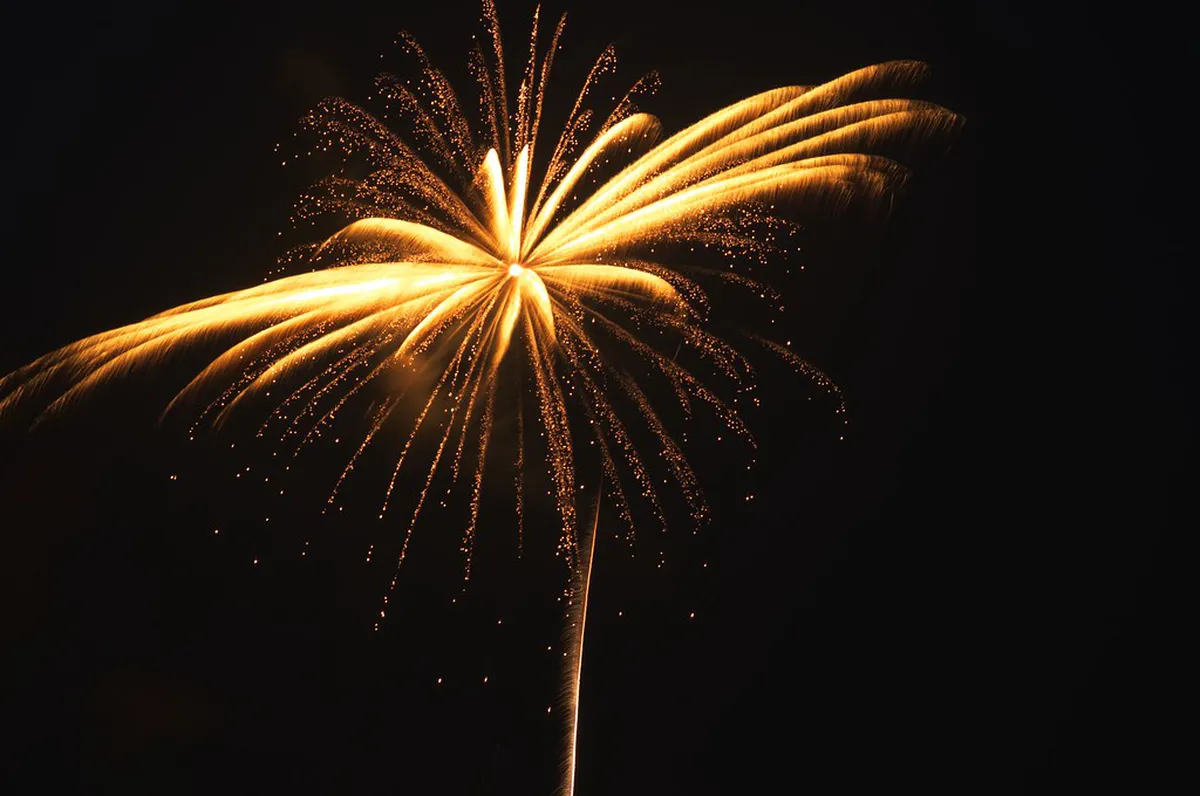
Sumida River Fireworks Festival — July 25
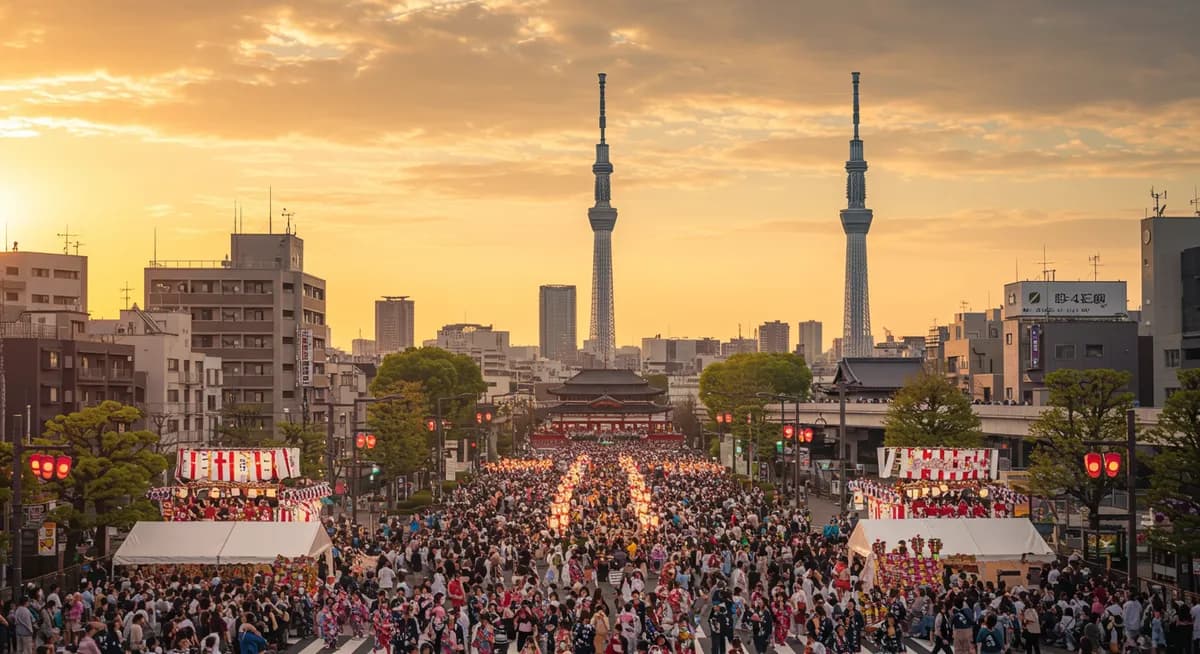
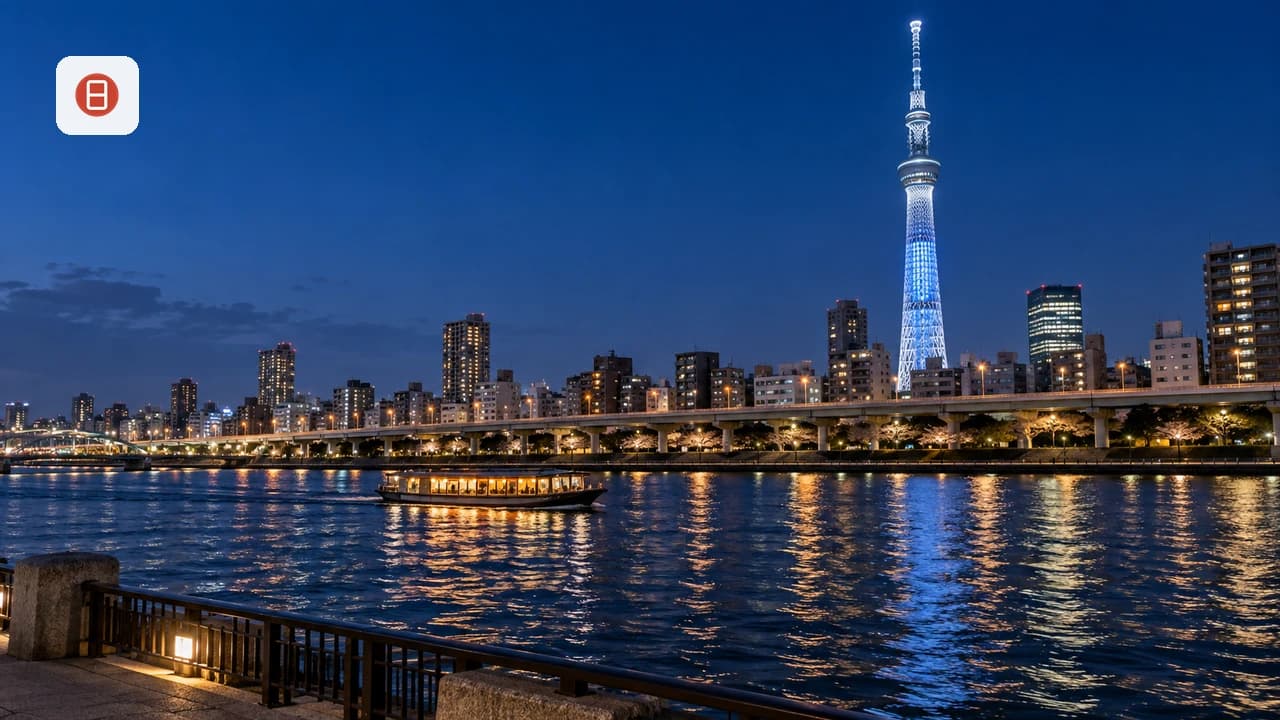
The 49th Sumida River Fireworks Festival runs from 19:00 to 20:30 on July 25, 2026. The first launch area is between Sakurabashi and Kototoibashi bridges; the second is between Komagatabashi and Umayabashi bridges. Public riverbank viewing is free, but the most convenient spots become crowded hours before sunset.
Asakusa Station is about a 15-minute walk from the main venue, while Kuramae Station is about five minutes from the second venue. Expect station controls and one-way pedestrian routes after the show. The official GO TOKYO event listing confirms the date, time, and access points. Our dedicated Tokyo fireworks guide covers viewing strategy and alternatives.
Comic Market 108 and 109
Summer Comiket, or Comic Market 108, takes place at Tokyo Big Sight on August 15–16, 2026. The winter edition, C109, is scheduled for December 29–31. The event focuses on self-published manga, art, games, and cosplay; exhibitors and genres change each day.
There is no free walk-in admission. The Comic Market Committee's international guide says visitors need a ticket or entry wristband, and only limited afternoon wristbands may be sold on site. For the August edition, carry water, take cooling breaks, and do not arrive in costume—official changing rooms require separate registration.
September Grand Sumo Tournament
Tokyo's final grand sumo tournament of 2026 runs from September 13 to 27 at Ryogoku Kokugikan. Each tournament lasts 15 days. Lower divisions compete earlier, with the top-division ring-entering ceremony and headline bouts later in the afternoon.
The Japan Sumo Association schedule lists August 8 as the advance-ticket release date. Buy through the official ticket channel and avoid resale listings with unclear seat categories. If tickets sell out, the Sumo Museum and the Ryogoku neighborhood still make a worthwhile visit.
Tokyo Game Show — September 19–21 for the public
Tokyo Game Show 2026 expands to five days at Makuhari Messe. September 17–18 are business days; ordinary visitors can attend on September 19 and 20 from 09:30 to 17:00, and September 21 from 09:30 to 16:00. The show includes major publishers, indie games, merchandise, stage programs, and a family area.
Makuhari Messe is in Chiba rather than Tokyo proper. Allow roughly an hour from central Tokyo and expect congestion on the Keiyo Line. Check the official Tokyo Game Show overview for ticket categories, daily access rules, and program updates.
Tokyo Ramen Festa — October 30 to November 3
Tokyo Ramen Festa brings regional ramen shops to Komazawa Olympic Park for five days beginning October 30, 2026. Entry to the festival area is free, but bowls are purchased with event food tickets. Go outside peak lunch and dinner hours if you want shorter queues, and check the organizer's website for the final shop lineup and ticket instructions.
Tokyo events by season
Tokyo has worthwhile events in every season, but the experience changes dramatically with the weather. Spring is best for blossoms and outdoor festivals, summer for fireworks and Bon dancing, autumn for food and cultural fairs, and winter for illuminations and New Year traditions.
Winter: New Year, Setsubun, and January sumo
Tokyo begins the year with hatsumode, the first shrine or temple visit of the year. Major sites such as Meiji Jingu and Senso-ji are busiest from midnight on January 1 through January 3. Many museums and small businesses close for part of the holiday, so confirm opening hours independently.
Setsubun falls on February 3 in 2026. Temples and shrines hold bean-throwing ceremonies to symbolically drive out misfortune. Tokyo also hosted its January Grand Sumo Tournament at Ryogoku Kokugikan from January 11–25.
Spring: cherry blossoms and AnimeJapan
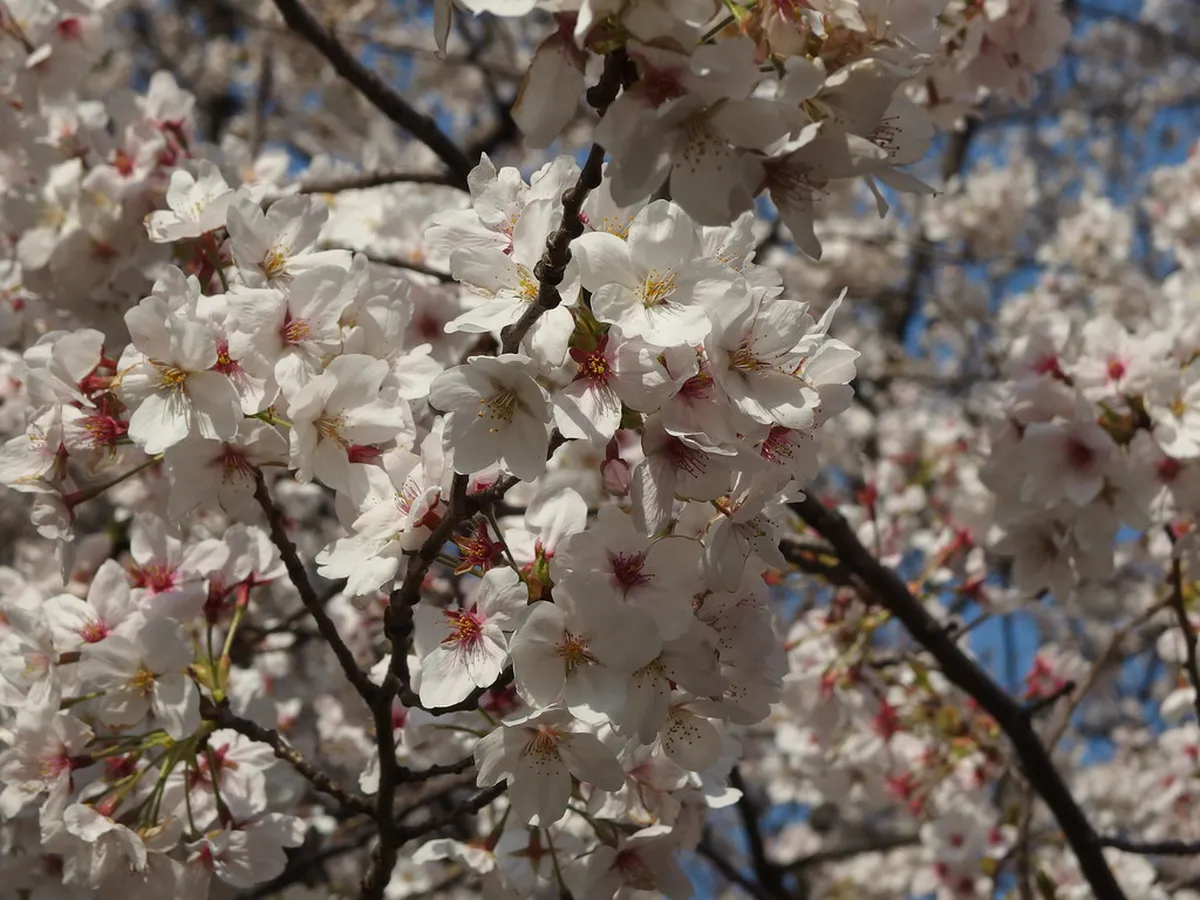
Cherry-blossom season is not a single ticketed festival. When the flowers open—typically from late March into early April—parks, river walks, and gardens organize light-ups and seasonal stalls. Ueno Park offers a lively atmosphere, while Shinjuku Gyoen is calmer and has controlled entry. Bloom timing depends on weather, so use the latest forecast rather than booking around a historical average.
AnimeJapan 2026 took place at Tokyo Big Sight on March 28–29. The annual convention features studio booths, stage programs, merchandise, and announcements. Travelers planning for a future edition should reserve most of a day and review stage-lottery or ticket rules well before arrival.
Early summer: Sanja Matsuri and other shrine festivals
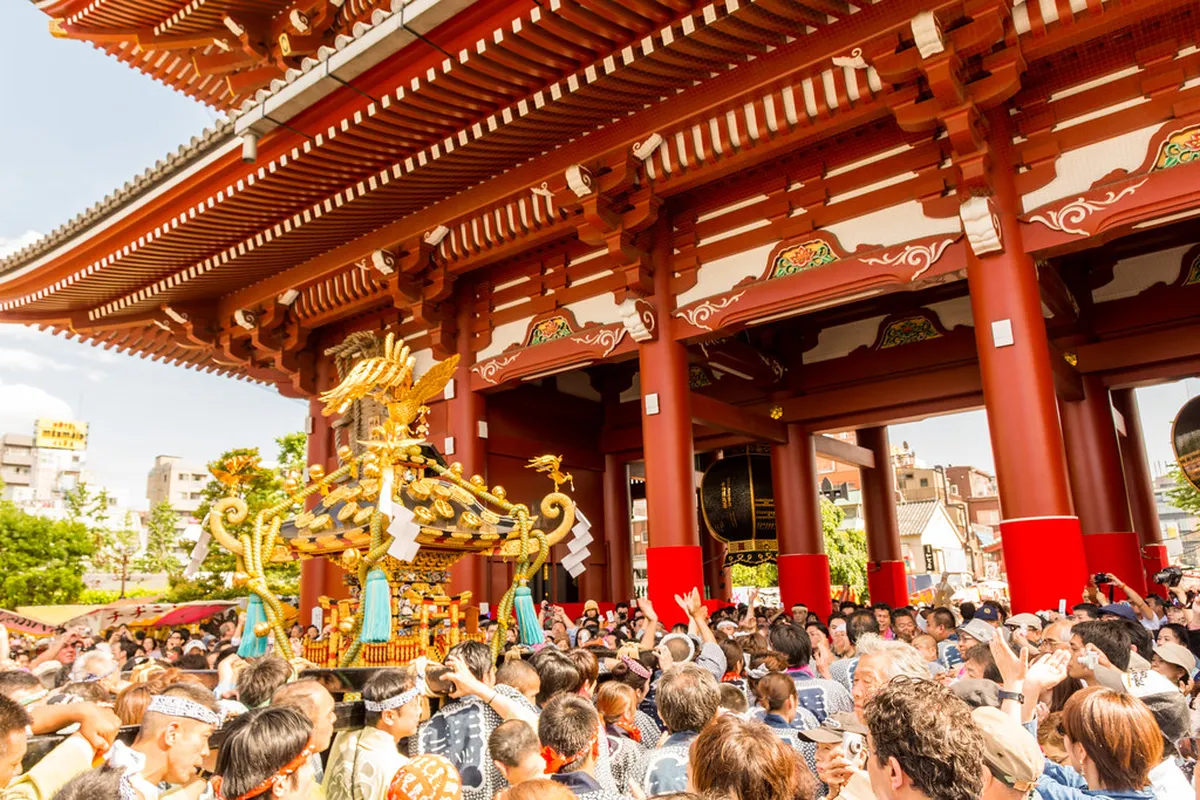
Sanja Matsuri filled Asakusa with portable shrines, music, and neighborhood processions from May 15–17 in 2026. It is free to watch and exceptionally busy around Senso-ji and Asakusa Shrine. The quieter opening on Friday is easier to navigate; weekend mikoshi processions deliver the most energetic atmosphere.
Kanda Matsuri's large public Honmatsuri procession occurs in odd-numbered years. In 2026, the Kagematsuri was ceremonial and closed to the public, according to GO TOKYO. Do not plan a May 2026 trip expecting the full Kanda procession.
Autumn and winter: food fairs, illuminations, and year-end culture
Autumn brings comfortable weather and a rotating calendar of food, art, and neighborhood festivals. Tokyo Ramen Festa is the clearest late-2026 choice for food-focused visitors. In November, Tori-no-Ichi markets at participating shrines sell decorative lucky rakes; dates follow the traditional calendar and should be confirmed with the shrine.
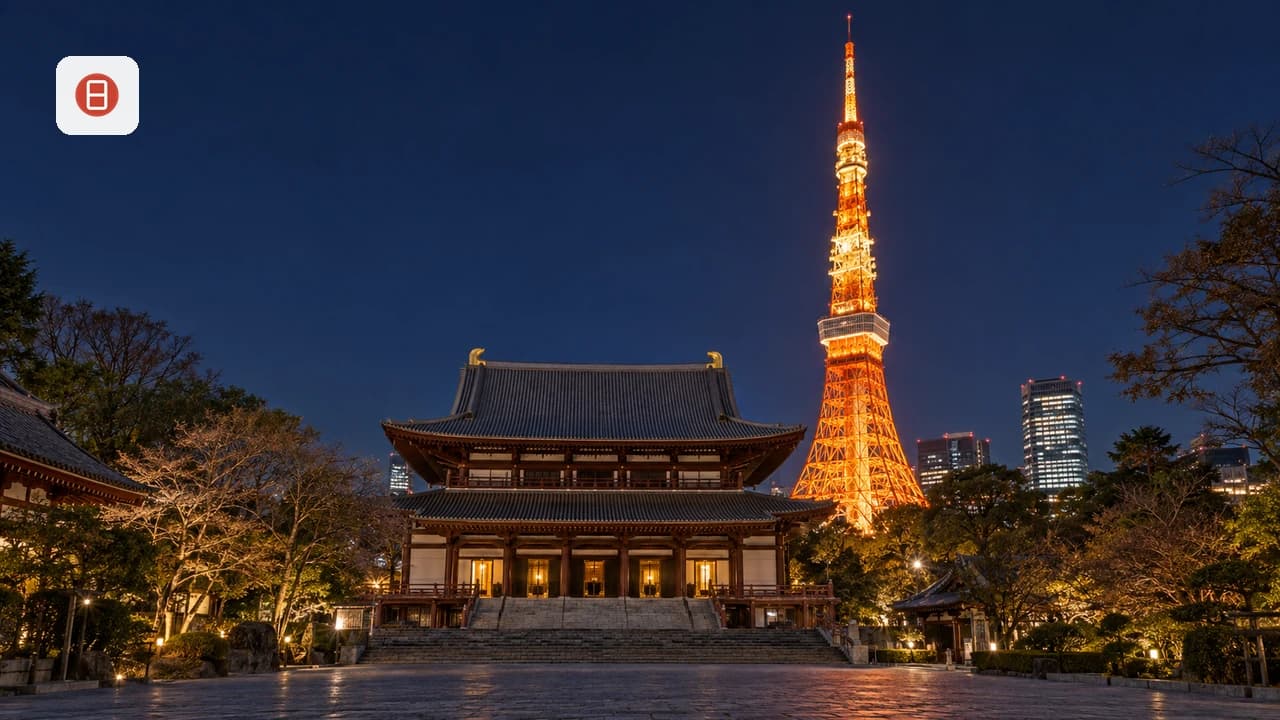
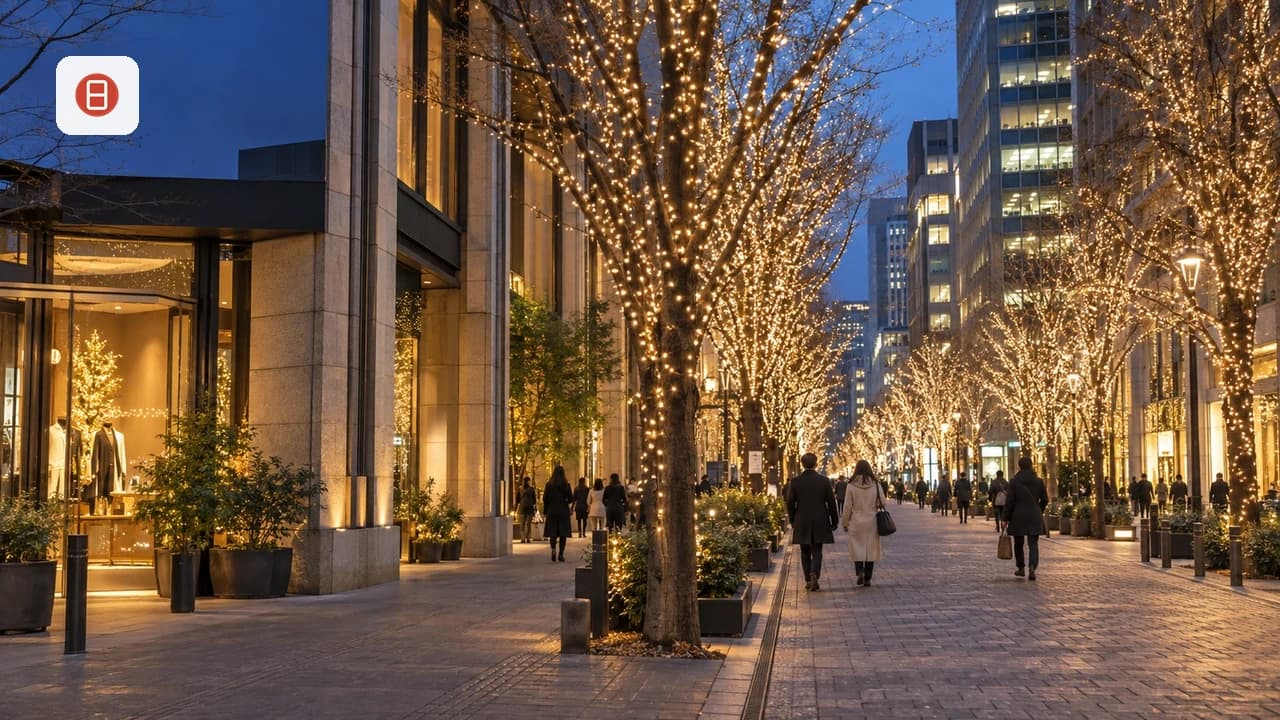
From November through February, districts such as Marunouchi, Roppongi, Shibuya, and Shinjuku run winter illuminations. These displays are usually free, but dates vary by organizer. End the year with temple-bell ceremonies on December 31 or visit Comiket 109 if pop culture is your priority.
How to plan a Tokyo trip around an event
Book the fixed element first. For sumo, conventions, and reserved fireworks seating, secure an official ticket before choosing a nonrefundable hotel. For free festivals, stay near a different station from the headline venue so you have an alternative route when platforms and exits are restricted.
Tickets and timing
- Buy from organizers: Use the official event page or its named ticket partner. Treat marketplace listings as a last resort.
- Arrive early: Allow at least 60–90 minutes before large ticketed events and several hours for a good free fireworks view.
- Check the same day: Outdoor schedules can change because of typhoons, extreme heat, or crowd conditions.
- Keep plans flexible: Pair one high-demand event with nearby attractions instead of crossing Tokyo repeatedly.
Heat, rain, and crowds
Late July and August are hot and humid. Carry water, use sun protection, and schedule indoor breaks; Comiket explicitly warns attendees about heatstroke. June and September can bring heavy rain, while typhoons are possible from summer into autumn. Evening festivals also create intense congestion after the final performance, so waiting 20–30 minutes before entering the nearest station can make the trip easier.
Tokyo's rail network is the fastest way to most events, but temporary exit closures and one-way walking routes are common. Save the venue name and a second nearby station offline. Our guide to Tokyo nightlife can help you plan what to do after an evening event without relying on the last train.
Tokyo events FAQ
What is the biggest upcoming Tokyo event in 2026?
As of July 20, the next major event is the Sumida River Fireworks Festival on July 25, 2026, from 19:00 to 20:30. Later highlights include Comiket 108 on August 15–16 and the September Grand Sumo Tournament from September 13–27.
Are Tokyo festivals free?
Many shrine festivals, Bon dances, cherry-blossom gatherings, and public fireworks viewing areas are free. Grand sumo, AnimeJapan, Comiket, Tokyo Game Show, museums, and reserved viewing areas require tickets. Food festivals may have free admission but charge separately for food.
Do I need to book Tokyo event tickets in advance?
Yes for grand sumo, Comiket, major conventions, and reserved fireworks seating. Popular inventory can sell out. Free street and shrine festivals generally do not require booking, but arriving early is important for visibility and crowd comfort.
When is the best month for Tokyo festivals?
May is best for major shrine festivals, especially Sanja Matsuri. July and August offer fireworks and Bon dancing but bring high heat and humidity. Late March combines cherry blossoms with pop-culture events such as AnimeJapan.
Is Kanda Matsuri open to visitors in 2026?
No. The large public Honmatsuri is held in odd-numbered years. GO TOKYO states that the 2026 Kagematsuri is ceremonial and closed to the public. The next full public procession is expected in an odd-numbered festival year, subject to official confirmation.
Where should I verify Tokyo event dates?
Check the organizer's official website first, then the GO TOKYO official travel guide. Confirm again shortly before attending because outdoor events can be postponed or canceled.
Choose one anchor event, leave recovery time around it, and build the rest of your stay from nearby neighborhoods. Tokyo's calendar is dense enough that a focused day usually feels richer than trying to cover several distant events at once.
Continue planning with Tokyo Trip Planner 2026: Attractions, Neighborhoods and Itineraries.
Explore Tokyo Festivals and Events
Use the main Tokyo calendar for trip dates, then open these focused guides for the festival experience, neighborhood logistics and event-specific planning.
- Sanja Matsuri Tokyo
- Sanno Matsuri Tokyo Guide
- Tokyo Music Festivals 2026
- Summer Festivals in Tokyo
- Tokyo Fireworks Festivals 2026
- 11 Best Spots and Timing Tips for Tokyo Cherry Blossoms 2026
- Shichi-Go-San Guide
- Tori-no-Ichi 2026
Explore events in other cities
Free: The Tokyo Essentials guide
Top things to do, where to stay, a perfect day plan, getting around, and the best time to go — a Tokyo mini-guide you can take offline.
You might also like

Continue reading
More guides you'll find useful