11 Best Spots and Timing Tips for Tokyo Cherry Blossoms 2026
Plan your 2026 Tokyo cherry blossom trip with our expert guide on peak bloom dates, the 11 best viewing spots, and local tips to avoid the crowds.
On this page
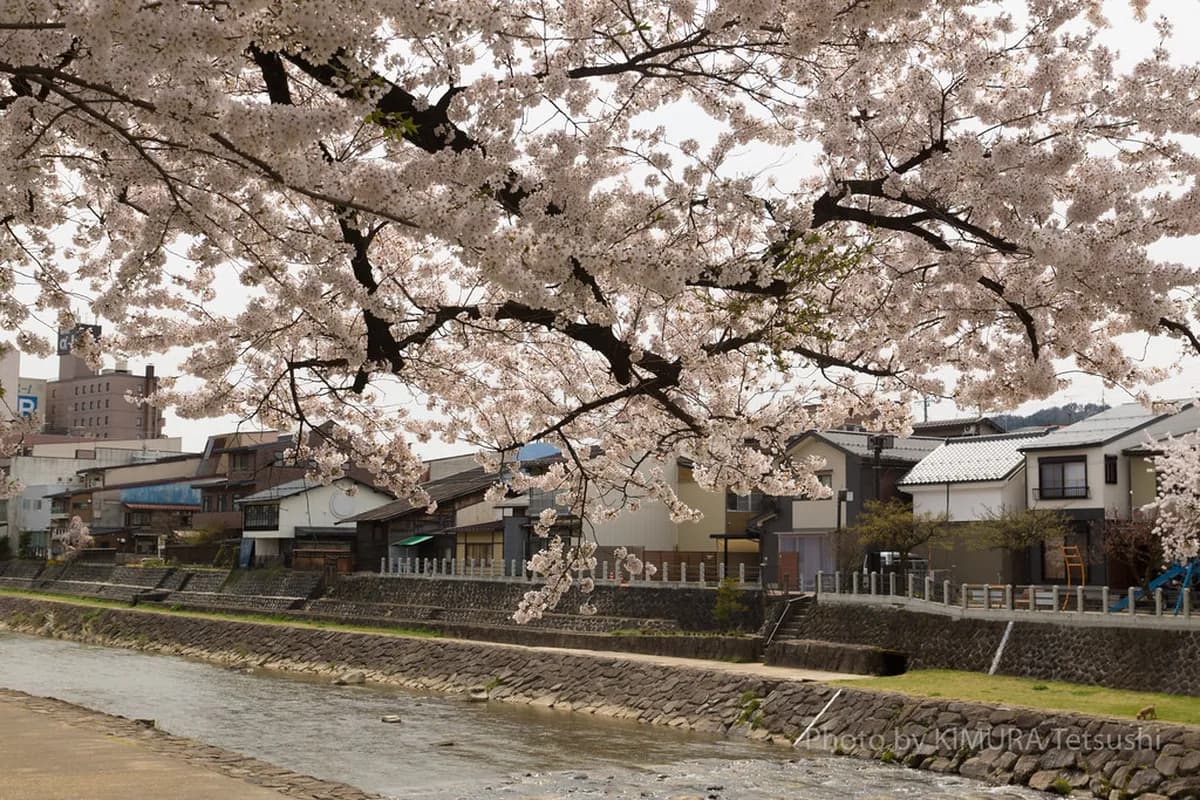
Tokyo transforms into a pink wonderland during sakura season, and 2026 is shaping up to be one of the best years in recent memory to visit. The sweet spot for most travelers is late March through the first week of April. I hit peak bloom in late March 2025 and watched the Meguro River turn pink from bank to bank — it was exactly as spectacular as advertised.
Planning for 2026 means booking hotels at least six months ahead and understanding how the forecast works. The Japan Meteorological Corporation releases its annual sakura forecast in late January and updates it through the season. Check the Best Time To Visit Tokyo Month By Month 2026 for broader seasonal context beyond cherry blossoms. This guide covers the 2026 forecast, the top viewing spots, costs, and where to base yourself.
At a Glance: Tokyo Cherry Blossoms 2026
- Peak Bloom Window: March 26 (Mankai) — lasts 7–14 days in calm weather
- Ideal Arrival Dates: March 22–28 to catch the progression from opening to full bloom
- Top Viewing Spots: Shinjuku Gyoen, Meguro River, Chidorigafuchi Moat, Ueno Park, Sumida Park, Inokashira Park
- Season Window: Late March through first week of April
2026 Tokyo Cherry Blossom Forecast: When is Peak Bloom?
According to the Japan Meteorological Corporation's sixth 2026 forecast, Tokyo's cherry blossoms are expected to open (Kaika) around March 18, 2026, with full bloom (Mankai) arriving around March 26, 2026. These dates are based on winter temperature patterns and the Yoshino cherry trees the JMC monitors at fixed stations across the city. A Mankai occurs when approximately 70% of the tree's flowers have opened.
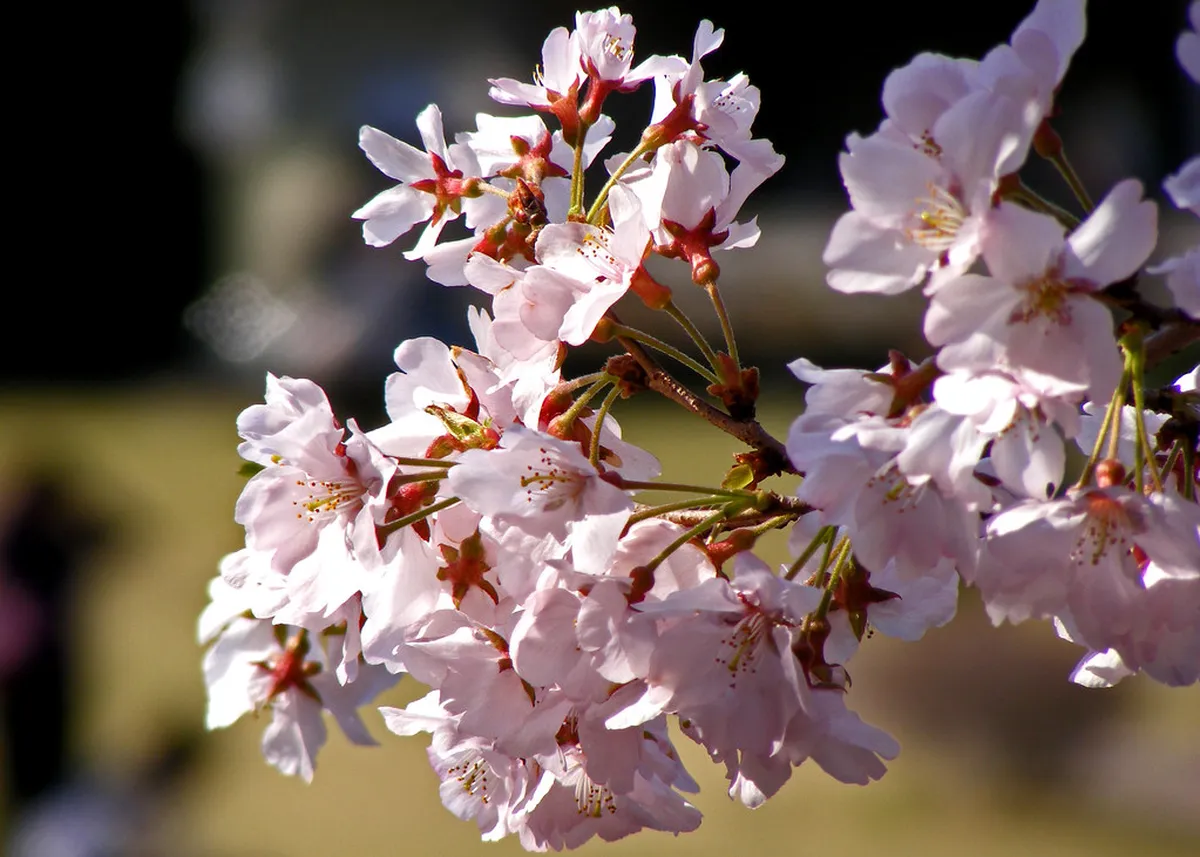
The bloom window is short. In good weather, full bloom lasts seven to ten days before wind and rain start knocking petals loose. A sudden cold snap — called "Hana-bie," or flower chill — can pause the opening for a day or two. Conversely, a warm early March can push Kaika to the 15th or earlier. I strongly recommend keeping the JMC forecast page bookmarked and checking it every few days in February and March.
The Yoshino cherry is the dominant variety across Tokyo parks. It blooms all at once, which is why the city feels like it turns pink overnight. Weeping cherry (shidare-zakura) and multi-petaled varieties (yaezakura) bloom a few days earlier and later, respectively, extending the window at spots like Shinjuku Gyoen that carry multiple cultivars. Use the Getting Around Tokyo: Complete Subway & Train Transport Guide 2026 guide to move between parks efficiently during the short bloom window.
For 2026, aim to arrive in Tokyo by March 22 at the latest if you want to catch the progression from early opening to full bloom. Arriving on or after March 28 risks hitting the tail end, when falling petals (hanafubuki, or "flower blizzard") dominate. That stage is beautiful in its own right, but the classic postcard canopy look is already fading by then.
Sakura Life Cycle: Which Stage Should You Arrive For?
Most guides tell you to aim for "full bloom." What they don't tell you is that there are six discrete stages between bare branch and peak — and your arrival timing relative to those stages determines your entire experience. The JMC tracks the same six stages in its official reports.
- Stage 1 — Green Buds: The first buds visible on branches. Trees still look largely bare. Arriving now means waiting. Too early for most visitors.
- Stage 2 — Florets Visible (Kaika): A handful of blossoms open. This is the JMC's official "flowering" date — March 18 in Tokyo for 2026. Photogenic but sparse. Full bloom is still 7–10 days away.
- Stage 3 — Extension of Florets: The small clusters separate and puff out. Trees start looking pink from a distance. Good for photos if you angle toward individual branches.
- Stage 4 — Peduncle Elongation: Stalks lengthen and flowers continue opening. Peak bloom is usually within a week from here. This is the ideal arrival point if you want the full arc.
- Stage 5 — Puffy White: Flowers fully emerged but not yet spread open. The trees look dense and cloud-like. Most people who say "I arrived just in time" arrived here.
- Stage 6 — Mankai (Full Bloom): 70%+ of flowers open. The classic look. Lasts 7–14 days in calm weather, can collapse in 2–3 days during heavy rain or wind.
The practical takeaway: if the JMC shows Kaika has just been declared in Tokyo, book trains for four to five days later. If Kaika was declared two weeks ago, the bloom may be past peak. For 2026, with Kaika forecast around March 18, the ideal arrival window for full bloom is March 24–28.
Peak Bloom Timing Tip
Book your flights for March 24–28 to catch the full progression. The JMC forecast updates every few days in late February and March — use their English website (n-kishou.com) to confirm dates within 10 days of arrival rather than trying to fix your itinerary months in advance.
Shinjuku Gyoen: The Best All-Rounder Sakura Spot
Shinjuku Gyoen National Garden is the single best spot in Tokyo for cherry blossoms if you want variety, space, and a relaxed picnic atmosphere. The garden carries over 60 cultivars of cherry trees — including weeping cherry, early-blooming Kanzakura, and late-blooming Ichiyo — which means the season here effectively lasts longer than at single-variety parks. On a peak weekend, the lawns fill with blue tarps from 09:00 onward, but the grounds are large enough that it never feels impossibly crowded.
Entry costs ¥500 per adult (¥250 for students). From 2025 onward, timed entry is mandatory on weekends and national holidays during the cherry blossom period — book your slot on the official Shinjuku Gyoen online reservation system before you arrive. Slots open several weeks before the season and sell out on peak weekends. The closest station is Shinjuku-Gyoemmae on the Marunouchi Line (South Gate, 3-minute walk).
Alcohol is prohibited inside the garden, which keeps the atmosphere calmer than Ueno Park's raucous hanami parties. For the best photos, arrive at 09:00 when the gates open: morning light hits the French Formal Garden's symmetrical rows first, then work east toward the Japanese Garden's pond, where weeping cherry trees reflect in the water. Stay for golden hour if the weather is clear — the NTT Docomo Yoyogi building visible above the treeline makes a distinctive Tokyo-only backdrop.
Chidorigafuchi Moat: Best for Boat Rides and Night Illuminations
Chidorigafuchi is arguably the most visually iconic sakura spot in Tokyo — the moat is flanked on both sides by overhanging cherry trees, and renting a rowboat puts you directly beneath the canopy. The effect is extraordinary when the trees are at full bloom: petals drift onto the water around the boat and the branches close overhead in a tunnel of pink. The closest station is Kudanshita on the Hanzomon, Shinjuku, and Tozai lines — the moat is a five-minute walk from Exit 2.
Boat rentals cost ¥800 for 30 minutes or ¥1,600 for 60 minutes per boat. Tickets go on sale at 09:00 and the queue forms from 07:30 during peak bloom. Waits regularly exceed two hours by mid-morning on weekends. The practical strategy: arrive by 07:45, join the line before ticket sales open, and you can be on the water by 09:15. If that's not possible, the timed-return ticket system lets you return at your assigned slot and bypass the main queue. Keep your ticket — it's scanned on exit to check for overtime.
Queue and Picnic Rules Caution
Chidorigafuchi moat boat waits can hit 2–3 hours on peak weekends. Arrive by 07:45 or plan for afternoon after 14:00. Also note: blue-tarp spot-holding is universally accepted here, but do not expand your tarp into walking corridors — locals will politely correct you.
After dark, Chidorigafuchi Ryokudo (the riverside promenade) is illuminated for the Chidorigafuchi Green Road Sakura Festival. Lanterns run along the path from approximately 18:00 to 22:00 during the bloom period. The night walk is free and genuinely spectacular — better for photos than midday because the lantern-lit canopy stands out against the dark sky. This stretch is also one of the most popular night views in Tokyo, so expect dense crowds after 20:00 on weekends.
Meguro River: The Most Photogenic Canal Walk
The Meguro River through Nakameguro is lined with roughly 800 cherry trees whose branches reach across the narrow canal to meet in the middle. The combination of low bridges, boutique coffee shops, and pink canopy makes it the most photographed sakura location in Tokyo. The walk from Nakameguro Station (Tokyu Toyoko and Tokyo Metro Hibiya lines) to Ikejiri-Ohashi Station covers about 3.8 km and takes 60–90 minutes at a casual pace including stops.
Visit just before sunset and stay through the evening: the Nakameguro Sakura Festival's lantern illuminations begin at dusk and run until 22:00 each night during peak bloom. Pop-up food stalls set up along the banks selling sakura beer, yakitori, and sweet crepes. For 2026, the Nakameguro area's overtourism management plan includes pedestrian flow controls on weekends — foot traffic on the riverbank is directed one-way on the busiest days, so follow signage rather than cutting against the flow.
To beat the crowds, visit on a weekday morning by 08:00 and walk the canal toward Daikanyama. The chic Daikanyama neighborhood just downstream is one of Tokyo's most underrated areas — independent boutiques, specialty roasters, and far fewer tourists than Nakameguro despite being a ten-minute walk away. Pair this with a browse through the Daikanyama T-Site bookshop complex before the Shibuya crowds build up by mid-morning.
Ueno Park: Best for Traditional Hanami Parties
Ueno Park is the most traditional hanami destination in Tokyo. The central promenade is flanked by approximately 800 Yoshino cherry trees, and from late March through early April, every available square meter of ground is covered with blue tarps, picnic blankets, and groups of friends and colleagues sharing bento boxes and canned beer. This is hanami the way Japanese people actually do it — loud, social, and unhurried. JR Ueno Station is the main access point, two minutes from the park entrance.
The park is free to enter. The surrounding Ueno Zoo and the cluster of six museums — including the Tokyo National Museum, the National Museum of Nature and Science, and the Tokyo Metropolitan Museum of Art — all have separate admission. On a rainy day during cherry blossom season, the Ueno museum cluster is the best use of your time in the city. Most museums are open 09:30–17:00 (last entry 16:30), and the Tokyo National Museum's Honkan building alone justifies three hours. This is a rainy-day strategy none of the major competitor guides spell out clearly.
After Ueno Park, continue northeast a short walk to Yanaka, one of Tokyo's best-preserved shitamachi (old downtown) neighborhoods. A long row of cherry trees lines the old cemetery path (Yanaka Reien), and the pace is far quieter than the main park. End at Yuyake Dandan (Sunset Steps) for a view down the charming Yanaka Ginza shopping street. The combination of Ueno Park and the Yanaka walk takes a full half-day.
Sumida Park: Best for Tokyo Skytree Views
Sumida Park, spread along both banks of the Sumida River near Asakusa, is the spot to combine cherry blossoms with the Tokyo Skytree (634 m) in the same frame. Over 600 cherry trees line the riverbanks, and the Skytree looms directly behind them on the east bank — the northeast corner of the park near Kototoibashi Bridge gives the cleanest sightlines. Access via Asakusa Station (Tokyo Metro Ginza Line, Exit 5) or Tobu Asakusa Station; the park is a five-minute walk from either.
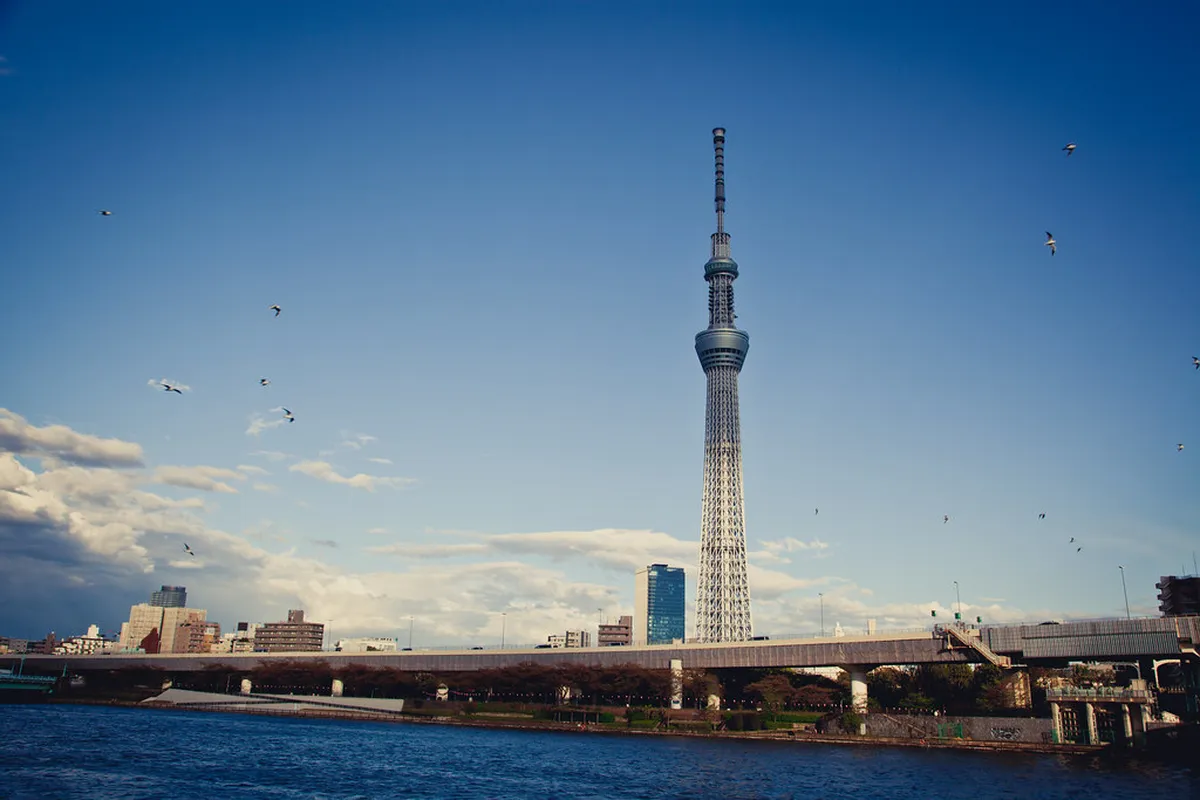
Locals set up blankets along the water's edge from early morning for picnics. The atmosphere is more relaxed than Ueno — less food stall density, more families and older residents. A quieter alternative is to walk across to the east bank (Mukojima side) and look back west across the river toward Asakusa's Senso-ji pagoda with cherry trees in the foreground. That view — pagoda, blossoms, river — is one of the classic compositions in Tokyo photography and is significantly less crowded than the main Asakusa riverside.
For a step up, the Sumida River Yakatabune dinner cruise runs a special sakura route during bloom season. The boats (houseboat-style vessels) travel past Eitai Bridge, Sumida-Ohashi, Shin-Ohashi, and Sakurabashi while serving set-course meals. Reserve well in advance — sakura season cruises book out within days of opening. Expect to pay ¥8,000–¥15,000 per person depending on the operator and menu.
Yoyogi Park: Best for a Relaxed Picnic Atmosphere
Yoyogi Park is the city's most laid-back hanami venue. The open meadow area near the main fountain hosts the most relaxed picnic scene in Tokyo — groups bring portable speakers and outdoor cooking equipment, street performers claim corners of the lawn, and there is no sense of rush. Entry is free and there is no reservation requirement. The closest access is Harajuku Station (JR Yamanote Line) or Yoyogi-koen Station (Tokyo Metro Chiyoda Line), both under five minutes on foot.
Cherry tree density here is lower than Ueno or Shinjuku Gyoen, but the combination of space and atmosphere makes it ideal for first-timers who want to experience hanami without being overwhelmed. Pair a morning at Yoyogi with a walk through adjacent Meiji Jingu Gaien for a contrast between open meadow picnics and tree-lined ceremonial avenues. Food trucks and a weekend market typically operate near the Harajuku Gate entrance throughout the sakura season.
Inokashira Park: Best for a Romantic Escape
Inokashira Park in Kichijoji, about 30 minutes from Shinjuku by Chuo Line, is the best choice for couples wanting a quieter, more intimate hanami. The park centers on Inokashira Pond, which is completely ringed by cherry trees. Rental rowboats and swan paddle boats are available from the park's boat dock from 09:30 daily during the season. Paddle boats cost ¥700 for 30 minutes; rowboats are ¥460 for 30 minutes.
Comparing the two main boat experiences: Chidorigafuchi draws longer queues (60–180 minutes on peak days) and the moat setting is more dramatic, with the overhanging canopy being denser. Inokashira's pond is more intimate and wait times are typically 20–40 minutes even on busy weekends. If you are with children or want a lower-stress boat experience, Inokashira is the better choice. If you want the iconic sakura-over-water canopy shot, Chidorigafuchi wins on visuals.
A local superstition claims that couples who visit Inokashira together will break up — a tongue-in-cheek warning that locals offer cheerfully to tourists. The park itself is beautiful regardless of relationship status, with the Kichijoji neighborhood directly outside offering excellent coffee, vintage shopping on Nakamichi Street, and the Ghibli Museum (book months ahead) a short walk away. The park's quieter atmosphere compared to central Tokyo parks makes it a welcome antidote after two or three days in more crowded spots.
Hanami Etiquette: What Locals Expect
Hanami has a clear social code. Arriving early to claim a spot with a blue tarp is both expected and accepted — groups send one person ahead at 06:00 or earlier on peak weekends to lay out their tarp before the blanket goes down and the party begins at midday. Blue tarps (available at Daiso or convenience stores for around ¥300–¥500) are the standard; large cardboard boxes or beach towels are less durable on damp grass.
- Trash: Most parks provide temporary bins during sakura season, but they fill quickly. Bring two rubbish bags — one for burnable waste (food wrappers, napkins), one for cans and bottles — and take everything home if bins are full. Leaving waste at a spot is considered seriously rude.
- Noise: Moderate noise levels are fine and expected in hanami areas. Ueno Park is the loudest; Shinjuku Gyoen is the quietest (alcohol banned). Match the energy of the area you're in.
- Space: Do not expand your tarp into unmarked corridors between groups. The walking paths between blue tarps are communal — stay in your designated area.
- Alcohol: Prohibited in Shinjuku Gyoen. Allowed in all other major parks. Convenience store alcohol (canned chu-hi, beer, sake) is the local choice.
- Photography: Pointing a camera directly at strangers during their picnic without any acknowledgment is frowned upon. A small nod or gesture before photographing nearby groups is the polite move.
| Spot Name | Area / Station | Best For | Key Advantage |
|---|---|---|---|
| Shinjuku Gyoen National Garden | Shinjuku (Shinjuku-Gyoemmae Stn, 3 min) | All-rounder variety & space | 60+ cultivars; calm alcohol-free atmosphere; ¥500 entry |
| Chidorigafuchi Moat | Chiyoda Ward (Kudanshita Stn, 5 min) | Boat rides & night illuminations | Canopy tunnel from rowboat; lantern path 18:00–22:00 |
| Meguro River | Nakameguro (Nakameguro Stn) | Most photogenic canal walk | 800 cherry trees; 3.8 km walk; pop-up food stalls |
| Ueno Park | Ueno (JR Ueno Stn, 2 min) | Traditional hanami parties | 800 Yoshino trees; free entry; museum cluster backup on rain |
| Sumida Park | Asakusa (Asakusa Stn, 5 min) | Tokyo Skytree views | Skytree in same frame; quieter than Ueno; Yakatabune cruise option |
| Inokashira Park | Kichijoji (Chuo Line, 30 min from Shinjuku) | Romantic escape & couples | Pond rings with cherry trees; shorter boat queues (20–40 min) |
How Expensive is Tokyo During Cherry Blossom Season?
Hotel rates are the biggest variable. A mid-range business hotel in Shinjuku that costs ¥12,000–¥15,000 per night in February typically climbs to ¥22,000–¥30,000 during peak bloom weekends. Four-star properties in central areas can double: rooms at ¥25,000 in low season hit ¥50,000 or more in late March. Book by October 2025 at the latest for anything decent in 2026. Last-minute options (APA Hotels, LiveMax chain business hotels) are available at ¥10,000–¥14,000 but require lowered expectations on room size and location.
Food costs are more stable. Festival food stall (yatai) pricing during sakura season: yakitori skewers ¥200–¥350 each, takoyaki ¥500–¥700 for six pieces, sakura mochi ¥200–¥400, canned beer ¥400–¥600. A full evening's hanami eating and drinking at stalls runs ¥2,000–¥4,000 per person. Mid-range sit-down restaurants in sakura-viewing neighborhoods charge roughly the same as normal — the premium is almost entirely in accommodation, not dining.
High-end sakura-viewing dinners are a different category. A dedicated sakura-season kaiseki course at a restaurant with garden views (such as those inside or adjacent to Shinjuku Gyoen, or at ryokan in the Yanaka area) costs ¥15,000–¥35,000 per person. These need reservations two to three months ahead, especially for tables overlooking a garden. The cost difference between a yatai hanami and a kaiseki dinner is roughly 10x — both are valid ways to mark the season, depending on your budget.
Other transport and attraction costs do not change significantly. The Suica card covers all trains, the base metro fare is ¥170–¥200 per ride, and a 24-hour Toei-Tokyo Metro pass (¥900) covers most central routes if you're visiting multiple parks in one day.
Where to Stay: Best Tokyo Neighborhoods for Sakura
The best base for cherry blossom viewing depends on which spots matter most to you. Where to Stay in Tokyo: 10 Best Neighborhoods is its own complex question, but for sakura season specifically, proximity to the top viewing sites and rail access matter more than any other factor.
Shinjuku and Shibuya suit first-time visitors. Shinjuku puts you a five-minute walk from Shinjuku Gyoen's Okito Gate and an easy train ride to Chidorigafuchi (35 minutes via Marunouchi Line to Kudanshita). Shibuya adds Nakameguro (a 10-minute walk) and Yoyogi Park (15 minutes on foot through Harajuku) to easy reach. Both neighborhoods have no shortage of restaurants and late-night options. Expect to pay a premium for the convenience during peak season.
Asakusa and Ueno are better for budget travelers. Value at comparable quality is noticeably better here, and you're walking distance from Sumida Park and Ueno Park. Access to Shinjuku takes about 35 minutes by train, Chidorigafuchi about 40 minutes — manageable for day trips. The Onyado Nono Asakusa Natural Hot Springs ryokan is popular among visitors who want an onsen at the end of long walking days.
Kichijoji (near Inokashira Park) is worth considering for travelers who prefer a quieter neighborhood base. Prices are noticeably lower than central Shinjuku, the park is five minutes on foot, and the Chuo Line puts you in Shinjuku in 28 minutes. Ikebukuro is another underrated option — large enough to have ample food and shopping, less crowded than Shinjuku, and reasonably priced. Staying anywhere within direct train reach of Shinjuku or Shibuya works for covering all the major spots.
Plan Your 2026 Tokyo Cherry Blossom Trip
The logistics of the 2026 season come down to three fixed points: book flights by September 2025, book accommodation by October 2025, and check the JMC forecast every few days from February 1 onward. Do not try to fix your itinerary to exact dates too early. Book a hotel with a reasonable cancellation window if possible, then confirm your specific park visits once the forecast narrows to within ten days of arrival.

A practical five-day structure: Day 1 — arrive and settle, evening Meguro River lantern walk. Day 2 — Shinjuku Gyoen at opening (09:00), afternoon Chidorigafuchi boat (arrive 07:45 to queue), evening Chidorigafuchi illuminations. Day 3 — Ueno Park hanami picnic, afternoon Yanaka walk, evening in Asakusa. Day 4 — Sumida Park morning, Inokashira Park afternoon, Kichijoji neighborhood. Day 5 — Yoyogi Park, Harajuku, departure flexibility buffer. Adjust based on forecast — if Day 3 shows rain, swap the outdoor hanami for Ueno's museum strip and reschedule to Day 4.
For a broader extension beyond Tokyo, the ancient Asuka region in Nara Prefecture — newly inscribed as a UNESCO World Heritage site in July 2026 — is worth a day trip for travelers spending ten or more days in Japan. Cherry blossoms finish in Asuka a week after Tokyo, and the combination of sakura season timing and heritage site status makes 2026 a particularly strong year to build in that side trip. See our guide to day-tripping to Nikko for rail connections and logistics.
The single most important thing: do not over-schedule the bloom days. One or two parks per day, no rushing. The bloom window is short enough that you will want to linger. Pack a light jacket, carry a small bag for rubbish, buy a blue tarp at the nearest konbini, and sit under the trees for as long as the afternoon allows.
Continue planning with Tokyo Trip Planner 2026: Attractions, Neighborhoods and Itineraries.
Frequently Asked Questions
When is the best time to see cherry blossoms in Tokyo 2026?
The best time is usually between March 25 and April 5. This window covers both the first bloom and the peak. Timing depends on the local weather patterns each year.
Do I need a reservation for Shinjuku Gyoen in 2026?
Yes, reservations are typically required during the peak sakura weekend. You should book your entry slot online in advance. This helps the park manage the large crowds.
Where is the best place to see cherry blossoms at night?
Meguro River and Chidorigafuchi offer the best night illuminations. The trees are lit up with lanterns after sunset. It creates a magical and romantic atmosphere for visitors.
Tokyo in cherry blossom season is genuinely worth the extra effort and cost to be there at the right moment. Follow the JMC forecast, book early, and resist the urge to cram every spot into two days. The 2026 season, with Mankai forecast around March 26, gives most travelers a generous window if they arrive by March 22–24. Plan around two or three core spots per day, build in a rainy-day backup plan using Ueno's museum strip, and let the pace of the season dictate the rest. There is no bad spot on this list — only spots better suited to what you are looking for.
Pair this with our Tokyo attractions guide to plan the rest of your trip.
Free: The Tokyo Essentials guide
Top things to do, where to stay, a perfect day plan, getting around, and the best time to go — a Tokyo mini-guide you can take offline.
You might also like
Continue reading
More guides you'll find useful