Matsuyama, the largest city on the island of Shikoku, packs an unusual density of national-treasure-grade sights into a compact, tram-connected core. This is where Dōgo Onsen — the hot spring most often cited as Japan's oldest, with a bathing tradition local legend traces back roughly 3,000 years — sits a short tram ride from Matsuyama Castle, one of only twelve Japanese castles whose original Edo-period keep survived intact into the modern era. The city is also woven into the Shikoku 88 Temple Pilgrimage: Ishite-ji, Temple No. 51 of the henro route, sits inside city limits, its 1318 Niōmon gate a National Treasure. Layer on a literary pedigree — Natsume Sōseki's novel Botchan is set here, and haiku master Masaoka Shiki called Matsuyama home — and you get a city that rewards a slower pace rather than a single afternoon's checklist.
What makes planning Matsuyama's attractions straightforward is the Iyotetsu tram network, whose loop lines connect JR Matsuyama Station, the Ōkaidō and Dōgo Onsen tram terminus, and the castle-area stops without a car or taxi. Most of the sights below cluster into two walkable districts — Dōgo Onsen and the castle/city-centre area — plus Ishite-ji, a short walk or bus ride from Dōgo.
For 2026, the headline change is the Dōgo Onsen Honkan's full reopening in July 2024 after a multi-year preservation project, meaning every bathing course — including the historic third-floor private rooms — is open again. This guide covers the six attractions worth building a Matsuyama itinerary around, organized by area, by type, and by budget, plus suggested itineraries, transport, and the best season to visit.
Top 6 attractions in Matsuyama
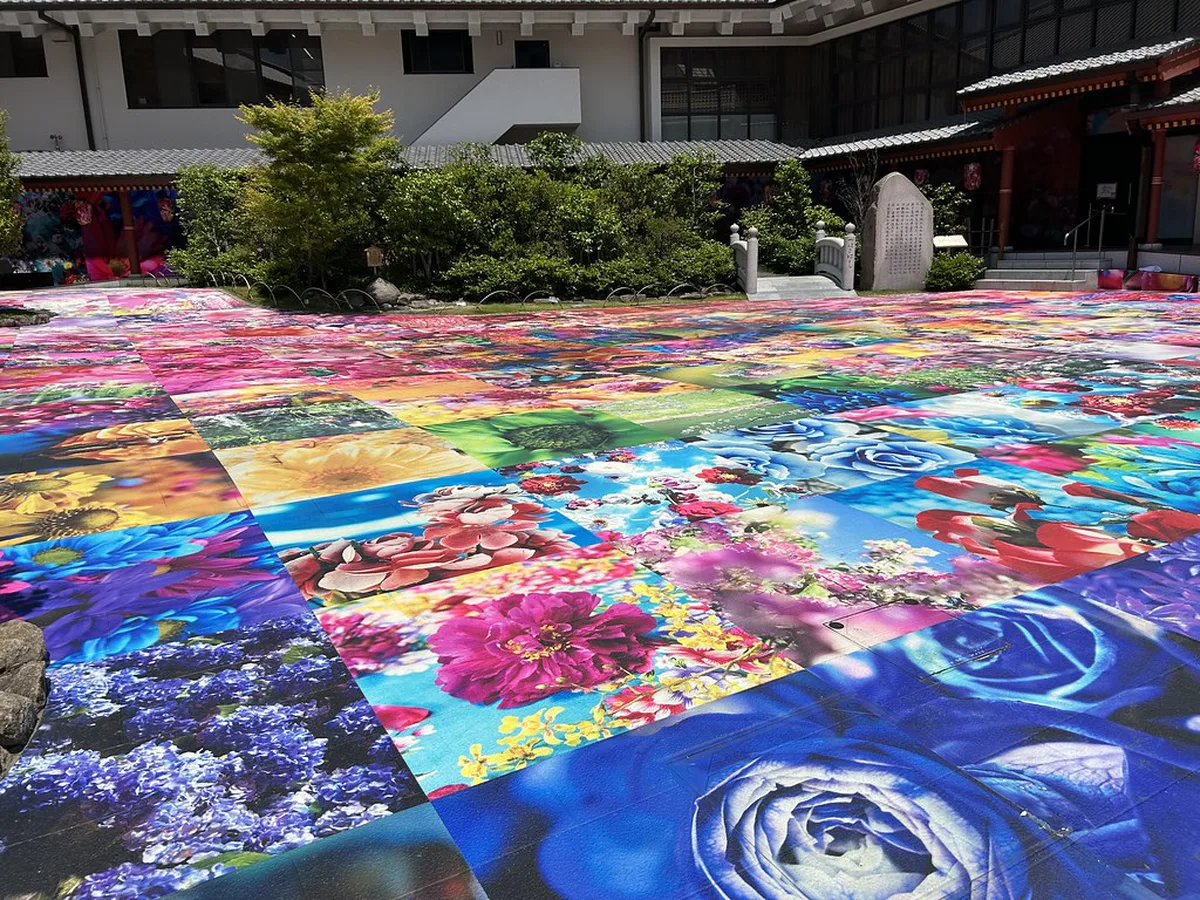
Dōgo Onsen
Dōgo Onsen is Japan's oldest hot spring district, in Matsuyama, Ehime Prefecture, where a historic wooden Honkan bathhouse (1894), the modern Asuka no Yu annex, and the neighborhood Tsubaki no Yu bathhouse share a mineral spring tradition over a thousand years old.
Visitor guide →
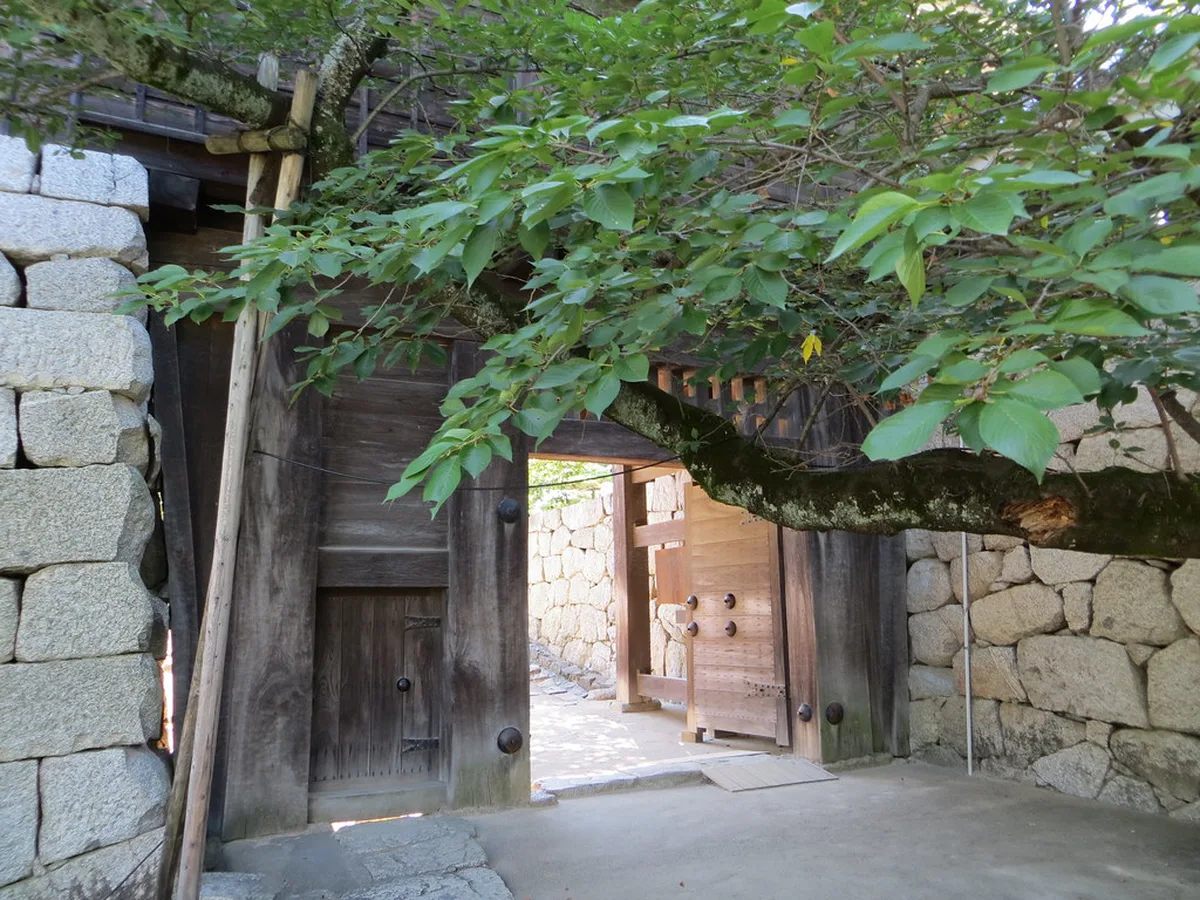
Matsuyama Castle
Matsuyama Castle is one of Japan's twelve original surviving castle keeps, perched atop Mount Katsuyama in central Matsuyama, Ehime, and reached by ropeway, chairlift, or a walking trail up the hill.
Visitor guide →
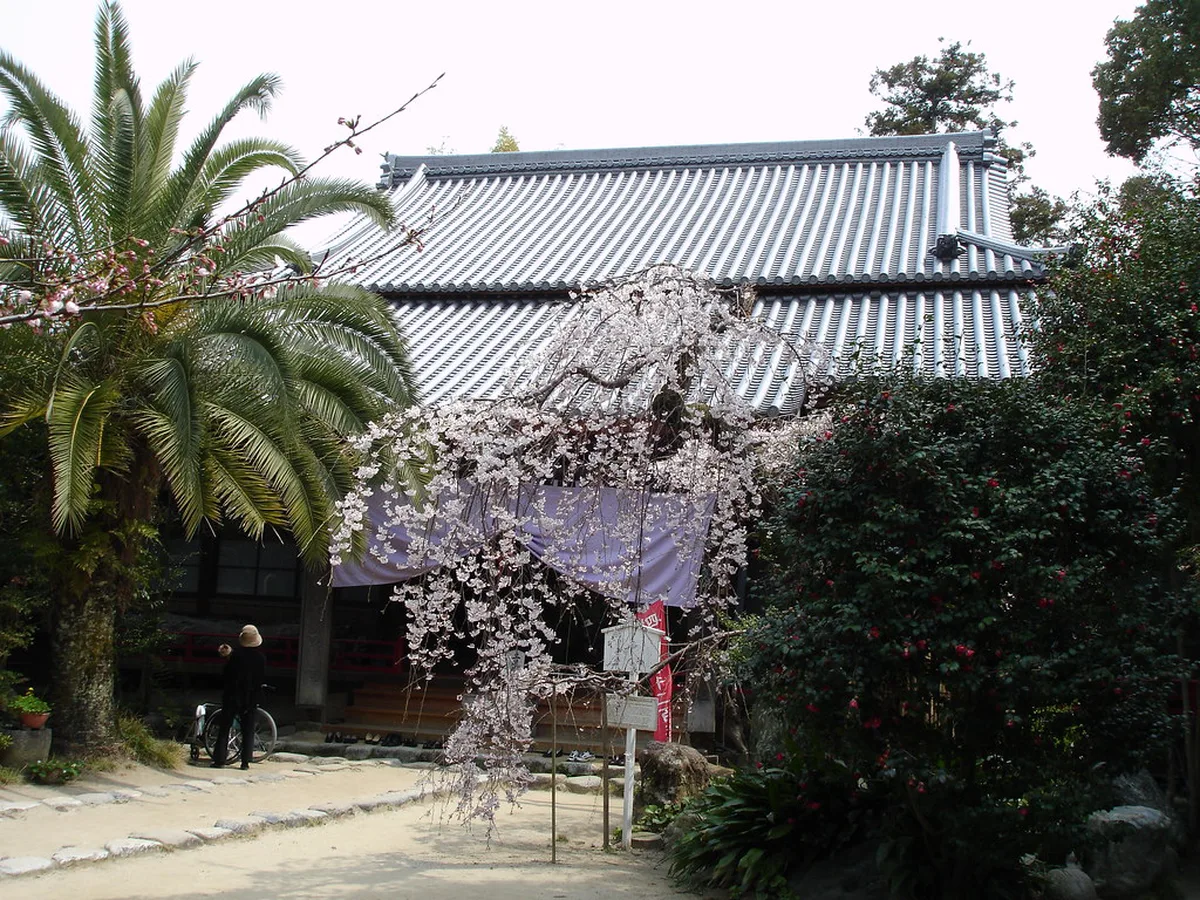
Ishite-ji
Ishite-ji is Temple No. 51 of the Shikoku 88-temple pilgrimage in Matsuyama, Ehime — famous for its 1318 Niōmon gate (a National Treasure), a Kamakura-era three-storey pagoda, and a dark underground mantra cave. The temple grounds are free to enter.
Visitor guide →
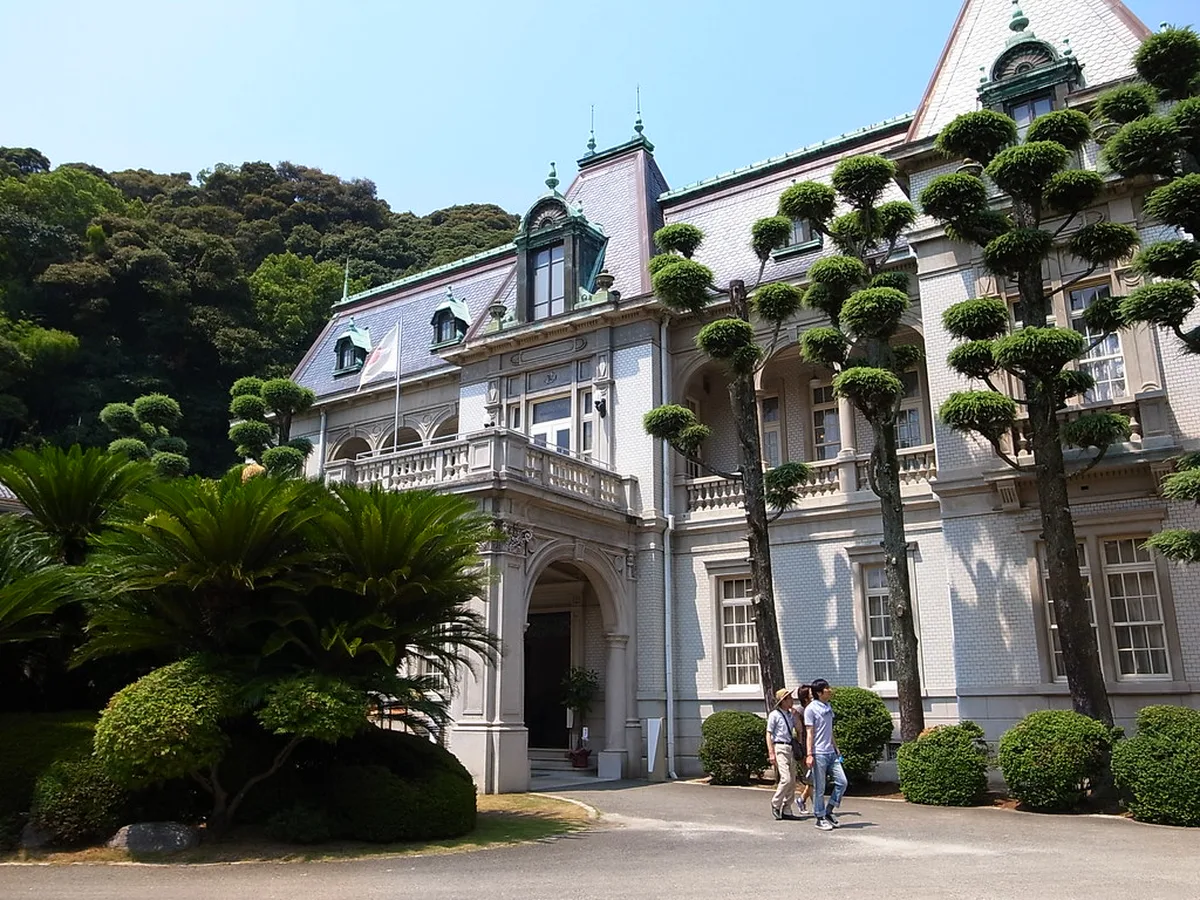
Bansui-sō
Bansui-sō is a 1922 French Renaissance-style villa at the foot of Matsuyama Castle, built for Count Sadakoto Hisamatsu and now a National Important Cultural Property open to the public as a gallery and exhibition hall.
Visitor guide →
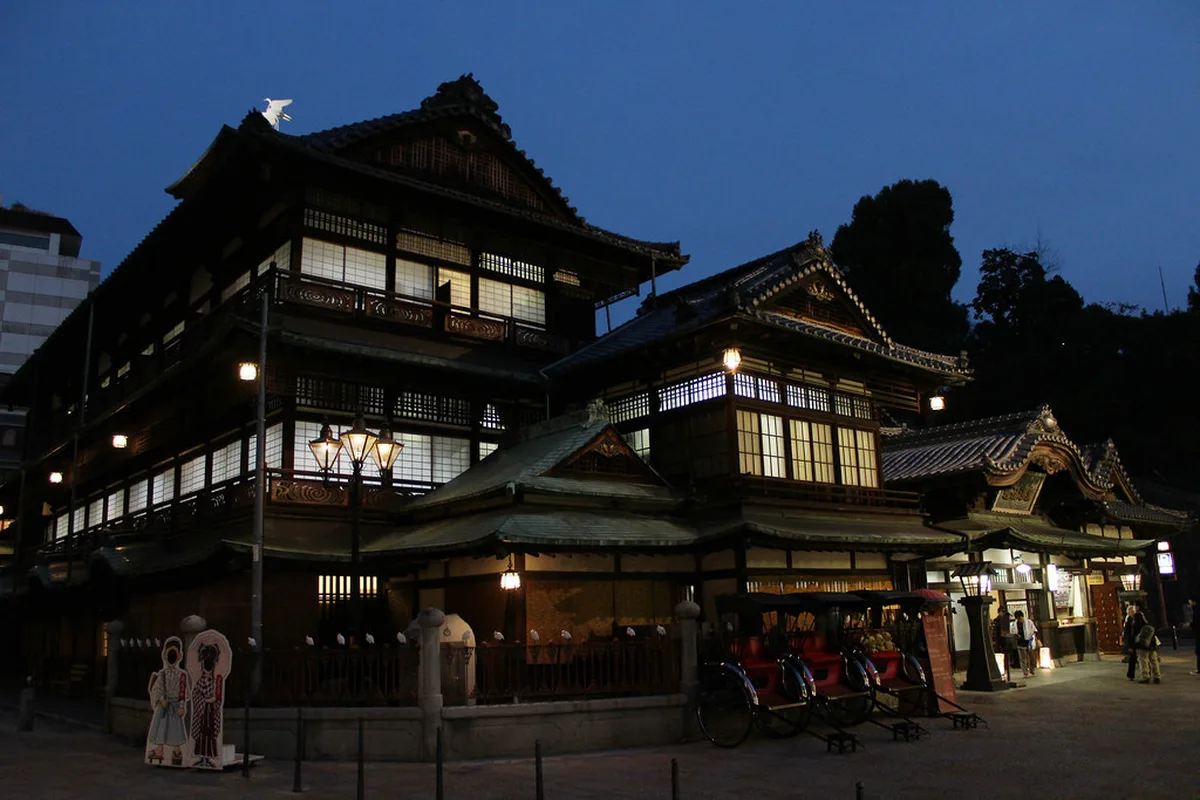
Dōgo Onsen Honkan
Dōgo Onsen Honkan is the iconic three-storey wooden public bathhouse (built 1894) at the heart of Dōgo Onsen in Matsuyama, Ehime — a designated Important Cultural Property that fully reopened in July 2024 after a multi-year preservation project.
Visitor guide →
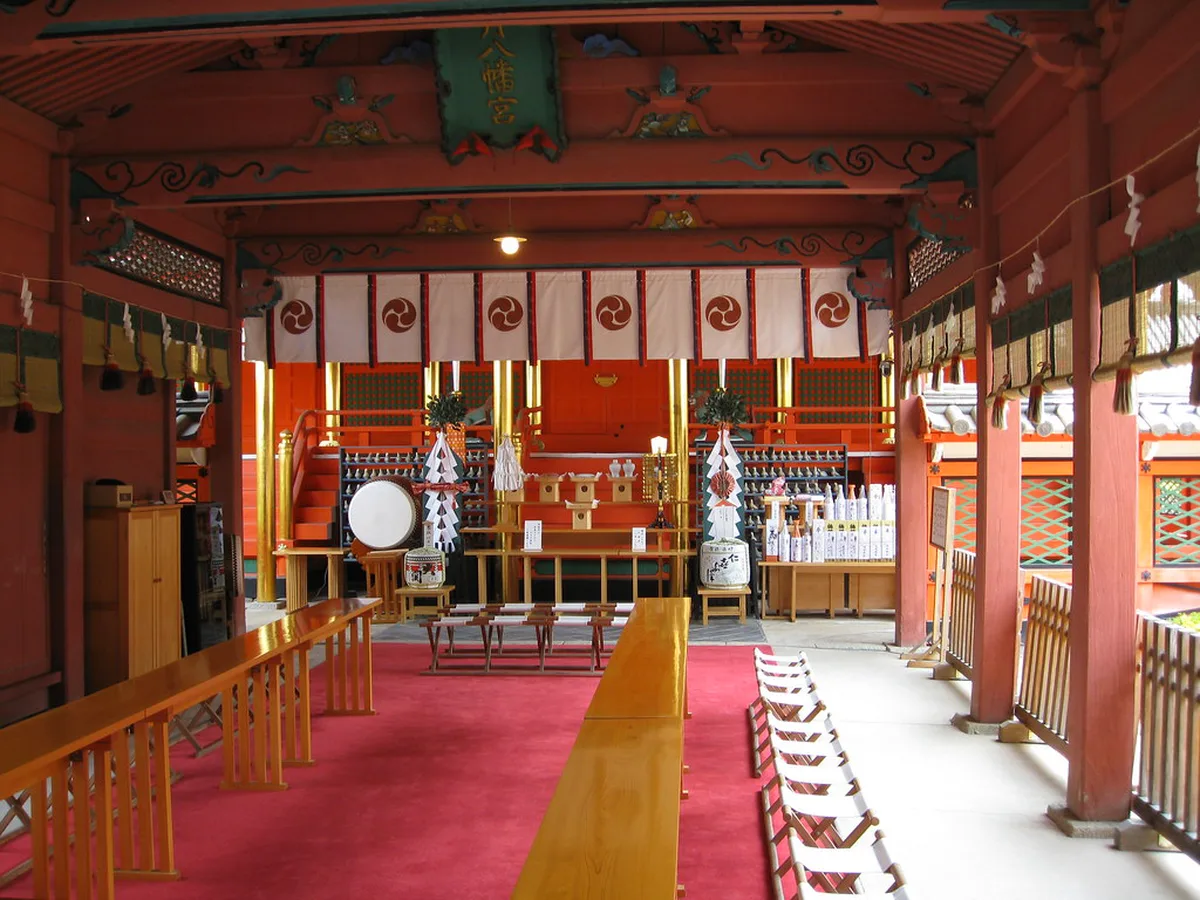
Isaniwa Shrine
A Shinto shrine on a hillside a short walk from Dōgo Onsen in Matsuyama, Isaniwa Shrine is famed for its 1667 Hachiman-zukuri main hall, a national Important Cultural Property reached via a long stone staircase, with grounds free to enter.
Visitor guide →
Matsuyama attractions by area
Matsuyama's six essential sights split cleanly into three walkable clusters, which is the fastest way to build a route without doubling back across the city.
Dōgo Onsen district: Dōgo Onsen and its centerpiece bathhouse, the Dōgo Onsen Honkan, anchor the northeastern side of the city. Isaniwa Shrine is a five-minute walk uphill from the tram terminus, so all three sit within a single compact loop that also takes in the Dōgo Haikara-dōri shopping arcade.
Castle and city centre: Matsuyama Castle sits atop Mount Katsuyama in the middle of downtown, reachable by ropeway or chairlift from the Ōkaidō tram stop. Bansui-sō sits at the foot of the same hill, a five-minute walk from Ōkaidō, making the pair an easy half-day pairing.
Ishite-ji: Temple No. 51 of the Shikoku pilgrimage sits about 1 km from Dōgo Onsen Station — close enough to combine with the onsen district on foot, but distinct enough in character (a working pilgrimage temple rather than a bathhouse or castle) that it's worth its own hour or two.
Matsuyama attractions by type
If you're building an itinerary around interests rather than geography, here's how the six break down by category — useful if you'd rather prioritize, say, architecture over bathing, or only have time for one type of site.
- Onsen (hot springs): Dōgo Onsen as a district, and the Dōgo Onsen Honkan as its historic flagship bathhouse — plus the Asuka no Yu annex and neighborhood Tsubaki no Yu bathhouse within the same district. All three public bathhouses are tattoo-friendly, which isn't the norm at Japanese onsen and is worth knowing before you plan a soak.
- Castle: Matsuyama Castle, one of Japan's twelve original surviving castle keeps, with the adjoining Ninomaru Historic Garden at its base. The keep's interior displays samurai-era armor and weaponry across three wooden floors, with a 360-degree lookout at the top.
- Temples and shrines: Ishite-ji, Temple No. 51 of the Shikoku 88-temple pilgrimage, and Isaniwa Shrine, a rare Hachiman-zukuri Shinto shrine reached via a 135-step stone staircase. Ishite-ji's dark, roughly 160-meter mantra cave and its 1318 Niōmon gate give it a very different feel from the shrine's open, vermilion-painted hillside setting.
- Historic architecture: Bansui-sō, a 1922 French Renaissance-style villa built for Count Sadakoto Hisamatsu, now a National Important Cultural Property. Its grand staircase and stained-glass windows are a deliberate contrast to the wooden austerity of the castle keep and the onsen bathhouses elsewhere on this list.
Free vs paid Matsuyama attractions
Matsuyama is friendlier to a tight budget than its reputation suggests — half of this list costs nothing to enter.
Free to enter: Ishite-ji's temple grounds, including the Niōmon gate and pagoda (the Hōmotsu-kan treasure hall is a separate ¥200 add-on, and the underground mantra cave is ¥100), and Isaniwa Shrine's grounds and main hall (only the optional goshuin stamp and charms cost extra).
Paid: Dōgo Onsen Honkan starts at ¥700 for the basic Kami-no-yu bathing course as of 2026, with premium Tama-no-yu and third-floor private-room courses costing more. Matsuyama Castle charges ¥520 for keep admission plus a separate ¥520 round-trip for the ropeway or chairlift (roughly ¥1,040 total if you skip the free hiking trail up). Bansui-sō's ground floor and basement are free, but the second-floor exhibition rooms are ¥400 for adults in 2026.
Suggested Matsuyama itineraries
Half-day (3–4 hours): Ride the tram to Dōgo Onsen, soak at the Honkan (allow 60–90 minutes for a basic course), then walk the Haikara-dōri arcade and climb the 135 steps to Isaniwa Shrine before heading back.
Full day: Start at Matsuyama Castle in the morning (ropeway up, 1.5–2 hours inside), stop at Bansui-sō on the way down the hill, then take the tram out to Dōgo Onsen for a late-afternoon soak at the Honkan and dinner in the arcade.
Two days: Day 1 covers the castle and city centre (Matsuyama Castle, Ninomaru Garden, Bansui-sō); Day 2 covers the Dōgo Onsen district at a relaxed pace (Honkan, Isaniwa Shrine, the shopping arcade) plus a morning or afternoon detour to Ishite-ji, which sits between the two districts and works as a bridge stop either day.
Getting around Matsuyama's attractions
The Iyotetsu tram network is the backbone of sightseeing here. The Dōgo Onsen Line runs directly from central Matsuyama out to Dōgo Onsen Station, about a 20–25 minute ride from JR Matsuyama Station, with the historic Honkan building and Isaniwa Shrine both a short walk from that terminus. The Ōkaidō stop, roughly 10–15 minutes from JR Matsuyama Station, is the jumping-off point for both Matsuyama Castle (via the ropeway/chairlift base station, a five-minute walk) and Bansui-sō.
A one-day tram pass covers unlimited rides on the loop lines and pays for itself after 3–4 trips, which most single-day itineraries hit easily. The Botchan Ressha — a diesel replica of the steam trains that served Matsuyama from 1888 — runs a scenic but separately-ticketed route through the city center and is worth riding once for its own sake rather than as primary transport. Walking distances within each district (Dōgo Onsen to Isaniwa Shrine, or Ōkaidō to the castle ropeway base) are all under 10 minutes; it's the cross-city hops between districts where the tram earns its fare.
If you're arriving from outside Shikoku, Matsuyama Airport connects to Dōgo Onsen by limousine bus in around 40 minutes, or you can fly into Okayama and take the JR Limited Express Shiokaze train across the Seto Ōhashi bridge for a scenic rail approach. Once you're in the city center, everything on this list is reachable without a rental car — the combination of trams, short walks, and the ropeway/chairlift up to the castle covers the entire cluster.
Best time to visit Matsuyama's attractions
Spring (late March–early April) brings cherry blossoms to Matsuyama Castle's grounds and the Ninomaru Historic Garden, making it the single most photogenic — and most crowded — window of the year. Ehime Prefecture's mild, Seto Inland Sea climate keeps both spring and autumn comfortable for the outdoor walking and stair-climbing (Isaniwa Shrine's 135 steps, the castle's hiking trails) that this cluster involves. Autumn, particularly November, brings vivid maple color to Ishite-ji's grounds and is generally quieter than spring.
The Dōgo Onsen Matsuri, held in February or March, adds a lively festival atmosphere around the bathhouse district if your dates align. Whatever season, try to avoid Golden Week (late April–early May) and the mid-August Obon period, when domestic travel spikes nationwide and ticket queues at the castle ropeway and Honkan bathing counters both lengthen substantially.
Winter (December–January) is the quietest season and pairs well with a hot-spring visit — soaking in the Honkan's mineral water is especially welcome when the mountain air is cold, and the castle keep's shortened winter hours (9:00 a.m.–4:30 p.m.) still leave enough daylight for a comfortable visit. Summer brings humidity that makes the climb to Isaniwa Shrine or the hike up Mount Katsuyama more demanding, so an early-morning start is worth it if you're visiting between July and September.
Frequently asked questions about Matsuyama attractions
How many days do you need for Matsuyama's attractions?
A focused visit to the six core attractions works in a single full day, but two days lets you cover the castle/city-centre cluster and the Dōgo Onsen district at a relaxed pace, plus a stop at Ishite-ji, without rushing between tram rides.
What is the number one must-see attraction in Matsuyama?
Most visitors rank Dōgo Onsen and Matsuyama Castle as co-equal headliners — Dōgo Onsen for being Japan's oldest hot spring district, and Matsuyama Castle for being one of only twelve original surviving castle keeps in the country. If you only have time for one, base that choice on whether you'd rather bathe or climb.
Are Matsuyama's attractions free?
Two of the six are free to enter: Ishite-ji's temple grounds and Isaniwa Shrine. The other four charge admission — Dōgo Onsen Honkan from ¥700, Matsuyama Castle ¥520 for the keep (plus ¥520 for the ropeway/chairlift), and Bansui-sō ¥400 for its second-floor exhibition rooms (ground floor free).
Is Dōgo Onsen worth visiting?
Yes — it's the attraction most visitors travel to Matsuyama specifically for. Beyond the bathing itself, the Honkan building's 1894 wooden architecture (a reported inspiration for the bathhouse in Spirited Away), the surrounding Haikara-dōri arcade, and the fully reopened third-floor private rooms (since July 2024) make it worth a half-day on its own.
What is the best time to visit Matsuyama's attractions?
Late March to early April (cherry blossoms at the castle) and November (autumn color at Ishite-ji) are the most rewarding windows, with Ehime's mild Seto Inland Sea climate keeping both seasons comfortable. Avoid Golden Week and Obon in mid-August, when crowds and queue times spike across every paid attraction.
How do you get around Matsuyama's attractions?
The Iyotetsu tram network connects every attraction on this list — JR Matsuyama Station to Ōkaidō (for the castle and Bansui-sō) and on to Dōgo Onsen Station (for the Honkan and Isaniwa Shrine) — and a one-day tram pass is worth it for most single-day itineraries.
Can you see all six attractions in one day?
It's tight but possible if you start early: castle and Bansui-sō in the morning, Ishite-ji at midday, then Dōgo Onsen (Honkan and Isaniwa Shrine) in the afternoon and evening. Most travelers find two days lets them actually linger rather than clock-watch.
Plan your Matsuyama trip
Ready to build out the rest of your visit? Our Matsuyama itinerary guide maps these six attractions onto full day-by-day routes, our Dōgo Onsen guide goes deeper on bathing courses and etiquette, and our broader Matsuyama attractions roundup covers additional sights beyond this core six for a longer stay.

