Best Time To Visit Japan: A Seasonal & Monthly Travel Guide
Discover the best time to visit Japan with our comprehensive guide. Explore seasonal highlights, monthly weather, festivals, and expert tips for an unforgettable trip.
On this page
Japan rewards visitors in every season, but the timing of your trip shapes everything from what you pay to how crowded the temples feel at 08:00. For most travelers, the sweet spot is late spring (mid-April to May) or early autumn (late September to October): mild weather, manageable crowds, and no rainy season to dodge. That said, winter offers genuine value and solitude, summer delivers Japan's most exuberant festival calendar, and cherry blossom season — for all its crowds — remains one of travel's great experiences. This guide, updated for 2026, walks through every season, every month, the major national holidays, and the festivals that are worth building a trip around.
When Is the Best Time to Visit Japan?
Spring (March to May) and autumn (September to November) are the consensus best seasons, and for good reason: temperatures are comfortable, skies are clear, and the landscape puts on its most photogenic show. Late April and mid-to-late May are particularly good — the cherry blossom frenzy has calmed, weather stays warm, and hotel rates drop below peak. October is the autumn equivalent: foliage is building but November crowds have yet to arrive.
If crowds and cost matter most, January through early March and mid-July through August are the cheapest windows. Winter outside of New Year's week means half-empty temples, affordable rooms, and the bonus of onsen with a snow-dusted backdrop. High summer trades comfort for atmosphere: oppressive humidity, but Japan's festival calendar is at full roar. There is no universally wrong time to visit — only trade-offs worth understanding before you book. Compare those trade-offs in the Japan cost calculator with seasonal pricing to see what changing your travel month does to the full estimate.
Japanese Seasons 101: Key Considerations & Traveler Profiles
Japan's long, narrow geography produces dramatic regional variation. Hokkaido in the far north can be buried in snow while Okinawa enjoys 21°C subtropical warmth. The Japan Alps push temperatures well below what Tokyo registers on the same day. When reading any seasonal guide, the default baseline is central Honshu — Tokyo, Kyoto, Osaka — because that is where most itineraries spend the majority of their time.
| Season | Months | Tokyo Avg. Temp | Crowds | Prices | Best For |
|---|---|---|---|---|---|
| Spring | March–May | 5–22°C | Very high (late March–April) | High | Cherry blossoms, mild hiking, festivals |
| Summer | June–August | 22–31°C, humid | Moderate–high (August Obon) | Moderate | Matsuri, Mt. Fuji, Okinawa beaches |
| Autumn | Sept–November | 10–27°C | High (October–November) | High | Koyo foliage, comfortable sightseeing |
| Winter | December–February | 2–12°C | Low (except New Year's) | Low–moderate | Skiing, onsen, winter illuminations |
Budget travelers get the most value from January–February (excluding Sapporo Snow Festival week) and late June to early July after Golden Week prices reset. Luxury travelers willing to pay for prime rooms should target late April or early November — shoulder weeks within peak seasons when views are good but the single worst-weekend crowds have passed. Families with school-age children often default to August despite the heat, because domestic holidays in Japan mean excellent festival programming aimed at all ages.
| Month | Temperature | Weather | Crowds | Best For |
|---|---|---|---|---|
| January | 2–10°C | Cold, dry | Low (post-holiday) | Snow monkeys, skiing, budget travel |
| February | 2–12°C | Cold, dry | Low–high (Sapporo Snow Festival week) | Sapporo Snow Festival, plum blossoms, ski season peak |
| March | 5–17°C | Variable, warming | Low–moderate (rising) | Early blossom forecasts, budget accommodation |
| April | 11–22°C | Clear, mild | Very high (sakura peak) | Cherry blossoms, Takayama Matsuri |
| May | 15–26°C | Clear, warm | Moderate (post-Golden Week) | Late sakura (Hokkaido), Sanja Matsuri, hiking |
| June | 20–28°C | Rainy season (tsuyu) | Low (rain thins crowds) | Hydrangea gardens, budget travel, Hokkaido |
| July | 24–31°C, humid | Hot, humid | High (festivals) | Gion Matsuri, Mt. Fuji climbing, fireworks |
| August | 25–31°C, humid | Very hot, humid, typhoons | High (Obon holiday) | Nebuta Matsuri, Okinawa beaches, summer festivals |
| September | 21–27°C | Typhoon season peak | Low–moderate (post-Obon) | Calm before foliage, flexible itineraries |
| October | 14–21°C | Clear, crisp | High (foliage building) | Autumn hiking, mild temps, Jidai Matsuri |
| November | 8–17°C | Clear, cool | Very high (peak koyo) | Autumn foliage, temple illuminations, Kyoto |
| December | 2–12°C | Cold, clear | Low–moderate (late month busy) | Winter illuminations, late foliage, budget ryokan |
Spring in Japan: Cherry Blossoms & Mild Weather (March–May)
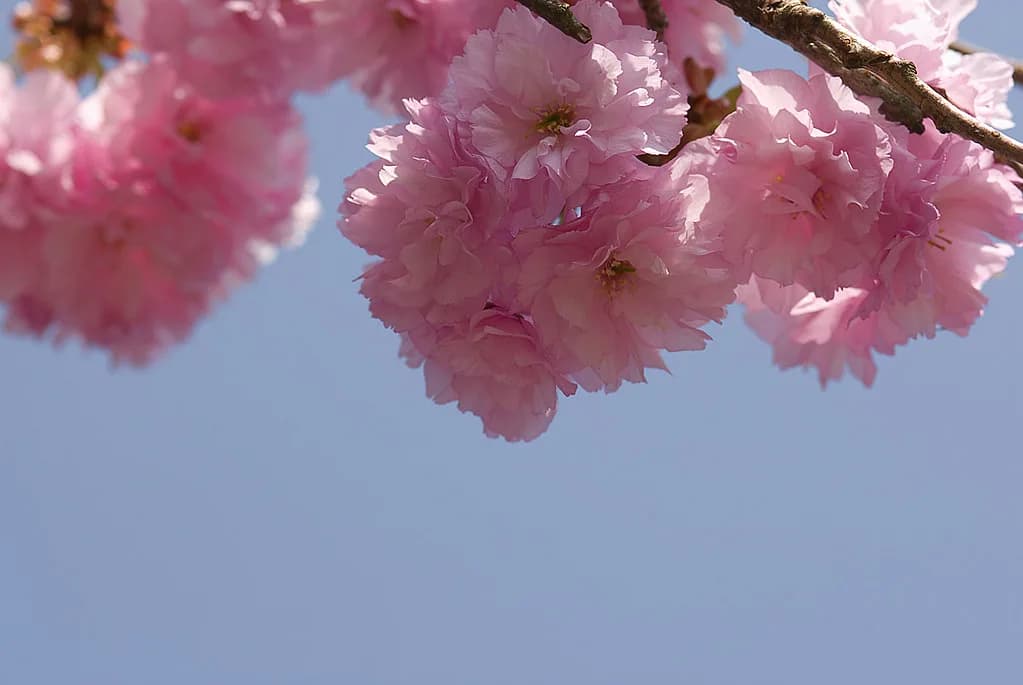
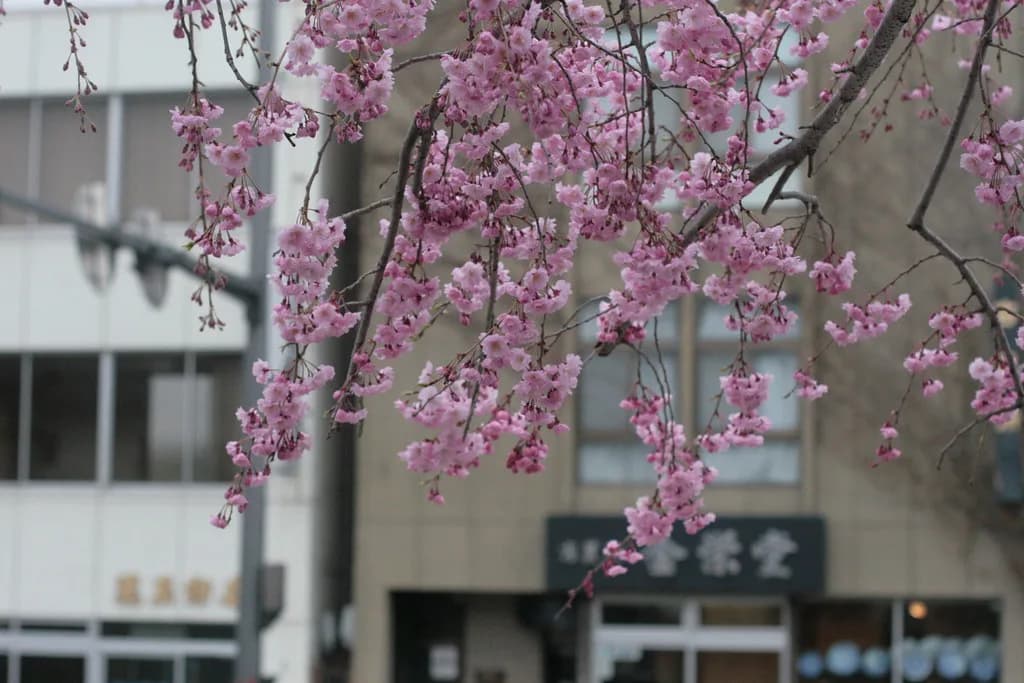
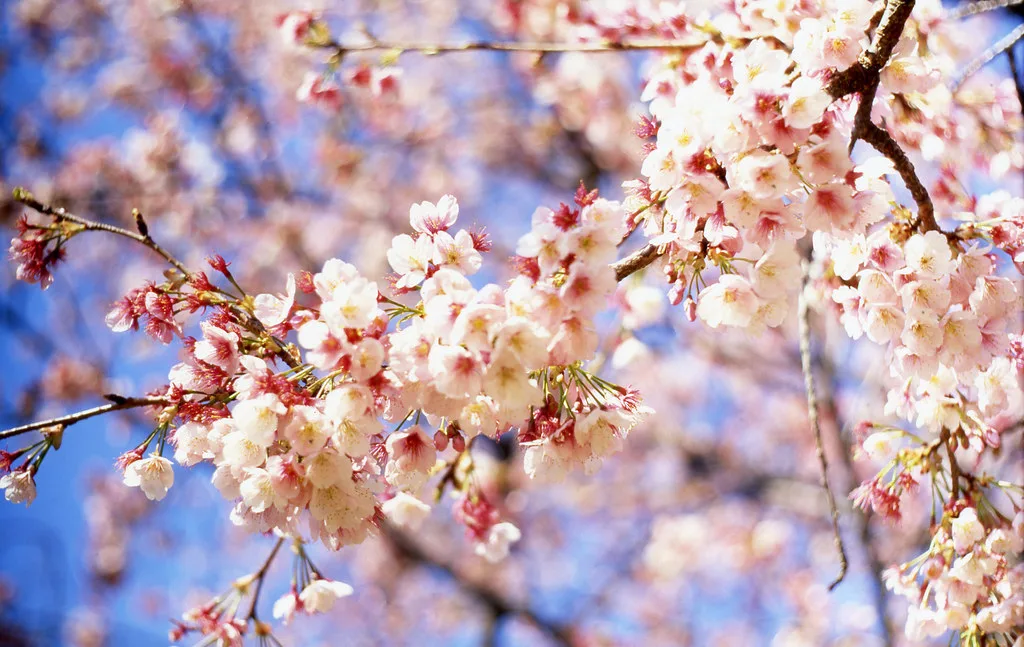
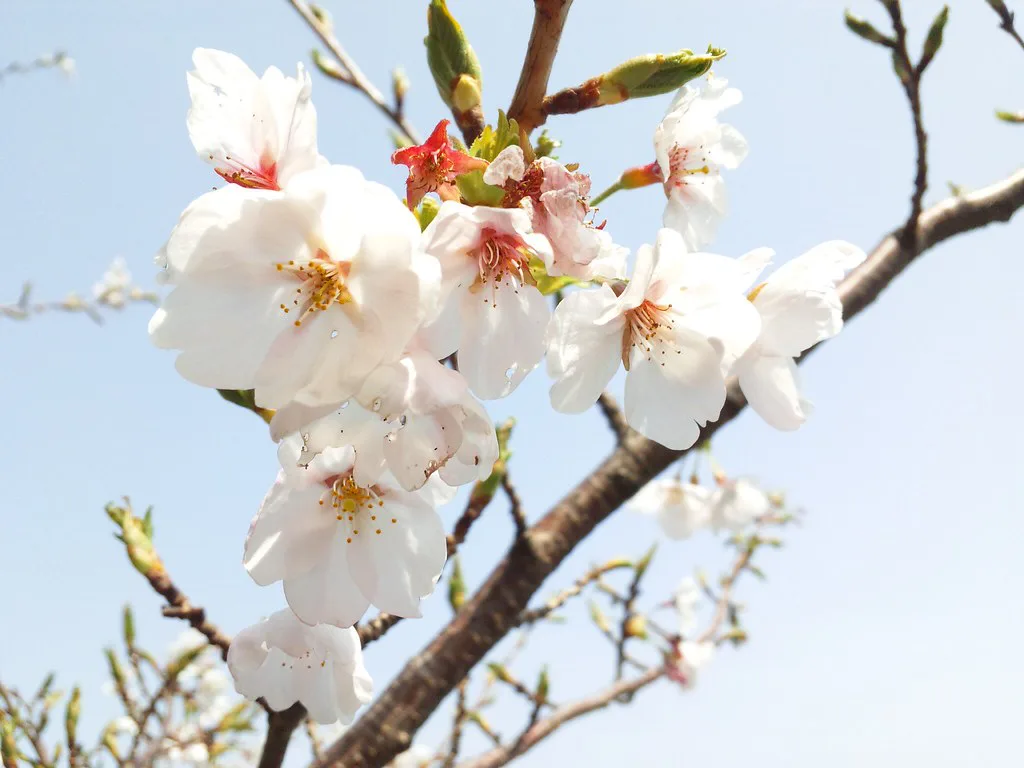
Spring is Japan's most internationally famous season, built around the sakura bloom. Cherry blossoms typically reach Tokyo and Kyoto between late March and early April, then migrate north through Tohoku and into Hokkaido by early May. The bloom lasts roughly one to two weeks per location, making timing a genuine gamble — a warm spell can pull the peak forward by ten days, a cold snap can delay it. Booking accommodation months in advance is non-negotiable for late March and all of April, particularly in Kyoto where room supply consistently falls short of demand.
The practical flip side of cherry blossom season is that Japan's accommodation shortage is real. Top ryokans in Kyoto fill up six to twelve months out during peak sakura weeks. If you want a specific property, book as soon as the reservation window opens. If you arrive without a booking, budget hotels in less central neighborhoods are usually your fallback. Early morning visits to famous spots — Maruyama Park in Kyoto at 06:30, Ueno Park in Tokyo before 08:00 — are far more atmospheric than the midday crush.
Late April and May offer spring weather without the worst of the crowds. Temperatures in central Honshu reach a pleasant 18–22°C. Blossom still lingers in Tohoku and Hokkaido for travelers who want the experience with shorter queues. The Sanja Matsuri in Tokyo (third weekend of May) is one of the capital's great street festivals — enormous portable shrines paraded through Asakusa, free to watch. Golden Week (late April to early May) cuts across this otherwise excellent window; see the national holidays section below for how to handle it.
Golden Week collision: Late April to early May aligns with Japan's busiest domestic holiday period (Showa Day, Constitution Day, Children's Day). Trains fill to capacity, hotel rates spike 40–60%, and accommodation in Kyoto books out entirely. Plan to enter or exit Japan around 28 April or after 6 May if possible to avoid the surge.
Summer in Japan: Festivals & Outdoor Adventures (June–August)
Japanese summers are hot, humid, and legitimately festive. Tokyo typically hits 29–31°C in late July and August, with humidity that makes it feel several degrees warmer. Kyoto runs hotter still — comparable to a muggy Washington DC summer. That said, if you are accustomed to humid continental climates, you will manage fine provided you pace yourself, stay hydrated, and plan indoor breaks. Hokkaido and the Japan Alps sit 5–8°C cooler than the major cities on the same day, making them practical summer destinations for heat-averse travelers.
Japan has more summer festivals than almost any other country. The Gion Matsuri in Kyoto runs throughout July, with the main float parade on 17 July — one of Asia's great street spectacles, traced back to the 9th century. Osaka's Tenjin Matsuri (25 July) sends portable shrines along the river by boat, followed by fireworks. Aomori's Nebuta Matsuri (2–7 August) features enormous illuminated floats and is worth a detour north. Fireworks festivals — hanabi taikai — run across the country from late July into August, with Tokyo's Sumida River display drawing around a million spectators. Summer is also the only season when the official Mount Fuji climbing season is open, running from early July to early September with peak foot traffic in August.
Japan's Rainy Season and Typhoon Season
The rainy season (tsuyu) runs from early June to mid-July, moving northward across the country. Unlike the monsoons of Southeast Asia, Japan's rainy season rarely means all-day torrential downpours. Expect overcast skies, intermittent showers, and heavy humidity. Gardens and rice paddies are at their greenest during this period, and crowds at major sightseeing spots thin out noticeably. Hokkaido sits above the rainy season belt and stays relatively dry through June, making it an underrated summer destination.
Typhoon season overlaps with summer and early autumn, running from May through October with peak risk in August and September. Okinawa and southwestern Japan are most exposed. Typhoons can cancel flights and close hiking trails with short notice — if your itinerary includes Okinawa or coastal southwestern Japan in August or September, build flexibility into your schedule. Central Honshu sees fewer direct hits, but even a near-miss can bring heavy rain across Tokyo and Kyoto for 24–48 hours. Travel insurance that covers weather disruptions is worth carrying if you visit between July and September.
Rainy season gardens: Japan's tsuyu (rainy season) from early June to mid-July brings overcast skies and frequent showers, but temple gardens and rice paddies are at their greenest. Hydrangea blooms peak in June — visiting gardens like Meigetsuin in Kamakura during the rainy season offers lush scenery with far thinner crowds than summer festivals.
Autumn in Japan: Fall Foliage & Pleasant Temperatures (September–November)
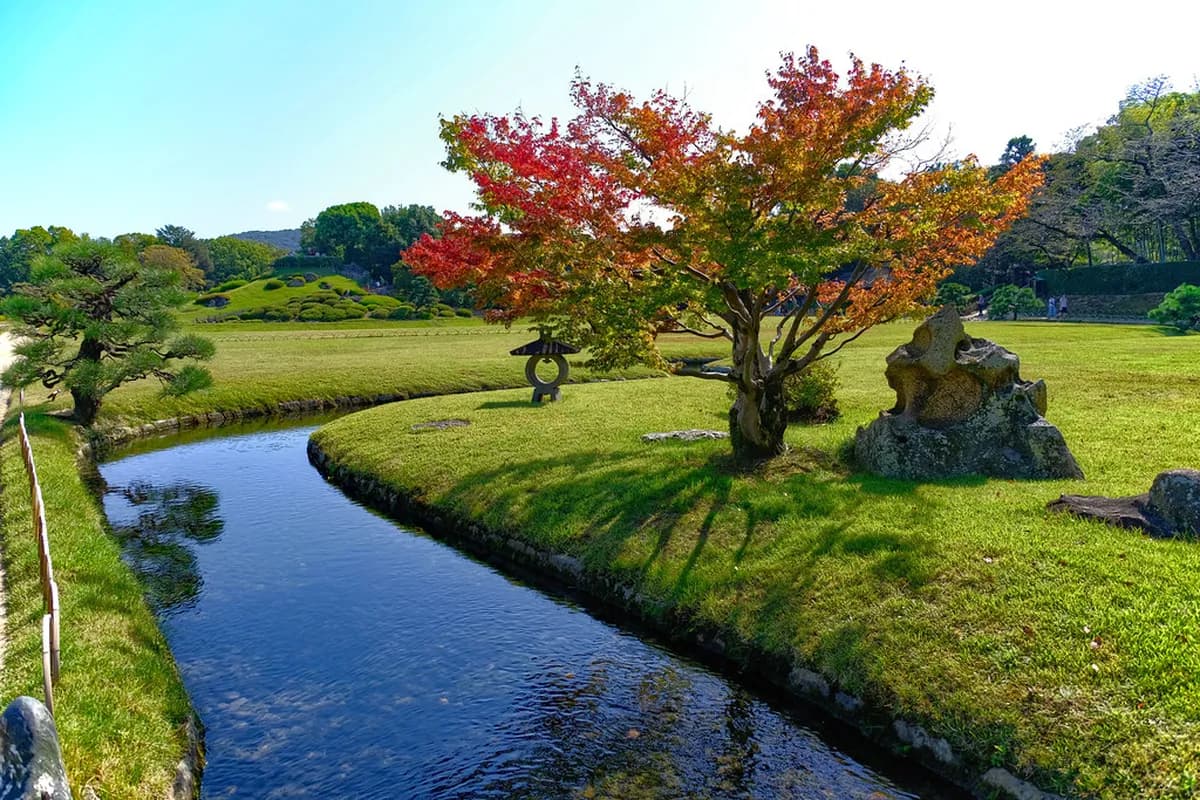
Autumn is widely considered the most comfortable season to visit Japan. Temperatures in central Honshu drop from a sticky 27°C in September to a crisp 10–16°C by November, with clear blue skies that become the rule rather than the exception after the typhoon season fades. The koyo — autumn foliage — follows the reverse of the cherry blossom path: it starts in Hokkaido in late September and works its way south, reaching peak colour in Tokyo and Kyoto by late November. Maple and ginkgo trees turn brilliant reds, oranges, and yellows, particularly in temple gardens designed to maximize the effect.
October is the less-discussed sweet spot of the autumn season. Foliage is building in the north and at higher elevations, temperatures are ideal for walking, and the November crowds have not yet materialized. Nikko, Hakone, and the Japan Alps show excellent colour through late October. November is peak koyo in central Japan — stunning, but expect crowds and prices comparable to cherry blossom season. Early December is a genuine sleeper option: many spots still carry late-season foliage, tourist numbers drop sharply, and room rates fall. Pairing an outdoor onsen with a view of autumn leaves is an experience most visitors only read about afterward; early December travelers actually live it.
Book accommodations and transport several months in advance for the November peak, particularly in Kyoto. Early morning temple visits — Tofukuji and Eikando open their grounds for special evening illuminations from mid-November — are worth the alarm clock.
Winter in Japan: Snow, Onsens & Festivals (December–February)
Winter is Japan's most underrated travel season for international visitors. Outside of the New Year's rush (last week of December through the first week of January) and the Sapporo Snow Festival in February, temples and shrines across central Japan are noticeably quiet. Ticket queues disappear, restaurant wait times shrink, and hotel rates in Kyoto and Tokyo drop to some of the lowest rates of the year. Temperatures in Tokyo average 2–10°C — cold, but manageable with a good coat. Kyoto sits similar. Hokkaido regularly sees −10°C in February, and the Japan Alps get world-class powder snow that draws serious skiers from Australia, Europe, and North America.
The Sapporo Snow Festival (held each February, typically the second week) is one of Asia's great winter events: international teams build enormous sculptures of ice and snow in Odori Park, illuminated each evening. The festival attracts around 2 million visitors, so Sapporo accommodation books out early. Outside of festival week, Hokkaido in January and February is quieter and excellent for skiing at Niseko, Furano, or Rusutsu. Onsen are at their best in winter — soaking in an outdoor rotemburo while snow falls around you is a quintessential Japanese experience that summer simply cannot replicate.
Japan's National Holidays & Peak Travel Seasons
Japan has several extended holiday periods when domestic travel surges, hotel prices spike, and trains fill to capacity. International visitors often underestimate these periods because the holidays themselves are not internationally famous — but the practical effect on travel is significant.
- New Year's (Shogatsu): Last week of December through roughly 3 January. The busiest domestic travel period of the year. Many businesses, including some restaurants and shops, close on 1 January. Major shrines see millions of visitors for Hatsumode (the first shrine visit of the year). Book everything months in advance if you plan to be in Japan then.
- Golden Week: Late April through early May (Showa Day 29 April, Constitution Day 3 May, Greenery Day 4 May, Children's Day 5 May). Trains are packed and room rates climb. Many Japanese families leave major cities for domestic travel, which creates a counterintuitive dynamic: top tourist sites in Tokyo and Kyoto sometimes feel slightly less overwhelming than the weeks immediately before, because a large share of the crowd is domestic visitors heading to rural areas, not foreign tourists converging on city landmarks.
- Obon: Mid-August, typically 13–16 August (exact dates vary by region). A Buddhist festival honoring ancestors. Hotels are expensive and public transport is crowded, but the atmosphere in many towns is genuinely festive — outdoor dancing, lantern ceremonies, and local fireworks.
- Silver Week 2026: Late September 2026 is notable because national holidays align to create a five-day break — a Silver Week that only occurs in certain years. Expect elevated domestic travel in late September 2026 specifically; plan accommodation earlier than usual if your trip falls in that window.
Outside these four windows, Japan is significantly less crowded. Late January, early February (before the Sapporo festival), early June, and late November to mid-December are the calmest stretches of the year for major sightseeing.
A Month-by-Month Guide to Visiting Japan
January: Cold and dry in central Japan. Crowds are minimal after the New Year's rush ends around 4 January. Northern Japan — Hokkaido and Tohoku — is deep in ski season. Jigokudani Monkey Park near Nagano's snow monkeys offers the famous snow monkey hot spring scenes that are genuinely easier to access in January than at any other time. Budget-friendly across most of the country.
February: Peak ski season in Hokkaido. The Sapporo Snow Festival (typically the second week) is unmissable if you are in the north. Central Honshu cities remain quiet with low hotel rates. Plum blossoms (ume) begin opening from mid-February, particularly in Mito (Kairakuen Garden) and Tokyo's Shinjuku Gyoen.
March: The month transitions from winter quiet to spring anticipation. Cherry blossoms typically reach Kyushu and the Kii Peninsula by late March. Warm enough during the day for comfortable sightseeing in central Japan, but evenings are still cool. Book accommodation immediately if late March falls in your window — prices and availability shift dramatically once the blossom forecast is published.
April: Peak cherry blossom month across central Honshu. Takayama Matsuri (mid-April) in the historic old town of Takayama is one of Japan's top three festivals, with ornate floats and traditional processions. Avoid the first week of May (Golden Week); try to exit or enter Japan around 28 April or after 6 May to sidestep the surge.
May: Excellent all-round. Post-Golden Week Japan is warm, green, and notably less crowded than April. Cherry blossoms reach Hokkaido in early May — Matsumae Castle is one of the best spots. The Sanja Matsuri in Tokyo (third weekend) is one of the capital's biggest street festivals. Late May brings the first hints of early summer humidity to central Japan.
June: The rainy season (tsuyu) arrives, bringing overcast skies and intermittent showers. Hydrangea gardens — Meigetsuin Temple in Kamakura, Hakusan Shrine in Tokyo — are at peak bloom and worth visiting specifically in June. Hokkaido stays dry and green, making it an underrated June destination. Crowds at most major sights are noticeably thinner than in May.
July: Hot and humid in central Japan, but festival season is fully underway. Gion Matsuri (all month, main parade 17 July) in Kyoto is the headline event. Mount Fuji's official climbing season opens in early July. Tanabata festivals take place across the country on or around 7 July, with Sendai's version (5–8 August) being the most elaborate.
August: Peak summer heat and the Obon holiday (mid-August). The Nebuta Matsuri in Aomori (2–7 August) and the Awa Odori dance festival in Tokushima (12–15 August) are two of Japan's most visually spectacular events. Okinawa beaches are at their warmest; book early for coastal accommodation. Hokkaido and the Japan Alps remain the best options for those who prefer mild temperatures.
September: Summer heat lingers through mid-month but eases considerably by late September. Typhoon season is at its peak — check forecasts before any trip to Okinawa or the southwest. The domestic Obon rush has cleared, leaving a relatively calm window for sightseeing. In 2026, late September brings Silver Week (see national holidays section above).
October: One of the best months to visit. Temperatures are ideal — 14–21°C in Tokyo. Autumn foliage builds across Hokkaido, Nikko, and Tohoku. Harvest festivals and cultural events run throughout the country. Crowds are present but not at November levels. The Jidai Matsuri in Kyoto (22 October) is a grand historical procession worth planning around.
November: Peak autumn foliage across central Japan. Temples in Kyoto — Tofukuji, Eikando, Nanzenji — are at their most spectacular but also busiest. Plan early mornings and weekday visits where possible. Book accommodation months ahead for Kyoto specifically. Second-tier cities like Kurashiki, Matsumoto, and Nara show excellent foliage with far shorter queues.
December: Quiet and underrated for the first three weeks. Foliage lingers in central Japan through early December. Winter illuminations appear across major cities — Tokyo Midtown, Roppongi Hills, and Osaka's Midosuji avenue are some of the most impressive. Ryokan and onsen towns in the mountains (Hakone, Kinosaki, Beppu) are peaceful and affordable before the Christmas-New Year's rush begins around 26 December.
Best Times to Visit Japan for Festivals & Events
Japan's festival calendar is one of the densest in the world, with significant events in every month. A few are worth specifically building a trip around rather than simply happening to be present for.
Sapporo Snow Festival (early February): Running since 1950, this week-long event fills Odori Park with monumental ice and snow sculptures, illuminated each evening. The simultaneous Tsudome site adds snow slides and family-friendly ice activities. Book Sapporo accommodation at least three months out; the city has limited rooms relative to the event's draw.
Gion Matsuri (July, Kyoto): One of Asia's oldest festivals, tracing its origins to a 9th-century plague ritual. Enormous yama and hoko floats are assembled over two weeks and paraded on 17 July (Saki Matsuri) and 24 July (Ato Matsuri). The Yoiyama street food evenings on 14–16 July are free to attend and genuinely atmospheric.
Obon Festival (mid-August): A Buddhist commemoration of ancestors observed across Japan. In Kyoto, the Daimonji Gozan Okuribi (16 August) lights enormous bonfires on five mountainsides visible from the city — one of the most singular visual experiences in Japanese travel. Public transport is busy but the event itself is free to watch from any elevated viewpoint.
Kanamara Matsuri (first Sunday of April, Kawasaki): Held at Kanayama Shrine, this fertility festival raises funds for HIV research and draws curious visitors from around the world. It is genuinely worth attending for anyone in Tokyo the first weekend of April — unusual, irreverent, and warmly welcoming of international visitors.
Koyo season (mid-October to late November): While not a single festival, the autumn foliage season functions as a nationwide event, with local governments and temples hosting illuminated evening viewings. Nikko National Park around late October, Tokyo's Shinjuku Gyoen in mid-November, and Kyoto's temple district from late November through early December are the main draws.
The Cheapest Time to Visit Japan
January (after 4 January) and February are consistently the cheapest months for flights and accommodation in central Japan. Hotels in Kyoto and Tokyo can run 30–50% cheaper than during cherry blossom or autumn foliage peak weeks. The trade-off is cold temperatures — manageable with the right clothing — and limited outdoor flower viewing. The cultural calendar in January and February is thinner than other months, though the Sapporo Snow Festival and ski season in the Japan Alps provide genuine draws.
June is the second cheapest window, particularly the first two weeks before school holidays start across parts of Asia. The rainy season thins crowds at popular sites. Accommodation prices are moderate rather than low, but you gain practical access to Kyoto's most famous gardens without fighting for space. High summer (July–August) is cheap in terms of hotel rates relative to spring and autumn but adds transport costs during the Obon period, and the heat means you will spend more on cold drinks, air-conditioned transport, and indoor breaks.
One overlooked budget move: the second and third weeks of December, after the November foliage crowds clear but before the year-end rush begins around 26 December. Some of the best-value ryokan rates of the year appear in this window, rooms at ryokans that would cost double in November. Late-season foliage often lingers, and winter illuminations are fully underway. For a Japan trip that balances value and atmosphere, early-to-mid December deserves serious consideration.
What to Pack for Each Season in Japan
Layers are the consistent answer regardless of season, because Japan's mountains, coast, and urban centers can register 8–10°C differences on the same day. Comfortable walking shoes are non-negotiable — expect 15,000–25,000 steps on active sightseeing days. A portable Wi-Fi device or eSIM is essential for navigation. Japan has pharmacy chains (Matsumoto Kiyoshi, Sundrug) on virtually every main street, so minor toiletry items are easy to source if you forget them.
- Spring (March–May): Light layering system — a midlayer (fleece or light down jacket) for mornings, a lighter outer shell for rain. Temperatures swing from 5°C at dawn to 18°C by afternoon in April. Compact umbrella essential. Avoid bright whites for hanami picnics on grass.
- Summer (June–August): Light, breathable fabrics — linen and moisture-wicking synthetics outperform cotton in high humidity. Compact folding fan (sensu) sold everywhere for ¥500–800 and genuinely useful. High-SPF sunscreen, hat, and UV-blocking parasol (widely used by locals). A small towel for perspiration. Rain jacket or umbrella for tsuyu showers.
- Autumn (September–November): Similar layering logic to spring. October calls for a light jacket; November adds a warmer mid-layer. Water-resistant shoes are useful for damp temple gardens. Evenings cool quickly in November — carry an extra layer even if midday feels mild.
- Winter (December–February): Warm coat (down jacket recommended), thermal base layers, and warm accessories — hat, gloves, scarf. Waterproof boots for ski areas or snowy Hokkaido. Indoor heating in Japanese buildings can be intense, so thin, removable layers beneath your outer coat keep you comfortable when going in and out. Slip-on shoes help at temples and ryokans where you remove footwear frequently.
March in Japan: Plan Your Trip
Sort by planning stage — pick your month and city, then track blossoms and pack right.
Explore best time to visit in other cities
Frequently Asked Questions
When is the best time to visit Japan for the cherry blossoms?
The best time to see cherry blossoms in Japan is typically late March to early April in central regions like Tokyo and Kyoto. The bloom moves northwards, so Hokkaido sees blossoms in May. This period is incredibly popular, so book well in advance.
When is Golden Week in Japan and how does it affect travel?
Golden Week is a series of national holidays occurring from late April to early May. It is one of Japan's busiest travel periods, with crowded trains, booked hotels, and higher prices. It is best to avoid major travel during this time if possible.
How hot and humid is summer in Japan?
Summer in Japan, especially July and August, is very hot and humid, with temperatures often exceeding 30°C (86°F). High humidity can make it feel even hotter. Stay hydrated and plan indoor activities or seek shade during peak heat.
Japan truly offers a unique journey in every season, catering to diverse interests from cherry blossom viewing to winter sports. While spring and autumn are popular for their mild weather and stunning natural beauty, each period holds its own appeal. By considering factors like weather, crowds, specific events, and your own budget, you can tailor your visit to create an unforgettable experience. Plan ahead for peak seasons, and embrace the distinctive charm that each month brings to this remarkable country.
Free guide: Japan's Hidden Gems
12 under-the-radar places beyond Tokyo & Kyoto — with the best season to visit each and a local tip you won't find in the guidebooks.
You might also like


Continue reading
More guides you'll find useful