Noboribetsu stands as one of the most famous hot spring resorts in all of Japan. The area is home to the stunning Oyunuma Pond and its surrounding volcanic landscapes. Visitors come from across the globe to witness the raw power of Hokkaido's geothermal activity. This guide provides everything you need to plan a safe and memorable visit in 2026.
Oyunuma is more than just a scenic lake; it is a living volcanic crater. The smell of sulfur and the sight of rising steam greet you long before you arrive. Our comprehensive guide covers transport, hiking trails, and the famous natural footbath. Discover why this destination is a must-see for any traveler visiting the northern island.
What is Oyunuma? An Overview of Noboribetsu’s Volcanic Wonder
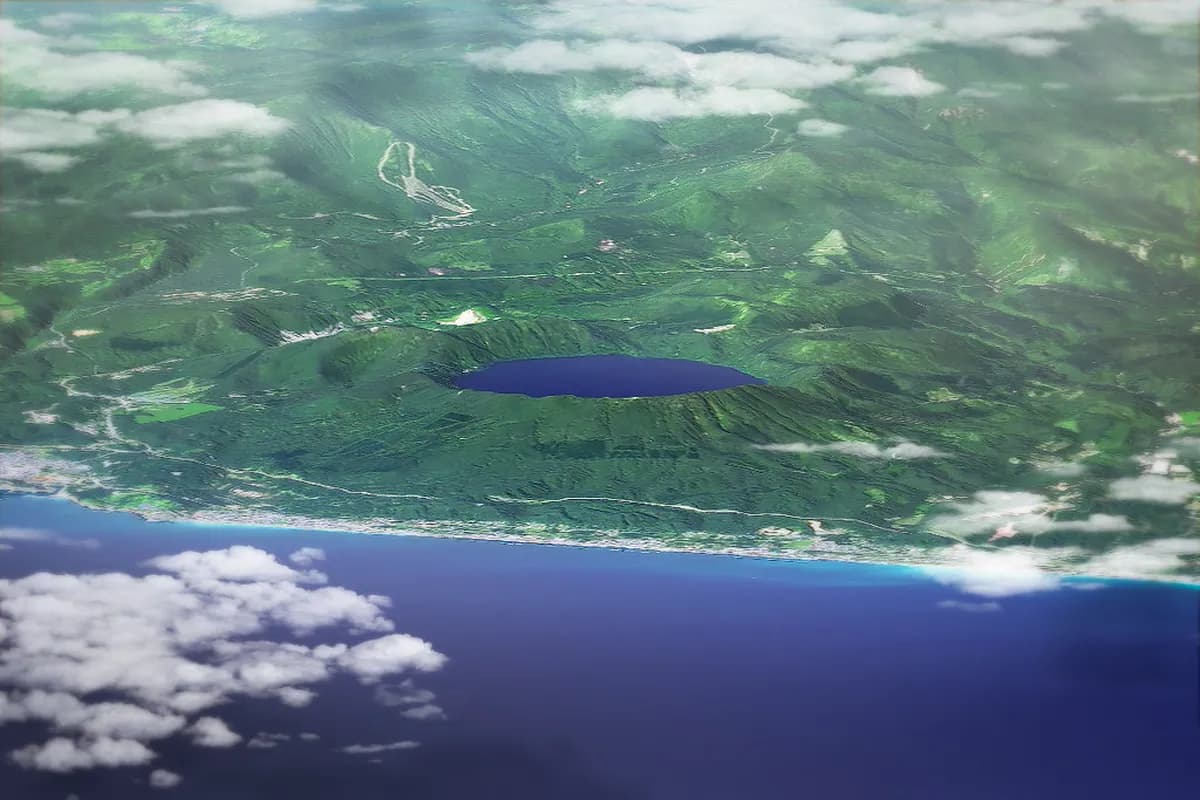
Oyunuma Pond is a large gourd-shaped body of water formed by a volcanic eruption. It measures approximately 1 kilometer in circumference and sits near the active Mt. Hiyoriyama. The water in this pond is a striking grey-black color due to high sulfur concentrations. Steam constantly rises from the surface, creating a mysterious and dramatic atmosphere.
The temperature at the bottom of the pond can reach a staggering 130 degrees Celsius. Surface temperatures usually hover around 85 degrees, making the water extremely dangerous. While you cannot swim here, the site offers incredible views of nature's thermal power. It serves as a primary source of mineral-rich water for many local Noboribetsu bathhouses.
This volcanic site is part of the larger Shikotsu-Toya National Park region. Travelers often combine a visit here with a trip to nearby Lake Toya for a full nature experience. The landscape around the pond changes dramatically with the seasons. Rugged hills and dense forests frame the steaming water in every direction.
Getting There: Transport Options to Oyunuma
Reaching the Oyunuma area is straightforward for those staying in the main onsen town. Most visitors begin their journey at JR Noboribetsu Station on the main railway line. From there, a local bus runs frequently to the central hot spring terminal. The bus ride takes about 15 minutes and costs approximately 350 yen per person.
If you prefer to drive, a dedicated parking lot is located right next to the pond. Parking fees for standard cars are usually around 500 yen for a single day. This lot provides the quickest access for those with limited mobility or tight schedules. Check the Noboribetsu Spa Official Website for any seasonal road closures or price updates.
Walking from the town center is a popular option for active travelers. A well-marked path leads from the main street toward the volcanic valley. The walk takes roughly 20 to 30 minutes through scenic forested areas. Clear English signage makes it easy to navigate without a digital map.
- Bus from JR Station
- Cost: 350 Yen
- Duration: 15 minutes
- Frequency: Every 20-30 minutes
- Parking Lot Access
- Cost: 500 Yen
- Location: Adjacent to pond
- Capacity: Approx 30 cars
Exploring Oyunuma Pond: The Boiling Sulfur Lake
The pond itself is the centerpiece of this geothermal wonderland. Several viewing platforms are positioned around the perimeter for safe observation. Visitors can see the water bubbling and swirling as gases escape from below. The intense heat creates "billowing circles of smoke" that dance across the surface.
Photography is a highlight for many people visiting this unique Hokkaido landmark. Early morning light provides the best conditions for capturing the steam and colors. The contrast between the dark water and white steam is truly breathtaking. Stay behind the safety fences at all times to avoid the boiling water.
Nearby, you can also see the smaller Okunoyu Pond which is equally active. This smaller pool often has even higher surface temperatures than its larger neighbor. The smell of sulfur is quite strong in this specific area of the park. Plan to spend at least 30 minutes just taking in the views here.
The Oyunuma River Natural Footbath: A Forest Soak
One of the best experiences in the area is the natural river footbath. Overflow from the hot pond flows into a nearby stream through the forest. By the time the water reaches this spot, it has cooled to a comfortable temperature. This allows visitors to sit on wooden decks and soak their feet in the wild.
The setting is incredibly peaceful with tall trees and the sound of rushing water. The water temperature usually stays around 40 degrees Celsius throughout the year. It is a free activity that offers a unique connection to the volcanic landscape. Consult the Sapporo Travel Official Spot Guide for current water quality and access news.
Proper preparation will make your footbath experience much more enjoyable. You must bring your own towel as there are no facilities on-site. Wear shoes that are easy to remove and put back on quickly. The path to the river can be slippery after rain, so walk with care.
Hiking Routes: Connecting Jigokudani and Oyunuma
A network of trails connects Oyunuma to the famous Jigokudani Hell Valley. The most popular route is the Oyunuma Lookout Trail which offers panoramic views. This hike takes about 20 to 30 minutes for a one-way trip. It features a moderate incline that requires a basic level of fitness.
The trail surface consists of a mix of wooden boardwalks and dirt paths. You will climb approximately 50 meters in elevation during the trek. Lush greenery surrounds the path during the spring and summer months. Many travelers choose to start at Hell Valley and end at the footbath.
If you have extra time, consider visiting the Noboribetsu Bear Park after your hike. It is located nearby and offers a different kind of entertainment for families. Combining these sites makes for a perfect full-day itinerary in Noboribetsu. Always carry a bottle of water as there are no shops on the trails.
Seasonal Guide: When to Visit Oyunuma
The best time to visit depends on what kind of scenery you prefer. Autumn is particularly stunning when the leaves turn bright red and orange. This seasonal change usually happens from mid-October to early November. The cool air makes the rising steam from the pond look even more impressive.
Winter brings a magical layer of white snow to the volcanic valley. However, heavy snowfall can lead to the closure of certain hiking trails. The path to the natural footbath can become very icy and dangerous. Check with your Noboribetsu accommodation for safety updates during the winter.
Spring and summer offer lush green forests and clear walking conditions. Flowers begin to bloom around the trails starting in late May. The weather is typically mild and perfect for outdoor exploration. Mosquitoes can be present in the forest, so bring some repellent.
Essential Visitor Tips: What to Bring and Safety
Safety is the most important consideration when visiting a volcanic area. Never cross the safety barriers to get closer to the boiling water. The ground near the pond can be unstable and extremely hot. Follow all posted signs which are available in multiple languages.
Sulfur in the air can affect certain metals and delicate electronics. It is wise to remove silver jewelry before heading to the pond area. The minerals can cause silver to turn black almost instantly. Store your valuables in a sealed bag or leave them at your hotel.
- Packing Checklist
- Towel: For the footbath
- Plastic Bag: For wet items
- Walking Shoes: With good grip
- Water: No shops on trails
- Site Comparison
- Jigokudani: Best for boardwalks
- Oyunuma: Best for views
- Footbath: Best for relaxation
Frequently Asked Questions
How do I get to the Oyunuma footbath?
You can reach the footbath by walking about 10-15 minutes from the Oyunuma Pond parking lot. Alternatively, follow the forest trail from the main Noboribetsu onsen town. The path is well-marked and takes roughly 20 minutes from the town center.
Is the Oyunuma footbath free to use?
Yes, the natural footbath is completely free for all visitors. There are no entrance fees or tickets required to access the river. Just remember to bring your own towel as none are provided at the site.
How long is the hike from Hell Valley to Oyunuma Pond?
The hike typically takes between 20 and 30 minutes depending on your walking speed. It covers a distance of about 1 kilometer with some moderate uphill sections. Most travelers find it manageable with sturdy walking shoes.
What is the temperature of Oyunuma Pond?
The surface temperature of the pond is approximately 85 degrees Celsius. At the very bottom, temperatures can reach up to 130 degrees Celsius. Because of this extreme heat, swimming or touching the water is strictly prohibited.
Oyunuma Pond and the natural footbath offer a rare glimpse into Earth's power. This destination perfectly combines dramatic volcanic views with quiet forest relaxation. Planning your visit with the right gear ensures a comfortable and safe journey. Make sure to include this unique spot in your 2026 Hokkaido travel plans.
Whether you hike from Hell Valley or drive to the lot, the views are worth it. The sulfurous waters and steaming landscapes create memories that last a lifetime. Take your time to soak in the river and enjoy the natural beauty. Noboribetsu remains a highlight for anyone seeking the best of Japan's outdoors.