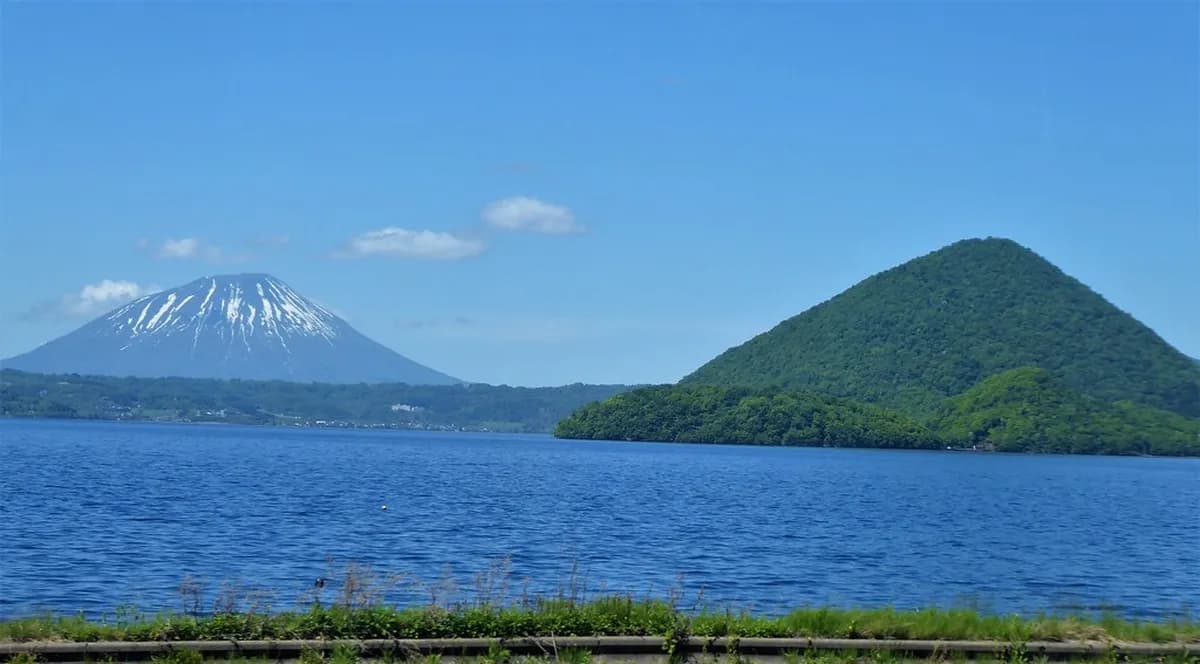
Best Time to Visit Noboribetsu: 8 Essential Planning Tips
Discover the best time to visit Noboribetsu for snow, festivals, and hot springs. Our guide covers seasonal weather, top ryokans, and a free 2-day itinerary.
On this page
The best time to visit Noboribetsu is mid-May to mid-June. You should also consider the late fall window of mid-September to mid-October. I visited Noboribetsu in late January 2024 to experience the snow-covered Hell Valley. Updated May 2024 from my winter visit.
This town is famous for its volcanic activity and healing thermal waters. Hokkaido weather can be unpredictable due to the surrounding ocean winds. Most travelers come here to soak in the famous mineral-rich hot springs. Our guide helps you choose the perfect month for your specific interests.
Useful resources: the Noboribetsu Onsen tourism association and Japan Guide's Noboribetsu page have up-to-date onsen and access details.
Noboribetsu Onsen Area: A Story of Love and Healing
In the 1850s, a carpenter named Kinzo Takimoto moved from Edo to southwestern Hokkaido for construction work. When his wife Sata developed a severe skin condition, Kinzo forged a path through the mountains to a steaming valley he had heard about. He built a small hut beside the hot springs, and after Sata bathed regularly in the mineral water, she recovered. Realizing the springs' power, Kinzo opened a small inn to share the waters with others.
Among the earliest guests were samurai stationed in Shiraoi, workers from nearby Mount Io, and the indigenous Ainu people, who had known about the springs since at least the 13th century — they called the area Nupur pet, meaning "the river tinted by minerals." Kinzo's descendants renamed the inn Dai-ichi Takimotokan in 1953. Today it is still the most famous ryokan in the area and still draws on those same nine distinct spring sources.
Today, Dai-ichi Takimotokan stands on that original site. It is the most famous ryokan in the entire area. The volcanic waters are rich in minerals including sulfur, salt, alum, and sodium bicarbonate — each with its own skin and circulation benefits. Many locals visit every year for these proven health effects, and Noboribetsu now receives roughly 2.8 million visitors annually.
Best Time to Visit Noboribetsu: A Season Comparison
Weather in Hokkaido changes quickly due to the Pacific winds. The volcanic steam at Jigokudani looks different in every season: thick and ghostly in winter frost, almost invisible against the humid summer air, and most dramatic on cool autumn mornings. That variability is worth knowing before you book.
Summer temperatures usually stay around 21–26°C / 70–79°F. Winter brings heavy snow and very cold winds, with lows often dropping to -10°C / 14°F during January nights. Spring cherry blossoms bloom later here than in southern Japan — typically early to mid-May — because Hokkaido's cold air lingers well into April.
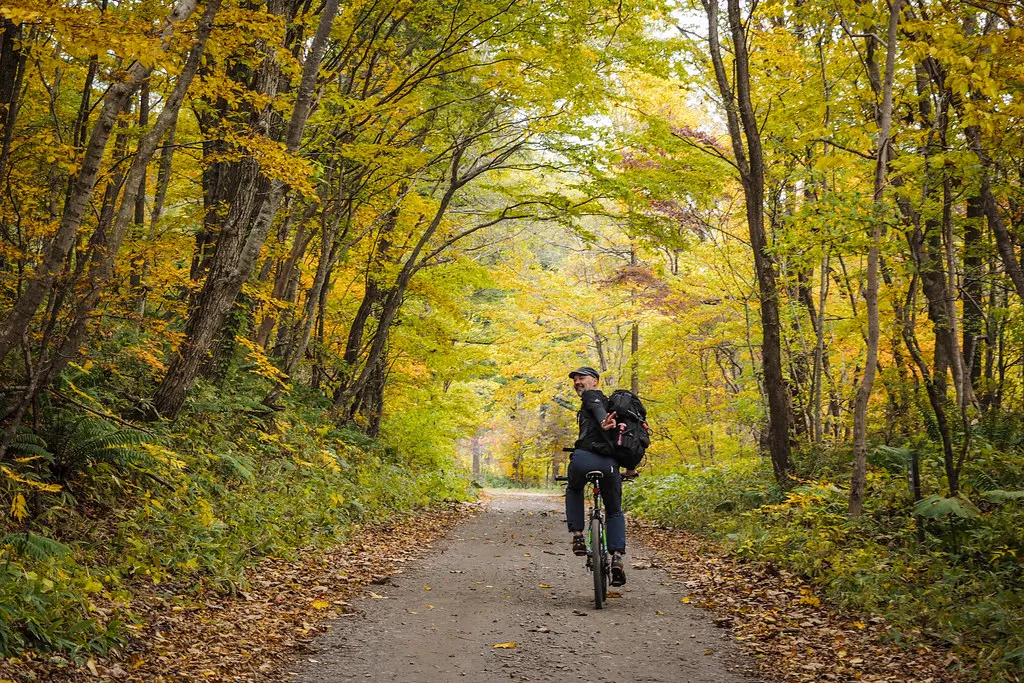
Autumn (September–October) is arguably the most underrated window. Crowds are moderate, foliage around the valley turns red and gold, and prices drop noticeably below peak summer rates. Winter (December–February) is the classic choice: sitting in an outdoor rotenburo with snowflakes falling on your shoulders is one of those bucket-list Japan moments that you will not find elsewhere.
Check the Noboribetsu Onsen Official Guide for current weather alerts. Always verify the forecast before heading out for a hike, as some trails close after heavy snow.
| Season | Weather | Crowds | Prices | Events | Best for |
|---|---|---|---|---|---|
| Mid-April to May | 10-15°C / 50-59°F | Moderate | Mid-range | Cherry Blossoms | Hiking |
| June to August | 21-26°C / 70-79°F | High | Peak | Hell Festival | Festivals |
| Sept to October | 15-20°C / 59-68°F | Moderate | Mid-range | Autumn Colors | Photography |
| Nov to March | -5 to 2°C / 23-35°F | Low | Lower | Hot Water Fest | Snow Baths |
Choosing Your Perfect Travel Window
Choosing the right month depends on your personal travel style. Some people love the deep snow of mid-winter. Others prefer the lush hiking trails of early autumn. Here is a simple guide by traveler type.
You should consider the crowd levels during Japanese holidays. Golden Week in early May is always very busy. Prices for ryokans often double during this peak time. Budget travelers should look at the late autumn window — mid-November offers lower rates before the ski season starts, and you will find fewer people at the main attractions.
Read our Where To Stay In Noboribetsu: Best Ryokans & Hotels Guide for more tips. It compares luxury ryokans with local guest houses to help you find the best value for your money.
- Choose winter (December–February) if you want snowy outdoor baths, a quiet town, and the iconic steam-against-snow scenery at Jigokudani.
- Choose summer (June–August) if you want the Hell Festival, fireworks near Lake Toya, and lush green forest trails.
- Choose autumn (September–October) if you want stunning red foliage, mild hiking temperatures, and mid-range prices.
- Choose spring (late April–May) if you want late cherry blossoms, fresh greenery around the valley, and the trails fully reopened after winter closures.
Top Things to Do: From Hell Valley to Demon Hunting
Noboribetsu is more than a place to soak. Most of the main attractions cluster within easy walking distance of the central onsen street, so you can cover several in a single day without a car.
Jigokudani (Hell Valley) is the unmissable start. Wooden boardwalks lead you past steaming vents, bubbling sulfuric pools, and mineral-stained earth in shades of orange, white, and grey. The valley earns the "hell" label — the landscape looks genuinely otherworldly. Visit at sunset when the lanterns along the path glow and the steam thickens. The main boardwalk is suitable for all fitness levels and takes around 30–45 minutes to complete.
From Hell Valley, continue on the forest trail for roughly 20–30 minutes to reach Oyunuma sulphur pond, a milky sulfuric lake that steams year-round. Just beyond it, the Oyunumagawa Natural Footbath lets you remove your shoes and dip your feet in the warm mineral stream at no cost. It is a simple pleasure that no competitor guide makes enough of — the water is genuinely warm and the forest setting makes it feel like a private spa.
Back in town, look for the giant red and blue oni (demon) statues scattered around the onsen street. Hunting them all is a free, low-effort activity that works well for families. Stop at the Enmado Shrine in the town center for the free animatronic show featuring Enma, the ruler of the underworld — showtimes run at 10:00, 11:00, 13:00, 15:00, and 17:00 daily. The Bear Park, reached by ropeway up Mount Shihorei, is popular with families (adults ¥2,600, children ¥1,300) and also has a reconstructed Ainu village at the top station worth seeing regardless of the bears.
Where to Stay: Dai-Ichi Takimotokan vs. Budget Options
Noboribetsu has a clear lodging hierarchy. The flagship ryokans offer private kaiseki meals, access to dozens of distinct baths, and views over Hell Valley. Budget guesthouses give you a base to explore the town and buy day passes at whichever ryokan you prefer. Both approaches work well — the choice comes down to how central the onsen experience is to your trip.
Dai-ichi Takimotokan is the obvious first choice for first-timers. Its Grand Bath features 35 pools fed by five of the nine spring sources, including sulfur, alum, salt, and sodium bicarbonate baths. Floor-to-ceiling windows overlook Jigokudani. Day passes are available to non-guests: ¥2,250 (adults) / ¥1,100 (children) from 09:00–16:00, or ¥1,700 / ¥825 from 16:00–18:00. Overnight rates include kaiseki dinner and breakfast and vary by season — book at least two months ahead for winter or the August festival weekend.
Noboribetsu Grand Hotel is a strong alternative if you want to avoid the Takimotokan queues during peak season. It has 35 different baths including an open-air pool set in a stone Japanese garden, and a Roman-style indoor bath with a domed ceiling. Day pass: adults ¥1,500, children ¥750. Takinoya is the premium boutique option — smaller, quieter, with private outdoor baths in some rooms and arguably the most beautiful indoor baths in town. It does not offer a day pass, so it is reserved for overnight guests only. Advance booking is essential as rooms are limited.
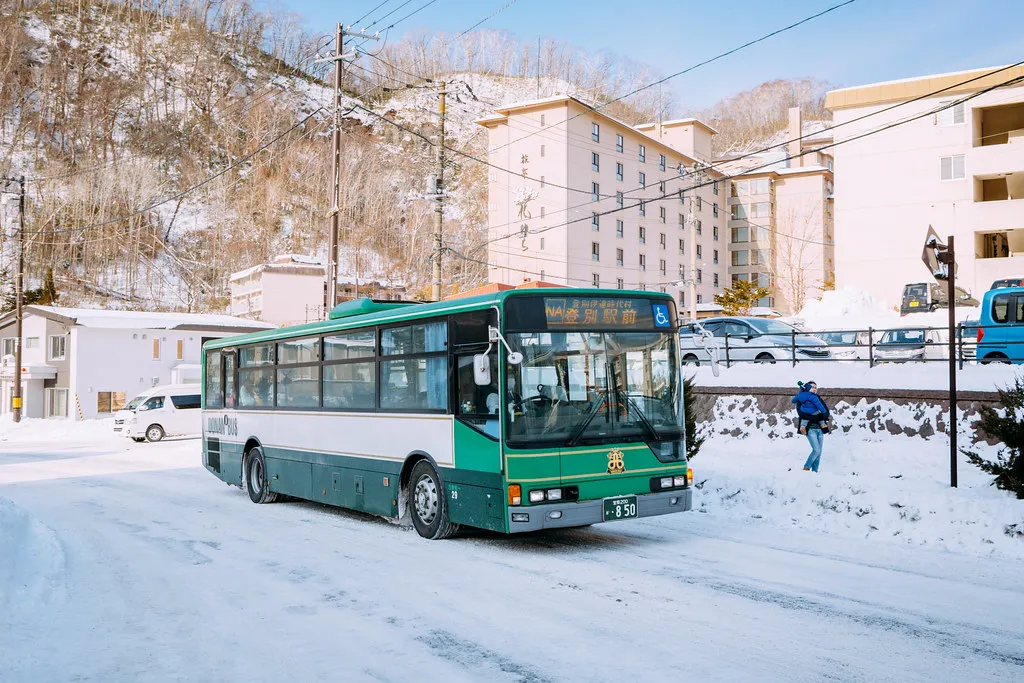
For budget stays, the Noboribetsu Guest House AKA & AO sits across from Noboribetsu Station, about ¥25 USD per night, with private capsule compartments and a shared kitchen. From there, a 15-minute Donan Bus ride (¥350–400 each way) brings you to Noboribetsu Onsen, and you can buy a day pass at any ryokan. Adex Inn is a sister property to Dai-ichi Takimotokan and lets guests use the Grand Bath next door at ryokan prices, making it the best mid-budget option if onsen variety matters to you.
Annual Noboribetsu Festivals: Hell Festival and Hot Water Festival
The Hell Festival takes place on the last Saturday and Sunday of August. According to local legend, the portals of the underworld open and Enma leads his demon minions through town. In practice, that means giant oni floats, lantern-lit streets, food stalls, live music, and a procession that routinely pulls bystanders in. It is a loud and colorful event and one of Hokkaido's most distinctive summer festivals. Book your room at least three to four months in advance — the town is small and fills completely on festival weekends.
In February, the Hot Water Festival celebrates the healing springs that help locals survive Hokkaido's brutal winters. Men in loincloths splash cold water on each other in a purification ritual intended to bring good health for the year ahead. The festival combines traditional ceremony with parades through town. Exact dates for the 2026 edition are announced on the official tourism association site closer to the season.
Use our Noboribetsu Onsen Guide: 10 Essential Things to Know and Do to find the best viewing spots for both events. Arriving on the Thursday before the Hell Festival weekend also lets you explore the town before the crowds arrive — a useful strategy for getting a good position along the parade route.
How to Get to Noboribetsu from Sapporo and Chitose
Noboribetsu is one of the most accessible onsen towns in Japan relative to major transport hubs. From Sapporo, you have three realistic options depending on your budget and flexibility.
The fastest and most convenient option is the JR Limited Express Hokuto from Sapporo Station to Noboribetsu Station, which takes about 1 hour 15 minutes and costs ¥4,780. A JR Pass covers this fare. At Noboribetsu Station, board the Donan Bus bound for Noboribetsu Onsen — the ride is about 15 minutes and costs approximately ¥350–400. If you are on a tighter budget, the Chuo Bus from Sapporo Eki Mae runs to Noboribetsu for ¥2,280 — walk two minutes to Noboribetsu Station and connect to the same onsen bus. Donan Bus also operates one daily direct service from Sapporo Eki Mae (Stop No.7) at 13:40, arriving at Noboribetsu Onsen in just under two hours for ¥2,500 — this skips the train transfer entirely and is the easiest option for day-trippers. By car from Sapporo, take the Hokkaido Expressway toward Muroran and exit at Noboribetsu-Higashi Interchange; the drive takes about 1 hour 40 minutes with highway tolls of roughly ¥3,000.
From New Chitose Airport, direct Limited Express trains connect to Noboribetsu Station in roughly one hour for ¥1,880. This makes Noboribetsu one of the easiest hot spring towns to visit on arrival or departure day — no need to route through Sapporo. Take a taxi or the Donan Bus from Noboribetsu Station to the onsen area. A taxi costs around ¥2,000–2,500. From Hakodate, the JR Limited Express Hokuto runs directly to Noboribetsu Station in about three hours (¥7,460).
Onsen Etiquette: What First-Timers Must Know Before Stepping In
Most guides to Noboribetsu spend considerable space on which baths to choose but almost none on how to use them correctly. Get the etiquette wrong and you will feel out of place — or worse, be asked to leave. The rules are consistent across every ryokan in town.
Bathe completely nude. Swimwear is not permitted in traditional onsen, including all the baths at Takimotokan, Grand Hotel, and Takinoya. (The exception is a hotel swimming pool, where proper swimwear is required — these are separate from the onsen baths.) Before entering any pool, sit at a washing station and rinse your entire body with the provided shower. This is non-negotiable: entering the communal water without showering first is the most disrespectful thing a visitor can do. Keep your small hand towel out of the water — either set it on the pool edge or fold it on your head. Do not dunk it in the shared bath.
Tattoos are a genuine concern. Most Noboribetsu ryokans restrict tattooed guests from the public baths. Dai-ichi Takimotokan has historically enforced this rule, though some smaller facilities are more lenient — confirm directly before booking if this applies to you. Waterproof adhesive patches can cover small tattoos in some cases. The two private in-suite onsen rooms at Takimotokan are an alternative for guests who cannot use the public baths. Onsen bathing is standard for solo travelers — shared baths are gender-separated and the solo dynamic is completely normal in Japanese onsen culture, so do not let that deter you.
The Perfect 2-Day Noboribetsu Itinerary
Start your first day at Jigokudani in the late afternoon. Walk the wooden boardwalks to see the steaming vents and the mineral-stained crater floor. Continue the forest trail to Oyunuma Pond and the natural foot bath. Time your return to town for the 17:00 Enmado Shrine show, then end the evening with a long soak in your ryokan's baths — the outdoor rotenburo is particularly good after dark when the air cools.
On day two, spend the morning oni-hunting through the onsen street and exploring the Sengen Park geysers, which erupt roughly every three hours and are easy to catch with a bit of patience. In the afternoon, take a bus to the Date Jidai Village (also called Date Jidaimura history park), which recreates the Edo period with samurai residences, ninja shows, and costumed staff. End your trip with a morning soak before checkout — many ryokans allow use of the baths until the check-out time of around 11:00.
Many visitors also take a bus from Sapporo for a quick escape, treating Noboribetsu as a day trip. A day trip is viable, but staying one night allows you to experience the baths both in the evening and early morning — which are the two quietest and most atmospheric times. That difference alone makes the overnight stay worth it.
What to Pack for Your Hokkaido Adventure
Packing the right gear ensures you stay comfortable outside. The volcanic paths can be slippery and quite uneven, so sturdy walking shoes are a must for every visitor. In winter, the trail to Oyunuma Pond becomes particularly icy — ice grips (yakiita) are worth renting or buying at a Sapporo outdoor shop before you travel.
Even in summer, evenings in Noboribetsu can feel quite chilly. Bring a light windbreaker for night walks. The coastal winds are common in this part of Hokkaido. Winter visitors need heavy layers, thermal undergarments, snow boots with good grip, a warm hat, and thick gloves.
- Sturdy walking shoes — essential for the rocky valley and the Oyunuma trail, especially in wet weather or snow.
- A light windbreaker — useful for cool summer and autumn evenings on the main onsen street.
- Thermal base layers — mandatory for winter visits when temperatures drop below -5°C.
- A small hand towel — required at every onsen bath; most ryokans provide one but it is handy for the natural foot baths.
- Cash (yen) — smaller restaurants, footbath areas, and some snack stalls do not accept cards. Carry ¥3,000–5,000 in coins and notes for incidentals.
What's Closed in Low Season
Some attractions limit their hours during the winter months. The trail to Oyunuma natural footbath closes in heavy snow, typically from December through late March — although the Jigokudani boardwalk itself remains accessible year-round. The road to Oyunuma Pond by car is also closed in winter, so the only access is on foot via the forest trail, which can be icy.
Many small restaurants near the bus station close early or reduce their menus during the off-season. Some local noodle shops only serve lunch during the colder months. The convenience store near the main onsen street is a reliable fallback for onsen eggs and snacks at any hour.
The ropeway to the Bear Park closes for maintenance in late autumn or early spring. Always verify schedules on the Japan Guide: Noboribetsu page before building your itinerary around it.
Essential Travel Tips: Vegetarian Food and Budget Advice
Finding vegetarian food takes planning in this seafood-heavy town, but options do exist. Isekura Ramen (71 Noboribetsuonsencho) will prepare a meat-free spicy broth if you ask — it is not on the standard menu but the kitchen is accommodating. Pizzeria Astra (60 Noboribetsuonsencho) serves a genuine margherita pizza. The udon shop at 30 Noboribetsuonsencho can make the fried-tofu udon fully vegan if you ask for no fish sauce. Dai-ichi Takimotokan offers a vegetarian kaiseki menu but it must be requested at least three days before your stay — worth calling ahead if you plan to eat at the ryokan.
Budget travelers can stay at the AKA & AO hostel near Noboribetsu Station for around ¥25 USD per night and buy day passes at nearby ryokans rather than paying overnight ryokan rates. This approach costs roughly ¥5,000–6,000 per day for accommodation plus bath access — a significant saving versus ¥20,000+ per night at a mid-tier ryokan.
Learn more about local sites in our 12 Best Things To Do In Noboribetsu list. It includes free spots like the Enmado Shrine and the natural foot bath at Oyunuma River. Visit the Japan Activity blog for more Hokkaido travel advice on transport and local customs.
Frequently Asked Questions
When is the Noboribetsu Hell Festival?
The Hell Festival occurs on the last Saturday and Sunday of August. It features large demon floats and fireworks. You should book hotels months in advance for this event.
Is Noboribetsu worth a day trip from Sapporo?
Yes, it is a great day trip for the hot springs. You can reach the town in under two hours. However, staying overnight allows for a better onsen experience.
What is the best month for snow in Noboribetsu?
January and February offer the most reliable snow cover. Temperatures are cold but the scenery is beautiful. The hot springs feel best during these freezing months.
Are there vegetarian food options in Noboribetsu?
Options are limited in traditional restaurants. You can find simple meat-free items at local convenience stores. Some larger ryokans can prepare vegetarian meals if requested early.
Noboribetsu offers a unique volcanic experience in every season. Whether you want snow or sun, the baths are always hot. Plan your visit based on your favorite weather and activities.
Booking early is the best way to save on luxury stays. Enjoy the healing waters and the beautiful Hokkaido scenery. Your trip to Hell Valley will be a truly unforgettable adventure.
Free guide: Japan's Hidden Gems
12 under-the-radar places beyond Tokyo & Kyoto — with the best season to visit each and a local tip you won't find in the guidebooks.
You might also like


Continue reading
More guides you'll find useful