

Best Time To Visit Hokkaido: 10 Essential Seasonal Insights
Discover the best time to visit Hokkaido with our month-by-month guide. From winter snow festivals to summer lavender fields, find your perfect travel window.
On this page
Updated October 2024 from my winter 2024 visit. The best time to visit Hokkaido for most travelers is from mid-July to mid-August. I visited Hokkaido in late January and loved the drift ice in the north. Hokkaido offers four distinct seasons that change the landscape completely.
Late spring (May to early June) and early fall (September to October) are the sweet spots. These shoulder months offer mild weather and fewer crowds. You can find great deals on hotels during these transitional periods. Planning a Hokkaido Itinerary: 7-Day Guide to Japan's North requires careful timing for specific sights.
Hokkaido is the only part of Japan that avoids the humid rainy season. This makes it a popular escape for domestic travelers in June. Each month brings a new reason to explore this northern island. Our guide helps you choose the perfect window for your trip.
Useful resources: the official Visit Hokkaido site and Japan National Tourism Organization have current access and seasonal details.
Season Comparison: A Year in Hokkaido
Hokkaido experiences extreme shifts in temperature throughout the year. Winter temperatures often drop to -8 to -2°C / 18–28°F in most cities. Summer stays pleasant with averages between 20–25°C / 68–77°F. These variations impact everything from transport to outdoor dining.
Crowds peak during the Sapporo Snow Festival in early February. The lavender season in late July also brings many visitors. Prices for flights and hotels rise sharply during these peak windows. Booking months in advance is essential for these popular times.
Shoulder seasons offer a balance of comfort and affordability. Spring brings beautiful pink cherry blossoms in early May. Autumn colors peak from late September to mid-October. These periods are perfect for exploring 25 Best Things to Do in Hokkaido without the rush.
| Season | Weather | Crowds | Prices | Events | Best for |
|---|---|---|---|---|---|
| Spring (Apr-June) | 5–15°C / 41–59°F | Moderate | Average | Cherry Blossoms | Nature walks |
| Summer (July-Aug) | 20–28°C / 68–82°F | High | High | Lavender Bloom | Hiking |
| Fall (Sept-Nov) | 10–18°C / 50–64°F | Moderate | Low | Fall Foliage | Foodies |
| Winter (Dec-Mar) | -10–0°C / 14–32°F | High | High | Snow Festival | Skiing |
Visiting Hokkaido in Spring (April–June): Cherry Blossoms
Spring arrives later in Hokkaido than anywhere else in Japan. While Tokyo celebrates cherry blossoms in late March, Hokkaido's southern cities like Hakodate and Matsumae don't see sakura until late April. Sapporo's Maruyama Park typically blooms around 28 April–5 May. The further north you travel, the later the bloom — Asahikawa peaks in early May, and Wakkanai doesn't see cherry blossoms until mid-May.
May is the most rewarding spring month for general sightseeing. Temperatures in Sapporo range from 9°C to 18°C through May, while June warms to 13–22°C. The wild northern Okhotsk region shows off tulip fields at Kamiyubetsu Tulip Park in Yubetsu and vivid pink moss phlox in Takinoue — both peak in mid-May and draw far fewer crowds than the autumn lavender season. Hiking trails in southern Shikotsu-Toya National Park reopen by late May. Dress in layers; evenings in May can still dip to 5°C even in Sapporo.
June is technically pre-summer but Hokkaido's most quietly excellent month. Skies are mostly clear, crowds are thin, and no rainy season hits the island. The hiking season kicks off in earnest in June with the "Yamabiraki" mountain-opening ceremonies at Daisetsuzan. The Shiretoko Peninsula is prime for whale watching in June — Sperm Whales and Orcas pass through the Okhotsk. The Sapporo Yosakoi Festival runs across a weekend in mid-June, filling Odori Park with outdoor dancing and food stalls at no entry cost.
Golden Week warning (late April–early May): Japan's most congested travel window runs from 29 April (Showa Day) through 5 May (Children's Day). Domestic tourists flood Hokkaido, pushing hotel rates up 30–50% in Sapporo and Furano. Bullet train and limited express tickets sell out weeks in advance. If you must travel during Golden Week, book accommodation and the Hokkaido Shinkansen leg at least eight weeks ahead and consider basing yourself in a smaller town like Otaru or Niseko to avoid the worst of the Sapporo scramble.
- Late April: cherry blossoms in Hakodate, Matsumae, and southern Hokkaido parks
- Early May: cherry blossoms across Sapporo; tulip fields in Yubetsu open
- Mid-May: pink moss phlox peak at Takinoue; cherry blossoms reach Wakkanai
- June: whale watching Shiretoko; hiking season begins; Yosakoi Festival Sapporo
Visiting Hokkaido in Summer (July–August): Lavender and Hiking
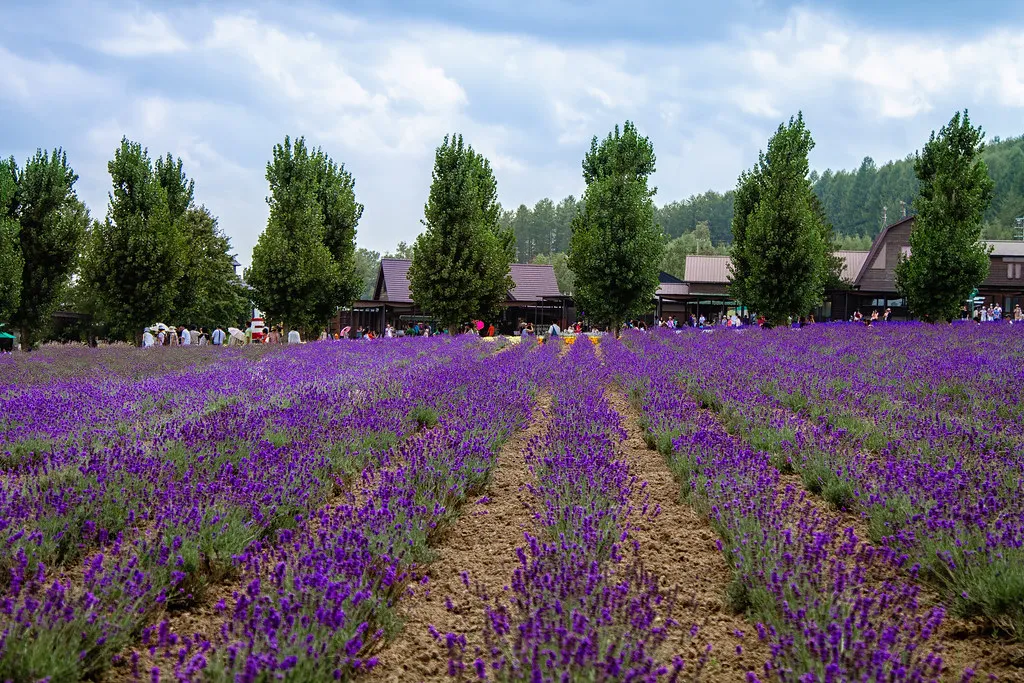
Summer is arguably the most beautiful time to explore the countryside. The 10 Essential Guides to the Hokkaido Lavender Season highlights the peak bloom in mid-July. Furano and Biei become carpets of purple and rainbow-colored flowers. This is the Best Summer Spots In Hokkaido for photographers.
Hokkaido does not have a traditional rainy season in June. While the rest of Japan is humid, Hokkaido remains dry and cool. This makes June an excellent time for long-distance driving. You can enjoy the 6 Best Hokkaido National Parks before the July rush.
Hiking trails are fully open from late June through August. The Daisetsuzan range offers stunning alpine views and cool air. Average temperatures stay around 22°C / 72°F during the day. It is the perfect escape from the sweltering heat of Tokyo.
What to do in July: Furano lavender peaks between 10–25 July each year — Farm Tomita (free entry) is the most visited, but Lavender East on the hillside offers wider views with fewer buses. In Daisetsuzan, mid-July brings Aleutian Avens and alpine flower fields at altitude. Biei's Blue Pond and nearby Shirahige Waterfall show their best colour when sunlight hits early morning. Temperatures in Sapporo sit at 18–25°C; mountainous areas can still see single-digit nights even in July.
What to do in August: August is peak outdoor month and the warmest of the year. Rafting, canoeing, and kayaking run on rivers in eastern Hokkaido, including the Kushiro Shitsugen wetlands where you can spot tancho cranes and river otters at close range. The Sapporo Beer Festival fills Odori Park for most of August — admission is free and you pay only for beer. Obon holiday (mid-August) is Hokkaido's single busiest domestic travel week: mainland Japanese head north to escape the humidity. Expect sold-out trains and premium hotel rates during Obon; plan several weeks ahead or travel just before 10 August.
Visiting Hokkaido in Autumn (September–November): Fall Foliage
Autumn is Hokkaido's most underrated season for foreign visitors. The island produces Japan's earliest fall foliage — Daisetsuzan's peaks turn crimson as early as mid-September, a full month before Kyoto or Nikko. By early October, the colours have spread down to lower elevations and are simultaneously visible across most of Hokkaido's forests and gorges.
What to do in September: Hiking remains fully snow-free through most of September at mid-elevation. The salmon run begins in late September on the Shiretoko Peninsula, drawing Hokkaido brown bears to riverbanks — wildlife cruises and guided walks let you observe them safely. September temperatures range 15–23°C in Sapporo, making it the most comfortable hiking month of the year. Cycling Hokkaido's back roads is especially popular now: cool temperatures, long days, and thousands of roadside michi-no-eki rest stops make multi-day rides straightforward.
What to do in October: October is the single best month for fall foliage. Jozankei Onsen valley, just 35 minutes south of Sapporo by bus, turns vivid red and gold and is lined with hot spring inns that let you soak while looking at autumn leaves. The Kurodake Ropeway in Sounkyo Gorge lifts you above the treeline for panoramic colour views. October temperatures drop quickly — expect 4–16°C in Sapporo and near-freezing nights in mountain areas. Snow can arrive in the high peaks from early October onward, so always check trail closures before setting out.
What to do in November: November is transitional and lightly touristed. The last gold-hued larch trees finish turning in early November, then lose their needles within weeks. Clear skies and zero crowds make November the best month for stargazing in Hokkaido — the island has some of the darkest skies in Japan, and with no summer haze or winter storm systems, visibility is exceptional. Temperatures range from 0–9°C and the first light snow dusts the mountains. It is also when onsen culture peaks: with the outdoor season over, locals fill the ryokan and public bathhouses of Noboribetsu, Jozankei, and Yunokawa.
Silver Week note (mid-September): When Respect for the Aged Day (third Monday of September) coincides with the Autumnal Equinox, Japan gets a five-day "Silver Week." This happens roughly every five or six years. When it does, expect Golden Week-level crowds on Daisetsuzan trails and in Jozankei. In 2026 the holidays fall on 21 September and 23 September, so the 19–23 September window will be significantly busier and pricier than a normal September. Book accommodation in Jozankei by late July if you plan to travel that weekend.
- Late September: first autumn colours on Daisetsuzan peaks; salmon run and bear watching on Shiretoko
- Early October: Jozankei and Sounkyo gorge reach full colour; cycling and hiking at their best
- Late October: colours reach coastal and lowland areas; high peaks snow-covered
- November: larch gold, stargazing, onsen season; low crowds and budget accommodation
Visiting Hokkaido in Winter (December–March): Snow and Skiing
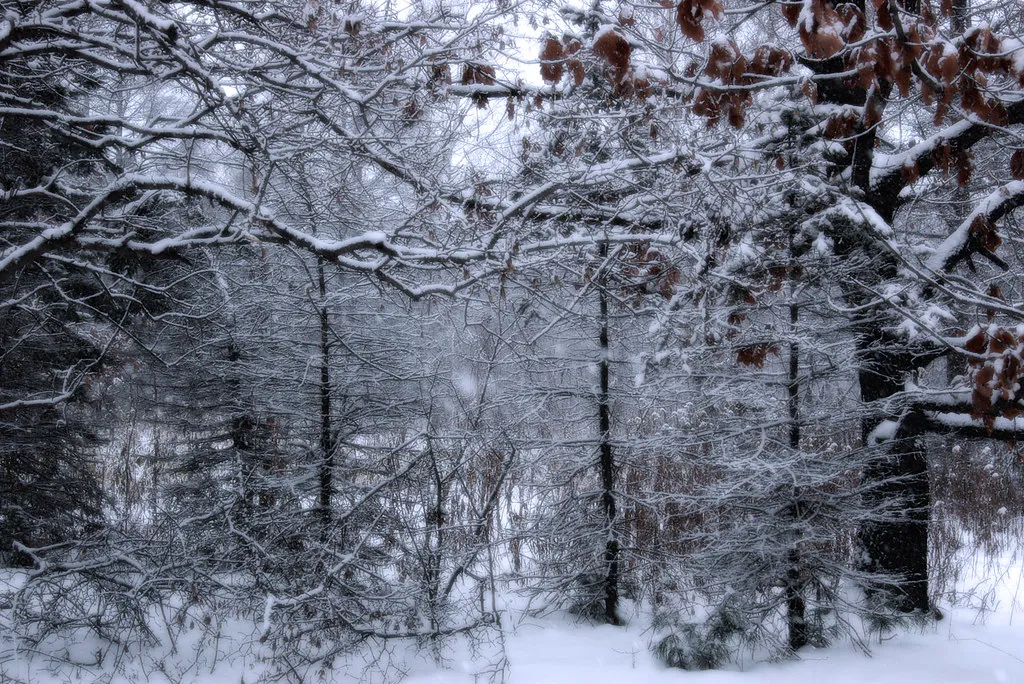
Winter transforms the island into a world-class destination for snow lovers. The Hokkaido in Winter: 10 Essential Experiences and Itinerary Guide experience is defined by legendary powder snow. Ski resorts like Niseko and Rusutsu open in late November. January and February provide the most consistent snow conditions.
What to do in December: Snow accumulates from early December. Mt. Kurodake in Daisetsuzan is typically the first resort to open, usually by late November, and draws backcountry skiers who want to avoid Niseko crowds. Sounkyo Gorge, accessible from the same base, also runs hot springs where Whooper Swans gather in the unfrozen sections of river — a surreal winter scene accessible for free from the roadsides. Expect -4 to 2°C in Sapporo during December; mountain resorts run -10 to -5°C.
What to do in January: January delivers the most consistent powder in Japan. Niseko averages 600cm of snowfall per season and January is its core month. For something less crowded, Furano Resort charges lower lift ticket prices (around ¥6,200/day in 2026 vs Niseko's ¥10,000+) and gets fewer international visitors. Backcountry skiing with a licensed guide costs roughly ¥15,000–25,000 per person and opens terrain unreachable on-piste. Temperatures hit -13°C overnight in inland areas like Asahikawa — the coldest city in Japan's main islands — so thermal layers and proper boots are non-negotiable.
The Sapporo Snow Festival is a major highlight in early February. Massive ice sculptures fill Odori Park for one week only. Check out other ice related ones across Hokkaido for smaller crowds. Lake Shikaribetsu even features a village made entirely of ice.
What to do in February–March: The Sapporo Snow Festival runs for seven days in early February (typically 4–10 February). Odori Park is divided into zones — the main sculpture zone is free to walk through, while the Tsudome family area charges a small admission. Drift ice arrives on the Sea of Okhotsk coast in late January and peaks in February, with ice-breaking boat tours departing Abashiri and Monbetsu daily (around ¥4,000–5,000 per person). In March, conditions are softening but still excellent — powder hunters get cheaper rates as the season winds down, and the snowshoeing season extends well into March in Daisetsuzan.
How Climate Varies Across Hokkaido's Regions
Hokkaido spans over 400km from Hakodate in the south to Wakkanai in the far north, and the climate gap is significant. Most seasonal guides treat the island as a single zone, but that obscures planning decisions that matter on the ground.
Hakodate (southwest) is the most temperate city in Hokkaido. Cherry blossoms bloom here 10–14 days earlier than Sapporo, and snowfall is lighter — Hakodate receives around 100–130cm of annual snowfall versus Sapporo's 300–500cm. In summer, Hakodate averages 23–24°C in August, almost identical to Sapporo, but with slightly higher humidity due to its coastal position between two bays. If you are combining Hokkaido with a Tohoku rail journey, entering via Hakodate on the Hokkaido Shinkansen lets you acclimate before heading into the colder interior.
Asahikawa and the Daisetsuzan interior run 2–3°C colder than Sapporo year-round. January overnight lows of -13°C to -18°C are common. This cold is actually why Daisetsuzan gets Hokkaido's earliest and most reliable autumn colours (starting mid-September) and its deepest powder. If your primary goal is skiing or alpine hiking in summer, Asahikawa is the gateway city — it is 80 minutes from Sapporo by limited express and gives direct access to Sounkyo, Kurodake, and the Asahidake area.
Wakkanai and the Okhotsk north coast are genuinely Arctic by Japanese standards. Winter temperatures drop to -20°C inland, and even summer averages only 18–20°C with frequent fog. The payoff is exclusivity: drift ice at its thickest, bears on the Shiretoko Peninsula at the end of September, and seabird colonies on Rebun and Rishiri islands in May that attract birdwatchers from across Japan. Plan at least two extra days here for ferry delays and weather holds — this is not a corridor you rush through.
Which Season Suits Your Trip?
Choosing the right time depends on your specific travel goals. Every season offers a different set of activities and costs. Below is a quick read on who each season actually serves best.
Winter (December–March) is for powder hounds and festival lovers. Niseko and Furano deliver some of the world's most consistent champagne powder. The Sapporo Snow Festival draws over two million visitors in seven days, so if you want the spectacle without the scrum, arrive the day it opens (usually a Monday) before the weekend rush. Drift-ice tours are a once-in-a-lifetime experience unique to the Okhotsk coast. Budget: accommodation and lift tickets are the highest of the year — expect ¥12,000–20,000 per night in Niseko for decent lodging in January.
Summer (July–August) is for outdoor adventurers and photographers. Lavender peaks in mid-July in Furano; wildflower hiking peaks in late July in Daisetsuzan. The 12 Best Hokkaido Foods You Must Try notes that fresh corn, melon, and dairy products are at their best in August. This is also the most accessible season for first-time visitors — weather is forgiving, transport runs at full frequency, and the countryside is strikingly photogenic. Avoid the Obon holiday window (roughly 12–16 August) unless you book three months in advance.
Autumn (September–October) is for foliage chasers, foodies, and hikers seeking comfortable temperatures. Seafood is exceptional in autumn — sea urchin (uni) from the Okhotsk coast is richest from August through October, and crab season begins in November. Sapporo's Autumn Festival (late August to October) fills Odori Park with food stalls showcasing regional producers. Budget travelers will find the best value in mid-October through November, when hotels drop prices and fall foliage still lingers at low elevations.
Spring (April–early June) is for budget travelers, cyclists, and cherry blossom hunters. April and May are the quietest months for inbound tourism. Hotel rates in Sapporo can be 30–40% lower than peak summer. The catch is that mountain roads and hiking trails remain partially closed until late May, and weather is unpredictable — a warm week can be followed by a late snowstorm in April. Golden Week is the exception: avoid late April to early May if crowds and costs are a concern.
- Winter: skiing, snow festivals, drift ice — highest prices, best powder
- Summer: lavender, hiking, cycling, fresh produce — highest crowds, forgiving weather
- Autumn: foliage, seafood, onsen — best value for most travelers
- Spring: cherry blossoms, budget travel — unpredictable weather, avoid Golden Week
What's Closed in Low Season?
Planning a trip in the off-season requires knowing what stays open. Many mountain roads close for the winter starting in November. The Shiretoko Pass is usually closed from late October until late April. This can significantly change your driving routes between cities.
Flower farms in Furano and Biei are mostly empty in winter. Most outdoor cafes and garden attractions close after October. They typically reopen in late April as the snow melts. Checking opening dates is vital for a spring Hokkaido Itinerary: 7-Day Guide to Japan's North.
Some ferry routes to smaller islands operate on a limited schedule. Ferries to Rishiri and Rebun have fewer departures in winter. Remote mountain huts also shut down after the hiking season ends. Always verify transport schedules if traveling between November and April.
What to Pack for Hokkaido
Packing correctly is the key to enjoying Hokkaido's varied climate. Winter requires heavy insulation and high-quality waterproof boots. You should prepare your winter clothes for sub-zero temperatures. Thermal layers and heat packs are essential for the snow festival.
Summer packing is much simpler but still requires some thought. Even in July, evenings can be cool in the mountains. A light jacket or sweater is useful for late-night walks. Comfortable walking shoes are a must for exploring the parks.
Spring and autumn require a flexible layering system. Temperatures can swing 10 degrees between day and night. A windproof shell is helpful for coastal areas like Hakodate. Don't forget a sturdy umbrella for the occasional spring shower.
- Winter packing essentials
- Thermal base layers and boots
- Summer packing essentials
- Breathable shirts and light jackets
- Shoulder season essentials
- Versatile layers and windbreakers
Frequently Asked Questions
When is the cheapest time to go to Hokkaido?
April and November are the cheapest months to visit Hokkaido. These shoulder periods see fewer tourists and lower hotel rates. You can find great deals on flights and car rentals during these times.
Is summer in Hokkaido too hot?
Summer in Hokkaido is very mild compared to the rest of Japan. Temperatures usually stay between 20–28°C / 68–82°F. It is the perfect place to escape the humidity of Tokyo or Osaka.
What is the best month for skiing in Hokkaido?
January and February are the best months for skiing in Hokkaido. This period offers the most consistent powder snow and the coldest temperatures. Most major resorts are fully operational with excellent conditions.
Hokkaido is a year-round destination with something for everyone. Whether you want snow or flowers, timing your visit is key. Use our 10 Best Hokkaido Onsen Destinations for Your Next Trip to find relaxation in any season. The northern island will surely leave you with lasting memories.
Start planning your trip early to secure the best accommodations. Hokkaido remains one of the most beautiful regions in Japan. We hope this guide helps you find your perfect travel window. Safe travels on your upcoming northern adventure.
Free: The Sapporo Essentials guide
Top things to do, where to stay, a perfect day plan, getting around, and the best time to go — a Sapporo mini-guide you can take offline.
You might also like


Continue reading
More guides you'll find useful


