

Furano From Sapporo: Your Essential 1-Day Itinerary & Guide
Plan your perfect 1-day trip from Sapporo to Furano with our guide. Discover trains, buses, driving tips, and must-see spots like Farm Tomita and Ningle Terrace.
On this page
Planning a visit to Furano from Sapporo is one of the top day trips in Hokkaido. The town sits about 100 km south of Sapporo, reachable by train, bus, or car in roughly two to three hours. In summer the lavender fields at Farm Tomita draw visitors from across Japan and the world. In winter the same valley becomes one of Japan's best powder-snow ski destinations. This guide covers every transport option with real costs, a practical 1-day itinerary, and a few details that most guides skip — including which driving route foreign visitors should actually take and what the Lavender Express seasonal train requires.
For a party-specific answer, compare Sapporo–Furano by rental car, train and bus with luggage, tolls and winter-road readiness included.
Useful resources: the official Furano Tourism Association and Biei Tourism sites list current flower-season timing, hours and access.
Transport Overview: How to Get to Furano from Sapporo
Four transport options connect Sapporo to Furano: train, highway bus, rental car, and private taxi or transfer. Each suits a different traveller. The table below gives a quick comparison before the detailed breakdowns.
| Option | Travel Time | One-Way Cost | Best For |
|---|---|---|---|
| JR Train (via Takikawa) | ~2h 20 min | ~¥4,290 | JR Pass holders, solo travellers |
| Highway Bus (Furano Bus) | ~2h 50 min | ~¥2,570 | Budget travellers, summer only |
| Rental Car | ~2h 10 min | ¥1,300–¥2,350 tolls + rental | Families, Biei day-trippers |
| Private Taxi Transfer | ~2h | ¥25,000–¥40,000 | Groups splitting the cost |
Winter changes the picture significantly. Snow and ice reduce driving speeds, some highway bus services suspend during the off-peak shoulder months, and the Lavender Express train only operates in summer. Always check JR Hokkaido's current timetable before booking.
Sapporo to Furano by Train (JR Limited Express)
The most reliable public transport route starts at Sapporo Station on the JR Limited Express Lilac or Kamui to Takikawa Station — about 50 minutes. At Takikawa you transfer to the JR Nemuro Line for the final 70-minute leg to Furano Station. Total journey time is around 2 hours 20 minutes and costs approximately ¥4,290 one-way. Trains depart frequently from early morning, so an 07:00 departure from Sapporo puts you in Furano well before 10:00.
Japan Rail Pass holders ride both legs for free but still need to reserve a seat on the Limited Express. Reservations cost nothing extra with a valid pass and can be made at any JR Hokkaido ticket office or the green machines at Sapporo Station. Note that Sapporo Station appears as "SAPPORO(JR)" in planning tools — not to be confused with "SAPPORO(SUBWAY)" or the Beer Garden stop, which are different lines.
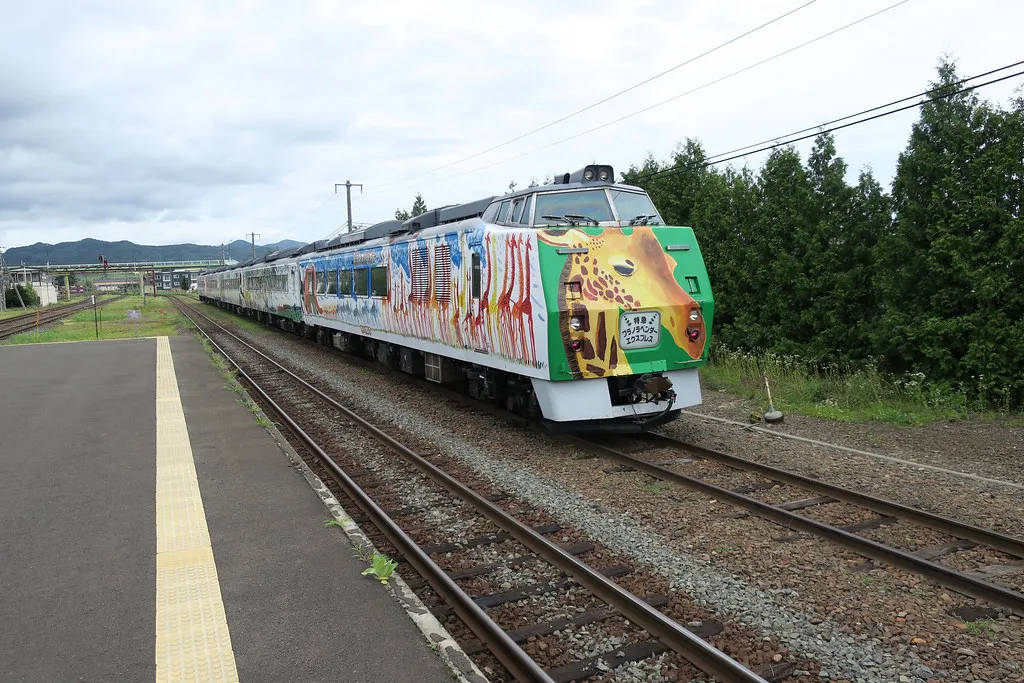
In summer — typically mid-June to late August — JR Hokkaido runs the Lavender Express, a seasonal direct service from Sapporo to Naka-Furano Station with no transfer required. Check the JR Hokkaido website for exact operating dates each year, as they shift slightly. Seats sell out fast on July weekends; book at least four to six weeks ahead. Furano Station is about 5–10 minutes by taxi from the main hotel and Prince Hotel areas. Many hotels will arrange a pick-up if you contact them with your arrival train two weeks in advance.
Sapporo to Furano by Bus (Chuo Bus & Lavender Express Coach)
Furano Bus operates seasonal highway coaches from the Sapporo Station Bus Terminal directly to Furano during the summer months. The fare is around ¥2,570 one-way — the cheapest option by a considerable margin. Journey time is roughly 2 hours 50 minutes. Departures are limited compared to trains, so check the current schedule on the Furano Bus website and book in advance during the peak July–August window.
A separate Lavender Express highway bus — distinct from the JR train of the same name — also runs seasonally and drops passengers close to Farm Tomita, saving you the 25-minute walk from Naka-Furano Station. This is worth prioritising if your itinerary centres on the lavender fields rather than Furano town itself. Reservations are recommended for both services during peak weekends. The return bus back to Sapporo typically has a last departure in the early evening, so plan your farm visits to finish by 16:00.
Driving from Sapporo to Furano: Rental Car Routes and Costs
For a comparison matched to your group, use the Sapporo–Furano car vs train calculator. Include the full rental period and any additional driving around Biei when adjusting the estimates.
Driving gives you the freedom to combine Furano and Biei in a single day, stop at roadside stations, and load cheese, wine, or ski bags without worrying about luggage restrictions. The journey takes around 2 hours 10 minutes under normal conditions. Three expressway routes are worth knowing, as the toll costs and road character differ meaningfully.
- Bibai Route — the most recommended for first-time drivers in Japan. Smooth curves, few steep sections, and well-signposted. Toll approximately ¥1,600. Best default choice.
- Mikasa Route — slightly cheaper at around ¥1,300 but the road is narrower with more tight bends. Not ideal if you are unaccustomed to Japanese rural roads.
- Takikawa Route — the longest at roughly 2 hours 10 minutes and highest toll (~¥2,350), but roads are wide and relaxed, with several well-equipped roadside rest stops (Michi-no-Eki) for breaks.
All drivers need their national licence and a valid International Driving Permit. One exception worth knowing: Taiwan passport holders do not need an International Driving Permit for Japan. They need their Taiwanese passport, their Taiwanese driver's licence, and a Japanese translation of that licence — available cheaply from the Japan Automobile Federation (JAF). Car hire companies will check all three documents before handing over the keys. Hirers from other countries should apply for an International Driving Permit at home before travelling.
When you pick up the rental car, ask the counter to add an ETC card. This prepaid card lets you pass through expressway toll gates without stopping, which is particularly useful on the Hokkaido Expressway. The Hokkaido Expressway Pass (DriveHokkaido Pass) is available to foreign visitors and caps your total expressway toll at a flat daily rate — often worthwhile for a Furano-plus-Biei circuit. In winter, rental cars come fitted with studless snow tyres as standard — no chains required — but check that the vehicle is 4WD if you plan to drive mountain roads.
Sapporo to Furano by Taxi and Private Transfers
A private taxi or door-to-door transfer is the most convenient option for groups and families with heavy luggage. Drivers meet you in your hotel lobby, load your bags, and drop you at your accommodation in Furano. The cost ranges from ¥25,000 to ¥40,000 or more one-way depending on vehicle size and the number of passengers. Split across four people that works out to roughly ¥6,000–¥10,000 per person — closer to a rental car than it first appears.
Transfer services run 24 hours and can accommodate ski bags, which is one reason they're popular with winter skiers heading to Furano Resort. If you book a stop at a supermarket on the way, operators usually add a small surcharge. Advance booking is essential, particularly for the peak lavender season in July and for ski weekends in January and February. Most transfer operators offer English-language booking online.
Must-See Furano Attractions (Farm Tomita & Beyond)
Furano is famous for its vibrant flower fields, particularly the lavender that peaks in mid-July. Farm Tomita is the iconic centrepiece, but the town offers good food and handcraft experiences that reward a full day. Arrive early at the most popular spots to get ahead of tour buses.
Farm Tomita is the quintessential Furano experience. The lavender fields bloom from late June to early August, with peak colour typically in the second and third weeks of July. Entry is free, and there are cafes selling lavender ice cream, a perfume workshop, and souvenir shops. From Naka-Furano Station it is a 25-minute walk — pleasant in good weather but taxis are available. Arrive by 09:30 to get ahead of tour buses, which begin filling the free car park by 10:00 on summer weekends. Operating hours are typically 08:30–17:00 during peak season; verify at furanotourism.com before visiting.
Furano Cheese Factory is a free-entry attraction where you can watch cheese being made through large windows, explore the aging rooms, and try samples at the in-house shop. There is also a pizzeria and an ice cream counter. Open roughly 09:00–17:00 daily (to 16:00 in winter). It is a short bus ride or taxi from Furano Station and works well as a second stop after the flower fields.
Furano Omucurry is the town's signature dish — an omelette-wrapped curry unique to Furano, served at nine officially designated restaurants, each with its own recipe and presentation style. Look for the yellow Omucurry flag outside participating shops. Prices run ¥1,000–¥1,800. Furano Marche, a compact market complex of 18 local shops and cafes near Furano Station, is a good alternative stop for picking up Furano wine, local cheese, and snacks. The winery at the edge of town also offers tours for ¥500 — book in advance.
Exploring Biei: The Living Countryside
Biei is a slow-rolling patchwork of potato and corn fields, iconic lone trees, and distant mountain ridges about 45 minutes north of Furano by road. It is the reason most travellers rent a car for this trip — public transport reaches Biei Station but getting between the scattered viewpoints requires a car, bicycle, or taxi. A half-day loop covering the Patchwork Road area and the Blue Pond takes about three hours at an unhurried pace.
Blue Pond (Aoiike) sits between Biei and Tokachidake Onsen, about 20 minutes by car from Biei Station. The water's vivid blue-green colour comes from natural aluminium minerals dissolved in a dam-fed stream. Dead birch trunks protrude from the surface, creating a surreal photography backdrop that shifts dramatically with the light. Entry is free and the circumference path is flat — no hiking required. The adjacent Shirogane Onsen area has a small cafe and clean restrooms.
Shikisai-no-oka flower hills in Biei spreads across 15 hectares of terraced coloured flower beds best viewed from the top of the slope. Tractor buses crisscross the gardens for ¥500–¥1,000. Entry is free; parking costs ¥500. It is about 10 minutes by car from Biei Station. The Patchwork Road — named for the quilt-like field patterns — is best explored by driving the rural backroads between Biei Station and Shikisai-no-oka. Mild Seven Hills is the most photogenic viewpoint along this route. You can find more detailed information on 12 Best Things to Do in Biei, Hokkaido (2026).
Ningle Terrace: The Fairy Tale Log Cabin Village
Ningle Terrace is a collection of 15 handcraft log cabins set in a pine forest on the grounds of the New Furano Prince Hotel. Each cabin hosts a working artisan — glassware, wooden toys, Japanese paper, candlemaking — and the pieces for sale are genuinely handmade, not souvenir-shop imports. The forest setting feels calming after a day at the busy flower fields. It is about a 10-minute taxi ride from Furano Station, or a short walk from the Prince Hotel if you are staying there.
Opening hours are typically 12:00–20:45, which makes it a natural late-afternoon or early-evening stop before your return train or drive. Entry is free; purchases at individual shops vary widely. Sunlight filtering through the trees in the late afternoon gives the cabins a genuinely warm glow, and after dark the path lanterns create the fairy-tale atmosphere the name promises. There is a cafe inside the terrace for coffee or light snacks. The Ningle Terrace forest cabins work best visited last on your itinerary — you leave Furano with something handmade rather than a rushed taxi to the station.
Best Time to Visit Furano: Seasonal Considerations
Summer and winter are both strong seasons in Furano, but the logistics differ enough that they feel like separate destinations. Understanding what changes between seasons saves you a wasted trip or a missed booking.
Summer (late June – August) is peak season for flowers. Lavender peaks at Farm Tomita in mid-July, with other varieties — including poppies, salvia, and sunflowers — extending the colour into August. The Lavender Express train and Furano Bus highway coaches run during this window. Temperatures sit at 22–27°C during the day and drop to 15–18°C in the evenings. Humidity is low compared to Honshu — Hokkaido summers are genuinely comfortable. Book trains and accommodation three to six months ahead for July weekends. The 2026 lavender forecast from the Furano Tourism Association is worth checking in June once field conditions are confirmed.
Winter (December – March) transforms Furano into one of Japan's top ski destinations. Furano Ski Resort, operated by Furano Tokachi Resort, receives consistent powder snow with relatively light crowds compared to Niseko. The expressway is open year-round but winter driving requires experience with snow and ice. Highway bus services thin out between October and May, so trains become the default public transport choice. The JR Nemuro Line operates year-round on the Takikawa–Furano leg. An extra night is strongly recommended in winter — return driving on a dark, icy expressway after skiing is avoidable with an overnight stay.
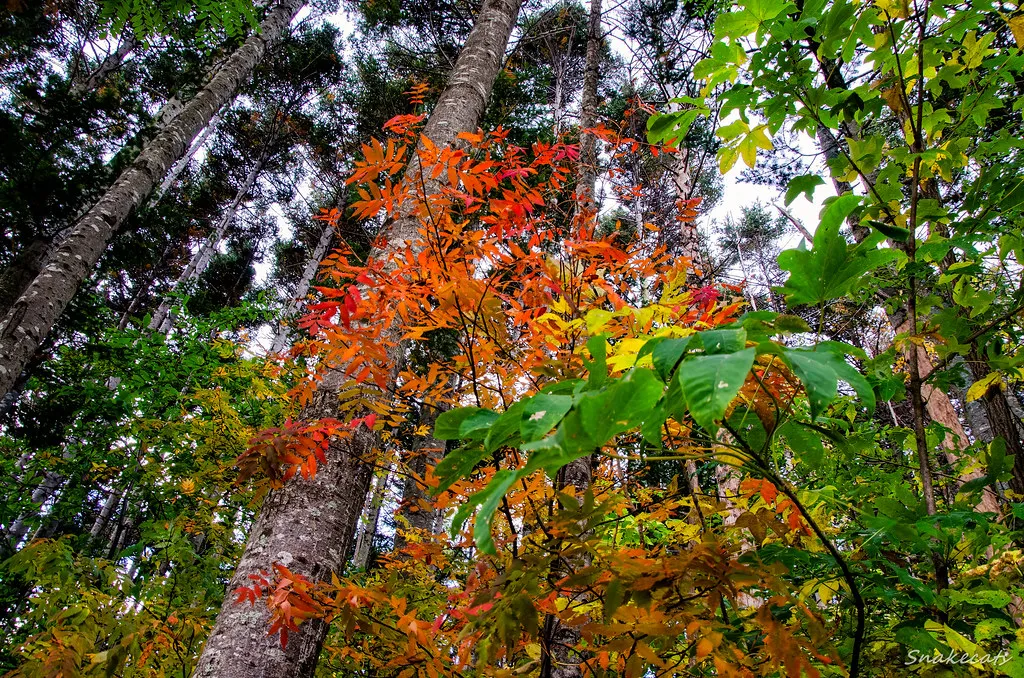
Autumn (September – November) is the least-documented season but arguably the most scenic for drivers. The hills between Furano and Biei turn amber and red, the tourist crowds thin sharply, and accommodation prices drop below summer rates. The Lavender Express does not run, but the standard train schedule continues. This is the season to consider if you want the landscape without the July chaos. Best Time to Visit Furano: 10 Seasonal Guides and Tips covers each season in more depth.
Planning Your Itinerary: One-Day Trip vs. Overnight
A 1-day trip to Furano from Sapporo is realistic but tight. The key is leaving Sapporo early — 07:00 by train or 07:30 by car — to have five to six hours on the ground before the return journey. The itinerary below works for train travellers in summer.
- 07:00 — Depart Sapporo Station on Limited Express Lilac/Kamui toward Takikawa.
- 07:50 — Transfer at Takikawa to the JR Nemuro Line toward Furano.
- 09:20 — Arrive Naka-Furano Station. Walk 25 minutes to Farm Tomita lavender fields.
- 09:45–12:00 — Explore Farm Tomita, pick up lavender ice cream and souvenirs.
- 12:30 — Lunch at a Furano Omucurry restaurant near Furano Station (taxi or bus from Naka-Furano).
- 14:00–16:00 — Visit Furano Cheese Factory experience or Furano Marche.
- 16:00–18:30 — Bus or taxi to Ningle Terrace; browse the craft cabins at a relaxed pace.
- 19:00 — Return train from Furano Station toward Takikawa, then Sapporo.
- 21:30 — Arrive back in Sapporo.
If you are driving, swap the Naka-Furano train stop for a direct drive to Farm Tomita's free car park (arrive by 09:30 before it fills). A car also lets you add the Blue Pond and Patchwork Road in Biei between Farm Tomita and Ningle Terrace, turning a Furano-only day into a Furano-Biei circuit. Allow 30 extra minutes to return the car and allow for traffic entering Sapporo in the early evening.
An overnight stay changes the experience considerably. Staying in Furano or Biei means you can visit Ningle Terrace after dark when the lanterns are lit, eat at a ryokan or local restaurant without rushing, and start the second morning at Shikisai-no-oka before the day-trip crowd arrives from Sapporo. Peak July weekends see accommodation fill three to four months in advance. 10 Best Areas and Hotels in Furano covers the main lodging areas including Kitanomine and Shin Furano near the ski resort.
Frequently Asked Questions
What is the fastest way to get from Sapporo to Furano?
The fastest way is typically by JR Limited Express train, with a transfer at Takikawa or Asahikawa. The total journey takes about 2.5 hours. Driving can be faster if traffic is light, taking around 2 hours.
Is a day trip from Sapporo to Furano worth it?
Yes, a day trip is absolutely worth it, especially during the summer lavender season. You can visit Farm Tomita and Ningle Terrace comfortably. However, an overnight stay allows for a more relaxed pace.
How much does a taxi from Sapporo to Furano cost?
A taxi or private transfer from Sapporo to Furano is quite expensive. Expect to pay between ¥25,000 to ¥40,000 or more for a one-way trip. This option is best for groups to split the cost.
Can I use the JR Pass for the train to Furano?
Yes, the Japan Rail Pass covers the JR train routes from Sapporo to Furano. However, you will still need to reserve seats for Limited Express trains. This ensures you have a guaranteed spot, especially during peak travel times.
What is the best month to see lavender in Furano?
The best month to see lavender in full bloom in Furano is July. The fields typically peak from mid-July to early August. Other flowers are also beautiful in June and late August.
A trip to Furano from Sapporo is an unforgettable Hokkaido experience. Whether you choose a quick day trip or an extended stay, careful planning ensures a smooth journey. Remember to check seasonal schedules and book popular services early. The stunning lavender fields and charming local culture await you. We hope this guide helps you navigate your adventure with ease. Enjoy the breathtaking beauty of central Hokkaido! For more travel inspiration and planning tips, explore other articles on flights to Japan and beyond.
Free: The Sapporo Essentials guide
Top things to do, where to stay, a perfect day plan, getting around, and the best time to go — a Sapporo mini-guide you can take offline.
You might also like


Continue reading
More guides you'll find useful


