

Best Time to Visit Furano: 10 Seasonal Guides and Tips
Discover the best time to visit Furano with our seasonal guide. Includes flower bloom calendars, ski conditions, month-by-month weather, and local festival tips.
On this page
I visited Furano in late January and the powder was absolutely incredible. Updated October 2024 from my winter 2024 visit, this guide covers every season. The best time to visit Furano is mid-July for flowers or January for skiing. These specific windows offer the most iconic experiences in central Hokkaido.
Late spring (May to early June) and early fall (September to October) are the shoulder sweet spots. During these months, you can enjoy mild weather without the massive summer crowds. Hokkaido's climate differs significantly from the humid summers found in Tokyo or Osaka. Understanding these regional patterns helps you plan a much more comfortable trip.
Furano transforms from a purple floral paradise into a world-class winter sports hub. Each transition brings unique festivals, seasonal foods, and different outdoor activities. Whether you want vibrant lavender fields or deep snow, timing is everything. This guide provides the data you need to choose your ideal travel dates.
Useful resources: the official Furano Tourism Association and Biei Tourism sites list current flower-season timing, hours and access.
Furano Weather and Climate: A Month-by-Month Breakdown
Furano experiences four distinct seasons with dramatic temperature shifts throughout the year. Winter temperatures often drop to -15°C during the coldest nights in January. Summer days stay comfortable around 26–27°C with surprisingly low humidity compared to the rest of Japan. This climate makes the region a genuine year-round destination for different types of travelers.
Snow begins to accumulate in late November and stays until early April in most years. The air is crisp and dry, which creates the famous light powder snow that skiers come from across Asia to experience. Spring brings a rapid thaw that fuels lush green growth by May. Autumn offers cool breezes and clear skies perfect for hiking and photography along the Tokachi Mountain Range foothills.
Daylight hours vary greatly between the snowy winter and the long summer days. In July, the sun rises before 04:00, giving you more usable time for the flower gardens before the tour-bus crowds arrive at 09:00. Winter days are much shorter, but evening illuminations at Ningle Terrace provide a magical atmosphere. The table below shows the full month-by-month picture using typical climate data for the Furano Basin.
| Month | High °C | Low °C | Rain mm | Humidity | Season Note |
|---|---|---|---|---|---|
| January | -3° | -14° | 70 | 70% | Peak powder skiing |
| February | -2° | -14° | 55 | 68% | Peak skiing, fewer crowds than Jan |
| March | 3° | -9° | 60 | 65% | Spring skiing shoulder |
| April | 11° | -1° | 55 | 62% | Ski closes; valley turns green |
| May | 18° | 5° | 65 | 65% | Low crowds, early wildflowers |
| June | 22° | 10° | 75 | 72% | Shoulder; poppies, lupines, events |
| July | 26° | 15° | 90 | 75% | Peak lavender; highest crowds |
| August | 27° | 15° | 120 | 74% | Sunflowers; still busy |
| September | 21° | 9° | 100 | 72% | Shoulder; harvest festivals |
| October | 13° | 1° | 75 | 70% | Autumn colour; quiet |
| November | 4° | -6° | 80 | 72% | Transition; many shops close |
| December | -2° | -12° | 80 | 72% | Ski season opens; shoulder rates |
Season Comparison: When to Go
Choosing the right month depends entirely on your interest in flowers or snow. High season prices reflect the peak demand for lavender and winter sports. Shoulder seasons offer the best value for those on a tighter travel budget. The following table breaks down what to expect during each major travel window.
Crowd levels are highest during the school holidays in July and August. January also sees many visitors arriving for the peak of the ski season. If you prefer quiet trails, consider visiting during the late May period. October provides a beautiful backdrop of fall foliage with significantly fewer tourists.
Local festivals often dictate the busiest weekends in the central Furano area. Booking accommodations several months in advance is essential for the peak summer weeks. Our lodging guide offers tips for finding the best seasonal rates. Always check the specific dates for the Lavender Festival before finalizing your flights.
| Season | Weather | Crowds | Prices | Events | Best for |
|---|---|---|---|---|---|
| Mid-May to June | 12–22°C | Low | Moderate | Asparagus Festival, GREAT EARTH Ride | Spring blooms, outdoor events |
| July to August | 20–27°C | High | High | Lavender Festival, Heso Festival | Flower fields |
| Sept to October | 10–21°C | Medium | Moderate | Wine Festival, harvest markets | Autumn colours |
| Dec to February | -14 to -2°C | High | High | Ski season, Ningle illuminations | Powder skiing |
The Flower Fields of Furano: Summer Bloom Calendar
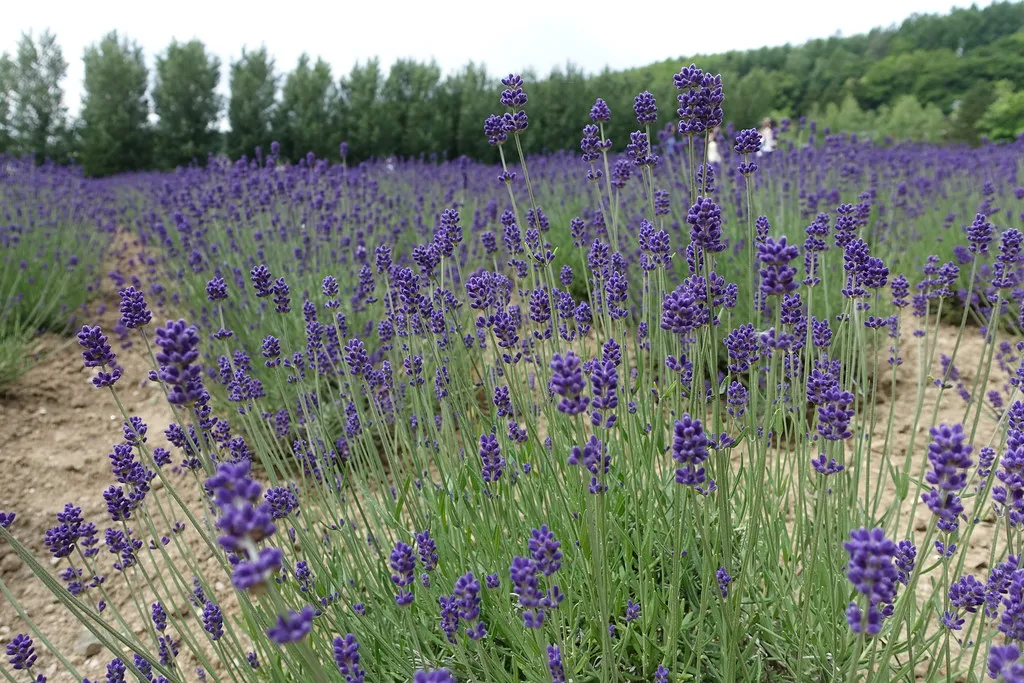
The flower fields are the primary draw for most summer visitors to Hokkaido. Lavender typically begins to bloom in late June and reaches its peak in mid-July. The most vibrant purple hues are usually visible from around 10 July to 25 July each year. Visiting during this narrow window ensures you see the fields in full, but other flowers extend the season well beyond lavender.
Farm Tomita is the most famous spot, but Furano's green season runs from late April to late October and different flowers peak at different times. The bloom calendar below covers the main varieties across the Furano and Kamifurano areas.
| Flower | Blooming Period |
|---|---|
| Poppy | Early June to late June |
| Lupine | Mid-June to mid-July |
| Potato blossom | Mid-June to early July |
| Lavender | Late June to mid-August |
| Cosmos | Late June to mid-July; late August to late September |
| Marigold | Early July to late September |
| Dahlia | Early July to late September |
| Petunia | Late June to late September |
| Sunflower | Mid-August to early September |
| Salvia | Mid-August to mid-October |
Arriving at the gardens before 09:00 helps you avoid the largest tour groups and get better light for photography. Many gardens offer lavender-flavoured ice cream and lavender soft drinks — a must-try summer treat. Walking through the rows of flowers is a highlight of any Furano itinerary. Consult the Visit-Hokkaido.jp bloom tracker for real-time updates each season.
Five Flower Gardens Beyond Farm Tomita
Farm Tomita rightly dominates the conversation, but visiting only one garden means missing the full range of Furano's floral landscape. Several other fields offer different varieties, better viewpoints, and shorter queues. Each has its own character depending on the month you visit.
Shikisai-no-oka flower hills (Hill of Colors) in Biei sits north of Furano and displays colour-coordinated flower fields across gentle hills. Visitors can tour the grounds by norokko-style cart or self-operated buggy and there is an alpaca farm on site for families. Zerubu Hill grows around 30 flower varieties including sunflowers, poppies, and lavender from May to October, with a good observation platform looking out toward the Tokachi range. Flowerland Kamifurano offers a popular 15-minute tractor ride through rolling fields of lupines, marigolds, and lavender against the mountain backdrop.
Kanno Farm is the most underrated of the group. Unlike the other flower parks, Kanno Farm grows crops alongside its flowers — colourful potato-variety blossoms, corn, and gourmet produce in the same fields. It runs far into autumn as the harvest takes over from the blooms. Hinode Park on the far side of Furano town is free to enter and offers some of the best sunset views over the valley, with lavender carpets on the hillside that rival anything at Farm Tomita. If you only visit one alternative, make it Hinode at dusk.
Major Events and Festivals: From Lavender to Asparagus
Furano's calendar is busiest in June and July, but events run across all four seasons. The festivals below are some of the strongest reasons to align your dates carefully rather than just chasing weather alone. Several June events draw local crowds and offer authentic Hokkaido experiences that most short-stay tourists miss entirely.
- Walk and Run "Mi-eating" Asparagus Festival (early June, Rokugo area): a 12.4 km run or 5 km walk through the countryside followed by freshly harvested Furano asparagus, locally made sausages, and Furano Delice pudding. Non-runners can join purely for the food.
- GREAT EARTH Hokkaido Furano Ride (mid-June): a cycling event covering routes of 44.7 km, 79.4 km, or 103.2 km through the Furano and Biei landscape, with aid stations serving local dishes along the way.
- Hokkaido Classic Car Meeting (late June, Furano): vintage and classic vehicles over 30 years old gather each early summer, with food stalls and flea markets alongside the cars and motorcycles.
- Furano Lavender Festival (mid-July): the headline summer event, centred on Farm Tomita and the Nakafurano fields. Book accommodation at least three months in advance for the festival weekend.
- Heso Festival (late July): Furano literally means the belly button of Hokkaido, and this festival celebrates that geographic fact with local street parades, food markets, and folk performances in central Furano town. It is one of the most genuinely local events in the regional calendar and worth planning a visit around if you are in Hokkaido in late July.
- Furano Wine Festival (September): held at the Furano Winery, this event pairs locally produced wines with Hokkaido seasonal food and is the best introduction to the region's underrated wine scene.
The Furano-Biei Norokko train only runs from June through September, which makes timing relevant even for transport. Check the transport guide for current train and bus times before booking.
The Furano Ski Resort & Ningle Terrace: Winter Magic
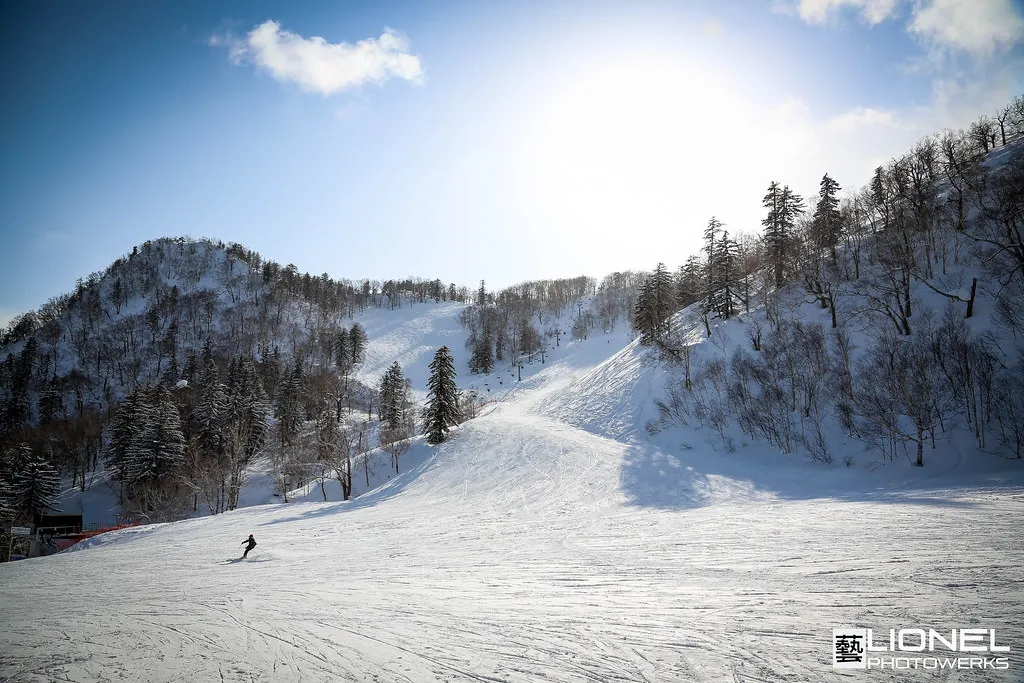
Furano is world-renowned for its light, dry snow known as JAPOW. The ski resort offers two main zones — Furano Zone and Kitanomine Zone — with trails for all skill levels across 24 runs. January provides the most consistent powder conditions for serious skiers and snowboarders. Night skiing is available on select runs and offers a different perspective of the mountain with far smaller crowds than daytime.
Ningle Terrace forest cabins is a collection of craft boutiques in small log cabins nestled in the forest beside the New Furano Prince Hotel. The cabins look like a fairy tale village when covered in snow. Visit at dusk when the warm lights come on — the combination of warm light and white snow is one of the most photographed scenes in Hokkaido in winter. You can access both the ski resort and Ningle Terrace by bus from Asahikawa or Sapporo.
Winter also brings unique experiences like dog sledding and snowshoeing tours in the forests around the resort. The cold air makes the nearby hot springs — including those along the Furano-dake area — noticeably more enjoyable after a day on the slopes. Travelers should check winter activity guides for equipment rental details and current lift ticket prices. The local bus system runs between the resort base and central Furano Station through the ski season.
Spring Skiing in Furano: Late-Season Conditions and Savings
Spring skiing in Furano offers a completely different experience than the mid-winter peak. By late March, the snow turns into a soft, heavy consistency that is very forgiving on tired legs. Temperatures often reach 10°C on sunny days in the valley, meaning you can ski in lighter jackets rather than heavy winter parkas. The views from the upper runs are exceptional in late March when the surrounding mountains are still white but the valley floor is beginning to green up.
The biggest practical advantage of spring skiing is cost. Lift tickets and accommodations are often discounted by 20–30% compared to January peak rates. Queues at the lifts essentially disappear by the second week of March. Families find this window particularly appealing because the softer snow reduces the intimidation factor for younger skiers on their first real mountain runs.
One thing to plan for: the Furano Ski Resort typically closes in late March or very early April depending on conditions. Check the resort's official schedule before booking since the closing date shifts year to year. The transition from white slopes to green valley that happens in April is a beautiful sight that rewards anyone who times their departure correctly.
| January Peak | March Shoulder | |
|---|---|---|
| Snow quality | Dry powder (JAPOW) | Soft spring slush |
| Lift queues | 30–60 min on weekends | Under 10 min |
| Typical hotel rate | High | 20–30% lower |
| Après-ski scene | Lively | Quiet |
| Jacket weight needed | Heavy insulated parka | Mid-layer fleece sufficient |
Choosing Your Perfect Furano Trip
Deciding when to visit depends on your personal travel style and goals. Some people thrive in the bustling atmosphere of the peak summer festivals. Others prefer the quiet solitude of the snow-covered countryside in February. Use these simple rules to match your interests to the right month.
Photographers should prioritise the colourful transitions of mid-July or October. Foodies will find the most variety during the autumn harvest and September wine festival. Families often enjoy the mild weather and easy hiking trails of June, with the added bonus of the asparagus and cycling events. Budget-conscious travelers should look at late May or early September when prices are moderate and crowds are thin.
Each season provides a different backdrop for your Hokkaido memories. Think about whether you prefer outdoor adventure or relaxing scenic drives. Our guide on visiting Biei covers more nearby seasonal spots. No matter when you go, the local hospitality remains a constant highlight.
- Pick mid-July if you want the best lavender and live festivals
- Pick January if you want world-class powder and night skiing
- Pick September if you want autumn colours and local harvest food
- Pick May if you want spring blossoms and lower hotel prices
- Pick June if you want outdoor events, early flowers, and virtually no crowds
- Pick March if you want spring skiing at 20–30% lower cost than January
What's Closed in Low Season: Planning Your Visit
Traveling during the off-season requires extra attention to local schedules. Many attractions in Furano operate on a strictly seasonal basis. Planning ahead prevents the disappointment of arriving at a closed gate. The shoulder months of November and April are when most maintenance and closures occur.
The Furano-Biei Norokko train only runs from June through September. Lavender-Batake Station — a key stop for non-car visitors arriving directly at the flower fields — is a seasonal station that only opens during summer. If you arrive outside the June–September window you cannot alight there, making a car rental or taxi much more important. Many lavender-themed cafes and gift shops also close from November until May.
Farm Tomita's outdoor flower displays are mostly empty during the winter months. Some mountain hiking trails are inaccessible until the snow melts in June. Small family-run pensions may close for several weeks during the quietest periods of November and April. Always verify opening hours for specific restaurants and flower parks before you travel.
What to Pack for Furano's Changing Seasons
Packing correctly ensures you stay comfortable during your Hokkaido explorations. The weather can be unpredictable, especially in the mountainous central region. Layering is the most effective strategy to handle the changing daily temperatures. High-quality gear is essential for those planning to spend time outdoors in any season.
In summer, the sun can be quite strong even if the air is cool. Winter requires specialised clothing to handle the sub-zero temperatures safely. Spring and autumn demand versatile items that can handle wind and light rain. Refer to the Japan Activity blog for more gear tips.
- Winter: thermal base layer, waterproof insulated jacket, snow boots with grip rated to -20°C, ski goggles
- Summer: breathable lightweight layers, sun hat, UV sunscreen (Hokkaido sun is stronger than you expect at altitude)
- Spring skiing: mid-layer fleece, waterproof trousers, sunglasses (reflected glare is intense on spring snow)
- Autumn: light sweater, windproof outer shell, comfortable walking shoes for the harvest trails
Footwear is particularly important. Snow boots with good grip are mandatory for navigating icy winter streets in central Furano. Lightweight walking shoes work well for the paved paths of the summer flower gardens. Don't forget a reusable water bottle for long days in the fields — water points between gardens are limited.
Furano vs Niseko: Which Resort Wins for Powder?
Furano is often compared to Niseko, but the two deliver genuinely different experiences. The snow at Furano is often drier because the resort sits further inland, shielded from the moisture-heavy Sea of Japan weather systems that dump heavier, wetter snow on Niseko. This results in the legendary light JAPOW that sparkles in winter sunlight — on a calm morning after a fresh snowfall the air genuinely glitters with suspended ice crystals, a phenomenon locals call diamond dust.
The resort features long groomed runs that are ideal for carving and intermediate skiers. Off-piste enthusiasts can find deep powder in the designated tree run areas between the Furano and Kitanomine zones. Niseko draws bigger international crowds, more English-speaking infrastructure, and a livelier après-ski scene — if those things matter to you, factor them in. But for skiers who want fewer people on the mountain and slightly drier snow, Furano consistently outperforms Niseko on those two metrics.
The après-ski scene in Furano centres on cosy local izakayas in town. You can enjoy fresh Hokkaido seafood, local cheeses from the nearby Furano Cheese Factory experience, and wines from the Furano Winery after skiing. This blend of world-class sport and rural Hokkaido culture is what makes Furano distinct. Plan your visit for late January to experience the very best snow conditions.
Frequently Asked Questions
Which months are best for seeing lavender in Furano?
The best time to see lavender is mid-to-late July. Most fields reach peak bloom during this two-week window. Early varieties start in late June, while late-blooming flowers last until early August.
When is the peak ski season at Furano Ski Resort?
Peak ski season occurs from late December through February. January typically offers the most consistent powder snow and the coldest temperatures. Spring skiing remains possible through March and early April.
Is June a good time to visit Furano for flowers?
June is an excellent time for early summer blooms like poppies and lupines. While the lavender is not yet at its peak, the gardens are lush and green. You will also enjoy fewer crowds than in July.
Furano is a destination that rewards careful timing and thoughtful planning. Whether you seek the purple fields of summer or the deep winter snow, the region never disappoints. Remember to book your travel well in advance for the peak July and January windows. Exploring the changing seasons of Hokkaido is a journey you will always remember.
From the harvest festivals of autumn to the spring ski slush, there is always something to do. Use this guide to choose the window that fits your budget and your interests. We hope your trip to central Hokkaido is filled with beautiful views and great food.
Free guide: Japan's Hidden Gems
12 under-the-radar places beyond Tokyo & Kyoto — with the best season to visit each and a local tip you won't find in the guidebooks.
You might also like


Continue reading
More guides you'll find useful


