Best Time To Visit Asahikawa: Seasonal Guide & Travel Tips
Discover the best time to visit Asahikawa for snow festivals, the famous penguin parade, or summer lavender fields. Includes weather tips and budget advice.
On this page
The best time to visit Asahikawa is from late December to early March for the ultimate winter magic. Updated October 2024 from my winter 2024 visit, I found the dry snow here truly spectacular. Late spring in May and early fall in September are also excellent for mild weather and smaller crowds.
I visited Asahikawa in late January and the crisp air made the city feel like a dream. Hokkaido is famous for its extreme seasons, and this city is the coldest in all of Japan. The best month for snow lovers is February during the massive Asahikawa Winter Festival.
Shoulder months like May or October offer a peaceful escape with beautiful natural colors. Travelers can find great deals on hotels during these quieter times of the year. Check out our 11 Best Things to Do and See in Asahikawa guide to plan your full itinerary.
Useful resources: the official Asahiyama Zoo site and Asahikawa Tourism & Convention Association have current hours, the winter penguin-walk schedule and access.
Asahikawa Weather and Seasonal Overview
Asahikawa is officially the coldest city in Japan with winter lows often dropping below -20°C / -4°F. The city sits in a basin which traps cold air and creates heavy, dry snowfall. During the summer, temperatures are much milder than in Tokyo or Osaka. Typical summer highs range from 21-29°C / 70-84°F during the peak of July.
The city manages extreme snow removal with a fleet of specialized plows every night. Walking through the streets in winter reveals a local life adapted to deep snow. Asahikawa is known for its intense 'diamond dust' when temperatures drop below -15°C / 5°F. These tiny ice crystals sparkle in the sunlight and create a rare, beautiful phenomenon.
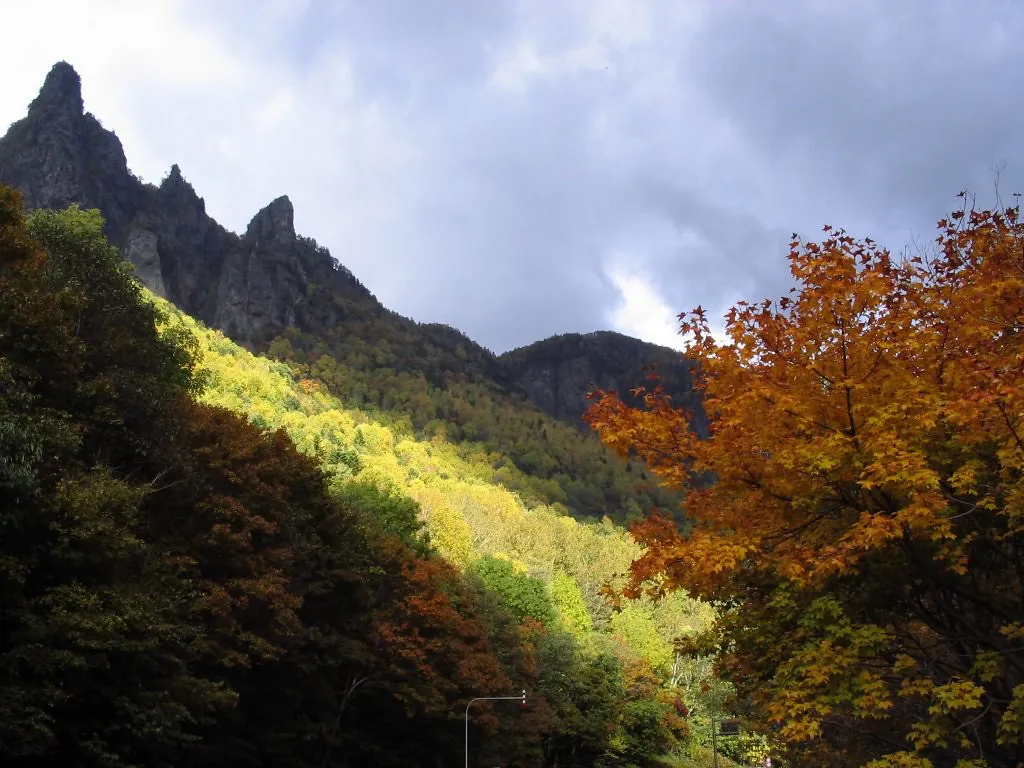
Spring arrives slowly in northern Hokkaido with cherry blossoms blooming in early to mid-May. Autumn colors peak in October, bringing vibrant reds and yellows to the nearby mountains. Each season offers a distinct reason to visit this northern hub. Learn how to get to asahikawa from sapporo to start your journey.
Season Comparison
Choosing the right month depends on whether you prefer snow festivals or flower fields. Winter months are the busiest for the city center due to the famous zoo events. Summer attracts crowds heading toward the nearby lavender farms in Biei and Furano. The table below compares the typical weather and travel conditions throughout the year.
| Season | Weather | Crowds | Prices | Events | Best for |
|---|---|---|---|---|---|
| Winter (Dec to Feb) | -10 to -2°C / 14 to 28°F | High | Mid | Winter Festival | Snow Lovers |
| Spring (Apr to May) | 5 to 15°C / 41 to 59°F | Low | Low | Cherry Blossoms | Budget Trips |
| Summer (Jun to Aug) | 18 to 26°C / 64 to 79°F | High | High | Flower Season | Nature Fans |
| Fall (Sept to Oct) | 8 to 18°C / 46 to 64°F | Low | Low | Autumn Leaves | Hikers |
Winter in Asahikawa: Snow, Penguins, and Ramen
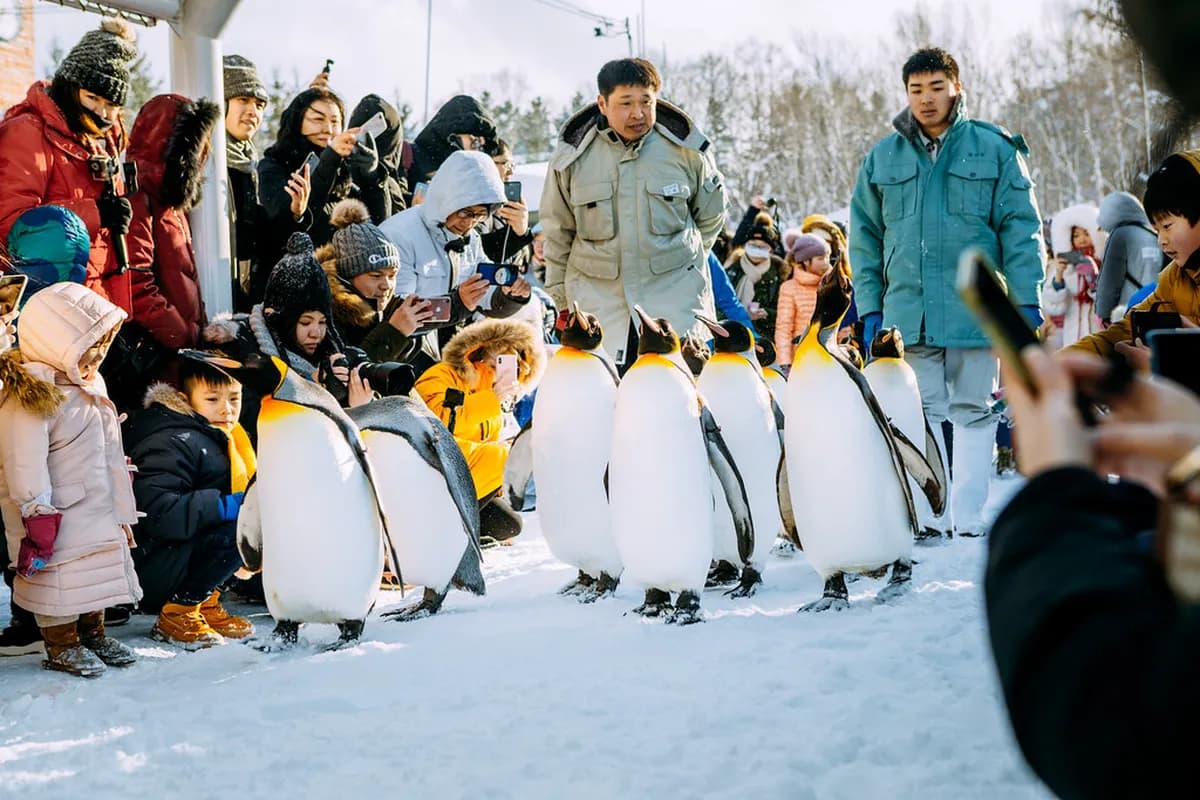
The Asahiyama Zoo Winter Guide: 10 Essentials for Your Visit experience is the main draw for most cold-weather visitors. The penguin parade usually runs from late December to mid-March every year. This event allows penguins to walk through the zoo for exercise on the snow. Crowds gather early to see these birds waddle past at close range.
Asahikawa Shoyu Ramen has a layer of oil to keep the soup hot in freezing weather. This local engineering feat ensures your meal stays warm even in -20°C / -4°F conditions. You can find many excellent shops at the Asahikawa Ramen Village hall Info site. Read our Asahikawa Ramen Guide: Best Shops and Local Flavors" to find the best local bowls.
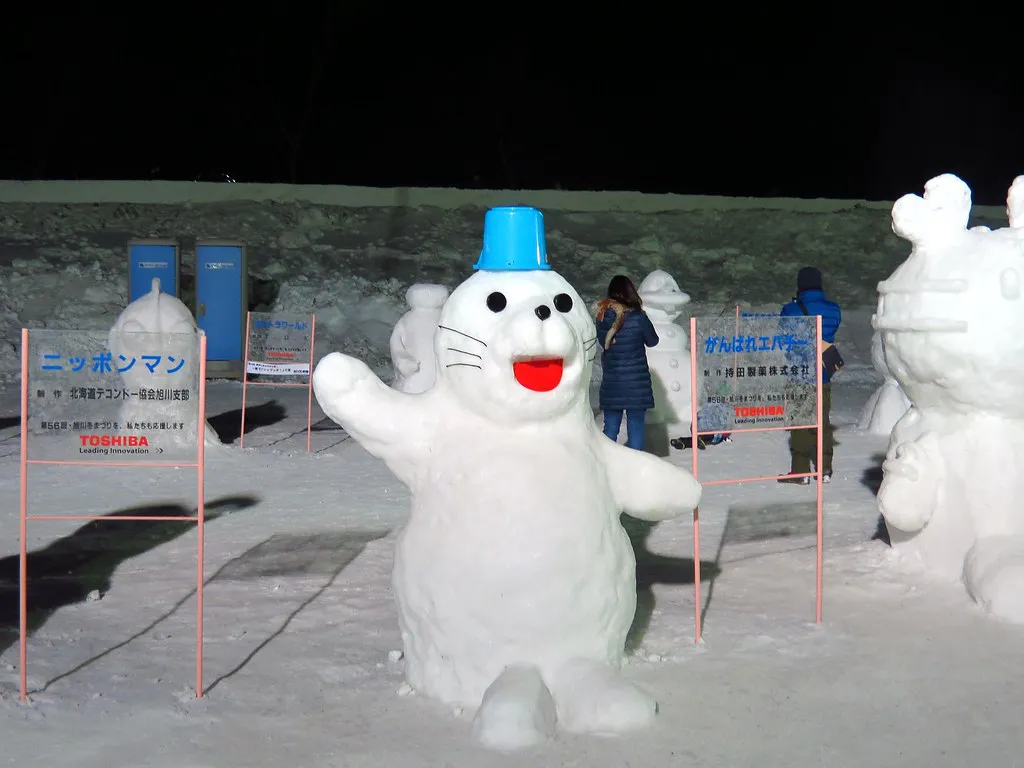
The Asahikawa Winter Festival in February features one of the largest snow stages in the world. Ice sculptures line the pedestrian shopping street and glow with colorful lights at night. Our late-January trip was freezing but the dry snow made walking surprisingly easy. Visitors should prepare for extreme temperatures by wearing many thin, warm layers.
Summer in Asahikawa: Lavender and Mild Temperatures
Summer is the best time to visit for those who enjoy mild temperatures and flowers. Asahikawa serves as a perfect hub for visiting the famous lavender fields in nearby Furano. Hotel prices in the city are often much lower than those in Biei or Furano. This budget strategy allows you to see the sights without paying peak resort prices.
The Shikisai-no-oka Biei Guide shows the incredible rainbow flower rows found nearby. July is the peak month for lavender, but other flowers bloom through August. The weather is rarely humid, making it a refreshing escape from the Japanese mainland. Evening temperatures can still be cool, so a light jacket is always recommended.
Cycling around the hills of Biei is a popular activity during the sunny summer months. Many visitors enjoy the local produce, including sweet corn and Hokkaido melon. The city parks are full of greenery and offer great spots for a summer picnic. Check the Japan Activity blog for more Hokkaido summer ideas.
Should You Visit in the Shoulder Seasons?
Spring and autumn are Asahikawa's quietest and most affordable periods. May sees cherry blossoms arrive later than on Honshu — typically during Golden Week — making Asahikawa one of the last cities in Japan to see them bloom. Crowds are thin, accommodation is cheap, and the surrounding hills are a vivid green after the snowmelt. The only trade-off is that some seasonal attractions, including the Biei View Bus, have not yet started running.
September and October are arguably the most underrated months to visit. Daisetsuzan National Park records the earliest autumn colour in all of Japan, with the alpine zone turning red by mid-September — weeks before the famous foliage in Kyoto or Nikko. Daytime temperatures sit around 12–18°C with low humidity. Hiking trails that were buried under snow all summer are fully accessible, and hotel rates have not yet climbed for peak autumn weekenders.
The only firm caution: avoid late April and most of November. Many seasonal services have either not resumed or have already shut down, the weather is grey and wet, and the city has very little happening. If you land in either of those weeks, you will find Asahikawa feels incomplete.
Top Things to Do in Asahikawa by Season
In winter the anchor attraction is the Asahiyama Zoo penguin walk, which runs twice daily from late December through mid-March when snow depth allows. Penguins walk a designated path through the zoo at roughly 11:00 and 14:30 — show up at least 20 minutes early to get a front-row position at the rope line. Alongside the zoo, the Asahikawa Winter Festival in mid-February erects one of the world's largest snow stages on the Ishikari riverbank, with giant illuminated ice sculptures lining Heiwa-dori shopping street. From late November through early March the city also runs the Machiakari Illumination, lighting 210,000 bulbs across the city center. Winter evenings here are genuinely magical even on nights when the festival itself is not running.
Summer centers on day trips to the flower corridor. Shikisai-no-oka in Biei (30 minutes by car) shows rainbow rows of flowers from late June, and lavender peaks at Farm Tomita in Furano (about 70 minutes) in mid-July. Asahikawa itself offers Tokiwa Park, a quiet urban green space that comes alive with summer festivals and outdoor events along the Ishikari riverbanks. Ramen Village is a year-round constant — eight shops under one roof on the eastern edge of the city, each doing a variation of the local shoyu style. If you visit in summer, the bowls are just as good, but you will understand their genius engineering only in winter.
For hikers, Daisetsuzan National Park has a network of alpine trails reachable from the Sounkyo gorge area, about 70 minutes north of Asahikawa by bus. The ropeway at Sounkyo Onsen operates through the snow season and gives access to mid-mountain snowfields even in early winter. A day trip combining the ropeway with a soak in one of the onsen hotels in the gorge is a low-key winter alternative to the zoo crowd.
Day Trip or Overnight: Deciding How Long to Stay
A day trip from Sapporo is entirely feasible if your only goal is the zoo and a bowl of ramen. The 85-minute JR limited express gives you enough time to reach Asahiyama Zoo by 10:00, watch the midday penguin walk at 11:00, eat ramen in the city center, and board an afternoon train back to Sapporo before dark. You would not feel cheated.
Staying overnight makes sense in three situations. First, if you want to watch the penguin walk both in the morning and the afternoon — the two performances behave differently in terms of light and crowd density, and morning is quieter. Second, if you plan to attend the Winter Festival ice sculptures after dark, when the light effects are at their best. Third, if you are using Asahikawa as a base for Biei and Furano day trips: waking up already in the corridor saves 85 minutes each way versus returning to Sapporo each night, and Asahikawa hotels run ¥6,000–¥10,000 per night compared to ¥20,000 or more in the Biei/Furano resort strip.
Two nights is the sweet spot for most travelers. One full day covers the zoo plus the city, the second covers one or two day trips into the flower or gorge corridor. More than three nights and most visitors run out of new things to do in the city itself.
What to Wear in Asahikawa in Winter
The extreme cold here catches visitors from tropical climates off guard more than anywhere else in Japan. At -20°C your standard winter coat is not enough. The key principle is layering from the skin outward: a merino wool or synthetic base layer against the skin, a mid-layer fleece or down vest, and a windproof outer shell rated to -25°C or lower. Avoid cotton in every layer — it holds moisture and accelerates heat loss.
Footwear is where most first-time visitors make their biggest mistake. Sidewalks in Asahikawa are packed snow and ice even after the overnight plows clear them. You need boots with Vibram or equivalent rubber lug soles rated for ice — smooth-soled fashion boots are dangerous. Many pharmacies and convenience stores near the station sell slip-on ice cleats (yakumo) for around ¥500 that clip over any boot sole. They are worth buying on arrival.
For the hands and face: waterproof gloves (not wool, which soaks through), a balaclava or a thick scarf that covers the nose, and hand warmers (kairo) in every pocket. Reusable kairo pouches cost around ¥300 at any convenience store and last 8–12 hours. In summer, packing is straightforward — light layers, a compact rain jacket, and sun protection for the long days cycling around Biei.
What's Closed in Low Season
Many seasonal services stop operating during the transition months of April and November. The Biei View Bus only runs during the peak summer months of July and August. Asahiyama Zoo penguin walk usually closes for a week in early November for winter season preparation. Outdoor restaurants in the flower fields often close from October through late May.
Local hiking trails in Daisetsuzan are inaccessible from November through late June due to snow. Some smaller museums and galleries may have reduced hours during the quiet winter months. Always check the zoo schedule before visiting in the shoulder seasons to avoid disappointment. Public transport to remote scenic spots is much more frequent during the peak summer season.
How to Get to Asahikawa from Sapporo
The JR Lilac and Kamui limited express trains depart JR Sapporo Station and reach JR Asahikawa Station in about 85 minutes. Standard one-way fares run ¥4,600–¥5,500 depending on whether you book a reserved seat. The JR Hokkaido Rail Pass covers this route and pays for itself if you plan two or more return trips. Trains run every 30–60 minutes throughout the day, and reserved seats are strongly recommended during Golden Week and the February Winter Festival weekend.
Highway buses from the Sapporo Station bus terminal are cheaper at around ¥2,300–¥2,500 one way, but the journey stretches to 2–2.5 hours. In winter, heavy snowfall can extend bus journeys further without warning. If you have a tight connection at the other end — such as an afternoon zoo penguin walk — take the train. IC cards including Kitaca and Suica are accepted on most Hokkaido trains and many buses, though carrying cash is wise for smaller bus routes. Learn how to get to Asahikawa from Sapporo for the full options breakdown including taxis and car rental.
Where to Stay in Asahikawa
Staying close to JR Asahikawa Station is the practical choice for most visitors. The station neighborhood has the highest concentration of hotels and is walkable to the Ramen Village area, Heiwa-dori shopping street, and city bus stops for the zoo. JR Inn Asahikawa is effectively connected to the station building and is one of the newer properties in the city. Hotel Amanek Asahikawa Ekimae is another well-regarded option in the same zone. Both properties can fill up weeks in advance during the February festival, so book early if your trip falls in that window.
The budget gap between Asahikawa and the Biei/Furano resort strip is significant. Mid-range hotels in Asahikawa run ¥6,000–¥12,000 per night during peak periods, while comparable rooms in Biei and Furano can reach ¥20,000–¥30,000 in July or during the winter snow season. Staying in Asahikawa and day-tripping to both areas saves a considerable amount across a multi-night stay. Find out 12 Best Areas and Hotels: Where to Stay in Asahikawa for a full breakdown of neighborhoods and price tiers.
Asahikawa vs. Sapporo: Which Should You Visit?
If you only have three or four days in Hokkaido and no specific reason to go north, base yourself in Sapporo. It has the Sapporo Snow Festival, a much wider range of restaurants and nightlife, better shopping, and it connects directly to the JR Shinkansen network via Hakodate for travelers coming from Tokyo. At two million people, it also simply offers more to do than Asahikawa's 300,000-person city center can match.
Asahikawa wins on three specific points. First, it is colder and gets more snow, so if experiencing Japan's genuine deep-winter atmosphere is your priority — not just a photogenic white city — Asahikawa delivers that more reliably than Sapporo, where a mid-January thaw is not uncommon. Second, Asahiyama Zoo is in a class of its own for winter wildlife viewing. Third, Asahikawa sits 30 minutes closer to the Biei and Furano flower corridor by car, making it a better geographic base for a summer touring itinerary.
The realistic answer for most visitors is: spend your main nights in Sapporo, and add one or two nights in Asahikawa specifically to see the zoo and tap into the central Hokkaido corridor. That combination covers both cities' strengths without forcing an either/or choice.
Frequently Asked Questions
What is the coldest month in Asahikawa?
January is the coldest month in Asahikawa. Temperatures often drop below -20°C / -4°F at night. You must pack heavy thermal layers to stay safe.
Is the penguin parade at Asahiyama Zoo every day?
The parade usually happens twice daily from late December to March. It depends on the snow depth and animal health. Check the official zoo website for daily times.
Is Asahikawa worth a day trip from Sapporo?
Yes, it is a great day trip for the zoo and ramen. However, staying overnight allows you to see the winter festival lights. It also provides earlier access to the zoo.
Asahikawa is a unique destination that shines in both the freezing winter and mild summer. Whether you want to see penguins in the snow or lavender in the sun, timing is key. Plan your visit based on these seasonal patterns to make the most of your Hokkaido trip.
Remember to book your hotels early if you plan to visit during the February festival. Enjoy the incredible food and natural beauty of Japan's northernmost major island. Safe travels as you explore the wonders of Asahikawa throughout the year.
Free guide: Japan's Hidden Gems
12 under-the-radar places beyond Tokyo & Kyoto — with the best season to visit each and a local tip you won't find in the guidebooks.
You might also like


Continue reading
More guides you'll find useful