Asahiyama Zoo Winter Guide: 10 Essentials for Your Visit
Plan your Asahiyama Zoo winter trip with our guide to the Penguin Walk, feeding schedules, bus routes from Sapporo, and tips for surviving a Hokkaido blizzard.
On this page
I visited Asahiyama Zoo penguin walk in January 2024 during a heavy blizzard and it was magical. Mid-December to early March is the best window for most travelers seeking the full snowy experience. Updated June 2024 from my winter visit, this guide covers everything you need for sub-zero fun. Planning a Best Time To Visit Asahikawa: Seasonal Guide & Travel Tips" requires understanding these unique seasonal shifts.
Hokkaido winters are famous for deep powder and freezing temperatures that transform the landscape. This zoo is the most northern one in Japan and thrives when the snow falls. Animals like polar bears and seals become incredibly active during these colder months. You will see creatures behaving naturally in an environment that mimics their wild Arctic homes.
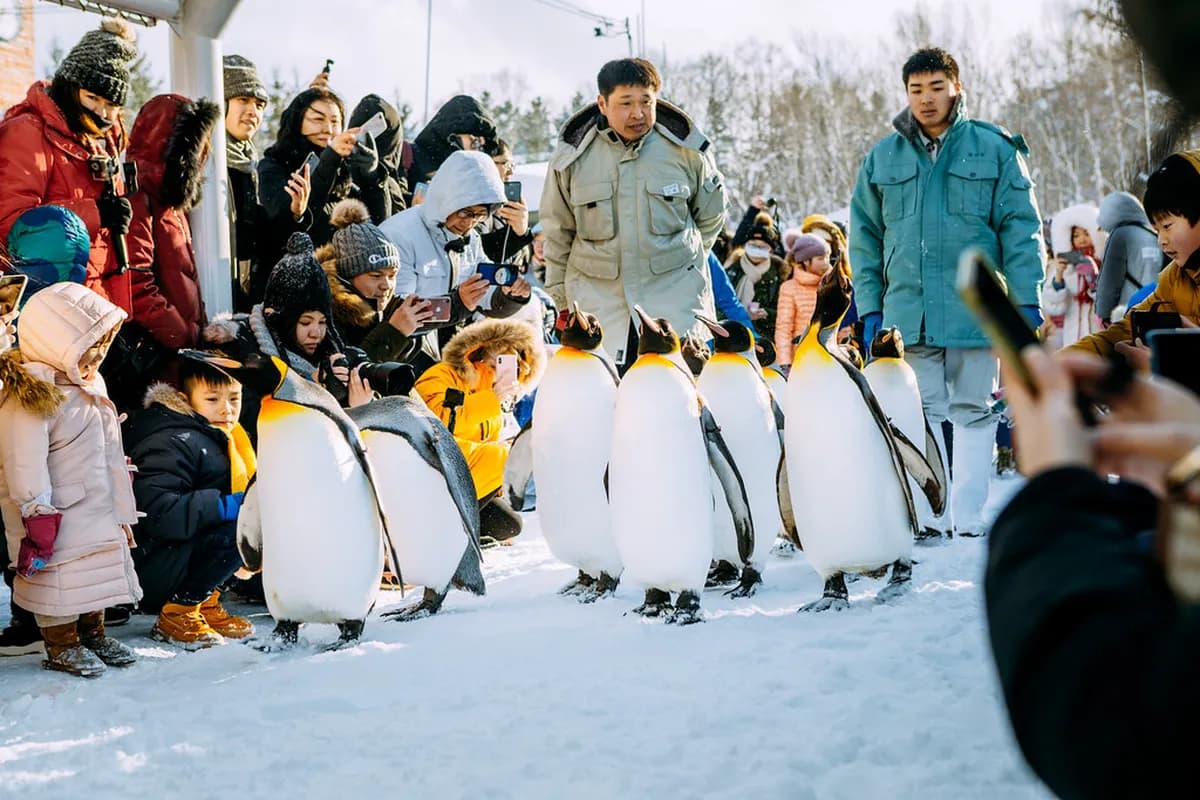
The famous Penguin Walk only happens when there is enough snow on the ground. Our late-January trip hit a whiteout on two of three days in the city. Seeing the King penguins hop with excitement in the fresh powder was a lifetime highlight. Prepare for a day of wonder as we explore this icy animal sanctuary.
Useful resources: the official Asahiyama Zoo site and Asahikawa Tourism & Convention Association have current hours, the winter penguin-walk schedule and access.
Features of Asahiyama Zoo: A Winter Wonderland Philosophy
The zoo uses a unique philosophy called 'Conveying Life' to design its animal exhibits. This approach focuses on showing the natural abilities and behaviors of every resident creature, rather than simply displaying animals behind glass in static cages. During winter, this means providing spaces where cold-loving animals can truly shine and play. Visitors get a close look at animals through glass tunnels and observation bubbles that put you eye-to-eye with creatures in their element.
The Official Asahiyama Zoo Website highlights how these designs encourage movement. You might see a seal swim vertically through a glass tube right past your face. Polar bears often dive into the water to show off their powerful swimming strokes. These interactions make the facility feel more like a habitat than a traditional zoo.
The cold weather brings out the best in the Siberian tigers and snow leopards. They look majestic against the white backdrop of the Hokkaido mountainside. Most animals here are well-suited for temperatures of -10°C / 14°F or even lower. This creates a vibrant atmosphere even when the human visitors are shivering.
The zoo also runs active breeding programs and houses over 120 species from all seven continents. That commitment to animal welfare is part of why the animals look genuinely healthy and engaged rather than bored, and it makes the facility easy to fill a full day even if you arrive solely for the Penguin Walk.
Season Comparison: When to Visit Asahikawa
Choosing the right month depends on whether you want deep snow or mild hiking weather. Winter is the peak season for international tourists wanting to see the famous Penguin Walk. Summer offers lush greenery and a chance to see the tropical animals outdoors. Check the Asahiyama Zoo News & Updates for specific seasonal event dates.
Shoulder seasons like late autumn or early spring can be a bit unpredictable. The zoo often closes for maintenance during these transition periods in November and April. I recommend visiting in the second half of January for the most reliable snow cover. This timing ensures all winter-specific events are running at their full capacity.
| Season | Weather | Crowds | Prices | Events | Best for |
|---|---|---|---|---|---|
| Mid-Dec to Mar | -10 to -2°C / 14-28°F | High | Peak | Penguin Walk | Snow Lovers |
| Apr to May | 5 to 15°C / 41-59°F | Low | Moderate | Cherry Blossoms | Budget Trips |
| Jun to Aug | 20 to 30°C / 68-86°F | Medium | High | Summer Festival | Family Fun |
| Sep to Nov | 0 to 12°C / 32-54°F | Low | Low | Fall Foliage | Quiet Walks |
The Penguin Walk: Times, Best Spots, and Why They Walk
The Penguin Walk is the most famous event during Asahiyama Zoo winter months. From late December through February it runs twice daily at 11:00 and 14:30. In March the schedule drops to one session at 11:00 only. The walk only happens when there is snow on the ground, so always check the official website the morning of your visit before boarding the bus.
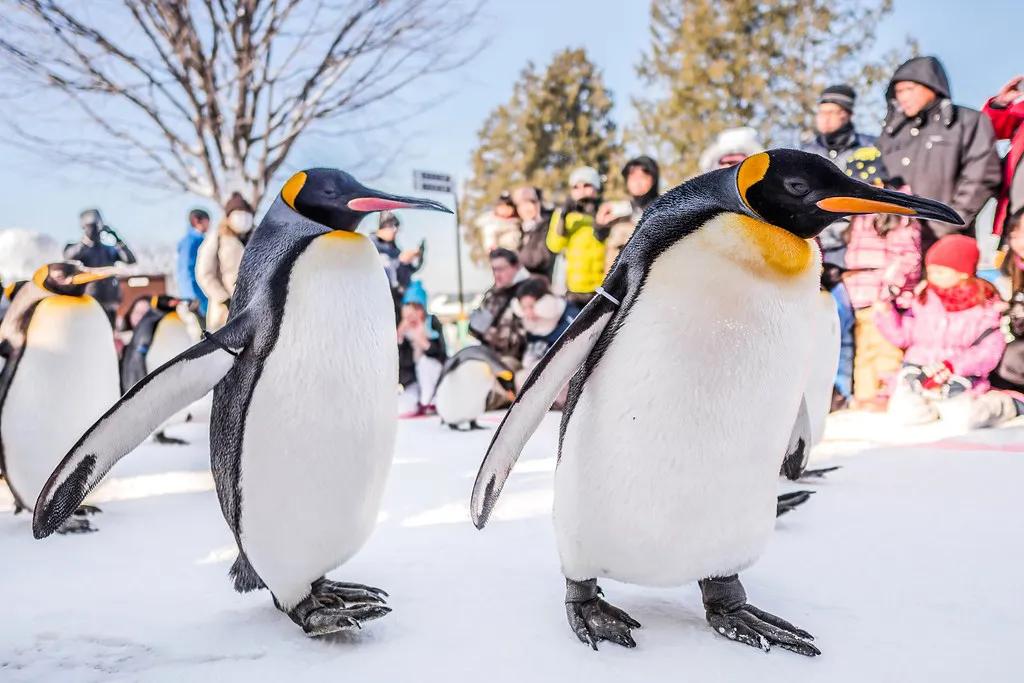
Staff members lead the King penguins and Gentoo penguins along a designated loop while visitors watch from the sides. There are no fences, so you can see the penguins from just a few feet away. Please stay behind the marked lines to keep the birds calm — Gentoo penguins are famously curious and sometimes waddle straight toward the crowd, prompting staff to come and retrieve them. That moment is half the entertainment.
The walk lasts over 30 minutes because penguins stop constantly to belly-slide and flap their wings in fresh powder. Why do they walk at all? Without the exercise, zoo staff found the penguins were gaining weight — in the wild, King penguins swim kilometers hunting fish, but in captivity dinner arrives on schedule. The winter walk recreates that movement and has become a beloved ritual that doubles as an animal welfare programme.
One piece of advice most guides get wrong: do not stand right outside the Penguin House entrance to get the "first look." You will spend 70% of the walk staring at penguin backs as the column moves away from you. Position yourself midway along the route, past the Polar Bear Exhibit, where the penguins pass at eye level and often stop to play in the deepest snow drifts. You can also leap-frog the column — the handlers move slowly enough that you can overtake and pick a new spot twice during a single walk.
5 Must-See Exhibits at Asahiyama Zoo
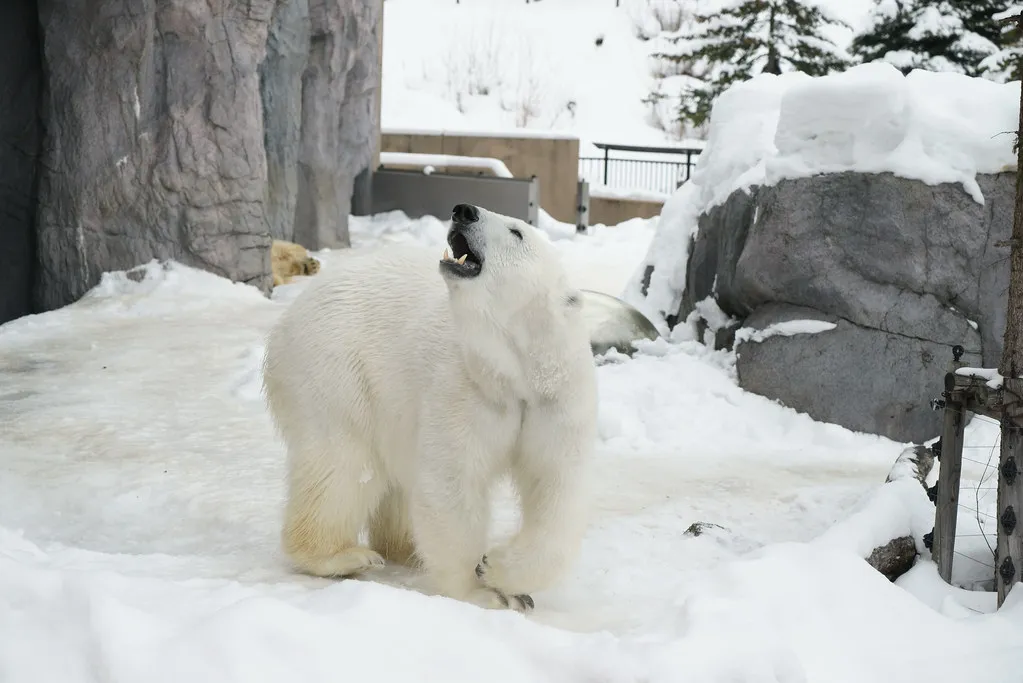
The Polar Bear Pavilion features large windows that look into a deep diving pool. You can watch these massive predators swim and play with giant plastic balls. A semi-circular 'seal's-eye view' dome lets you look up directly as a polar bear paddles overhead — one of the most jaw-dropping angles in any zoo in Japan. It is a thrilling way to experience a bear from a very different perspective.
The Seal Pavilion is famous for its vertical glass tube called the 'Marine Way'. Spotted seals love to zoom up and down this tube to watch the humans. It is one of the most photographed spots in the entire zoo complex. Nearby, the Red Panda Pavilion features elevated wooden bridges and platforms, allowing the red pandas to move about leisurely above the visiting crowd.
The Penguin Pavilion houses four different penguin species. Its 360-degree panoramic tank lets you see them "fly" through the water at close range. In summer they perform that underwater ballet; in winter the same birds become the Penguin Walk stars. The Children's Farm offers a contrast — goats, rabbits, and guinea pigs you can actually pet, which makes it a natural stopping point for families traveling with small children.
Other winter highlights include the Arctic Fox and the majestic Snowy Owl. These animals are perfectly camouflaged against the white snow of their enclosures. The zoo's looped layout makes it practical to walk between all five of these major pavilions without backtracking. Budget at least four to five hours to catch a walk, a feeding show, and the indoor exhibits without rushing.
Asahiyama Zoo Feeding Show Schedule (Mogu Mogu Time)
Every day the zoo runs "Mogu Mogu Time" — feeding demonstrations for the major animals. Mogu Mogu (もぐもぐ) means the sound of chewing. You can watch penguins, seals, polar bears, and other residents being fed by keepers who narrate each animal's diet and behavior.
Feeding times are spread across the day, so you can realistically see three or four shows on a single visit. The schedule rotates and can shift by 15 minutes depending on the animal's condition. Check the notice board at the main gate when you arrive — planning your day around that board is the most efficient way to move through the zoo. In winter the seal feeding is a highlight: seals are more energetic in colder water and perform noticeably faster vertical spins through their glass tube.
Planning Your Visit: Tickets, Hours, and Admission
In 2026, adult admission is ¥1,000. Children of junior high school age and under enter free. Tickets are available at the window on arrival or online in advance. Winter hours run 10:30 to 15:30, which is a shorter window than the summer schedule — the 15:30 close is firm, so if you are arriving by the afternoon bus from Sapporo, calculate your transit time carefully.
The zoo closes for annual maintenance for several days in early November and also from 30 December to 1 January. Spring and autumn sometimes bring additional short closures for exhibit changeovers. Always verify the calendar on the official website before booking train tickets from Sapporo.
If you are visiting multiple attractions across Hokkaido in one trip, look into the Have Fun in Hokkaido Pass. This e-ticket pass lets you choose any three attractions from a curated list within a seven-day window, covering entry to Asahiyama Zoo along with sites like Mount Moiwa, the Okurayama Ski Jump Observatory, and Jozankei Onsen. You scan a QR code at the gate — no physical ticket to manage. The pass is updated periodically, so check the current attraction list before purchasing.
On winter weekends and during the Asahikawa Winter Festival in February, the queue at the ticket window can add 15 minutes to your morning. Pre-purchasing online eliminates that wait and is worth the minor effort for anyone planning to catch the 11:00 Penguin Walk.
How to Get to Asahiyama Zoo
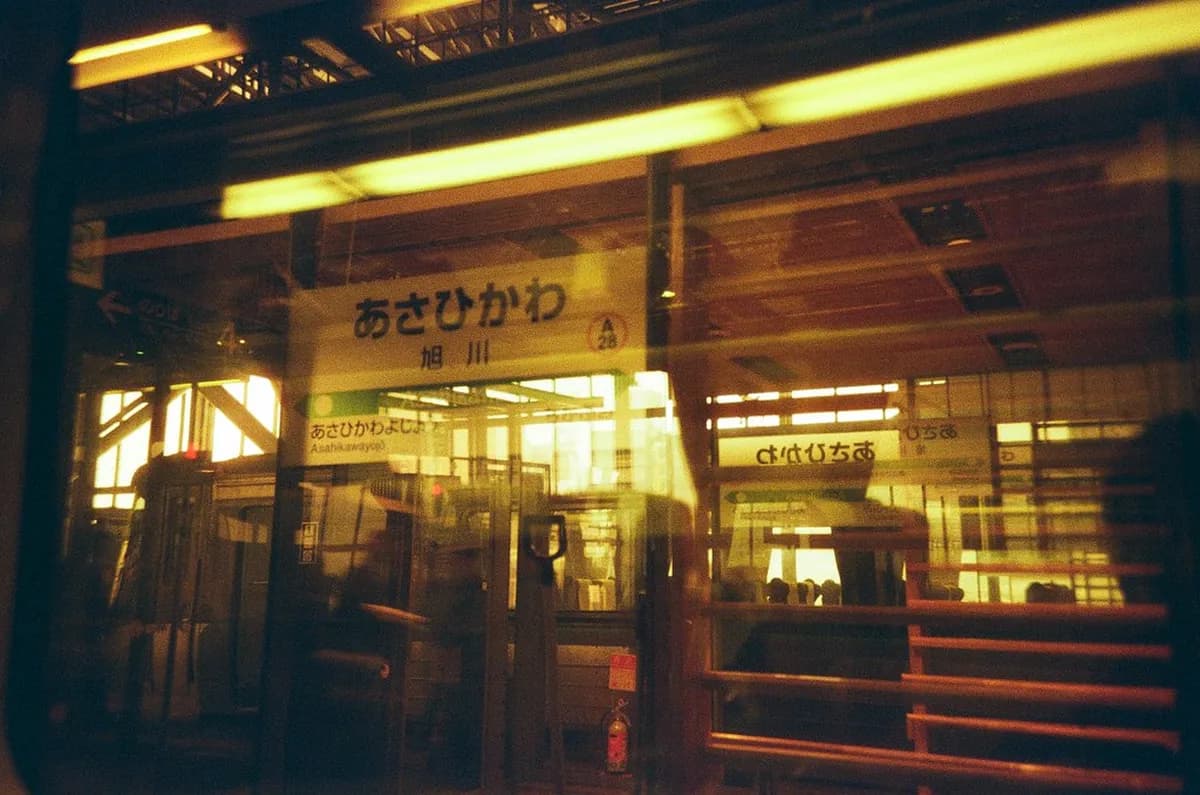
Most visitors start their journey by taking a JR train from Sapporo to Asahikawa. The limited express trains take about 85 minutes and run very frequently. If you want a memorable ride, look for the Asahiyama Zoo Train — a limited express designed by a former zoo keeper and decorated with colourful animal illustrations and stuffed toys throughout the carriages. It departs Sapporo Station on select days and is especially popular with children.
Once at Asahikawa Station, head to bus stop number 6 outside the North Exit. Bus numbers 41 and 47 run directly to the zoo entrance. The ride takes about 40 minutes and costs ¥500 for adults. Two morning departures at 09:40 and 09:55 arrive just as the zoo opens, which is ideal for the 11:00 Penguin Walk — but both buses fill completely on busy mornings, so board early or stand.
One important detail almost every guide skips: these zoo buses do not accept IC cards or Suica. Bring cash or purchase a paper ticket inside Asahikawa Station before you board. Arriving at the bus without correct change causes delays for everyone behind you and can make you miss the Penguin Walk start time.
If you are driving, be very careful about the 'parking trap' near the West Gate. A private lot at the West Gate charges ¥500 per vehicle. The zoo provides extensive free parking — over 1,000 spaces — a short walk away. Follow the official blue zoo parking signs rather than pulling into the first lot you see near the entrance.
What to Pack for a Hokkaido Winter
Dressing for Asahiyama Zoo winter requires a strategy known as the layered method. Temperatures often stay well below freezing for the entire day in Asahikawa. I wore three layers of thermal clothing during my last visit in February. The wind is sharp when you are standing still for 30 minutes watching the Penguin Walk.
- Thermal base layers — moisture-wicking tops and long thermal leggings as the foundation
- Waterproof mid-layer jacket — windproof and water-resistant, not just water-resistant
- Waterproof boots with deep grip — essential for walking on icy zoo paths between exhibits
- Yaktrax or rubber ice spikes — fit over your boots and dramatically reduce slipping on icy stairs and paved areas; the zoo's hilly terrain gets treacherous after foot traffic compresses the snow
- Hand warmers (Kairo) — pick up a 10-pack at any convenience store in Asahikawa for about ¥400; tuck them into gloves and boots before the walk
- Spare batteries or a power bank — cold drains camera batteries in 20–30 minutes at -10°C
If you are traveling with a stroller, reconsider. Strollers are difficult to push through compacted snow and virtually useless on the steeper hill sections between pavilions. A baby carrier or simply holding hands with small children is a far easier call in winter conditions. The zoo's paths are mixed — some flat, some hilly — and ice patches appear unpredictably after foot traffic compresses fresh snow.
Facilities, Accessibility, and Warming Up Inside
After 30 minutes outdoors at -8°C watching penguins, the zoo's indoor restaurants become genuinely essential. The main restaurant serves Asahikawa shoyu ramen, katsu curry, niku udon, and Hokkaido soft-serve ice cream — ordering a hot bowl immediately after the Penguin Walk is a near-universal visitor ritual and completely justified. There are also smaller cafes and snack stands scattered across the grounds, though some outdoor vendors close on the coldest days.
Practical facilities include coin lockers at the main gate for storing bags (helpful if you're carrying a large pack from your ryokan), restrooms throughout the grounds, wheelchair availability at the entrance, and a free shuttle bus for getting between distant pavilions on the same visit. The gift shop near the exit sells penguin merchandise, Hokkaido souvenirs, and plush toys — it is the one place where buying something for the journey home is genuinely hard to resist.
On accessibility: the terrain is mixed, with flat sections and hilly paths that ice over in winter. Wheelchair users should request the free shuttle bus at the entrance desk — it covers most of the major pavilion loop on request. Some pavilion stairs lack ramps, so ask staff at each exhibit for the ground-level alternative entrance, which exists at most pavilions but is not well signed.
Is It Worth the Trip from Sapporo?
The round-trip from Sapporo takes roughly 3.5 hours of transit time and costs around ¥4,000–¥5,000 in train and bus fares. Add ¥1,000 admission and you are at around ¥6,000 before food, which is comparable to a full-day theme park outing. For the Penguin Walk alone, most visitors feel the trip delivers more than they expected. The scale of the zoo — 120+ species, 25+ exhibits — means there is enough to fill a day even after the parade ends.
The honest caveat: if snow is marginal and the walk gets cancelled, the zoo is still excellent but loses its headline draw. Checking the forecast before committing to a same-day trip from Sapporo is wise. January and February are the most reliable months for deep snow; early December and mid-March are the riskiest.
Compared to a day trip to Otaru or Biei, the zoo requires the most transit time of the three options but offers the most structured activity for families and first-time Hokkaido visitors. Otaru works better as a half-day or late-afternoon add-on to another activity. Biei is ideal if you have a rental car. The zoo is the right call if you are on public transport and want a complete, self-contained day that does not depend on good weather for scenery.
What's Closed in Low Season
The zoo is not open every single day of the year for visitors. It typically closes for several days in early November for maintenance work. There is also a closure period from December 30th to January 1st. Always check the calendar before you book your train tickets from Sapporo.
Some summer-specific exhibits like the insect house may have limited access. Certain outdoor cafes and snack stands close down when the snow gets deep. The monkeys might stay in their indoor heated areas on extremely windy days. However, the core winter exhibits remain fully operational for all guests.
Frequently Asked Questions
What animals can be seen at Asahiyama Zoo?
You can see polar bears, seals, and King penguins during the winter months. Other residents include Siberian tigers, red pandas, and snowy owls. These cold-weather animals are most active when temperatures are low.
Is the Penguin Walk held every day?
The walk happens daily from late December until the snow melts in March. It usually runs twice a day at 11:00 AM and 2:30 PM. Schedules may change based on the health of the birds.
How long should I spend at the zoo?
Plan to spend at least four to five hours at the facility. This allows you to see the Penguin Walk and several feeding shows. Factor in travel time if you are coming from Sapporo.
Visiting Asahiyama Zoo in the winter is a highlight of any Hokkaido itinerary. The combination of unique animal behaviors and the beautiful snowy landscape is unforgettable. After your visit, consider exploring more 11 Best Things to Do and See in Asahikawa like the local ramen village. A hot bowl of asahikawa ramen is the perfect way to warm up.
Remember to dress warmly and arrive early to make the most of your day. Whether you are a photographer or a family, the zoo offers something special for everyone. Safe travels to the snowy north of Japan for your winter adventure.
Free guide: Japan's Hidden Gems
12 under-the-radar places beyond Tokyo & Kyoto — with the best season to visit each and a local tip you won't find in the guidebooks.
You might also like


Continue reading
More guides you'll find useful