

Asahikawa Ramen Guide: Best Shops and Local Flavors
Discover the best Asahikawa ramen with our guide to the Ramen Village, flagship shops like Santouka and Aoba, and the secrets of the signature shoyu broth.
On this page
Asahikawa is a snowy city in northern Japan known for its incredible food scene. While many travelers visit for the mountains, the local noodles are the real star. You will find that this city offers one of the most famous styles in the country.
The region is part of the legendary Hokkaido ramen trio alongside Sapporo and Hakodate. Each city has a distinct flavor that defines its culture. Asahikawa is the undisputed home of rich, soy-sauce-based broths that warm you from the inside.
Planning your food tour requires knowing which shops offer the most authentic experience. You should consider the Best Time To Visit Asahikawa: Seasonal Guide & Travel Tips" to enjoy these steaming bowls in the cold. This guide covers everything from the famous Ramen Village to hidden local gems.
Useful resources: the official Asahiyama Zoo site and Asahikawa Tourism & Convention Association have current hours, the winter penguin-walk schedule and access.
What Makes Asahikawa Ramen Special?
The climate in northern Japan plays a massive role in how locals cook their noodles. Asahikawa experiences some of the coldest winters in the country with heavy snowfall. Chefs developed a clever way to keep soup hot even in sub-zero temperatures.
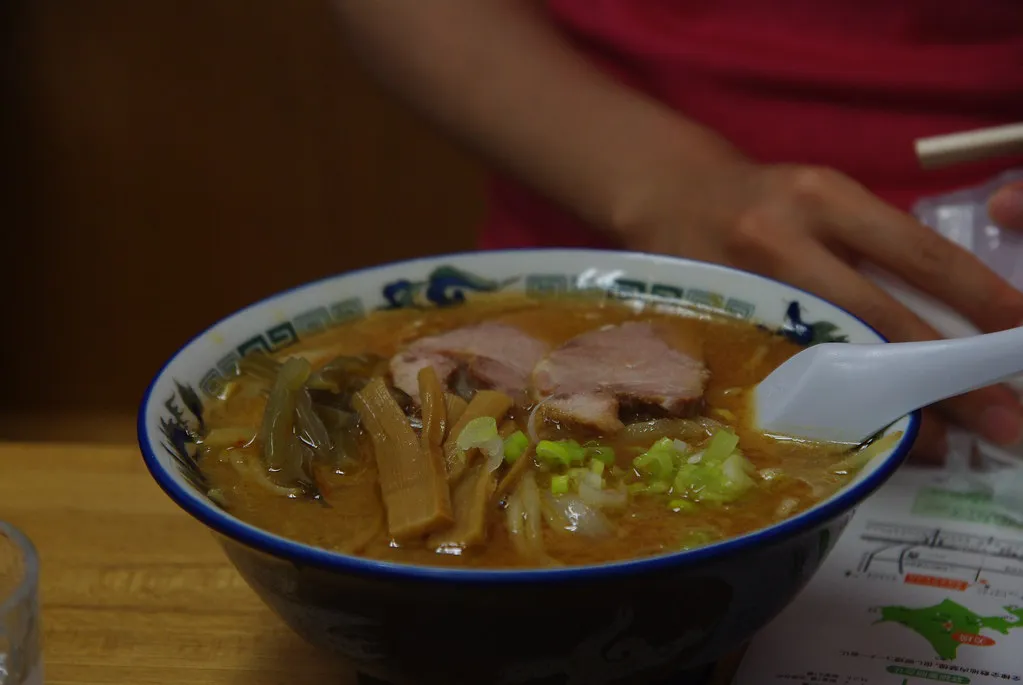
A signature feature of this style is a thin layer of lard floating on top of the broth. This oil acts as a thermal blanket to trap heat inside the bowl. You can learn more about Japan Travel: Hokkaido Ramen Styles to see how this compares to others.
The broth itself is a complex blend of two different soup stocks. Most shops combine a hearty meat base with a lighter seafood dashi. This results in a deep flavor that is savory but not too heavy for the palate.
Locals take great pride in this culinary heritage which dates back many decades. You will notice that the noodles are specifically designed to soak up this unique soup. This balance of fat, salt, and texture makes every bite memorable.
The Signature Shoyu Broth and Wavy Noodles
Shoyu, or soy sauce, is the primary seasoning used in this regional specialty. While Sapporo is famous for miso, Asahikawa perfected the dark, salty shoyu base. The soy sauce adds a fermented depth that pairs perfectly with the fatty pork stock.
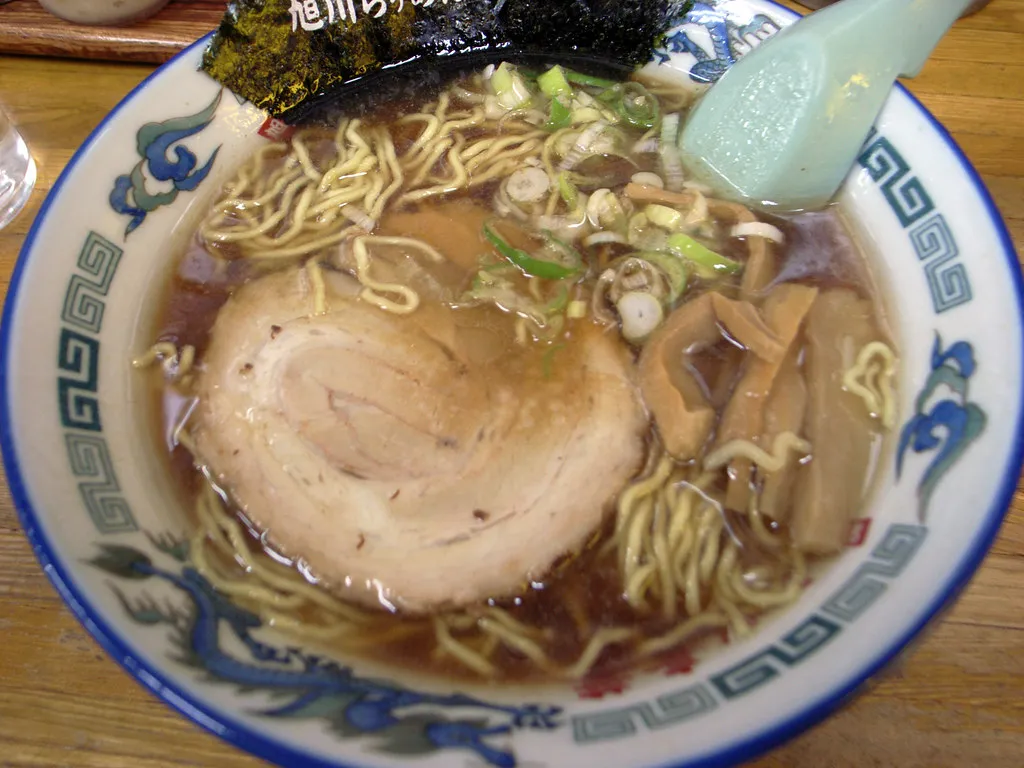
The noodles used here are quite different from the thick, yellow ones found in other cities. They are usually thin, wavy, and have a lower water content. This texture allows the noodles to absorb more of the flavorful broth as you eat.
Most bowls come topped with simple but high-quality ingredients like bamboo shoots and green onions. Slices of tender chashu pork are a standard addition to almost every order. Some shops also offer extra lard if you want a richer experience during your meal.
Eating these noodles is a sensory experience that defines the local winter culture. The steam rising from the lard-covered soup creates a cozy atmosphere in small shops. You will quickly understand why this is a top comfort food for residents.
Exploring Asahikawa Ramen Village
Travelers often head straight to the Ramen Village for a convenient tasting experience. This food theme park houses eight of the city's most famous ramen shops in one place. The address is 4-119-48 Nagayama 11-jo, Asahikawa, Hokkaido 079-8421, located on the outskirts of the city near large shopping centers. Most shops open at 11:00 and close around 21:00, though individual hours vary — check the Asahikawa Ramen Village Official Site before you go.
Getting there is straightforward on public transit. Take a JR local train from Asahikawa Station to Minami-Nagayama Station, then walk eight minutes to the village. You can also reach it in about 20 minutes by taxi from the station, or 30 minutes from Asahikawa Airport — which makes it a practical first stop if you land hungry. Free parking is available on-site for visitors driving a rental car.
The village sits along the natural route between Asahiyama Zoo and the city center. If you visit the zoo in the morning, you can stop at the Ramen Village on the way back into town for lunch, then continue downtown for afternoon sightseeing. This routing saves significant backtracking. Many shops offer mini bowls (small-size, roughly half-portion) so you can sample two or three different broths in a single sitting without overeating.
If you are coming from Sapporo to Asahikawa, the village is a great first stop. It allows you to taste several famous brands under one roof before exploring the downtown shops. The complex also has enough seating and signage in English to make navigation easy for first-time visitors.
The Ramen Shrine
Tucked beside the shop row is a small Ramen Shrine (ラーメン神社). The shrine is both playful and genuinely symbolic — visitors can clap twice, bow, and offer a silent prayer for a delicious bowl or good fortune in love. It is one of the most photographed spots in the complex and takes only a minute to visit. Consider it a lighthearted ritual before you order your first bowl.
Is Asahikawa Ramen Village Worth Visiting?
Many foodies wonder if a tourist-focused village can offer truly authentic flavors. The answer is yes because the shops are actual branches of legendary local institutions. You get the same recipes used in the original flagship locations downtown, not a tourist-adapted version. Ramen Tenkin, for example, has operated in Asahikawa since 1952 and its Village branch serves the same rich broth as the standalone shop.
One major benefit of the village is the souvenir shop beside the main row. You can buy packaged take-home kits for each individual shop — not generic Hokkaido ramen, but the specific recipe of whichever brand you enjoyed most. Santouka kits are the most widely sold outside Hokkaido, so picking up a Tenkin or Aoba boxed set here is a genuine exclusive you won't easily find at the airport or in Sapporo's souvenir halls.
The village can get very crowded during peak lunch hours on weekends, particularly between 12:00 and 13:30. If you prefer a quieter atmosphere, arriving at 11:00 when shops first open gets you the shortest queues. The downtown flagship shops have a more traditional and no-frills atmosphere, but the village's mini-bowl option makes it uniquely suited to travelers who want to compare multiple styles in a single sitting.
- Eight shops in one building — try two or three in one visit
- Mini bowls available so you don't overfill before sightseeing
- Best selection of per-shop take-home souvenir kits in the city
- On-site Ramen Shrine and free parking
- Convenient midpoint between Asahiyama Zoo and downtown
Top Shop: Asahikawa Ramen Aoba
Aoba (旭川らぅめん青葉 本店) is the oldest ramen shop in the city. It has been serving hungry customers since 1947, founded by Kichiya Murayama shortly after the war ended. The current generation boss maintains the same traditional recipe, which blends chicken bones and dried fish into a clear broth dominated by soy sauce tare. The recipe has not changed in nearly 80 years.
The interior is compact — around 12 seats mostly along a bar counter — and the walls are covered in old yellowed photos of customers from around the world. The staff are genuinely warm toward foreign visitors, often producing guestbooks filled with handwritten notes from past diners. This personal atmosphere is something neither Santouka nor the Ramen Village can replicate.
Their shoyu ramen features a clear but flavorful broth that is noticeably saltier and slightly greasier than Santouka's, with a visible oil layer on top. The 145g serving of thick, wavy noodles is generous. Locals tend to prefer this bolder flavor profile, which explains why Aoba has outlasted dozens of competitors over seven decades.
The shop is located about six minutes' walk from Asahikawa Station, at 2-jo 8-chome Asahikawa. Hours: 09:30–14:00 and 15:00–17:30. Closed Wednesdays. Many travelers who don't check in advance find a closed sign on arrival — this is one of the most common first-timer mistakes in Asahikawa. Plan your visit for a Tuesday or Thursday morning to guarantee a seat at this legendary counter.
Top Shop: Hokkaido Ramen Santouka Honten
Santouka (らーめん山頭火 旭川本店) was founded in 1988 in Asahikawa — and the original shop had just nine seats and served only shio (salt) ramen. That shio broth became the signature flavor that drove the brand's global expansion from 1999 onward. Today you can find Santouka in Singapore, Los Angeles, and across Asia, but the flagship in Asahikawa remains the origin point.
The key exclusive at the Honten is the shoyu flavor, which is only available here and at the Sapporo branch near the Clock Tower. All other international locations serve shio as the star. Serious ramen fans make the trip to Asahikawa specifically to try this menu item alongside the original shio bowl, comparing the two back-to-back in a single visit.
The kitchen boils superior quality pork bones for 16 hours to build the soup base, then adds a vegetable and fish dashi before straining and holding the soup at 95°C without re-boiling. This process produces a broth that is fragrant, clean-finishing, and noticeably less salty than Aoba's. The chashu pork is extraordinarily tender.
Queues at the Honten can be long, especially on weekend evenings. Arriving by 17:30 on a weekday usually avoids the worst waits. The interior is clean and modern — easier for solo travelers than Aoba's cramped counter, but with less of the atmospheric charm of a decades-old shop.
Local Favorite: Ramen Tenkin
Ramen Tenkin (ラーメン天金) has been serving Asahikawa bowls since 1952 — four years before Santouka's founder was even born. It is older than the Ramen Village itself and its branch inside the complex is the easiest way for first-time visitors to try this deeply local institution. The standalone downtown shop is conveniently located near several popular places to stay in Asahikawa.
The lard layer here is noticeably thicker than at other shops, which provides an intense flavor boost and keeps the noodles incredibly hot. You should be careful not to burn your tongue on the first few bites. The soup is dark and packed with savory umami — this is the richest and heaviest of the three flagship styles, best suited for cold winter days when you want maximum warming power.
The chashu slices at Tenkin are tender enough to come apart with light chopstick pressure. Regular customers are typically locals — office workers and students — rather than tourists, which speaks to the shop's continuing relevance in the local food culture. If you want to eat where Asahikawa residents actually eat on a weekday, Tenkin is your clearest option.
Tenkin offers a very authentic glimpse into the daily food culture of the city. While the intense richness may be too heavy for some visitors accustomed to milder broths, it represents the most concentrated expression of the Asahikawa style. A bold choice that leaves a lasting impression.
Three Flagships, One Decision: Aoba vs Santouka vs Tenkin
All three shops serve genuine Asahikawa shoyu ramen, but the experience at each is meaningfully different. Here is a practical breakdown to help you choose where to spend your appetite.
| Shop | Founded | Broth Character | Lard Level | Typical Wait | Best For |
|---|---|---|---|---|---|
| Aoba | 1947 | Salty, clear, fish-forward | Visible layer | 15–30 min at lunch | Classic history; local atmosphere |
| Santouka Honten | 1988 | Clean, mild, pork-forward | Lighter | 15–30 min evenings | Global fans; shoyu vs shio comparison |
| Tenkin | 1952 | Rich, dark, intensely savory | Heaviest | Short (village branch) | Max warmth; local daily-diner feel |
If this is your only meal in Asahikawa, choose Aoba for its irreplaceable history and neighborhood atmosphere. If you want a reliable high-quality bowl without much fuss, Santouka's consistency and the Honten's exclusive shoyu menu make it the safer bet. If you are already at the Ramen Village and want to maximise flavour impact, Tenkin's richness is the boldest way to experience what the cold-weather insulation concept actually tastes like at full intensity.
One practical note: Aoba is closed on Wednesdays and shuts at 17:30. Neither Santouka nor Tenkin carry this risk for evening arrivals. If your schedule is uncertain, book Aoba for a Tuesday or Thursday morning and use the village shops as your backup on other days.
Pairing Ramen with Asahikawa Attractions
You can easily combine your ramen tour with other famous sights in the area. A morning visit to the Asahiyama Zoo in winter is a popular choice for families. Watching the penguins walk through the snow is a highlight of any Hokkaido trip.
After seeing the animals, you will likely be cold and ready for a hot meal. Heading back toward the city center for a bowl of shoyu ramen is the perfect solution. This balance of nature and food makes for a very productive travel day.
Another great stop is the Otokoyama Sake Brewery, which offers tastings and museum tours. The crisp local sake pairs surprisingly well with the salty flavors of the regional noodles. You can find more ideas in our guide to 11 Best Things to Do and See in Asahikawa for your itinerary.
Planning your transit between these spots is simple with the local bus system. Most major sites are connected to the station where the best ramen shops are located. A well-timed trip ensures you never have to wait too long for your next meal.
- Best Nearby Sightseeing Spots
- Asahiyama Zoo penguin walk: Famous for winter penguin walks
- Otokoyama Brewery: Historic sake museum and tastings
- Ueno Farm: Beautiful English-style gardens
- Daisetsuzan Park: Stunning mountain views and hiking
Frequently Asked Questions
Is Asahikawa Ramen Village worth visiting?
Yes, the village is worth it for travelers who want to try multiple famous shops in one location. It offers half-bowls and a great selection of souvenirs. You can find more tips on regional dining at JapanActivity to help plan your food stops.
What makes Asahikawa shoyu ramen different from Sapporo miso ramen?
Asahikawa ramen uses a soy-sauce base and a thin layer of lard for insulation. Sapporo style focuses on fermented miso paste and thicker noodles. Asahikawa noodles are also wavier and absorb more broth than the Sapporo variety.
Which ramen shops in Asahikawa are best for first-timers?
Aoba and Santouka Honten are the best choices for your first visit. Aoba offers a historic and friendly atmosphere with a classic flavor. Santouka provides a world-famous taste at its original flagship location near the station.
How do you get to the Ramen Village from Asahikawa Station?
Take a local train on the Sekihoku Main Line to JR Minami-Nagayama Station. The walk from the station to the village takes about eight to ten minutes. You can also take a taxi which takes roughly fifteen minutes from downtown.
Asahikawa ramen is more than just a meal; it is a vital part of the city's identity. From the insulating lard layer to the wavy noodles, every element serves a purpose. You will find that these flavors stay with you long after you leave the snowy streets.
Whether you visit the convenient Ramen Village or seek out a downtown flagship, you won't be disappointed. Each shop offers a unique take on the classic shoyu broth that has made this city famous. Enjoy your culinary journey through one of Japan's best food destinations.
Free guide: Japan's Hidden Gems
12 under-the-radar places beyond Tokyo & Kyoto — with the best season to visit each and a local tip you won't find in the guidebooks.
You might also like



Continue reading
More guides you'll find useful


