12 Best Areas and Hotels: Where to Stay in Asahikawa (2026)
Discover where to stay in Asahikawa with our guide to the 12 best areas and hotels. Includes onsen resorts, station-side stays, and budget tips for Hokkaido.
On this page
After three visits to Asahikawa over five years, I have learned that choosing the right hotel can make or break a winter trip. The city serves as a vital gateway to central Hokkaido, but its layout can be deceptive for first-time visitors. Finding the right base is essential for exploring the local food scene with an Asahikawa Ramen Guide: Best Shops and Local Flavors".
Last refreshed May 2024 after my winter return visit, this guide focuses on practical comfort and location. Whether you are chasing powder in the mountains or visiting the zoo, these picks reflect current local standards. I recommend planning your trip during the Best Time To Visit Asahikawa: Seasonal Guide & Travel Tips" for the full experience.
The city is currently preparing for increased tourism in 2026 with several hotel renovations and new services. Most properties now offer multilingual support to cater to the growing international crowd heading to the nearby slopes. Staying central allows you to remain close to the city's top Asahikawa attractions without needing a car.
Useful resources: the official Asahiyama Zoo site and Asahikawa Tourism & Convention Association have current hours, the winter penguin-walk schedule and access.
Best Areas to Stay in Asahikawa
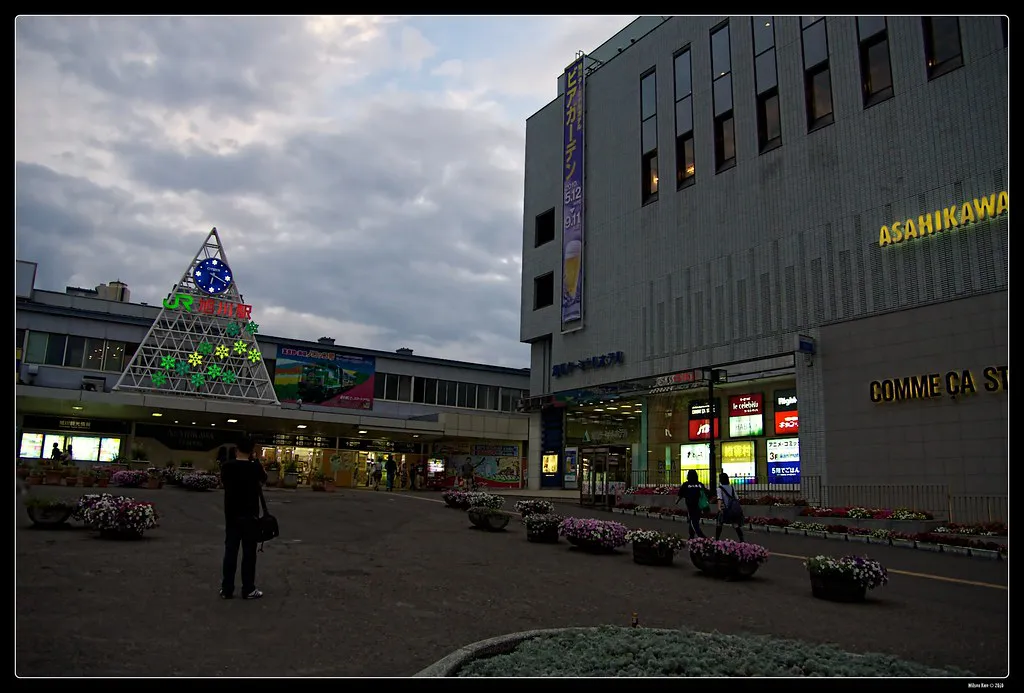
The most practical area for first-time visitors is the neighborhood surrounding JR Asahikawa Station (Miyashitadori). Staying here puts you beside the main bus terminal, the Aeon Mall, and the Kaimono-koen pedestrian shopping street. In winter, the station area also connects to heated underground walkways, so you can reach convenience stores without stepping into sub-zero air.
The 1-jo to 7-jo dori blocks form the commercial and nightlife core. These streets hold hundreds of izakayas, ramen counters, and the Sanroku entertainment district. Business travelers and those who want easy dinner access gravitate here; it is roughly a ten-minute walk from the station, which is manageable in good weather but tiring in heavy snow.
The 6-9 Jodori district is a more boutique alternative anchored by OMO7 Asahikawa. The vibe is younger and more design-conscious, with independent cafes surrounding the property. It is about twelve minutes on foot from the station, so plan to use taxis if you are arriving with large bags or on an icy evening.
For those seeking peace and quiet, the areas near Tokiwa Park offer a more scenic environment with Ishikari River walking paths. However, you will rely on taxis or buses for most errands. This sector suits travelers who have a rental car and prefer a quieter sleep environment over urban convenience.
Best Hotels near Asahikawa Station
Staying within a five-minute walk of JR Asahikawa Station is the most efficient choice when visiting Asahiyama Zoo in winter, because the direct bus to the zoo departs from the station's north exit. These hotels also give you the fastest connection to JR trains for Biei and Furano day trips. A practical note: the East Exit (Higashi-guchi) is quieter and slightly less expensive for hotels; the South and Main exits are more convenient for the Aeon Mall and the covered shopping arcade.
- JR Inn Asahikawa — Connected directly to the Aeon Mall and the station. Rooms cost ¥9,000–¥20,000 per night. The pillow menu is a welcome touch after long travel days. Direct access means you never need to go outside, which matters in January when temperatures drop below −15°C.
- Hotel Route Inn Grand Asahikawa Ekimae — A two-minute walk from the station square. Rates average ¥8,500–¥16,000. The top-floor public bath overlooks arriving trains. Larger rooms than the standard Route-Inn branches in the city, and the buffet breakfast includes Hokkaido dairy products.
- Y's Hotel Asahikawa Ekimae — Literally next to the station, with a gender-separated public bath and sauna on the top floor. A bus stop directly in front serves Asahiyama Zoo penguin walk and the airport. Good for solo travelers and couples prioritizing morning convenience over room size.
- Hotel Wing International Asahikawa Ekimae — About a two-minute walk from the station. Rooms are clean and modern without a fancy onsen, but the Hokkaido-style breakfast buffet with local ingredients and city views is genuinely excellent. Solid budget-to-mid-range pick for sightseeing-focused stays.
- Toyoko Inn Hokkaido Asahikawa-eki Higashi-guchi — The budget anchor in this area at ¥6,000–¥8,500 per night, including a basic free breakfast. It sits on the quieter East Exit side. Parking fills by 16:00, so arriving by train is strongly preferred.
Best Hot Spring Hotels in Asahikawa and Nearby
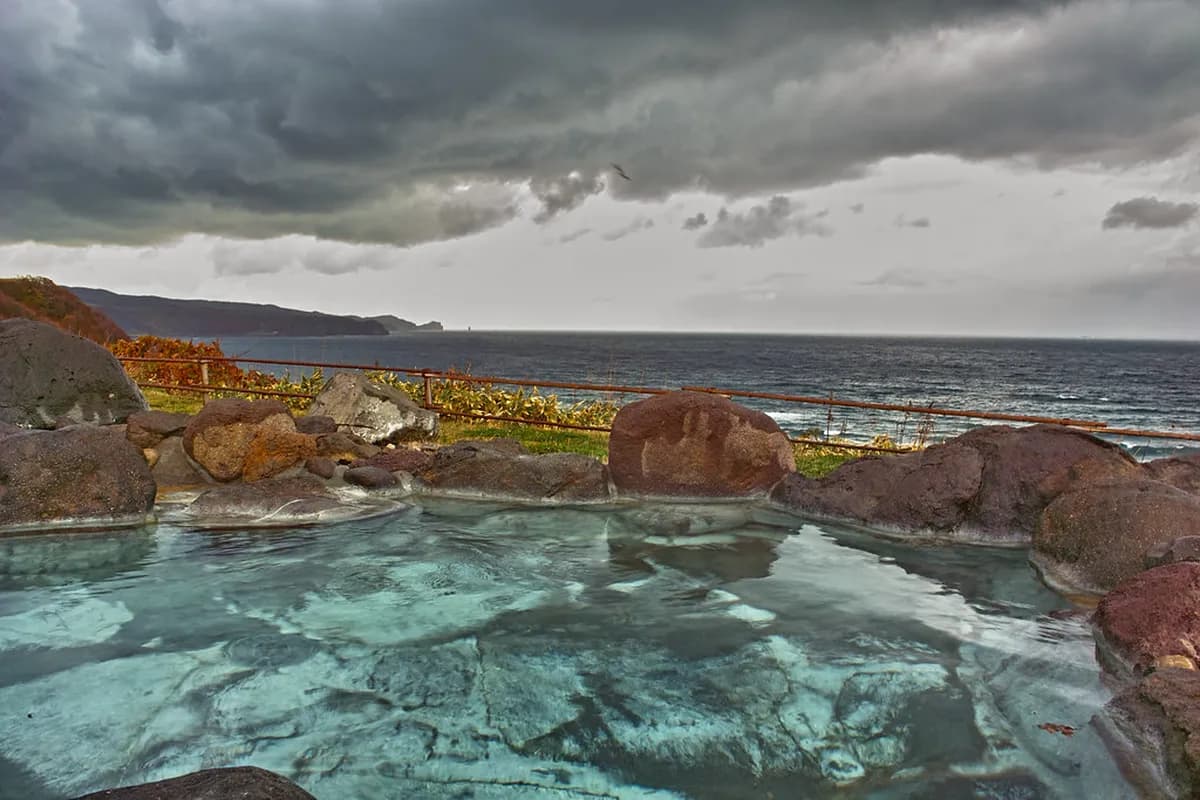
Asahikawa itself has a handful of city-center hotels with piped natural hot springs, while the surrounding mountains offer full ryokan-style retreats within ninety minutes. The in-city options are ideal for travelers who want onsen convenience without leaving the station area. The mountain resorts require more travel time but deliver a genuinely different experience — open-air baths above snow-covered gorges or forest valleys.
- Hotel WBF Grande Asahikawa — Two minutes from the station. The Minapirika no Yu natural hot spring is an indoor bath paired with a stone sauna. Rooms come with humidifying air purifiers, a genuine comfort advantage in dry Hokkaido winters. Multilingual staff (English, Chinese, Korean). Rates from ¥8,000–¥17,000.
- Super Hotel Asahikawa — A five-to-six-minute walk from the station. Features the Daisetsuzan no Yu indoor natural hot spring. Complimentary healthy breakfast with freshly baked bread. One of the better value-for-money onsen hotels in the station zone at roughly ¥7,000–¥12,000.
- Dormy Inn Asahikawa — Located in the 1-jo dori area, about eight minutes from the station. Dormy Inn's natural hot spring (Nettaino Yu) is open until 02:00, which makes it practical for late diners returning from the Sanroku district. The midnight ramen service, a Dormy Inn signature, is worth factoring in. Rates from ¥8,000–¥15,000.
- Sounkyo Onsen Choyo Resort Hotel — About ninety minutes from Asahikawa by bus into Sounkyo Gorge. Indoor and open-air hot springs, a stone spa, and private baths available for couples wanting a quiet soak. A free shuttle runs from Asahikawa and Sapporo. Full-board plans with Japanese breakfast are the standard booking format.
- Mori no Yu Hotel Hanakagura — Thirty minutes by car from the station, set beside a forest park and twenty minutes from Asahiyama Zoo. Open-air baths with mountain views and some cottage rooms featuring private outdoor baths. Best reached with a rental car. Suitable for families and nature-focused travelers.
True private onsen rooms are uncommon in central Asahikawa. If a private soak is essential, the rural options — Sounkyo Onsen or Mori no Yu — are your best choices. City-center hotels like WBF Grande and Dormy Inn offer well-maintained public facilities that are genuinely satisfying after a cold day out.
OMO7 Asahikawa by Hoshino Resorts
OMO7 Asahikawa sits in the 6-9 Jodori district, about twelve minutes on foot from the station. It is the most concept-driven hotel in the city, and Hoshino Resorts has built the entire experience around local neighborhood exploration. The hotel maintains a large illustrated map of the surrounding area in the lobby, curated by staff who actively know the area — this is the Go-Kinjo (neighborhood roaming) program, and it is the hotel's main differentiator from chain competitors.
Rooms are modern and comfortable, with a communal bath and sauna for unwinding after long days. The property is surrounded by independent cafes and small restaurants, so you do not need to go far for good meals. Rates typically run ¥11,000–¥27,000 depending on season and room type, making it the highest-priced option among central Asahikawa hotels.
This hotel is the best fit for travelers who want a curated local experience and are comfortable with slightly more walking. If you have heavy luggage or plan to take the Biei/Furano trains frequently, the additional distance from the station adds friction — a taxi from the station costs around ¥1,000. For guests who want to spend evenings in the Jodori dining scene and days exploring the city's quieter streets, the location feels ideal rather than inconvenient. You can find an in-depth review at powderholidays.com.
Premier Hotel -CABIN- Asahikawa
Premier Hotel -CABIN- sits in the 1-jo dori area, a short walk from both the station and the Sanroku bar district. The rooftop public onsen offers a view of the Daisetsuzan mountains on clear mornings — a genuinely memorable way to start a winter day. The sauna accompanying the bath is well-maintained and popular with guests who spend evenings out in the cold.
Business travelers use this hotel frequently because of its combination of location, meeting-friendly amenities, and the rooftop bar, which opens in the evening and stocks local Hokkaido whisky and draft beer. Rates range from ¥7,000–¥15,000 per night, placing it comfortably in the mid-range bracket. The surrounding streets have no shortage of late-night dining options, so arriving late is never a problem for finding food.
9C Hotel Asahikawa
The 9C Hotel (Nine C) is a boutique hybrid that offers both standard private rooms and higher-end capsule options with a minimalist Japanese aesthetic. It sits about five minutes on foot from the station along the Kaimono-koen shopping street. Private doubles start around ¥4,500–¥11,000, while capsule pods cost from ¥3,500 — among the lowest price points in the central area.
The ground-floor cafe operates as a social space where solo travelers tend to meet and share local tips over craft beer and coffee. This communal atmosphere sets the 9C apart from the chain hotels nearby. It is particularly well-suited to solo travelers, younger visitors, and those who prioritize social connection and budget over private facilities.
Tabist THE GREEN ASAHIKAWA
Tabist THE GREEN is the best option for long-stay travelers or those doing an extended Hokkaido road trip. Room sizes are generous compared to most Japanese business hotels in the same price range, and the self-service laundry facilities are modern and easy to use. Rates fall between ¥5,500–¥10,000 per night, making week-long stays financially practical.
The property sits slightly further from the station, so factoring in the local bus is necessary for daily sightseeing. Some rooms include basic kitchenette functionality, which matters on longer stays where eating out every meal adds up. The lack of a dedicated onsen or rooftop bath is the main trade-off versus mid-range competitors, but for value-per-square-meter this is the strongest option in the city.
Family-Friendly Stays in Asahikawa
Families traveling with children benefit from staying either near the station — for bus access to Asahiyama Zoo — or slightly outside the city center where room sizes are larger and parking is free. The major chain hotels around the station (Route Inn Grand, JR Inn) have accessible rooms and wide corridors suitable for strollers, though the rooms themselves can be tight for families of four.
Glamping Hill Asahikawa is the standout choice for families wanting space and outdoor access. It is a large private rental with panoramic city views, a BBQ deck, outdoor picnic area, private sauna, and free on-site parking. Heating and air conditioning keep the space comfortable across seasons. This option requires a car — the property is not walkable from the station — but for families with young children who want room to move freely, it is the most relaxed way to base in the region.
Mori no Yu Hotel Hanakagura is another family-suitable choice about thirty minutes by car from the station, with cottage rooms featuring private outdoor baths and forest surroundings. It is twenty minutes from Asahiyama Zoo, making it a practical base for families planning multiple zoo visits. Breakfast leans traditional Japanese, but the setting is quieter and less commercially dense than anything near the station.
Points of Interest: Which Hotel Works for Which Attraction
Where you stay in Asahikawa shapes how easily you reach each major site. The station area is the clear hub for most traveler priorities — but matching your accommodation to your itinerary saves real time and taxi money over a multi-day stay.
- Asahiyama Zoo — Any station-area hotel is ideal. The direct bus from the North Exit (Bus 41 or 47) runs from 09:00 in season and takes about forty minutes. Y's Hotel has a bus stop immediately in front of the main entrance.
- Biei and the Blue Pond — Station hotels are essential. JR local trains to Biei depart Asahikawa Station and take thirty-five minutes. OMO7's twelve-minute walk to the station adds noticeable friction if you are catching the 07:30 first train.
- Furano and Ningle Terrace forest cabins — Again, station-area lodging. The JR Furano Line takes seventy-five minutes from Asahikawa. Budget ninety minutes door-to-door from non-station hotels.
- Sounkyo Gorge and Daisetsuzan — Consider staying one night at Sounkyo Onsen Choyo Resort Hotel instead of commuting. The ninety-minute bus ride each way makes a day trip feasible but tiring; an overnight saves the return trip and adds a hot spring evening.
- Tokiwa Park and Ishikari Riverside — ART HOTEL Asahikawa is the closest option; a complimentary shuttle to the station makes logistics manageable for those without a car.
- Sanroku nightlife and ramen — Premier Hotel -CABIN- and the 9C Hotel are both within short walking distance of the concentrated bar and ramen district.
Is Asahikawa a Good Base for Biei and Furano?
Many travelers wonder if they should stay in the rural hills of Biei or the urban center of Asahikawa. Asahikawa is a superior base if you value a wide variety of dining options and evening entertainment. The train ride to Biei takes only about thirty-five minutes, making day trips incredibly easy and affordable.
During the peak winter season, driving in the rural areas can be challenging for those unused to heavy snow. Staying in the city allows you to use the reliable public transport system rather than risking icy country roads. You can also find better hotel availability in the city compared to the limited pensions in the countryside.
Furano is slightly further away, taking about seventy-five minutes by local train. If your primary goal is skiing in Furano every day, staying there might save you significant travel time. However, for a general sightseeing itinerary, Asahikawa offers a more central and convenient location.
I often recommend spending three nights in Asahikawa to cover the city, the zoo, and a day trip south. This pace allows you to enjoy the city's famous culinary scene without feeling rushed between destinations. Exploring this itinerary is easier after reading about the route from Sapporo to Asahikawa first.
Safety and Accessibility Tips in Asahikawa
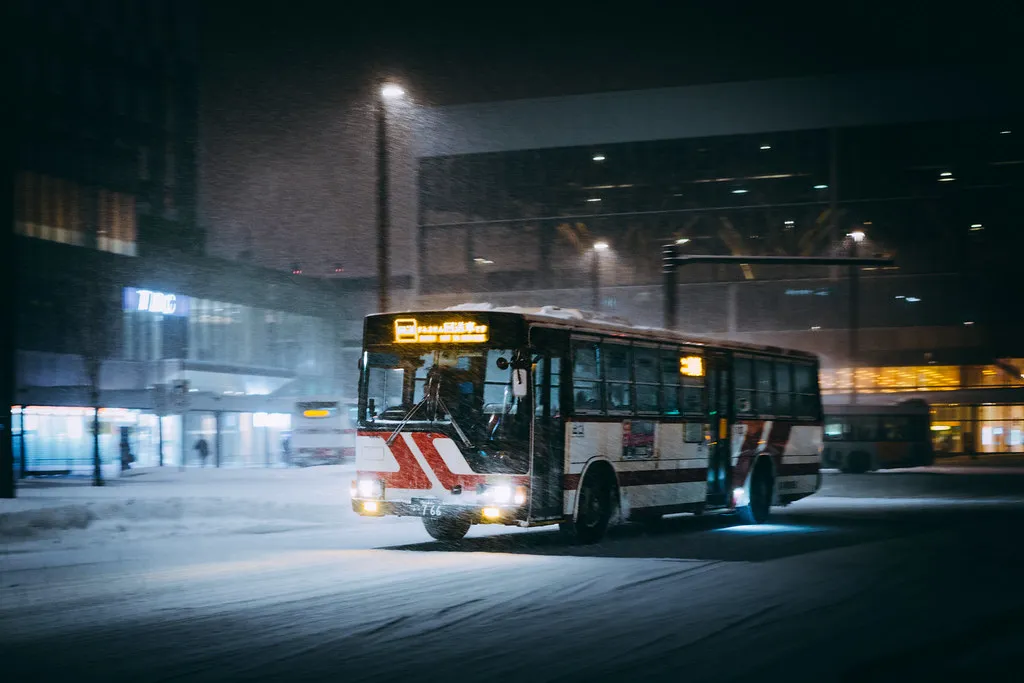
Winter in Asahikawa brings significant snowfall and icy conditions that require careful navigation on foot. Many major intersections near the station feature heated pavements to prevent ice buildup for pedestrians. I suggest wearing shoes with retractable metal spikes or purchasing slip-on grips (yakutsugi) from a local convenience store or drugstore for around ¥500–¥1,200.
The city is generally very accessible, with most modern hotels offering elevators and wide corridors for wheelchairs. The JR station itself is fully barrier-free, including tactile paving and accessible restrooms throughout the terminal. However, some older izakayas in the Sanroku district may have narrow stairs or small entrances that are not wheelchair-friendly.
If you are driving, be aware that many hotels charge a daily fee for parking, typically around ¥500–¥1,500. Multi-story parking garages are common, but they may have height restrictions that affect larger vans or SUVs. Always clear the snow off your rental car completely before driving to ensure full visibility on the road.
Public buses are the primary way to reach the outskirts, and they are generally punctual even in bad weather. Most buses now accept IC cards like Suica or Pasmo, though having some spare yen is always a good backup. The local drivers are very experienced with winter conditions, so taking the bus is often safer than driving yourself in unfamiliar snowfall.
What to Skip: Common Accommodation Mistakes
While there are many great choices, I suggest skipping the older Hotel Route-Inn Asahikawa Ekimae Ichijodori if possible. The newer 'Grand' version of the same chain offers much better value and more modern room interiors. The price difference is often negligible, but the comfort levels vary significantly between these two properties.
I also recommend avoiding hotels located on the far outskirts unless you have a dedicated rental car. Taxis in Japan are expensive, and a few days of commuting to the center can cost more than a premium hotel. Walking from the outskirts in sub-zero temperatures is not an enjoyable way to spend your vacation.
Be cautious when booking 'Adult Only' hotels if you are looking for a standard tourist experience. These properties are often located in specific districts and may not offer the services typical travelers expect. Stick to the reputable chains or boutique hotels mentioned in this list for a guaranteed level of quality.
Frequently Asked Questions
Which hotels in Asahikawa offer free parking?
Most central hotels charge a daily fee between ¥500 and ¥1,500 for parking. Glamping Hill Asahikawa and Mori no Yu Hotel Hanakagura offer free on-site parking outside the city, but you will need a car to reach them. Always confirm your vehicle's height with the hotel if using a mechanical garage.
Which Asahikawa hotels offer private onsen or private baths?
True private onsen are rare in the city center, but Hotel WBF Grande and Dormy Inn offer excellent public natural hot spring facilities. For a private experience, Sounkyo Onsen Choyo Resort Hotel and Mori no Yu Hotel Hanakagura have cottage rooms with private outdoor baths. You may need to look at rural ryokans in Biei for traditional private baths.
How do I get to Asahikawa from the main airport?
The easiest way is arriving from Sapporo to Asahikawa via the JR Limited Express train. The journey takes approximately 85 minutes and runs frequently throughout the day. Buses are also available from New Chitose Airport for a lower cost but a longer travel time.
Choosing where to stay in Asahikawa depends largely on your priorities for convenience, budget, and local atmosphere. The station area remains the top choice for most, while the 6-9 Jodori district offers a more unique cultural experience. No matter where you choose, the city's incredible food and friendly locals will make your Hokkaido journey memorable.
I hope this guide helps you find the perfect base for your 2026 winter or summer adventures. Safe travels, and enjoy every bowl of ramen you find in this snowy northern gem.
Free guide: Japan's Hidden Gems
12 under-the-radar places beyond Tokyo & Kyoto — with the best season to visit each and a local tip you won't find in the guidebooks.
You might also like


Continue reading
More guides you'll find useful