10 Best Hokkaido Onsen Resorts to Visit (2026 Guide)
Discover the best hokkaido onsen with our 2026 guide. From Jozankei to Noboribetsu, find top hot springs, private ryokan, and expert travel tips.
On this page
After soaking in dozens of geothermal baths across this northern island, I have found that Hokkaido onsen culture is truly unmatched. The sheer variety of mineral compositions and stunning natural backdrops creates a therapeutic experience unlike anywhere else in Japan. Whether you seek a snowy mountain retreat or a seaside soak, these volcanic waters offer the ultimate relaxation for weary travelers.
This guide was last refreshed in October 2025 to ensure all pricing and access details remain accurate for your 2026 travels. Hokkaido is famous for its vast wilderness, making these hot springs essential stops between exploring other major Hokkaido attractions during your journey. I recommend visiting during the colder months to fully appreciate the contrast between the crisp air and the steaming water.
Planning the perfect soak requires understanding the unique characteristics of each region, from the sulfurous pits of Noboribetsu to the moor springs of Tokachi. Consulting the Best Time To Visit Hokkaido: 10 Essential Seasonal Insights will help you align your trip with peak foliage or winter festivals. Our editorial team has vetted these locations to provide a balanced mix of iconic landmarks and secluded local favorites.
Useful resources: the official Visit Hokkaido site and Japan National Tourism Organization have current access and seasonal details.
10 Popular Hot Springs in Hokkaido (2026)
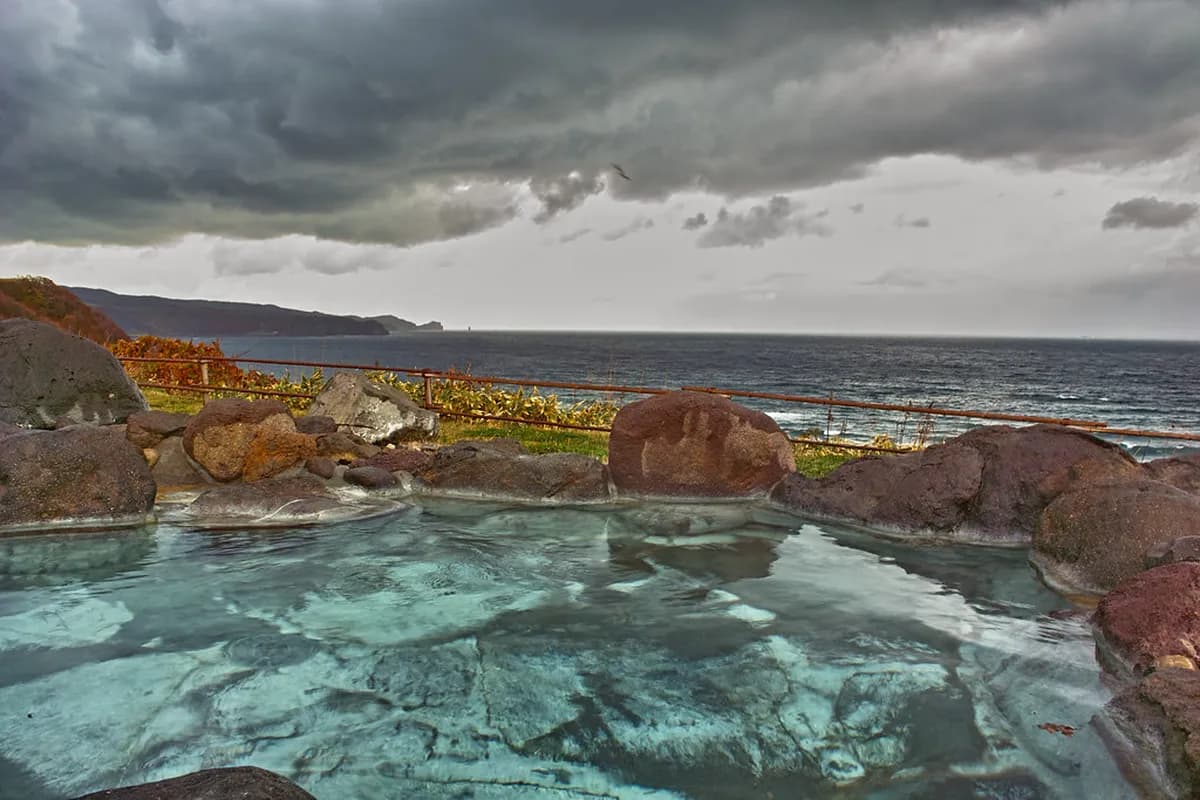
The central and southern regions of the island hold the highest concentration of famous geothermal hubs accessible to international visitors. Most of these locations feature large public bathhouses alongside traditional Japanese inns known as ryokan. You will find that many resorts now offer diverse types of onsen available ranging from indoor cedar tubs to outdoor stone pools.
Entry fees for day-use visitors are generally affordable, though staying overnight provides a much more immersive cultural experience. I suggest arriving at popular baths before 3pm to avoid the rush of overnight guests checking into their rooms. Many facilities also offer meal packages that include local seafood, which is a hallmark of the northern Japanese hospitality tradition.
The following list highlights the most reliable and scenic spots that consistently earn top marks from seasoned travelers and locals alike. Each entry includes practical data on how to reach the area and what to expect regarding costs and operating schedules. Keep in mind that some remote locations may have limited English signage, so carrying a translation app is often helpful.
- Jozankei Onsen (Sapporo Mountain Retreat)
- Jozankei Onsen serves as the primary mountain retreat for residents living in nearby Sapporo.
- Most facilities open daily from 10:00 to 21:00 with entry fees ranging from ¥1,200 to ¥2,500 per person.
- Take the Kappa Liner bus from Sapporo Station for a direct 60-minute journey to the valley.
- Walk to the Futami Suspension Bridge for the best photos of the river valley before your soak.
- Noboribetsu Onsen (The Valley of Hell)
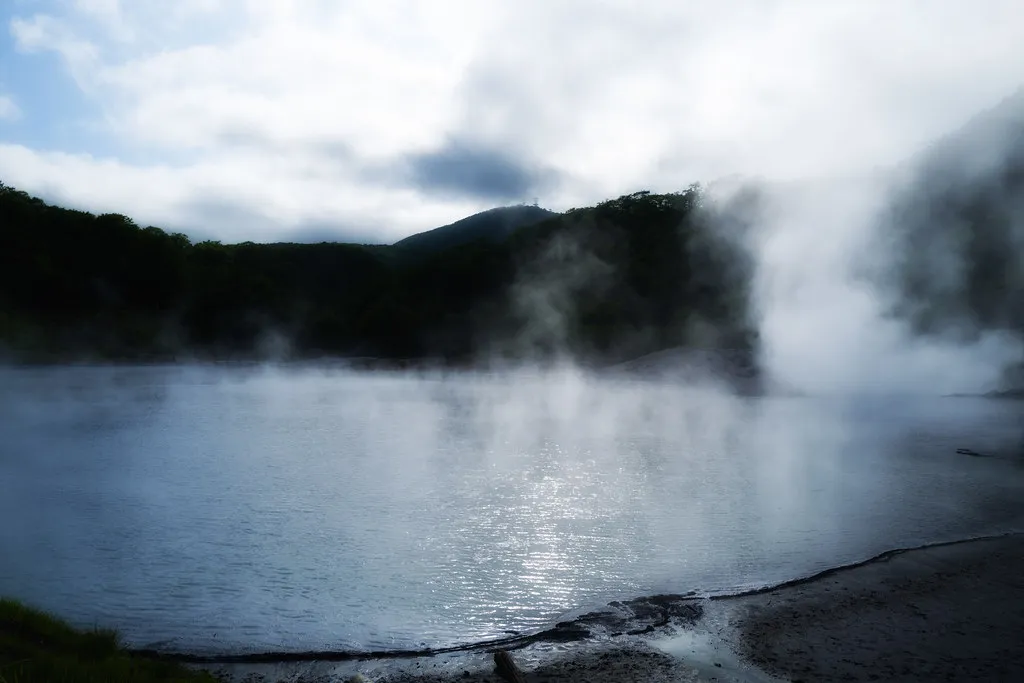
- Noboribetsu is Hokkaido's most famous hot spring town, known for its dramatic volcanic steam vents and nine distinct spring water types — the highest variety of any single onsen town in Japan.
- Public baths typically charge ¥1,500–¥2,000 while grand hotel spas may cost up to ¥3,500 for day use.
- The area is easily reached via a 70-minute limited express train ride from Sapporo or New Chitose Airport.
- Check the official park site for trail closures in Jigokudani before planning your morning hike. The Oyunuma River Natural Footbath nearby is free and walkable from the valley.
- Lake Toya Onsen (Volcanic Lakeside Views)
- This scenic resort area offers baths with panoramic views of a massive volcanic caldera and Mount Yotei.
- Outdoor baths are generally open from 13:00 to 21:00 with adult entry prices averaging around ¥1,500 per person.
- Buses run regularly from Toya Station, which is connected to the main JR line from Sapporo.
- Visit between May and October to enjoy the nightly fireworks displays right from your outdoor soaking tub.
- Yunokawa Onsen (Hakodate Seaside Springs)
- Yunokawa is one of the oldest spring areas in the region and sits right along the southern coastline near Hakodate.
- Public footbaths are free while indoor facilities usually cost ¥700–¥1,500 and open from early morning until late night.
- The Hakodate city tram provides a direct and charming 30-minute connection from the main Hakodate Station.
- Stop by the nearby tropical botanical garden to see the famous macaques soaking in their own hot spring.
- Sounkyo Onsen (Daisetsuzan National Park)
- Located deep within a canyon, this village offers rustic baths surrounded by towering basalt cliffs and waterfalls.
- Day-use baths are usually available from 11:00 to 18:00 for approximately ¥800–¥1,300 per adult visitor.
- Access requires a bus ride from Kamikawa Station or a long drive through the scenic mountain passes.
- I recommend visiting during the Ice Waterfall Festival in winter for a truly magical evening atmosphere.
- Tokachigawa Onsen (Rare Moor Springs)
- This area is unique for its plant-derived 'moor' water which is said to be exceptionally gentle on the skin and is the only certified moor-type hot spring in Asia.
- Most ryokan open their baths to the public from 13:00 to 20:00 with fees around ¥1,200 per person.
- The springs are located a short 20-minute bus or taxi ride from the central Obihiro Station area.
- Look for the 'Golden Water' label on bath menus to ensure you are getting the authentic organic mineral soak.
- Lake Akan Onsen (Ainu Cultural Hub)
- Lake Akan combines deep volcanic waters with the rich heritage of the indigenous Ainu people of Hokkaido.
- Rooftop baths overlooking the lake typically cost ¥1,500–¥2,500 and operate from noon until the early evening.
- Direct 'Akanko Express' buses run from Kushiro Station and take roughly 90 minutes to reach the village.
- Visit the Ainu Kotan village nearby after your bath to watch traditional woodcarving and evening dance performances.
- Niseko Onsen (Post-Ski Recovery)
- Niseko offers a variety of mineral-rich springs that are perfect for soothing muscles after a day on the slopes. Niseko Kiranoyu Onsen was renovated in December 2019 and now has multilingual ticket machines — rare in Hokkaido.
- Entry fees are typically ¥500–¥700 at local community baths, rising to ¥1,500–¥2,000 at resort hotel facilities.
- Shuttle buses connect the major ski resorts to various local onsen during the busy winter peak season.
- Purchase an 'Onsen Pass' at the tourist center to save money if you plan to visit multiple baths.
- Shirogane Onsen (Near the Blue Pond)
- Shirogane is a quiet mountain village famous for its proximity to the stunning Shirogane Blue Pond in Biei.
- Baths here typically cost ¥800–¥1,200 and are open daily from 10:00 until the early evening hours.
- A rental car is the most practical way to reach this remote area from Biei or Asahikawa.
- The water here has a distinct brownish hue due to high iron content which is excellent for circulation.
- Asari Onsen (Otaru's Hidden Valley)
- Nestled in a forested valley near Otaru, this quiet spot offers a more intimate and local bathing experience.
- Expect to pay ¥1,000–¥1,600 for entry with most facilities operating from 10:00 to 20:00 throughout the week.
- Take a local bus from Otaru Station for a quick 20-minute ride into the peaceful mountain surroundings.
- This is an excellent alternative to the busier Sapporo springs if you prefer a silent, natural environment.
Popular Hot Springs near Sapporo
Sapporo is the most common base for first-time visitors to Hokkaido, and it places you within easy reach of several outstanding onsen districts. Jozankei Onsen sits just 28 km southwest of central Sapporo in a steep river valley, accessible by the Kappa Liner highway bus (60 minutes, ¥1,100 one way) running six times daily from Sapporo Station. Marukoma Onsen Ryokan on the shores of Lake Shikotsu is another strong option — approximately 60 minutes from New Chitose Airport by shuttle bus — and is well-known for its natural open-air bath that connects directly to the lake, meaning water levels shift with the seasons for a different visual experience each visit.
For a truly hidden experience close to the city, Hōheikyō Hot Spring sits about 40 minutes southwest of central Sapporo in the inner Jozankei valley. The baths are carved from natural bamboo, wood, and stone, and the facility draws from sodium chloride springs at 60–80 degrees Celsius at the source. On odd-numbered days women access the main outdoor baths; on even-numbered days men rotate in, so it is worth planning your visit accordingly if access to all three outdoor pools matters to you.
Lake Kussharo in eastern Hokkaido offers one of the island's most unusual free soaks at Kotan Open-air Hot Spring, set right on the lakeshore. In winter, whooper swans gather on the unfrozen sections of the lake while you soak, making for a scene unique to Hokkaido. The spring opens Tuesday and Friday from May to October, and Fridays only from November to April — confirm this schedule before making the journey, as closures are not always posted in English.
Hokkaido Onsen Water Types: Which Spring Suits You?
Hokkaido's volcanic geology produces a wider range of spring water chemistry than almost anywhere else in Japan. Noboribetsu alone discharges around 10,000 tonnes of water daily across nine distinct mineral types — more variety in one town than most travelers encounter in an entire Japan trip. Understanding which water type suits your needs takes the guesswork out of choosing where to soak.
- Sulfur springs (ryuuousen): The classic smell of Noboribetsu and Sounkyo. Good for skin conditions, eczema, and respiratory issues. The cloudy, milky appearance signals high sulfur content. Avoid if you have sensitive skin prone to irritation.
- Sodium chloride springs (enshuu): Found in Jozankei and the Sapporo area. These are warming baths that prevent heat loss after you leave the water — ideal in winter. The salt content also softens and moisturises skin, making them popular with families.
- Moor springs (mooru-sen): Exclusive to Tokachigawa near Obihiro. Derived from decomposed ancient plant matter rather than volcanic rock, these brown-tinted waters have a pH close to neutral and are exceptionally mild. Recommended for sensitive skin, pregnant women, and elderly visitors who find sulfur baths too intense.
- Iron springs (fuusuu): Identifiable by the rust-red or brownish water at places like Shirogane. Traditionally associated with improving circulation, fatigue recovery, and anaemia. The iron oxidises on contact with air, staining white towels — bring a dark-coloured one.
- Bicarbonate springs (juusousen): Silky, smooth water found at community baths in the Niseko area such as Yusenkaku Konbugawa. The alkaline water dissolves sebum, leaving skin very smooth. Often called "beautiful skin" water by locals.
A practical tip: if you are post-ski or post-hiking and primarily want muscle recovery, sodium chloride and bicarbonate springs deliver the fastest relief because their warming and alkaline properties ease lactic acid build-up. For skin goals, moor water (Tokachigawa) and bicarbonate springs (Niseko area) consistently outperform the more dramatic sulfur baths. None of the major resort hotel marketing material explains this clearly — they tend to list spring types without explaining why it matters for your body.
Ryokan in Hokkaido with Private Onsen
For travelers who value privacy or have large tattoos, booking a ryokan with a private bath is the best solution. You can often find 'kashikiri' baths — private rooms rented by the hour for a small additional fee — at mid-range properties before you commit to an expensive room upgrade. High-end properties like Okujozankei Onsen Kasho Gyoen (Jozankei, from around ¥85,000 per night for two with kaiseki) offer rooms with dedicated stone tubs built onto forest-facing balconies.
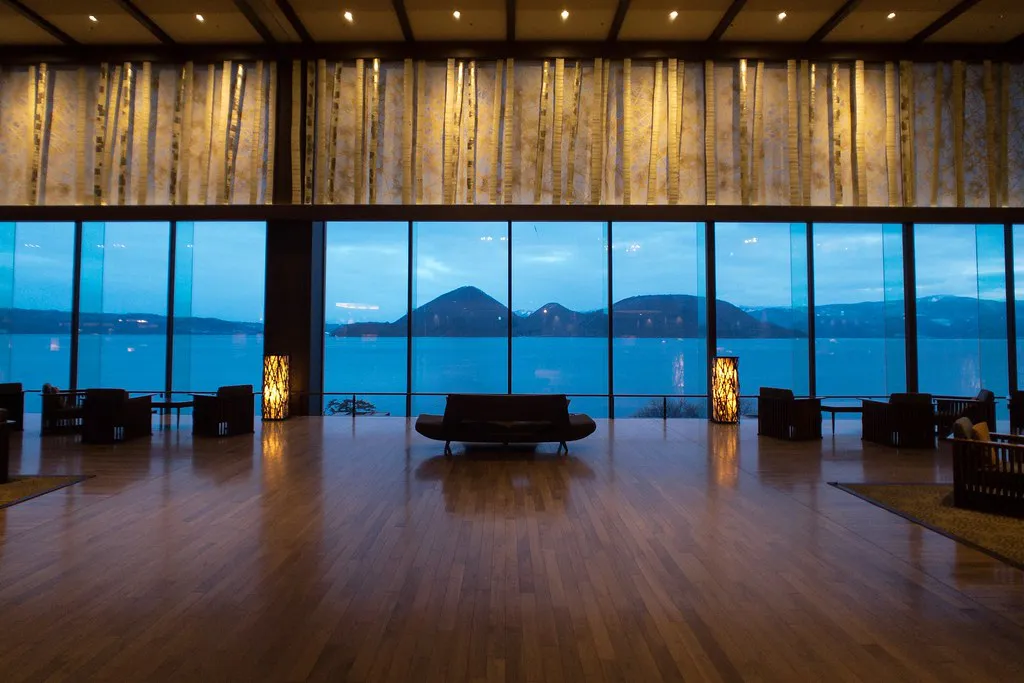
Private onsen ryokan in Hokkaido span a wider price range than many travelers expect. At the entry end, Hotel Neu Schloss Otaru near the Sea of Japan coast starts from around ¥37,000 per night for two without meals and includes private open-air rotenburo on room terraces overlooking the ocean. Mid-range options like Jozankei Daiichi Hotel Suizantei (from approximately ¥58,000 per night for two with meals) sit in the heart of the Jozankei valley and have operated since 1957, retaining traditional woodwork throughout. At the top tier, Lake Toya Tsuruga Resort HIKARINOUTA opened in April 2023 and starts from around ¥110,000 per night for two with meals — its premium suites include private onsen, balcony views of the Lake Toya caldera, and even a resident harpist in the lobby.
If you plan to visit Hokkaido in Winter: 10 Essential Experiences and Itinerary Guide, these private baths allow you to watch the snowfall in total solitude. I suggest booking at least three months in advance because rooms with private plumbing are the first to sell out, especially during ski season (December to March) and autumn foliage season (mid-October to early November). Always check whether the private tub uses 'kakenagashi' flow-through water piped directly from the source, or recycled filtered water — this is a meaningful quality difference that properties rarely volunteer upfront but will confirm when asked.
Many travelers also enjoy the 12 Best Hokkaido Foods You Must Try favorites served in-room at these high-end establishments. The kaiseki dinner included in most ryokan packages features seasonal Hokkaido seafood — snow crab in winter, Hairy crab in spring, and Hokkaido salmon in autumn. Combining a private soak with a private multi-course meal creates a seamless evening without needing to leave your suite.
How to Plan a Smooth Hokkaido Onsen Trip
Navigating the island's vast distances requires some foresight, especially if you are heading to more remote northern springs. I highly recommend Top 10 Essential Tips for a Hokkaido Rent A Car Road Trip to reach hidden spots that buses simply do not service. Driving allows you to set your own schedule and stop at scenic viewpoints that are often located near volcanic zones.
Standard etiquette requires washing your body thoroughly at the provided stations before entering any communal soaking pool. Most facilities provide soap and shampoo, but you should bring your own small towel for drying off before re-entering the locker room. Remember that loud conversations are generally discouraged as most visitors come to these spaces for quiet reflection and peace.
Check the How To Get To Hokkaido guide to see which airport is closest to your desired hot spring cluster. Flying into Hakodate is perfect for Yunokawa and Ginkonyu, while New Chitose is better for Noboribetsu and the Sapporo area resorts. Always carry some cash in Japanese Yen as many smaller, traditional bathhouses do not yet accept international credit cards.
Planning a Trip to Japan?
Hokkaido is a massive island, and it is often best treated as a standalone destination or a significant addition to a Tokyo trip. If you are looking for a truly unique experience, consider visiting Hidden Hokkaido locations that remain off the main tourist path. One of Japan's most secluded hot springs can be found at Ginkonyu, nestled in southern Hokkaido forests near the town of Yakumo — access the official site (Japanese) for shuttle bus reservation details, which are required in advance from Otoshibe Station on the JR Hakodate Main Line.
Ginkonyu takes its name from the silver wedding anniversary of Emperor Taisho, when the spring first began to flow — making it a particularly meaningful destination for couples. Five secluded forest hot springs along a private trail require a key collected at the front desk, with limited keys available per day. Early afternoon check-in is strongly recommended if you want guaranteed access to all five. The mineral water is said to relieve shoulder stiffness, lower back pain, and skin conditions, with a large kakenagashi main bath as the centerpiece.
The island's vast wilderness is protected by several 6 Best Hokkaido National Parks that house many of these natural springs. Integrating a soak into a day of hiking or wildlife spotting provides a rewarding end to an active outdoor itinerary. Most international travelers find that four to seven days is the ideal amount of time to explore one or two major regions, with a Sapporo base covering Jozankei and Noboribetsu efficiently by public transport.
How to Choose the Right Onsen Experience in Hokkaido
Most visitors default to Noboribetsu or Jozankei simply because they appear first in search results, but neither is automatically the right fit for every traveler. The decision comes down to three factors: how much time you have, whether you prioritise ease of access or authenticity, and what you want from the water itself.
If you have only one day from Sapporo, Jozankei is the clear winner — it is the only major onsen town reachable by bus in under 90 minutes without a train transfer. If you have two or more nights, Noboribetsu gives you Jigokudani plus nine spring types plus a full resort town with restaurants and shops, making it far more self-contained as a base. For visitors traveling by rental car and seeking something genuinely off the tourist path, the community baths around Niseko (Kiranoyu, Yusenkaku, Kyokoku) charge ¥500–¥1,000 entry and are used almost exclusively by locals — a completely different atmosphere from the grand resort hotels.
Families with children should consider Midorinokaze Resort Kitayuzawa near Date, which has one of Hokkaido's largest outdoor onsen areas and offers baths infused with yuzu, honey, and green tea, at temperatures suitable for younger visitors. Solo travelers and couples looking for the most intimate experience should weight Tokachigawa (Obihiro area) or Akan, both of which have fewer tour-group buses than the western onsen towns. Skip the generic super-sento bathhouses in central Sapporo city — they are convenient but use treated municipal water rather than genuine geothermal springs, which defeats the purpose of coming to Hokkaido specifically for onsen.
Where to Experience This
The classic hot-spring base is Noboribetsu; for the full trip see things to do in Hokkaido.
Frequently Asked Questions
Which hokkaido onsen options fit first-time visitors?
Jozankei and Noboribetsu are the best choices for first-time visitors due to their easy access from Sapporo. These areas offer a wide range of English-friendly ryokan and clear transportation links. You can experience both grand resort baths and smaller, traditional inns in these locations.
How much should I expect to pay for a day-use onsen?
Most public hot springs in Hokkaido cost between $5 and $15 for day-use entry. Some luxury hotels may charge up to $25 if they include towel rentals and access to multiple pools. Always check if the price includes a small towel or if you need to bring your own.
Can I enter a Hokkaido onsen if I have tattoos?
Many traditional onsen still restrict guests with visible tattoos, though policies are slowly becoming more relaxed. To avoid issues, look for tattoo-friendly facilities or book a private 'kashikiri' bath. Using waterproof bandages to cover small tattoos is also a common and accepted practice.
Hokkaido onsen culture offers a profound connection to the island's volcanic heart and its serene natural beauty. From the sulfurous steam of Noboribetsu to the organic moor waters of Tokachi, there is a perfect soak for every type of traveler. By choosing the right location and following local etiquette, you can enjoy one of Japan's most authentic and relaxing traditions.
Whether you are planning a winter ski trip or a summer road adventure, these hot springs provide the perfect sanctuary. I hope this guide helps you navigate the best baths the northern island has to offer in 2026 and beyond. Safe travels and enjoy the healing waters of Hokkaido.
Free: The Sapporo Essentials guide
Top things to do, where to stay, a perfect day plan, getting around, and the best time to go — a Sapporo mini-guide you can take offline.
You might also like


Continue reading
More guides you'll find useful