

25 Best Things to Do in Hokkaido: The Ultimate Guide (2026)
Discover the 25 best things to do in Hokkaido, from Furano's flower fields to Niseko's slopes. Expert tips on food, timing, and hidden gems for 2026.
On this page
After exploring Hokkaido across four different seasons, I have seen how the island transforms from a frozen tundra into a floral paradise. Unlike the neon-lit streets of Tokyo, this northern frontier offers a wild, rugged beauty that feels entirely separate from the mainland. Our editors have vetted every location on this list to ensure you experience the most authentic side of Japan's great wilderness.
This guide was last refreshed in May 2025 to reflect the latest 2026 travel trends and updated pricing for major attractions. Whether you are planning to visit Hokkaido for summer blooms or winter powder, these picks cover the best of the island. We have balanced iconic landmarks like the Otaru Canal with hidden gems like the frost flowers of Lake Akan.
Hokkaido is famous for its vast national parks, world-class seafood, and the unique history of the indigenous Ainu people. You can find more detailed planning resources in our comprehensive Japan Starts Here: Hokkaido Travel Guide for deeper regional insights. Prepare for a journey through volcanic landscapes, steaming hot springs, and some of the best ramen in the world.
Useful resources: the official Visit Hokkaido site and Japan National Tourism Organization have current access and seasonal details.
Key Takeaways
- Best overall: Walking the rainbow meadows of Furano in July for world-class floral displays.
- Best for families: The Sapporo Snow Festival offers incredible sculptures and fun snow activities for all ages.
- Best for nature lovers: Exploring Shiretoko National Park provides the best chance to see brown bears and wild deer.
- Best rainy-day activity: Touring the Sapporo Beer Museum or the Snow Crystal Museum in Asahikawa.
- Practical Tip: Always carry cash, as many smaller shops and rural guesthouses in Hokkaido do not accept credit cards.
Is Hokkaido Worth Visiting in 2026?
Travelers often ask if the long journey north is worth the effort compared to staying on the main island of Honshu. Hokkaido offers a sense of space and natural grandeur that you simply cannot find in the crowded cities of the south. The island is home to six national parks, including the UNESCO-listed Shiretoko, which remains one of Japan's most pristine environments.
The culinary scene alone justifies the trip, as the cold northern waters produce the country's finest crab, scallops, and sea urchin. In 2026, new sustainable tourism initiatives will make it even easier to explore the remote 'Wild East' while supporting local communities. You will find that the air is crisper, the locals are incredibly welcoming, and the pace of life is refreshingly slow.
If you enjoy outdoor adventure, photography, or world-class skiing, Hokkaido is an essential addition to your Japan itinerary. The island provides a distinct contrast to the traditional temples of Kyoto, focusing instead on the raw power of nature and volcanic activity. It remains a top destination for those seeking to escape the humidity of the Japanese summer or embrace the magic of winter.
How Many Days Do You Need in Hokkaido?
Because Hokkaido is roughly the size of Austria, trying to see the entire island in a few days is a common mistake. You should plan to spend at least seven to ten days to see both the central and eastern regions comfortably. A shorter five-day trip is possible if you focus exclusively on Sapporo, Otaru, and the nearby ski resorts of Niseko.
Our recommended Hokkaido Itinerary: 7-Day Guide to Japan's North suggests starting in Sapporo before heading to the volcanic wonders of Noboribetsu or the fields of Furano. Driving times between major hubs can often exceed four or five hours, so building in rest days is highly recommended. The eastern side of the island requires even more time due to its remote locations and limited public transportation options.
If you are visiting during the winter, remember that snow-related delays can frequently impact train and bus schedules. Allowing for a 'buffer day' at the end of your trip in Chitose will ensure you do not miss your departing flight. Hokkaido rewards those who take their time to linger in small towns and soak in the local hot spring culture.
The 25 Best Things to Do in Hokkaido
This list of the 25 best things to do in Hokkaido covers the island's most iconic landscapes and cultural treasures. We have grouped these experiences into thematic clusters to help you plan your route across the four corners of the prefecture. The first cluster focuses on natural wonders like the rainbow meadows of Furano and the mysterious Blue Pond in Biei.
The second group highlights winter adventures, including the world-famous Sapporo Snow Festival and the legendary powder of Niseko. You can find more seasonal advice in our guide to Hokkaido in Winter: 10 Essential Experiences and Itinerary Guide, which details the best festivals and frozen sights. Many of these winter activities, like seeing the frost flowers of Akan, require specific weather conditions to be truly spectacular.
Our third cluster explores the history and culture of the region, from the romantic Otaru Canal to the indigenous heritage at Upopoy. Finally, we dive into the wellness and culinary scene, featuring steaming onsens and the famous sake distilleries of the north. Check out our 12 Best Hokkaido Foods You Must Try for a deeper look at the regional specialties mentioned in this section.
For more nature-focused planning, All Japan Tours: Hokkaido Summer Itinerary offers excellent advice on timing your visit to the blooms. Additionally, the experts at Snow Monkey Resorts: 30 Things to Do in Hokkaido provide great winter logistics. Always verify the current operating hours and seasonal closures before heading out to remote locations like the Shiretoko Peninsula.
- Walk through the rainbow meadows of Furano
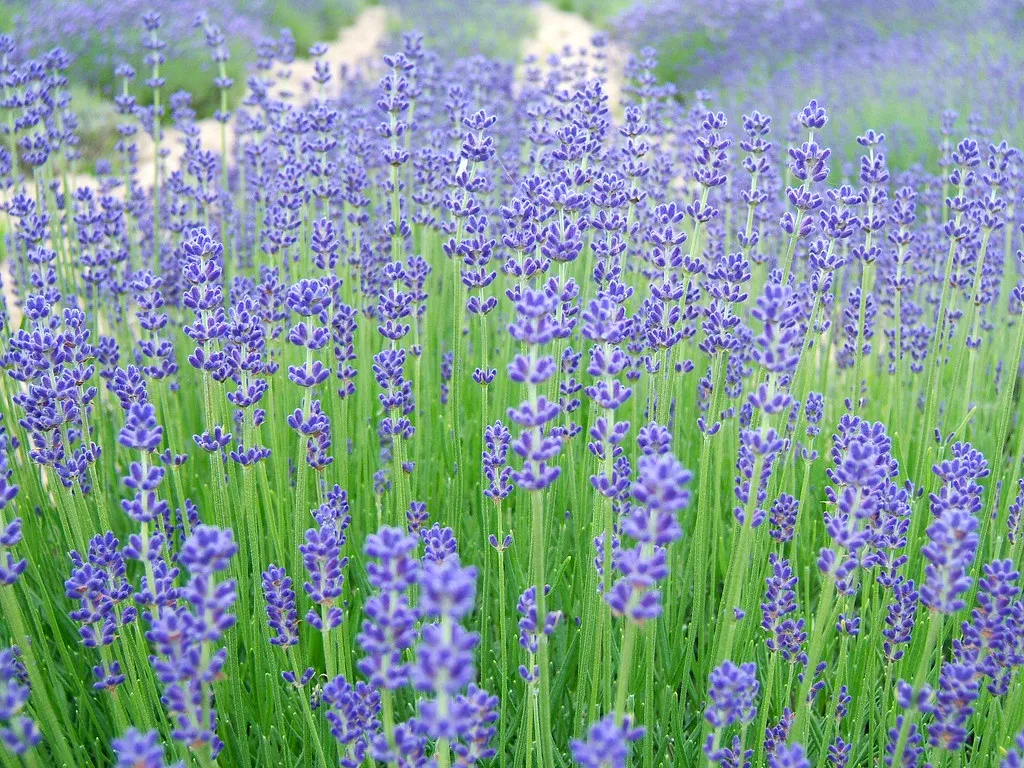
- Vast fields of lavender and poppies create a stunning patchwork across the Nakafurano hills during the peak summer months.
- Most farms are open daily from 9 am to 5 pm with free entry, though tractor rides usually cost $5 to $8.
- Arriving by 8:30 am is the best way to beat the heavy tour bus crowds that arrive by mid-morning.
- Hike the Hokkaido Nature Trail
- This extensive trail system spans thousands of kilometers and offers some of the most scenic hiking in all of Japan.
- Access to the trail is free and it is best explored between June and October when the mountain passes are clear.
- You should always carry bear bells and check local trail conditions at visitor centers before starting any long-distance sections.
- Ski the world-class slopes of Niseko
- Famous for its light and dry 'Japow' snow, Niseko is arguably the premier skiing destination in the entire Asia-Pacific region.
- Full-day lift passes typically range from $60 to $85, and resorts usually operate from late November through early May.
- Booking your lessons and accommodation at least six months in advance is essential for the busy Christmas and New Year period.
- Visit the Sapporo Snow Festival
- Massive ice sculptures and snow monuments transform Odori Park into a winter wonderland for one week every February.
- The festival is free to attend and sculptures are beautifully illuminated every evening until 10 pm for spectacular night viewing.
- Wear high-quality thermal boots with ice grips because the walkways become incredibly slippery after thousands of visitors pack the snow.
- Explore the romantic Otaru Canal
- Historic stone warehouses line this picturesque waterway, which served as a central trading hub during the early 20th century.
- The canal is free to walk 24 hours a day, but the nearby glass shops and cafes typically close by 6 pm.
- I recommend visiting at twilight when the gas lamps flicker on and reflect beautifully against the still water of the canal.
- Discover the Shakotan Peninsula
- Dramatic cliffs and turquoise waters known as 'Shakotan Blue' make this rugged coastline a favorite for summer road trips.
- The area is free to explore, and the best views are found at Cape Kamui, which is open daily during daylight hours.
- Make sure to stop for a bowl of fresh sea urchin at a local shack, as this region produces Japan's best uni.
- Spot wildlife in Shiretoko National Park
- This remote UNESCO World Heritage site is one of the few places in Japan where brown bears roam in the wild.
- Nature cruises cost between $40 and $70 per person and typically run from late April through the end of October.
- The bear-watching cruises offer the safest way to see these majestic animals in their natural habitat without disturbing the ecosystem.
- View the Sea of Clouds at Unkai Terrace
- A mountain-top observation deck at Tomamu offers the chance to stand above a literal blanket of clouds at sunrise.
- The terrace is open from May to October, with gondola tickets costing roughly $15 to $20 for adults.
- There is only a 40% success rate for the cloud phenomenon, so staying at the Hoshino Resort improves your chances significantly.
- Stroll around the Blue Pond in Biei
- Accidental mineral deposits created this ethereal pond with vibrant cobalt water and standing dead larch trees in the center.
- Entry is free and the site is open year-round, though the blue color is most vivid on clear, sunny summer days.
- The parking lot fills up very quickly, so try to arrive before 9 am or visit during the evening light-up event.
- Discover the frost flowers of Akan National Park
- Delicate ice crystals that look like white blossoms form on the frozen surface of Lake Akan during the coldest winter mornings.
- Guided morning tours cost around $30 and are necessary to find the safest spots on the ice before the sun rises.
- These only form when temperatures drop below minus 15 degrees Celsius in windless conditions, so check the local forecast carefully.
- Soak in a traditional Noboribetsu Onsen
- This famous hot spring town features eleven different types of mineral water, each said to have unique healing properties.
- Day-use baths at local hotels generally cost $10 to $20 and are typically open from 11 am to 6 pm.
- Trying the sulfur-rich 'Hell' baths is a must, but remember to remove all jewelry as the minerals can tarnish silver instantly.
- Wander through steaming Hell Valley
- Jigokudani is a spectacular volcanic crater where steam vents and sulfurous streams create a landscape that looks like another planet.
- The walking trails are free to access and remain open 24 hours a day, with atmospheric lighting installed for night walks.
- Follow the boardwalk all the way to the Oyunuma natural footbath to soak your tired feet in a warm, volcanic river.
- Join a seafood cookery class in Shikabe
- Local grandmothers teach visitors how to prepare traditional Hokkaido dishes using fresh ingredients from the nearby Uchiura Bay.
- Classes usually cost about $40 to $60 and require advance booking through the local tourism board or community center.
- This experience provides a rare and heartwarming opportunity to connect with the local community while learning secrets of northern Japanese cuisine.
- Visit the star-shaped Goryokaku Fort
- This massive western-style citadel in Hakodate was the site of the final battle of the Boshin War in 1869.
- The park grounds are free, but the Goryokaku Tower observation deck costs approximately $8 to $10 for a full view.
- Visit during the cherry blossom season in late April when over 1,600 trees turn the entire star-shaped moat into a pink ring.
- Stay in a traditional Ryokan
- Spending a night in a classic Japanese inn offers the ultimate experience of hospitality, tatami rooms, and multi-course kaiseki dinners.
- Prices range widely from $150 to $600 per night depending on the luxury level and whether meals are included in the rate.
- I suggest choosing a ryokan in Jozankei or Lake Toya caldera to combine your stay with beautiful lake or mountain views.
- Explore Lake Toya Geopark
- This circular caldera lake remains ice-free all year and is surrounded by active volcanoes that still puff steam into the sky.
- Boat cruises to the central islands cost about $12 and run daily from April through the end of October.
- Walking the 'Mt. Usu Craters' trail allows you to see the actual damage from the 2000 eruption, including abandoned, half-buried buildings.
- Tour the Tanaka Sake Distillery
- Located in Otaru, this historic brewery uses pure Hokkaido spring water to produce some of the region's most refined sake.
- Free tours are available daily from 9 am to 6 pm, usually followed by a tasting of their seasonal varieties.
- Try the 'freshly pressed' sake which is only available at the brewery and has a much livelier flavor than bottled versions.
- Catch autumnal leaf colors at Jozankei
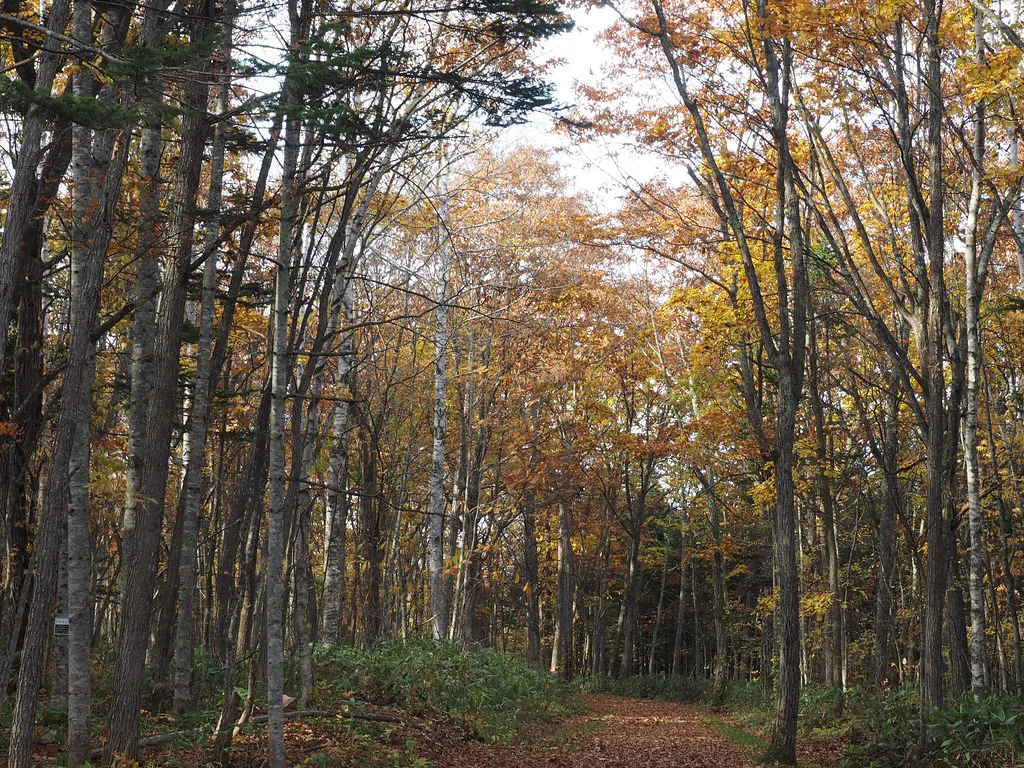
- This valley on the outskirts of Sapporo becomes a sea of red and gold during the peak foliage season in October.
- The area is free to visit, and the best views are found from the bright red Futami Suspension Bridge over the river.
- The 'Koyo Kappa Bus' runs seasonal tours for a few dollars, taking you to the best hidden viewpoints in the valley.
- Uncover history at Hakone Jomon Museum
- This museum showcases artifacts from the Jomon period, including the only 'National Treasure' hollow clay figurine in Hokkaido.
- Entry fees are modest at around $3 to $5, and the museum is typically open from 9 am to 5 pm.
- It is a fascinating stop for history buffs, though it is quite remote and easiest to reach if you have a car.
- See the Moerenuma Park sculptures
- Designed by the legendary Isamu Noguchi, this massive park blends art and landscape architecture into a single, cohesive masterpiece.
- Entry to the park is free, and it is open daily from 7 am to 10 pm throughout the entire year.
- Rent a bicycle at the entrance for a few dollars to explore the sprawling grounds and the iconic glass pyramid structure.
- Drink Sapporo Beer at the Museum
- Housed in a beautiful red-brick building, this museum tells the story of Japan's oldest beer brand founded in 1876.
- The museum exhibits are free to browse, but a tasting set of three different beers costs about $6 to $8.
- The museum is open from 11 am to 6 pm, and I highly recommend staying for a Genghis Khan lamb BBQ dinner next door.
- Eat authentic Sapporo Ramen and Soup Curry
- Sapporo is the birthplace of miso ramen and the spicy, vegetable-heavy 'soup curry' that has become a local obsession.
- A standard bowl of ramen or soup curry will cost between $8 and $15 at most local specialty shops.
- Garaku and Suage+ are the most famous spots for soup curry, so expect a 30-minute wait during the peak lunch hour.
- Meet the Ainu people at Upopoy
- The National Ainu Museum and Park provides a deep look into the language, crafts, and spiritual beliefs of Hokkaido's indigenous people.
- Adult tickets are approximately $10 to $12, and the facility is generally open from 9 am to 5 pm, closed on Mondays.
- Watch the traditional dance performances in the theater, as they are included in your ticket and offer powerful cultural insights.
- See the Gem Ice at Toyokoro Otsu Coast
- Crystal clear blocks of river ice wash up on the dark sand beach, sparkling like diamonds in the winter morning sun.
- Access to the beach is free, but the phenomenon only occurs during late January and February when the Tokachi River freezes.
- You must arrive at sunrise to see the ice at its most transparent before the tide or snow covers the blocks.
- Visit the Asahikawa Snow Crystal Museum
- This unique museum is dedicated entirely to the beauty of snowflakes, featuring stunning crystal-themed architecture and ice corridors.
- Entry is around $6 to $8, and the museum typically operates from 9 am to 5 pm daily.
- The 'Snow Crystal Room' contains over 200 photographs of individual snowflakes, showing the incredible diversity of their microscopic patterns.
When to Visit Hokkaido: Season by Season
Hokkaido's appeal shifts dramatically with each season, and the "right" time to visit depends entirely on what you want to see. Winter (December through March) delivers the Sapporo Snow Festival in early February, world-class powder snow at Niseko, and the haunting frost flowers of Lake Akan. Temperatures regularly drop below minus 10°C in eastern Hokkaido, so pack serious thermal layers and ice-grip footwear.
Spring (April to May) is brief but spectacular. Goryokaku Fort in Hakodate fills with over 1,600 cherry trees in late April — one of the most dramatic sakura settings in Japan. Shiretoko National Park reopens its hiking trails in May, and the migratory birds return to the Kushiro wetlands. This shoulder season often offers better hotel rates and thinner crowds than the peak summer rush.
Summer (June to August) is peak season for flowers. The lavender at Farm Tomita in Furano peaks in the second and third weeks of July, overlapping with poppies and sunflowers across the Nakafurano hills. The Shakotan Peninsula's turquoise waters are at their best for coastline drives and fresh uni. Evenings stay cool — rarely above 25°C — which is a major draw for visitors escaping the oppressive humidity of Honshu.
Autumn (September to November) is arguably Hokkaido's most underrated season. The foliage at Jozankei and Daisetsuzan turns in late September, weeks ahead of the rest of Japan, giving you a head start on the country's famous koyo leaf-viewing. October is also the best month to harvest Hokkaido melons and visit the Yoichi wine region before the harvest closes. If you can only choose one off-peak window, autumn delivers the clearest skies and the fewest tour buses.
Eastern Hokkaido: The Wild East Most Visitors Skip
Most itineraries cluster around Sapporo, Otaru, Furano, and Niseko — the western and central heartland. Eastern Hokkaido, accessible by limited express train from Sapporo, is a different world. Kushiro is the gateway to the Akan-Mashu National Park, where the red-crested tancho cranes dance in the wetlands year-round and the Ainu settlement at Lake Akan offers a more immersive cultural encounter than any museum exhibit.
Abashiri, on the Sea of Okhotsk coast, has a dual identity. In summer it is the jumping-off point for the remote Shiretoko Peninsula, where brown bears outnumber tourists on the coastal hiking trails. In winter, Abashiri becomes Japan's only destination for an icebreaker cruise through drift ice — an experience unlike anything else in the country. The Aurora icebreaker runs daily from late January through mid-March, with tickets around ¥3,500 per adult.
Far northern Hokkaido offers one final frontier. Wakkanai is Japan's northernmost city, and from its port you can reach the islands of Rishiri and Rebun. Rishiri's conical volcano rises directly from the sea and can be hiked in a single demanding day. Rebun is flatter and blanketed in alpine wildflowers in June and July. Neither island has a convenience store on every corner — that is entirely the point. Build at least two or three extra days into your itinerary if you want to see the east or north properly.
The Yoichi Day Trip: Whisky, Wine, and Sea Urchin
One of Hokkaido's most satisfying day trips from Sapporo chains three distinct experiences into a single westward route along the coast. Start at the Nikka Whisky Distillery in Yoichi, established in 1934 by Masataka Taketsuru — the same man who founded Japanese whisky production. The distillery is free to enter, self-guided tours take about an hour, and tastings are included. The stone pagoda kilns and pot stills are visually striking even if you are not a whisky drinker.
From Yoichi, drive ten minutes to the cluster of small wineries that has quietly made this coastline one of Japan's four most talked-about wine regions. Domaine Ichi, Niki Hills, and Yoichi Winery all accept walk-in visitors between May and October. The cool maritime climate produces particularly good pinot noir and riesling — a fact that is still largely unknown outside Japan. Tasting flights run ¥1,000 to ¥2,000 per person, a fraction of what you would pay for equivalent quality in Burgundy.
Continue another 45 minutes along the coastal road to the tip of the Shakotan Peninsula for lunch. The local fishing shacks serve fresh uni directly from the morning catch. The sea urchin here — harvested from the cold, clean water of the Shakotan Blue — has a sweetness that makes the boxed supermarket variety seem like a different ingredient entirely. Cape Kamui offers a 20-minute cliff walk to a panoramic viewpoint. Return to Sapporo by late afternoon via the coastal road, which takes about 90 minutes in clear conditions.
Car vs JR Pass: Choosing the Right Transport for Hokkaido
Hokkaido's vast distances make transport planning more consequential than anywhere else in Japan. The decision between renting a car and relying on the JR Hokkaido network largely depends on where you plan to go. If your itinerary stays within the triangle of Sapporo, Hakodate, and Asahikawa, the JR Hokkaido Pass (¥16,000 for five days in 2026) covers the limited express trains efficiently. The Hokkaido Rail Pass also covers the Rapid Airport train from New Chitose, saving you ¥1,150 each way.
A rental car becomes essential the moment you want to explore the national parks, the Shakotan Peninsula, the Blue Pond in Biei, or any part of eastern Hokkaido. JR Hokkaido has reduced its rural network significantly since 2016, and bus connections to places like Shiretoko Five Lakes or the Onneyu Onsen area are infrequent and slow. A mid-size rental car costs ¥6,000 to ¥9,000 per day from New Chitose, and petrol stations on the main routes accept international credit cards. Note that international driving permits issued in most countries are valid in Japan.
Winter driving requires a separate consideration. Hokkaido roads receive studded tyre treatment and are actively gritted, but mountain passes and rural roads can close after heavy snowfall with no warning. If you are an inexperienced driver on snow, opt for the train between major cities and take pre-booked tours or shuttle buses for the more remote winter experiences. Many Niseko hotels offer free shuttle runs from Kutchan Station precisely because the mountain road in fresh powder is not for everyone.
Tadao Ando's Hill of the Buddha: An Architectural Hidden Gem
Most Hokkaido visitors walk past the Makomanai Takino Cemetery without a second glance at the name. That is a significant oversight. Hidden within the cemetery's forested grounds is the Hill of the Buddha, completed by architect Tadao Ando in 2016. A massive seated Buddha statue — 13.5 metres tall — sits inside a buried concrete cylinder beneath a hill of lavender. To reach it, you walk through a 40-metre dark tunnel that opens suddenly to reveal the statue framed by a circular skylight.
The contrast between the enclosed tunnel and the burst of light around the Buddha produces a genuinely affecting experience. Ando's signature interplay of concrete, water, and natural light is on full display, and the lavender bloom in late June and July turns the entire hill above into a fragrant purple carpet. Entry is free. The cemetery is in Minami Ward, about 30 minutes from central Sapporo by bus (Chuo Bus 70 or 71 from Makomanai Station). Public transport works fine here, but the timetable is infrequent on weekends.
It does not appear on most "things to do in Sapporo" lists because it sits inside a cemetery, which puts some travelers off. In practice the grounds are peaceful and welcoming to visitors, and the combination of contemporary architecture and traditional Buddhist iconography is one of the most quietly powerful sights in all of Hokkaido. If you are in Sapporo for two or more days, this is the half-day excursion that will surprise you most.
What to Skip: Overrated Hokkaido Attractions
While Hokkaido has many wonders, some attractions frequently appear on 'must-do' lists but often leave visitors feeling disappointed. The Sapporo Clock Tower is the most cited example, as many travelers find it underwhelming due to its small size and modern surroundings. It is a historic building, but viewing it from the street for two minutes is usually enough for most people.
Another area to be cautious of is the Otaru Sakaimachi Street during the peak of a summer weekend afternoon. The narrow sidewalks become extremely congested with tour groups, making it difficult to enjoy the charming glass shops and music box museums. If you want to experience Otaru's magic, visit on a weekday or arrive before 10 am to enjoy the atmosphere in peace.
Finally, some of the 'tourist' seafood markets in Sapporo can be significantly more expensive than local neighborhood spots. Nijo Market is convenient, but you will often find better prices and more authentic vibes at the Curb Market (Jogai Ichiba) further out. Being an informed traveler means knowing when to follow the crowd and when to seek out a quieter alternative.
Essential Planning Tips for Your Trip
Deciding how to get around is the most critical part of planning your Hokkaido adventure in 2026. While the JR Hokkaido trains are excellent for connecting major cities, Top 10 Essential Tips for a Hokkaido Rent A Car Road Trip is often the only way to reach remote parks. A rental car gives you the freedom to stop at roadside stations (Michi-no-Eki) for local snacks and hidden viewpoints.
If you prefer not to drive, the JR Pass can be a cost-effective way to travel between Sapporo, Hakodate, and Asahikawa. For those heading to the national parks, many hotels offer free shuttle buses from the nearest train station if you book in advance. Check out Travel Nation: 20 Amazing things to do in Hokkaido for more transport tips and route ideas.
Hokkaido's weather is unpredictable, so packing layers is essential even during the summer months when evenings can be chilly. In winter, ensure your footwear has good traction, as the sidewalks in Sapporo and Otaru are notoriously icy and slippery. Booking your accommodation at least four to six months ahead is recommended for peak seasons like February or July.
Explore Hokkaido by Area
Hokkaido is vast, so plan it region by region. These area guides go deeper than this overview:
- Flower country: Furano & Biei — lavender fields, Farm Tomita and the Blue Pond.
- Onsen towns: Noboribetsu — Jigokudani Hell Valley, hot springs and nearby Lake Toya.
- Zoo & mountains: Asahikawa — Asahiyama Zoo penguin walk and the gateway to Daisetsuzan.
- The capital: Sapporo — food, the Snow Festival and city sights.
- Powder & skiing: Niseko — world-class snow and summer activities.
- Port & night view: Hakodate — morning market, ropeway and harbour.
- Canal day-trip: Otaru — historic canal, glass and sushi.
Going deeper on this theme? Our Hokkaido in Autumn guide covers it in detail, with the practical planning this page leaves out.
Going deeper on this theme? Our 10 Best Hokkaido Ski Resorts (2026) guide covers it in detail, with the practical planning this page leaves out.
Explore attractions in other cities
Frequently Asked Questions
Is a car necessary to see the best of Hokkaido?
While trains connect major cities like Sapporo and Hakodate, a car is highly recommended for exploring national parks. Many iconic spots like the Blue Pond or Shiretoko are difficult to reach via public transport. Renting a car provides the flexibility needed for the island's vast distances.
What is the best month to visit Hokkaido for flowers?
July is the peak month for Hokkaido's famous flower displays, especially the lavender fields in Furano. Late June and early August also offer beautiful blooms, including poppies and sunflowers. Be sure to book your accommodation early as this is the busiest summer period.
Can I see the Sapporo Snow Festival in one day?
You can see the main sculptures in Odori Park in a single day, but two days are better. This allows you to visit the Susukino ice carvings and the Tsudome community site for snow slides. Most visitors prefer seeing the sculptures both in daylight and under the evening illuminations.
Hokkaido remains one of the most rewarding regions in Japan for those who crave nature and culinary excellence. From the volcanic steam of Noboribetsu to the pristine snow of Niseko, the island offers a diverse range of experiences for every traveler. By following this guide, you can navigate the island's vast distances and find the most authentic hidden gems.
Whether you are a first-time visitor or a returning explorer, the northern frontier always has something new to discover. Plan your trip with a sense of adventure, and you will find that Hokkaido's wild beauty stays with you long after you leave.
Free guide: Japan's Hidden Gems
12 under-the-radar places beyond Tokyo & Kyoto — with the best season to visit each and a local tip you won't find in the guidebooks.
You might also like


Continue reading
More guides you'll find useful


